
How much is a 1963 split-window Corvette worth?

The 1963 Corvette split-window coupe is one of the most iconic American automobiles ever produced. Bill Mitchell's spine-running window divider — the feature that Zora Arkus-Duntov opposed as a visibility hazard and that was deleted after exactly one model year — turned the 1963 into a permanent design landmark the moment it disappeared. I've spent two decades documenting these cars, and the market has never wavered in its appreciation of the original vision.
Why 1963 Only
The rear window spine was deleted for 1964 at Duntov's insistence — he argued it blocked rearward visibility. Mitchell was furious. The result is that only the 1963 coupe wears this feature, making it instantly identifiable and separately collectible from every subsequent C2. Convertibles were not affected by the spine design and don't carry the same visual distinction.
2026 Pricing by Configuration
- 1963 coupe, 250 hp base (driver quality): $60,000–$85,000
- 1963 coupe, 327/340 hp four-barrel: $75,000–$110,000
- 1963 coupe, Rochester fuel injection (360 hp fuelie): $110,000–$185,000
- 1963 Z06 competition package (documented): $200,000–$400,000
- 1963 coupe, any configuration, concours-restored: add 25–40%
Authentication — The Tank Sticker
The build sheet and tank sticker are the authentication chain on any C2. The tank sticker — mounted inside the fuel filler door — confirms the factory RPO codes: engine, transmission, color, and options. Cross-reference against the engine pad stamp (stamped date code and VIN derivative) to confirm numbers match. The National Corvette Restorers Society and NCRS Judging & Show standards provide the definitive authentication framework.
The Clone Problem
I have seen dozens of 1963 coupes presented as fuel-injected cars that were actually carbureted at the factory. The fuelie conversion is one of the most common classic Corvette frauds, because a Rochester FI unit can be sourced and installed. The engine stamp must show the correct FI-spec RPO code, and the partial VIN in the stamp must match. A NCRS Duntov Mark of Excellence inspection is the highest verification standard available and appropriate for any fuelie 1963 above $120,000.
Browse current listings
 Dealer
 United States
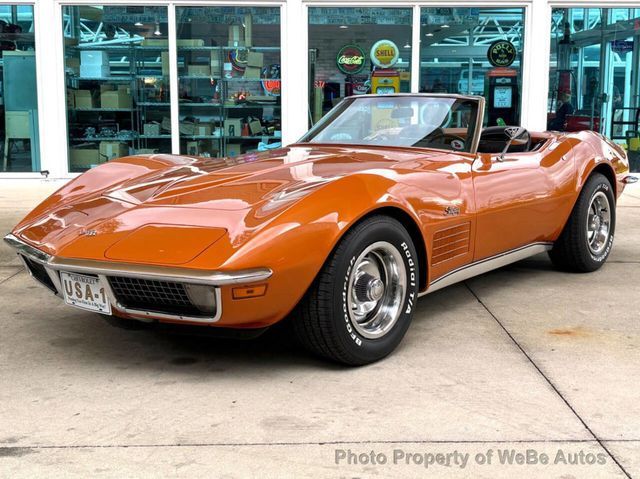
1971 Chevrolet Corvette
 Dealer
United States
Dealer
United States
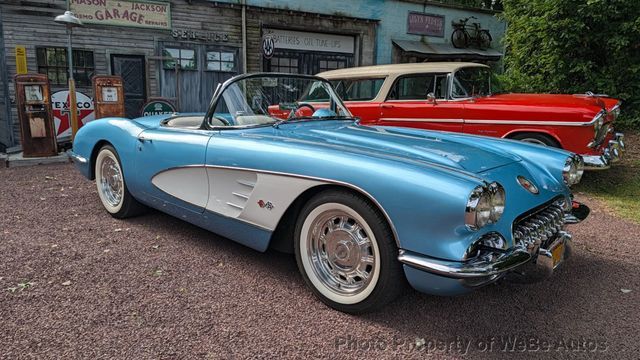
1960 Chevrolet Corvette
 Dealer
United States
Dealer
United States
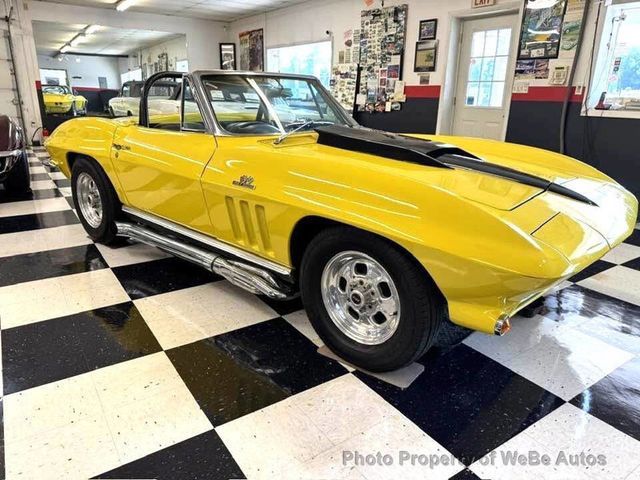
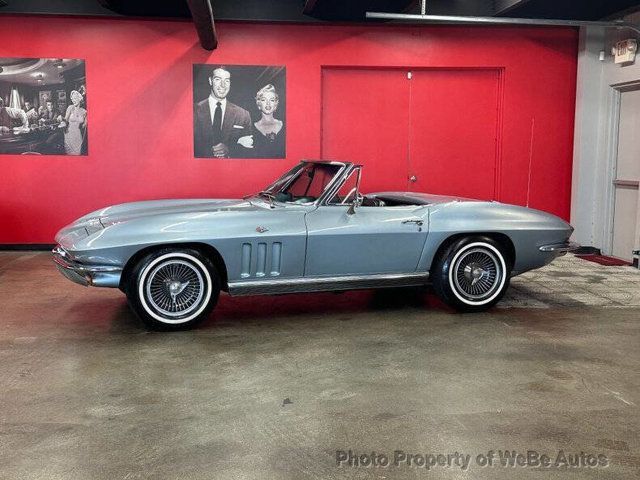
1966 Chevrolet Corvette
 Dealer
United States
Dealer
United States
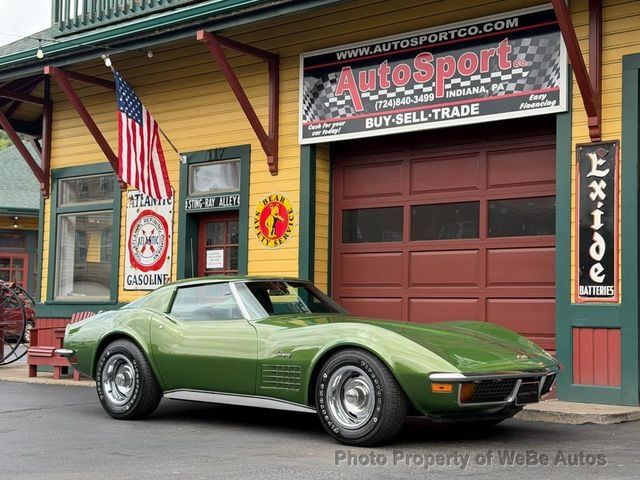
1972 Chevrolet Corvette
 Dealer
United States
Dealer
United States