
How much is a Datsun 240Z worth in 2026?

The Datsun 240Z changed the way American buyers thought about Japanese sports cars. When it landed in 1969 at under $4,000, it offered E-Type performance with Datsun reliability — a combination that stunned the automotive press and launched one of the most successful sports car lines in history. The collector market in 2026 reflects that legacy.
2026 Value by Condition
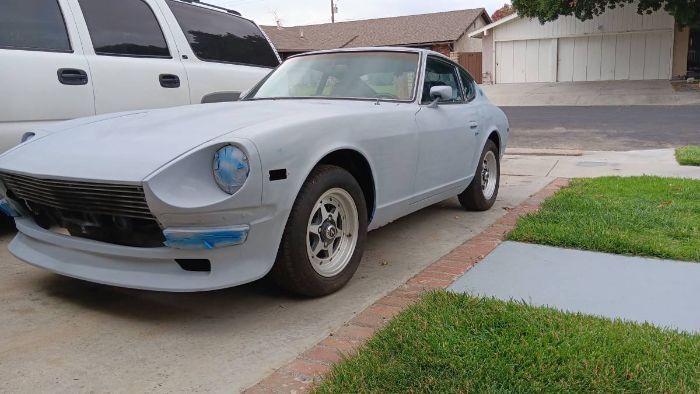
- Project car (rust, engine issues): $8,000–$15,000
- Driver-quality (solid body, running, some wear): $25,000–$42,000
- Clean survivor (original paint, low miles): $45,000–$65,000
- Show/concours-restored: $55,000–$80,000+
- Original-paint, numbers-matching in rare color: $75,000–$100,000+
Which Years Are Most Valuable?
The 1970 and 1971 240Zs are the most desirable — the earliest production cars had the round side mirrors, chrome bumpers, and less government-mandated equipment. The 1972-1973 cars are mechanically similar but have flat mirrors and other detail changes that matter to originality-focused buyers. All three years use the L24 straight-six, so driving experience is identical.
What Drives Premium Value
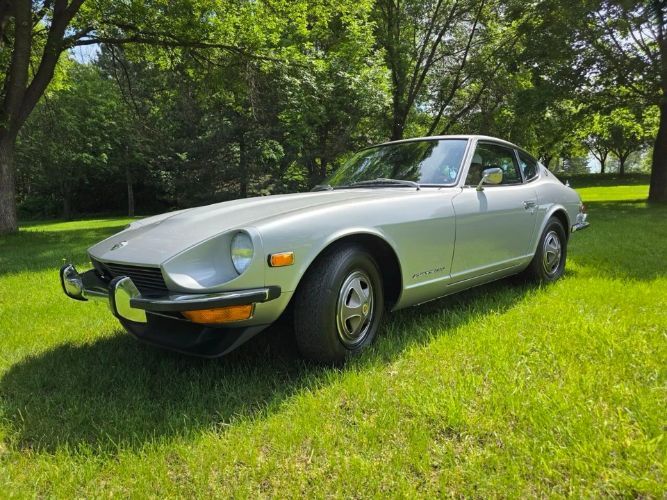
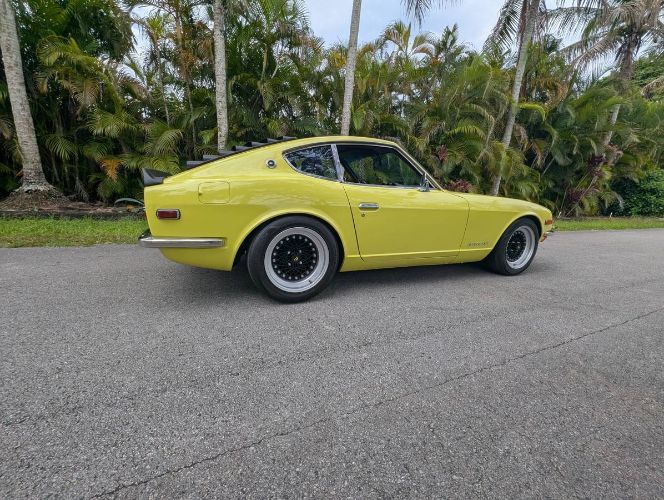
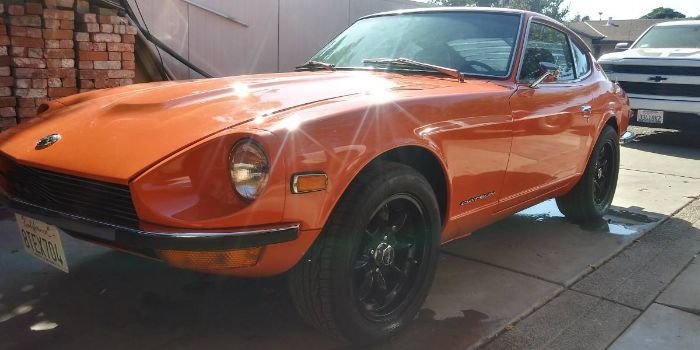
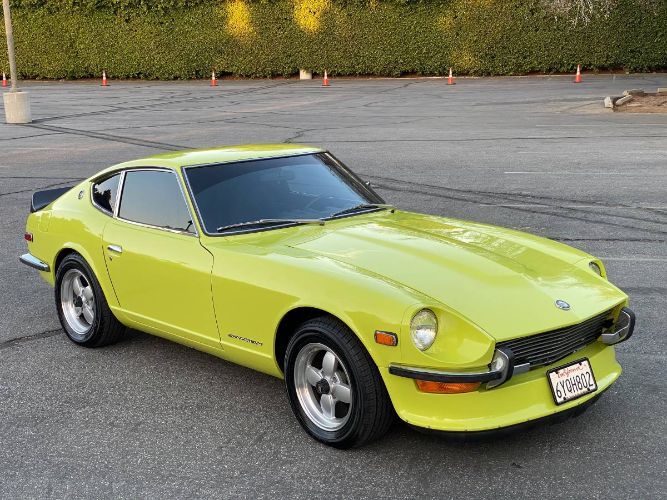
Rust-free body is the primary value driver — a 240Z with structural rust is worth a fraction of a clean one regardless of running condition. Original paint (even faded) outperforms a repaint at this level. Factory colors like Phoenix Yellow (a vibrant golden yellow) and Sunshine Orange carry a 20-30% premium over silver or white examples because they photograph well and show strong provenance. Matching-numbers engines add value primarily because they confirm the car hasn't been a parts donor.
The Investment Case
The 240Z is one of the strongest-appreciating classic sports cars in the $30,000-$60,000 bracket. Supply of clean originals is finite and shrinking; demand from nostalgic buyers and Japanese car enthusiasts has been accelerating. I've documented every restoration step on multiple Zs — the ones that hold value longest are the cleanest, least-modified examples. Originality is the asset.
Browse current listings
 Dealer
 United States
1973 Datsun 240Z
 Dealer
United States
Dealer
United States
1973 Datsun 240Z
 Dealer
United States
Dealer
United States
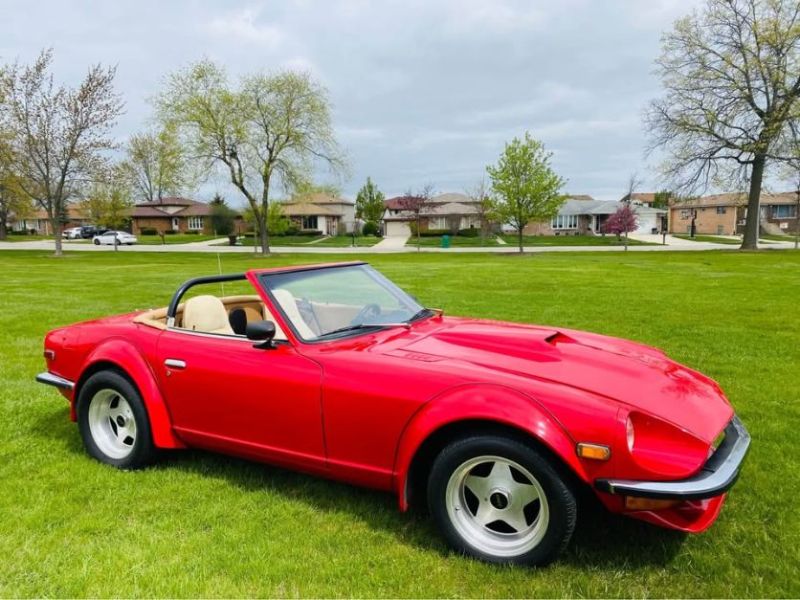
1973 Datsun 240Z
 Dealer
United States
Dealer
United States
1973 Datsun 240Z
 Dealer
United States
Dealer
United States
1971 Datsun 240Z
 Dealer
United States
Dealer
United States