
1969 AMC Rambler
$74,997
Vehicle Details
AMC
Rambler
1969
87,971 miles
A9M097X302638
Coupe
Manual
390/315 V8
Description
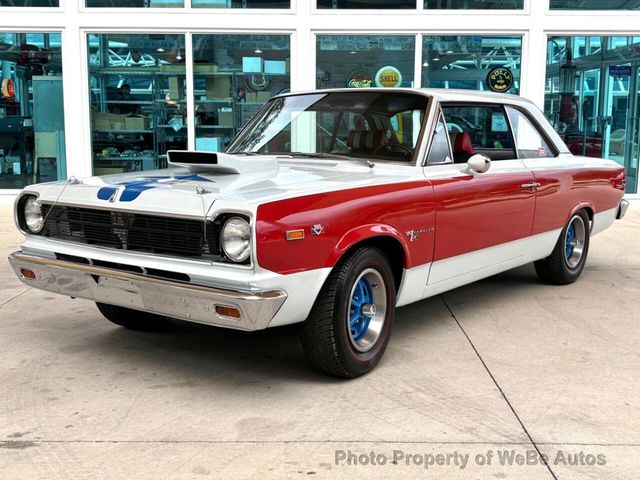
1969 AMC SC/Rambler Hurst — Numbers-Matching 390 V8, Close-Ratio 4-Speed, 1 of 1,512 Built Why This Car Is Special The 1969 AMC SC/Rambler Hurst is one of the more deliberately engineered sleepers in the history of American muscle. American Motors and Hurst Performance built just 1,512 of them — a small enough number to make any survivor significant, but it is the details of how this car was built that make it genuinely remarkable. AMC took their compact Rambler American body, dropped in the 390 cubic inch V8 rated at 315 horsepower, bolted in a close-ratio Borg-Warner T-10 four-speed, hung a functional ram-air hood scoop from the hood, and sold the whole package for $2,998 — the lowest sticker price of any true muscle car in 1969.
A GTO Judge started at $3,161 that year. A Chevelle SS 396 was over $3,600. AMC was not playing by the same rules as everyone else. The SC/Rambler was conceived with drag racing in mind from the start.
AMC worked with NHRA to homologate the car for F/Stock competition, which meant the factory had to produce a minimum number of identically configured cars. The result was a vehicle that came out of the showroom drag-strip ready: anti-hop rear torque links, staggered rear shock absorbers, front disc brakes, a limited-slip differential, and heavy-duty suspension all came standard. This was not a dealer-option muscle car.
Every SC/Rambler received the full package. The car was offered in two paint configurations. The more common layout — known as the 'A' Scheme — placed a bold red and white body with a blue hood stripe and blue accents on an otherwise white car.
The 'B' Scheme reversed the arrangement with a mostly red body. Of the 1,512 built, approximately 1,215 received the A Scheme, making this example part of the more familiar and most photographed variant of the model. The car you are looking at wears the factory A Scheme livery and it is confirmed correct by the VIN, which encodes the 'X' engine designation — verifying this is a numbers-matching, factory 390-equipped car.
The SC/Rambler spent one model year in production. AMC never built another one. That single-year production run, combined with the low total numbers and the car's reputation on the strip, has made the 1969 AMC SC/Rambler Hurst one of the more collected muscle cars from the era — particularly among buyers who understand what these cars actually do rather than simply what they look like.
Features List - 390 CID V8 — 315 HP, numbers matching, 'X' engine code confirmed in VIN - Borg-Warner T-10 close-ratio 4-speed manual transmission - Gear Vendors overdrive unit installed; original tailshaft and crossmember retained and stored in trunk - AMC Twin-Grip 3.54:1 limited-slip differential with Dana internals - Carter AFB 4-barrel carburetor - Hurst T-handle shifter - Functional ram-air hood scoop with upthrust snout - Front disc brakes - Anti-hop rear torque links - Staggered rear shock absorbers - Front anti-sway bar - Heavy-duty suspension and shocks - Subframe connectors - Dual exhaust with Flowmaster mufflers - Factory 'A' Scheme red/white/blue paint - Blue Magnum 500 styled steel wheels - Red-stripe Goodyear Polyglas tires - SC/Rambler Hurst fender badges - Hood pins - Hurst racing mirrors - Red/white/blue factory headrests - Wood-grain sport steering wheel - AM radio - 1 of approximately 1,215 A Scheme cars built; 1 of 1,512 total SC/Ramblers produced Mechanical The engine in this 1969 AMC SC/Rambler Hurst is the factory 390 cubic inch V8, and the VIN encodes the 'X' engine designation that confirms it is the original numbers-matching unit. The 390 was fed by a Carter AFB 4-barrel carburetor and breathed through the functional ram-air hood scoop — a design that used an upward-facing snout to force air directly into the intake under acceleration rather than simply venting the engine bay. AMC rated the 390 at 315 horsepower, though that figure was widely considered conservative at the time, a common prac
Classic AMC Rambler Buyer's Guide
AMC Rambler Market Overview
Based on 22 AMC Rambler listings currently on ClassicCarsArena.com
Classic AMC Rambler Buyer's Guide
The Rambler was the car that nearly saved American Motors — and for a time, it did exactly that. While the Big Three chased horsepower and size through the late 1950s, Nash and then AMC built smaller, more economical cars and watched their sales figures climb. The Rambler nameplate ran from 1950 through 1969, spanning four distinct eras and establishing AMC as a genuine alternative to Detroit's mainstream. Today these cars are affordable, mechanically approachable, and undervalued — which makes them interesting. The rust patterns and unibody construction challenges are what make them require careful inspection before purchase.
What to Check Before Buying
Common Issues
What to Look For
Price Guide
Did You Know?
1969 AMC Rambler
Contact Seller
Listed by dealer
Nationwide consignment dealer
WeBe Autos lists vehicles from sellers across multiple states. The vehicle may not be at the dealer's address shown. Contact the dealer to confirm the vehicle's actual location before traveling.
Buying safely?
Read our scam-avoidance tips before paying →
Listing Actions
Browse by Era
1960s Classics for SaleAll 1969 Classics
Browse all 1969 Cars for SaleGet classic car alerts
Latest arrivals, newest deals, and discount coupons — straight to your inbox.
Selling your classic car?
Reach millions of classic car enthusiasts on the largest US classics marketplace.
Sell Your Car →Similar Listings
 Dealer
 United States
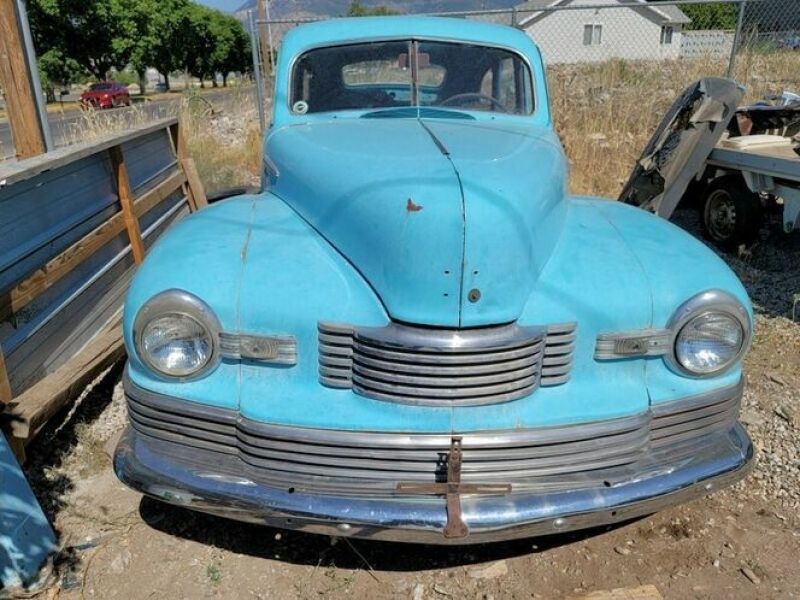
1948 AMC Ambassador
 Dealer
United States
Dealer
United States
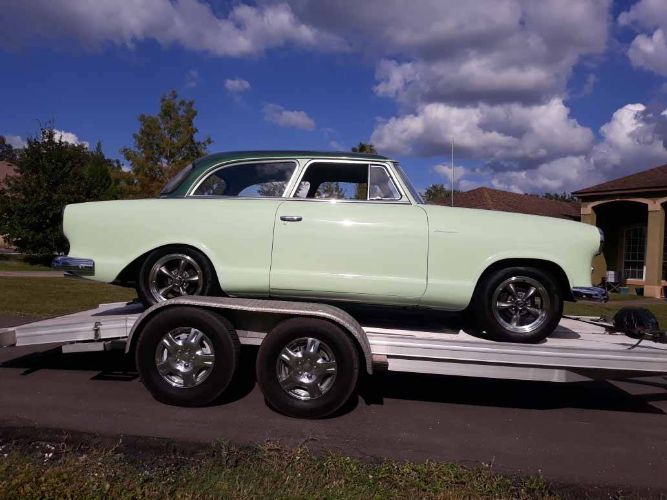
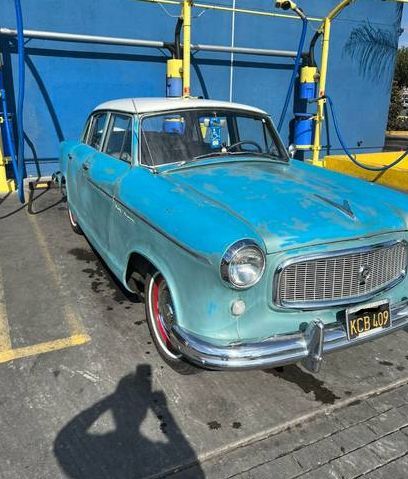
1959 AMC Rambler
 Dealer
United States
Dealer
United States
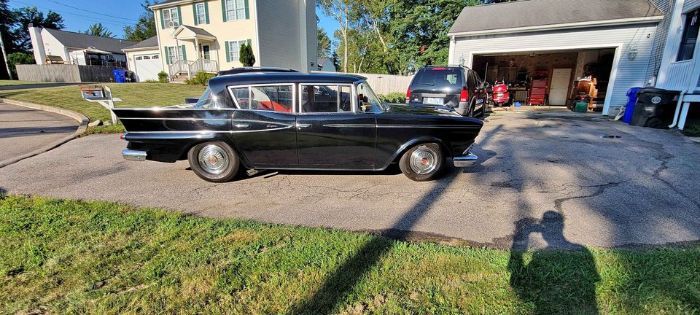
1959 AMC Rambler
 Dealer
United States
Dealer
United States
1960 AMC Rambler
Contact Seller
Call this seller?
You're about to call WeBe Autos about the 1969 AMC Rambler.
+1 (631) 339-0399
Report this Ad
Help us keep the marketplace clean. Our moderation team reviews every report within 24 hours.