
1966 Chevrolet Chevelle
$52,700 $59,995
Vehicle Details
Chevrolet
Chevelle
1966
1,200 miles
138
Convertible
Automatic
Gasoline
427 Big Block With 671 Blower
Description
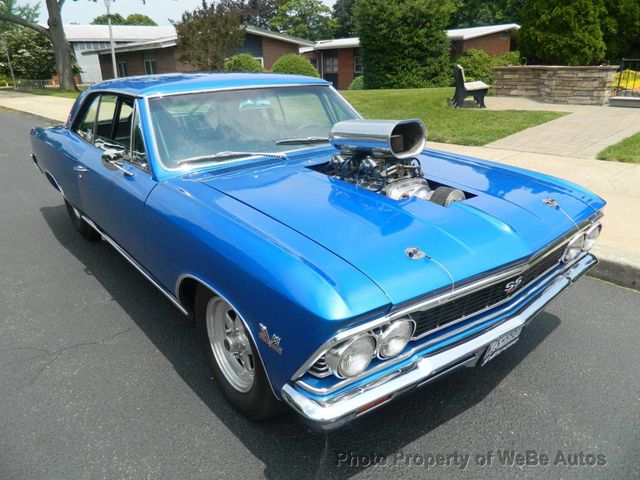
1966 Chevrolet Chevelle SS Pro-Street For Sale Real SS with 138 Vin
427 Big Block With 671 Blower Dual Quads Super Straight Beautiful Body Tubbed Rear End Complete Roll Bar Runs And Drives Great Stored In A Heated Garage
Runs on Pump Gas
Over $100,000 Invested! Will Trade For 1959 Cadillac or Equivalent For Sale By Owner Located In Ronkonkoma, NY
Trim: SS
Options: Premium Sound System
Classic Chevrolet Chevelle Buyer's Guide
Chevrolet Chevelle Market Overview
Based on 231 Chevrolet Chevelle listings currently on ClassicCarsArena.com
Classic Chevrolet Chevelle Buyer's Guide
The Chevrolet Chevelle launched in 1964 as Chevrolet's mid-size A-body entry, and within two years it had become the foundation of one of the most successful muscle-car lineages in American automotive history. The 1970 LS6 SS454 Chevelle remains the high-water mark of factory muscle-car horsepower from the entire era — a rating of 450 horsepower from a stock 454 that put GM's Chevelle definitively at the top of the 1970 muscle-car hierarchy. Across fourteen model years (1964-1977), the Chevelle market is one of the deepest and most active segments in the entire American collector hobby — with documented original SS454 cars commanding six-figure money and clean driver-quality cars remaining attainable. This guide covers what every buyer should verify before paying premium money for any Chevelle SS variant.
What to Check Before Buying
Common Issues
What to Look For
Price Guide
Did You Know?
Also Consider
Similar classic cars shoppers also browse:
How Does It Compare?
Head-to-head matchups for the Chevrolet Chevelle:
Price Cut! -$7,295 (-12.2%)
1966 Chevrolet Chevelle
Contact Seller
Listed by dealer
Nationwide consignment dealer
WeBe Autos lists vehicles from sellers across multiple states. The vehicle may not be at the dealer's address shown. Contact the dealer to confirm the vehicle's actual location before traveling.
Buying safely?
Read our scam-avoidance tips before paying →
Listing Actions
Browse by Era
1960s Classics for SaleAll 1966 Classics
Browse all 1966 Cars for SaleOriginal Factory Colors
Official paint codes for the Chevrolet Chevelle (1966).
🎨 View Factory ColorsGet classic car alerts
Latest arrivals, newest deals, and discount coupons — straight to your inbox.
Selling your classic car?
Reach millions of classic car enthusiasts on the largest US classics marketplace.
Sell Your Car →Similar Listings
 Dealer
 United States
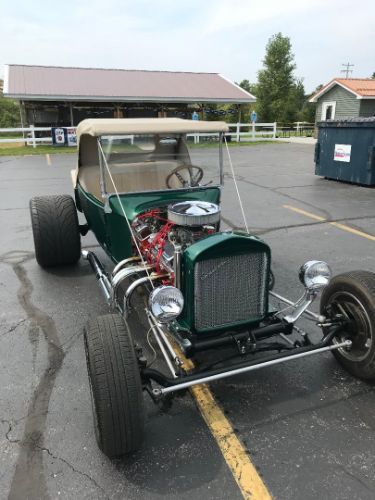
1918 Chevrolet 100
 Dealer
United States
Dealer
United States
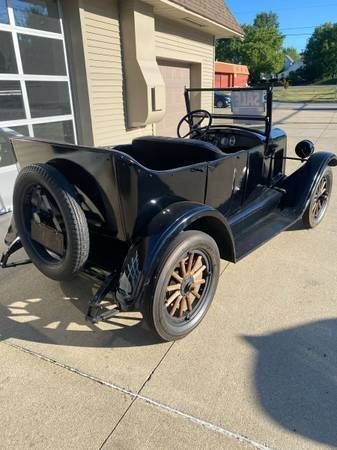
1923 Chevrolet Master
 Dealer
United States
Dealer
United States
1925 Chevrolet Superior K
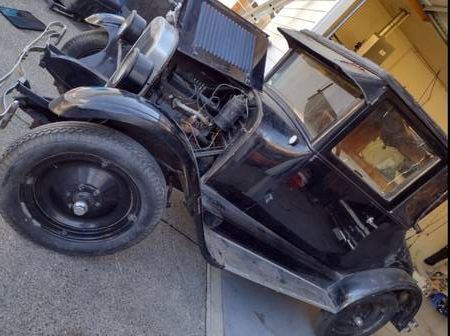 Dealer
United States
Dealer
United States
1926 Chevrolet 100
Contact Seller
Call this seller?
You're about to call WeBe Autos about the 1966 Chevrolet Chevelle.
+1 (631) 339-0399
Report this Ad
Help us keep the marketplace clean. Our moderation team reviews every report within 24 hours.