
1971 Chevrolet Corvette
$49,997
Vehicle Details
Chevrolet
Corvette
1971
37,138 miles
194671S120577
Convertible
Automatic
350ci 270hp V8
Description
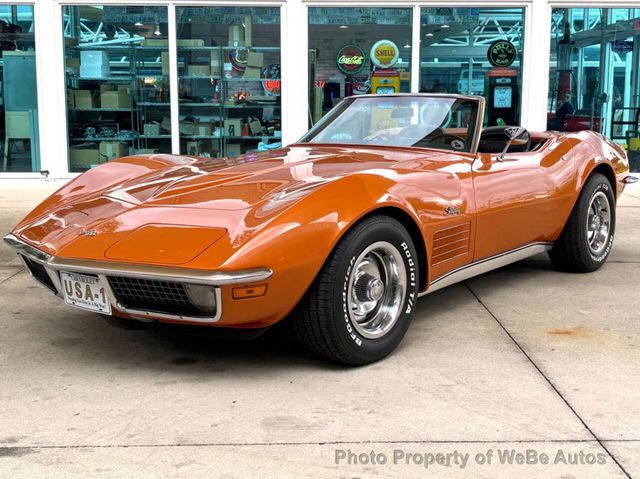
1971 Chevrolet Corvette Stingray Convertible — Ontario Orange, 350ci V8, Turbo-Hydramatic, Dual Top Why This Car Is Special The 1971 Chevrolet Corvette Stingray sits at an interesting crossroads in Corvette history. It was the fourth year of the C3 body that Chevrolet introduced in 1968, and in many ways 1971 represented the high-water mark before emissions regulations began to seriously chip away at horsepower. Chevrolet lowered compression ratios across the engine lineup that year to run on lower-octane regular fuel, which actually makes 1971 Corvettes more practical to drive today than their 1970 counterparts.
Total Corvette production for the 1971 model year came in at 21,801 units, split between coupes and convertibles. The convertible body style would survive only through 1975 before being discontinued, making open-top C3s like this one a distinct and increasingly scarce configuration. The VIN on this car decodes to confirm it is a genuine 1971 Corvette convertible, built at the St.
Louis assembly plant. The model year designator, body style code, and plant code all check out correctly for an authentic, numbers-relevant example. Ontario Orange is one of the more visually assertive colors Chevrolet offered during this era, and it suits the aggressive fender flares and long hood of the C3 body particularly well.
Paired with a black soft top and black interior, this is a high-contrast combination that was clearly chosen by someone with a good eye for how the car would look in use. This is not a museum car. It is a well-optioned, driver-quality 1971 Corvette Stingray convertible with a solid undercarriage, a running and driving drivetrain, and a usable interior.
The options it carries — air conditioning, power steering, power brakes, and the Turbo-Hydramatic automatic — reflect exactly how buyers ordered Corvettes when they intended to put real miles on them comfortably. Features List - 350ci 270hp V8 (L48 small-block) - Turbo-Hydramatic 3-speed automatic transmission - Factory air conditioning - Both hard top and soft top included - Black convertible soft top - Factory Rally wheels - BFGoodrich Radial T/A tires - Power steering - Power brakes with 4-wheel disc brakes - Independent rear suspension - Black vinyl bucket seats - Sport steering wheel with Corvette center emblem - Center console - Tachometer - Multi-gauge instrument cluster (fuel, water temperature, oil pressure, battery, clock) - Dual outside mirrors - Cassette stereo installed in factory radio location - Dual exhaust with factory-style square tips - Clean undercarriage - Stingray badging Mechanical The engine under the hood of this 1971 Chevrolet Corvette Stingray is the L48 350 cubic inch V8, rated at 270 horsepower. In 1971, Chevrolet switched from gross horsepower ratings to net ratings across the board, so some context helps here.
The 270hp net figure for the L48 is roughly equivalent to the 300hp gross rating it carried in 1970. Real-world output was largely unchanged. The 350 small-block in this configuration uses a Rochester Quadrajet four-barrel carburetor and breathes through a dual exhaust system that exits through the Corvette's signature square tips at the rear.
The chrome air cleaner lid with the 350 Turbo-Fire badge is present and correct. Backing the engine is the Turbo-Hydramatic 3-speed automatic transmission, which Chevrolet coded as M40. This was a popular choice among Corvette buyers who wanted a more relaxed driving experience.
In 1971, the automatic was ordered on a substantial portion of Corvettes, reflecting that many buyers prioritized usability alongside performance. The Turbo-Hydramatic is a robust unit that holds up well over time with basic maintenance. The chassis underneath this car is in clean condition.
The photos taken on the lift show a solid floor, intact frame rails, and no visible signs of serious corrosion or prior collision repair. The exhaust pipes show surface rust consistent with age and use, but the structural c
Classic Chevrolet Corvette Buyer's Guide
Chevrolet Corvette Market Overview
Based on 593 Chevrolet Corvette listings currently on ClassicCarsArena.com
Classic Chevrolet Corvette Buyer's Guide
The Chevrolet Corvette has been America's sports car for over seventy years, but the classic Corvette market splits into three distinct generations, each with its own buyer profile and its own pitfalls. The C1 (1953-1962), C2 mid-year (1963-1967), and C3 shark (1968-1982) cover three decades of evolution from solid-axle straight-six convertibles to small-block legends to LT-1-powered chrome-bumper cars. Knowing which Corvette is yours — and what it actually is versus what the seller claims — is the difference between a sound investment and an expensive lesson.
What to Check Before Buying
Common Issues
What to Look For
Price Guide
Did You Know?
Also Consider
Similar classic cars shoppers also browse:
How Does It Compare?
Head-to-head matchups for the Chevrolet Corvette:
1971 Chevrolet Corvette
Contact Seller
Listed by dealer
Nationwide consignment dealer
WeBe Autos lists vehicles from sellers across multiple states. The vehicle may not be at the dealer's address shown. Contact the dealer to confirm the vehicle's actual location before traveling.
Buying safely?
Read our scam-avoidance tips before paying →
Listing Actions
Browse by Era
1970s Classics for SaleAll 1971 Classics
Browse all 1971 Cars for SaleOriginal Factory Colors
Official paint codes for the Chevrolet Corvette (1971).
🎨 View Factory ColorsGet classic car alerts
Latest arrivals, newest deals, and discount coupons — straight to your inbox.
Selling your classic car?
Reach millions of classic car enthusiasts on the largest US classics marketplace.
Sell Your Car →Similar Listings
 Dealer
 United States
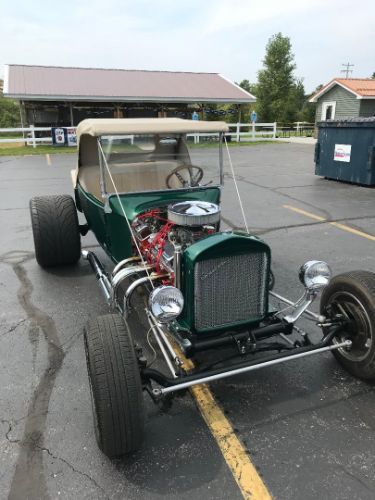
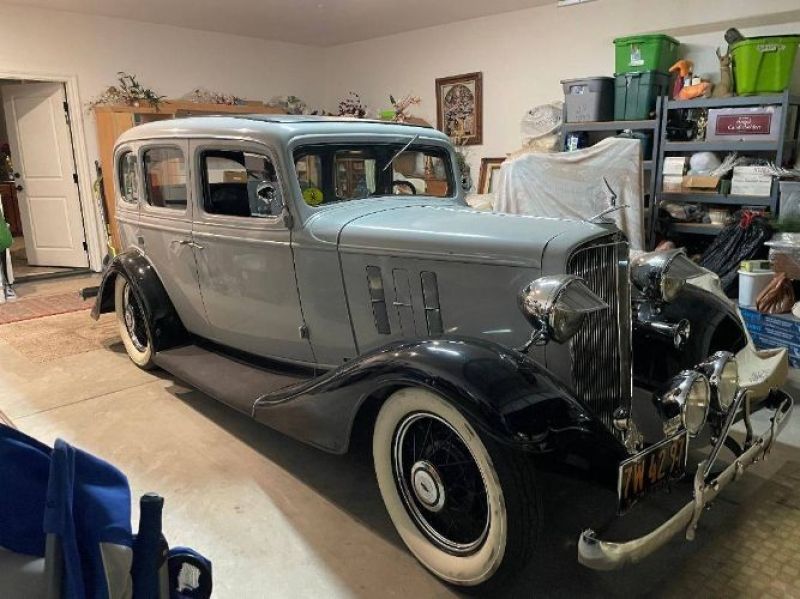
1918 Chevrolet 100
 Dealer
United States
Dealer
United States
1923 Chevrolet Master
 Dealer
United States
Dealer
United States
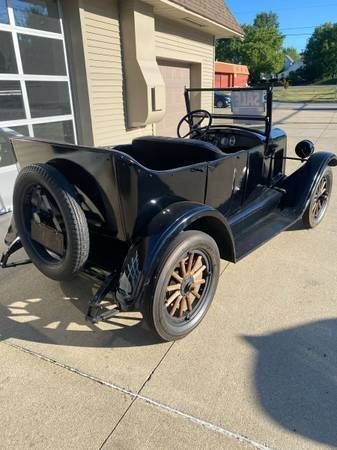
1925 Chevrolet Superior K
 Dealer
United States
Dealer
United States
1926 Chevrolet 100
Contact Seller
Call this seller?
You're about to call WeBe Autos about the 1971 Chevrolet Corvette.
+1 (631) 339-0399
Report this Ad
Help us keep the marketplace clean. Our moderation team reviews every report within 24 hours.