Published June 10, 2026Updated September 27, 20264 generations1962–1979
The Nova is the car Chevrolet built in a hurry when the rear-engine Corvair did not sell the way they hoped, and it ended up being one of the most useful platforms the company ever made. It started life as the Chevy II, a plain compact aimed at the Falcon, and it had no business becoming a muscle car. Then somebody dropped a big block in it. I have built more than one of these, and the appeal is simple: it is light, the engine bay swallows damn near anything, and a clean SS is one of the best-driving muscle cars Chevrolet made. Here is how the Nova went from economy compact to street sleeper and back to a sensible commuter.
Chevrolet Nova — Generation by Generation
1962–1965
First Generation (Chevy II)
"The conventional compact"
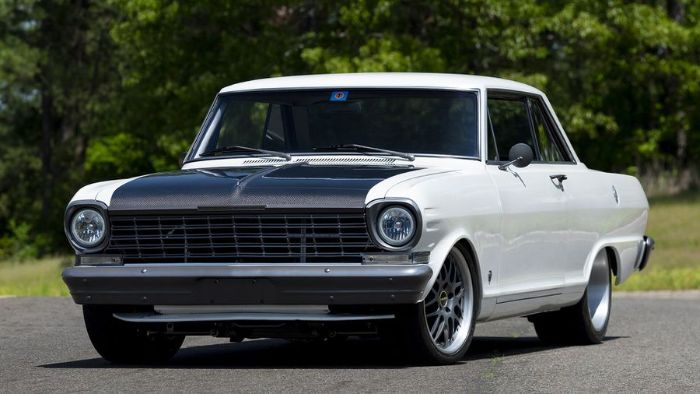
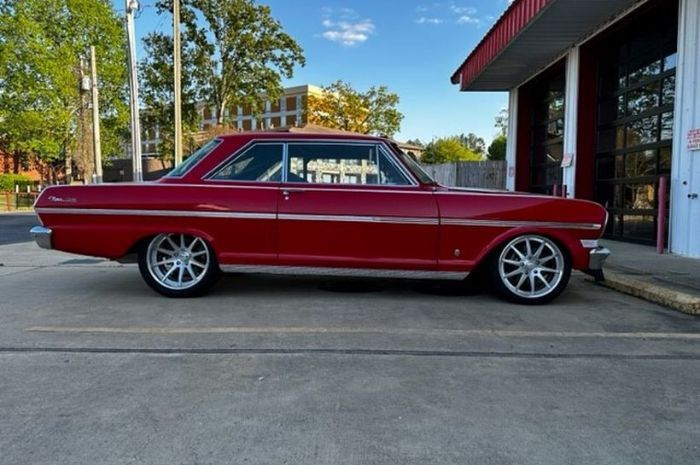
Chevrolet rushed the Chevy II to market for 1962 as a no-nonsense, front-engine compact to plug the hole the Corvair left against the Ford Falcon. It came as a sedan, wagon, convertible, and hardtop, and the Nova 400 was the top trim. Most left the factory with a four or a six, but a 283 V8 became available, which hinted at the platform's potential. These early cars are simple and clean, and the convertibles in particular have a quiet following.
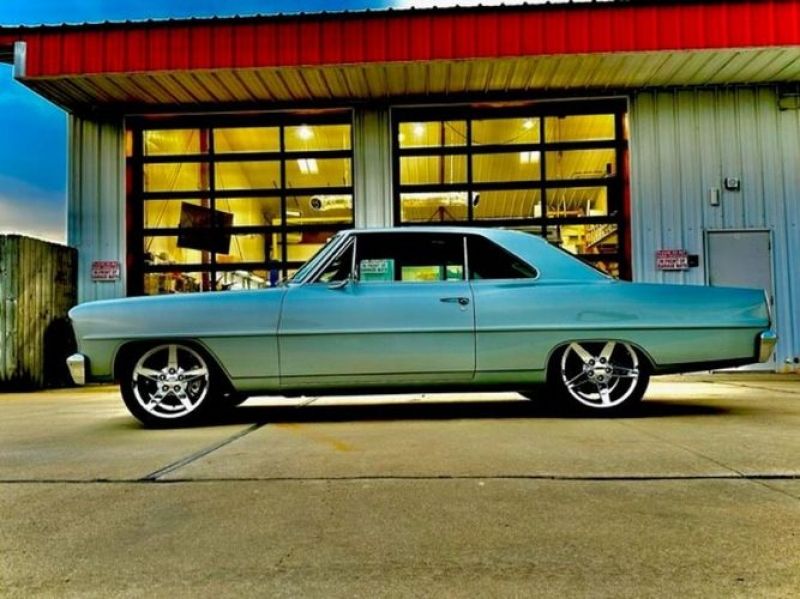
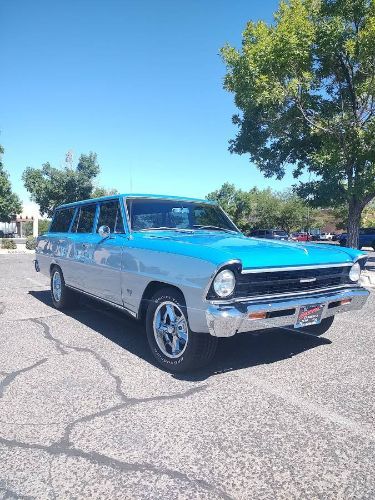
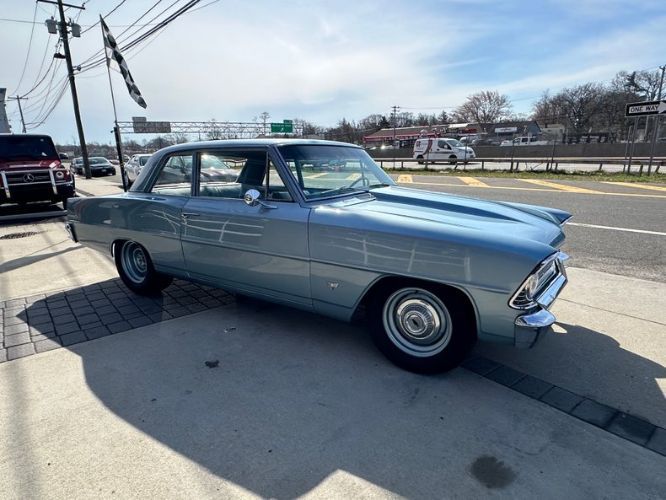
The 1966 restyle gave the car cleaner, more squared-off lines and, more importantly, the chassis to handle real power. The L79 327 making 350 horsepower turned the SS into a genuinely quick car for its size, and this short two-year run is where the Nova first earned its sleeper reputation. These are tidy, light cars and the V8 SS versions are increasingly collectible.
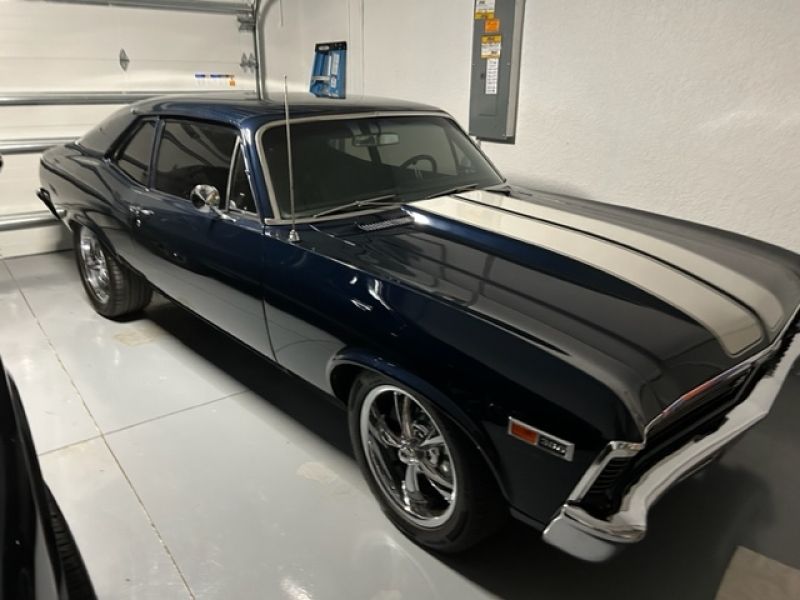
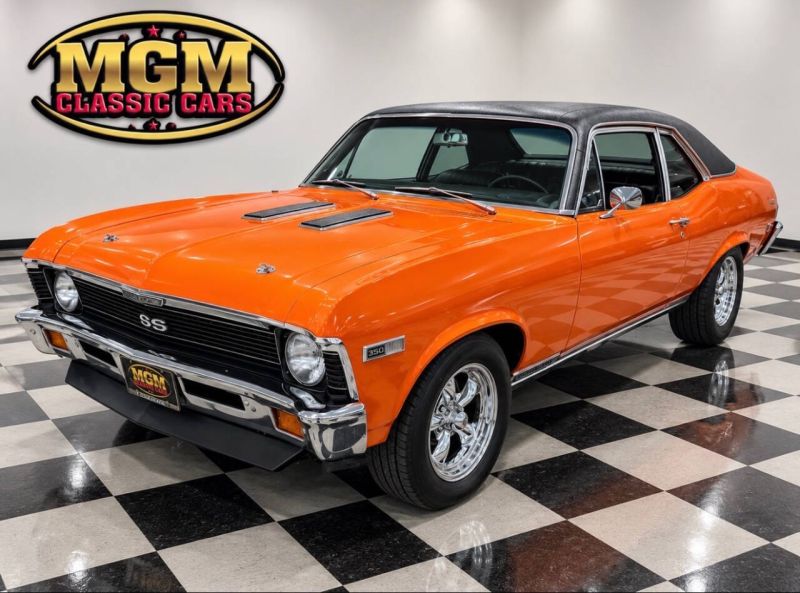
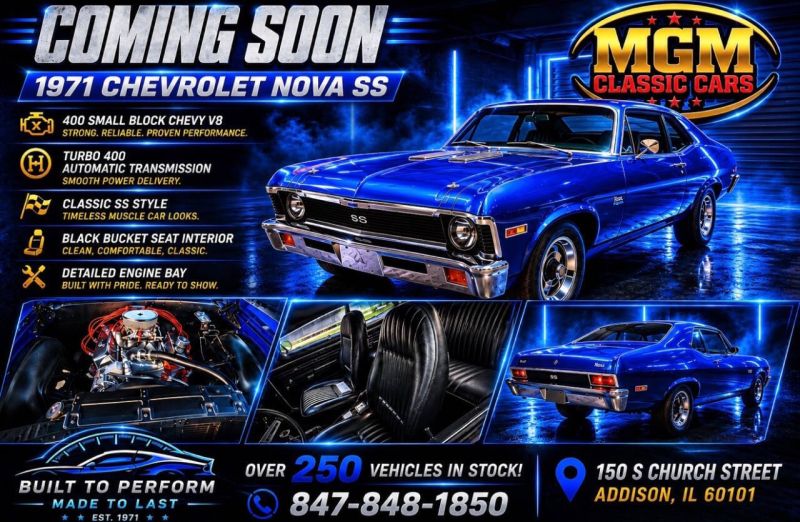
The 1968 redesign is the muscle Nova. A longer, semi-fastback body on a 111-inch wheelbase gave room for the big block, and the SS396 with the 375-horsepower L78 made the Nova one of the quickest cars in Chevrolet's lineup. In 1968 dealers like Yenko and the COPO program slipped the 427 into a handful of cars built purely to go drag racing, and those are the holy grail. The Chevy II name was dropped after 1968. Power faded after 1970 with the rest of the industry, but the 1968 to 1972 cars remain the most wanted Novas by a mile.
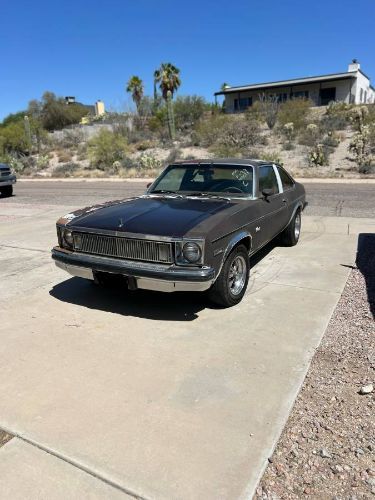
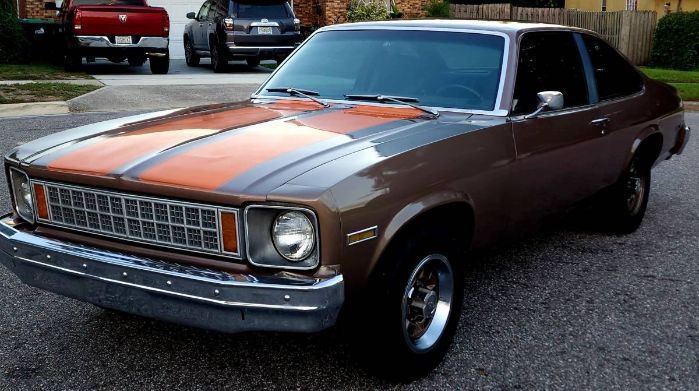
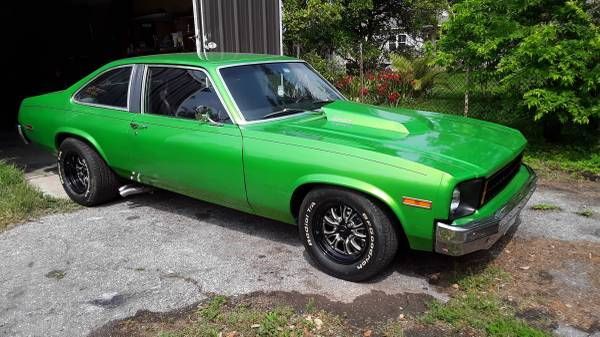
The 1975 redesign brought a more refined, quieter compact with better glass area and improved brakes, including standard front discs. The muscle was gone, replaced by mild V8s and the emissions hardware of the era, but the platform stayed sound and the cars sold in big numbers. The LN and the Rally trim added some appeal. These are inexpensive, durable classics, and a clean one is a good base for a build given how much the early aftermarket overlaps.
The cars to chase are the 1968 to 1972 SS models, especially the L78 396 cars, and the rare 1968 COPO and Yenko 427 Novas that are about as fast and as valuable as Chevrolet compacts get. Just understand the Nova is a cloning magnet, so a real SS needs the trim tag and documentation to back it up. The early Chevy II cars are honest and getting more love now, and even the plain six-cylinder cars make great starting points for a build because the platform takes everything. Whatever you buy, look hard at the rear frame rails and the trunk floor. A Nova rusts where the weight sits, and a soft rear end is the one thing that turns a cheap car expensive.
Frequently Asked Questions
Nova began as the top trim level of the Chevy II line in 1962. Chevrolet gradually made Nova the dominant name, dropped the Chevy II badge after 1968, and sold the car simply as the Nova from 1969 onward.
The 1968 to 1970 Nova SS with the 375-horsepower L78 396 was the top factory model, but the rarest and fastest were the 1968 COPO and Yenko Novas fitted with the 427 big block, built in tiny numbers for drag racing.
The classic Nova spans four generations: 1962 to 1965, 1966 to 1967, 1968 to 1974, and 1975 to 1979. A later 1985 to 1988 Nova was a rebadged Toyota Corolla and is unrelated to the classic cars.
📖
Thinking of Buying One?
Read our Chevrolet Nova Buyer's Guide — pre-purchase checklist, common issues, and pricing.


 Dealer
 United States
 Dealer
 Dealer
 Dealer
 Dealer
 Dealer
 Dealer
 Dealer
 Dealer
 Dealer
 Dealer