Published June 10, 2026Updated September 27, 20265 generations1966–1996
The Bronco started as something simple: a small, honest four-wheel-drive that Ford built to chase the Jeep and the Scout, with flat glass, a boxy body, and not much else. Then it got big, and then it got a reputation, and somewhere in there the early ones turned into the most valuable thing Ford put on a truck frame outside of a Shelby. I have watched clean first-generation Broncos go from cheap trail toys to six-figure restorations inside a decade. Here is how the Bronco changed across five generations, and what separates a good one from a money pit.
Ford Bronco — Generation by Generation
1966–1977
First Generation (Early Bronco)
"The compact icon"
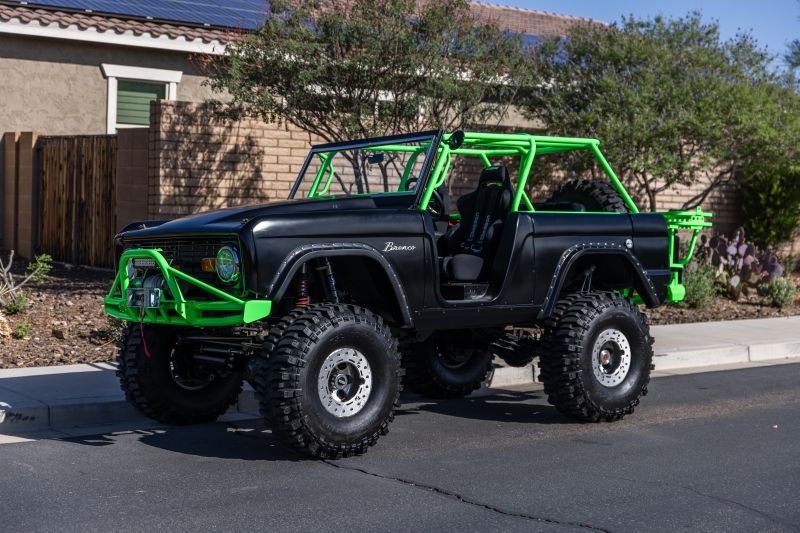
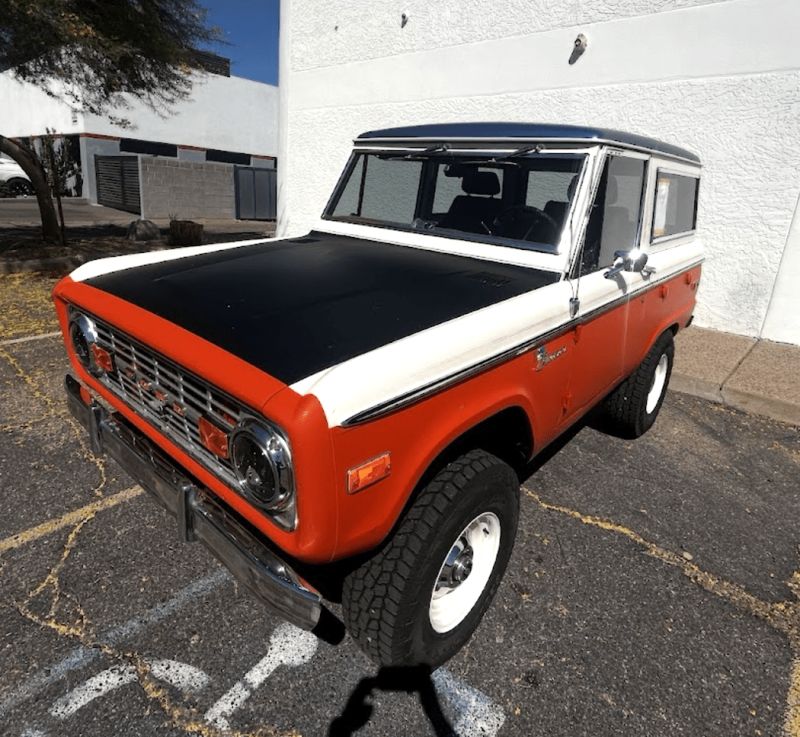
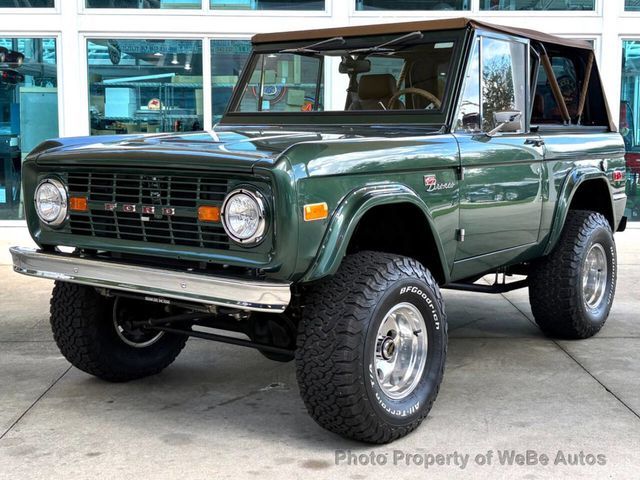
The original Bronco rode a short 92-inch wheelbase on its own platform, with a coil-spring front axle that gave it better ride and articulation than the leaf-sprung competition. You could buy it as a wagon with a removable hardtop, a half-cab pickup, or the bare-bones roadster early on. The 170 six started it, but the 289 and later 302 V8 are what people want now. Ford left it largely alone for twelve years, which is why the shape is so pure. Uncut wagons with the factory top are the cars that bring the big money.
Key Changes
→
Short 92-inch wheelbase on a dedicated platform
→
Coil-spring front axle for ride and articulation
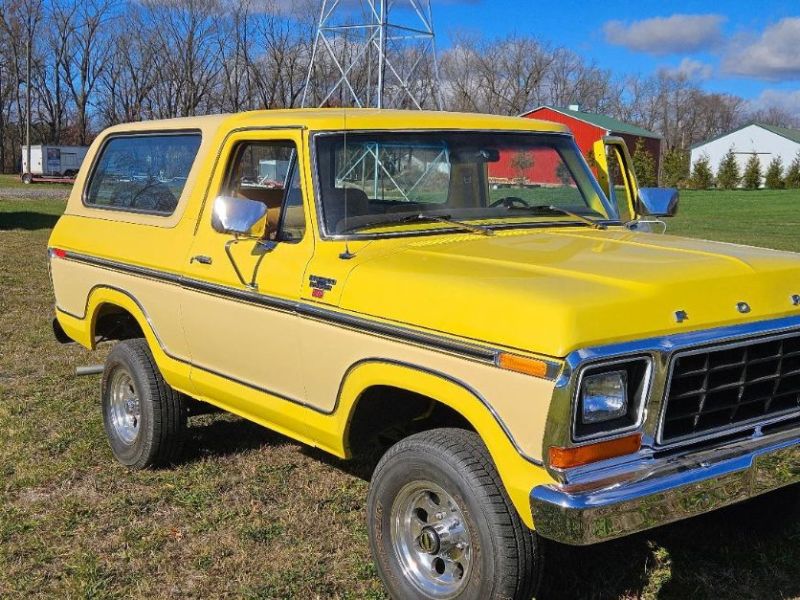
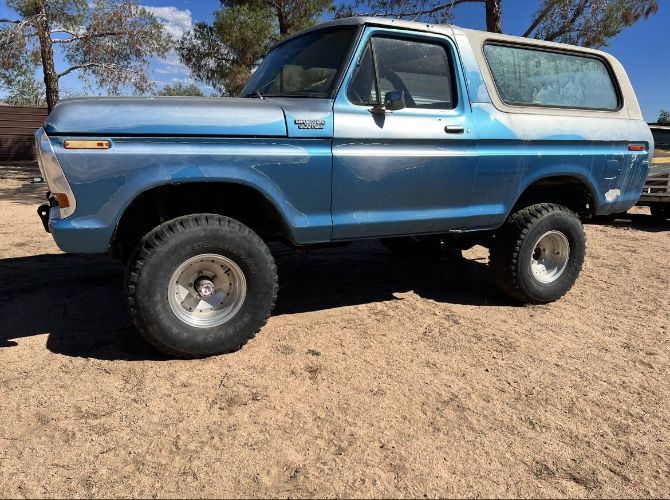
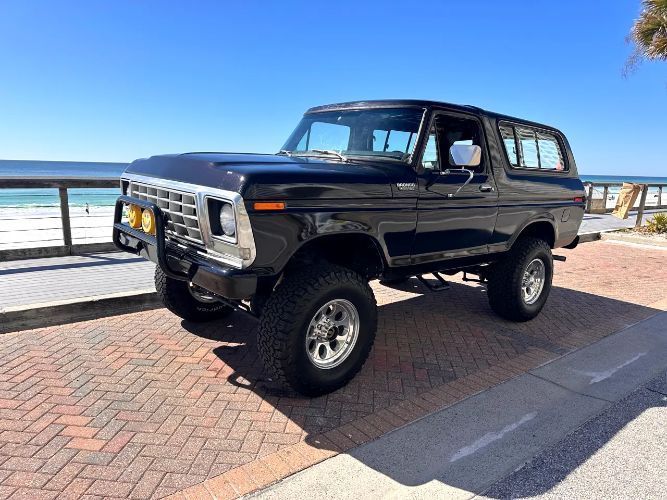
Ford finally went after the full-size Chevrolet Blazer with a Bronco built on the F-Series truck platform. It is a big, square truck with a removable rear top, available with 351 and 400 V8s, and it only ran two model years before the 1980 redesign, which makes it a favorite with collectors who like the bold late-seventies look. These are getting harder to find clean, and the short production run gives them a following all their own.
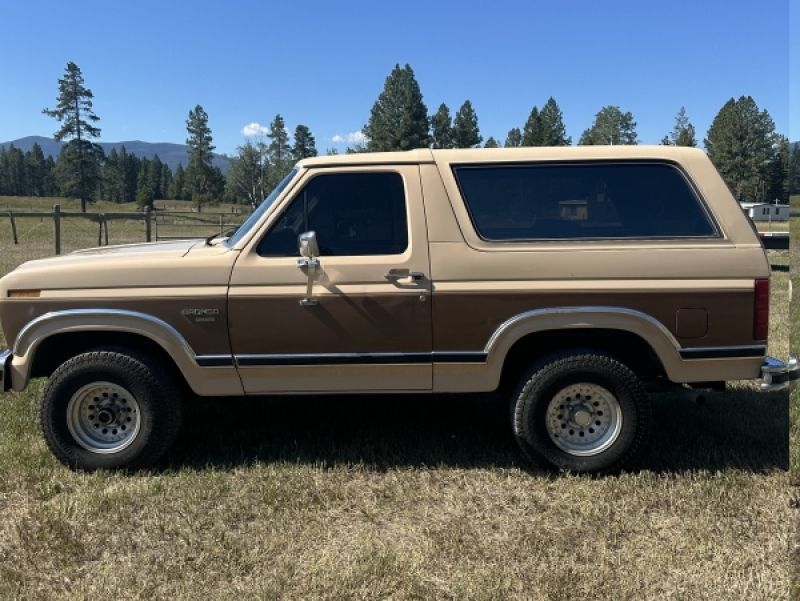
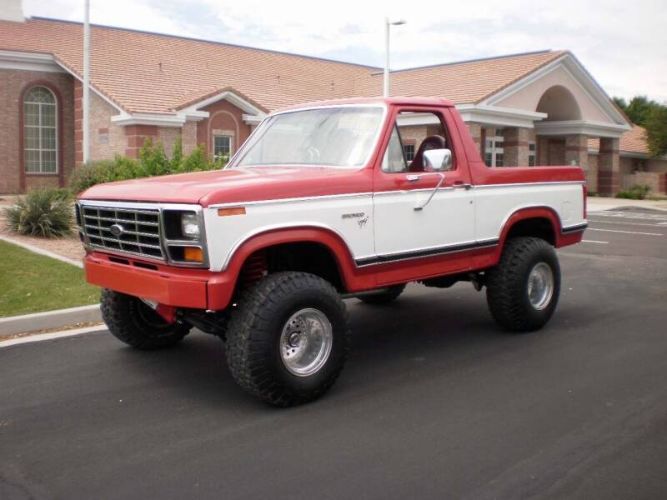
The 1980 redesign rode a new, lighter F-Series chassis and brought the Twin Traction Beam independent front suspension and better economy in response to the fuel crisis. Smaller standard engines and improved aerodynamics made it more livable as a daily truck, while the bigger V8s stayed on the options list. These are honest, usable trucks that still wear the boxy look people associate with the eighties Bronco.
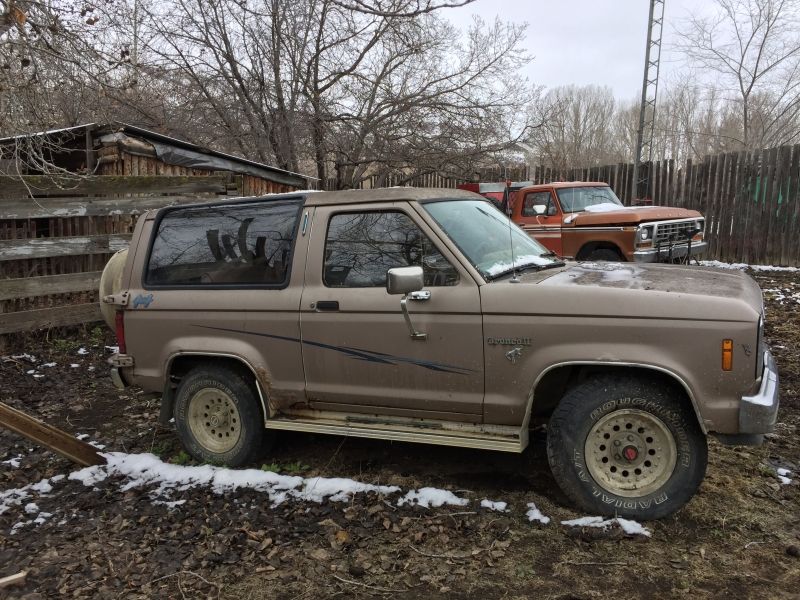
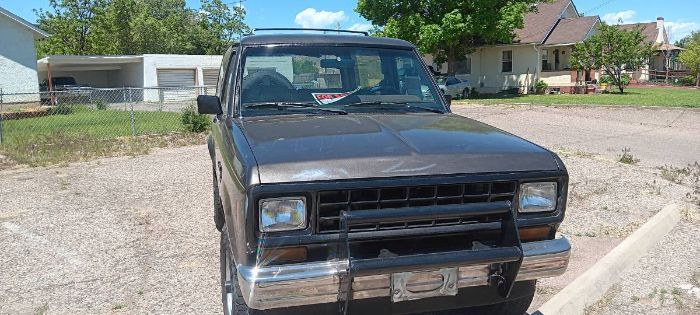
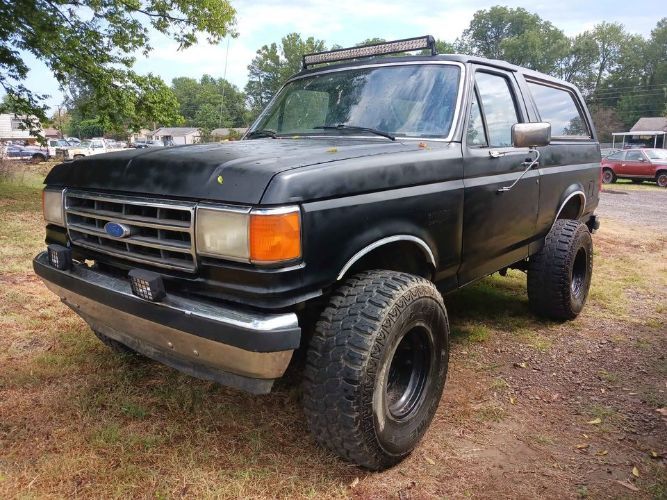
The 1987 update brought the smoother aero front end shared with the F-Series, along with standard fuel injection that made the trucks far easier to live with. Rear anti-lock brakes arrived, and the Eddie Bauer trim added comfort. This is a strong value generation: the trucks are plentiful, parts are everywhere, and a clean one drives well enough to use every day.
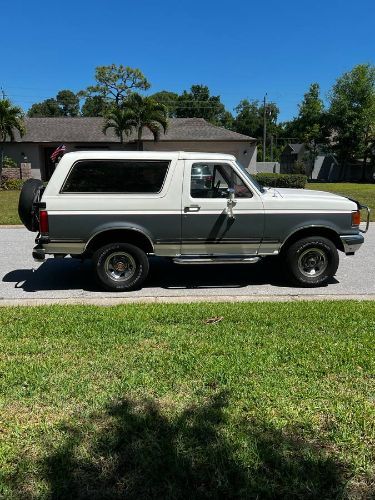
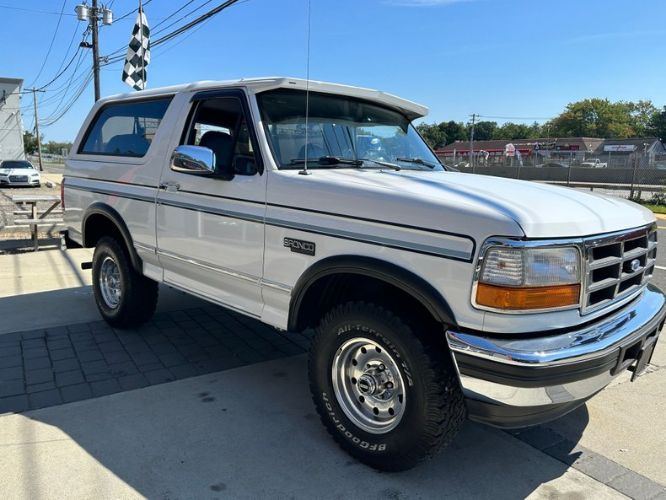
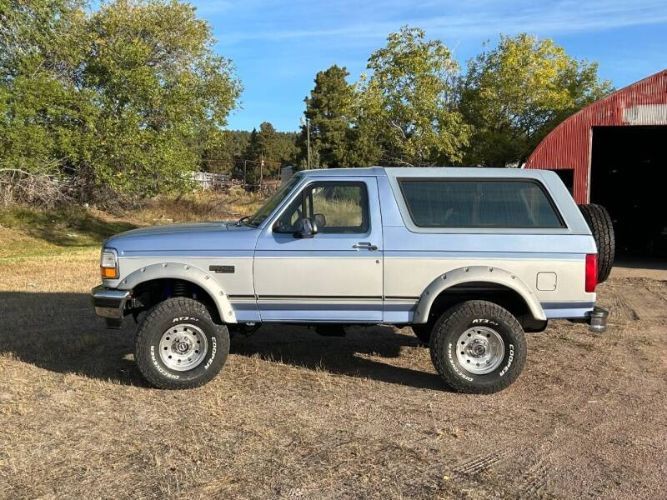
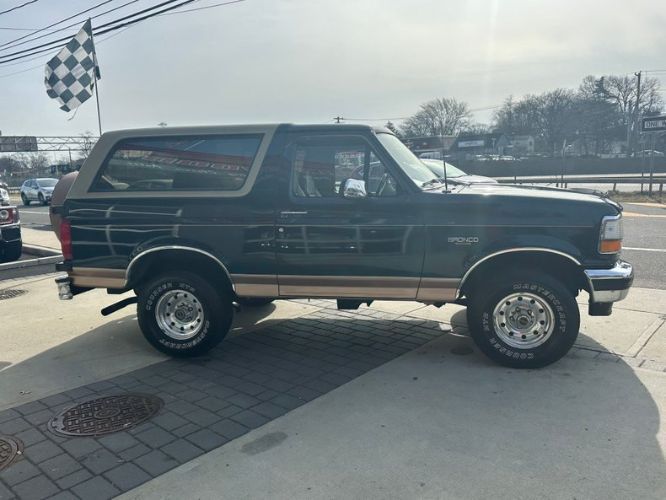
The final full-size Bronco rode the rounded 1992 F-Series styling and added the safety equipment of the decade, including a driver airbag and, late in the run, four-wheel anti-lock brakes. It is the most refined of the old Broncos and the easiest to find in good shape. Ford ended the nameplate after 1996 to make room for the four-door Expedition. A clean fifth-generation truck is the affordable way into Bronco ownership, and the one most likely to serve as a daily driver.
The early 1966 to 1977 Broncos are the blue chips, and the market for them has gone where few of us thought it would, especially the uncut, V8 cars with their original tubs. They also rust in places that are expensive to fix, so a clean body is everything. The 1978 and 1979 full-size trucks are short-run favorites with a strong following. The later full-size Broncos through 1996 are the value play, plentiful and supported, and a clean Eddie Bauer or XLT is a lot of truck for the money. Whatever generation you chase, get under it and look at the frame and the floors. A Bronco hides its worst problems exactly where a buyer forgets to look.
Frequently Asked Questions
The first-generation 1966 to 1977 Bronco is by far the most collectible, especially uncut examples with the original removable hardtop and a V8. Documented, rust-free early Broncos now bring prices that rival classic muscle cars.
Ford built the Bronco from 1966 to 1996 across five generations before pausing the nameplate. The compact first generation ran 1966 to 1977, and the full-size trucks ran from 1978 through 1996.
The early 1966 to 1977 Bronco rides a short 92-inch wheelbase and is a compact SUV. From 1978 the Bronco moved to the full-size F-Series truck platform, becoming much larger, more powerful, and aimed at the Chevrolet Blazer.
📖
Thinking of Buying One?
Read our Ford Bronco Buyer's Guide — pre-purchase checklist, common issues, and pricing.
Texas-based classic truck enthusiast with decades of experience buying, restoring, and writing about American pickups from the 1940s through the 1980s.


 Dealer
 United States
 Dealer
 Dealer
 Dealer

 Dealer
 Dealer
 Dealer
 Dealer
 Dealer
 Dealer
 Dealer