Published June 5, 2026Updated September 28, 20264 generations1964–1993
The classic Ford Mustang defined American performance from 1964 to 1993. It didn't just enter a segment — it created one. Introduced on April 17, 1964, at the New York World's Fair, the Mustang sold 22,000 units on its first day. Through fastbacks, big blocks, Boss models, and the Fox Body era, the classic Mustang earned its place as the most iconic American sports car ever built.
Ford Mustang — Generation by Generation
1964–1966
First Generation — Series 1
"The car that created the pony car segment"
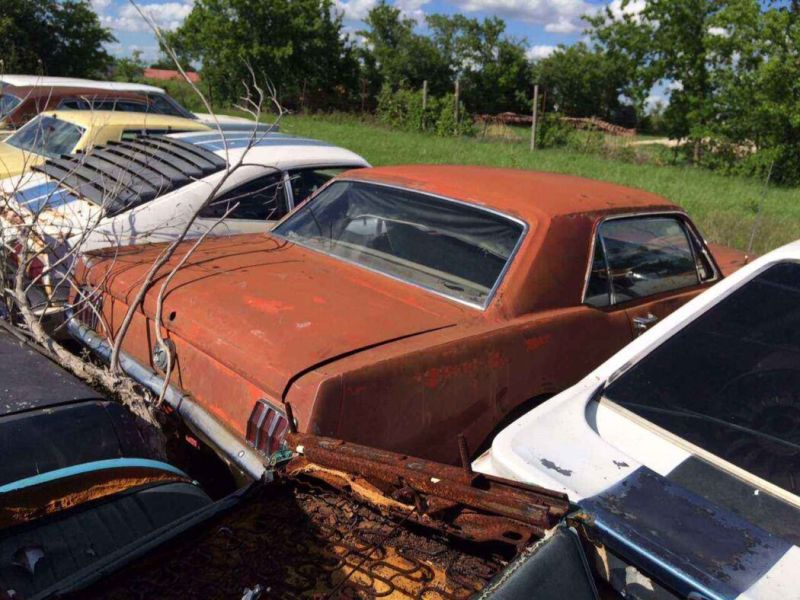
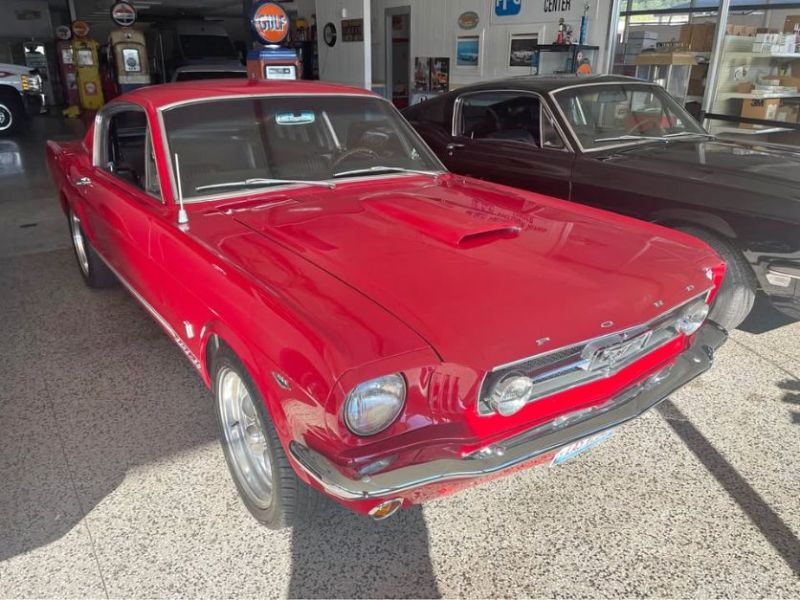
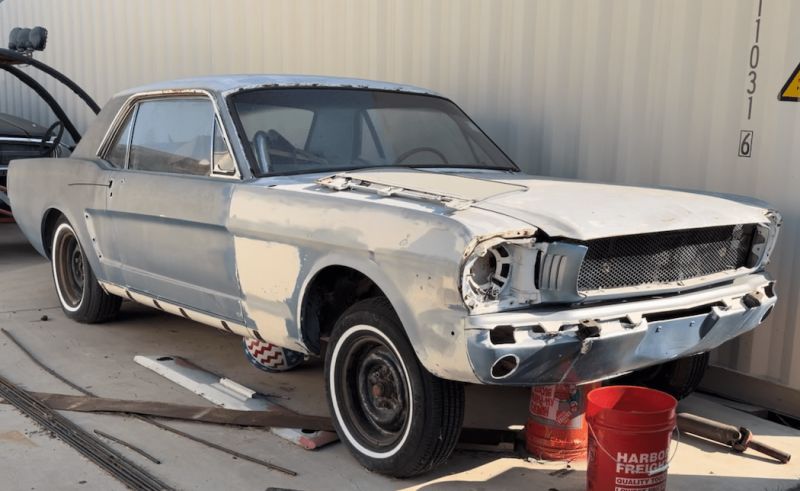
Lee Iacocca's vision became one of the greatest product launches in automotive history. The original Mustang's long hood, short deck, and sporty styling democratized performance. The fastback joined the lineup in 1965. Carroll Shelby's GT350 transformed the platform into a genuine road-racing weapon.
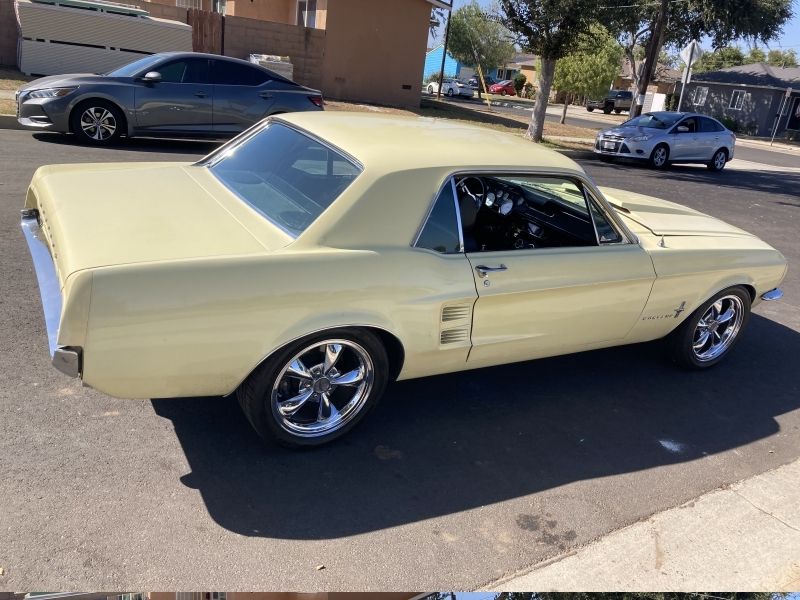
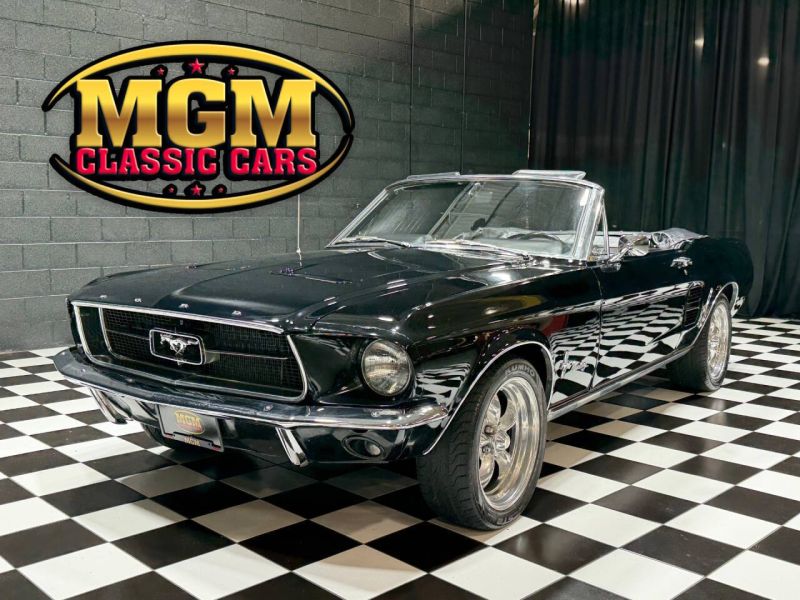
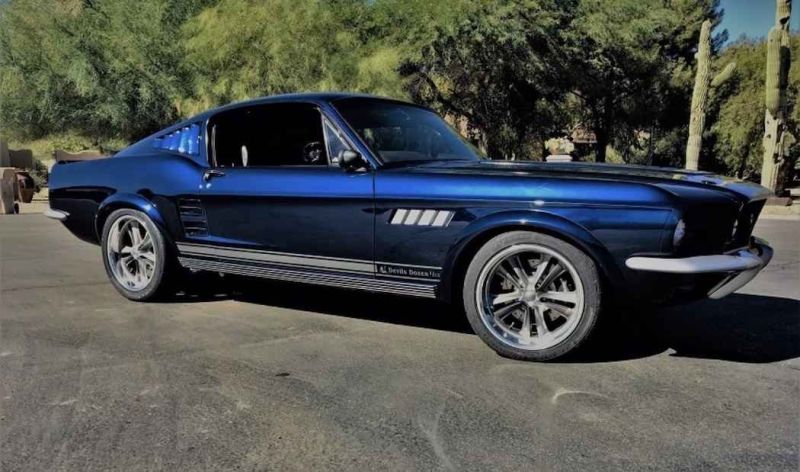
The 1967 Mustang grew slightly to accommodate FE big-block engines. The Shelby GT500 with its 428 Cobra Jet became the fastest Mustang yet. The 1968 fastback's side scoops and revised trim made it visually striking.
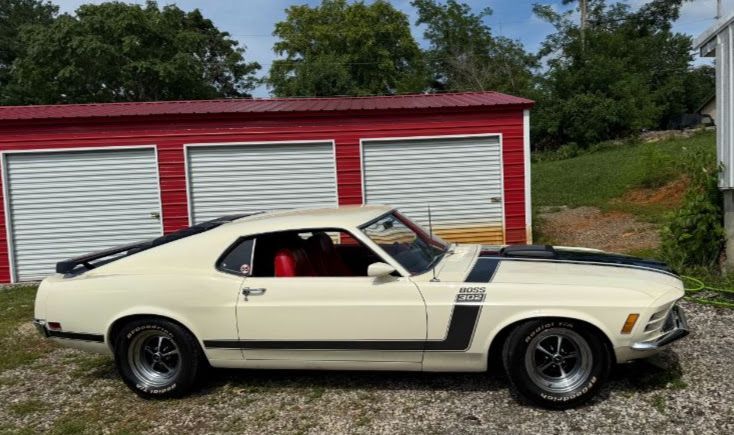
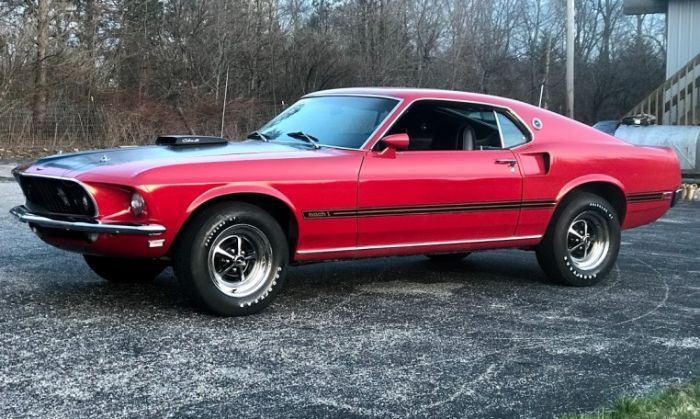
The 1969 Mustang offered five body styles including the new Mach 1 SportsRoof. The Boss 302 was built for Trans-Am racing; the Boss 429 used NASCAR's semi-hemispherical engine. These are the most desirable of all classic Mustangs.
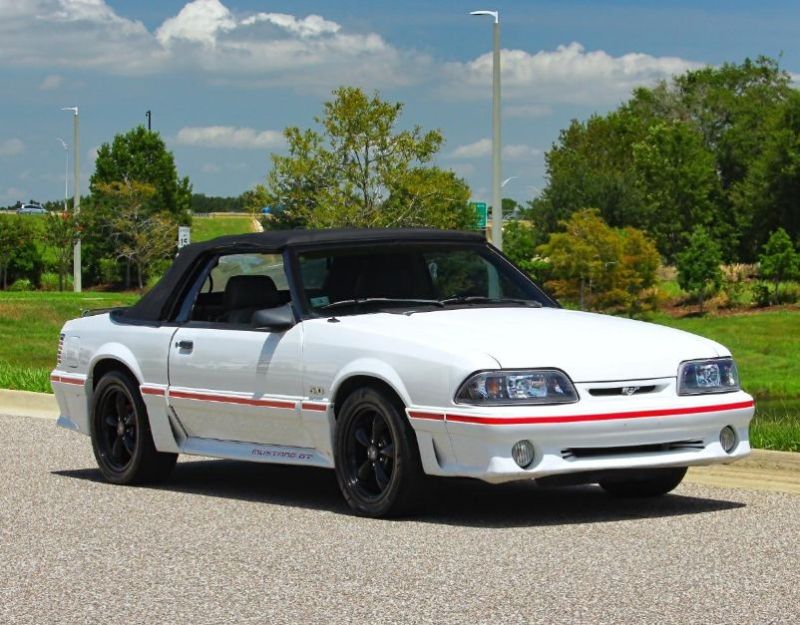
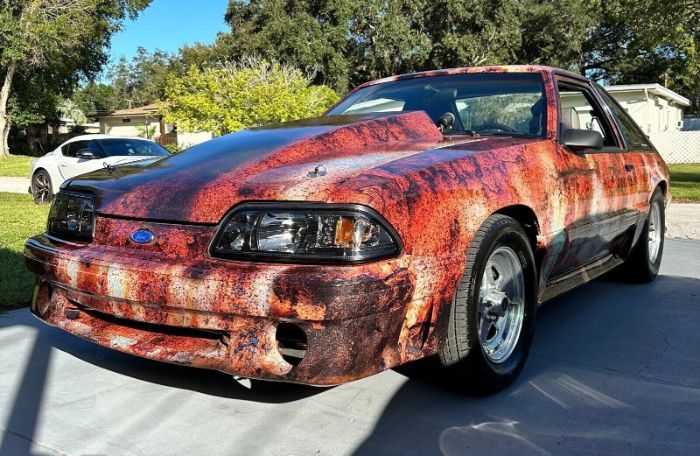
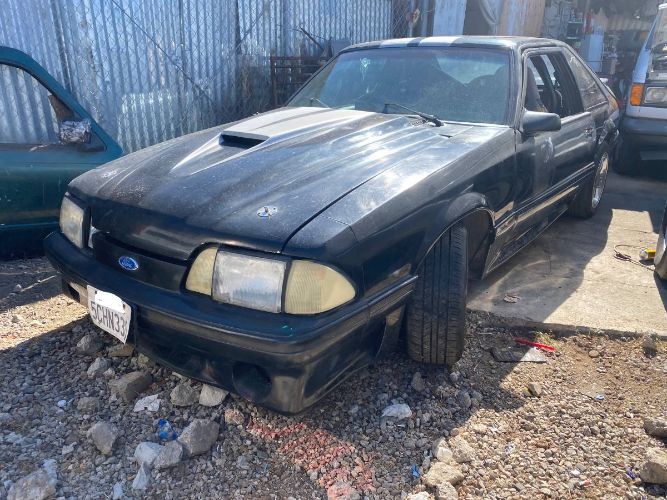
The Fox platform Mustang ran for 15 years. The 5.0 High Output V8 returned genuine muscle in 1982. The GT and LX 5.0 became icons of the era. The SVT Cobra arrived at the end of the run at 235 hp.
The classic Mustang's run from 1964 to 1993 produced some of the most collectible American performance cars ever made. First-gen fastbacks and Boss 302/429 models anchor collections worldwide, while Fox Body 5.0 GTs and SVT Cobras represent the apex of 1980s performance. Shelby variants from any era carry a significant premium above almost every other American car.
Frequently Asked Questions
The Ford Mustang went on sale April 17, 1964, as a 1964½ model, at the New York World's Fair.
The 1969 Boss 429 is among the rarest, with 859 produced. The 1965 Shelby GT350R racing version saw only 36 built.
📖
Thinking of Buying One?
Read our Ford Mustang Buyer's Guide — pre-purchase checklist, common issues, and pricing.


 Dealer
 United States
 Dealer
 Dealer
 Dealer
 Dealer
 Dealer
 Dealer
 Dealer