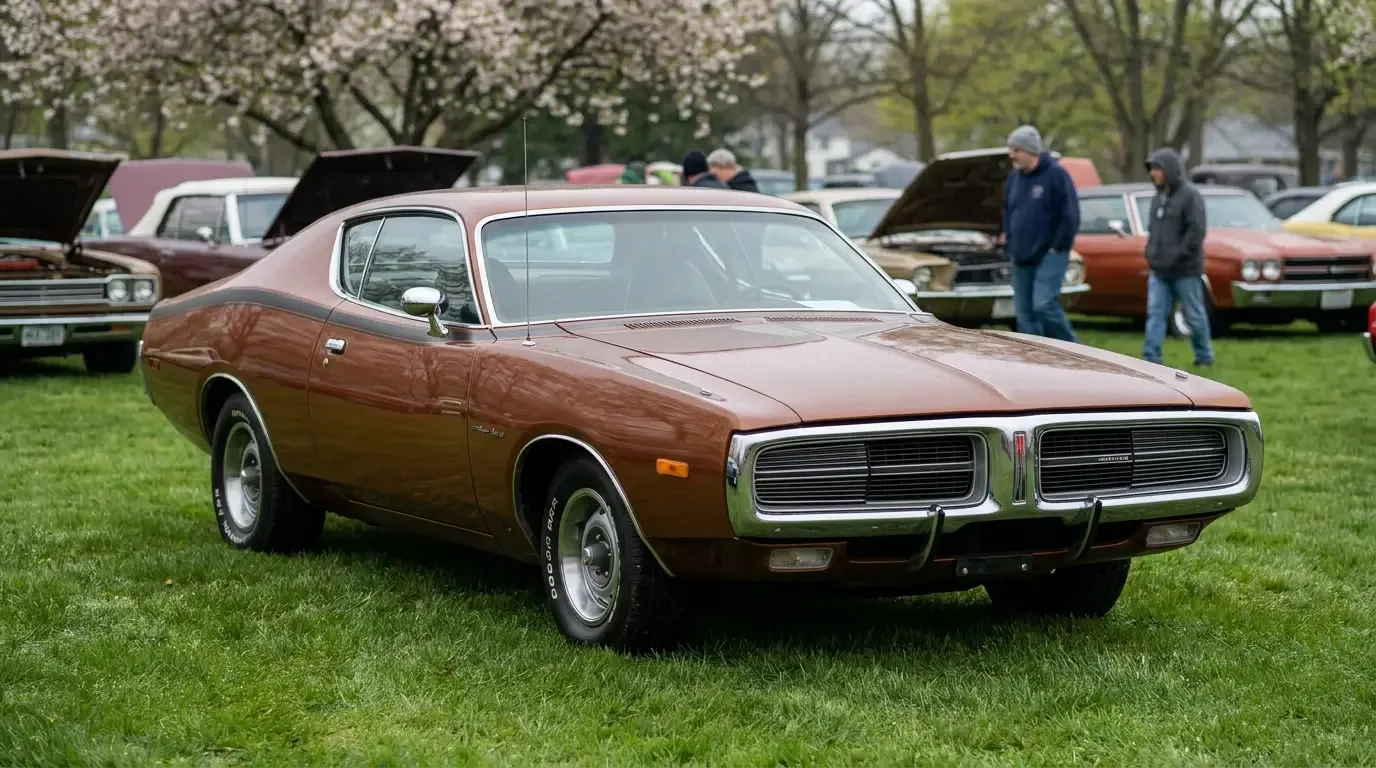
I've had guys bring me paint chips from a hardware store and ask if it's close to their Charger's original color. Sometimes it's not even close. Dodge threw a lot of paint codes at these cars between 1971 and 1974, and half the repaints I see on the lift today have nothing to do with what left the factory. If you're buying, restoring, or just trying to figure out what your car should look like, here's what I've learned doing this work for longer than I'd like to admit.
The High Impact colors everybody chases
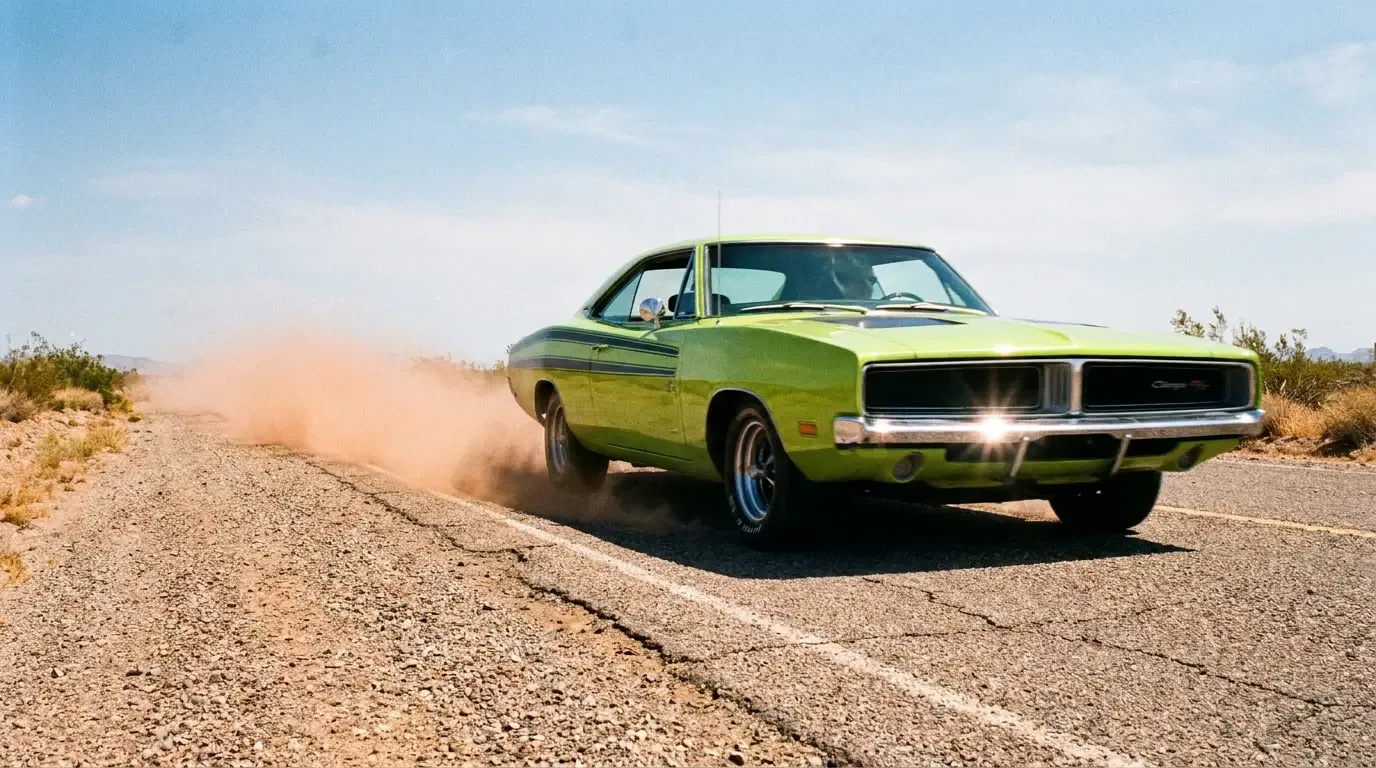
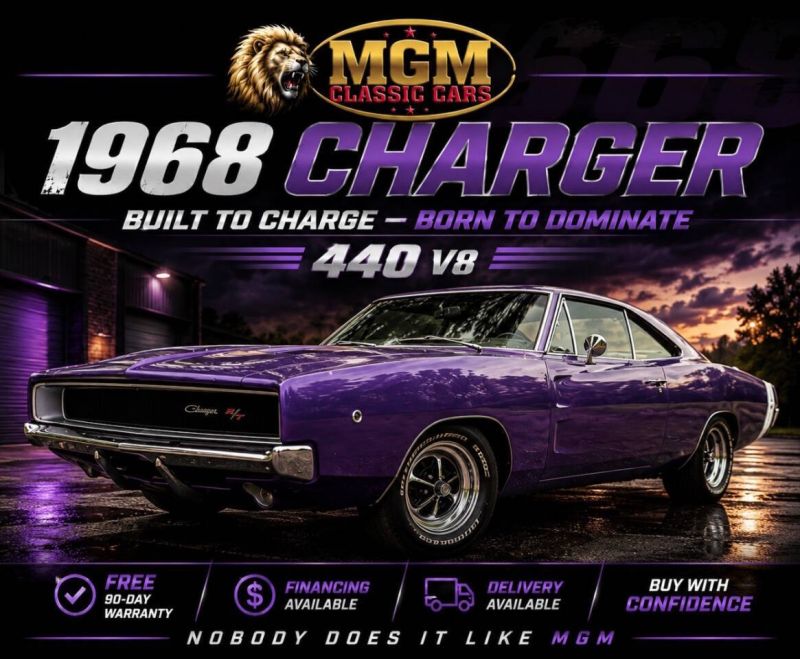
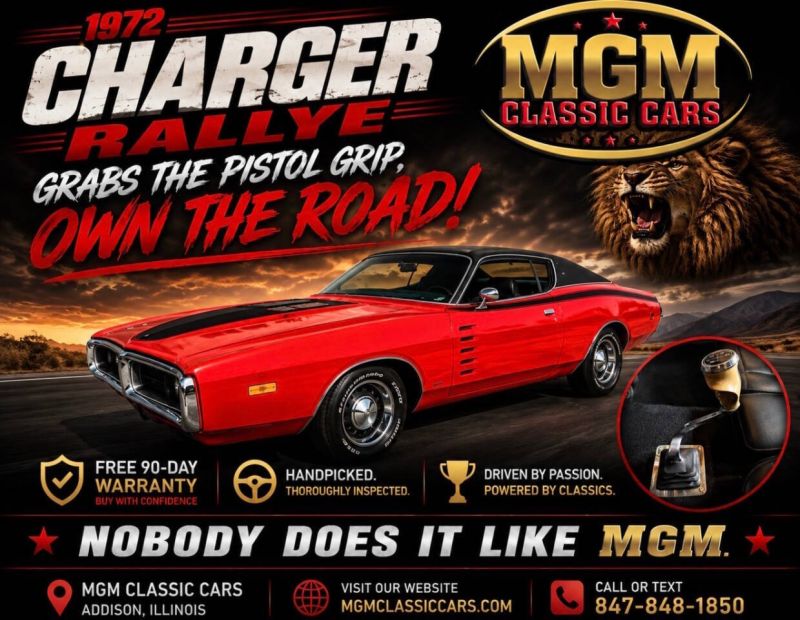
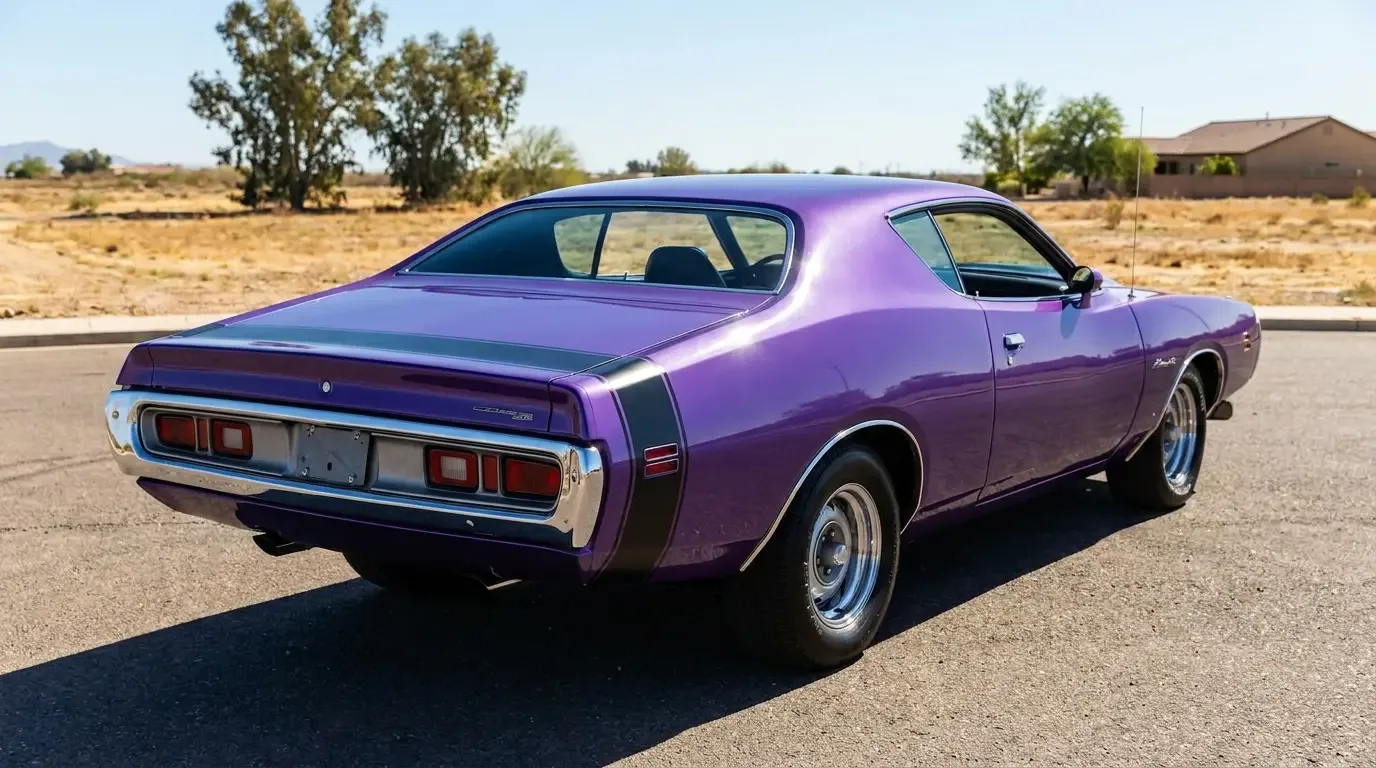
Dodge's "High Impact" color line is what most people picture when they think of an early 70s Charger. Names like Top Banana, Plum Crazy, Sublime, Go-Mango, and Hemi Orange got slapped on build sheets and fender tags, and they're still the colors that move the needle at auction. These weren't subtle. They were meant to be seen in a parking lot from across the street, and that was the whole point in a market where Detroit was fighting for attention from young buyers.
Not every Charger got one of these colors, and that's the part people forget. High Impact paint was a small slice of total production. Most cars left the factory in far more ordinary colors, plenty of white, black, and various greens and blues that nobody photographs for a magazine cover. If your numbers matching Charger came in Frosty Green, that's the correct color, even if it's not the one that gets likes online.
| Color name | Common years | Notes |
|---|---|---|
| Plum Crazy | 1971 | High Impact, limited availability |
| Top Banana | 1970-1973 | High Impact, bright yellow |
| Hemi Orange | 1971-1972 | Name kept despite Hemi's discontinuation |
| Frosty Green | Multiple years | Common, undervalued today |
Stripe packages and what they actually meant
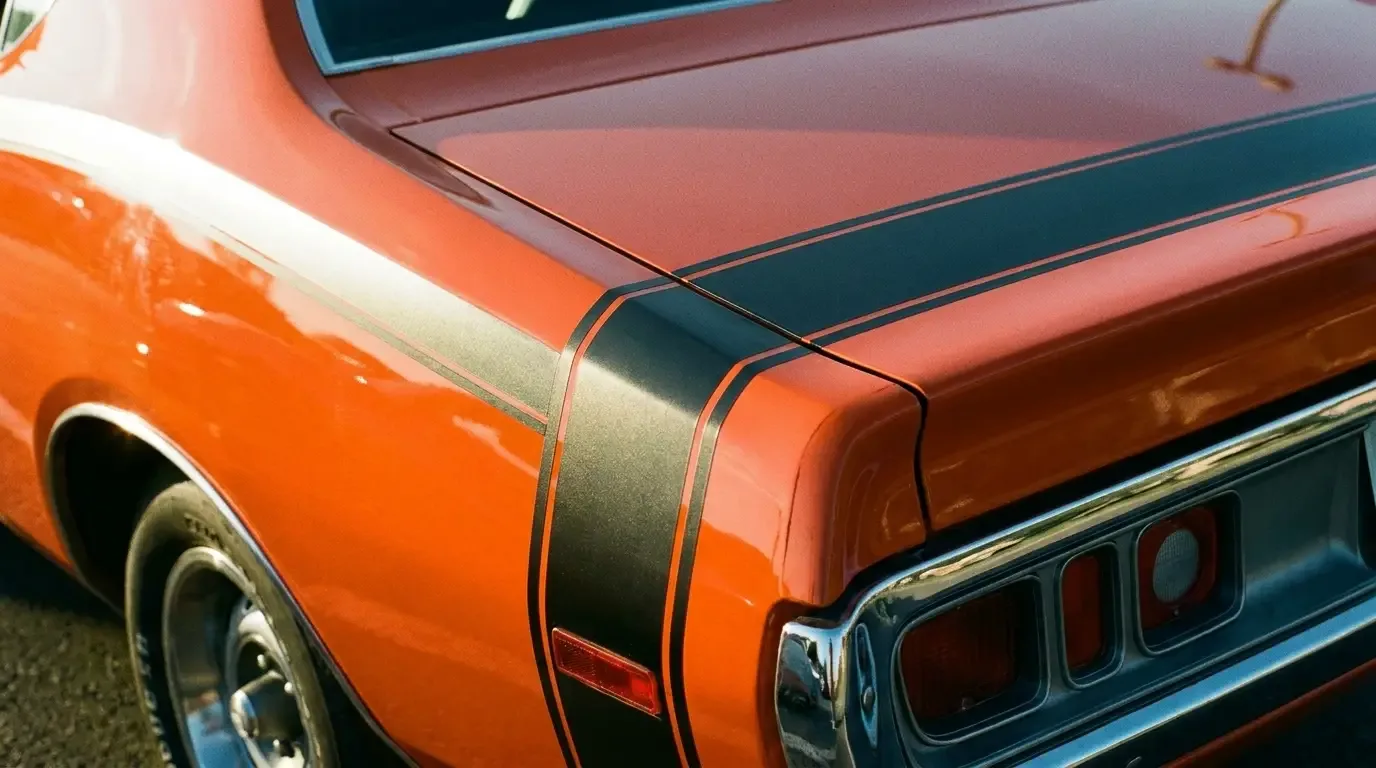
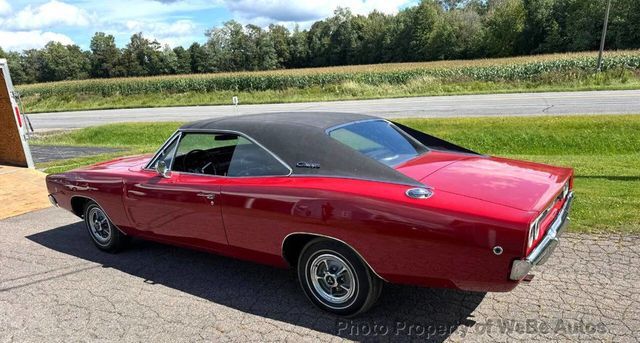
Stripes are where I see the most confusion on a car that's been repainted. A bumblebee stripe around the tail wasn't just decoration, it was tied to specific trim and performance packages depending on the year, and putting one on a car that never had it from the factory changes what the car is worth without changing what it actually is. Buyers need to check the fender tag before they get excited about a stripe combination they saw in a magazine.
Side stripes, hood stripes, and the various tape packages Dodge offered changed almost every year of this generation, which makes decoding an original car harder than it should be. A car with a stripe package that doesn't match its build sheet isn't automatically a bad car, plenty of owners added stripes later because they liked the look, but it does mean the car isn't presenting as factory original, and a seller should say so up front.
How to check what your car actually wore
The fender tag is the only source I trust on this. It lists the paint code Dodge used at the factory, and that code cross references to a specific color name and formula. A shop that's done this kind of work before can pull the code and tell you exactly what left the factory, no guessing involved. I've seen guys try to match color by eye against faded original paint under a fender lip, and it works about half the time at best, because thirty plus years of sun does things to pigment that no chip chart accounts for.
If you're planning a repaint and want it factory correct, get the fender tag read properly before you order paint. It's cheaper to get it right once than to redo a full paint job because somebody eyeballed a color under bad shop lighting. For a fuller rundown on how this body and trim generation came together, check out the Charger feature on Classic Cars Arena, which covers the styling changes that these colors were meant to show off in the first place.
Interior colors matter too
Buyers spend a lot of time on exterior paint and forget the interior came in its own set of color and trim combinations, some of which were only available with certain exterior colors. A black exterior might have come with black, white, or tan interior depending on trim level and options ordered, and mismatched combinations are another sign of a car that's been reworked without documentation to back it up.
I tell people to check the seat material too, since cloth, vinyl, and leather all came in slightly different shades even under the same paint code name, and a shop matching upholstery years later without the original tag to reference can end up close but not exact. It's a small detail, but it's the kind of small detail that separates a genuinely restored car from one that just looks restored in photos.
What repaints usually get wrong
Beyond the color itself, I see repaints miss the finish. Original factory paint from this era had a specific sheen, less glossy than what most modern paint shops default to, and a repaint done to a modern high gloss standard looks noticeably different from an original panel sitting next to it, even in the correct color code. It's not wrong to want a glossier finish, plenty of owners prefer it, but it's worth knowing that a shinier repaint isn't matching the original factory look even when the color name is right.
Overspray on trim, weatherstripping, and door jambs is another giveaway. Factory paint lines were consistent because the whole body went through the same booth before trim was installed. A car repainted after assembly often shows paint bleeding onto rubber seals or chrome trim that should have stayed bare metal or black. It's a quick check that takes thirty seconds and tells you a lot about how carefully a repaint was done.
"The paint looks right at fifteen feet. Get up close with a fender tag in hand and half the 'original High Impact' cars I look at were something else entirely before somebody decided the story sold better in orange."
— Mike Sullivan
What this means when you're buying
A repainted car in a High Impact color isn't a scam by itself, plenty of honest owners repaint a faded car in a color they love. The problem is when a seller lets a buyer assume the color is original without saying otherwise, especially when the price reflects a rare factory color. Ask for the fender tag. Ask if the current color matches the code on it. If it doesn't, that's fine, just make sure the price reflects a nicely painted car rather than a documented original.
These colors and stripes weren't just cosmetic choices in period, they were part of how Dodge marketed the whole Charger lineup to a younger buyer looking for something loud. That marketing push shows up in some unexpected places too, including on screen. The car in the 1974 Charger Movie story wore a color combination that became almost as recognizable as the film itself, and it's a good example of how these paint and stripe choices outlived the showroom floor.
Sources and notes
- DodgeGarage: High Impact Colors - confirmed the High Impact palette names and their meaning in period marketing.
- Autoevolution: Complete Guide to Mopar High Impact Colors - confirmed Top Banana was offered 1970 through 1973, not a single year.
- Tamco Paint: Dodge Top Banana (code Y1) - corroborated the Top Banana paint code and multi-year availability.
- Muscle Cars Illustrated: Mopar High Impact Colors - background on which colors were single-year versus multi-year offerings.
- Dodge Charger (1966) - Wikipedia - confirmed fender-tag paint codes and the 1971-1974 fuselage generation scope.