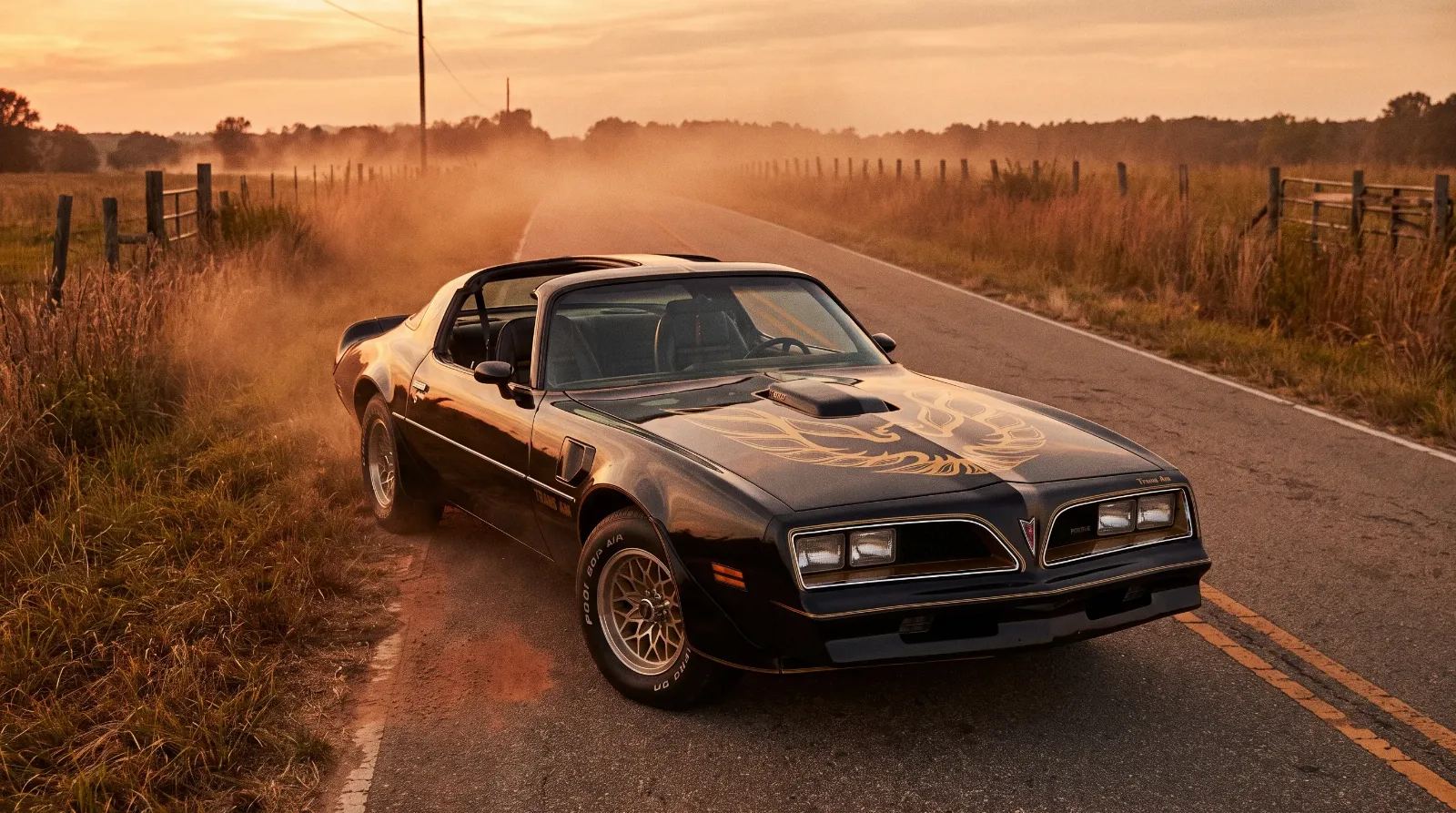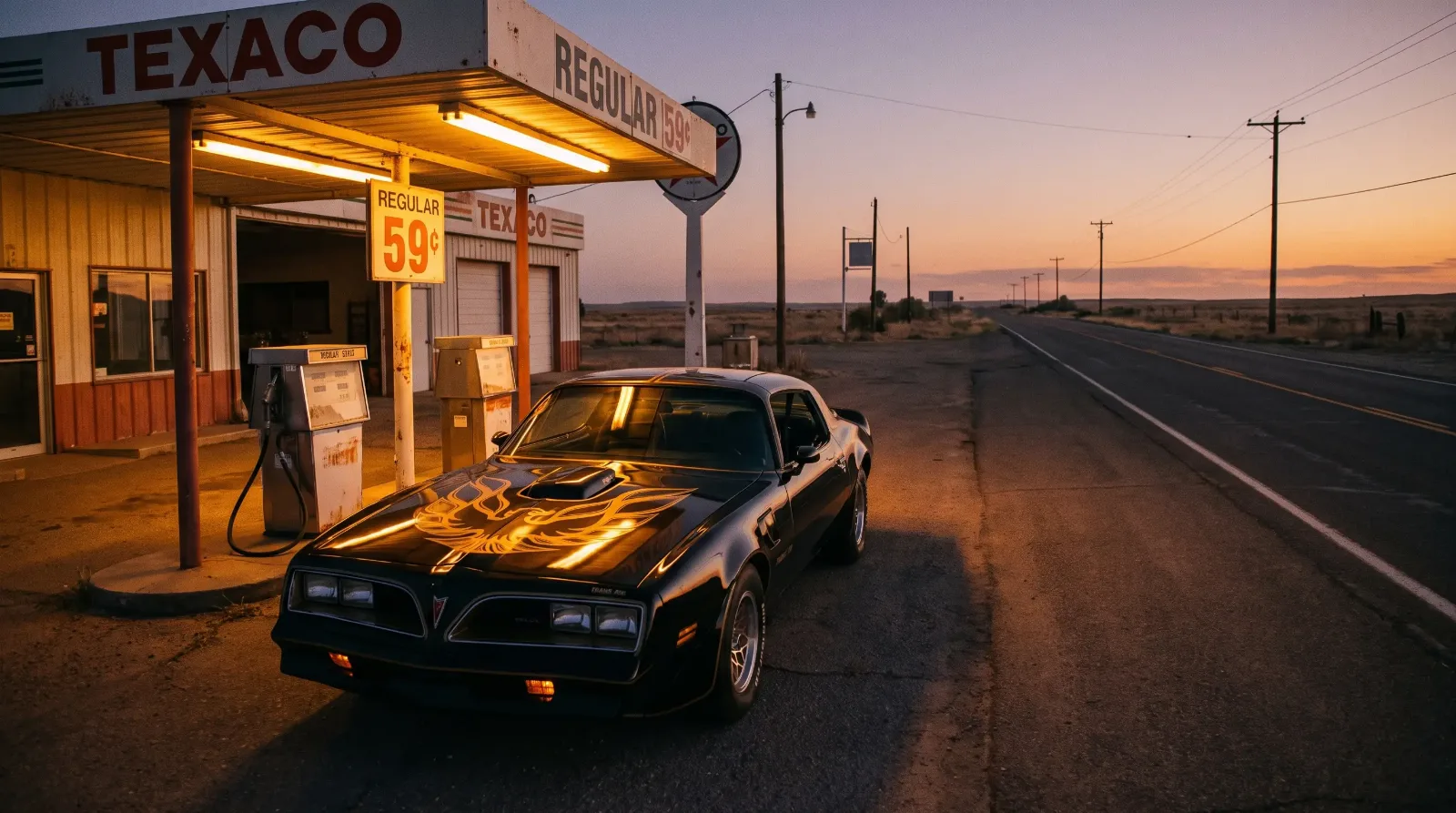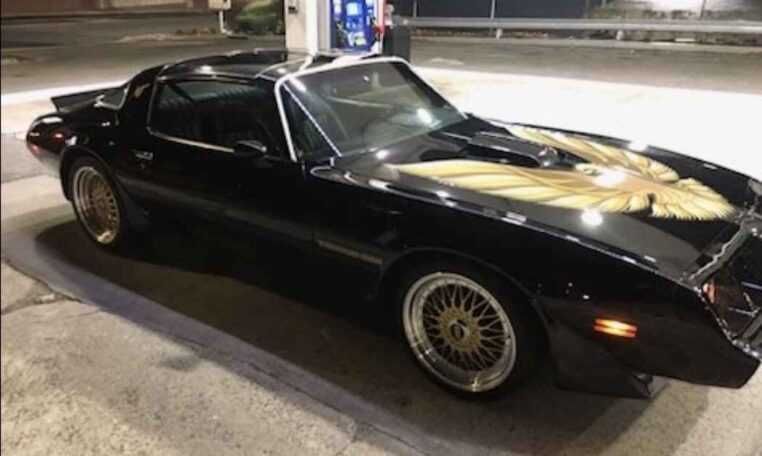
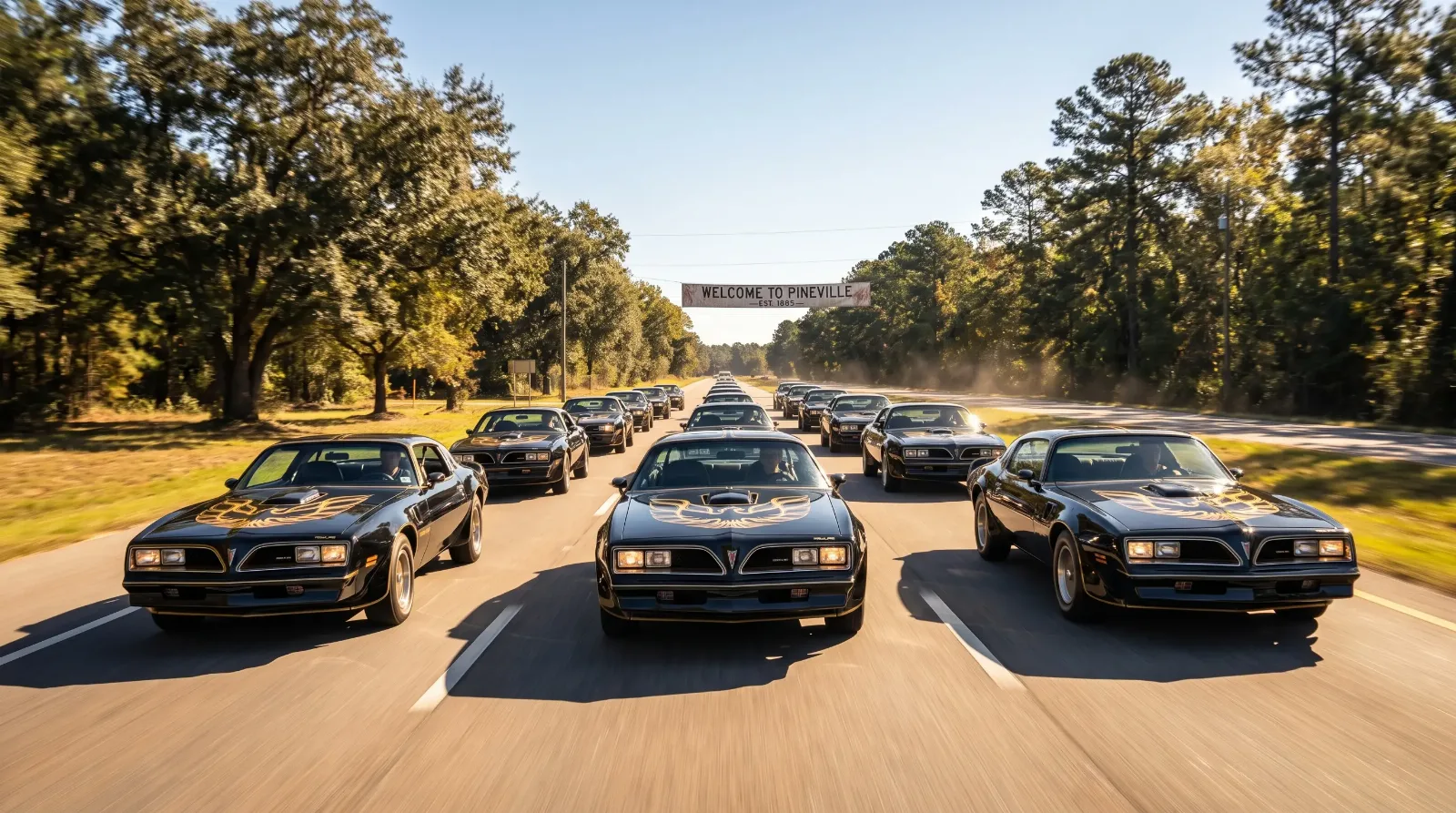
Every spring, a line of black and gold Trans Ams forms up somewhere in the South and starts driving, and for a week the highway looks like 1977 again. This is the bandit run event, a cross country cruise built entirely around the legacy of Smokey and the Bandit, and it has grown from a small gathering of film fans into one of the largest recurring meetups in Firebird ownership. The cars vary from screen-accurate tribute builds to daily-driven Trans Ams with nothing more than a hood decal in common with the movie car, and nobody at these events seems to mind the range.
How a cross country cruise became a tradition
The modern Bandit Run traces back to 2006, when Trans Am owner David Hersey and restorer Dave Hall came up with the idea to mark the film's 30th anniversary. The first organized run rolled out from the Classic Car Museum in Texarkana in May 2007 with around thirty Trans Ams, loosely retracing the beer run route the film's characters drove between Texarkana and Atlanta. The idea caught on faster than the organizers expected. What began as a handful of cars turned into dozens, then more than a hundred, with participants driving in from well outside the South just to join a leg of the route. Burt Reynolds himself appeared at organized Bandit Run gatherings in the years before his passing, lending the event a direct connection to the film that most car culture reunions never get.
The route has shifted over the years, sometimes running through multiple states over the course of a week, with overnight stops in towns that roll out genuine welcomes for a caravan of a hundred plus Trans Ams pulling into a hotel parking lot. Local news crews show up. Restaurant owners plan their week around the crowd. For a lot of small towns along the route, the run has become an annual economic and social event in its own right, not just a car club curiosity passing through.
Who actually shows up
The run draws a wider mix of people than the tribute-build purists might expect. There are owners of screen-accurate cars who've spent years chasing exact decal placement and period-correct wheels, and there are people who bought a used Trans Am off a local classifieds site specifically so they'd have something to drive in the event. Families show up together. Kids who've never seen the movie ride in the back seat anyway, absorbing the culture the same way earlier generations did, secondhand and enthusiastically.
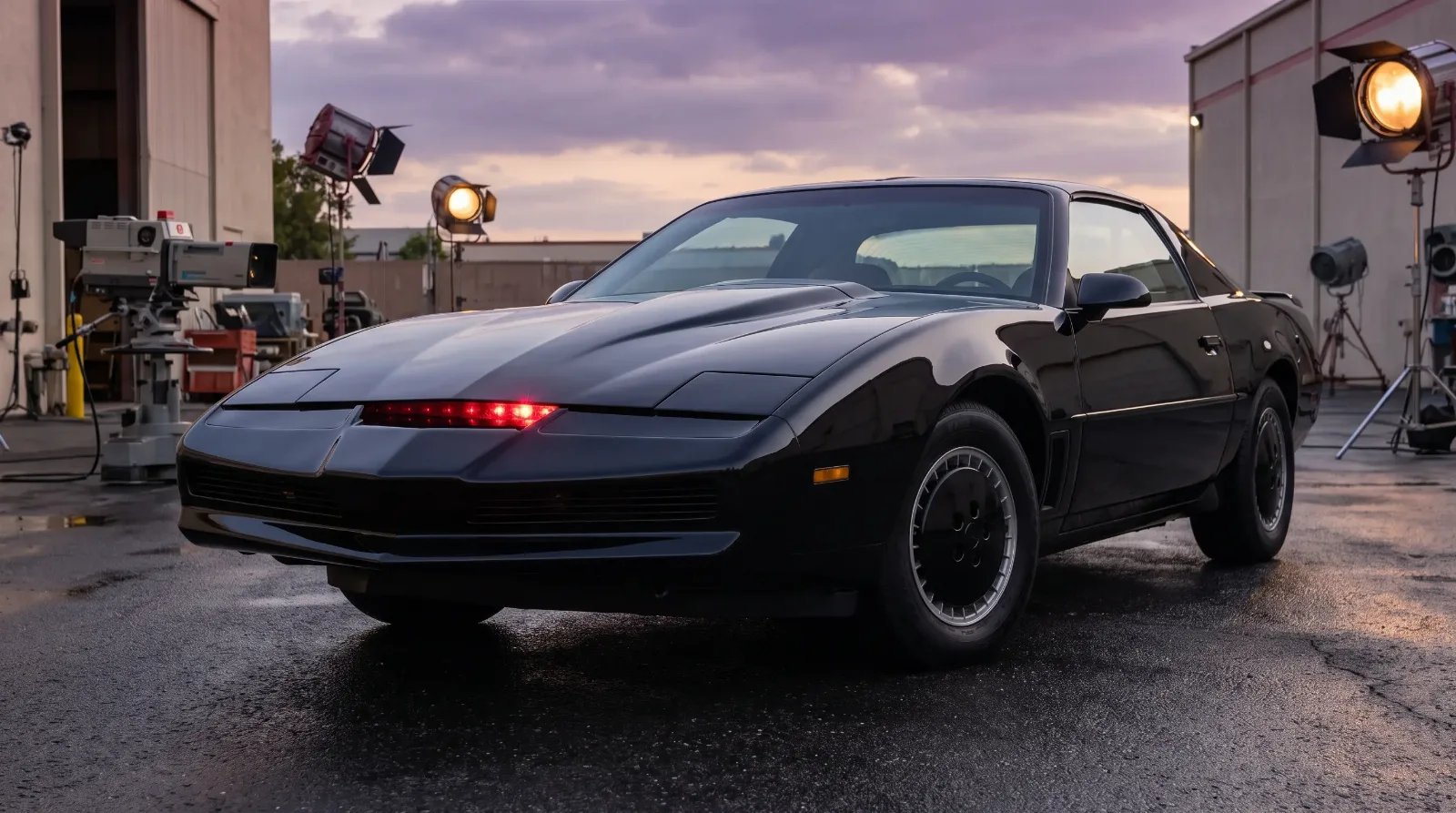
Age range matters here too. It's common to see a car driven by someone who watched the film in a theater in 1977 parked next to a car owned by someone born well after Knight Rider went off the air, both cars wearing the same gold snowflake wheels for entirely different personal reasons. That generational spread is part of what's kept the event growing instead of aging out with its original audience.
Not every participant drives the full route either. Some join for a single overnight leg, meeting the caravan at a hotel parking lot and peeling off the next morning after breakfast, while a smaller core group runs the entire schedule start to finish. That flexibility has made the event approachable for people who love the idea but can't commit a full week of vacation time to a car cruise. Organizers have learned to plan for both kinds of participants, building rest stops and meeting points that work whether someone's doing three hundred miles or three thousand.
What the run means beyond the drive
It would be easy to write off a cross country cruise as a nostalgia exercise, cars rolling down a highway because a movie forty-plus years old told them to. But talk to people who've done more than one Bandit Run and the appeal runs deeper than nostalgia. It's one of the few car events built entirely around a shared story rather than a shared spec sheet. Nobody's comparing dyno numbers on this drive. They're comparing which small town gave them the best breakfast and which stretch of highway made the caravan feel, for a few miles, like the movie come to life.
"I asked a guy on his fourth run why he keeps coming back, and he just pointed at the line of cars ahead of him and said, look at that. That was the whole answer. He wasn't talking about the Trans Am. He was talking about forty of them, together, going somewhere."
— Patrick Walsh
Why it keeps growing
Interest in the Bandit Run has only expanded as the underlying cars have aged into full collector status. A generation of buyers who couldn't afford a clean second-generation Trans Am a decade ago are now able to, and many of them are building or buying specifically with an eye toward joining a future run rather than just parking the car in a garage. That's a meaningful shift for a car culture event. Most classic car gatherings skew toward static shows, judged concours events where the car sits still and gets scored. The Bandit Run is built around motion, and that distinction seems to be exactly what keeps drawing new participants who want their Trans Am to actually go somewhere, not just look good doing it.
The event has also become something of a bridge between the film's original audience and everyone who discovered the car afterward, whether through reruns, tribute builds, or a hood decal that outlived the movie that made it famous. For the Bandit chapter of how this all started, the fuller history covers the film's cultural reach in detail, and a companion piece looks at the broader impact from a different angle.
Sources and notes
- Forbes: One of the Biggest Bandit Fans Tells the Tale of His Own Bandit Run
- 1011 Now: Trans Am Enthusiasts Gear Up for Annual Bandit Run
- Hagerty Media: Reynolds' Final Bandit Trans Am Roars Across the Auction Block
- Barrett-Jackson: Burt Reynolds' 1977 Pontiac Firebird Trans Am SE
- Wikipedia: Smokey and the Bandit
- Forbes: Burt Reynolds' Own Bandit Trans-Ams Go Under the Hammer