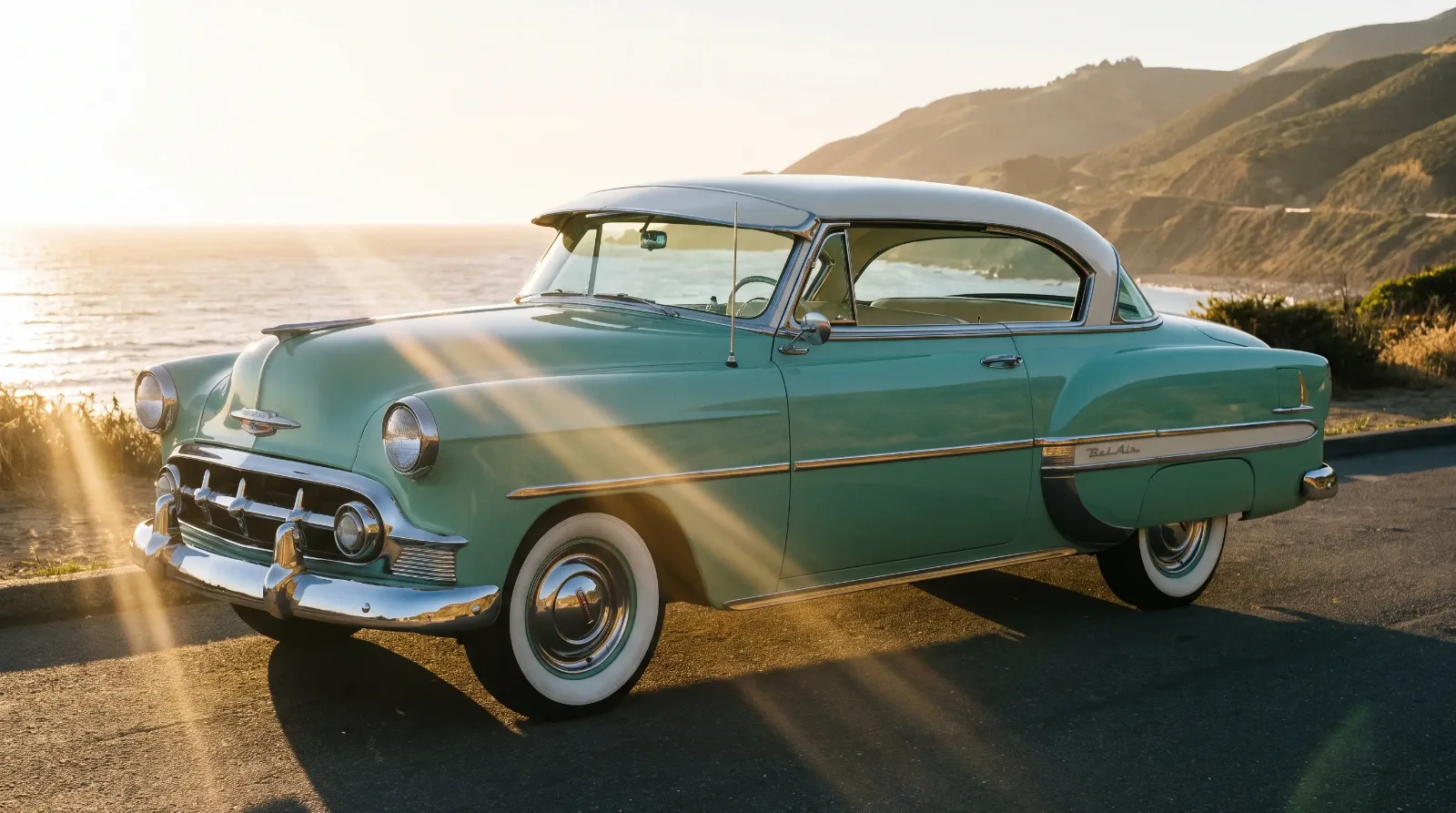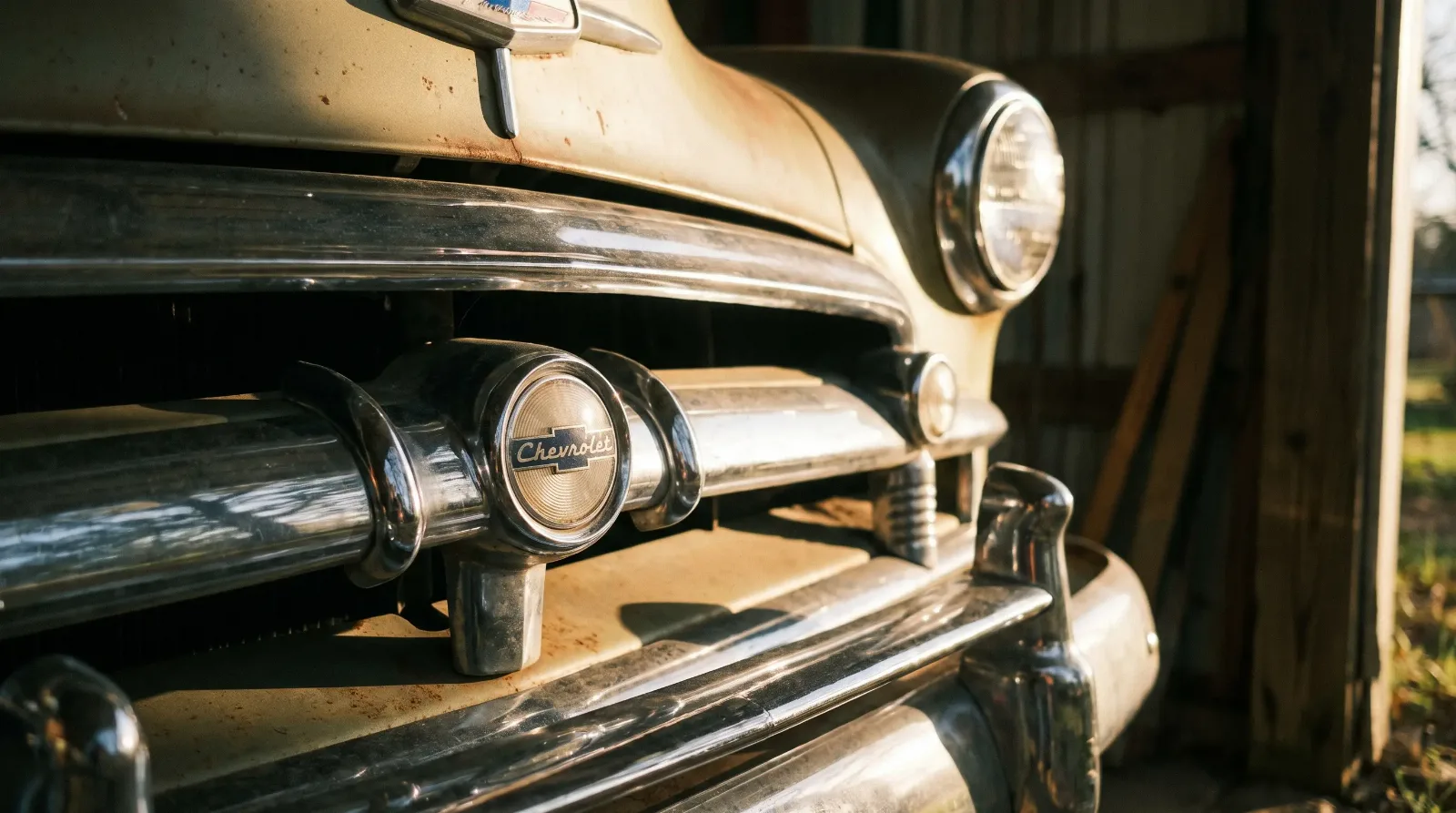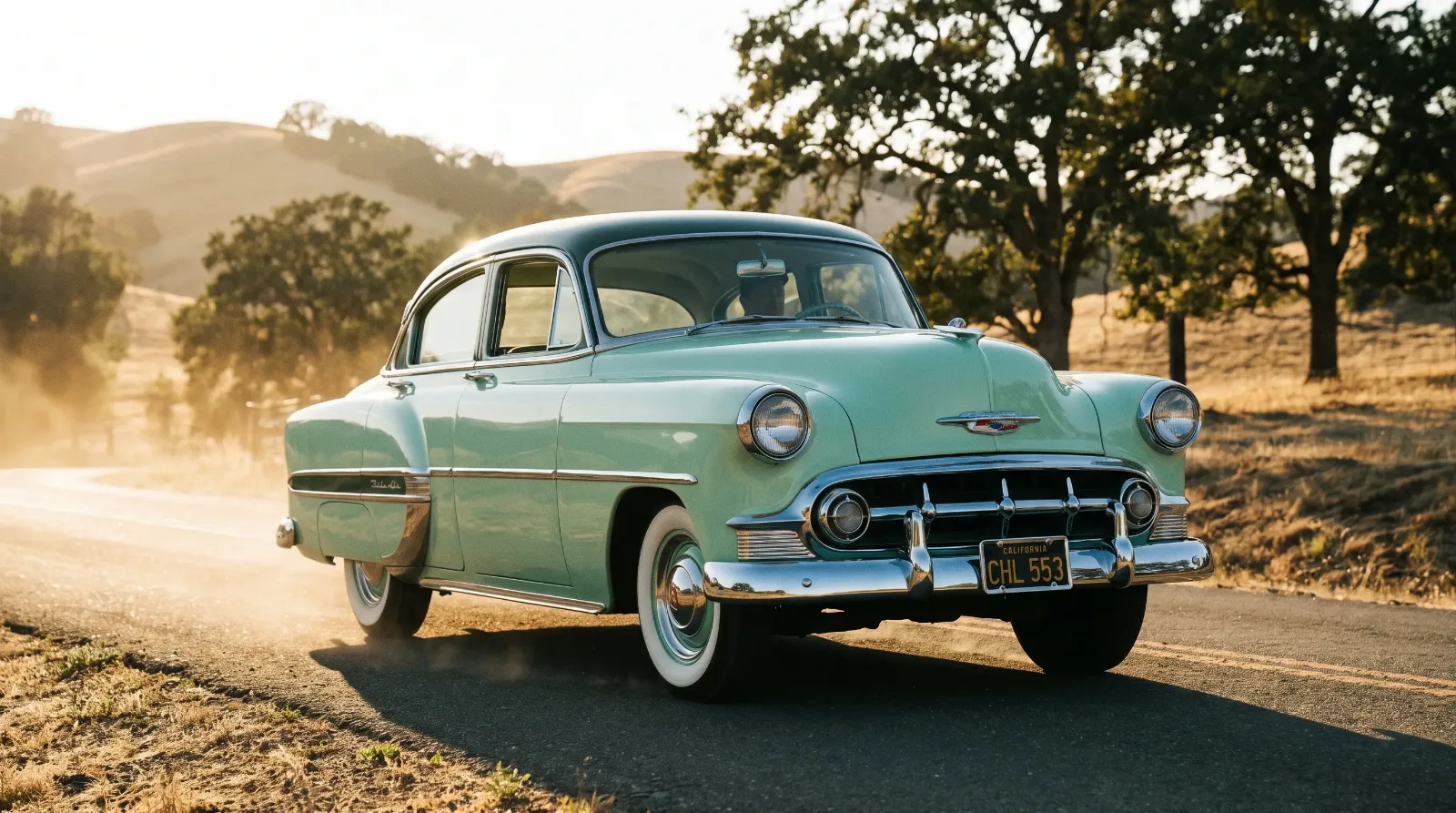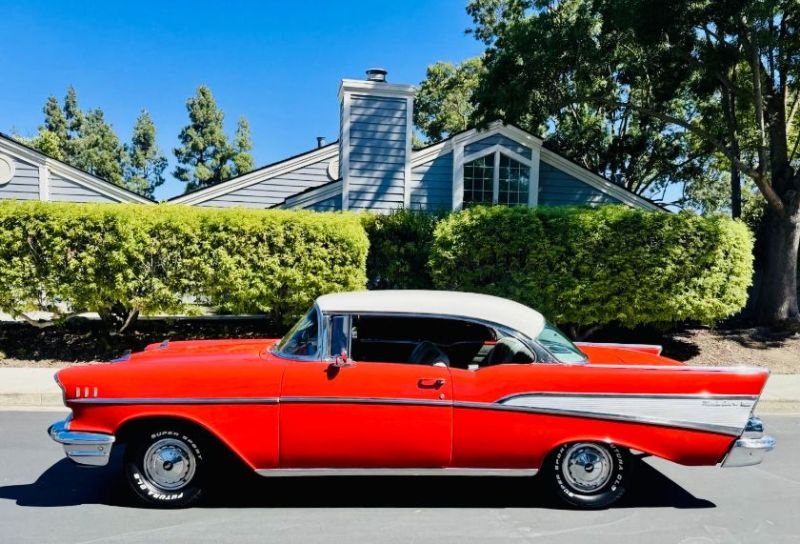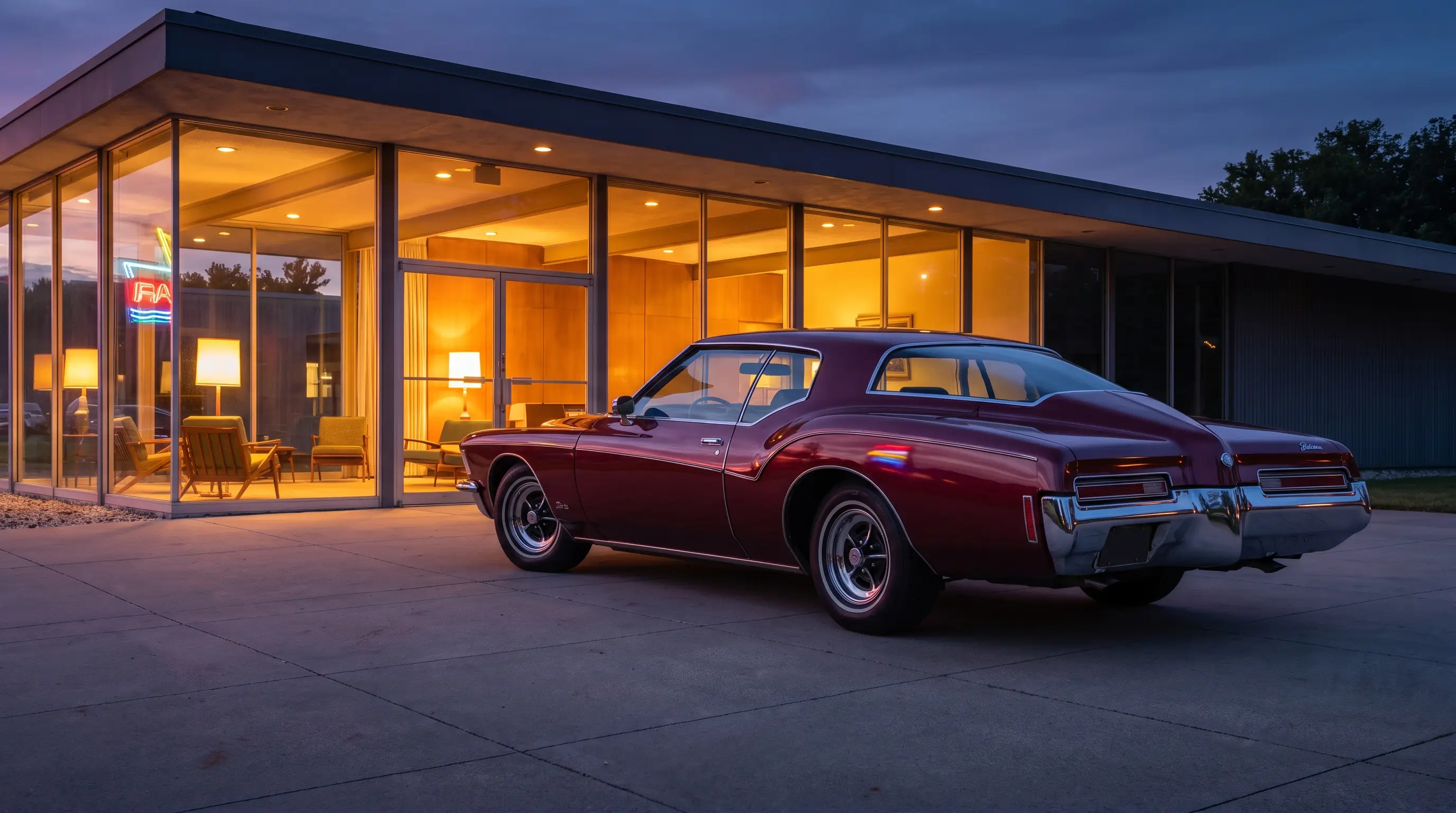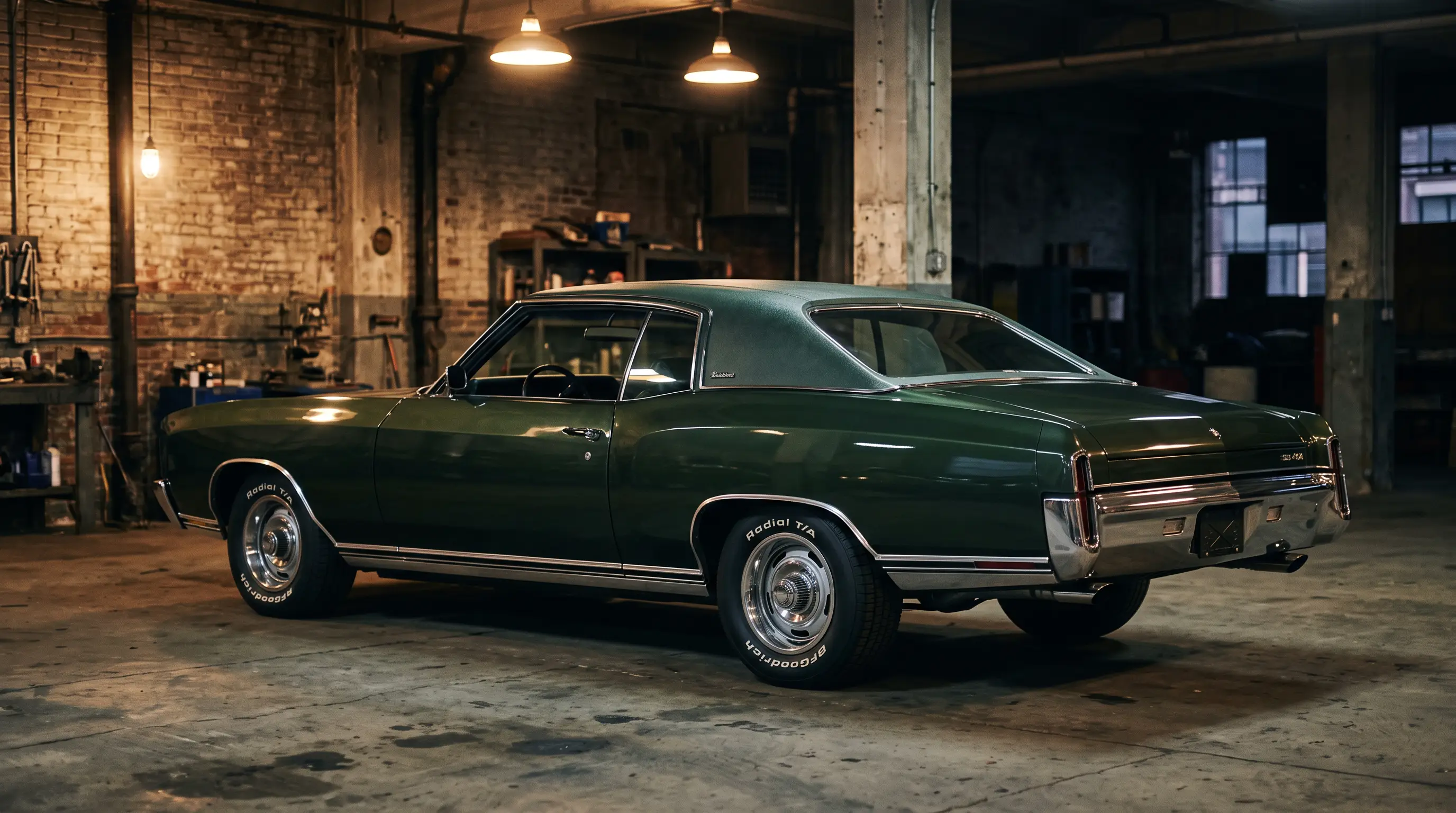
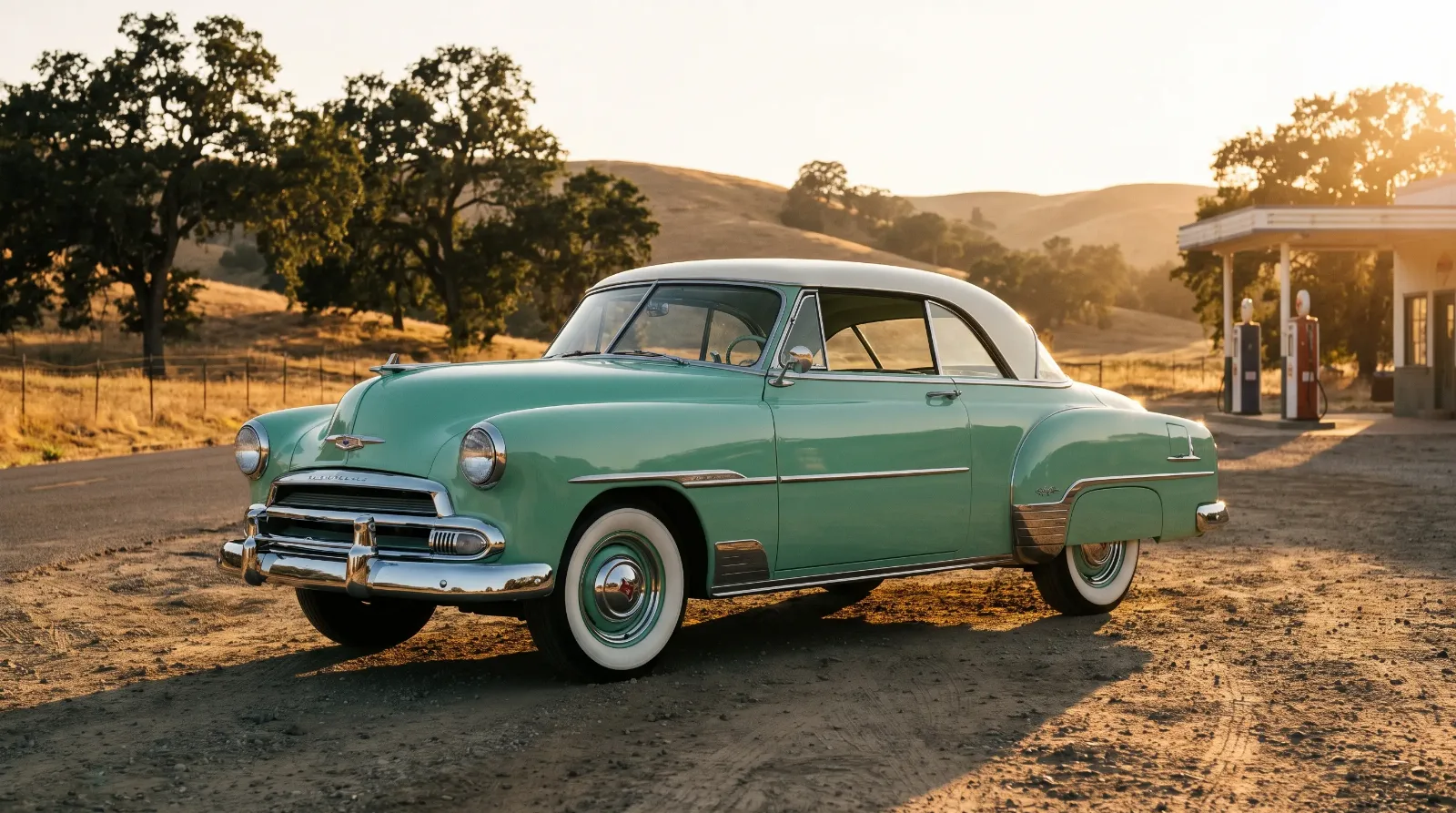
Three model years, one basic body, and a surprising amount of change underneath the sheet metal. The 1951 chevy bel air sits in the middle of a stretch that runs from 1950 through 1952, the years before Chevrolet turned Bel Air into a full series and while it was still just a hardtop body style riding on top of the Styleline DeLuxe line. These three years get lumped together by casual observers, but treating them as identical misses what actually happened at the factory.
Same silhouette, three different cars underneath
Visually, the 1950, 1951, and 1952 Bel Air hardtops look close enough that a lot of people cannot tell them apart at a glance. Chevrolet made only modest styling revisions each year: grille changes, trim details, minor bumper updates. But the company was not standing still mechanically. Each model year brought small but real improvements to the drivetrain and to the details that made the car easier to live with, even as the basic hardtop shape stayed consistent.
The background on how this hardtop came to exist in the first place, and why Chevrolet bet on a pillarless roof for its aspirational model, is covered in read the background if you have not seen the earlier piece. What matters for this stretch of years is what changed once the formula was established.
1950: the debut, still finding its footing
The first year Bel Air, covered in more depth elsewhere on this site, established the formula. It ran the 216.5 cubic inch six with a three-speed manual as standard equipment, or the larger 235.5 cubic inch six paired with the new Powerglide, Chevrolet's first automatic transmission option in the low-price field. Production started mid-year, so 1950 numbers reflect only a partial model year on the lot.
1951: a full year to prove itself
For 1951, the Bel Air hardtop got its first full production year, and Chevrolet used it to smooth out details rather than reinvent anything. Trim and upholstery combinations expanded. The car's basic mechanical layout stayed put: the same 216.5 cid manual six and 235.5 cid Powerglide six, offered in the same pairing as before. What changed was Chevrolet's confidence in the body style. With a full twelve months on sale rather than a partial spring launch, the 1951 hardtop settled into the lineup as a proven seller rather than an experiment.
Korean War era material restrictions affected the whole American auto industry during 1951 and into 1952, limiting chrome and certain metals. Chevrolet, like its competitors, worked around these restrictions with painted trim substituted for some brightwork, a detail collectors look for today when trying to date and authenticate cars from this specific window.
Colors and trim combinations across the run
Chevrolet expanded its exterior color palette meaningfully across these three model years, moving from the more limited postwar options toward a broader range of two-tone combinations that suited the hardtop's open, airy styling particularly well. Interior fabrics followed the same trend, with richer combinations becoming available as the hardtop proved its staying power in the lineup rather than looking like a passing experiment. These details matter to restorers today, since a correctly documented color and trim combination affects both authenticity and value far more than most casual buyers realize when they first start shopping.
1952: the quiet final year of the first generation
The 1952 model year closed out this generation before Chevrolet's bigger 1953 redesign, which brought a new grille, a wraparound rear window on some body styles, and the promotion of Bel Air to full series status. As a result, 1952 often gets treated as a transitional afterthought, but it was in some ways the most refined version of the original hardtop formula. Chevrolet had three years of production experience with the pillarless roof by this point, and the fit and finish on surviving 1952 cars generally reflects that maturity.
Horsepower across this run stayed close to the original figures, with the manual-transmission 216.5 cid six producing about 92 hp and the larger 235.5 cid Powerglide engine, with its hydraulic lifters and higher compression, rated at about 105 hp. Chevrolet was not chasing power in this period. It was chasing reliability and smoothness, values that matched the car's positioning as a comfortable, aspirational family car rather than a performance machine.
| Model Year | Notable Detail |
|---|---|
| 1950 | Bel Air hardtop debuts mid-year, first Chevrolet with no B-pillar |
| 1951 | First full production year, Korean War material restrictions begin |
| 1952 | Refined final year before 1953 redesign and Bel Air series expansion |
Production numbers across the run
Reliable year-by-year production figures for the hardtop specifically, as opposed to the Styleline DeLuxe line as a whole, are harder to pin down than most collectors would like. The 1950 partial year produced 76,662 units, 1951 climbed to just over 103,000 units in its first full year on sale, and 1952 settled to around 74,634 units, though exact figures vary somewhat by source and by how strictly a given historian separates hardtop-specific numbers from the broader Styleline DeLuxe totals.
What is not in dispute is that the hardtop consistently outsold Chevrolet's internal projections through this stretch, prompting the company to keep expanding what the Bel Air name covered rather than treat it as a one-off experiment. That steady demand across three consecutive years is really what convinced Chevrolet's leadership to commit to the much larger 1953 restructuring, rather than any single standout sales year.
What this three year window means for buyers today
Collectors sometimes overlook 1951 and 1952 Bel Airs in favor of the more famous 1953 onward cars, which is a mistake if originality and rarity matter to a buyer. Fewer of these early hardtops survive in unrestored condition than the tri-five cars that came later, and they represent a genuinely different chapter of the badge's history, back when Bel Air meant one specific roofline rather than an entire series. If a wraparound windshield 1953 model interests you as a comparison point, worth a look too covers how that redesign changed the car's position in the lineup.
"People treat 1950 through 1952 as one car with three build dates stamped on it. The factory records tell a different story. Chevrolet was quietly refining this hardtop every single year, even when the sheet metal barely moved."
- Tom Ramirez
Surviving examples from this window turn up occasionally at swap meets and specialty auctions, usually needing some mechanical sorting after decades of storage. For anyone ready to look at what is actually available right now across the whole Bel Air run, dealers and private sellers keep a steady supply moving, and you can shop classic Air listings to see what has surfaced recently.
Sources and notes
- Wikipedia: Chevrolet Bel Air
- Automobile Catalog: 1951 Chevrolet Styleline Bel Air specs
- Automobile Catalog: 1952 Chevrolet Styleline Bel Air specs
- Curbside Classic: 1951 Chevrolet Bel Air, The Hardtop Era Begins
- Mac's Motor City Garage: 1950, The Birth of the Chevrolet Bel Air
- Wikipedia: Chevrolet Stovebolt engine