
For three model years, Bel Air meant one specific body style bolted onto Chevrolet's mid-level trim. Then, for 1953, Chevrolet tore up that arrangement entirely. The 1953 chevrolet bel air was no longer a single hardtop hiding inside the Styleline DeLuxe line. It became a complete series of its own, sitting at the top of Chevrolet's lineup and spanning every body style the company built that year. This is the moment the badge most people recognize today actually took shape.
Car Features
7 min read
The 1953 Bel Air: A Trim Level of Its Own
For 1953, Chevrolet stopped treating Bel Air as a single hardtop and made it the top trim series across the entire lineup. Here is how that restructuring reshaped the badge for good.
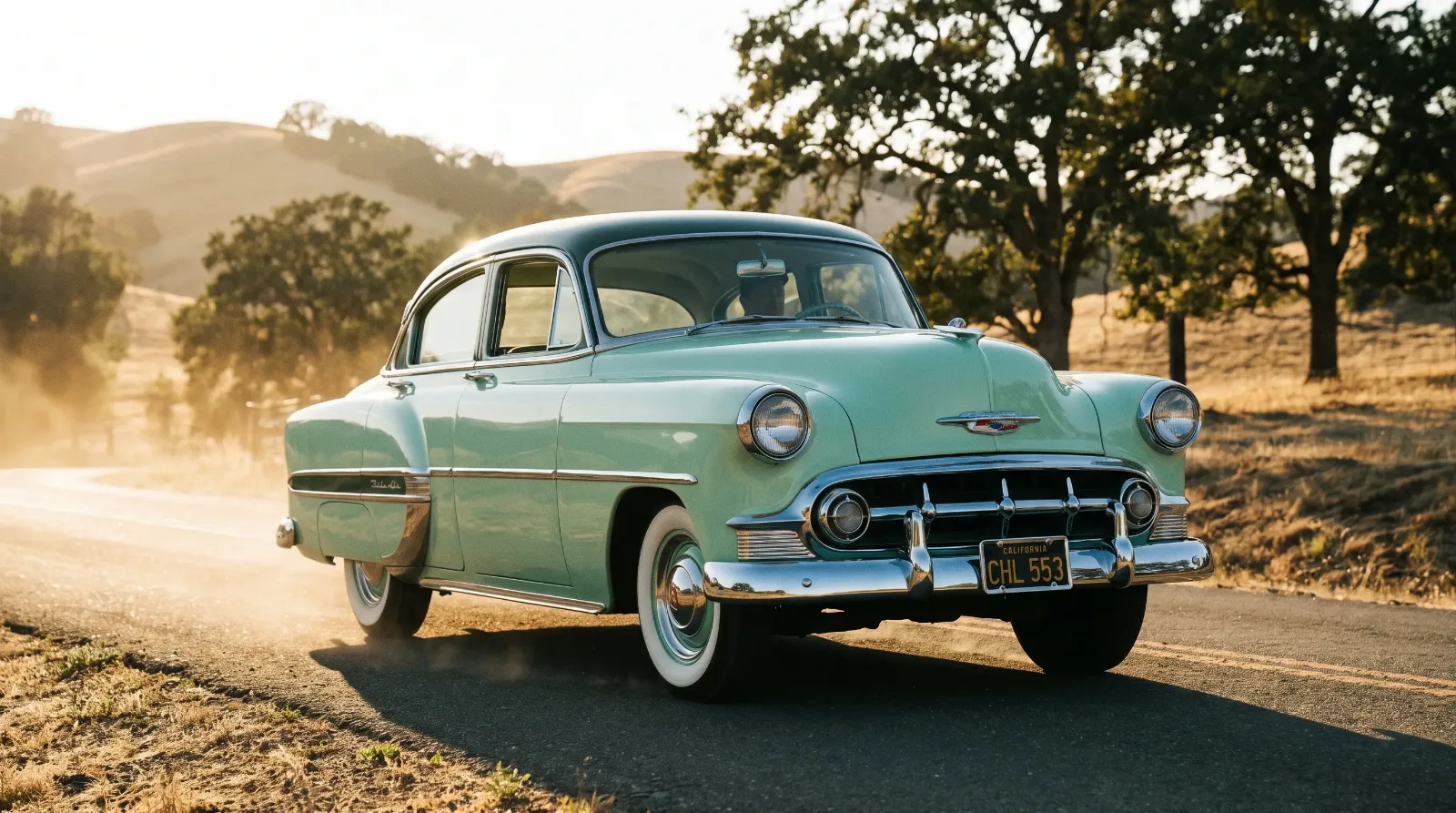
From body style to series in one model year
Chevrolet restructured its full lineup for 1953 into three tiers: One-Fifty at the entry level, Two-Ten in the middle, and Bel Air at the top. Where Bel Air had previously described a single hardtop coupe, it now covered a four-door sedan, a two-door sedan, a convertible, and a Sport Coupe hardtop, all wearing Bel Air trim and badging. The station wagon was not yet part of the series that first year; it remained a Two-Ten model, badged Townsman, until Chevrolet moved it up into Bel Air trim for 1954. This was a significant bet by Chevrolet's management. Rather than let the Bel Air name stay attached to one striking body style, they stretched it across the whole range and let it carry the company's best trim, best upholstery, and most complete chrome package on every shape the factory produced.
The reasoning traces directly back to how well the original hardtop performed in the marketplace during 1950 through 1952, a run documented in more on the 1953 chevy bel air if you want the fuller arc of how the name grew from one body style into a full series.
What actually separated a Bel Air from a Two-Ten in 1953
The mechanical case for 1953 Bel Air was thin by design. Under the skin, a Bel Air sedan and a Two-Ten sedan ran the same 235.5 cubic inch six, the same available Powerglide automatic, and the same basic chassis. Chevrolet was selling trim, not engineering, at the top of its lineup. Bel Air buyers got richer upholstery fabrics, more chrome trim around the windows and body sides, upgraded interior door panels, and in most body styles, a more elaborate dashboard treatment.
This was consistent with how Chevrolet had always positioned its top trim. The company's mainstream buyers were not shopping for horsepower in 1953. They were shopping for a car that looked and felt like it cost more than it did, and the Bel Air series delivered exactly that experience without asking Chevrolet's engineers to build a genuinely different car underneath.
How competitors responded
Ford and Plymouth were paying close attention to Chevrolet's 1953 restructuring, since a tiered lineup with a clearly branded top trim was proving effective at pulling extra revenue from buyers without any added engineering cost. Ford's own Crestline series occupied similar territory in its lineup, and the broader industry trend through the 1950s moved steadily toward this same three-tier approach: a stripped entry model, a mainstream mid-level seller, and a dressed-up flagship trim that carried most of a brand's aspirational marketing. Chevrolet was not the only company to figure this out, but its early and confident execution with Bel Air gave the badge a head start in public recognition that its direct competitors never fully closed.
The 1953 redesign around the new series
Chevrolet paired the Bel Air series expansion with a broader styling update for 1953. The car received a new grille, updated taillights, and, on some body styles, a one-piece curved windshield replacing the older split unit. These changes gave the newly elevated Bel Air series a genuinely fresh look to match its new position at the top of the lineup, rather than simply relabeling an unchanged car.
Interior appointments moved forward too. Bel Air models got two-tone upholstery combinations that were not available on lesser trims, along with additional interior brightwork. None of this touched the engine bay, where the familiar six-cylinder continued to do the work it had done since the start of the decade.
How buyers actually chose between the three tiers
Chevrolet's dealer network in 1953 leaned heavily on side-by-side comparisons to sell buyers up from a Two-Ten to a Bel Air. A salesman could put a customer in an identical body style, say a four-door sedan, in both trims and let the difference in upholstery and trim do the persuading. The mechanical case for spending more was thin, since both cars ran the same six and the same available Powerglide, but the visual and tactile case was strong enough on its own to move a meaningful share of buyers up the ladder.
This strategy worked because Chevrolet priced the gap between tiers carefully. A Bel Air cost more than an equivalent Two-Ten, but not so much more that the extra trim felt out of reach for a buyer who was already committed to a new Chevrolet. That pricing discipline is part of why the tiered structure Chevrolet introduced in 1953 proved durable rather than a short-lived experiment, since it gave the company a reliable way to capture additional revenue from buyers without requiring any additional engineering investment.
Why the 1953 restructuring stuck
Chevrolet never went back to the old arrangement. Once Bel Air became a full series in 1953, it stayed a series for the rest of its production life, all the way through the final full-size Bel Airs built in the mid-1970s. The tiered One-Fifty, Two-Ten, Bel Air structure Chevrolet introduced this year became the template the company used for most of the decade, and it is the reason later cars like the famous 1955 through 1957 Bel Airs could be sold as a complete lineup rather than a single specialty body style.
The origins of the whole nameplate, including how it started well before this restructuring, get a fuller telling in where this started, which traces the badge from its earliest days through the changes covered here.
| 1953 Chevrolet Tier | Position |
|---|---|
| One-Fifty | Entry level, minimal trim |
| Two-Ten | Mid-level, most popular volume seller |
| Bel Air | Top trim, richest upholstery and brightwork across every body style |
"Nineteen fifty-three is when Bel Air stopped being a shape and became a status. Chevrolet's own sales literature from that year treats the name as a promise about the whole car, not a description of its roofline."
- Sarah Whitfield
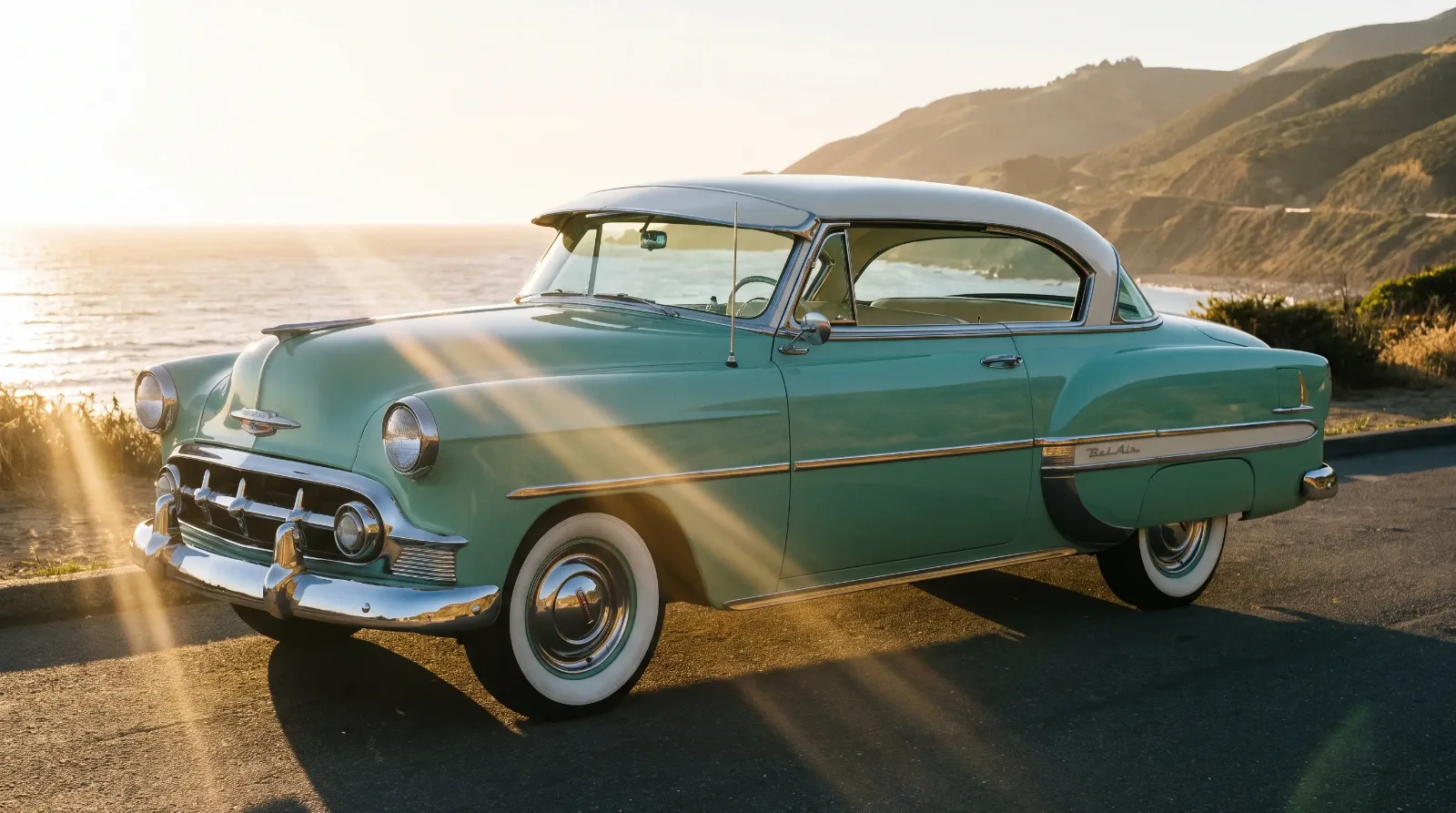
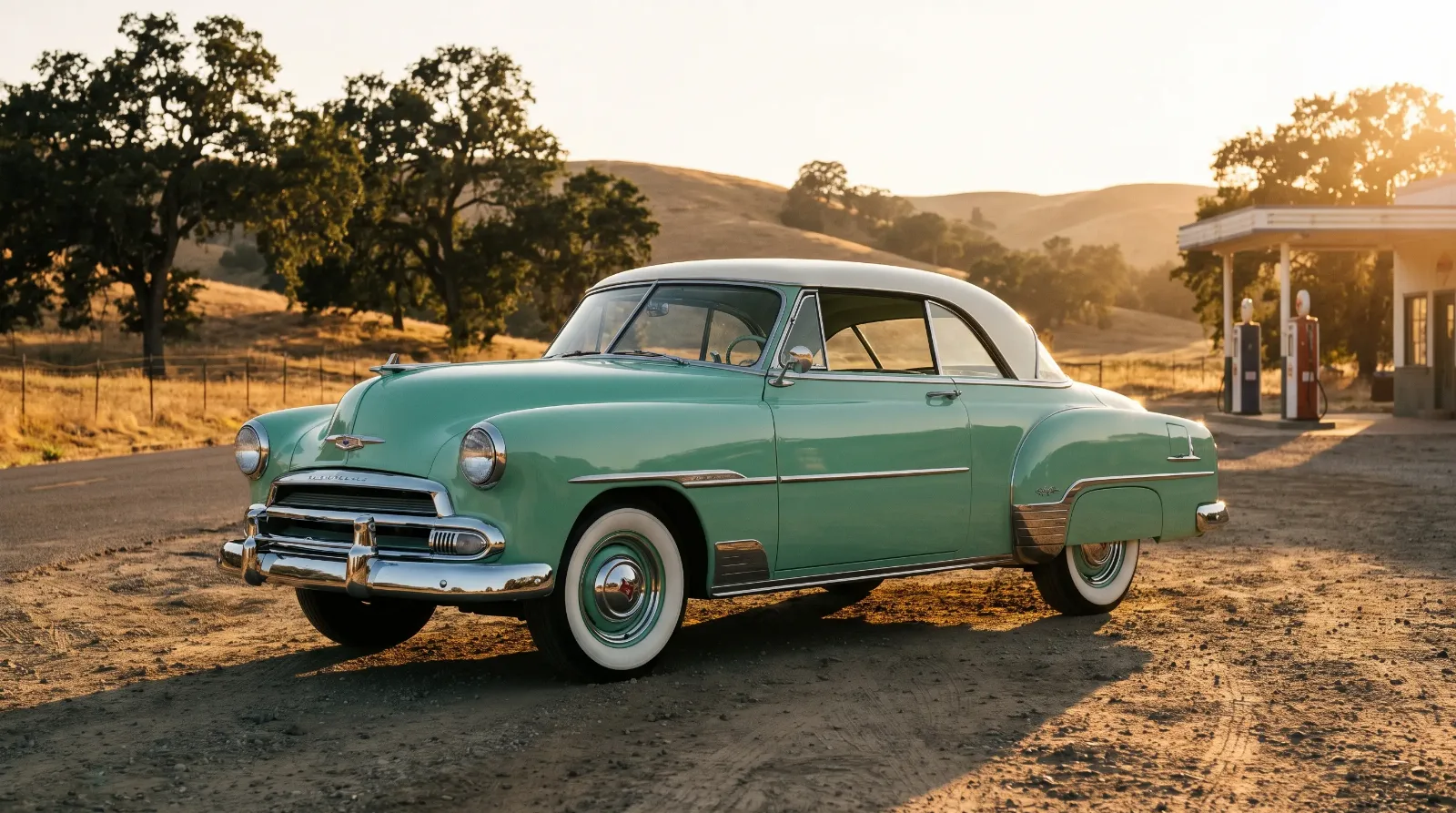
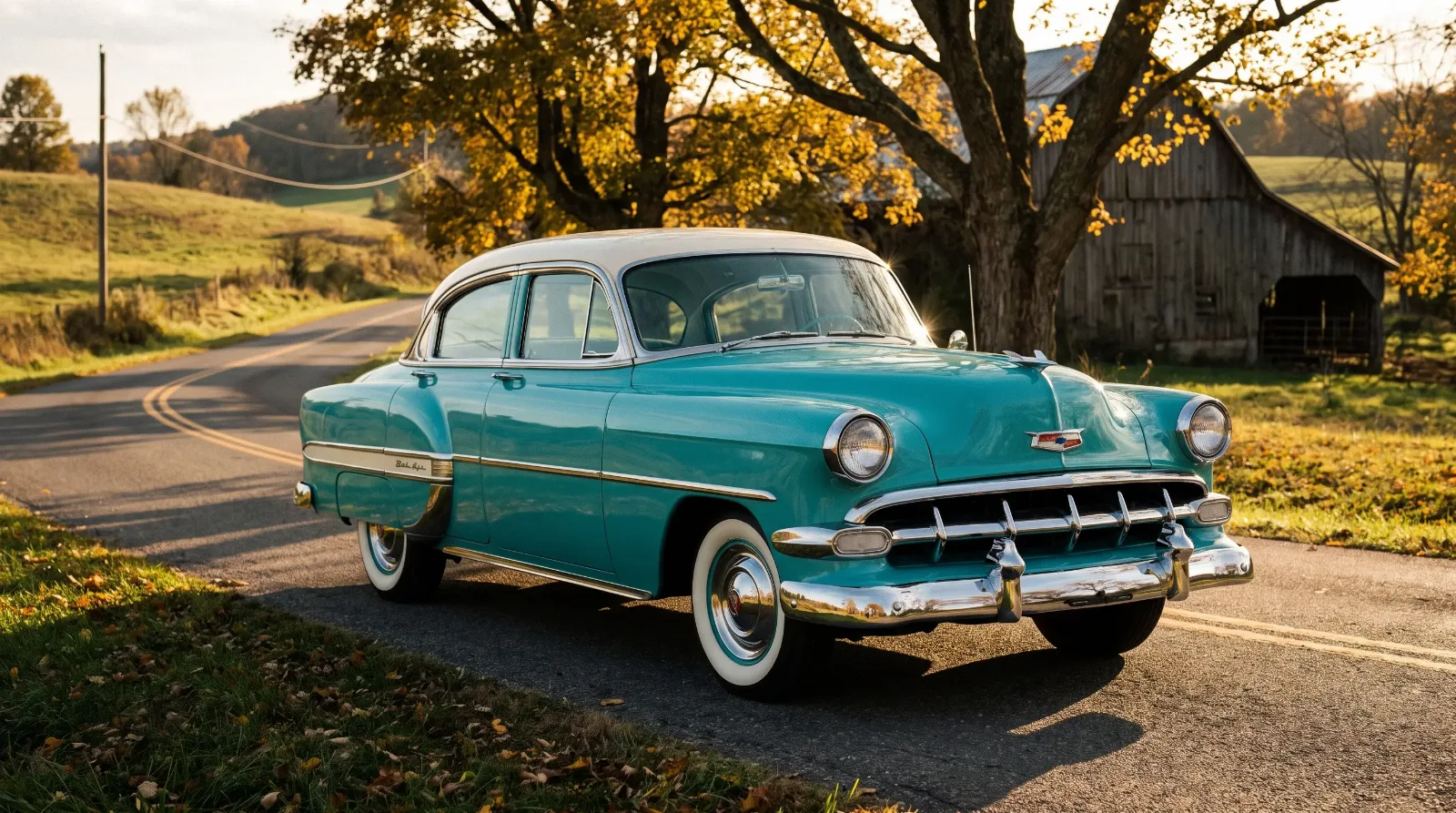
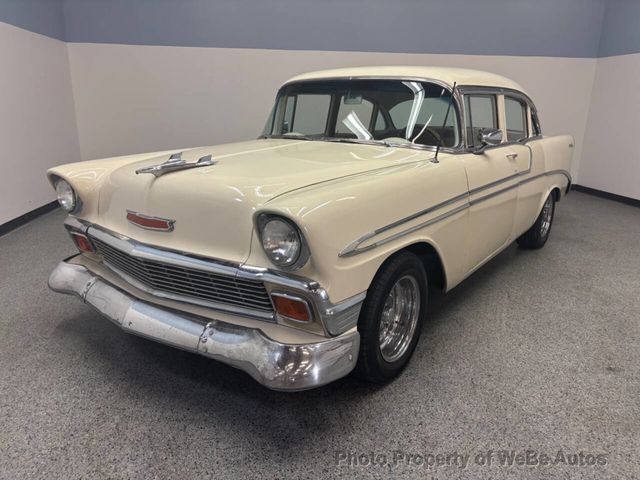
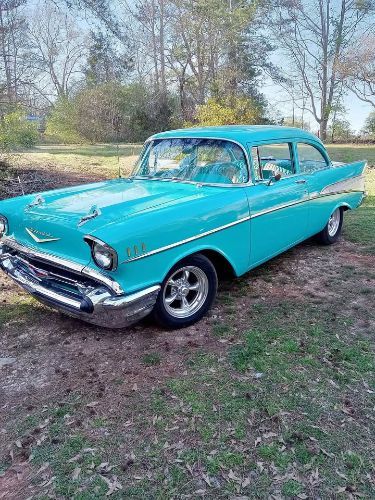
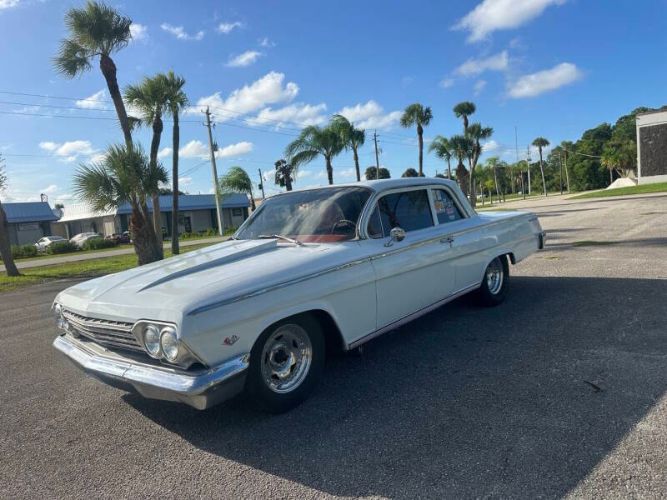
The 1953 lineup still turns up regularly in the collector market, particularly the convertible and the Sport Coupe hardtop, which carry the strongest values within this generation. For anyone curious what is currently available across the badge's full history, there are classic Airs on the market worth a look, including cars from this landmark restructuring year and the years that followed it, once the tiered lineup had fully settled into Chevrolet's regular production rhythm and buyers had grown accustomed to shopping across three distinct trim levels rather than one uniform Chevrolet.
Sources and notes
- Wikipedia: Chevrolet Bel Air
- HowStuffWorks: 1953-1954 Chevrolet Bel Air
- Automobile Catalog: 1953 Chevrolet Bel Air 4-Door Sedan Powerglide specs
- Old Cars Weekly: Car of the Week, 1953 Chevrolet Bel Air
- Curbside Classic: 1953 Ford Crestline Victoria
- Conceptcarz: 1953 Chevrolet Bel Air Series 2400C Specifications
Related Reading
Have a
Chevrolet Bel Air
for Sale?
Reach thousands of serious classic car collectors across the US.
Sell It Here →
Are You a Classic Car Dealer?
List your full inventory and connect with targeted classic car buyers.
Join as a Dealer →
#classic chevrolet
#Chevrolet Bel Air
#1953 Chevrolet
#Two-Ten
#trim level history
#Chevrolet lineup

About the author
Sarah Whitfield
Third-generation classic car collector specializing in pre-war American and European coachbuilt automobiles. Researcher and concours enthusiast.
Related Listings - Chevrolet Bel Air
Comments
Be the first to comment on this article.