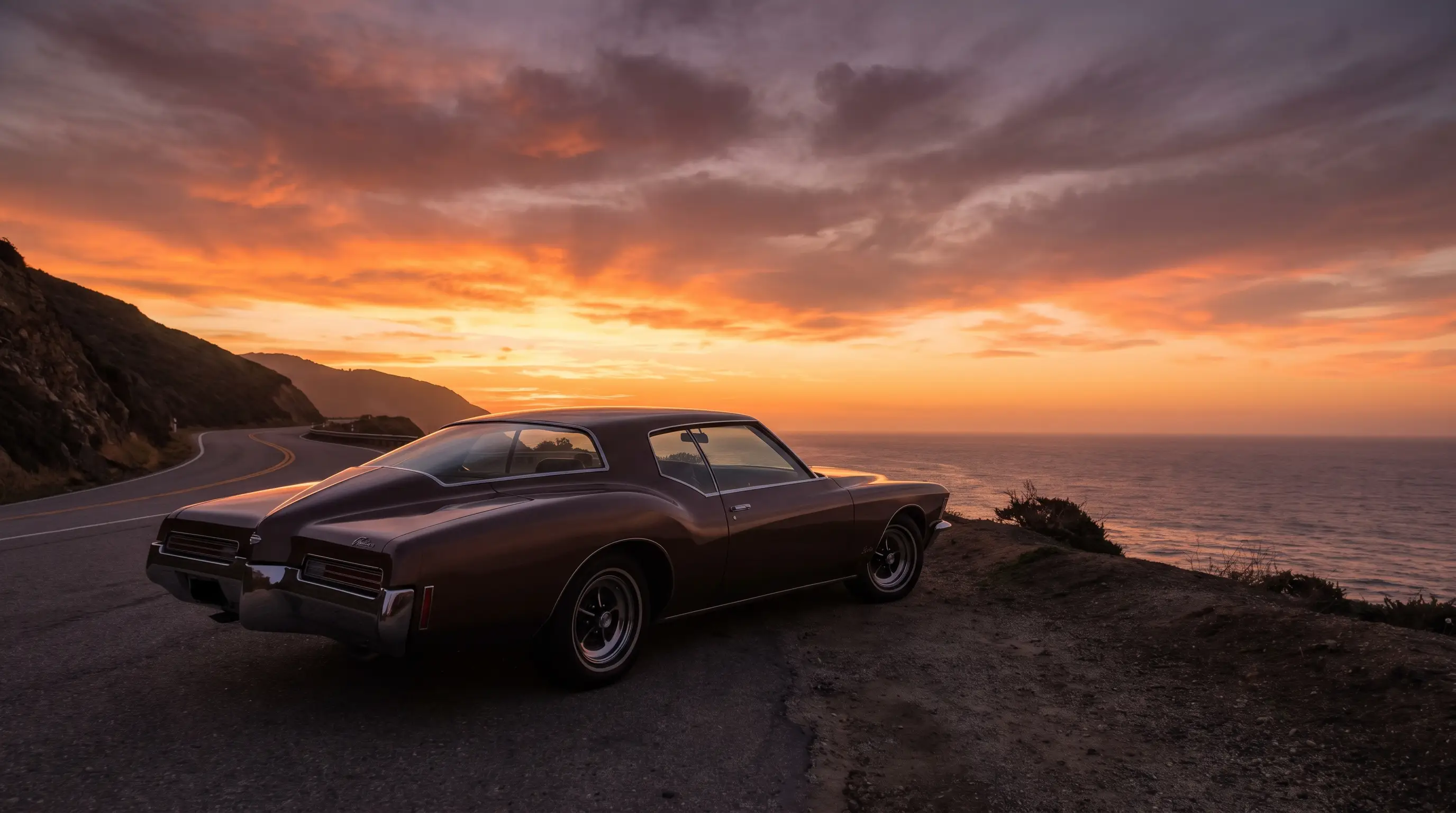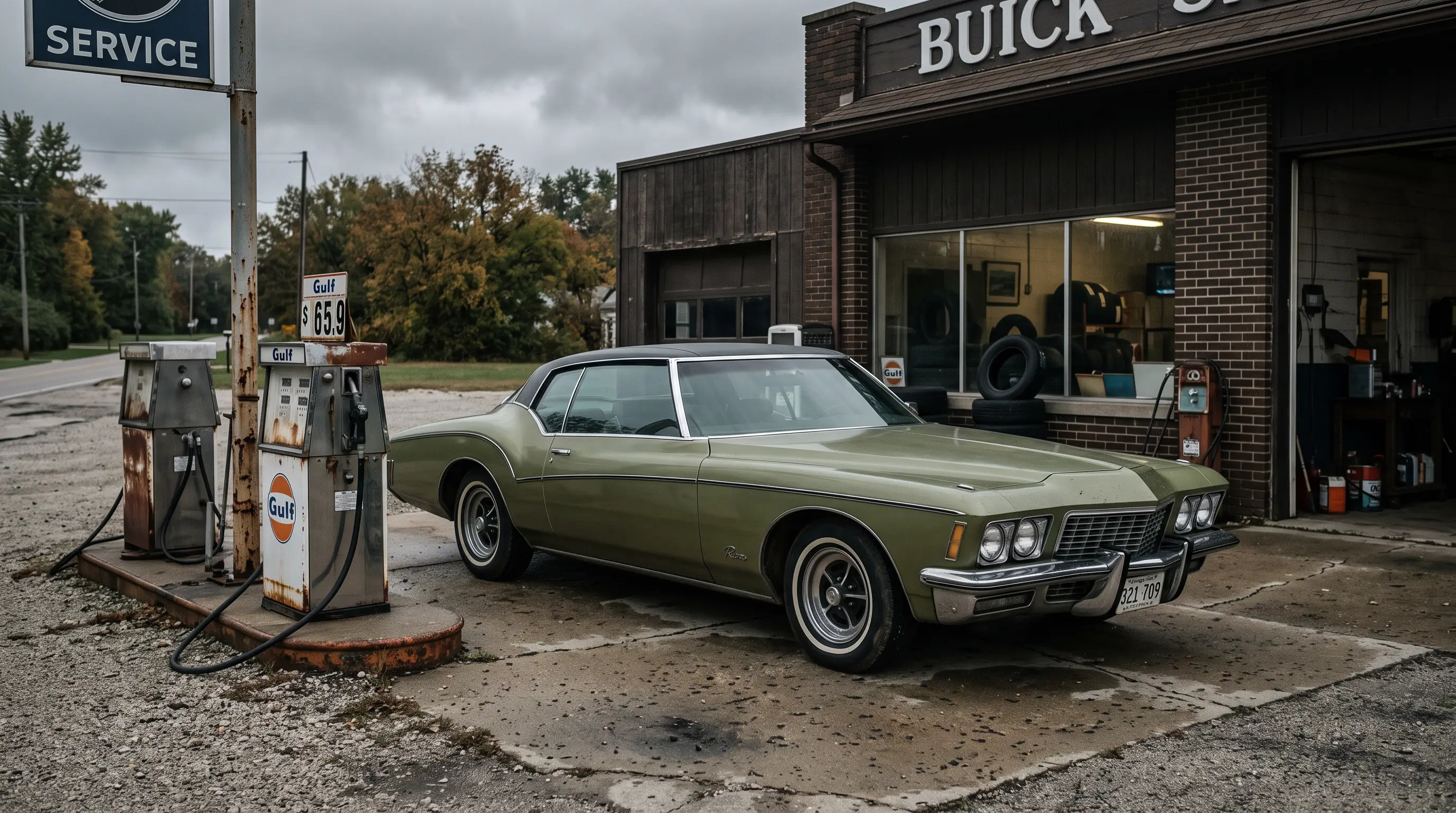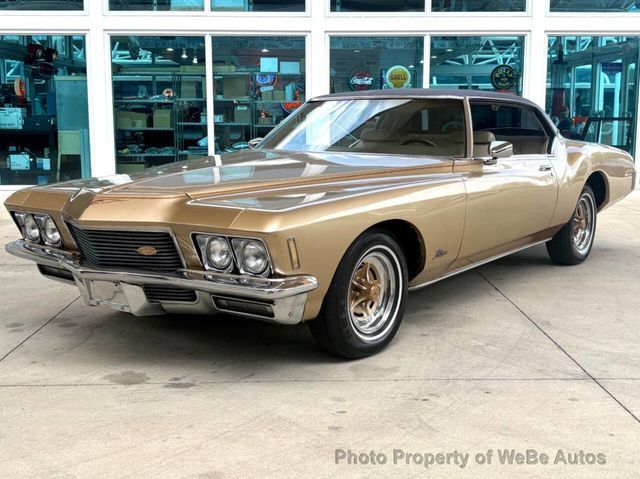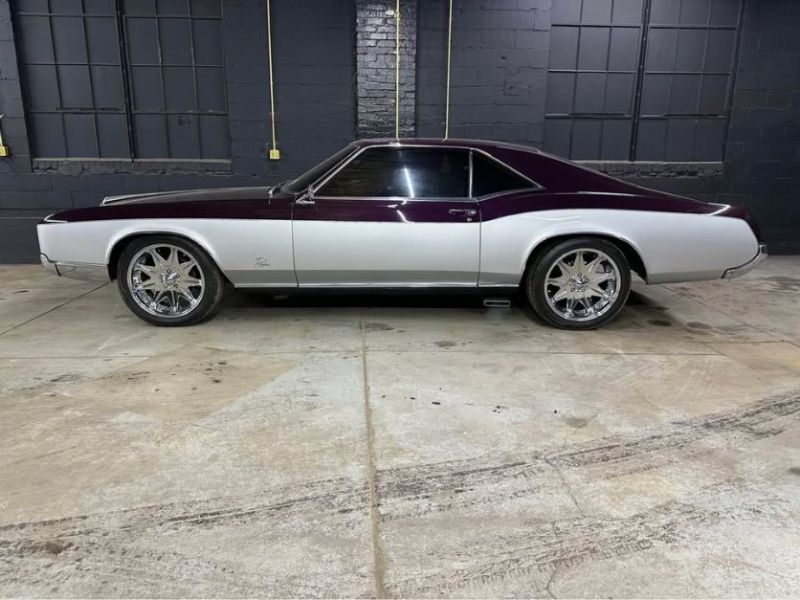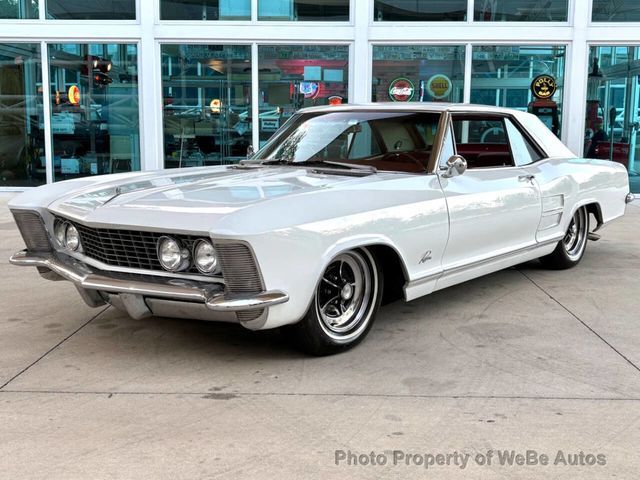
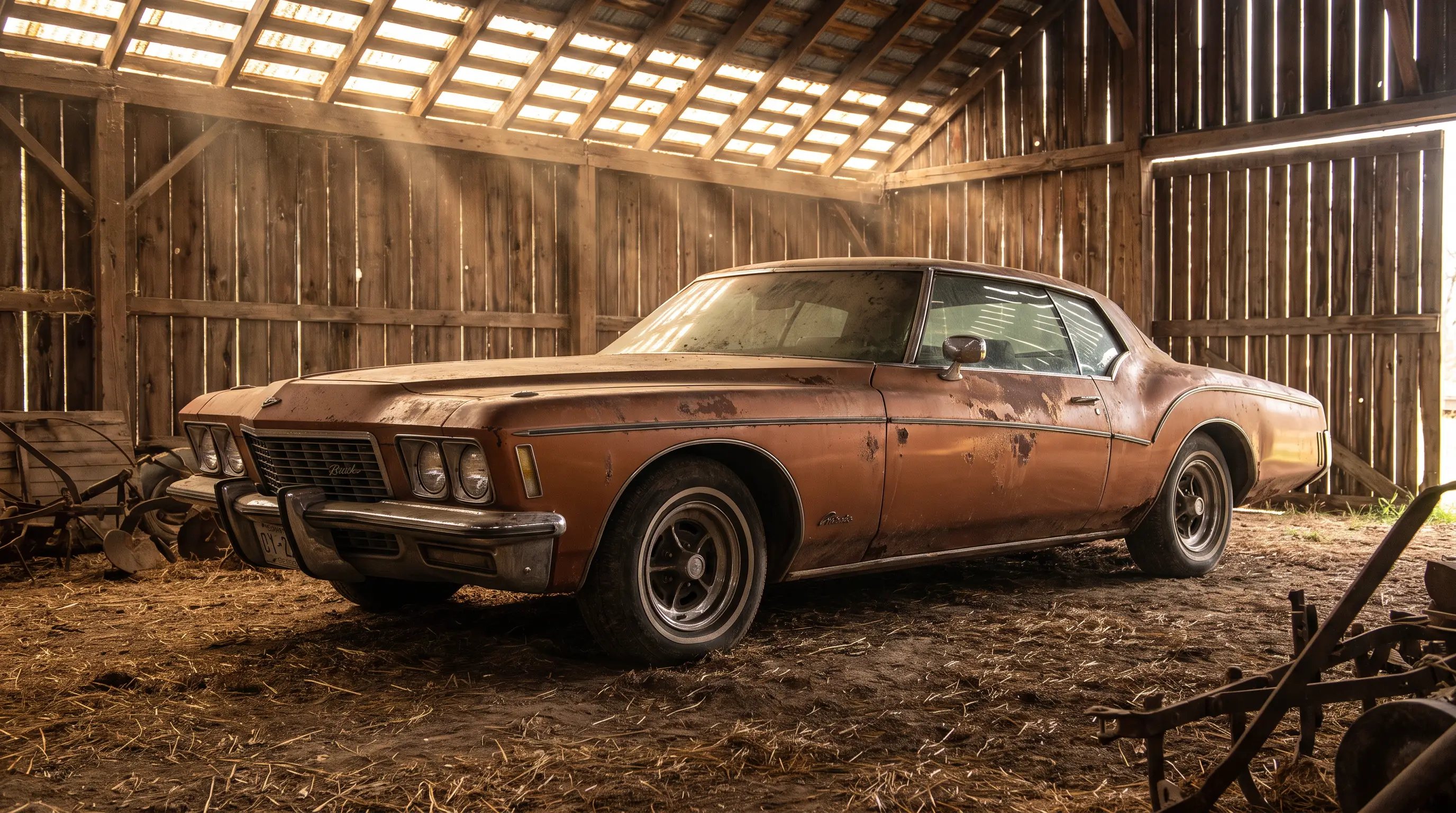
Buick riviera 1971 notable survivors are rarer than the production numbers alone would suggest, because a car built to turn heads in a parking lot in 1971 was, just as often, a car that got driven hard, modified to chase trends, or eventually parted out once values sagged in the 1980s and 1990s. The boat-tail Riviera spent decades undervalued relative to its styling ambition, which means the survivors that made it through in genuinely original condition represent a smaller, more precious slice of the original build total than most casual observers assume. Tracking down what actually remains, and in what state, is a research project in its own right.
Why so few boat-tail cars survive in original condition
The boat-tail generation's low period values worked against preservation in a way that muscle cars from the same years mostly avoided. A Chevelle or a GTO held enough collector cachet through the lean decades that owners were motivated to keep them stock, or at least keep the original drivetrain nearby even after a mild customization. The Riviera did not enjoy that same protective reputation for most of its life after production ended. Owners swapped in different wheels, repainted cars in colors that were never factory options, and in some cases pulled the 455 for other projects once the car's resale value made that seem like a reasonable trade. The result is that a genuinely unmolested 1971 Riviera, one with its original engine, original interior, and no undocumented bodywork, is a meaningfully rarer find today than the production totals alone would suggest. For the full origin story of the generation these survivors represent, see our 1971 buick riviera retrospective.
What separates a genuine survivor from a good restoration
Enthusiasts researching this generation quickly learn to distinguish between a true survivor, a car that has never been substantially disassembled or repainted, and a well-executed restoration that merely presents as original. Both have real value, but they are not interchangeable in a collector's eyes. A genuine survivor carries evidence in places a restoration cannot fully replicate: factory overspray in hidden areas, original build tags still attached where they were installed at the plant, and interior wear patterns consistent with the car's actual mileage rather than a fresh reproduction. Provenance chains matter enormously here, and cars with a documented single-family ownership history or an unbroken paper trail back to the original dealer tend to command the strongest interest from serious collectors.
| Survivor category | What collectors look for |
|---|---|
| Unrestored original | Original paint, interior, and drivetrain; documented low mileage |
| Documented single-owner car | Continuous ownership history, original build sheet or Protect-O-Plate |
| GS 455 survivor | Verified factory GS documentation, original engine and induction hardware |
| Well-restored example | Correct parts and colors, honest disclosure of what was replaced |
Where notable survivors tend to surface
Longtime Riviera club members generally point to a handful of predictable sources when genuinely original 1971 cars come up for sale or discussion: estate sales from original owners who kept the car garaged for decades, long-term storage finds where a car simply sat untouched after a change in family circumstances, and the occasional dealer trade-in that never got resold because the original dealership itself closed. These are not dramatic barn-find stories in most cases, just quiet, unremarkable ownership histories that happened to avoid the customization trends that claimed so many other examples. That mundane consistency is often the strongest evidence of authenticity a buyer can ask for.
"The most valuable survivors I have come across were never hidden away as investments. They were simply owned by people who liked the car enough to keep driving it and never got around to changing anything, which turns out to be the rarest outcome of all for this generation."
- Tom Ramirez
The role club registries play in tracking survivors
Owner clubs dedicated to the Riviera have done more to preserve knowledge about genuine survivors than any single auction house or price guide. Members who register their cars, share build sheet information, and photograph original details before any restoration work begins have quietly built an informal but valuable record of which cars remain in something close to factory condition. This kind of grassroots documentation matters enormously for a generation that never had the institutional attention muscle cars received during the same decades. A car that shows up in club records from the 1980s or 1990s, still wearing its original paint and interior at that point, carries a credibility that a car with no such paper trail simply cannot match, no matter how clean it looks today.
This is also where a lot of misinformation gets corrected. Sellers occasionally describe a car as a survivor when it has, in fact, been repainted or had its interior replaced at some point in its life, sometimes without the current owner even being aware of prior work done before they acquired it. Cross-referencing a car against club records, when they exist, is one of the few reliable ways to separate an honest survivor claim from an optimistic one, and serious buyers increasingly ask sellers directly whether a given car has ever been registered with a recognized owners club.
Why the survivor conversation matters for buyers now
For anyone shopping this generation today, understanding what a genuine survivor actually looks like protects against paying survivor-level prices for a car that has simply been restored to look the part. The distinction is not always obvious from photographs alone, which is why documentation, provenance, and a careful in-person inspection matter more here than in segments where restorations are common and well understood. As more of the truly original cars quietly change hands or get absorbed into long-term collections, the remaining pool of genuine survivors will only keep shrinking, making careful verification more important with each passing year rather than less. Buyers who want to compare what is actually on the market today can browse Rivieras for sale now and weigh survivor claims against the documentation each listing actually provides.
The broader lesson from tracking this generation's survivors is that scarcity does not always announce itself loudly. There was no single dramatic event that thinned out the ranks of original 1971 Rivieras, just decades of ordinary neglect, customization, and low demand doing what they always do to an undervalued car. The cars that escaped that fate did so mostly by accident, sitting in a garage rather than a driveway, or belonging to an owner who simply never got around to changing anything. Recognizing that pattern is the real skill behind identifying a genuine survivor today, and it is a more useful research habit than chasing any single famous name attached to a particular car.