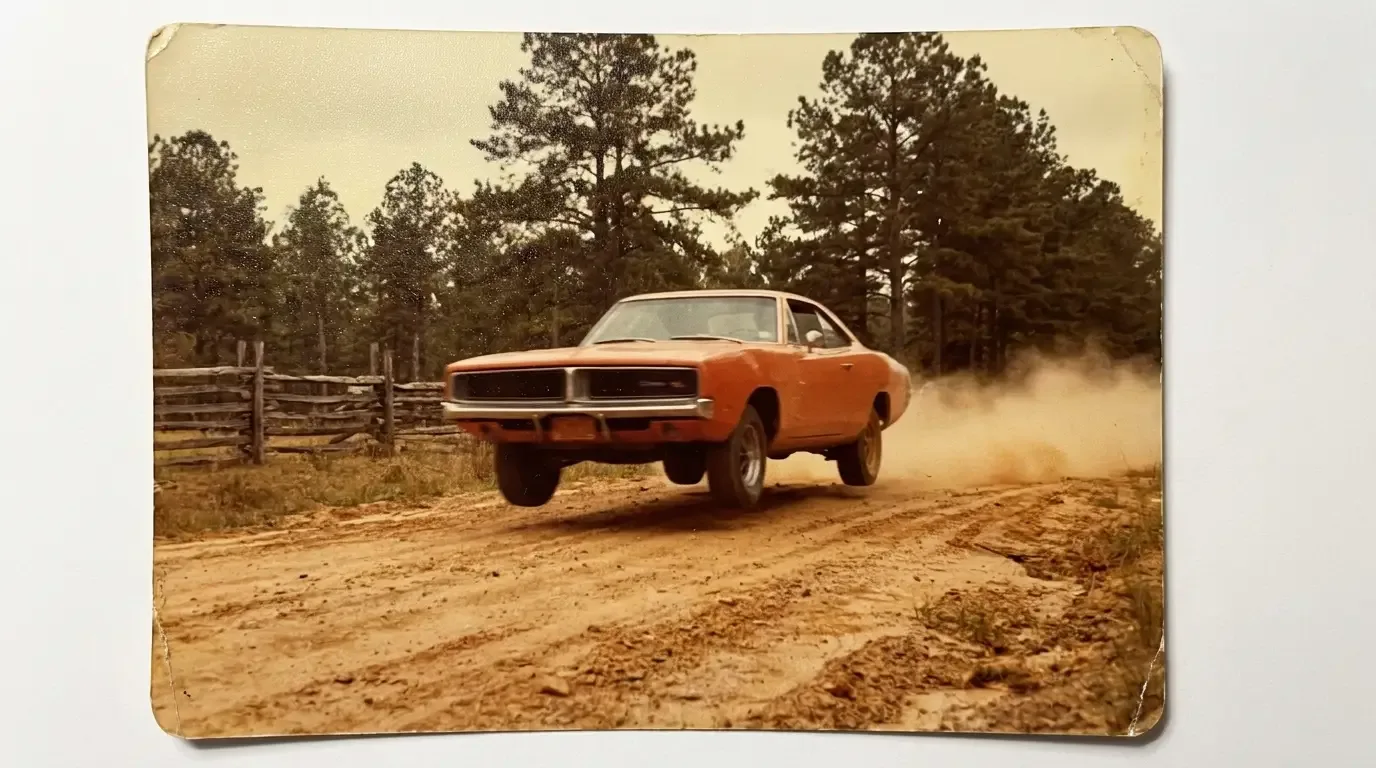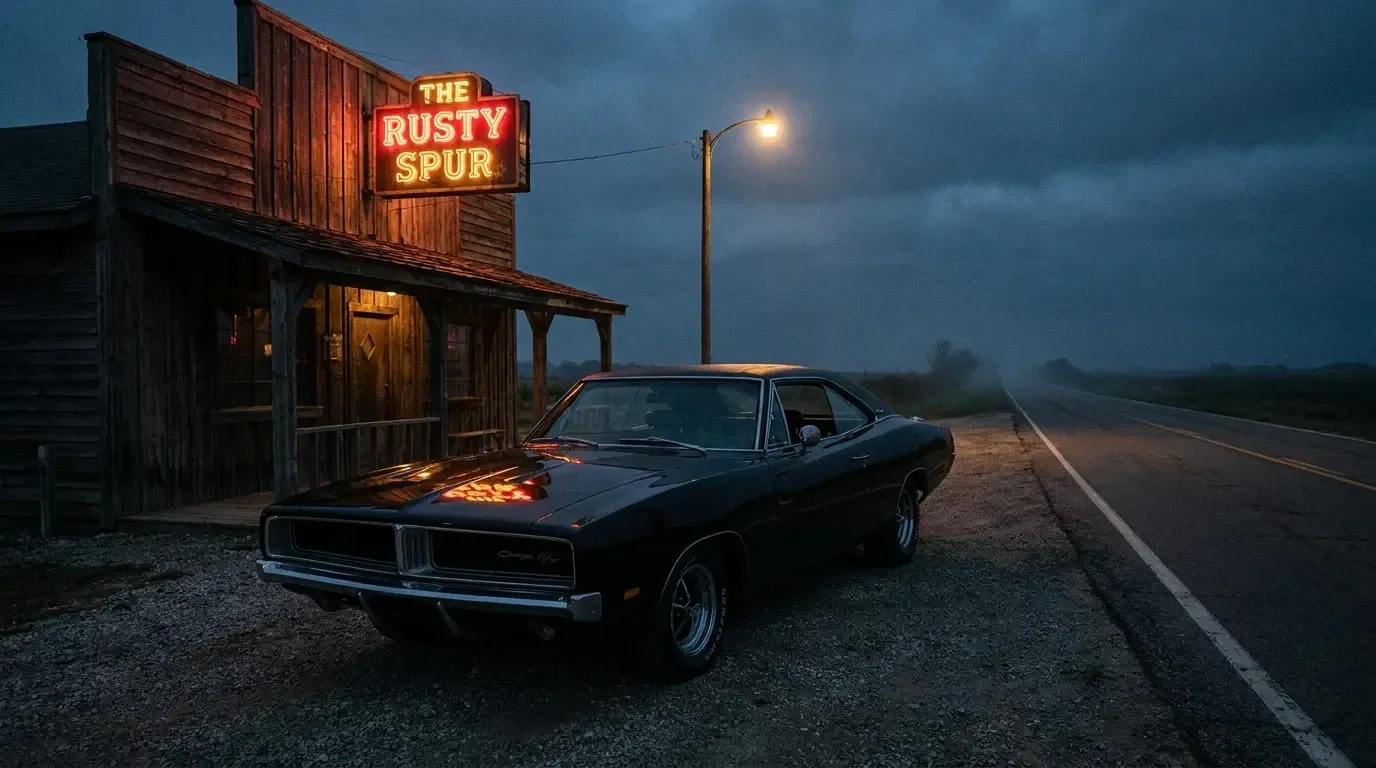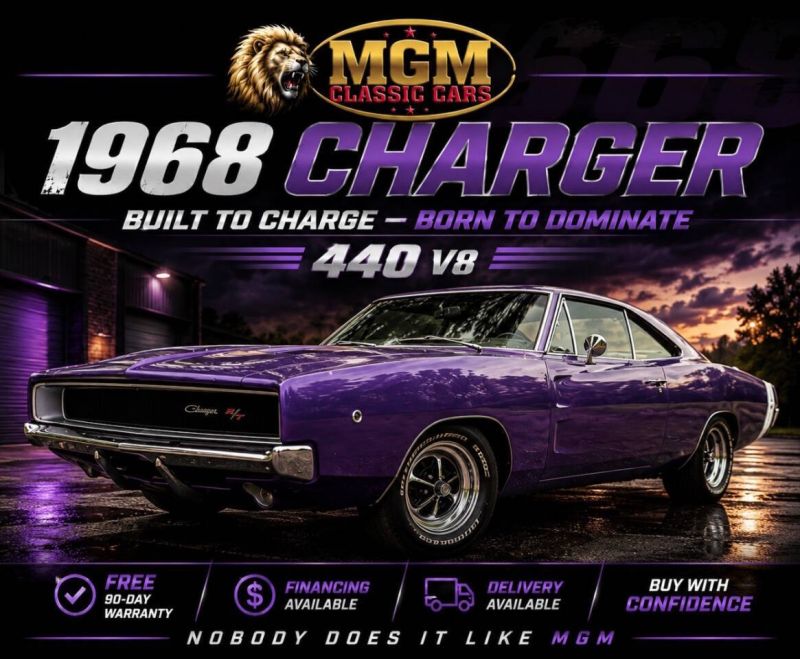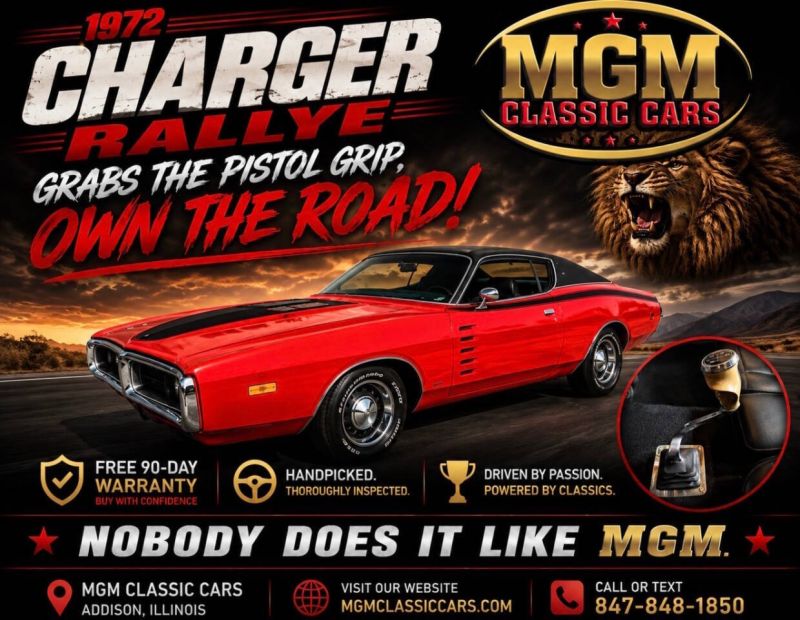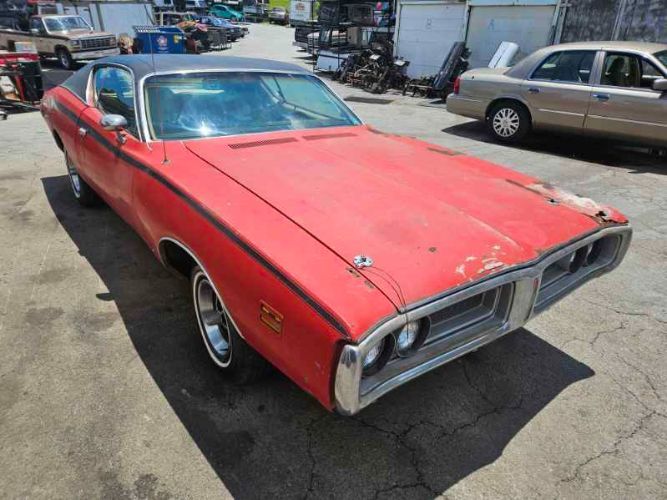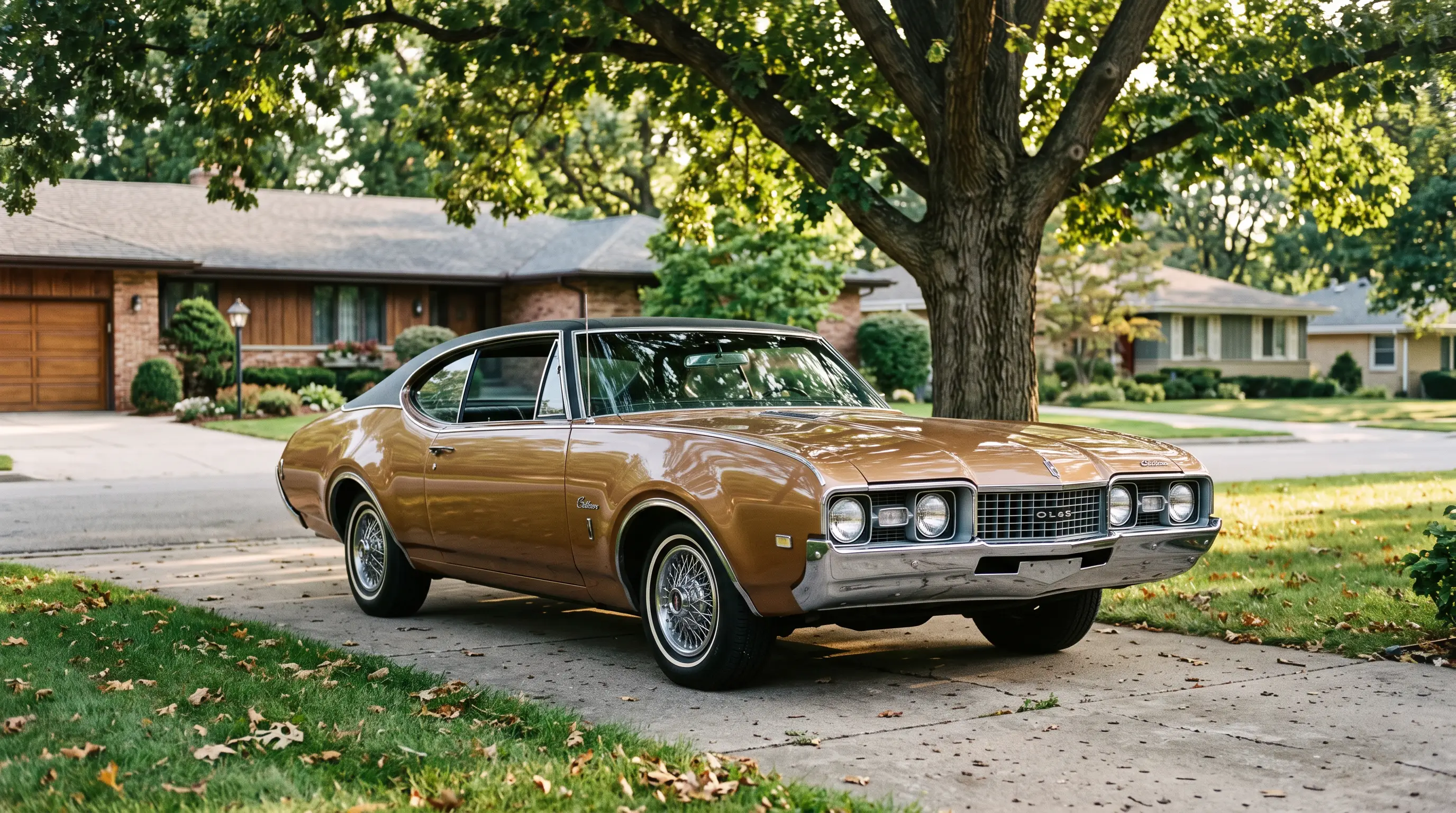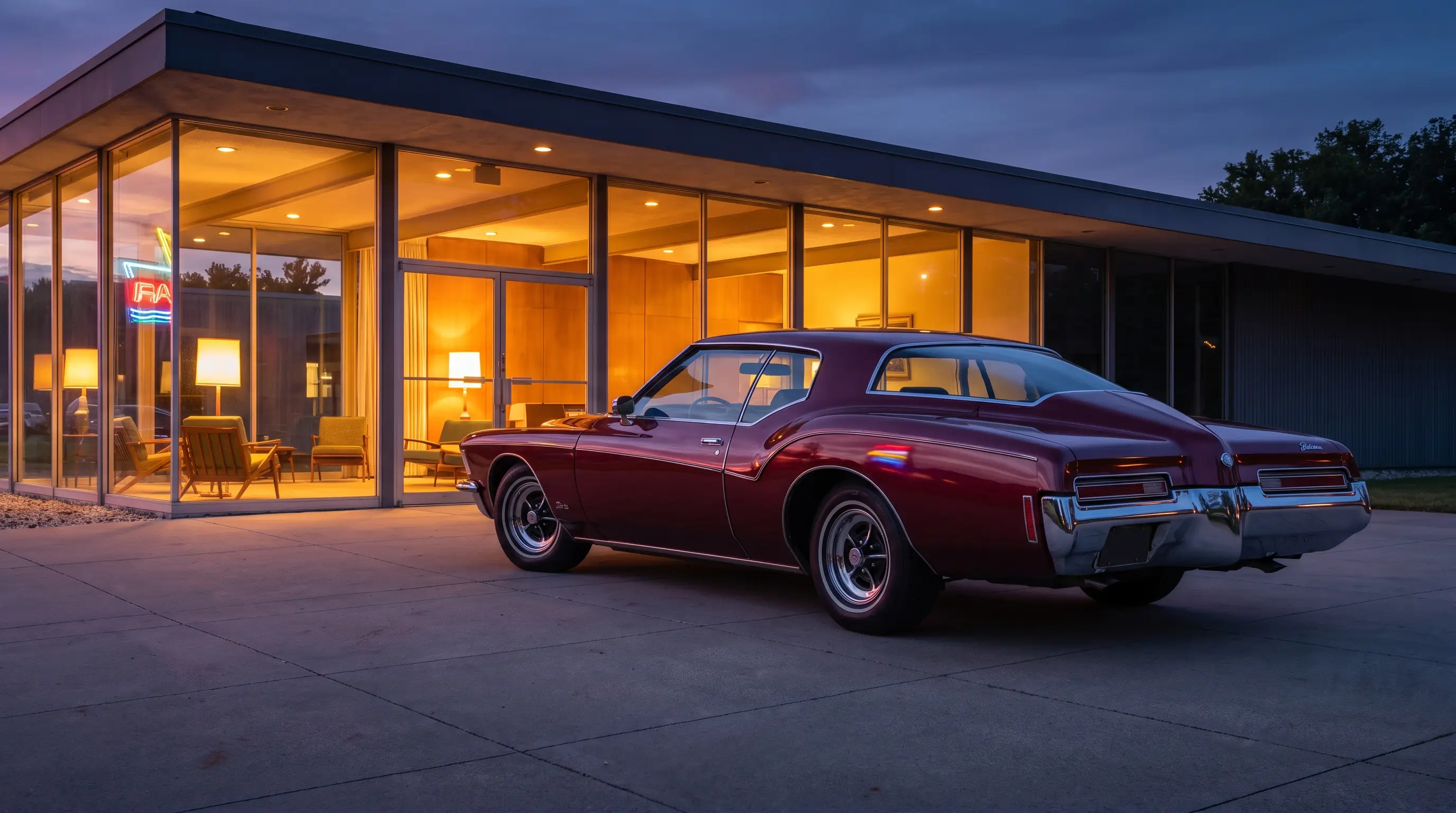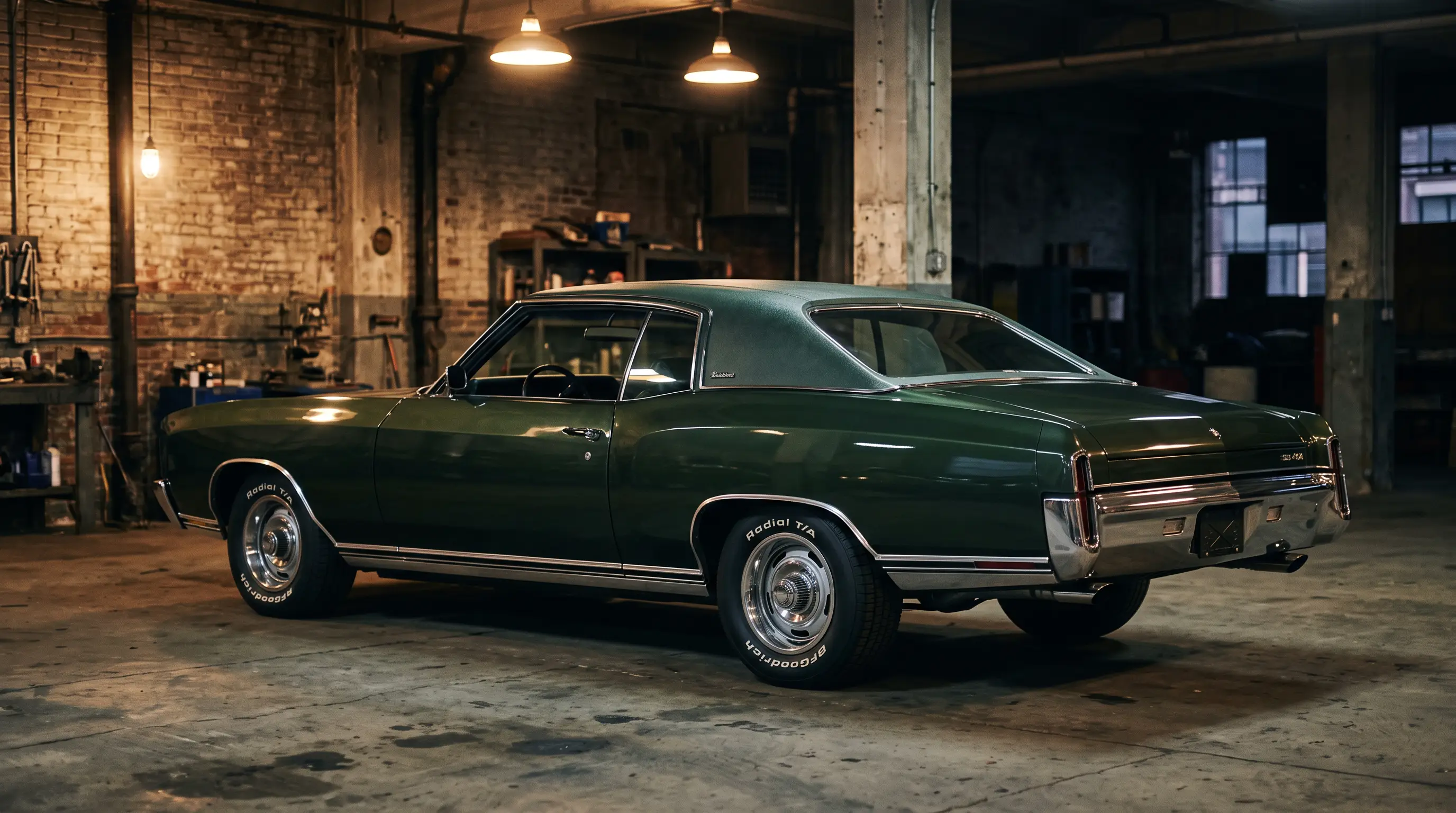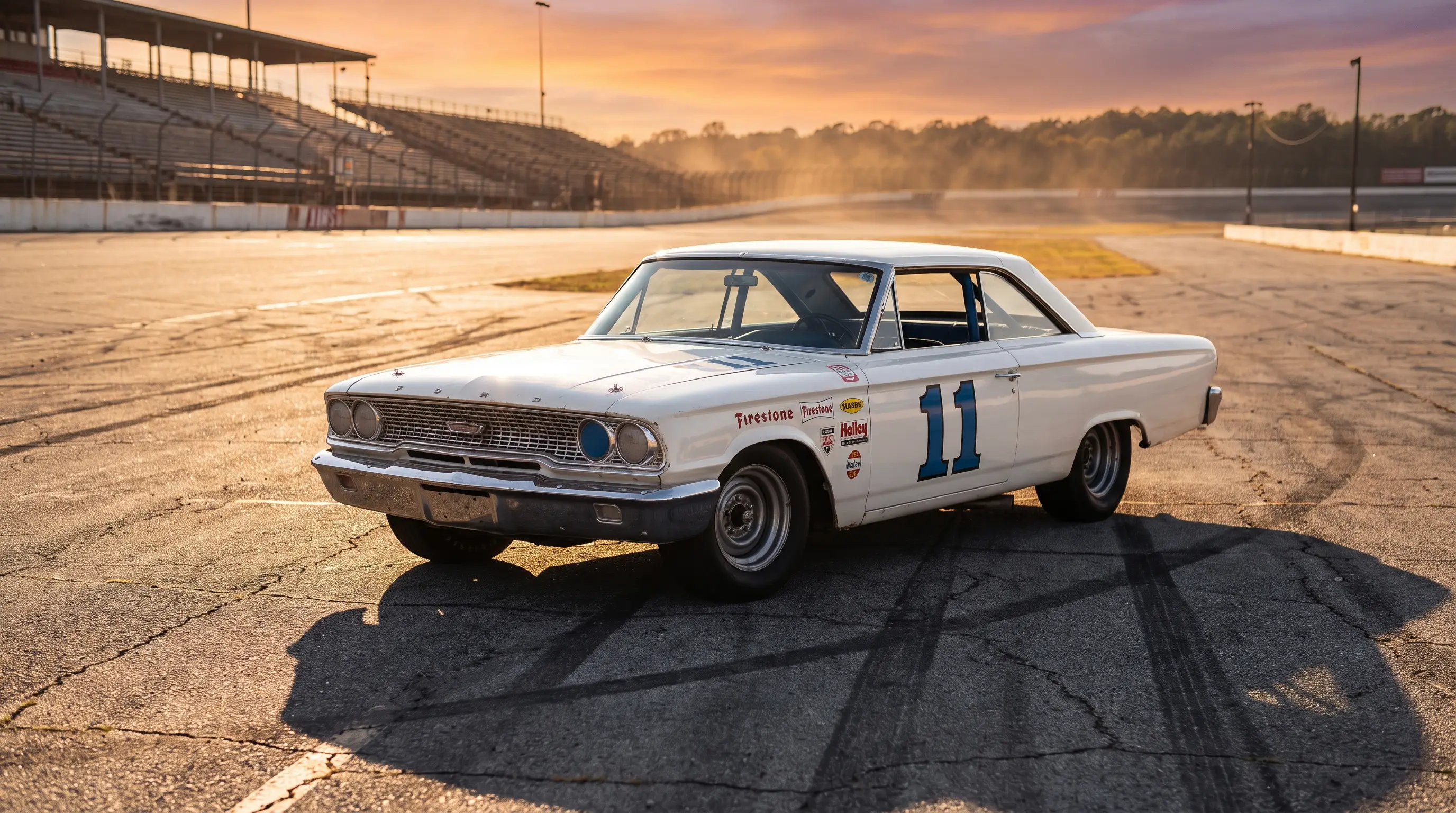
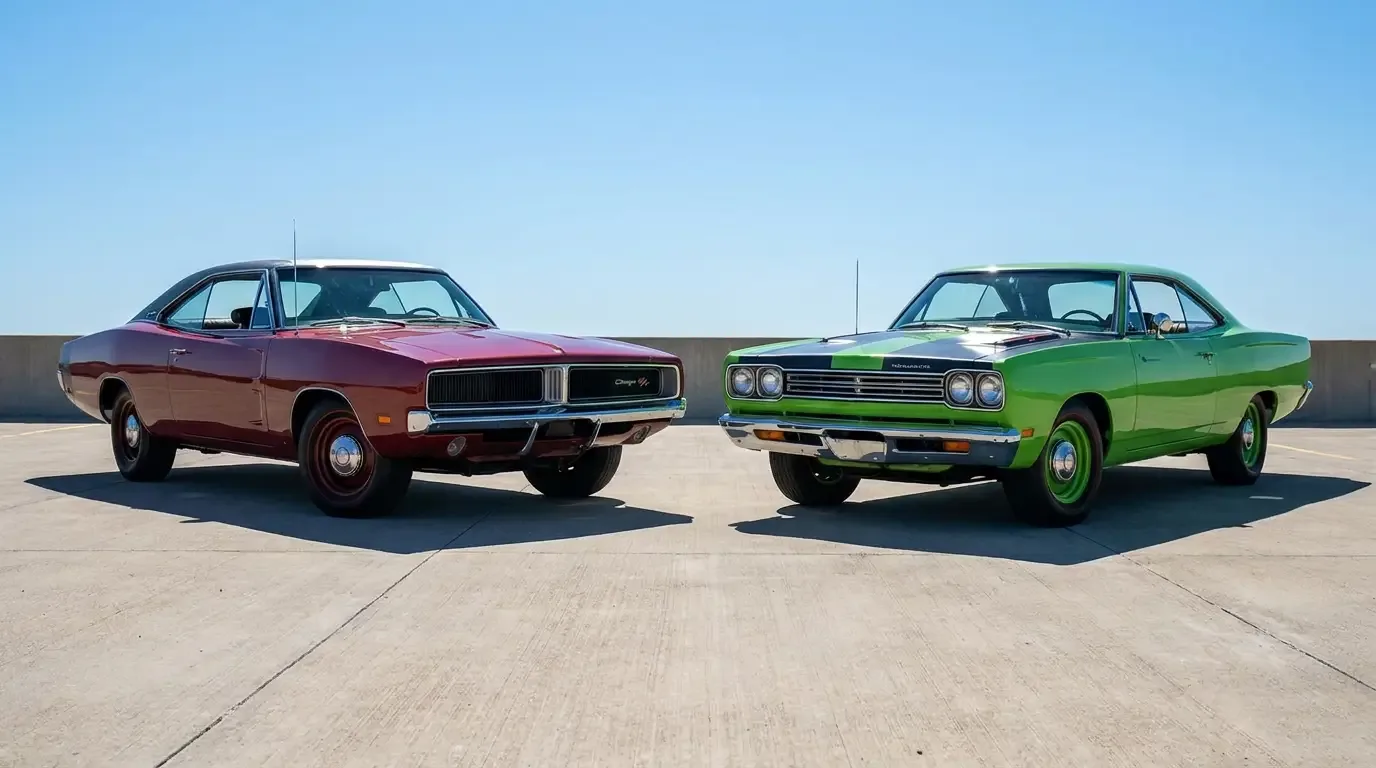
Two Mopar showrooms, one corporate parent, and two completely different pitches to the same buyer. That was the Dodge Charger and Plymouth Road Runner in a nutshell through the late 1960s and early 1970s, siblings built on the same B-body platform, sold under different badges, chasing different halves of the same muscle car customer's wallet. Ask a Mopar guy at any swap meet which one he'd have bought new in 1969, and you'll get a genuine argument, not a shrug.
Same bones, different mission
Both cars rode on Chrysler's B-body platform, sharing a wheelbase, a lot of suspension architecture, and access to the same catalog of big-block Mopar engines up through the 440 Magnum and the 426 Hemi. Where they diverged was intent. The Charger, especially in its second-generation form from 1968 through 1970, was styled and marketed as a genuinely upscale muscle coupe, with a sculpted fastback roofline, hidden headlights, and an interior that leaned toward comfort and features a buyer might brag about at a dinner party. The Road Runner did the opposite on purpose. Plymouth stripped the car down to essentials, kept the options list deliberately spare, and priced it to undercut nearly everything else in its performance class.
That contrast wasn't an accident of engineering. It was a deliberate marketing split within the same company, aimed at making sure Chrysler captured both the buyer who wanted to look successful and the buyer who just wanted to go fast for the least money possible.
The Road Runner's back-to-basics pitch
The Road Runner leaned hard into a cartoon license and a horn that beeped like the actual Looney Tunes character, a marketing gimmick that could have felt cheap but instead became part of the car's charm. Underneath the joke was a serious value proposition: a genuinely quick car, available with real big-block power, sold at a price that undercut most of its direct muscle car competition, Charger included. For a buyer who cared about quarter-mile times over comfort features, the Road Runner made a compelling, honest case that it delivered more performance per dollar than almost anything else on a Mopar lot.
Where the Charger pulled ahead
The Charger's advantage showed up in the showroom experience and, later, in resale sentiment. Its more distinctive, sculpted body has aged into something collectors widely regard as one of the better-looking American muscle cars of its era, a reputation that the plainer, more utilitarian Road Runner never quite chased in the same way. The Charger also carried a genuine performance flagship in the R/T trim, giving buyers who wanted both comfort and serious straight-line speed a single, well-rounded package rather than a choice between the two.
That styling advantage carries real weight in today's collector market. A well-documented Charger R/T, particularly from 1968 through 1970, tends to command stronger interest at auction than a comparably equipped Road Runner from the same years, though the gap narrows considerably for the rarest Road Runner configurations, especially anything genuinely Hemi-powered.
| Detail | Dodge Charger R/T (1968-1970) | Plymouth Road Runner (1968-1970) |
|---|---|---|
| Platform | Chrysler B-body | Chrysler B-body |
| Market positioning | Upscale muscle coupe | Value-focused performance car |
| Top engine options | 440 Magnum, 426 Hemi | 440 Six Pack, 426 Hemi |
| Signature detail | Fastback roofline, hidden headlights | Cartoon-licensed horn and badging |
| Trim philosophy | Available comfort and convenience options | Deliberately stripped-down options list |
How the two cars performed against each other on the strip
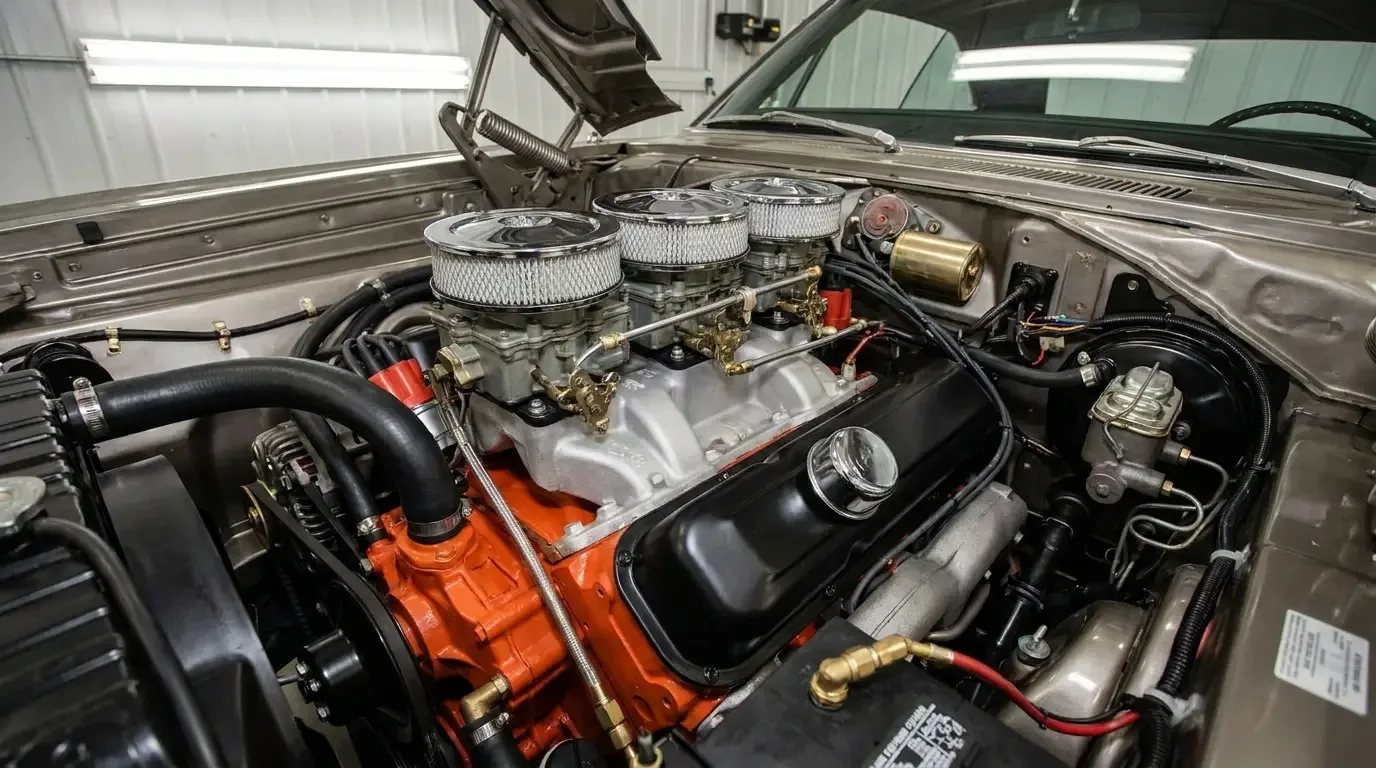
Period road tests generally found the two cars closely matched in a straight line once similarly equipped, which makes sense given how much hardware they shared underneath. A Road Runner with the 440 Six Pack setup, three two-barrel carburetors feeding a big-block, could embarrass plenty of costlier machinery in a quarter-mile pass, and its lighter overall equipment level sometimes gave it a genuine edge over a similarly powered but heavier, better-appointed Charger. The Hemi versions of both cars, rare and expensive even when new, occupied their own tier entirely, a conversation that tends to eclipse the more common big-block comparisons enthusiasts actually argue about at shows.
Handling told a similar story of shared hardware wearing different clothes. Neither car was built as a corner-carving machine by modern standards, but both benefited from the same torsion-bar front suspension and leaf-sprung rear that defined Mopar's muscle car era, meaning the driving experience behind the wheel had more in common than either brand's marketing department ever wanted to admit.
Which one makes more sense to buy today
There isn't a single right answer here, and that's really the point. A buyer chasing straight-line performance per dollar spent, without much concern for creature comforts, still has a strong argument for the Road Runner, especially since its more modest reputation has sometimes kept prices a touch more approachable than a comparable Charger. A buyer who wants a car that reads as a complete package, styling, comfort, and performance working together rather than performance standing alone, generally ends up gravitating toward the Charger, and the market has largely agreed with that instinct over the decades.
"I asked a guy at a swap meet in Ohio why he owned both a Charger and a Road Runner instead of picking one. He looked at me like the question didn't make sense. Told me they're for different moods entirely, and he wasn't about to give up either mood."
— Patrick Walsh
This rivalry sits inside a much larger story about how the Charger carved out its identity across more than a decade of Detroit muscle, a full arc traced in dodge charger history. The Charger's screen career, running parallel to its showroom rivalry with Plymouth, is covered in the Charger in pop culture story, and the same B-body rivalry played out again decades later in a different corner of the muscle car world, examined in a related classic-muscle rivalry. For the music-and-culture side of the Charger's own legacy, read more here.
Sources and notes
- Wikipedia - Plymouth Road Runner - confirmed the B-body basis, the Warner Bros-licensed "beep beep" horn, and the deliberately stripped-down, value-priced formula.
- HotCars - What 440 Six-Pack Means - verified the 440 Six Pack's 390 hp and its debut in the A12 Super Bee and Road Runner.
- Jalopnik - 426 Hemi vs 440 Six Pack - corroborated the 426 Hemi's 425 hp and the Six Pack's more street-friendly torque delivery.
- Wikipedia - Dodge Charger (B-body) - confirmed the Charger R/T's 440 Magnum and 426 Hemi options and its upscale positioning.
- Muscle Car Facts - 1970 Charger - cross-checked the shared torsion-bar front and leaf-sprung rear suspension.