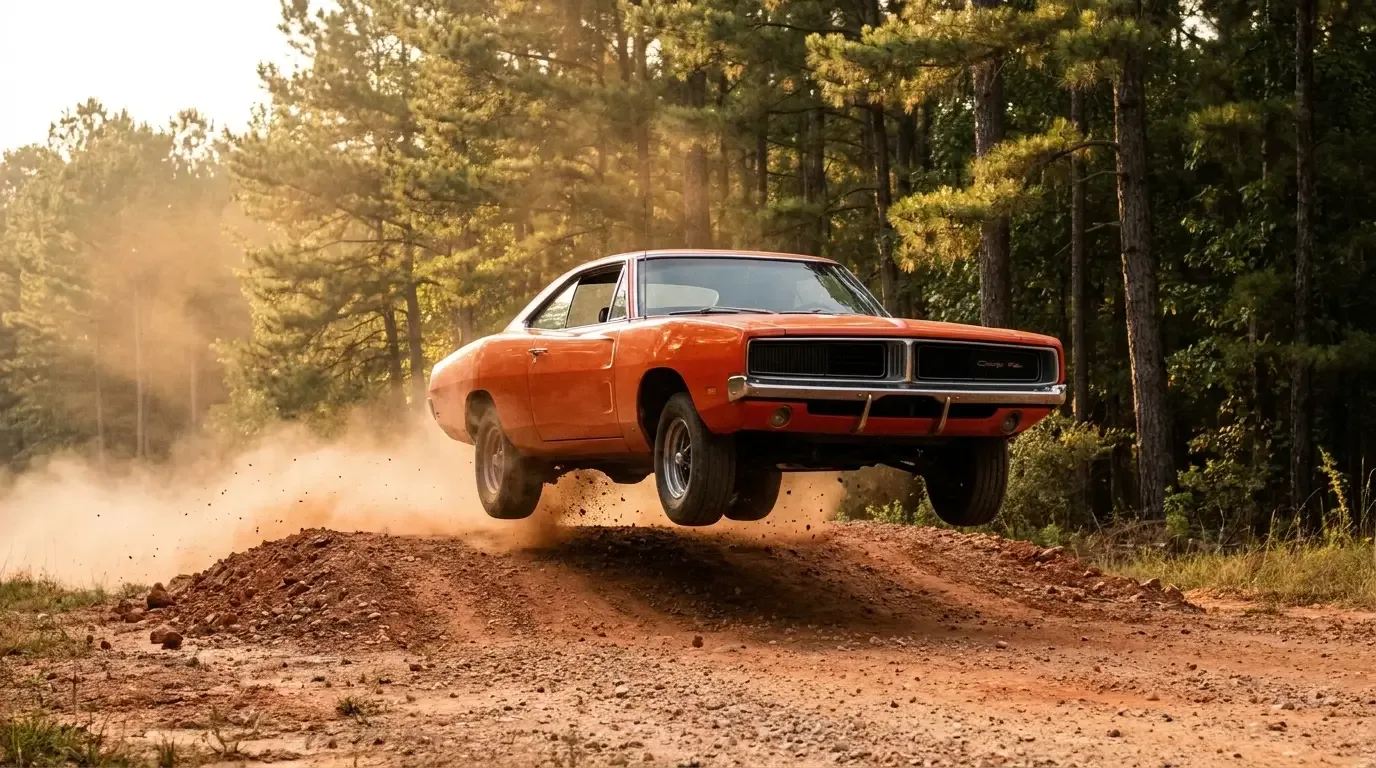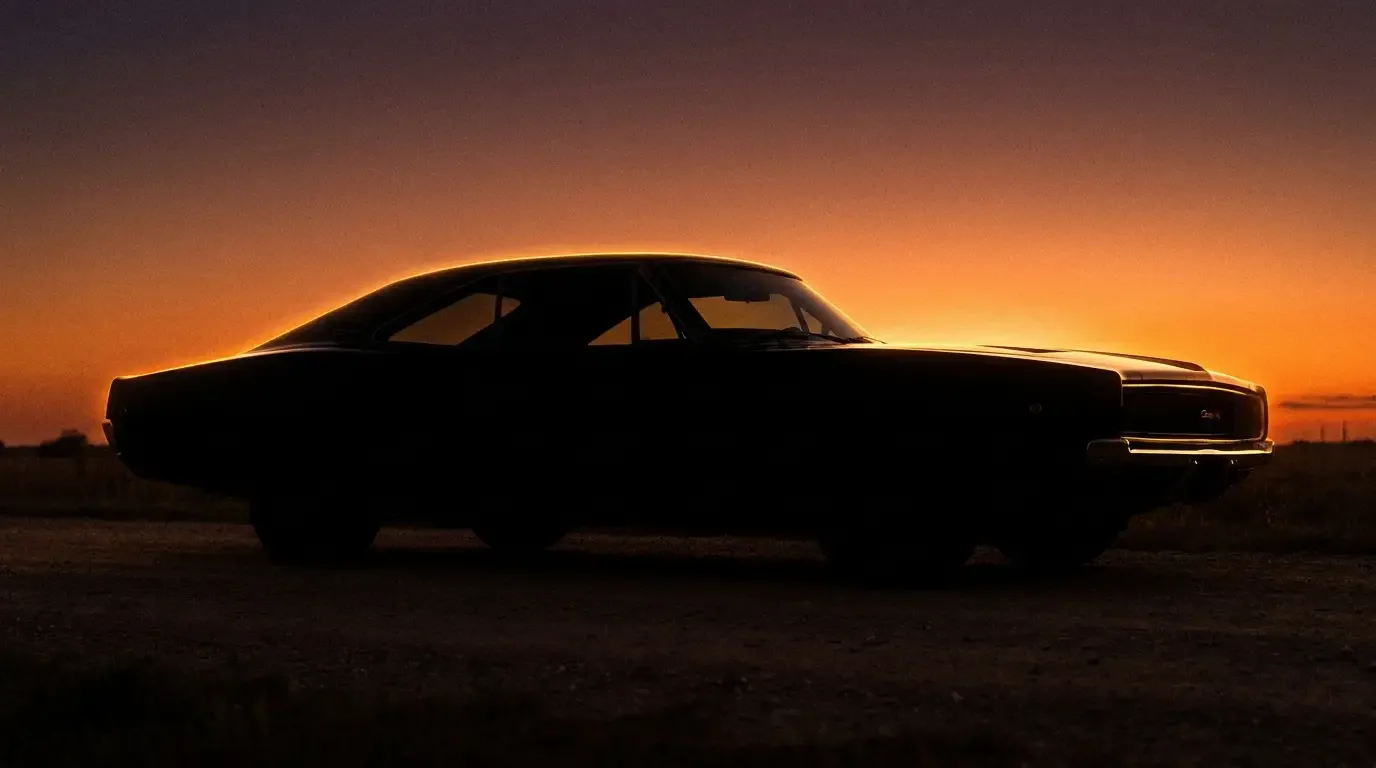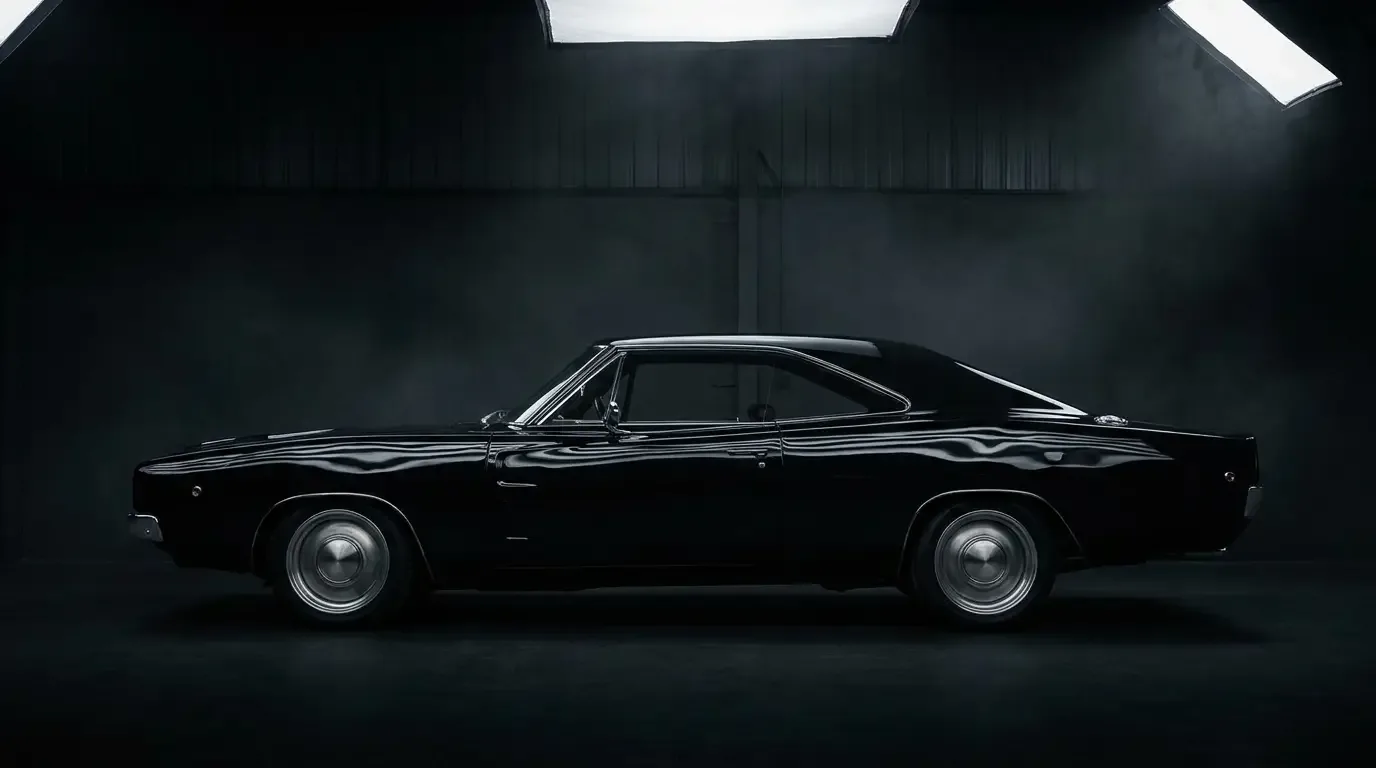
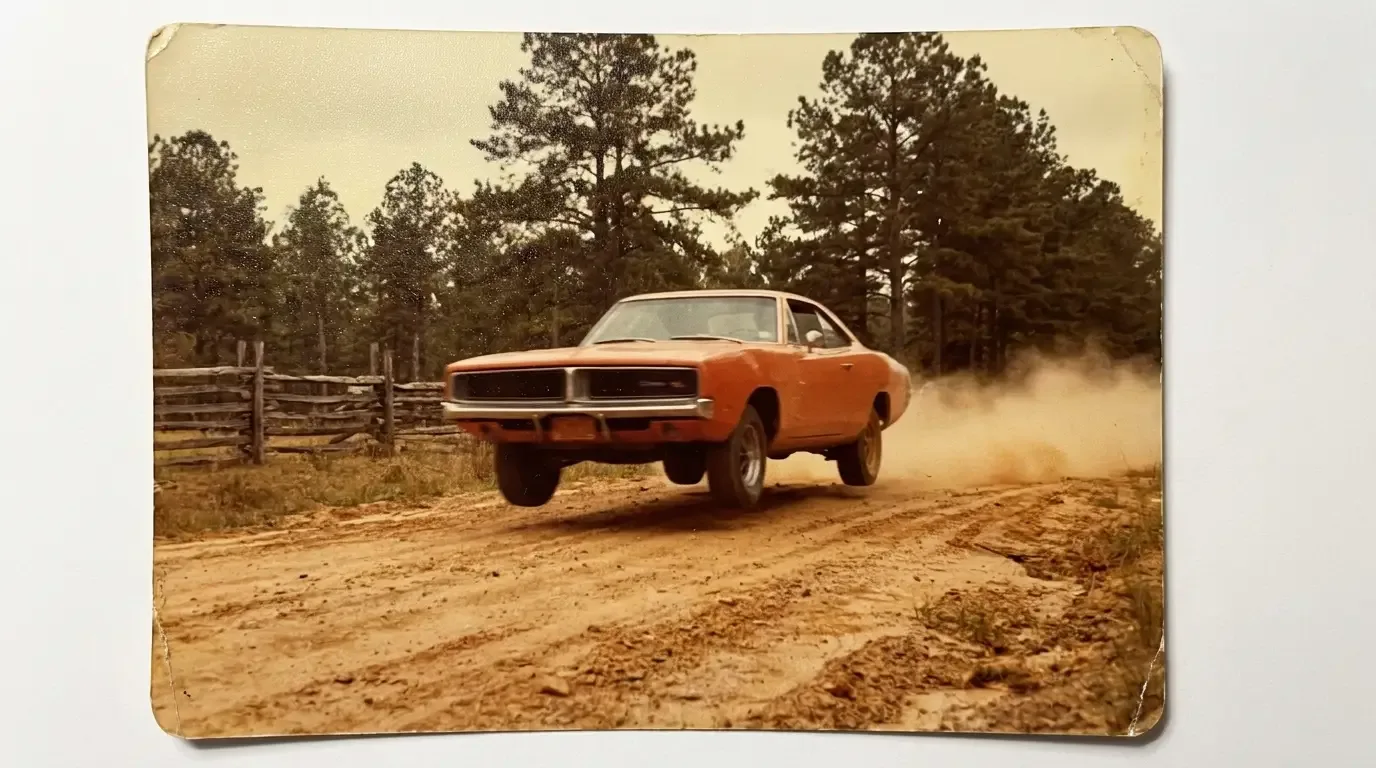
A kid in 1979 did not need to know what a B-body was, or that the orange car flying over the creek carried a 383 under its hood. He knew the horn played the first twelve notes of "Dixie," he knew the doors were welded shut, and he knew that on Friday night the television turned that Charger into the most famous car in America. For a generation, the Dodge Charger stopped being sheet metal and became a character with a name.
That is the strange gift of the second-generation Charger. The same body that a factory historian would file under coupe, fastback, and NASCAR homologation became, in the popular imagination, something closer to a folk hero. It played the getaway car, the good-old-boy's chariot, and the shadow at the end of a San Francisco chase. If you want the full mechanical account, we cover the story of the classic Charger elsewhere. This is the other story, the one about how a Detroit coupe ended up on lunchboxes.
The General Lee and the making of a household name
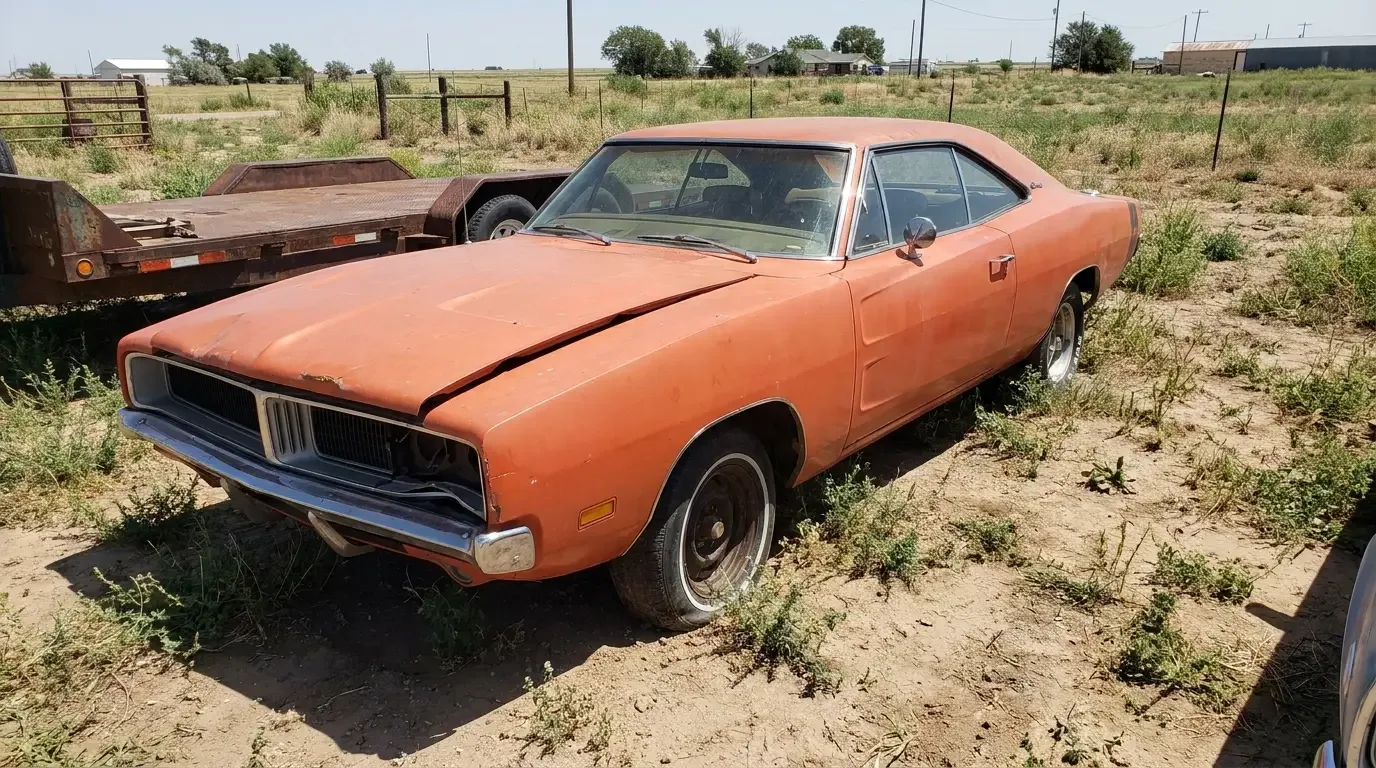
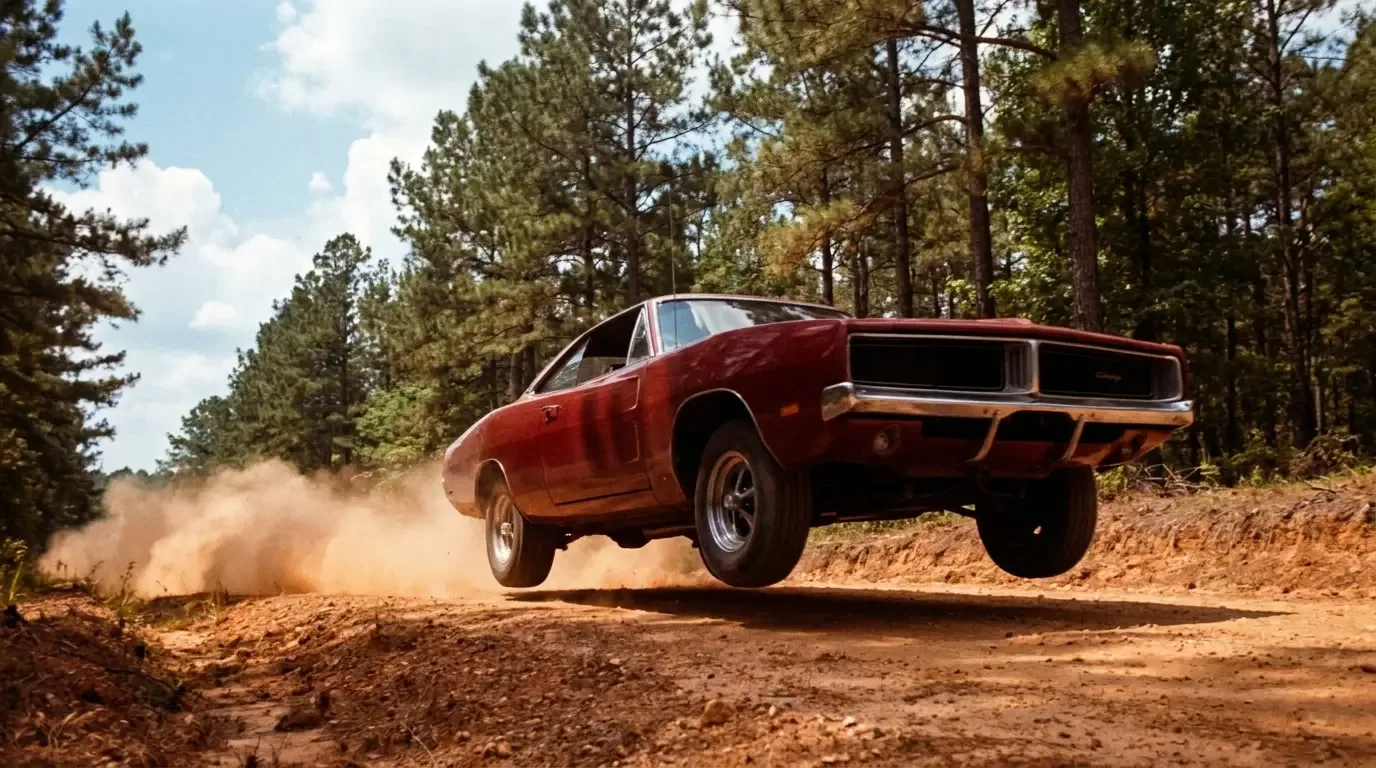
The Dukes of Hazzard premiered in January 1979 and ran until 1985, and its true star wore a coat of Flame Red paint and a "01" on each door. The car was a 1969 Charger, chosen for the run of the show, though production used earlier and later cars dressed to match when the script called for another jump. The name on the roof, the General Lee, gave the Charger a personality that outlived the series by decades.
The number people repeat at car shows is the body count. The show is often said to have destroyed somewhere in the region of 300 Chargers over its run, wrecking cars faster than the crew could buy them. Estimates range from the Volo Auto Museum's figure of more than 230 to co-star John Schneider's back-of-the-envelope guess of around 329, but the exact tally is impossible to pin down. Toward the end, clean 1968 to 1970 Chargers grew scarce enough that the production reportedly started using scale models for the worst of the jumps. There is a sad irony in it. The show that made a whole country fall in love with the Charger also fed a good number of them into the dirt.
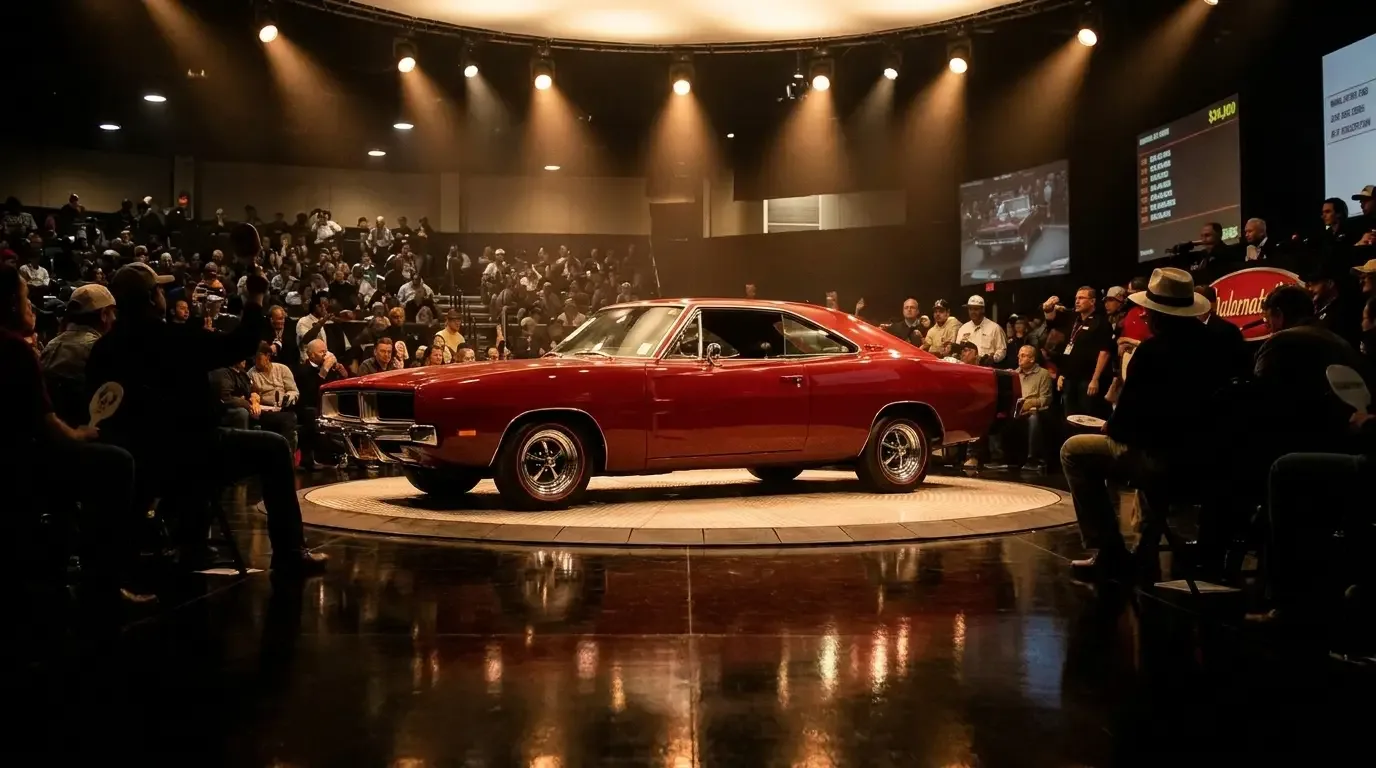
What the General Lee did for values is harder to measure than horsepower, but any appraiser will tell you it is real. A car that a ten-year-old idolized in 1980 is a car that a fifty-six-year-old chases at auction in 2026. Nostalgia is a market force, and the orange Charger built a very large customer base one Friday night at a time.
Bullitt and the Charger as the car you were meant to fear
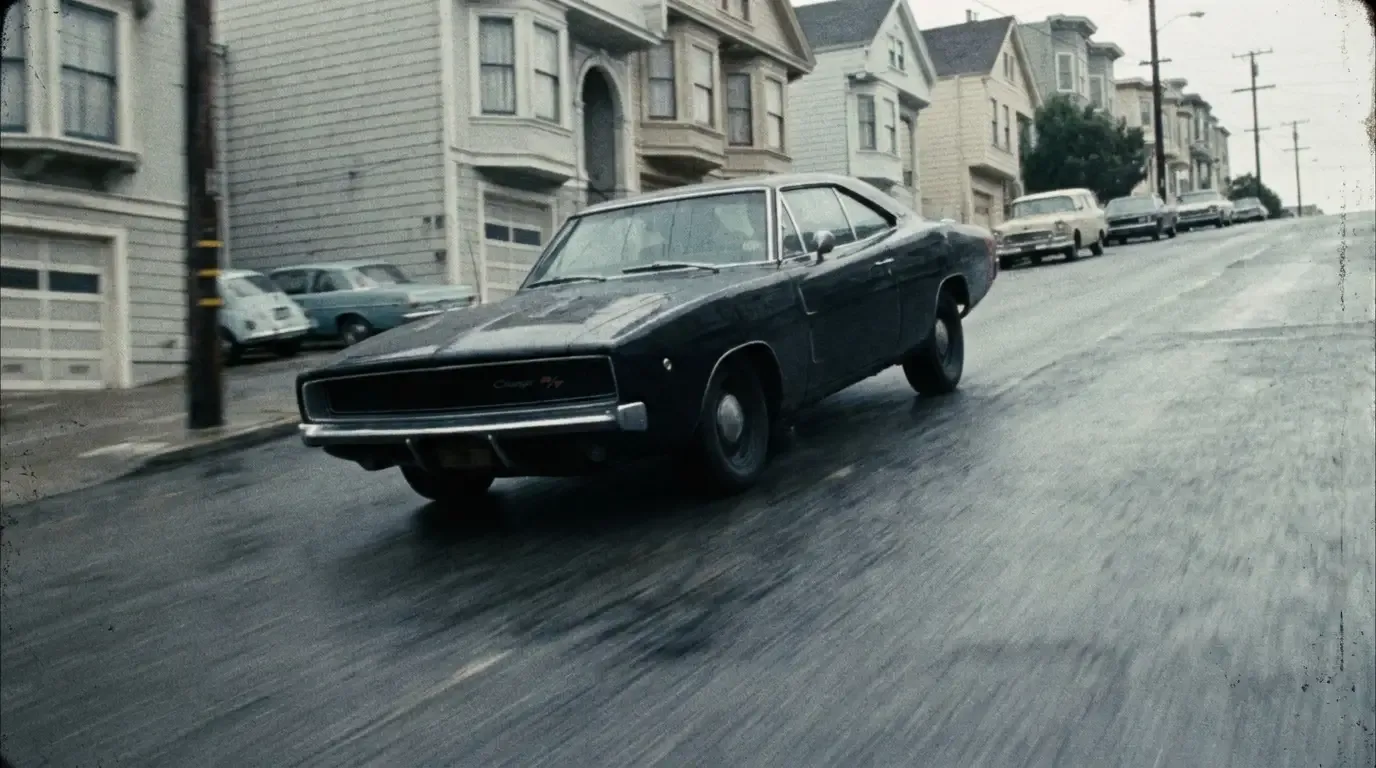
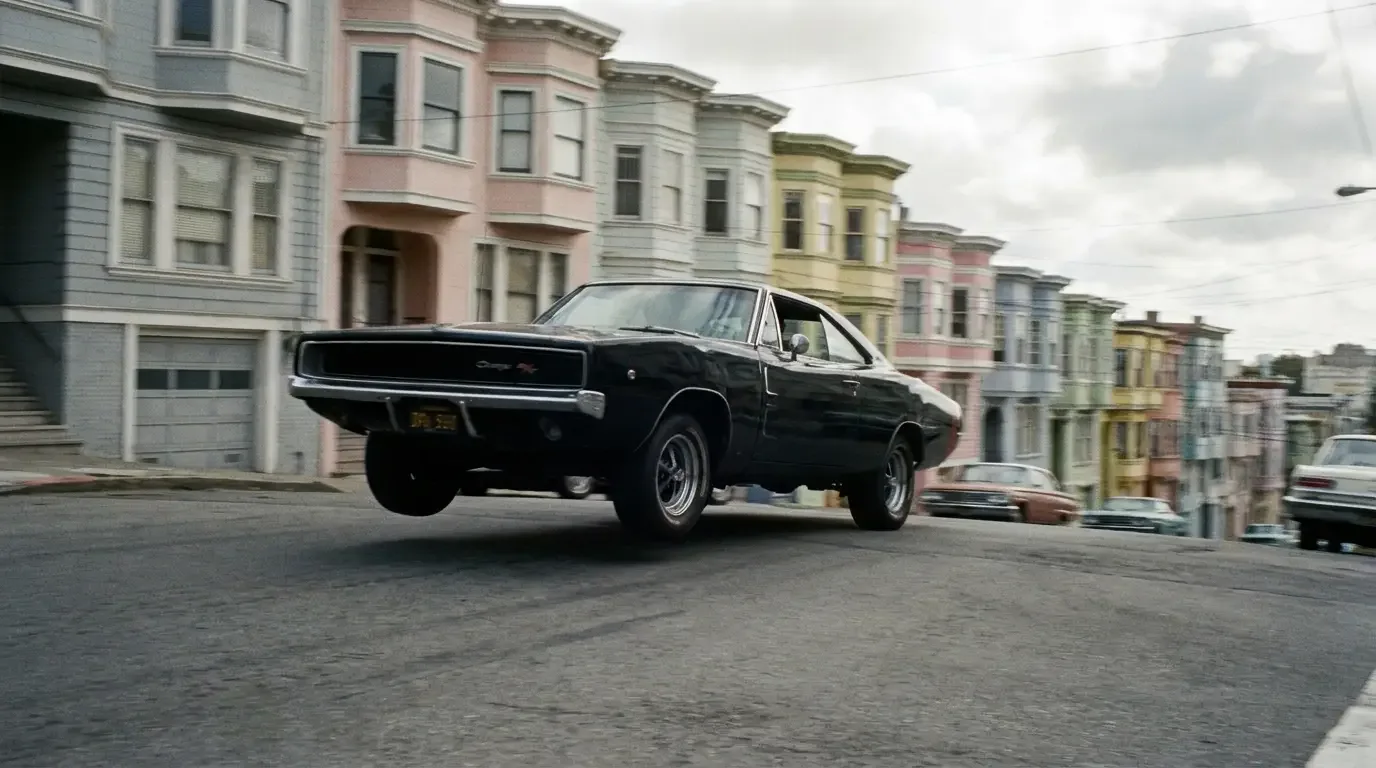
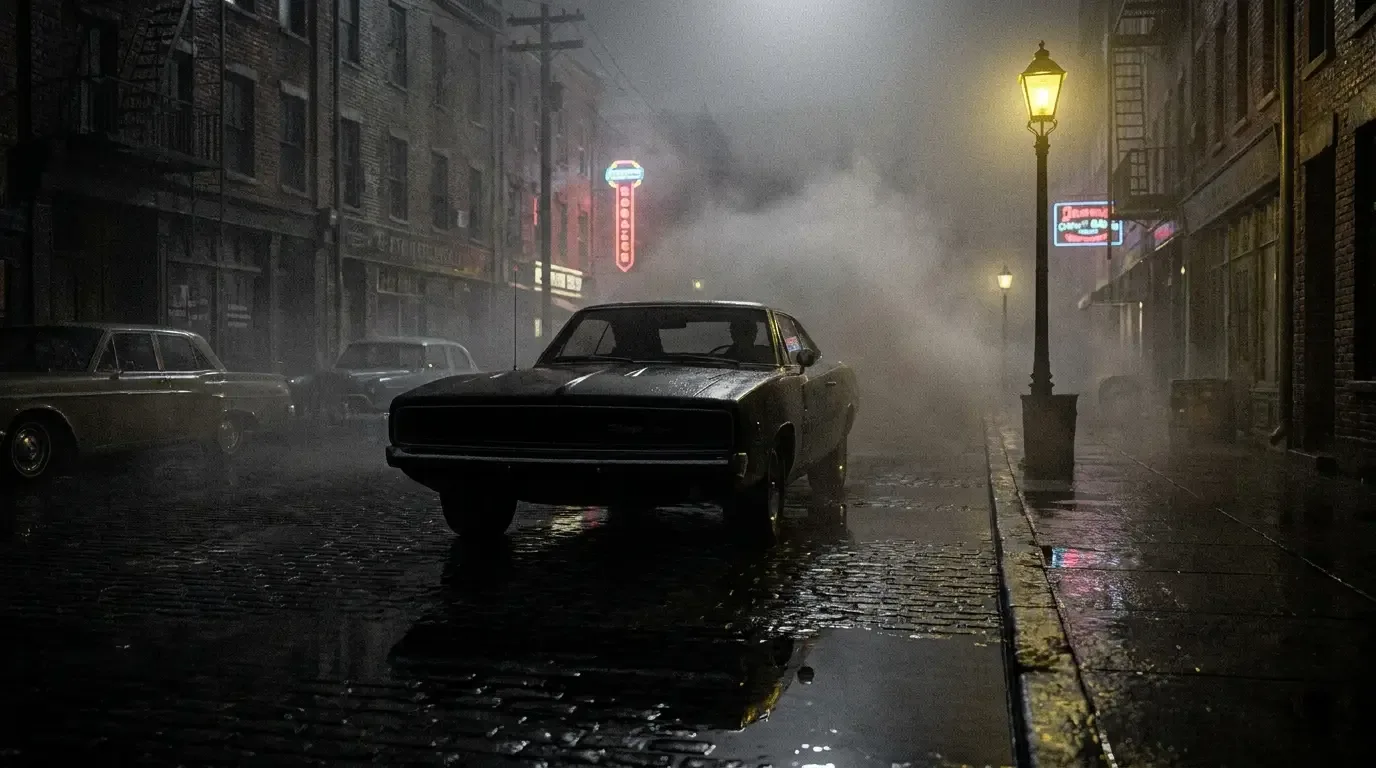
Eleven years before the General Lee, the Charger played the opposite role, and it played it beautifully. In the 1968 film Bullitt, Steve McQueen's dark green Mustang gets all the poster glory, but the car it chases through the hills of San Francisco is a black 1968 Charger R/T. For roughly ten minutes of some of the finest car footage ever shot, the Charger is the thing in the mirror, the heavy, menacing shape that will not go away.
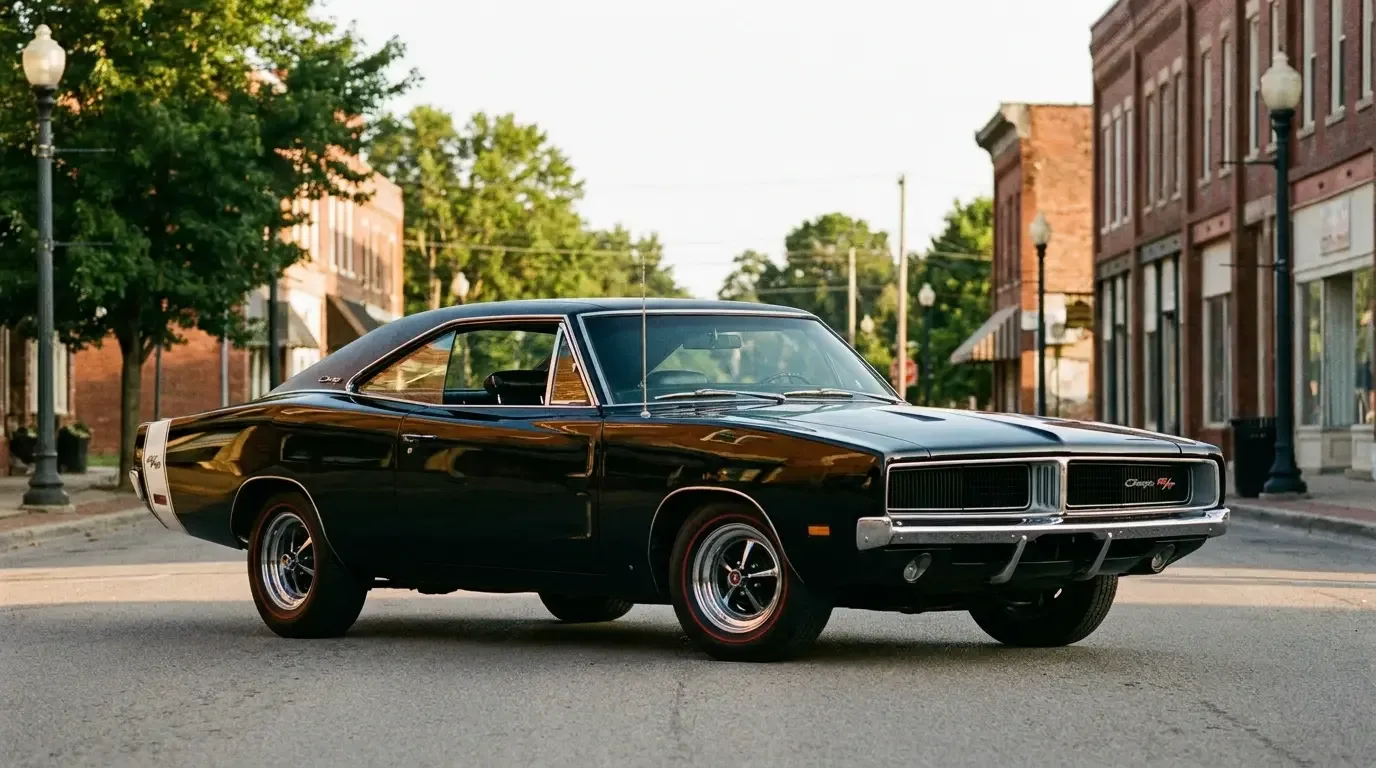
The casting was not an accident. By 1968 the Charger already looked like trouble, with its hidden headlights, its long flanks, and a face that seemed to be scowling. The film leaned into that. The Charger was faster than it had any right to be on those streets, and the sound of its 440 Magnum filling the frame did more for the car's reputation than any brochure. People who never bought one still remembered being a little afraid of it.
This is where the Charger's screen identity split in two, and stayed split. It could be the hero's ride or the villain's, and audiences accepted both without blinking. That flexibility is rare. Most famous movie cars get typecast. The Charger somehow got to play the whole range.
Dom's 1970 Charger and a legend reborn
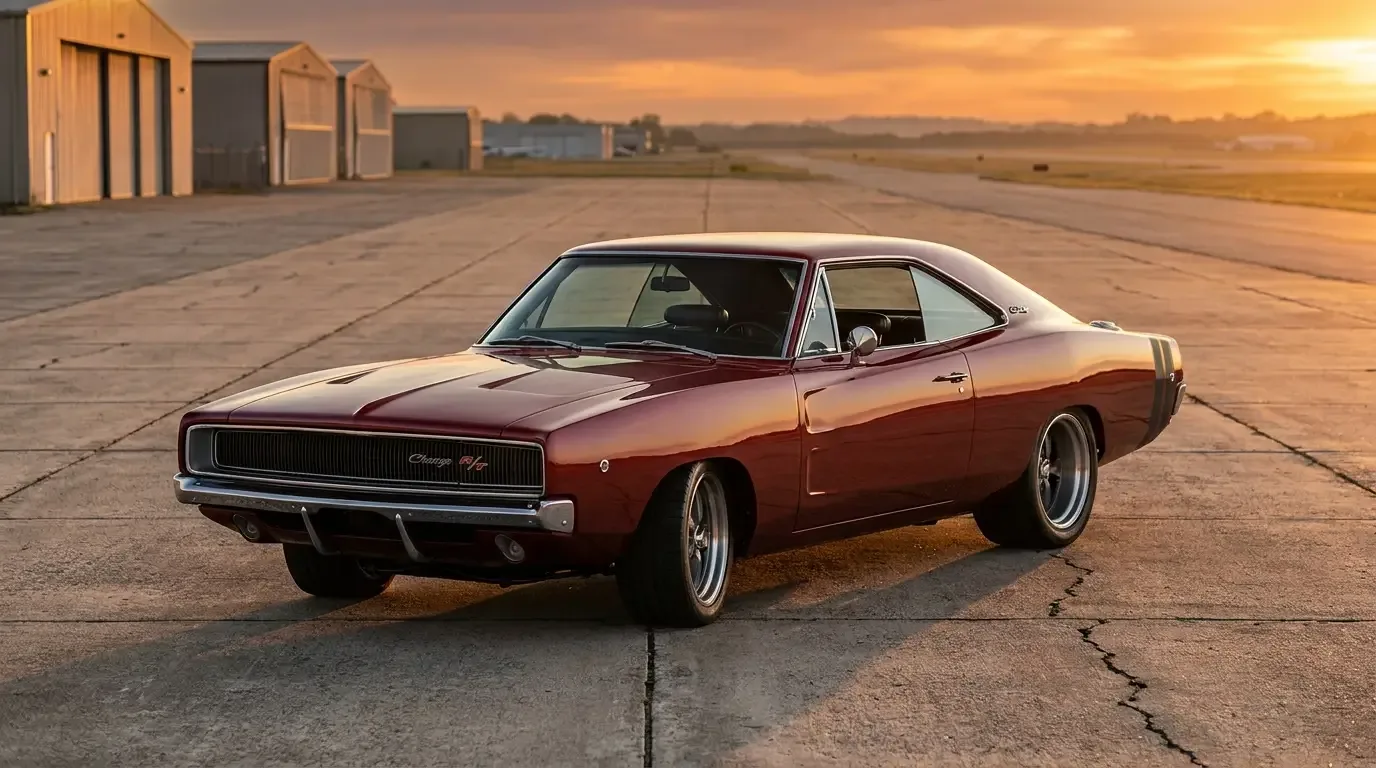
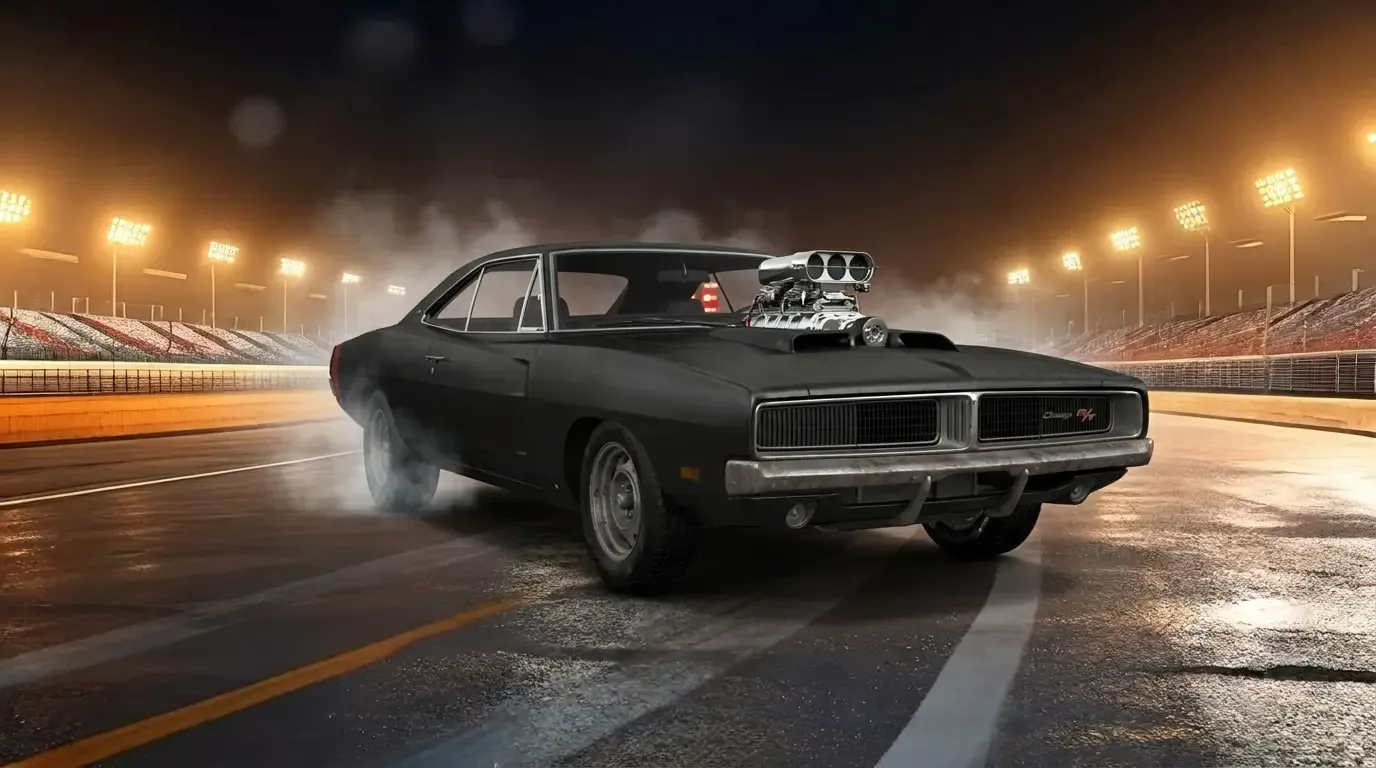
Decades later a new generation met the car through a different screen. When the first Fast and the Furious film arrived in 2001, its emotional center was not a tuner import but a black 1970 Charger, the one belonging to Dom Toretto and, before him, to the father he lost. The car sits under a tarp in the garage for most of the movie, spoken about with a kind of dread, until it finally comes out for the ending.
The film gave that Charger an absurd blown engine sticking up through the hood, and gearheads have argued about the details ever since. The wheelstand it pulls leaving the line is pure fantasy. None of that mattered to the audience. What mattered was that a 1970 Charger got to be the car a grown man was afraid of and proud of at the same time, the inheritance and the ghost. A whole franchise built its identity around that black coupe, and a new wave of buyers went looking for the real thing.
You can draw a straight line from that scene to the classifieds. Every time the Charger appears on a screen, a share of the audience eventually starts browsing classic Dodge Chargers for sale, and prices for clean 1968 to 1970 cars have never really cooled since. The movies do not just reflect the car's appeal. They keep manufacturing it.
Why the Charger, and not something else
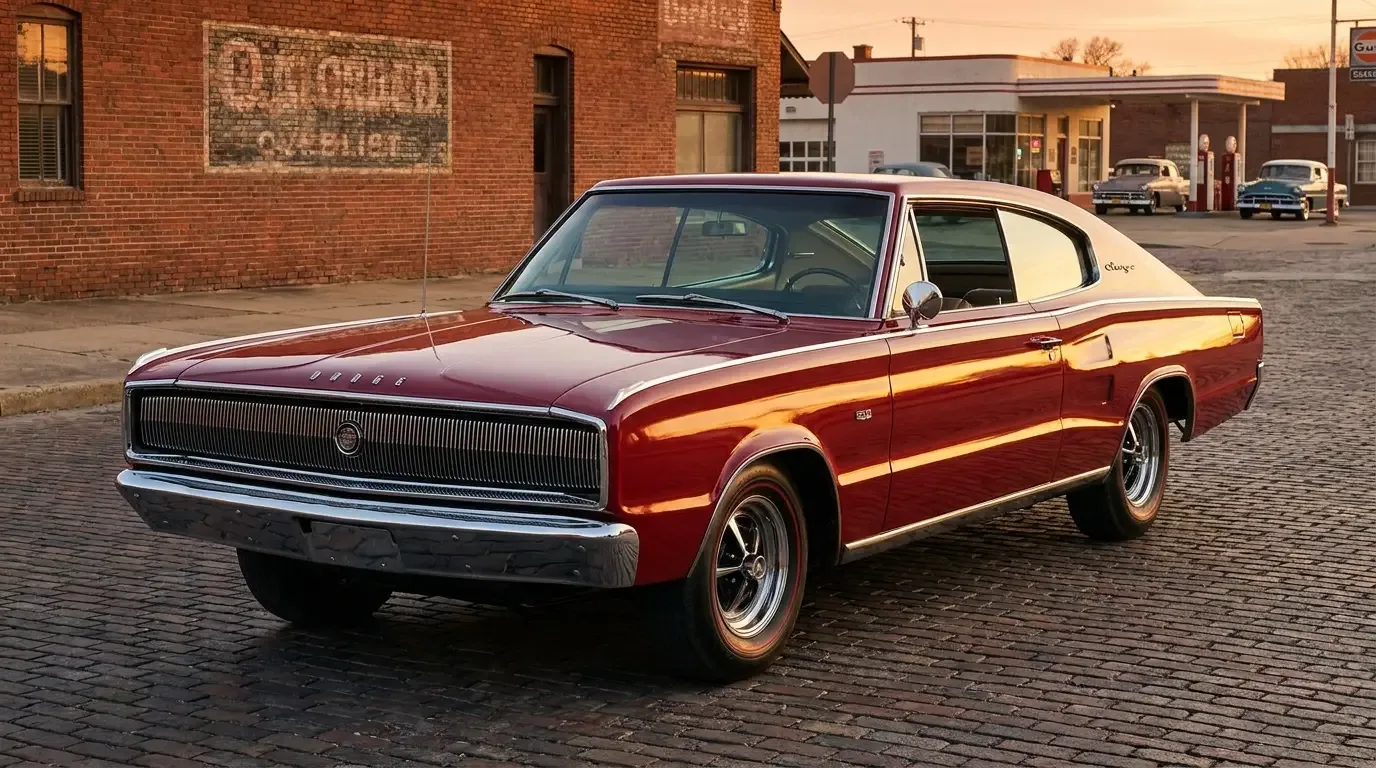
It is worth asking why filmmakers keep reaching for this particular car. Part of the answer is timing. The second-generation Charger arrived for 1968 with a shape that looked deliberate and a little dangerous, a clean break from the odd first-generation fastback that came before it. If you want to see how far the design traveled, you can read more here about where the nameplate started.
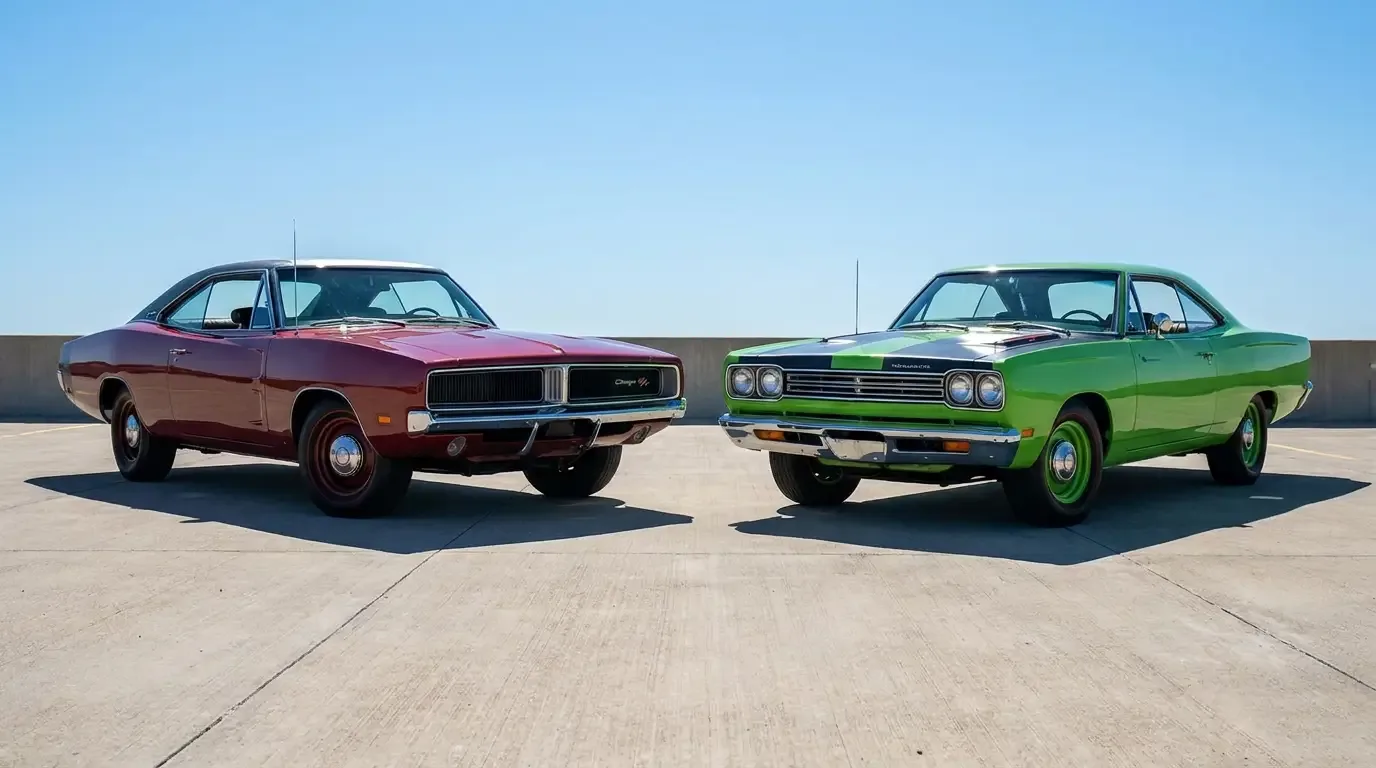
The rest of the answer is presence. A 1968 to 1970 Charger fills a camera frame. It is long, it is wide, and the coke-bottle sides catch light in a way that reads as motion even when the car is parked. Directors noticed. A car that looks fast standing still is worth a great deal to someone shooting a chase on a budget.
The Charger also had the mechanical story to back up the looks. This was a car offered with Chrysler's biggest engines, up to the 426 Hemi, and it earned a genuine reputation on the street and the NASCAR banking. When a screenwriter needed a car the audience would instantly believe could outrun a police cruiser, the Charger did not require any suspension of disbelief. It came pre-loaded with menace, part of the wider muscle-car rivalry that gave every one of these cars a personality before the cameras ever rolled.
The classic Charger in the pop-culture lineup
Set the famous roles side by side and the range is easy to see. The same basic car carried a comedy hero, a screen villain, and a franchise's beating heart, across three different decades of American film and television.
| Screen role | Production | Charger used | Character of the car |
|---|---|---|---|
| The General Lee | The Dukes of Hazzard (1979 to 1985) | 1969 Charger | Good-old-boy hero, jumps and horn |
| The pursued villain | Bullitt (1968) | 1968 Charger R/T | Heavy, menacing, the shape in the mirror |
| Dom's inheritance | The Fast and the Furious (2001) | 1970 Charger | The ghost car, pride and dread |
| The homologation icon | NASCAR era (1969 to 1970) | Charger Daytona | The winged car, real-world legend |
The Daytona belongs on that list even though it never needed a script. Its nose cone and towering wing made it look like something from a comic book, and the fact that it actually ran on the high banks only sharpened the myth. Some cars became famous by appearing on screen. The Charger was already the kind of car that looked like it belonged there.
"People fall for the car before they ever learn a single spec. They love the shape from a television show they watched as a child, and only later do they open the hood and start asking what the numbers mean. The affection comes first. The education comes after, if it comes at all."
— Nora Beckett
What the fame did to the cars that survived
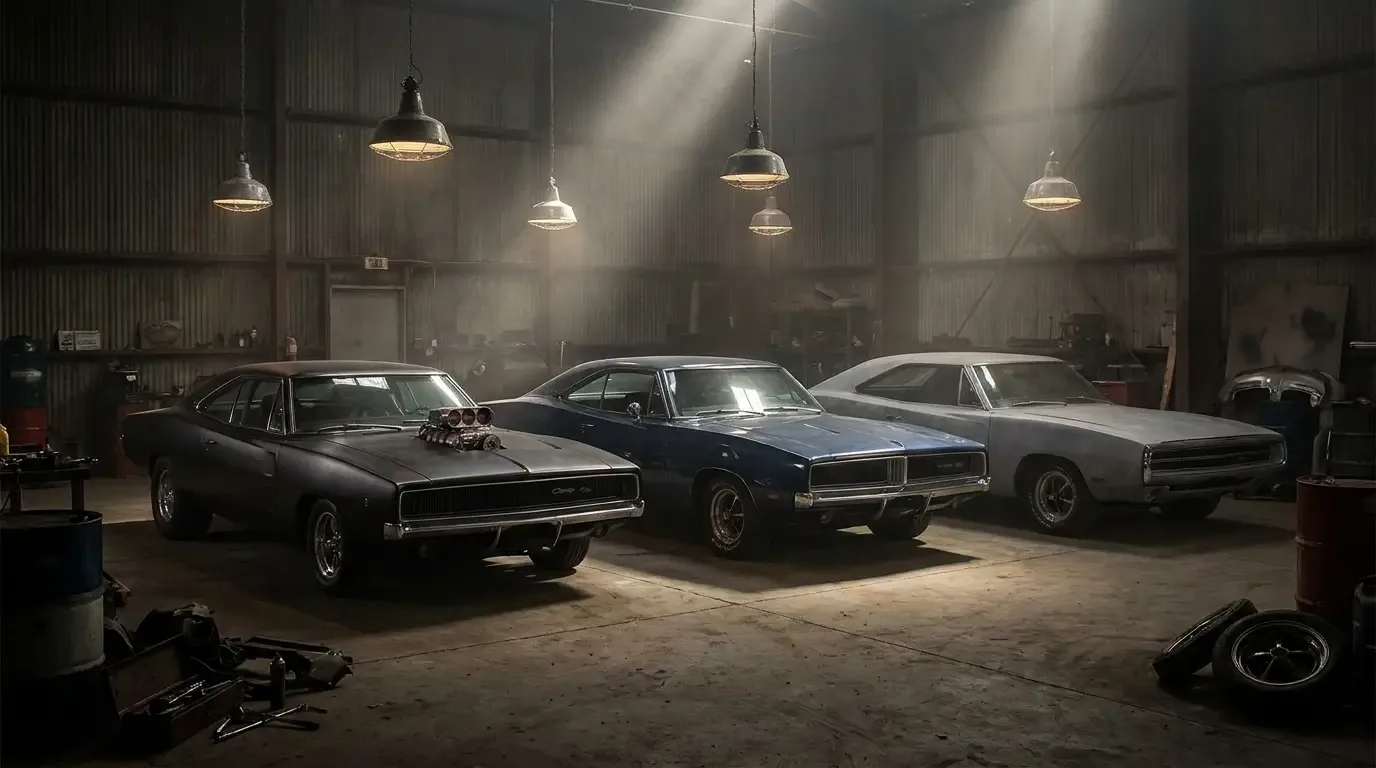
There is a quieter chapter to all this, the one that plays out in garages rather than on screen. Fame is hard on a physical object. The Dukes of Hazzard alone consumed a small fleet of Chargers, and the cars that lived through those years are worth more precisely because so many did not. Every jump that thrilled a kid on Friday night was a real car meeting real ground.
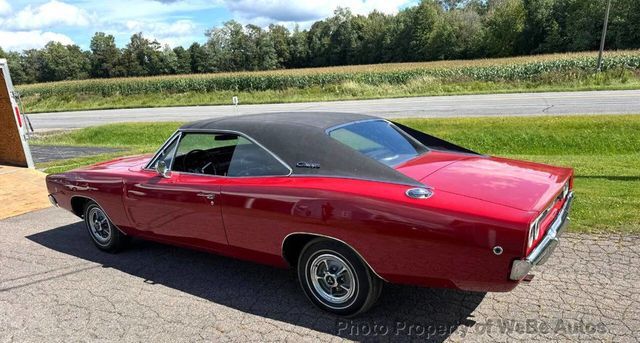
For buyers in 2026, the pop-culture halo cuts both ways. A genuine, documented 1969 Charger carries a premium built partly on memory rather than metal, and that premium can vanish the moment a story falls apart under inspection. Plenty of orange cars have been painted to play the General Lee that were never anything of the kind. The screen made the Charger a legend. It also made it one of the most impersonated cars in the hobby, which is its own kind of tribute.
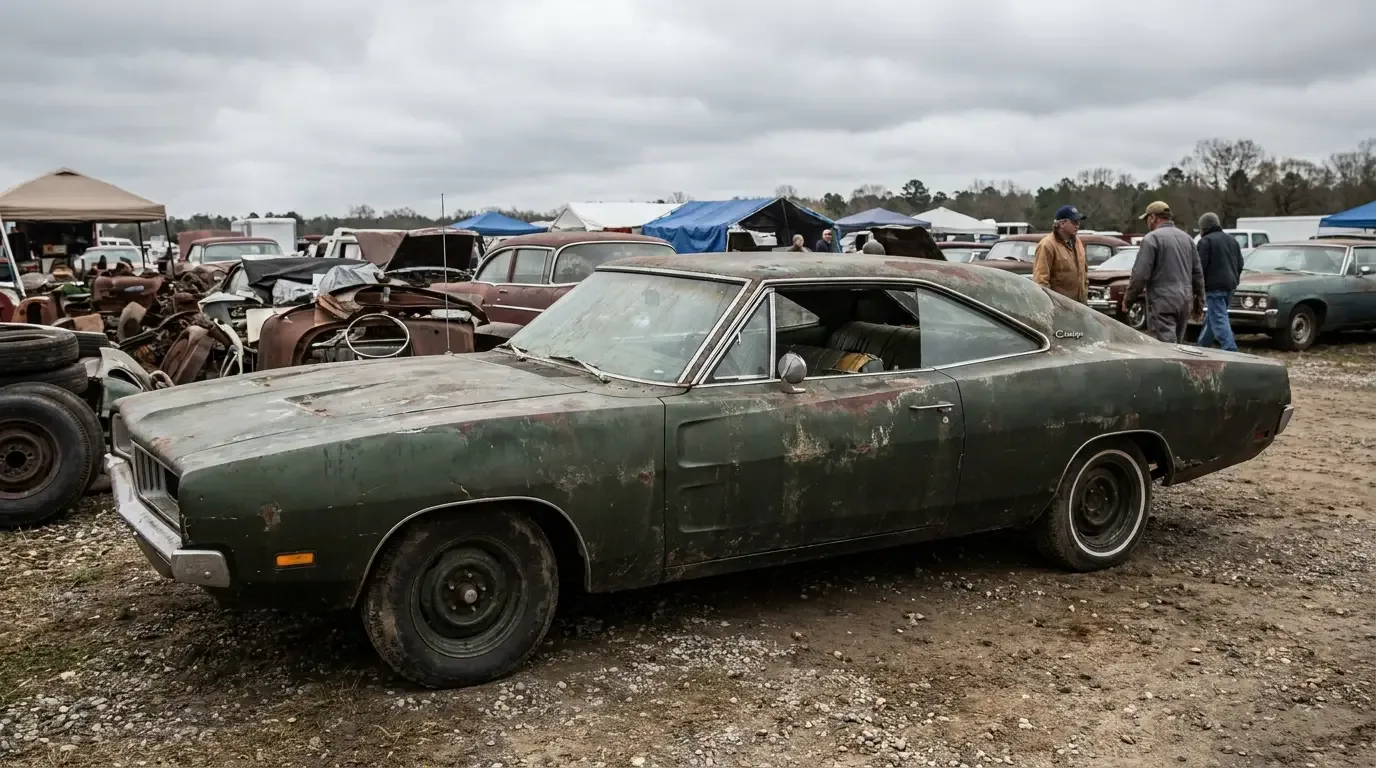
None of this fame was engineered. Dodge did not set out to build an icon of American film. They built a coupe to sell against Ford and Chevrolet, gave it big engines and a shape that meant business, and then handed it to a culture that decided, on its own, that this was the car it wanted to tell stories about. Forty and fifty years on, the stories are still doing the work, sending a new set of people out to the barns and the auction tents, looking for the car they think they remember.
Sources and notes
- Wikipedia - General Lee (car) - confirmed the General Lee was an orange 1969 Dodge Charger and that estimates of cars destroyed range widely (roughly 255 to 325), with about 17 originals surviving.
- SlashGear - How many Chargers were destroyed in The Dukes of Hazzard - corroborated the destroyed-car figures, including John Schneider's estimate of about 329 and the Volo Auto Museum's "over 230."
- Wikipedia - Bullitt (1968) - confirmed the film's 1968 release and that the villains' car was a black 1968 Dodge Charger R/T with the 440 Magnum V8.
- Street Muscle Magazine - The Bullitt 1968 Charger R/T - verified the villain Charger's 440 cubic-inch Magnum V8 rated at 375 horsepower.
- Wikipedia - The Fast and the Furious (2001) - confirmed the 2001 release date and that Dom Toretto's car is a 1970 Dodge Charger R/T.