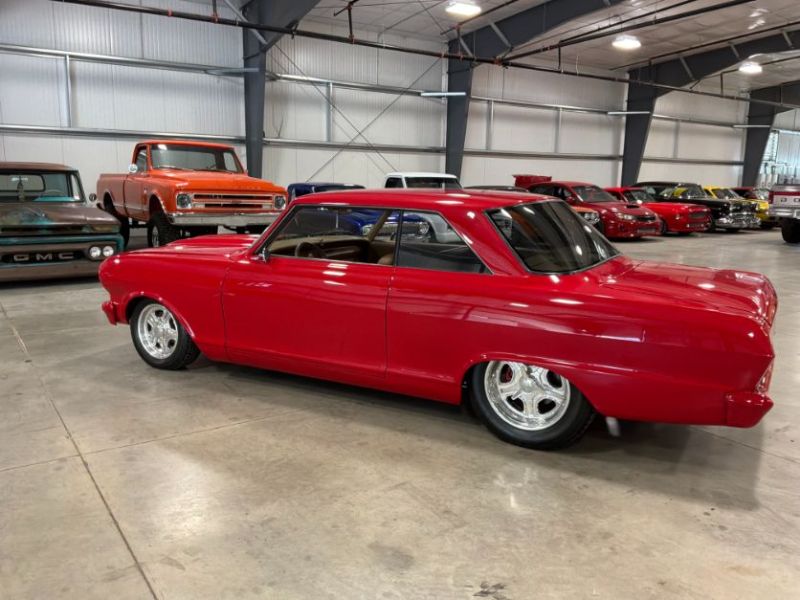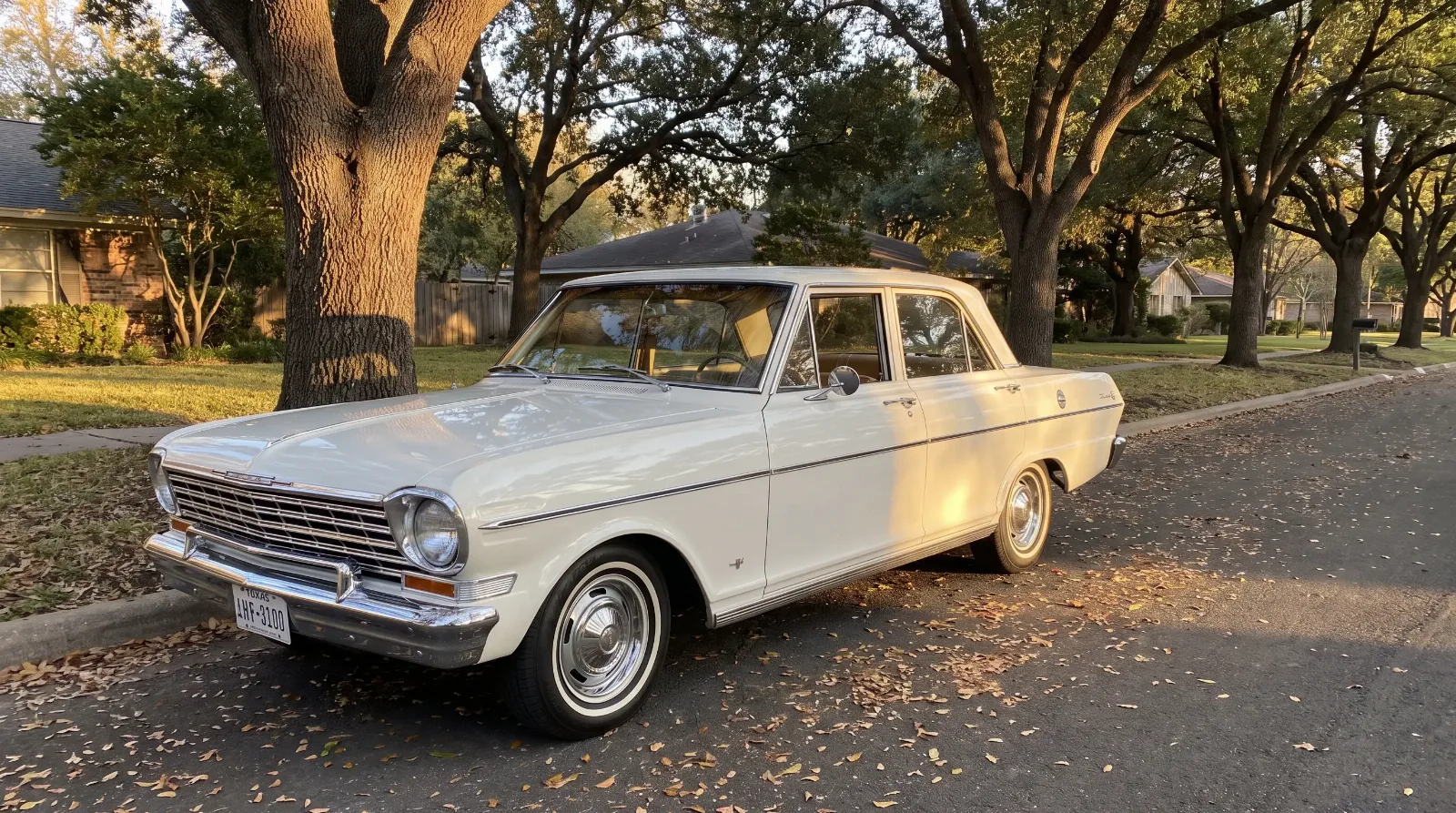
Production numbers rarely get the attention that engine options and styling changes get, but for the first generation chevy nova production run they tell a story the brochures never bothered with: how fast a rushed compact program went from launch to volume seller, and where the real numbers thin out once you separate a full four-year run into individual model years and body styles.
1962: a strong debut for a car built in a hurry
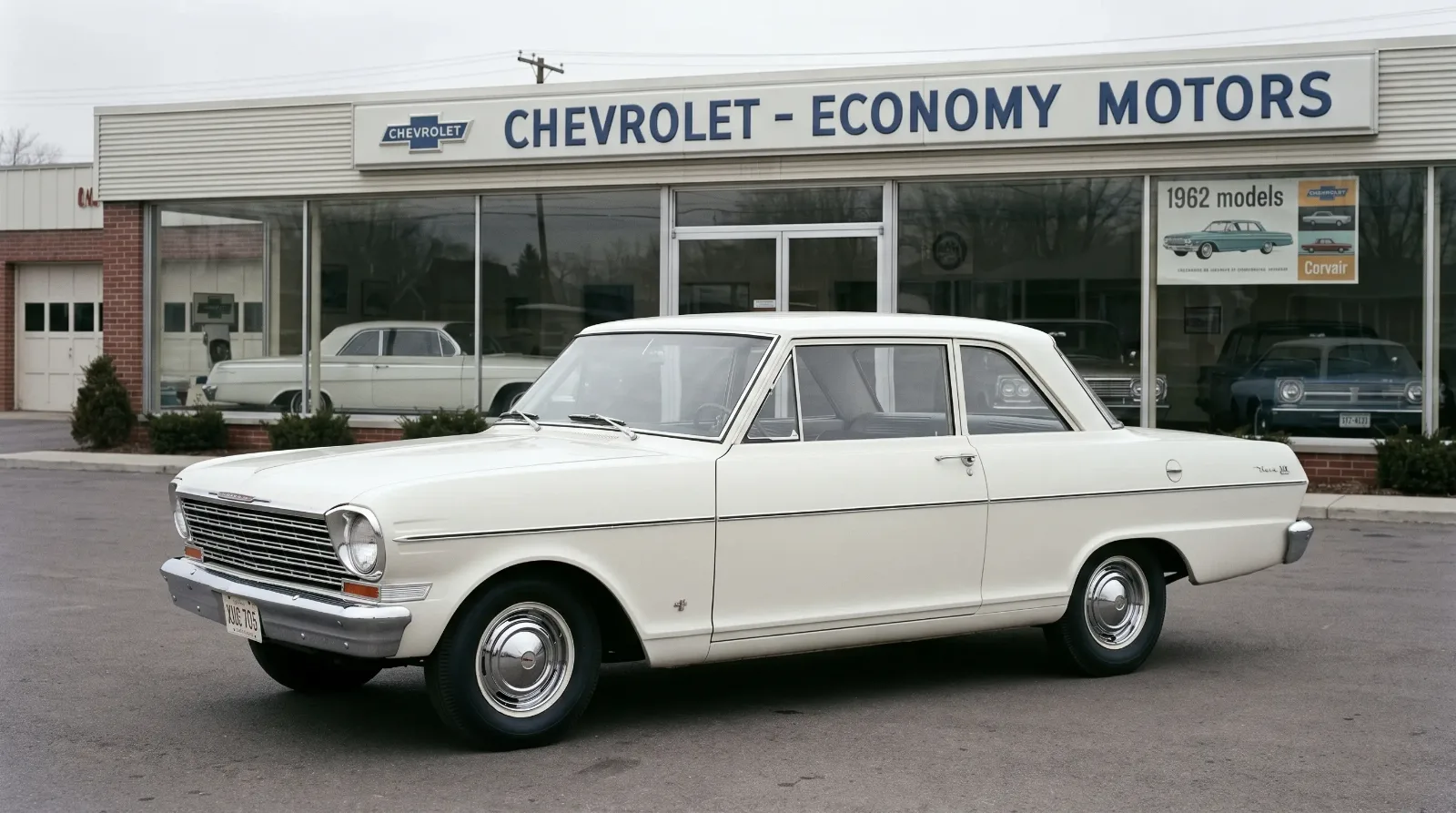
Chevrolet needed the Chevy II in showrooms fast, and the car's first year on sale rewarded that urgency. Total 1962 Chevy II production landed at roughly 326,600 units across all series and body styles, a number that put the car within range of the Ford Falcon in its class and validated the entire program within a single model year. The four-door sedan was the volume leader by a wide margin, which tracked with how Chevrolet had positioned the car from the start: a practical, affordable alternative to the Corvair, not a specialty vehicle.
Convertibles and the Nova 400 series sold in far smaller numbers relative to the plain-trim sedans and the wagon, a pattern that holds across most of the first generation. Anyone assuming a 1962 Chevy II convertible is a common find today is working from an inflated sense of how many left the factory that way in the first place.
1963 and 1964: the platform matures
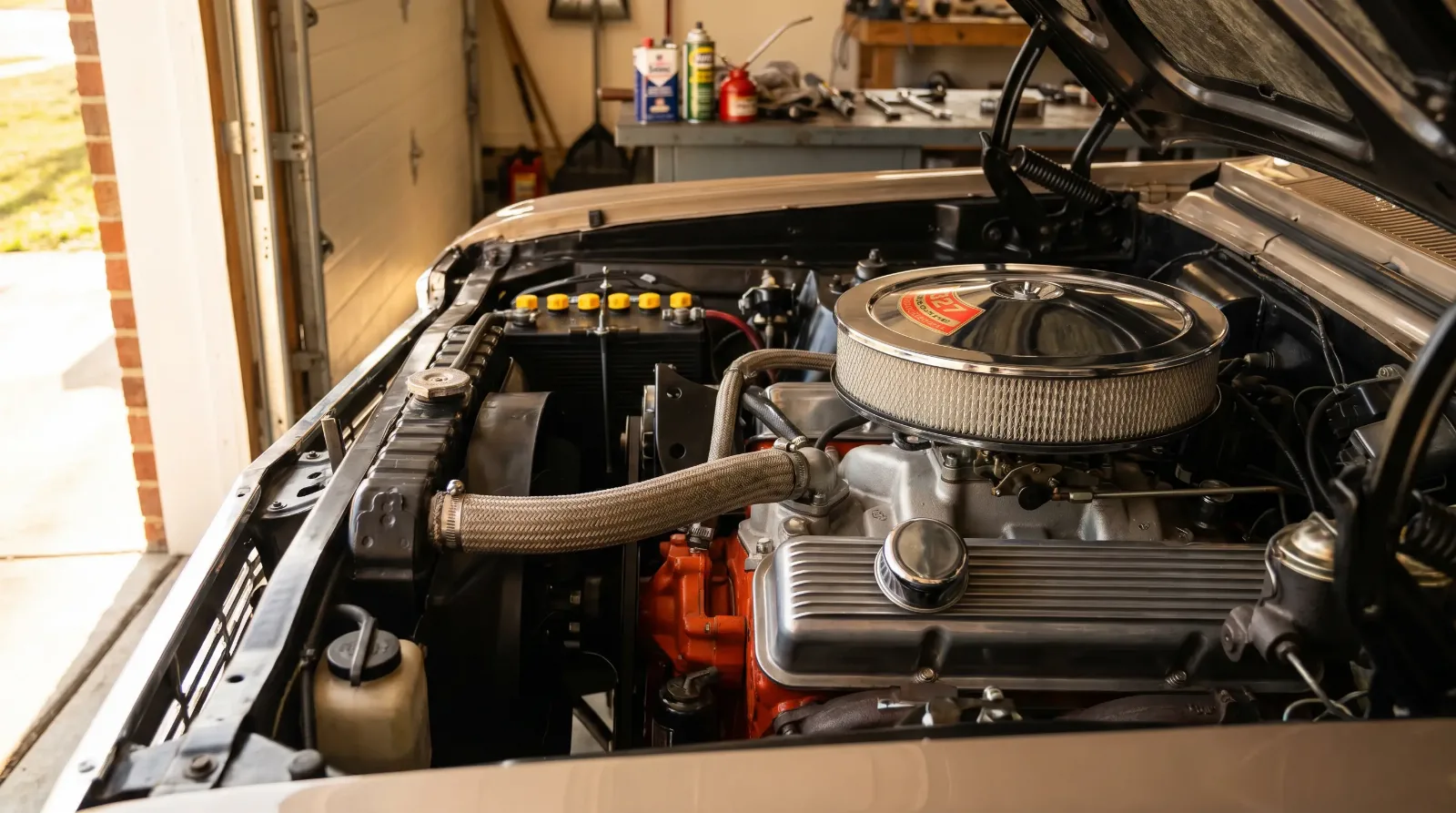
Total production actually climbed through 1963, Chevy II's best year of the whole run, with Chevrolet adding the Nova SS trim package that same year, though the SS package itself carried six-cylinder and 283 V8 power rather than anything close to the 327 that arrived later. 1964 brought the first V8 option into the lineup partway through the model year, and with it came a modest shift in the mix toward higher-trim, V8-equipped cars, even though four-cylinder and six-cylinder models still made up the bulk of what Chevrolet actually built and sold.
Exact breakdowns by engine and body style get harder to pin down precisely the further back the model year goes, since Chevrolet's own published figures from this era focus on total series production rather than a clean cross-tabulation of engine, transmission, and body style together. Where a specific breakdown is not solidly documented, it is worth treating any number floating around enthusiast forums with real skepticism until it can be checked against a primary source.
What is well established is the overall shape of the run: strong early volume in 1962 and 1963, a noticeable dip once the Chevelle arrived in 1964 to compete for the same buyers, and a further drop in 1965 as the platform aged out ahead of its full redesign. That shape matters more for collectors than any single precise figure, because it explains which model years show up constantly at swap meets and which ones take real patience to track down.
| Model year | Approx. total production | Notable change |
|---|---|---|
| 1962 | ~326,600 | Launch year, four series introduced |
| 1963 | ~372,600 | Nova SS trim package introduced |
| 1964 | ~191,700 | 283 V8 added mid-year, Chevelle launch pulls sales |
| 1965 | 122,800 | 327 V8 and Nova SS 327 arrive, final first-gen year |
Why 1965 numbers drop even as performance rose
The irony of the first-generation Chevy II's production story is that 1965, the year the 327 finally arrived, was also the last year of the platform and one of its lower-volume years overall. Chevrolet had launched the midsize Chevelle for 1964, and that car pulled buyers who wanted a bigger, more mainstream family car away from the compact Chevy II, even as the Nova SS 327 gave the smaller car its most credible performance option yet. A full redesign followed for 1966, so the 1965 Nova SS 327 represents the high point of first-generation performance arriving right as the platform itself was winding down.
That combination, low production numbers plus a genuinely desirable engine option, is exactly why documented 1965 Nova SS 327 cars carry real premiums today relative to six-cylinder sedans from the same years.
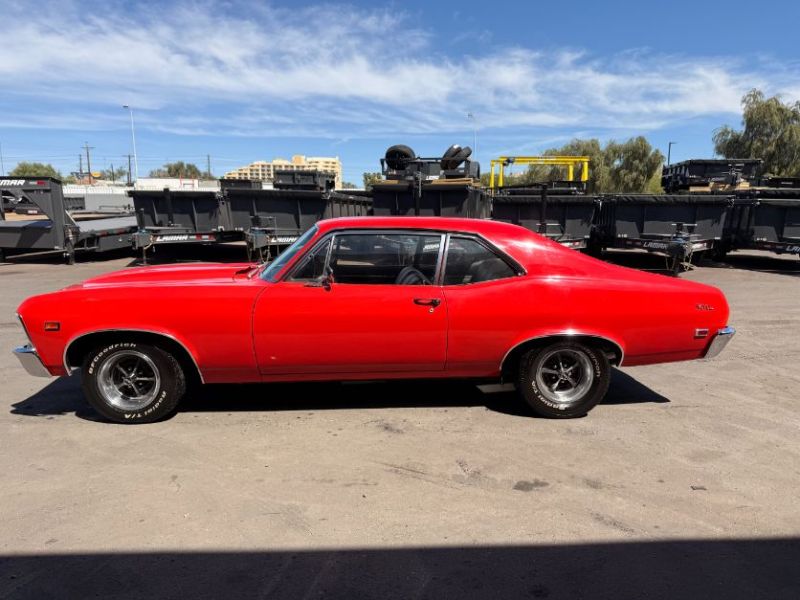
Body style also matters as much as engine choice when weighing how many of a given car actually exist. Two-door hardtops and convertibles ran well behind four-door sedans and wagons in every model year of the first generation, and the SS package itself was ordered on a fraction of those two-door cars rather than across the lineup broadly. Stack a low-production model year, a two-door body, and the 327 engine option together, and the surviving population gets thin fast, which is exactly the combination collectors chase when they go looking for a 1965 Nova SS 327 hardtop today.
"People assume production numbers only matter to spreadsheet types, but they explain almost everything about why certain Chevy IIs are common driver-quality finds and others take years to track down. The 1965 SS 327 is scarce because Chevrolet simply did not build that many of them before the whole platform changed."
— Tom Ramirez
Reading the numbers correctly
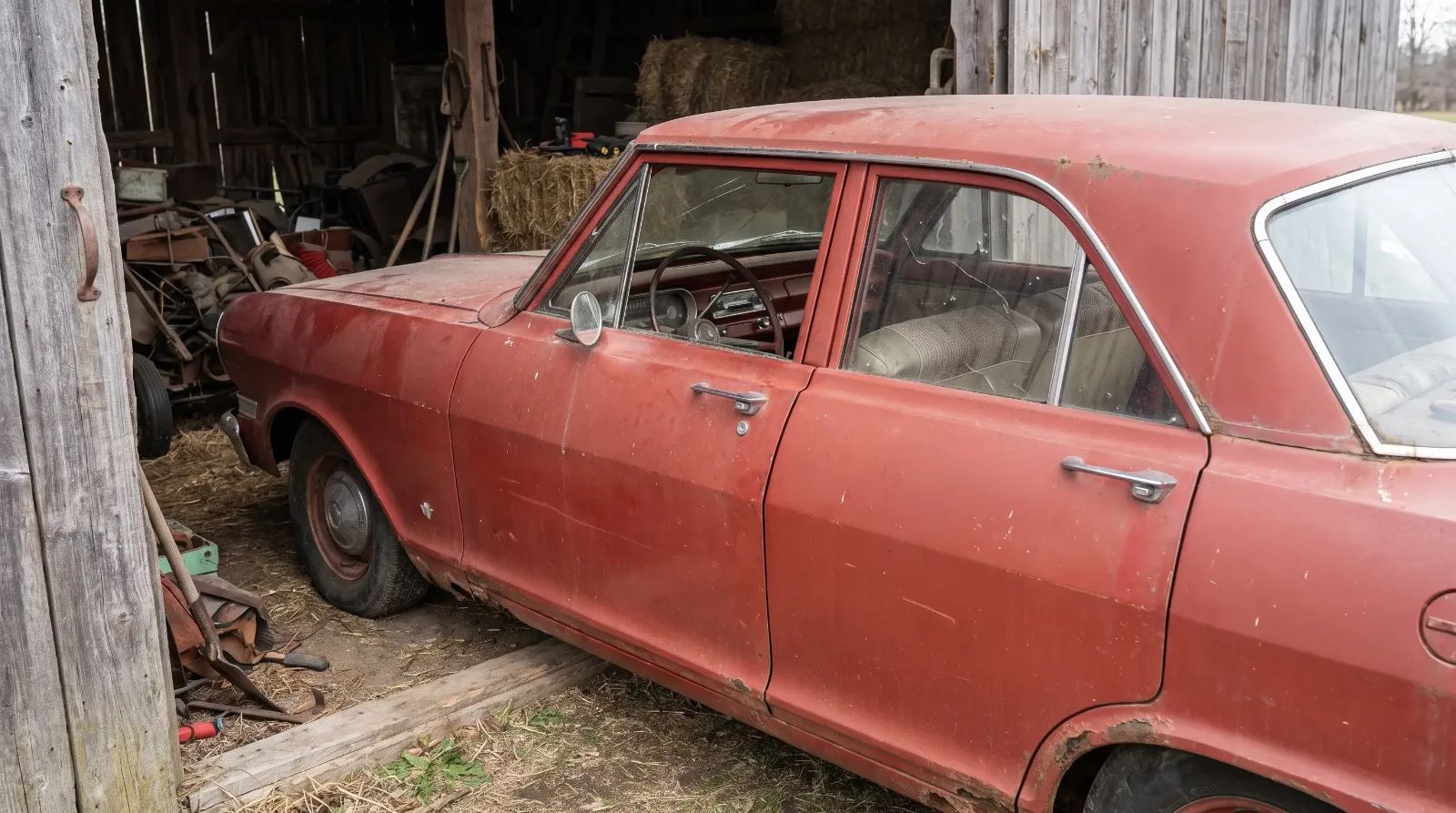
Total production figures tell you volume, not survival rate, and those are two different questions. A car built in large numbers in 1962 is not automatically common on the market in 2026, since rust, accident damage, and decades of daily use took a heavier toll on economy-trim Chevy IIs than on cars people set aside deliberately. For a closer look at how few of these cars actually survive in unmodified condition, keep reading the series, which works through the attrition side of this same story.
Understanding the full arc of the platform also helps put these numbers in context. the story of how the Nova began covers the design and launch decisions that shaped the whole run, and the complete Nova saga carries the story forward through every later generation. If you are shopping rather than just reading, a classic Chevy II for sale search is the practical next step once you know which model year and engine combination you actually want.