
An early chevy ii survivor is a different kind of find than most people expect walking into this hobby. The first-generation Chevy II sold in real volume between 1962 and 1965, yet unmodified, well-documented examples from those years turn up far less often at shows and auctions than the production numbers alone would suggest. The gap between how many Chevrolet built and how many exist today in honest condition is the actual story here, and it comes down to how these cars were used, not just how old they are.
Car Features
6 min read
Why Early Chevy IIs Are Rare Today
Finding a genuine early chevy ii survivor is harder than production numbers suggest, thanks to daily-driver use, rust, and hard-driven Nova SS 327 cars.
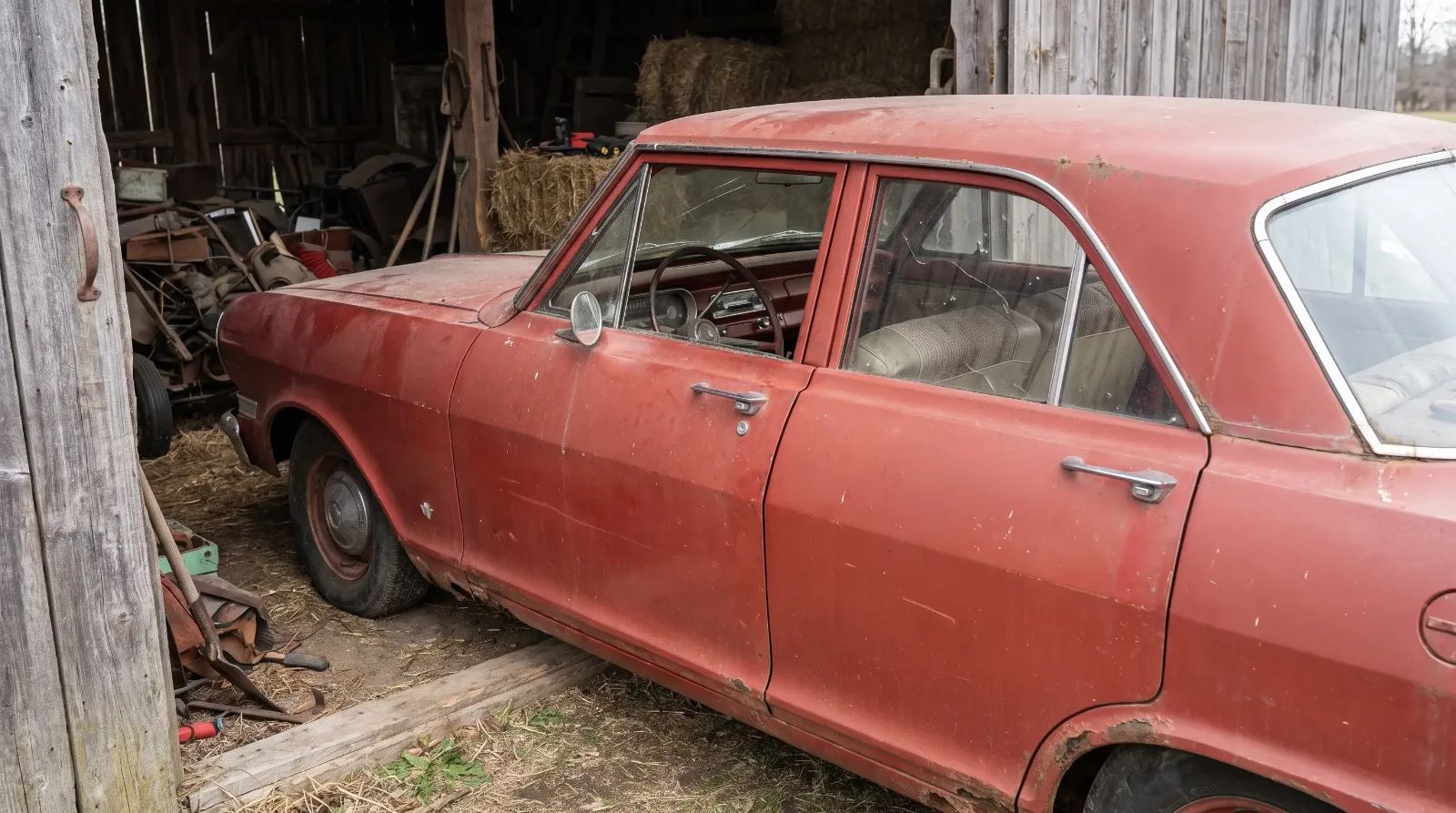
These were daily drivers, not garage cars
The Chevy II was sold and priced as an economy compact, which meant most buyers used it exactly that way: as cheap, reliable transportation that got driven year-round, in all weather, by owners who had no reason to think of it as a future collectible. Rust took a heavier toll on unibody Chevy IIs than it did on separate-frame Chevrolets, because unit construction relies on the body structure itself for strength, and rot in the rocker panels, floor pans, or front subframe area compromises the car in a way that a rusted-out full-frame car's body simply does not. Salt-belt states in particular consumed a large share of the surviving population well before anyone was thinking about collector value.
Add in ordinary attrition, trade-ins, accidents, and cars simply run into the ground and scrapped once repair costs exceeded what a used economy compact was worth, and the surviving population thins out fast relative to the original production figures.
The muscle car tax on early Nova SS cars
Cars carrying the Nova SS badge and, from 1965, the 327 V8 faced an additional threat that plain-trim sedans mostly avoided: they got driven hard by owners who bought them specifically to be driven hard. Drag strip use, engine swaps, and the kind of wear that comes from being treated as a performance car rather than a family sedan took a real toll on the SS 327 population specifically. Plenty of surviving cars have had engines replaced, rear ends swapped, or bodies modified well beyond factory specification over six decades of ownership, which is part of why a documented, numbers-correct Nova SS 327 commands such a premium over an otherwise similar car with a replacement engine and no paperwork to back up what it once had.
What separates a real survivor from a re-created one
A genuine survivor, in the strict sense collectors use the word, is a car that has never been substantially disassembled or restored, showing its original paint, interior, and mechanical components with only the wear and light repair that six decades of use would produce. That is a much narrower category than "old Chevy II in decent shape," and it is worth being precise about the difference before paying a premium for the word survivor on a listing.
Documentation carries real weight here. A build sheet, a cowl tag that matches the VIN, and where available a Protect-O-Plate help confirm a car's original engine, transmission, and trim configuration. Given how many small-block V8s have moved between Chevrolets of this era over the decades, paperwork is often the only reliable way to separate a factory-correct Nova SS 327 from a six-cylinder sedan that picked up a 327 somewhere along the way.
Paint and interior originality matter too, and they get overstated in listings more often than engine claims do. A car wearing its original lacquer, however faded, tells a more honest story than a fresh repaint in the correct factory color, even when the repaint looks better in photographs. Original interior upholstery, door panels, and headliner material, worn as they may be, carry information a restoration removes permanently. Once a car has been stripped and refinished, there is no getting that information back, which is exactly why the survivor category exists as something distinct from a well-restored car in the first place.
"People hear survivor and picture a museum piece. Most of the honest survivors I have seen are closer to a well-kept used car, original paint gone dull in spots, a seat cover worn through where a driver actually sat for years. That kind of wear is proof, not a flaw."
Tom Ramirez
Why scarcity varies so much by year and trim
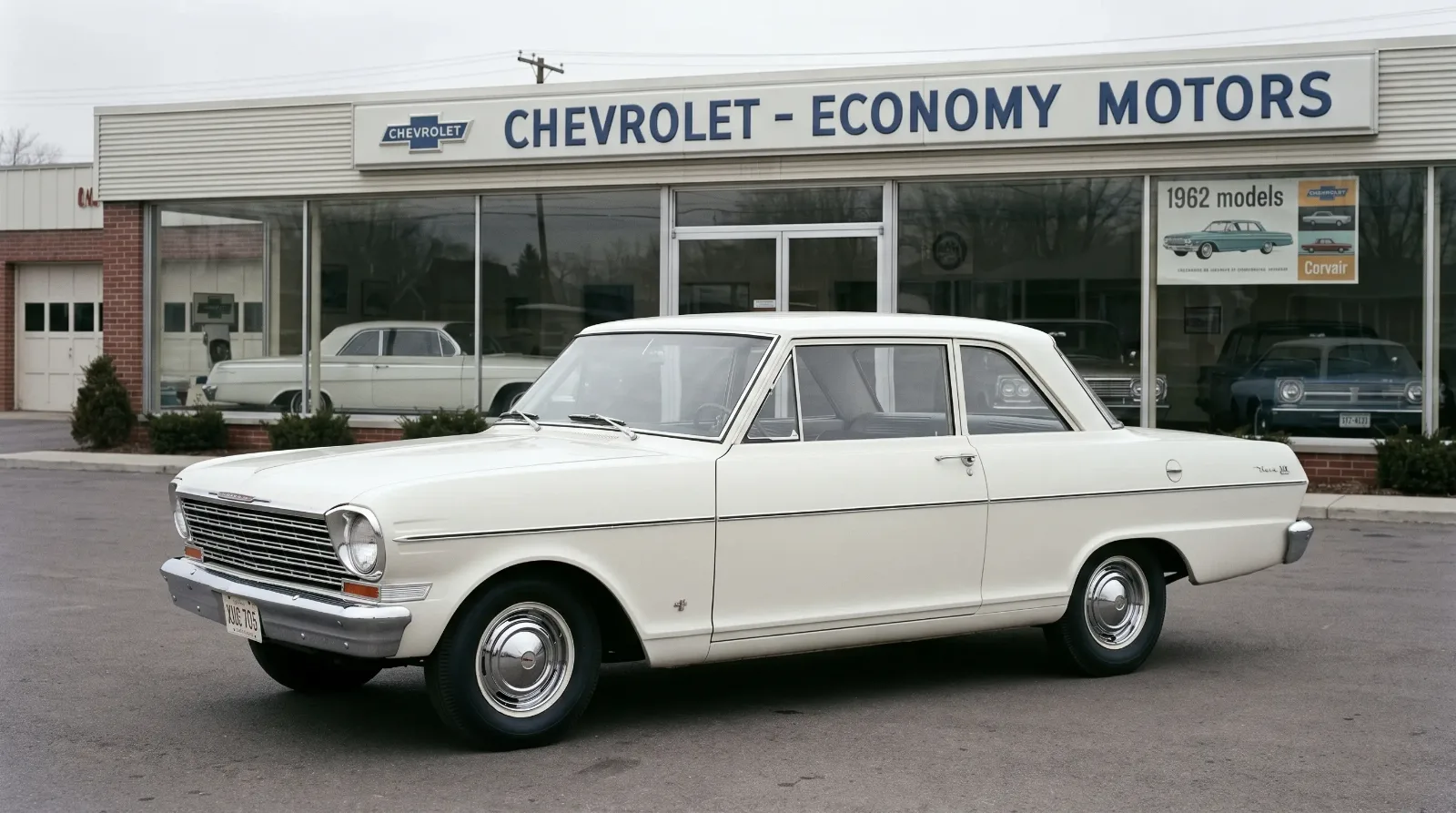
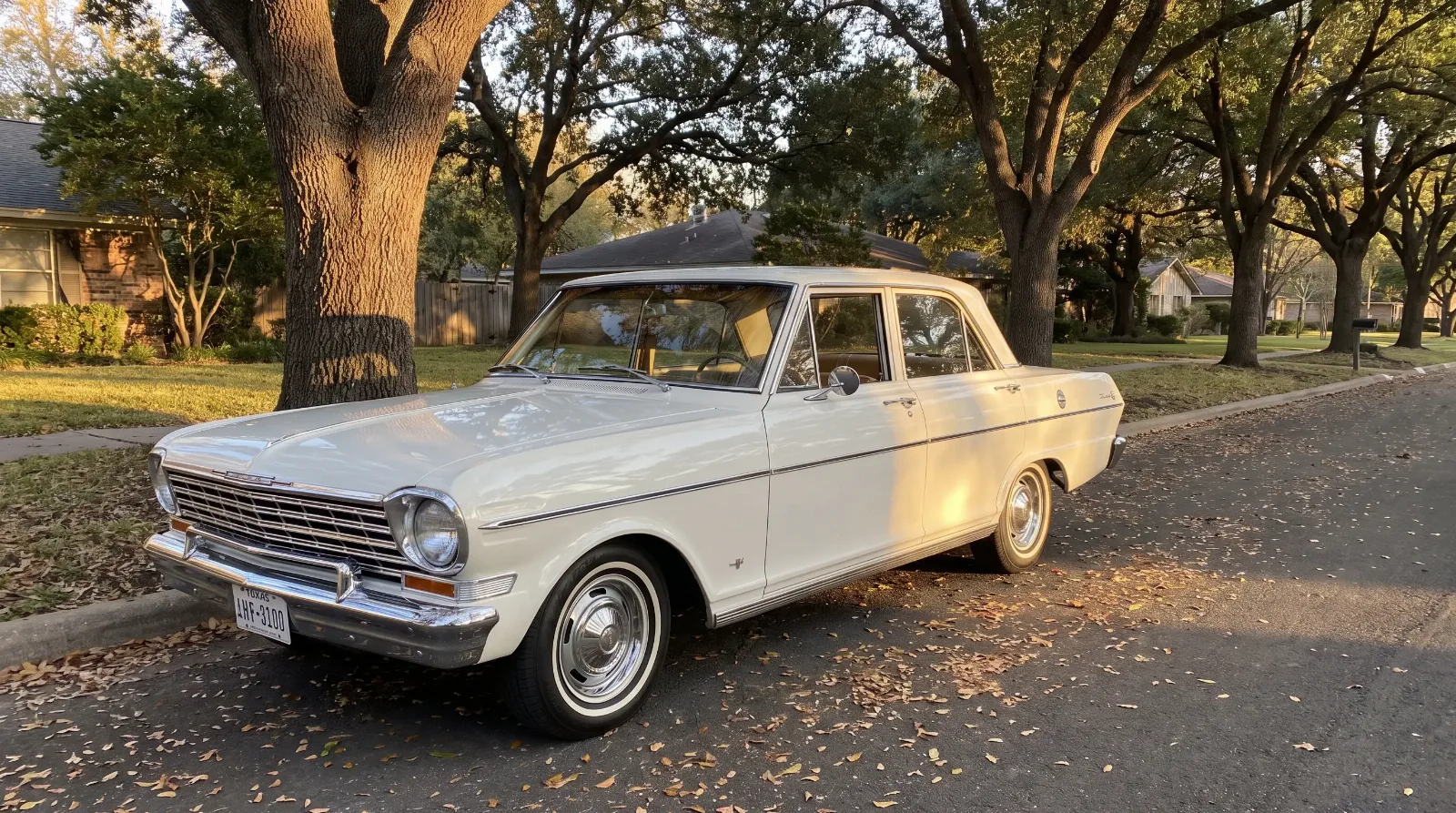
Survival rates are not uniform across the first generation. Base-trim 1962 and 1963 sedans, built in larger numbers and driven as ordinary transportation, are more findable today than the lower-production 1965 Nova SS 327, even though total 1962 and 1963 production was higher. Two-door hardtops and convertibles across every year of the run survive in smaller numbers than four-door sedans and wagons, since fewer were built in the first place and a larger share of the ones that were built saw harder use. Climate plays a role as well. Cars that spent their working lives in dry southwestern states show up in noticeably better structural condition than cars from the Rust Belt or coastal areas where road salt was routine, and that geographic split shows up clearly once you start comparing cars at any national show. For a closer look at exactly how those production figures broke down year by year, a companion piece walks through the numbers in detail.
Anyone new to this platform should start with the Chevy II chapter, which covers the design and launch decisions that shaped every car discussed here. And for buyers actively looking rather than just researching, a classic Chevy II for sale search will turn up what is actually available right now, survivor status included.
Sources and notes
Related Reading
Have a
Chevrolet Nova
for Sale?
Reach thousands of serious classic car collectors across the US.
Sell It Here →
Are You a Classic Car Dealer?
List your full inventory and connect with targeted classic car buyers.
Join as a Dealer →

About the author
Tom Ramirez
Corvette researcher and historian based in Bowling Green, Kentucky. Two decades documenting Corvette production history from original factory records.
Related Listings - Chevrolet Nova
Comments
Be the first to comment on this article.