The late 1940s produced a strange collector market: cars built in genuine scarcity, sold to buyers who had waited years for a new automobile, and now valued by a generation that mostly did not live through that scarcity. That gap between the original context and the current market is exactly where I earn my fee. Some late-1940s cars are quietly undervalued relative to what they represent. Others trade on nostalgia the numbers do not fully support. Knowing which is which matters before you write a check.
I will give you my read on the cars that command real interest right now, the condition and documentation factors that move the number, and where I think the market still has room to run. For the fuller decade context first, the collectible late 1940s cars story covers the ground this piece builds on.
What actually drives value in this window
Four things move a late-1940s car's number, in this order of weight: condition, documentation, liquidity, and downside. Condition is visible and everyone checks it. Documentation, meaning build records, ownership history, and restoration receipts, is where real value gets made or lost, and it is the piece buyers underweight most often. Liquidity is how many serious buyers exist for that specific car at that specific price, which is thinner than auction hype suggests. Downside is what you lose if a story does not hold up, and on cars this old, stories frequently do not.
Late-1940s cars carry a specific documentation challenge. Many were driven hard as daily transportation for decades before anyone thought to preserve paperwork, so a genuinely complete history is rarer than the survival rate of the cars themselves suggests. A car with thin but honest paperwork often beats one with a suspiciously complete-looking file assembled after the fact.
The cars worth the closest look
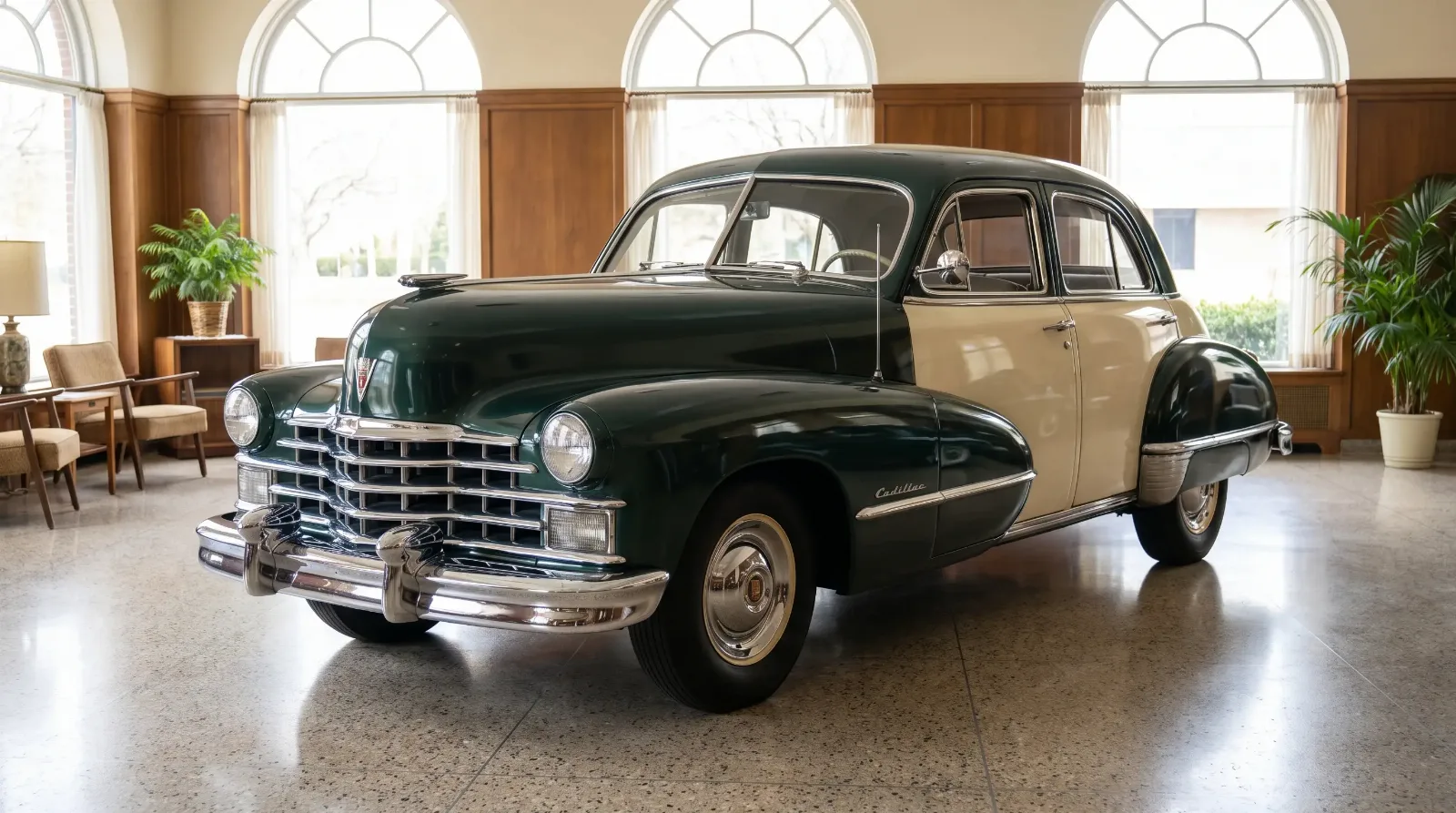
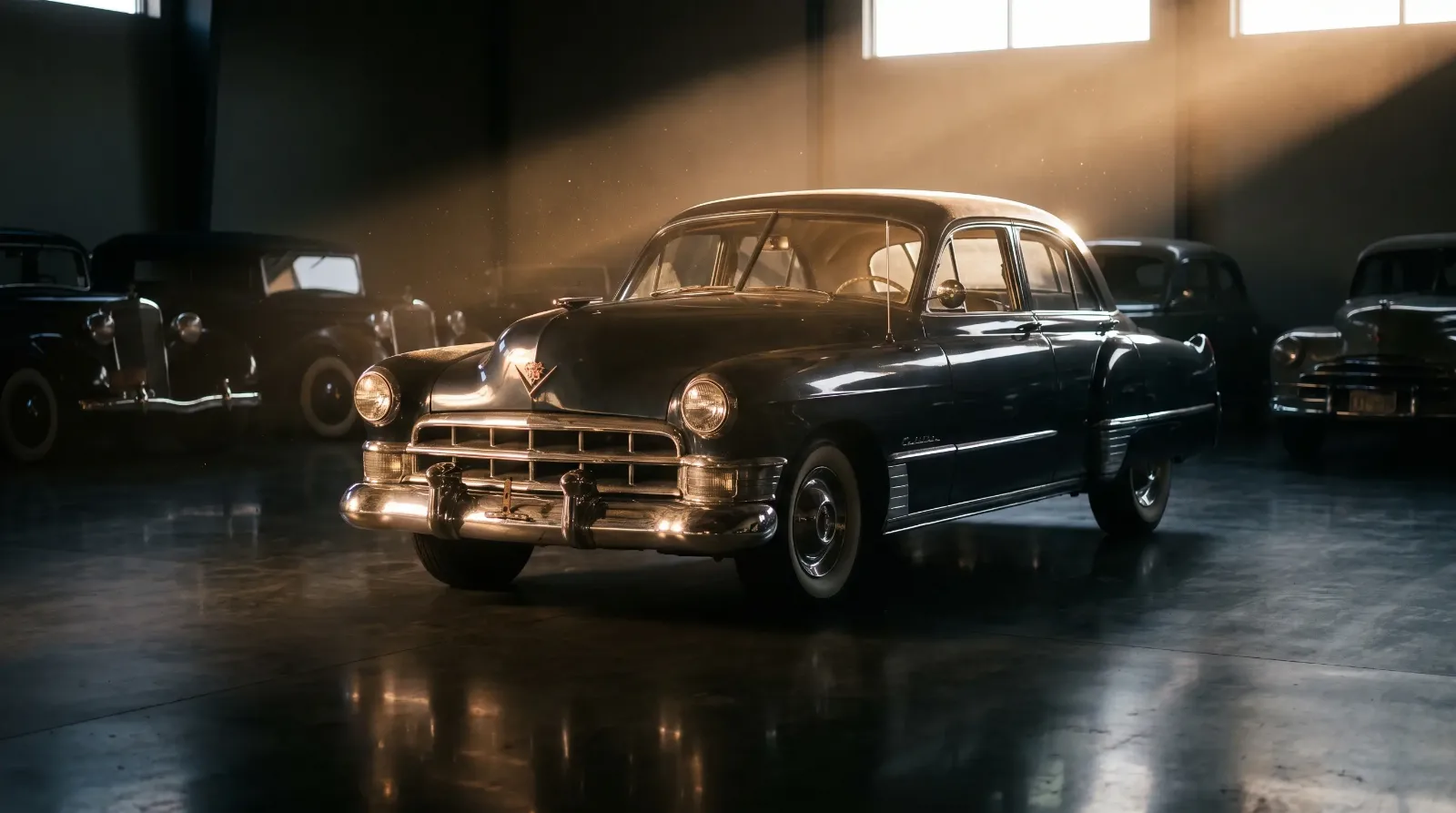
Cadillac's 1948 models introduced tailfins to the American market, a styling move that became the defining automotive language of the following decade, which gives these cars historical weight beyond their driving qualities. Early tailfin Cadillacs in strong, documented condition typically land in the $40,000 to $90,000 range for solid #2-#3 cars, with rare convertibles pushing well past six figures at the top end and rougher sedans trading closer to $20,000, and I expect the upper end of that range to hold or firm up as the styling-history story gets told more.
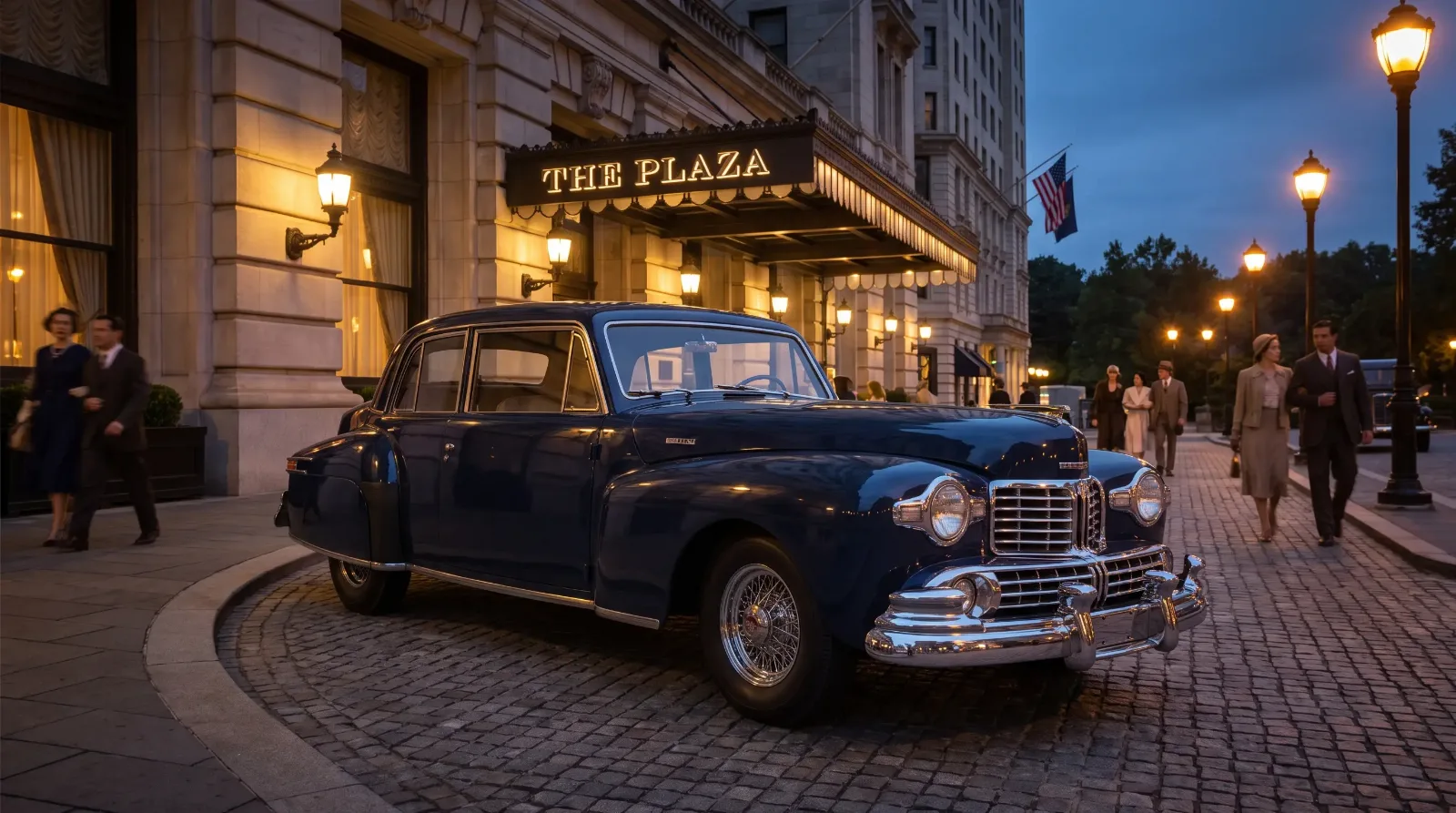
Lincoln Continentals from the immediate postwar years carry design pedigree that has aged extremely well, with clean proportions that still read as modern. Buick's postwar Roadmaster and Super lines built a reputation for solid engineering that collectors still respect, and they tend to trade at a discount to the flashier makes despite comparable build quality, which is where I tell clients to look if they want engineering over prestige.
| Model | Why it matters | Value tier |
|---|---|---|
| 1948 Cadillac (tailfin models) | First tailfins, defining postwar styling shift | #2 to #3, strong upside on documented cars |
| Lincoln Continental (1946-1948) | Clean, enduring proportions, low production | #1 to #2 |
| Buick Roadmaster (late 1940s) | Solid engineering, undervalued relative to prestige makes | #2 to #3, comparative value |
| Hudson Commodore (1948) | Step-down chassis, genuine engineering distinction | #2 to #3, thin comps |
What to watch for before buying
Condition claims on cars this old deserve real scrutiny. "Numbers matching" means less on many late-1940s cars than it does on later muscle cars, since fewer buyers tracked engine and body number pairing at the time, so verify the claim rather than accept the phrase. Ask for the paper trail, not just the seller's account of it. A restoration invoice, a period registration, a magazine feature, anything that anchors the car in a documented timeline is worth more than a compelling story with no backup.
Rust and prior accident repair are the practical risks on cars of this age, since steel quality and rust protection were nowhere near modern standards. A car that looks straight in photos can hide serious structural work underneath, and structural work on a car this old is a real liability, not a minor deduction.
"People ask me for a number on a late-1940s car and I give them one, then I spend the real time on the caveat. The caveat is always the same question: can this car's story survive someone else checking it? If the answer is no, the number I just gave you does not hold."
— Marcus Feld
How auction results have moved
Auction results over the past several years show a gradual firming across most of this category, though not evenly. The recognizable names, Cadillac and Lincoln especially, have seen steadier gains as younger buyers with real disposable income enter the market and gravitate toward cars they recognize from film and photography rather than personal memory. That recognition effect is worth naming plainly, because it drives real money even when the underlying engineering case for one car over another is roughly equal.
The independents and the less celebrated Big Three models have moved more slowly, which is consistent with what I would expect from a market still working off brand recognition more than engineering literacy. I track individual sale results rather than trust aggregate index numbers for this category, since so few genuinely comparable cars trade in any given year that an index can be skewed badly by one or two outlier results. When I quote a client a range, it comes from real comps I can point to, not a smoothed curve.
Where I see room to run
My honest read is that the mid-tier independents and the less flashy Big Three offerings from this window remain undervalued relative to their engineering and historical significance. Buyers chase the obvious names, Cadillac and Lincoln primarily, and pay a premium for that recognition. Cars like the Hudson step-down models or Buick's solid postwar lineup carry real substance without the crowd, and that gap tends to close over time as collector knowledge deepens.
The earlier era these cars followed is worth understanding too, since the late-1940s designs were a direct reaction against what came before. Our pre-war era guide covers that context in full. And if you are ready to see what is actually on the market right now rather than just reading about it, pre-war classics for sale is where the documented cars and the hopeful ones both show up, and the difference between them is usually visible before you even ask a question.
My advice stays consistent across every era I appraise: buy the documentation as much as the car, and treat a clean story with real gaps in it as more honest than a suspiciously complete one. For where these cars headed next, the next story picks up with the luxury cruisers that closed out the decade.
Sources and notes
- Hagerty: 1948 Cadillac Series 62 valuation tool
- Conceptcarz: 1948 Cadillac Series 62 auction results and sales data
- Classic.com: 1948 Cadillac Series 62 market data
- Broad Arrow Auctions: 1948 Cadillac Series 62 convertible sale
- Wikipedia: Lincoln Continental, postwar 1946-1948 V-12 production
- Wikipedia: Hudson Commodore, step-down chassis history