
On a February morning in 1942, the last civilian car rolled off a Detroit line and the machines went quiet. The men who had spent the winter bolting fenders onto sedans would spend the spring learning to build something else. A woman on the assembly floor later remembered the strangeness of it, the sudden absence of the thing she had made every day for years. The cars simply stopped.
Car Features
8 min read
Cars of the 1940s: The Pre-War Tail and the Wartime Pause
The 1940s were two decades in one: the last polished pre-war cars, four silent war years, and the scramble to build again. How the decade shaped what a classic car became.
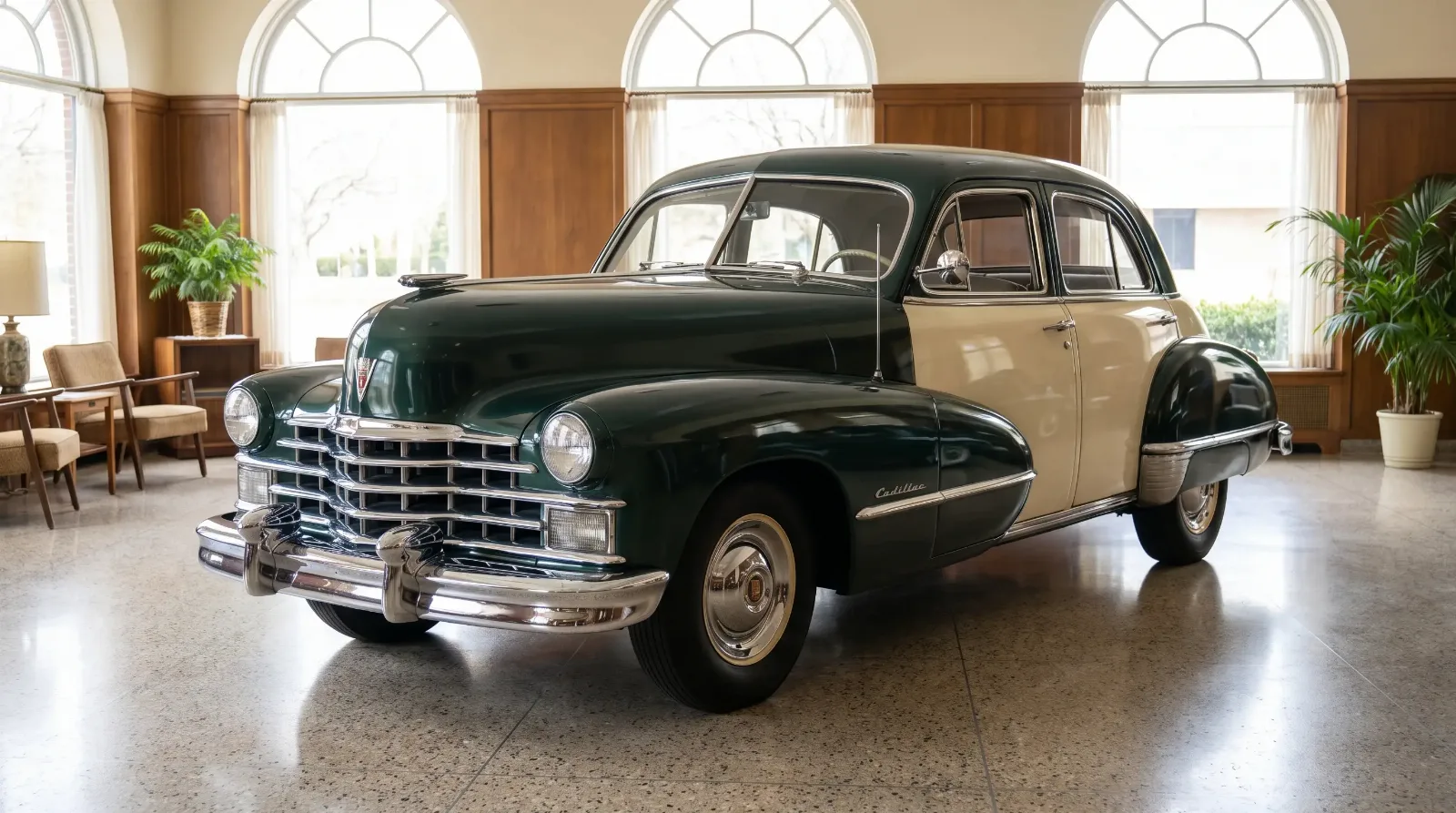
The 1940s are two decades pressed into one. The first half belongs to the war, when almost no cars were built at all. The second half belongs to the scramble to start again. To understand classic cars of the 1940s you have to hold both halves at once, the pause and the rush that followed.
The last cars before the pause
The model years of 1940, 1941, and part of 1942 produced some of the most polished cars of the pre-war tradition. Styling had matured. Running boards were shrinking or gone, headlamps had settled into the fenders, and bodies were lower and wider than the upright shapes of a decade before. These were confident designs, the end of a long line of development rather than the start of something new.
Then production halted. In early 1942 the government ordered civilian automobile manufacturing to stop so that factories could turn to war work. The 1942 models, already curtailed and often trimmed with painted metal instead of chrome to save materials, became instant rarities. Not many were made, and the ones that survive are prized precisely because the era ended mid-sentence. They are the closing chapter of our pre-war era guide, the cars that carried its ideas across the threshold of the war.
Four years of building something else
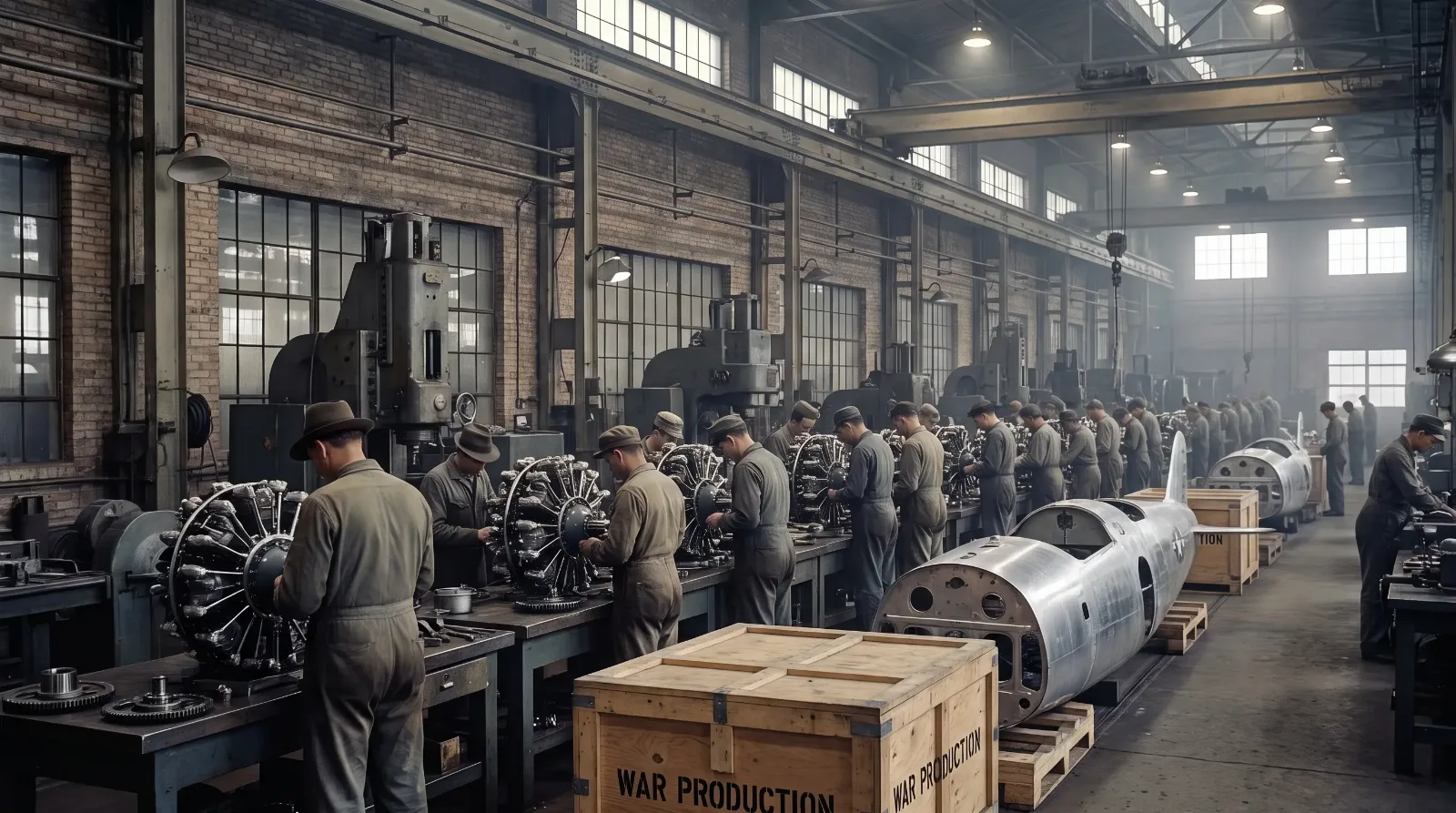
For most of the war the assembly lines that had made sedans made aircraft engines, trucks, tanks, and shells. The scale of it is hard to picture now. Plants that had turned out family cars produced military hardware in numbers no one had thought possible, and the workforce changed with the work. Many of the people building it were women who had never held a factory job before.
This is why so few cars wear a 1943, 1944, or 1945 date. There essentially were none for private buyers. The gap matters to collectors because it created a hard break in the timeline. When you see a car from the middle of the decade, you are looking at an exception, not the rule, and the story of where it came from is usually worth asking about.
The break was tooling as much as it was time. Dies and jigs that stamped body panels were pushed aside or repurposed, and skilled workers scattered into war jobs. When peace came, a manufacturer could not simply flip a switch. The old presses had to be found and reset, suppliers had to restart, and a workforce had to be rebuilt. That friction is the reason the industry leaned on its pre-war designs for years rather than launching something new right away. Starting fresh would have meant new tooling, and new tooling was exactly what nobody had time or steel for.
Starting over in 1946
When the war ended, demand for new cars was enormous and supply was almost nothing. Millions of people had gone years without a new vehicle, and factories could not switch back overnight. The answer was pragmatic. Manufacturers dusted off their 1942 designs, made small changes, and sold them as fast as they could build them.
So the cars of 1946, 1947, and much of 1948 look like pre-war cars, because that is essentially what they were. A 1946 sedan and a 1942 sedan of the same make can be nearly identical from a few steps away. Buyers did not mind. They wanted a car at all, and warmed-over pre-war styling was a small price for finally getting one. Anyone shopping the surviving examples today will notice the family resemblance immediately, and it helps to browse the vintage listings with that continuity in mind, since a well-kept early post-war car offers pre-war character with slightly easier ownership.
"The 1946 cars carry the war inside them. They are pre-war shapes built by people who had just spent four years making something entirely different, and you can feel that history sitting quietly in the sheet metal."
Nora Beckett
When the shapes finally changed
The real break came at the end of the decade. Around 1948 and 1949 the first genuinely new post-war designs arrived, and they looked forward instead of back. Fenders began to melt into the body sides, forming the smooth slab shapes that would define the 1950s. The separate, sculpted fender of the pre-war years was on its way out.
These late-1940s cars are transitional objects. They still carry some pre-war weight and detailing, but the envelope body, where the sides are one continuous surface, marks them as the beginning of the modern era. Collectors who want the last of the old world tend to look at the early post-war cars, while those drawn to the dawn of the new one look at 1949. For a fuller sense of the craft that carried across the whole span, it is worth reading how the era's finest bodies were made and to continue the era through the coachbuilt tradition that outlived the pre-war years.
You can watch the old idea disappear one detail at a time. First the running boards shrink to a sliver, then vanish. The separate headlamp buckets sink fully into the fenders. The fender line, which had stood proud of the body since the earliest cars, softens and then merges into the door. By 1949 a buyer looking at a new car saw a smooth-sided shape that owed almost nothing to the upright sedans of the 1930s, even though the engine underneath was often a direct descendant. The change was skin deep at first, and then it was everywhere.
It is worth remembering how fast this happened. A driver who bought a 1941 sedan and traded it for a 1949 model was stepping across a visual gulf that would normally take far longer to open. The war compressed the timeline. Years of styling evolution that might have unfolded gradually were held back and then released all at once, which is part of why the late 1940s feel so distinct from the years just before them.
How the decade breaks down
The simplest way to make sense of the 1940s is to split it into phases. The table below sketches the shape of the decade rather than listing exact figures, since production numbers for the war-shortened years vary and civilian output in the middle was close to nothing.
| Phase | Rough years | What was built | Styling |
|---|---|---|---|
| Late pre-war | 1940 to early 1942 | Mature pre-war cars | Low, wide, fenders into bodies |
| The pause | 1942 to 1945 | Almost no civilian cars | War production instead |
| Revival | 1946 to 1948 | Warmed-over pre-war designs | Nearly unchanged from 1942 |
| Transition | 1948 to 1949 | First all-new post-war cars | Envelope bodies emerge |
Read down the table and the decade tells its own story. A confident ending, a silence, a scramble, and then a genuinely new beginning, all inside ten years.
Collecting the 1940s today
For a collector, the 1940s offer a particular appeal. The early post-war cars give you pre-war design and feel, often at gentler prices than the truly old machines, and parts and knowledge are a little easier to come by because so many were built once production resumed. The genuine 1940 to 1942 cars are scarcer and carry the added weight of being the last of their kind.
Condition tends to follow the same split. Early post-war cars were built quickly, sometimes with materials that were still in short supply, so quality can vary from one example to the next. A careful buyer looks at how a car was assembled as much as how it was styled. The late pre-war cars, built before the rush, were often finished to a higher standard, which is one more reason the 1940 to 1942 survivors hold their appeal. Where a car falls in the decade tells you a great deal about how it was made and what to check before you commit.
Whatever you chase, the questions are the same. Ask what the car is under the styling, whether it is a true pre-war survivor or an early post-war revival wearing the same shape. Ask about originality and about the years it lived through. A car from this decade is never only a car. It is a small record of a country that stopped building them, spent four years building something else, and then could not build them fast enough.
Sources and notes
- MotorCities - World War II and the interrupted 1942 model production
- Defense Media Network - automobile factories switched to war production
- TeachingHistory.org - the auto industry goes to war
- Wikipedia: War Production Board
- Mac's Motor City Garage - Dodge in peace and war, 1942-46
- Wikipedia: Ponton (envelope body) styling, late-1940s transition
Related Reading
Article
Pre-War Classic Cars: The Golden Age of the American Automobile (1900-1942)
Article
Art Deco Automobiles: When Cars Became Rolling Sculpture
Article
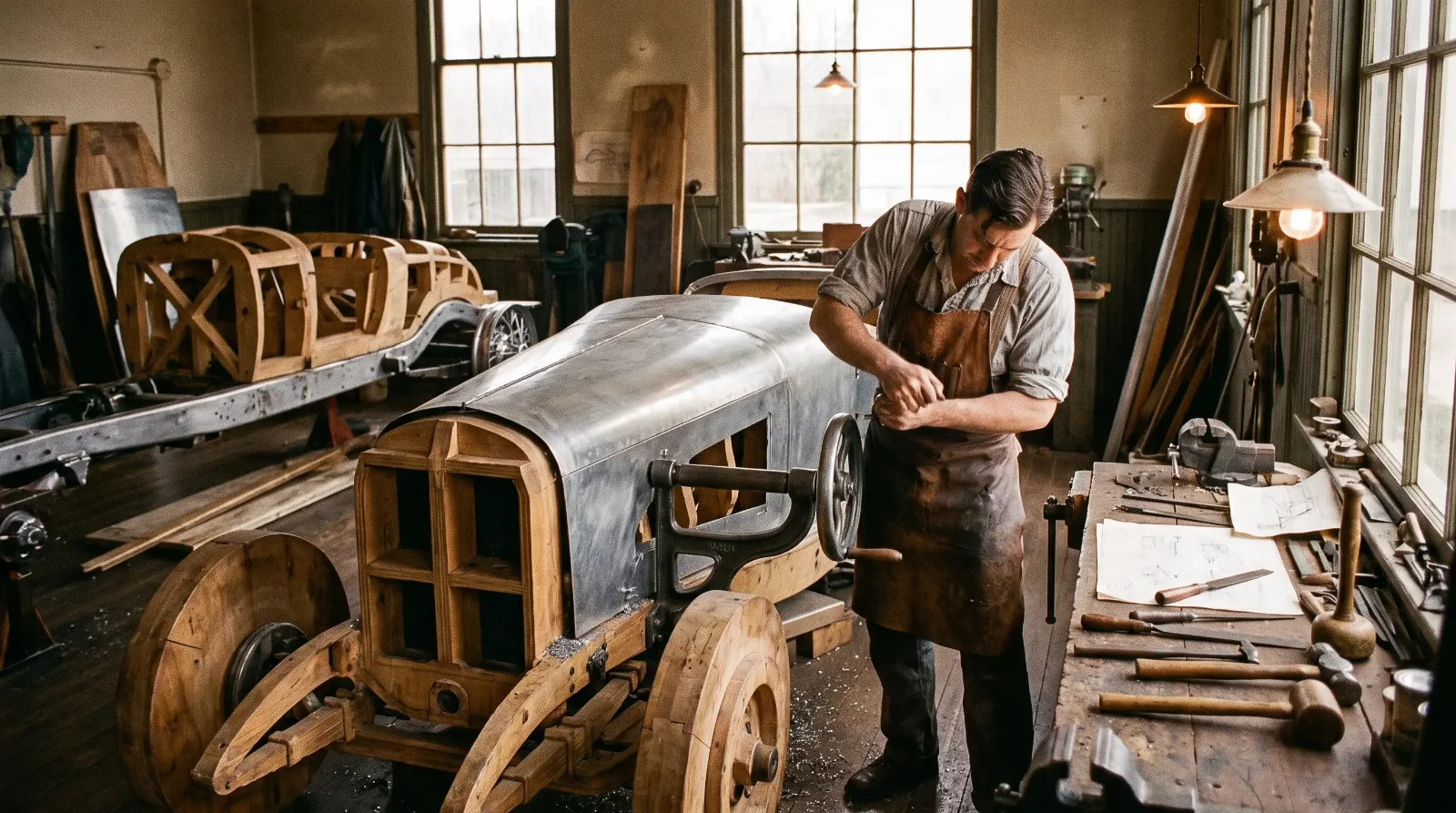
Coachbuilt Classics: The Lost Art of the Custom Body
Article
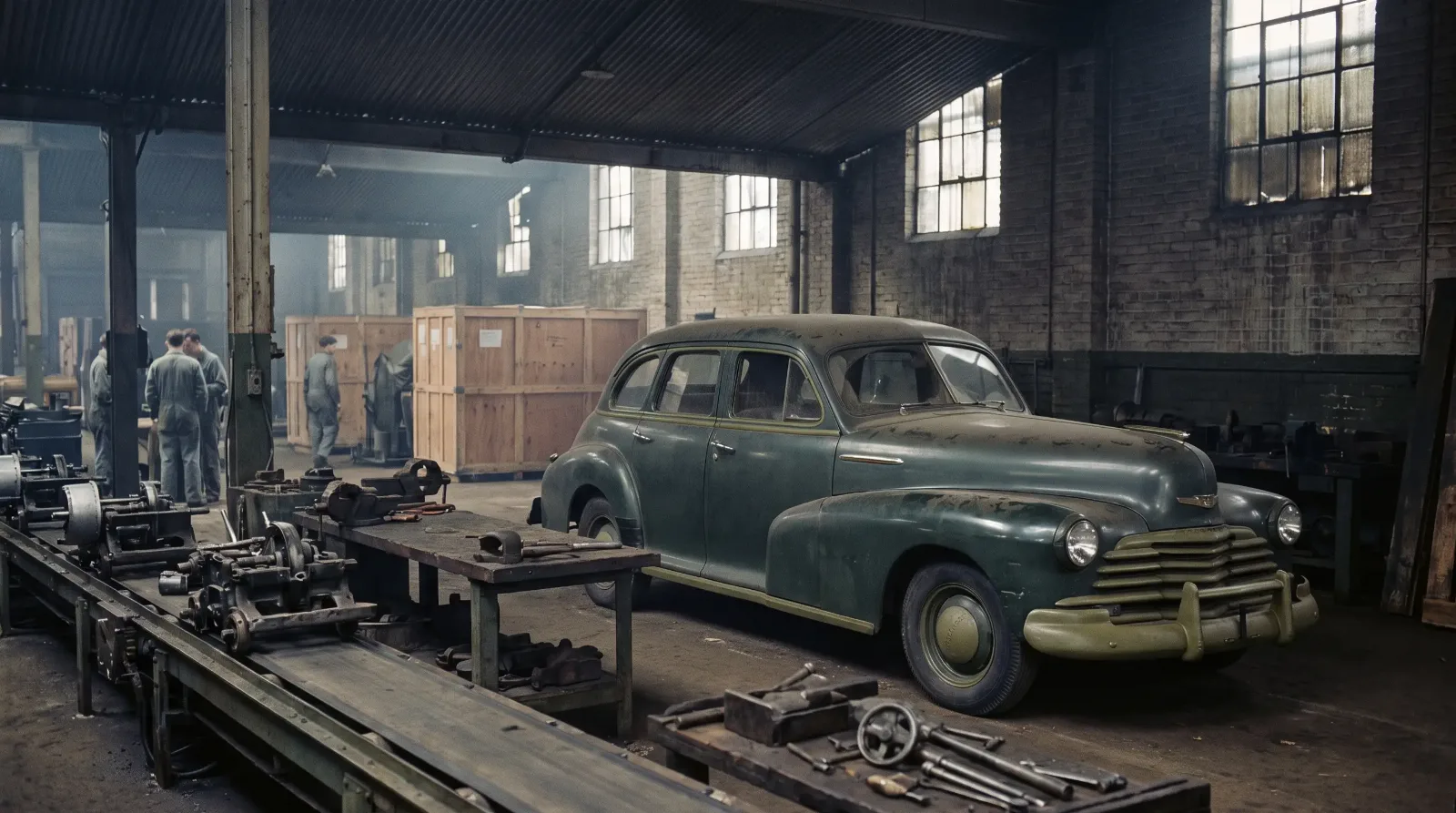
The Last Cars Built Before the WWII Freeze
Article
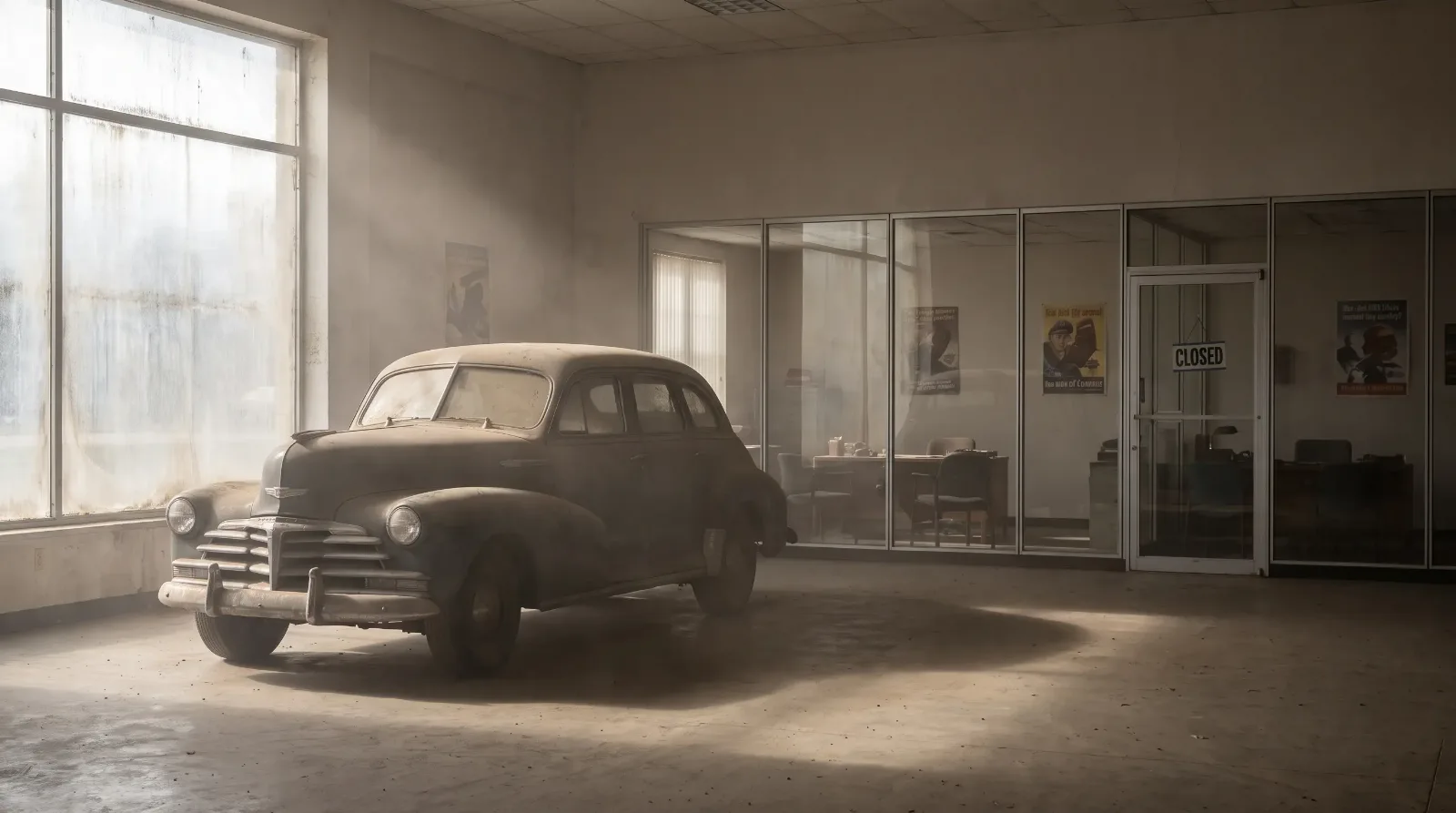
When Building New Cars Was Banned (1942-45)
Article
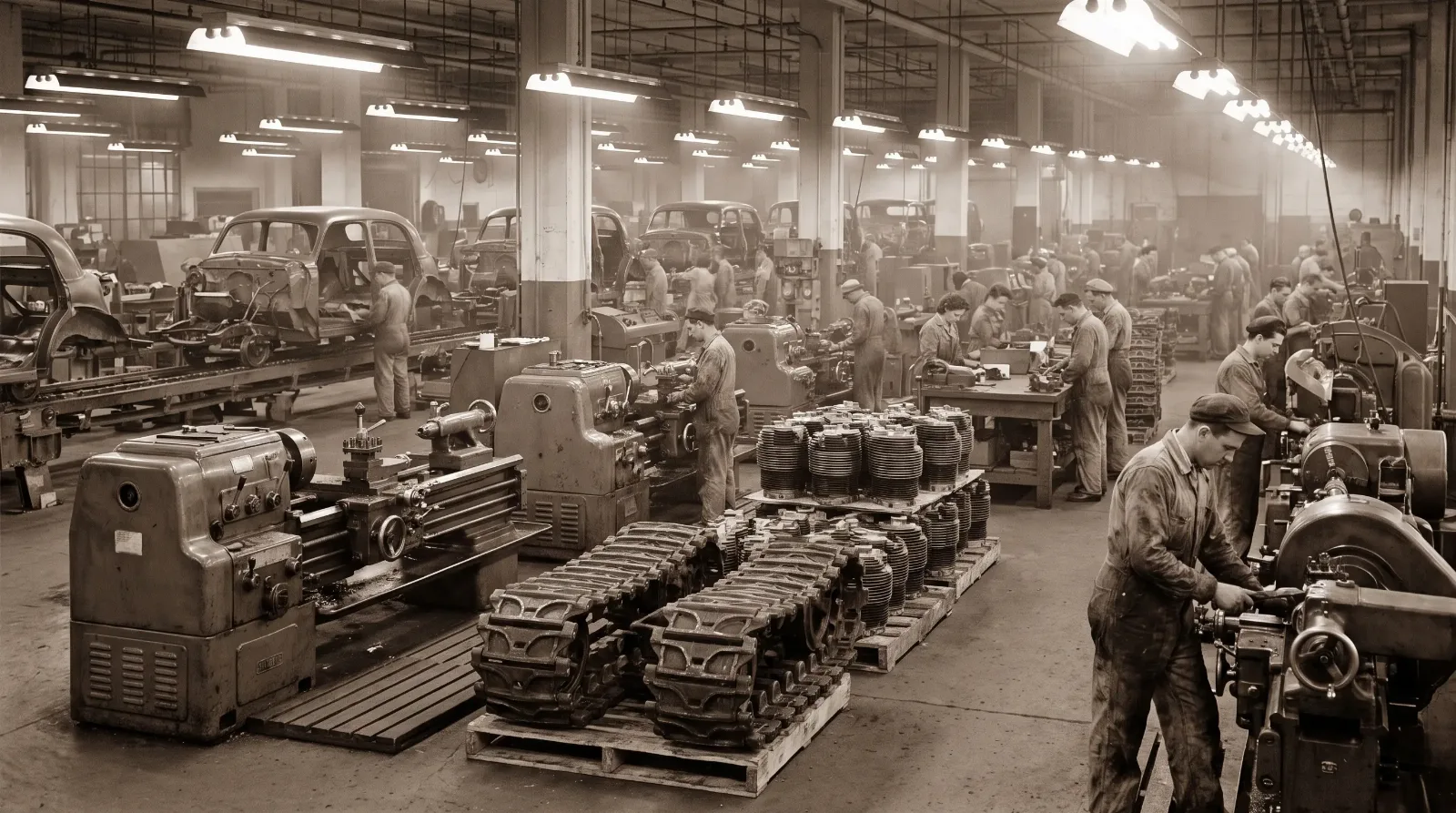
How Factories Switched From Cars to War
Article
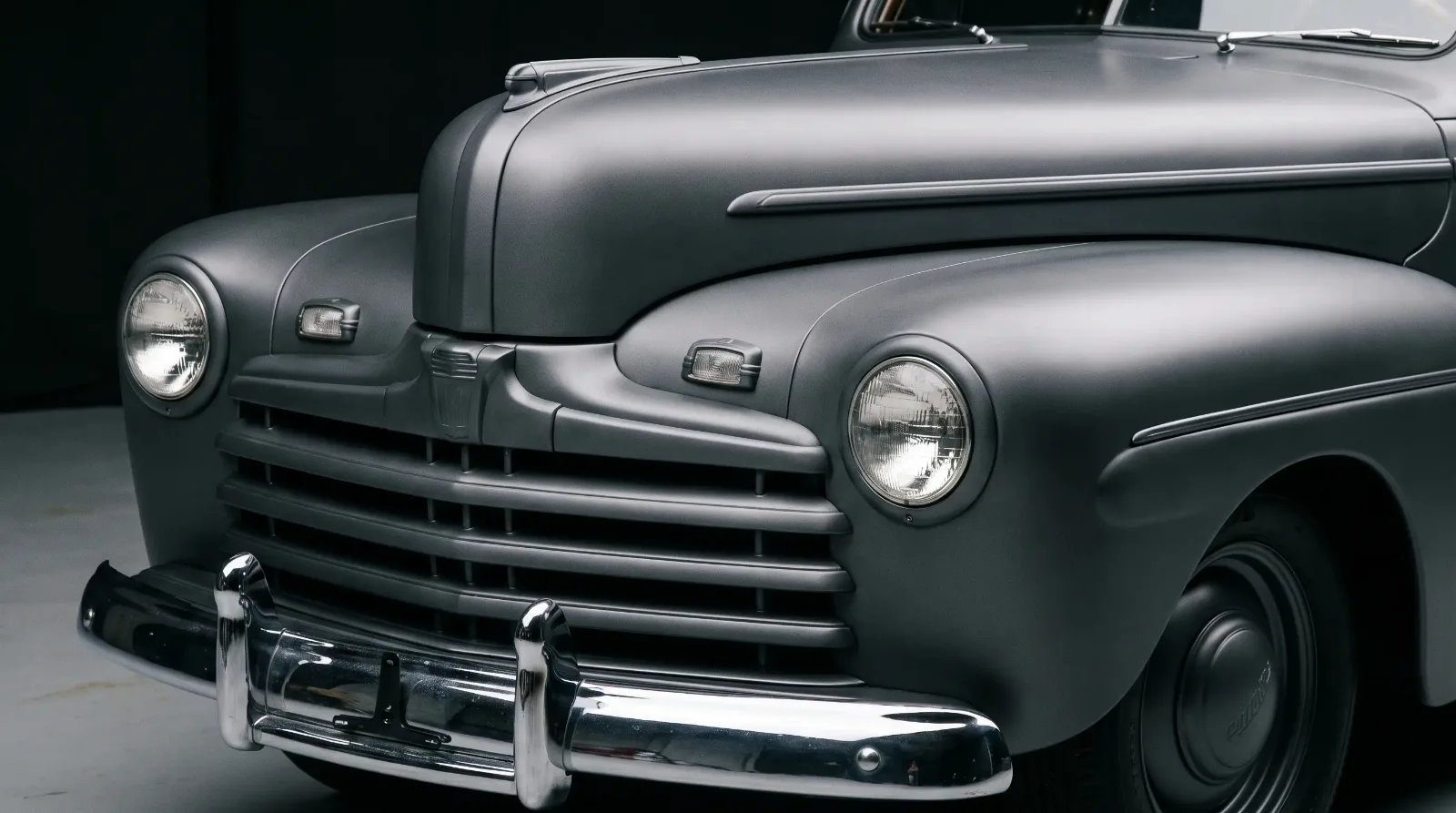
The 1942 Blackout Cars Explained
Article
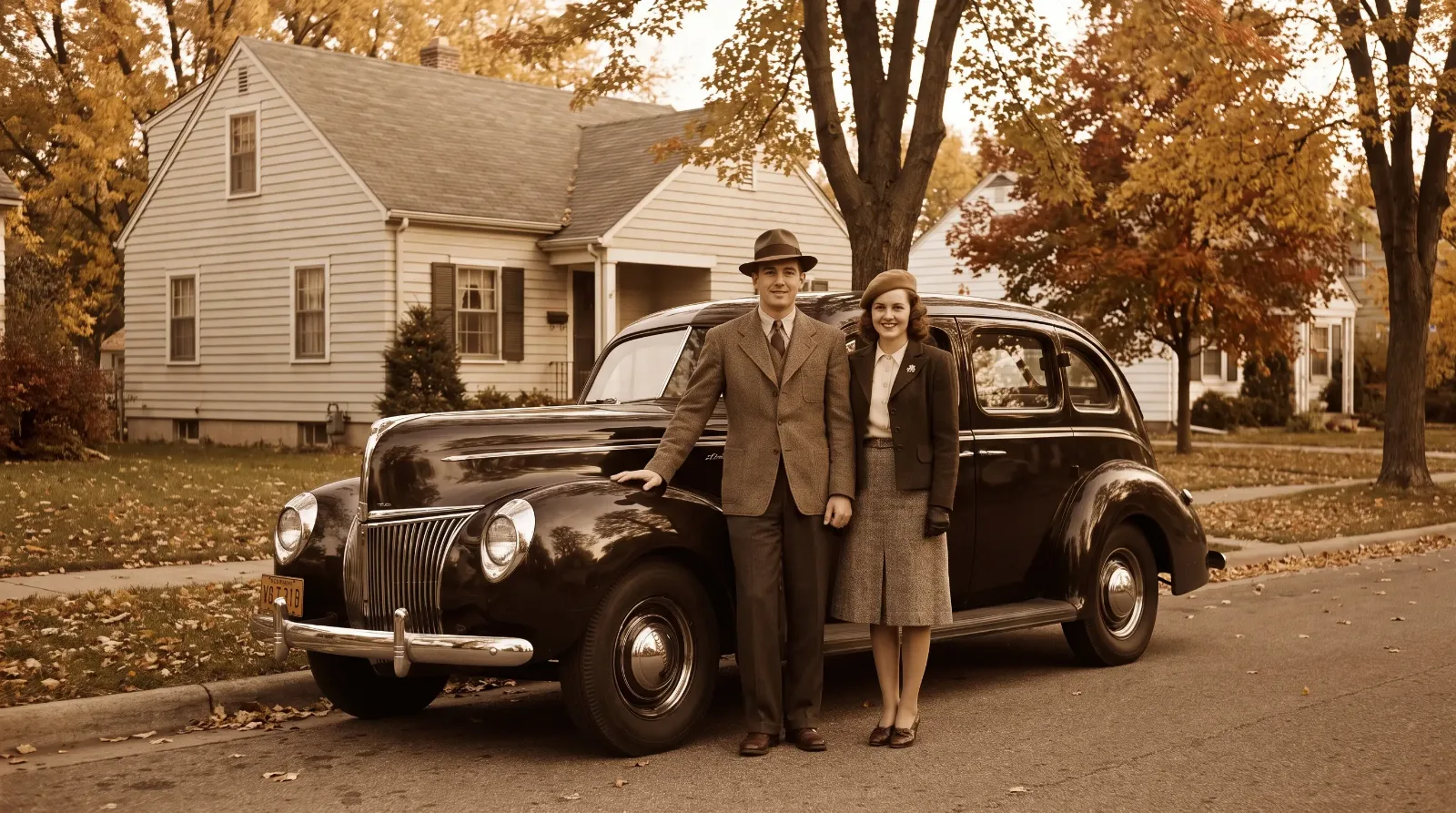
Cars From 1940-1942: The Final Pre-War Run
Article
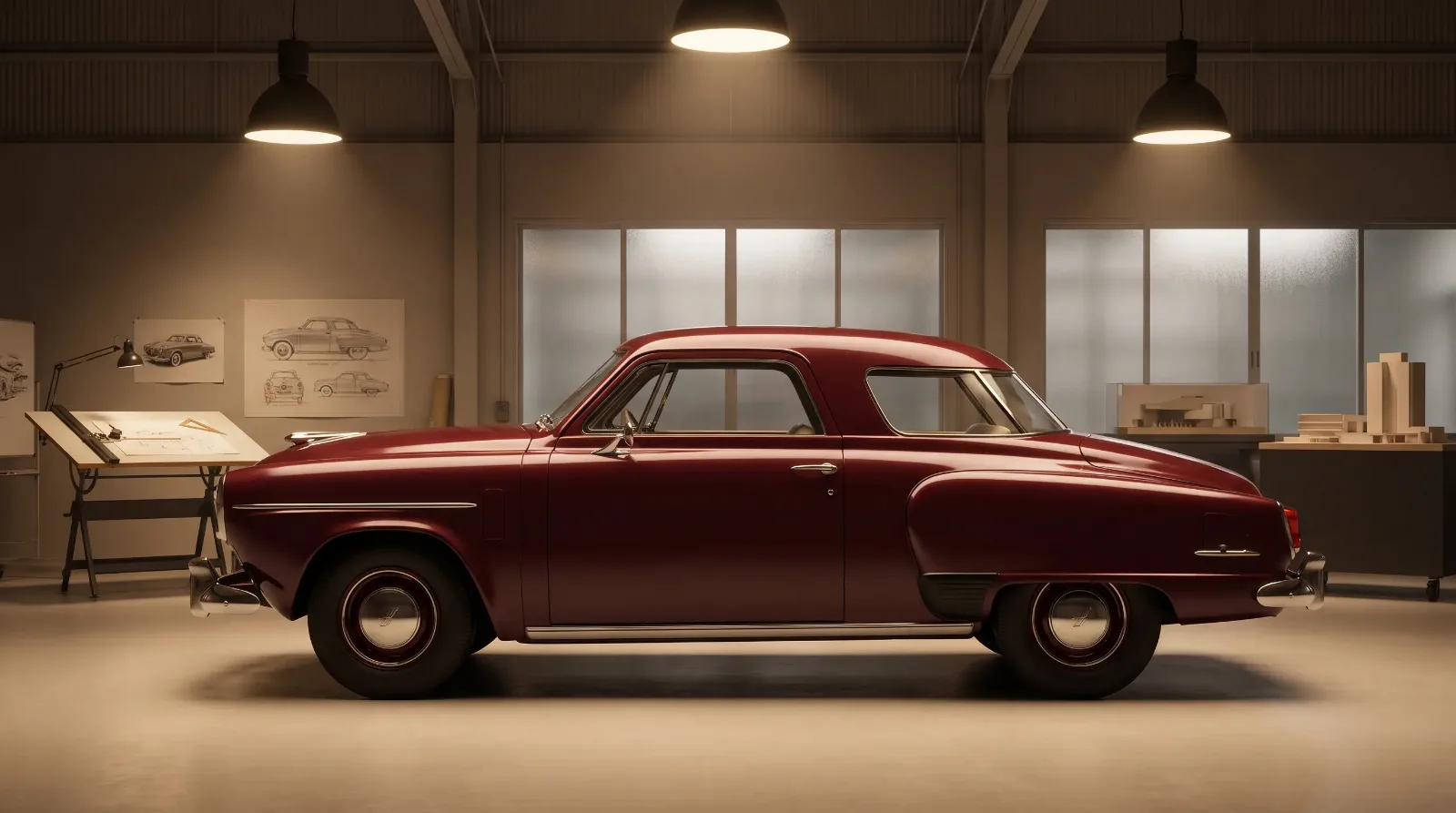
The Great 1948 Design Shift: Goodbye Pontoon Fenders
Article
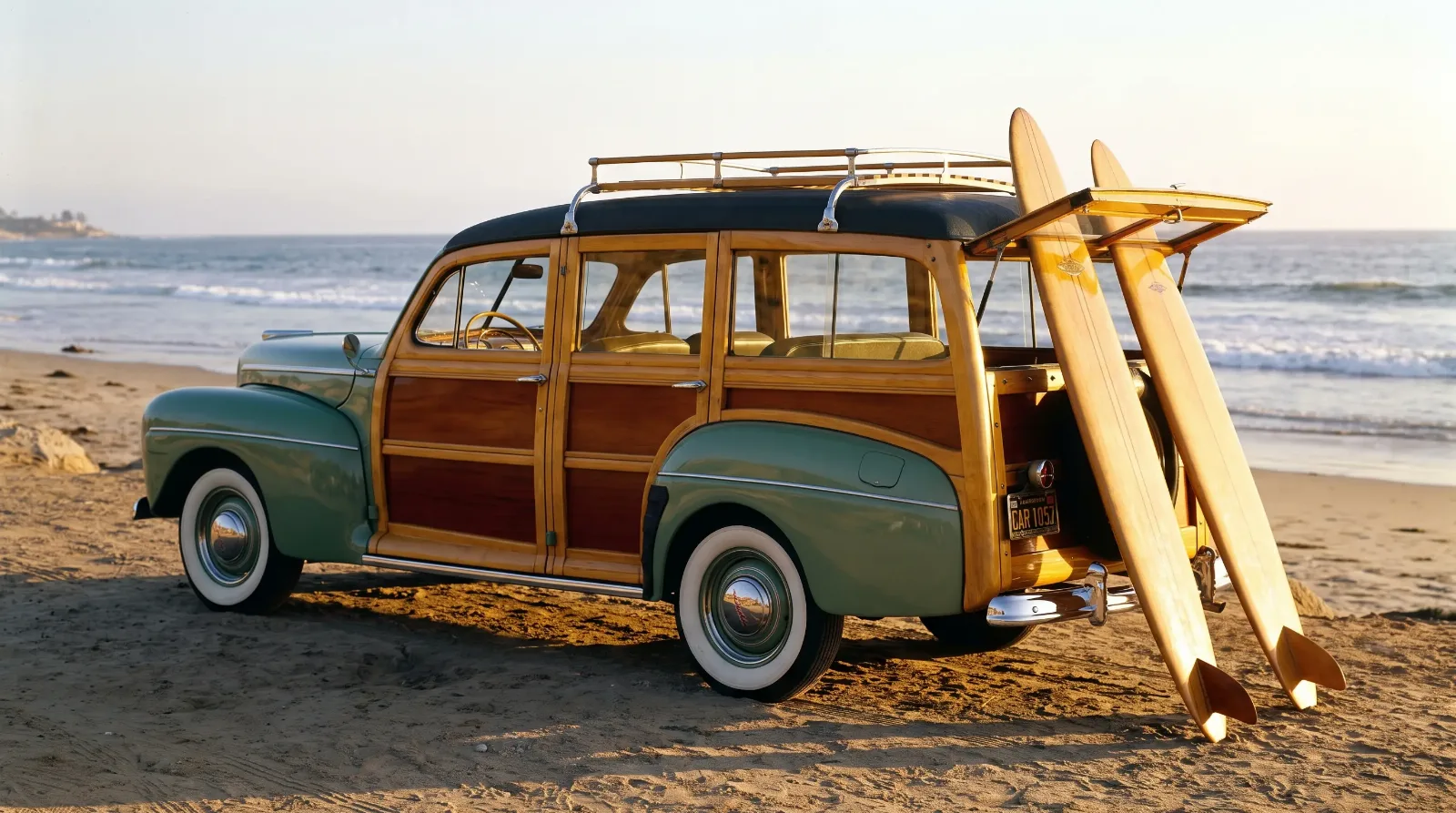
The Post-War Woodie Wagon's Golden Era
Article
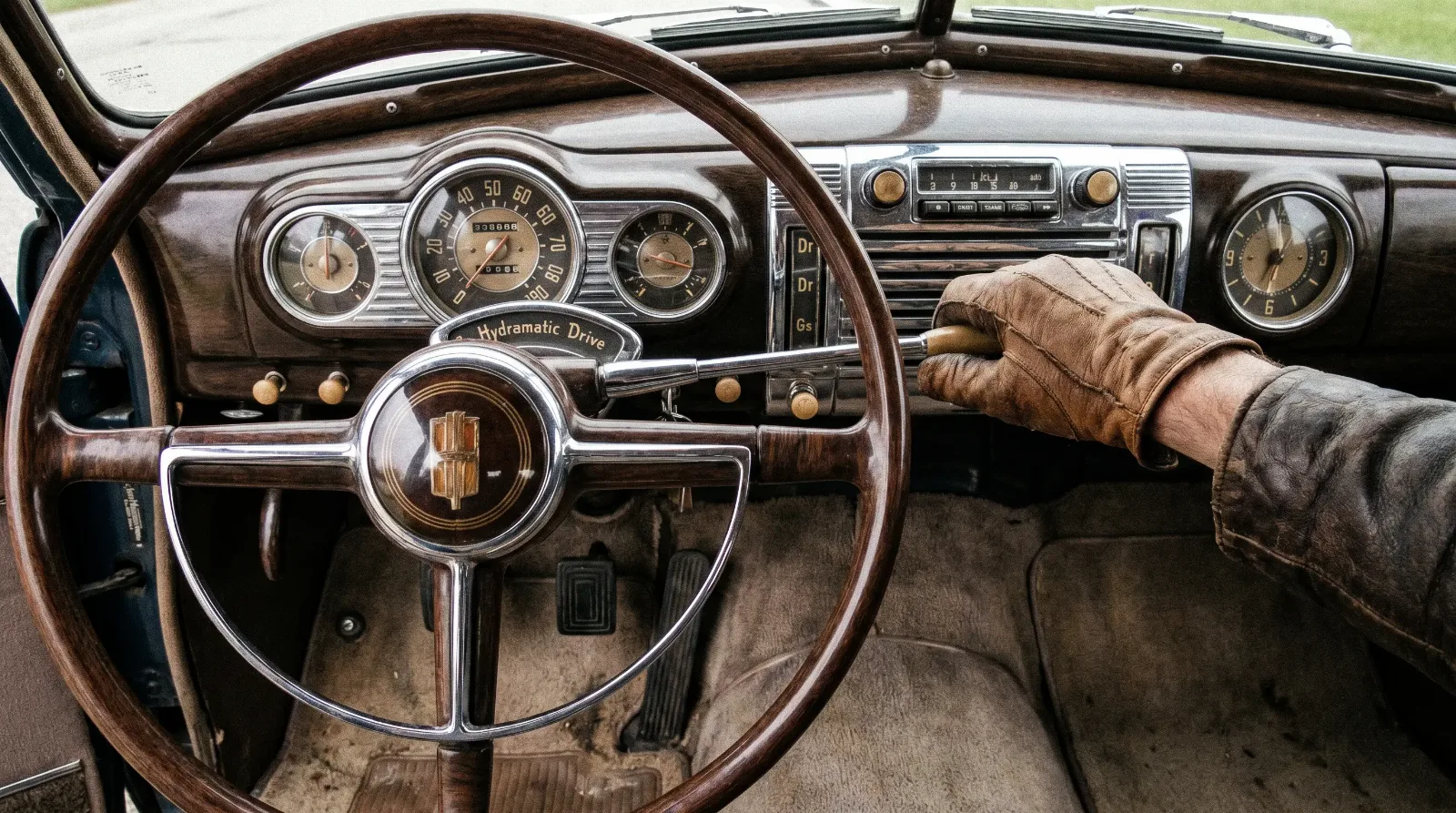
Hydramatic: Early Automatics Conquer the Late 1940s
Article
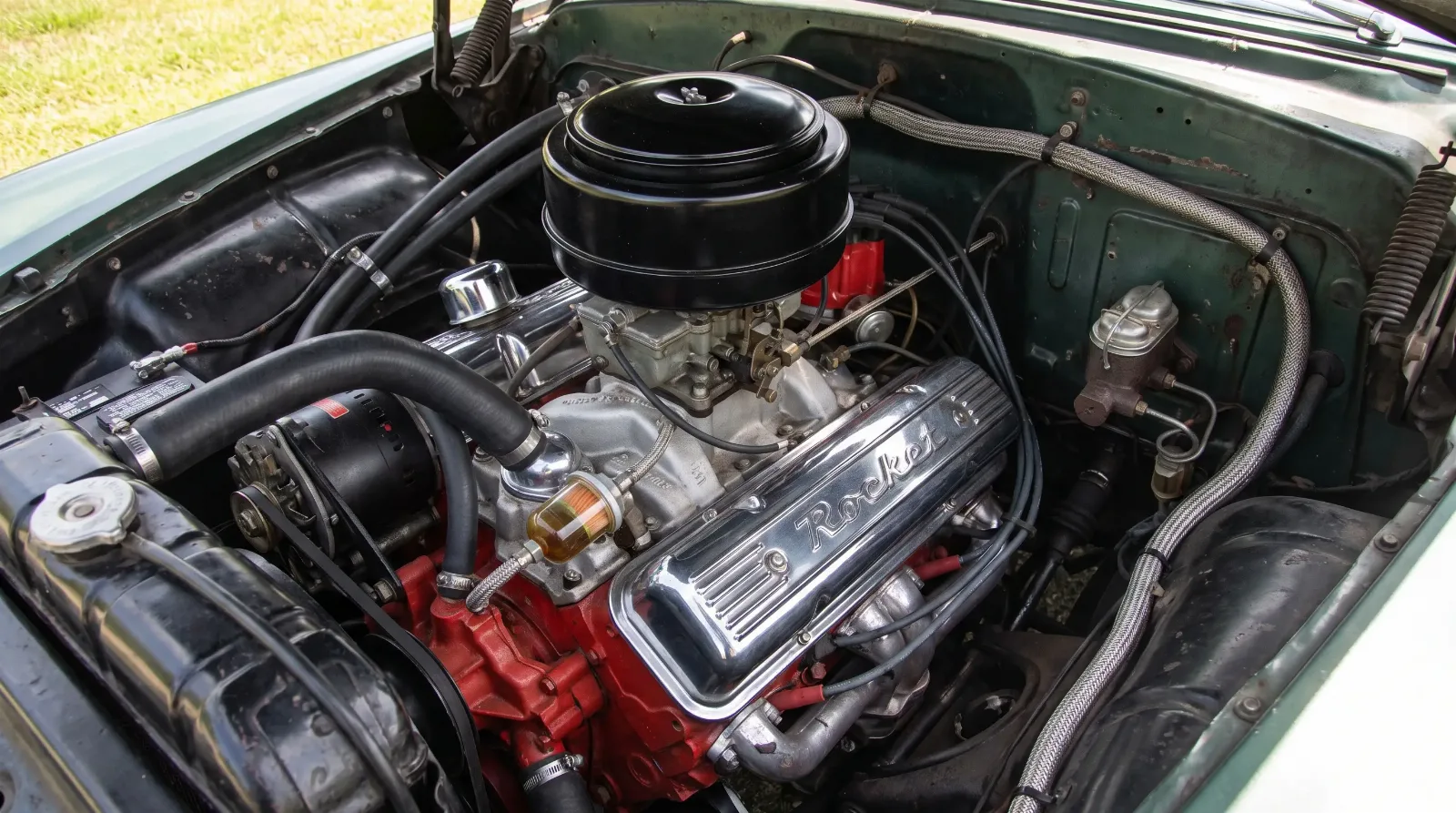
The 1949 OHV V8 Revolution
Article
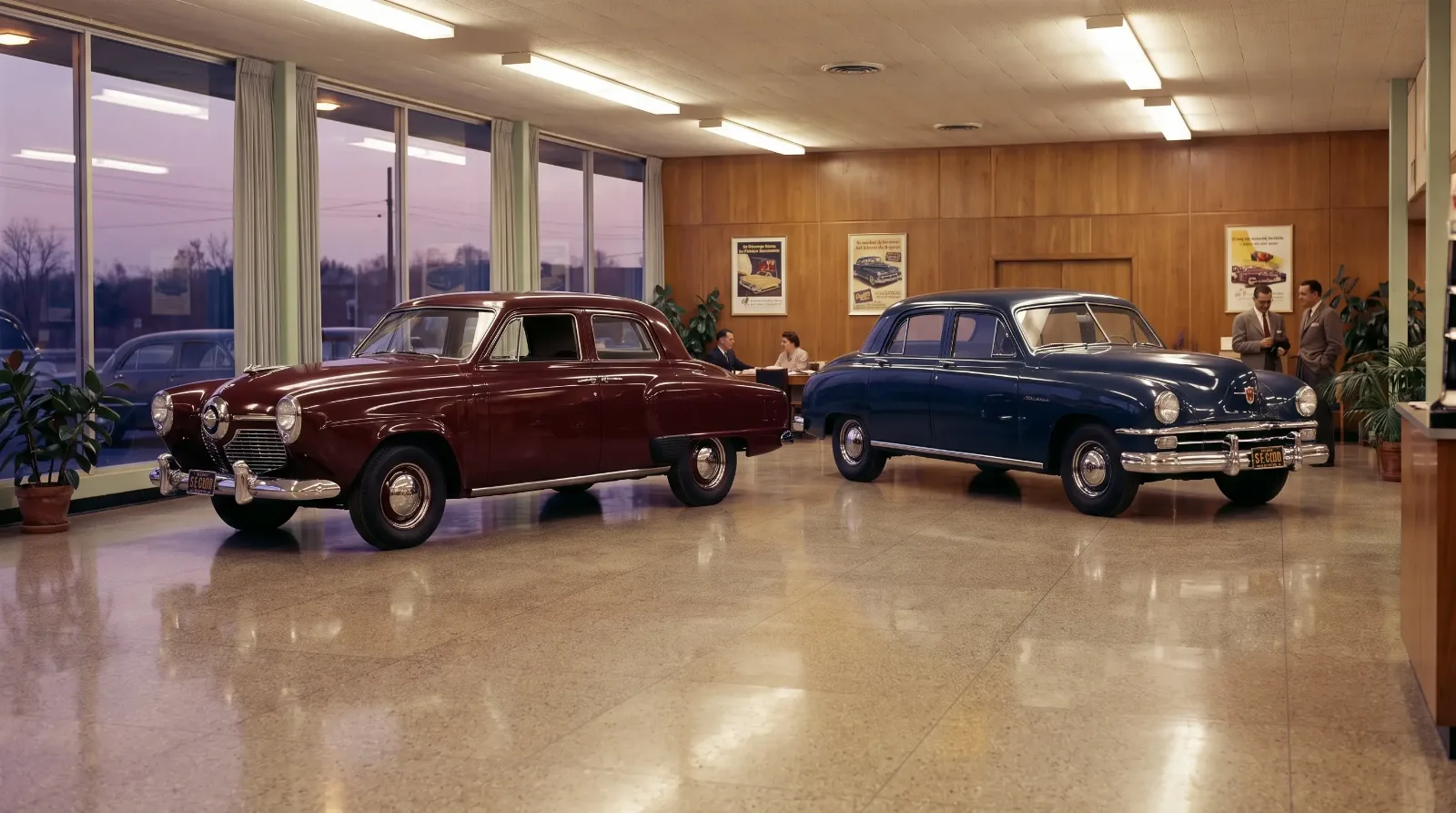
How Post-War Independents Challenged the Big Three
Article
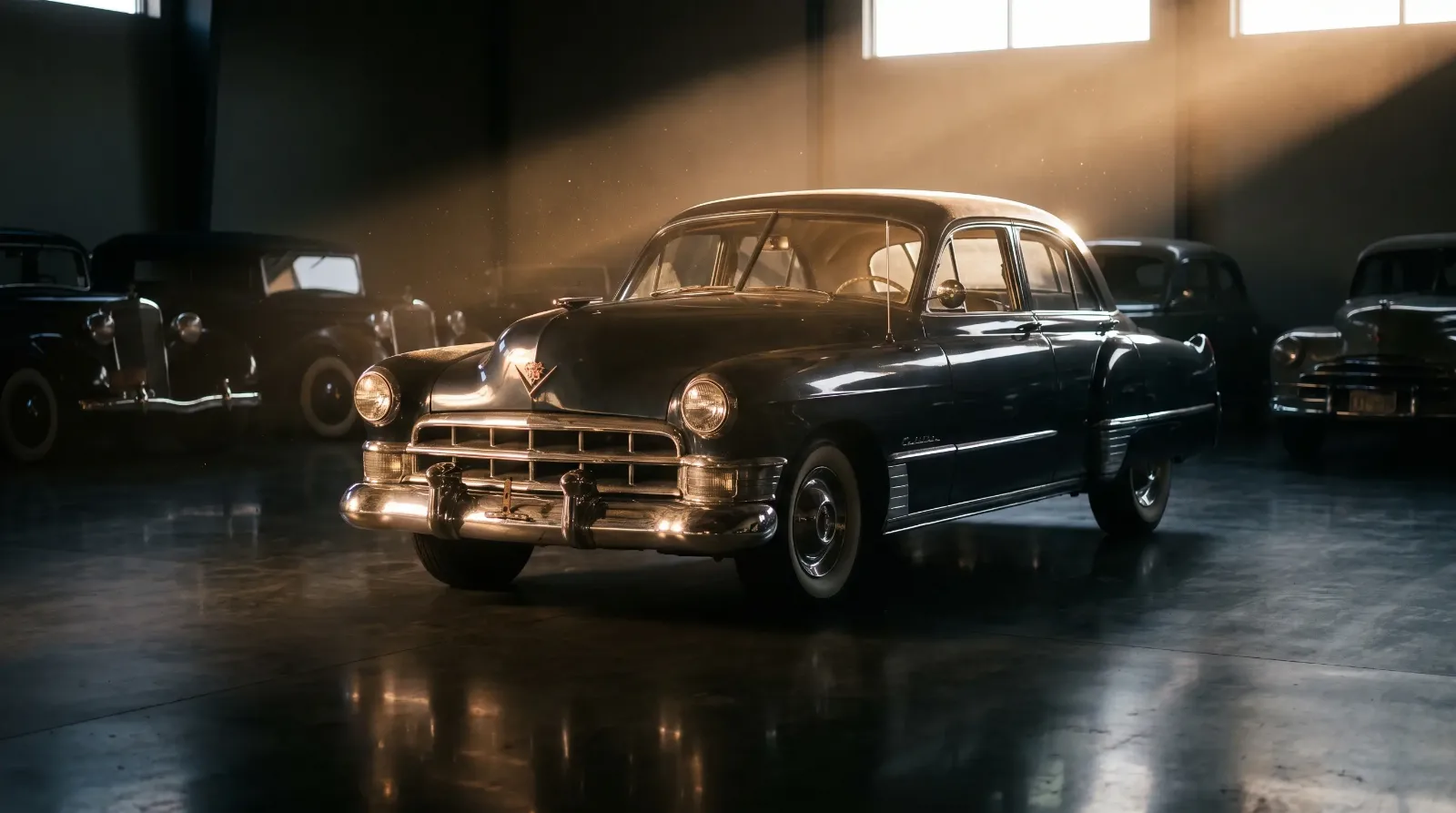
The Most Collectible Late-1940s Cars
Article
Luxury Cruisers of the Late 1940s
Article
Post-War Custom Hot Rodding Is Born
Article
The Rare Early-1940s Cars Worth Chasing
Article
Why 1949 Marked the Birth of Modern Car Design
Article
The First European Sports Cars Imported Post-War
Article
Pre-War vs Post-War Cars: The Great Divide
Have a
Classic Car
for Sale?
Reach thousands of serious classic car collectors across the US.
Sell It Here →
Are You a Classic Car Dealer?
List your full inventory and connect with targeted classic car buyers.
Join as a Dealer →
#automotive history
#pre-war classics
#classic cars 1940s
#wartime production
#post-war revival
#1946 cars

About the author
Nora Beckett
Automotive features writer and photographer who tells the human stories behind the cars, from show fields to cross-country road trips.




Comments
Be the first to comment on this article.