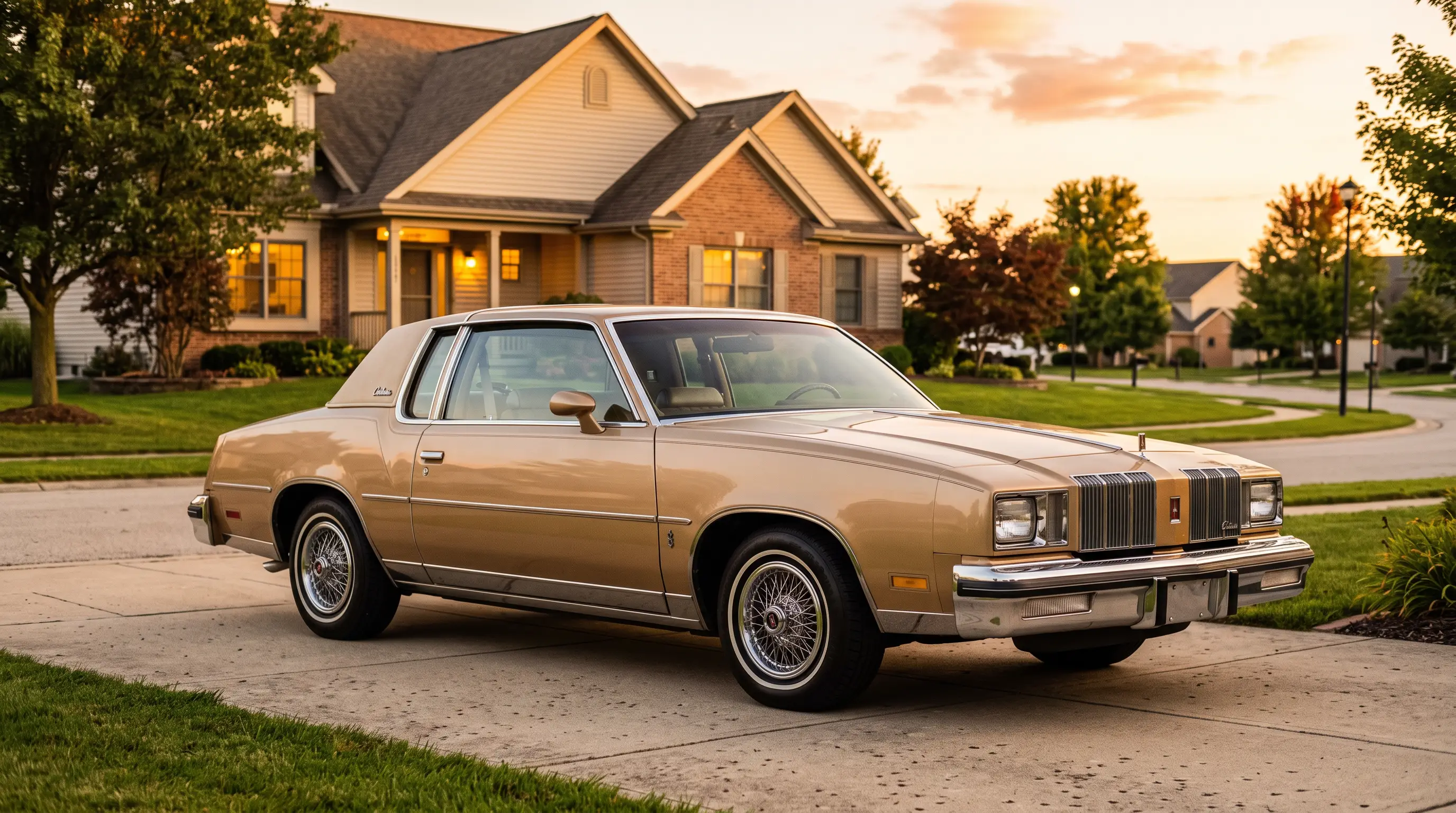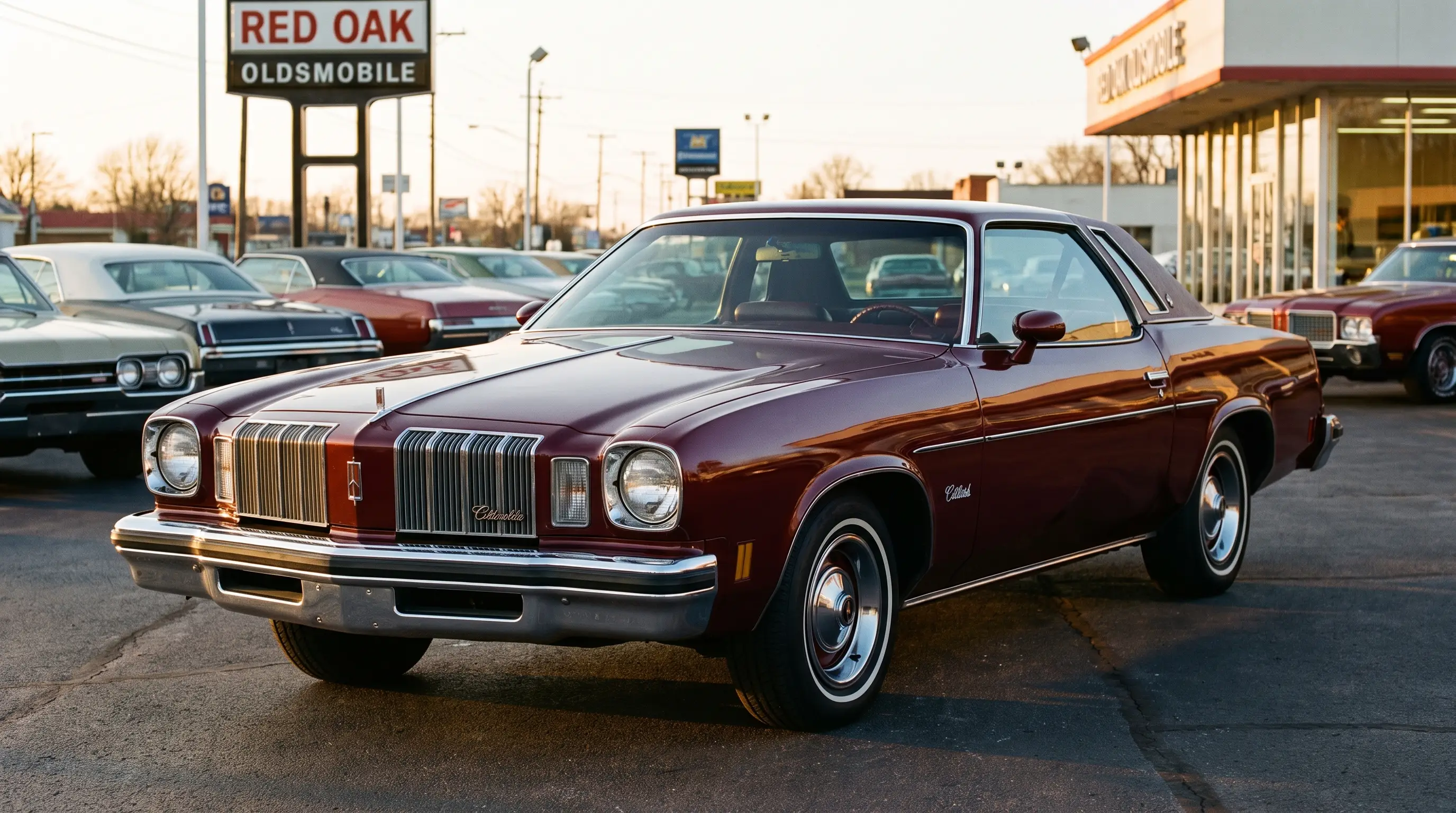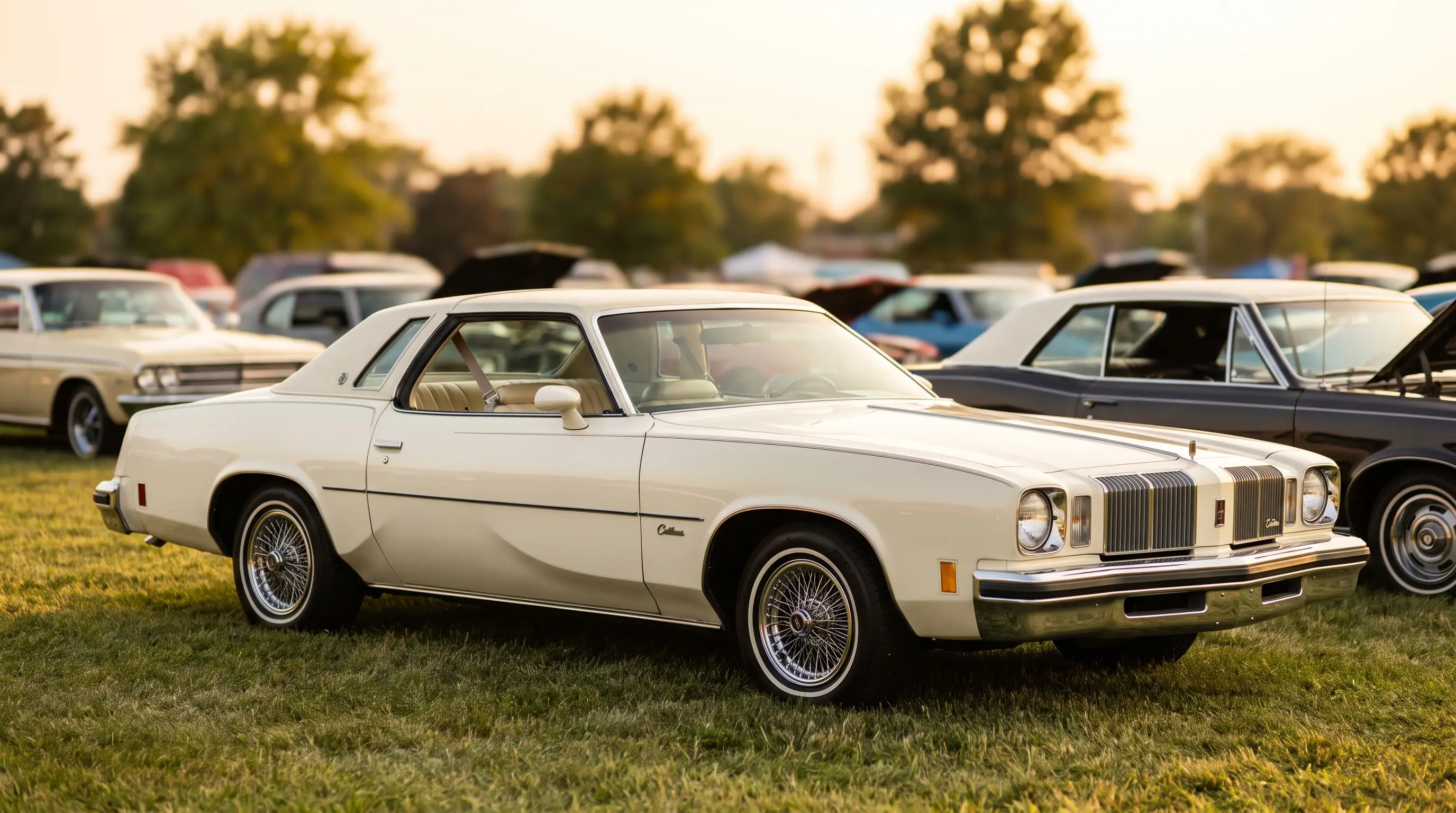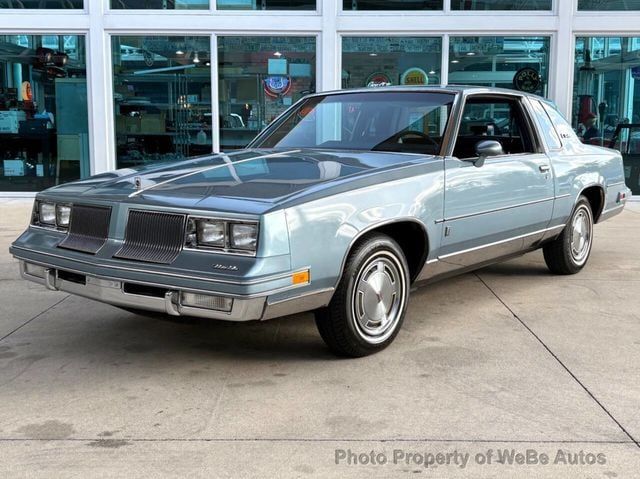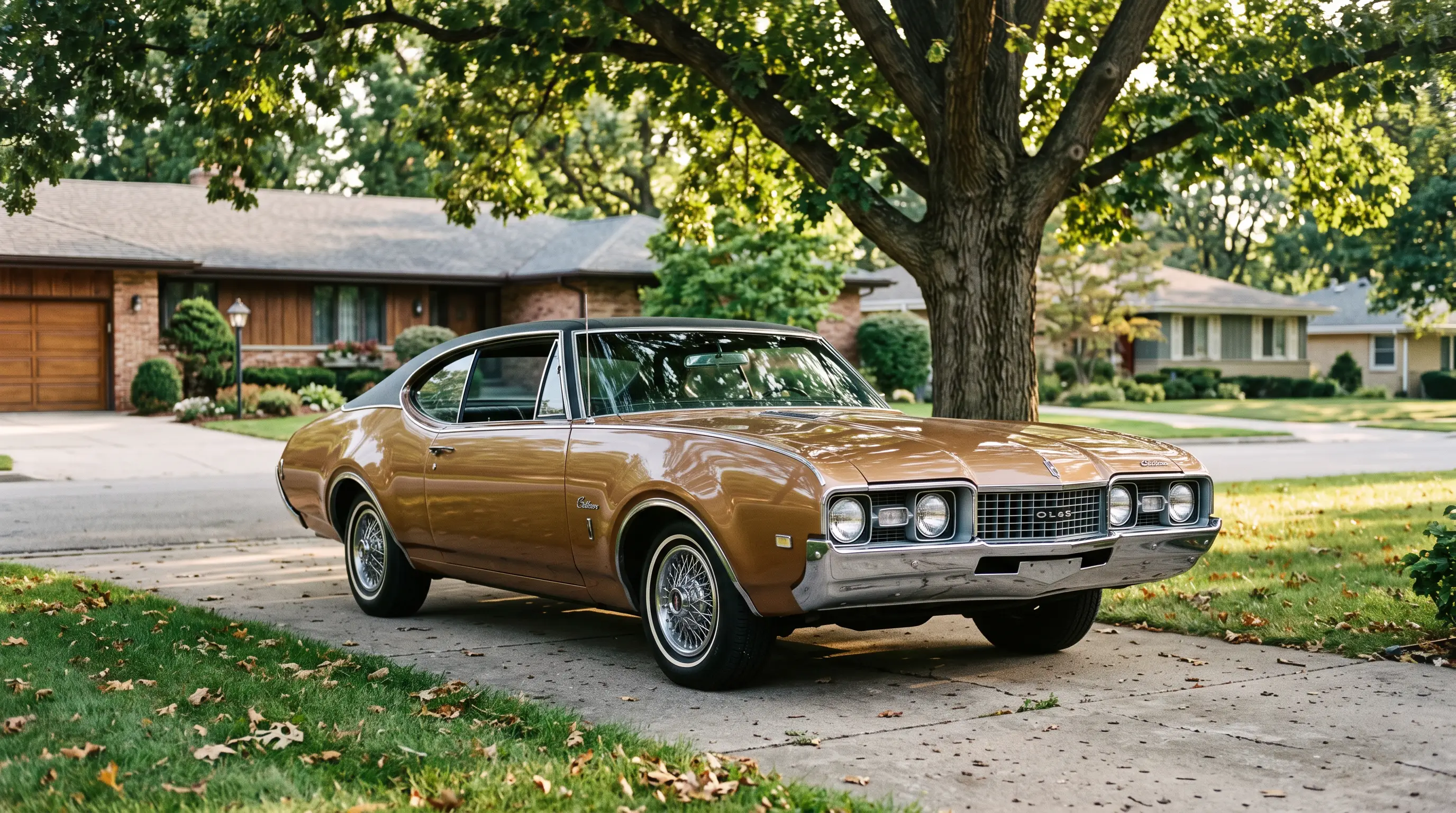
A woman once brought her late father's Cutlass Supreme to a small local show, proud of the fresh paint job she had paid for as a surprise restoration gift to herself. An older man walked around it twice, complimented the finish, then gently asked whether she had checked the color against the cowl tag before choosing the shade. She had not. The car had left the factory in a warm champagne, and the shop had painted it a cooler, more modern gold that looked close enough to fool almost anyone except someone who had spent decades looking at exactly this generation of Oldsmobile. She was not upset. She just had not known there was a difference worth knowing.
That is the quiet lesson buried in cutlass supreme colors. They were never just a preference at the dealership. They were a documented, coded piece of the car's identity, and getting one wrong changes the story a car tells for the rest of its life.
Color as a factory-coded fact, not a guess
Every Cutlass Supreme left the assembly line with a paint code stamped onto its body tag, tying that specific car to an exact shade in Oldsmobile's yearly color chart. The name printed in a sales brochure, something evocative like a warm bronze or a deep burgundy, always maps back to a plain alphanumeric code on the tag, and it is that code, not the pretty name, that actually confirms what color the car was supposed to be. A repaint in a close approximation of the original shade can fool a casual look, but it rarely survives a side-by-side comparison with the correct factory chip.
This distinction matters more for the Supreme than it might for a plainer Cutlass sedan, because so much of the Supreme's appeal was always visual. A buyer choosing between a Brougham in the right two-tone combination and one wearing a plausible but incorrect repaint is choosing between a car that matches its own history and one that only sort of does.
The palette across a long production run
Because the Cutlass Supreme stayed in production across nearly two decades and two distinct platforms, its color offerings changed nearly every model year, the way most manufacturers refreshed their charts annually. A shade popular in the mid-1970s Colonnade years might disappear entirely by the early G-body cars, replaced by something with a similar tone but a different official name and code. Anyone researching a specific car needs to check the correct year's chart rather than assuming a shade ran continuously across the whole Supreme lineage. GM's Fisher Body trim tag format backs this up directly: the tag's paint fields recorded a numeric lower-body code and a second code for the upper body or vinyl roof, and those code assignments were reissued year to year rather than held constant, so the same two-digit code could mean a different shade in a different model year.
Interior colors followed their own logic, often restricted to specific exterior pairings that Oldsmobile's design department considered acceptable combinations. A gold exterior might only be offered with a handful of approved interior shades, and a car presented with a combination that does not appear in any factory chart for its model year is worth a second, more careful look before any money changes hands.
| Color element | Where it is documented | Buyer note |
|---|---|---|
| Exterior body color | Cowl or body tag paint code | Cross-reference against the correct model year, not a general chart |
| Vinyl or landau roof color | Separate code, tied to specific body colors | Only certain roof shades were offered per exterior |
| Interior trim color | Trim code on the same tag | Restricted pairings existed by design, not by accident |
The landau roof and two-tone combinations
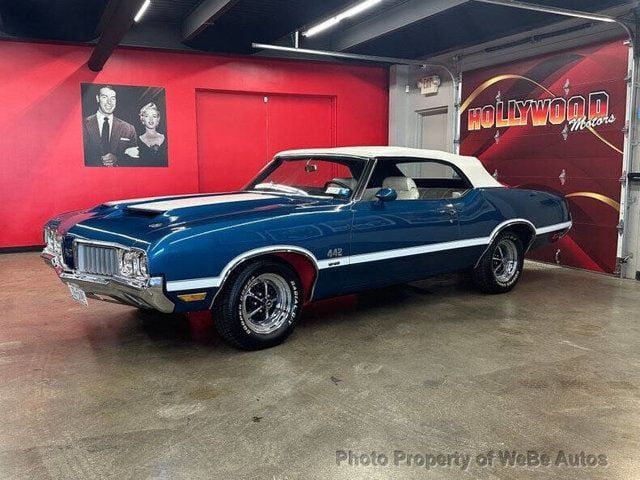
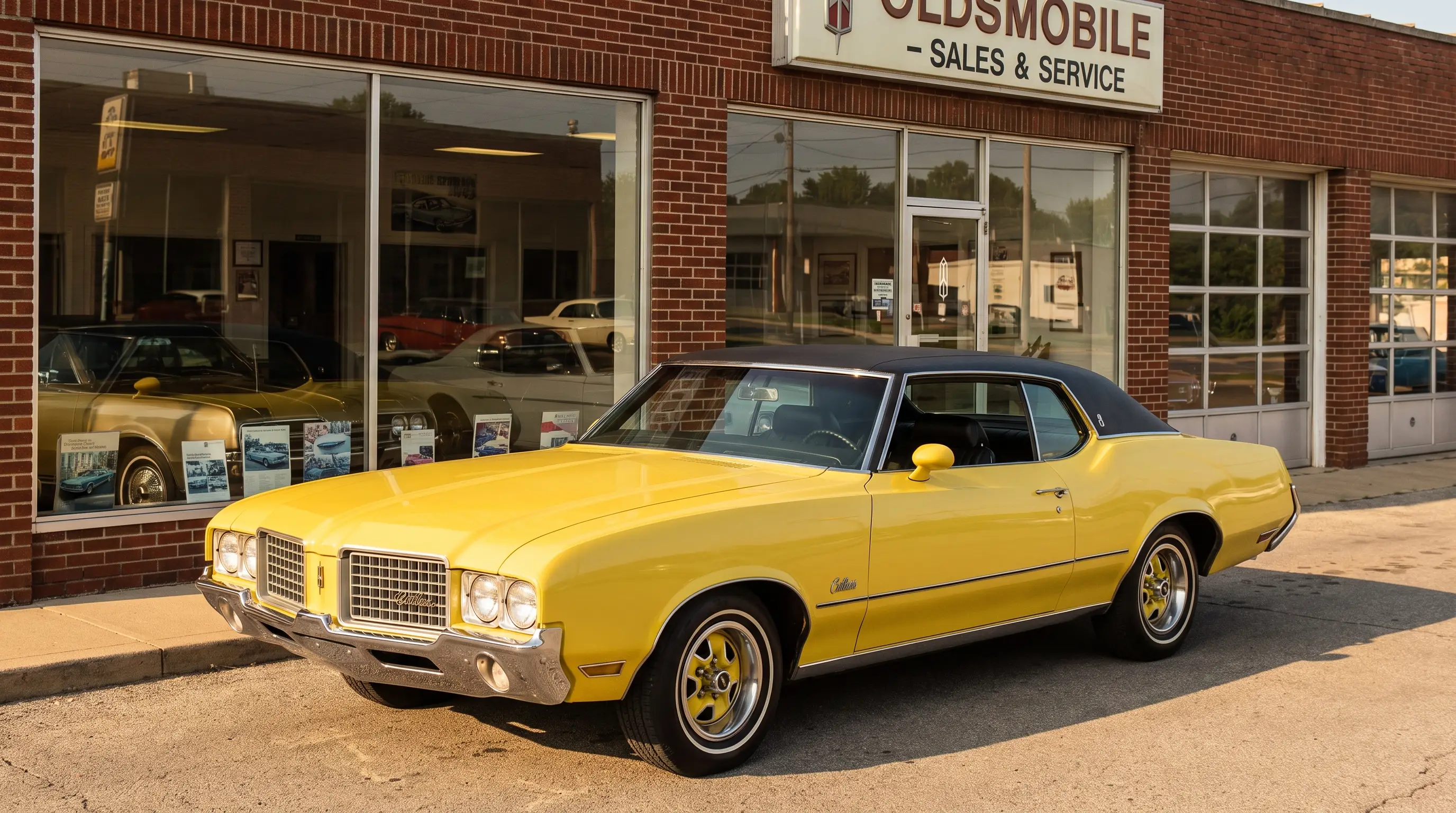
The Supreme's signature landau half vinyl roof added its own layer of color documentation on top of the body paint. Oldsmobile restricted the vinyl roof to a limited set of shades meant to complement rather than clash with the body color underneath, so a car wearing a roof color outside that approved list, or a two-tone lower-body treatment that does not correspond to any documented factory combination, raises a fair question about whether the car left the factory looking the way it does now.
Reproduction vinyl top material has gotten good enough over the years to closely match original shades, which is a genuine convenience for restorers but also means color alone is no longer sufficient proof of originality. A buyer needs the tag codes behind the color, not just an eyeball match under showroom lighting, to actually confirm a car is wearing its original scheme.
"A color that looks close is not the same thing as a color that is correct. I have seen a perfectly nice repaint lose real money at sale time simply because the shade was a shade off from what the tag actually said."
— Nora Beckett
Reading the tag before believing the listing
Anyone shopping for a Supreme based on how it looks in photographs should ask for a clear picture of the body tag before assuming a listing's color description is accurate. Sellers writing their own ads often describe a shade from memory or from a general sense of what looks right, rather than pulling the actual factory code, and that gap between description and documentation is where honest confusion and outright misrepresentation start to look identical from the outside.
Color research like this is really an extension of the same documentation habit that runs through the whole Supreme story, and it connects directly back to the Supreme chapter as a whole, since so much of what made this car desirable in the first place was exactly what it looked like sitting in a driveway. For the fuller arc of how the nameplate got to this point, how the Cutlass legend began is worth reading alongside this piece, and another angle on the car's lasting reputation rounds out the picture. For buyers ready to see the right shade in person, there is almost always a classic Cutlass Supreme for sale waiting to be checked against its own tag.