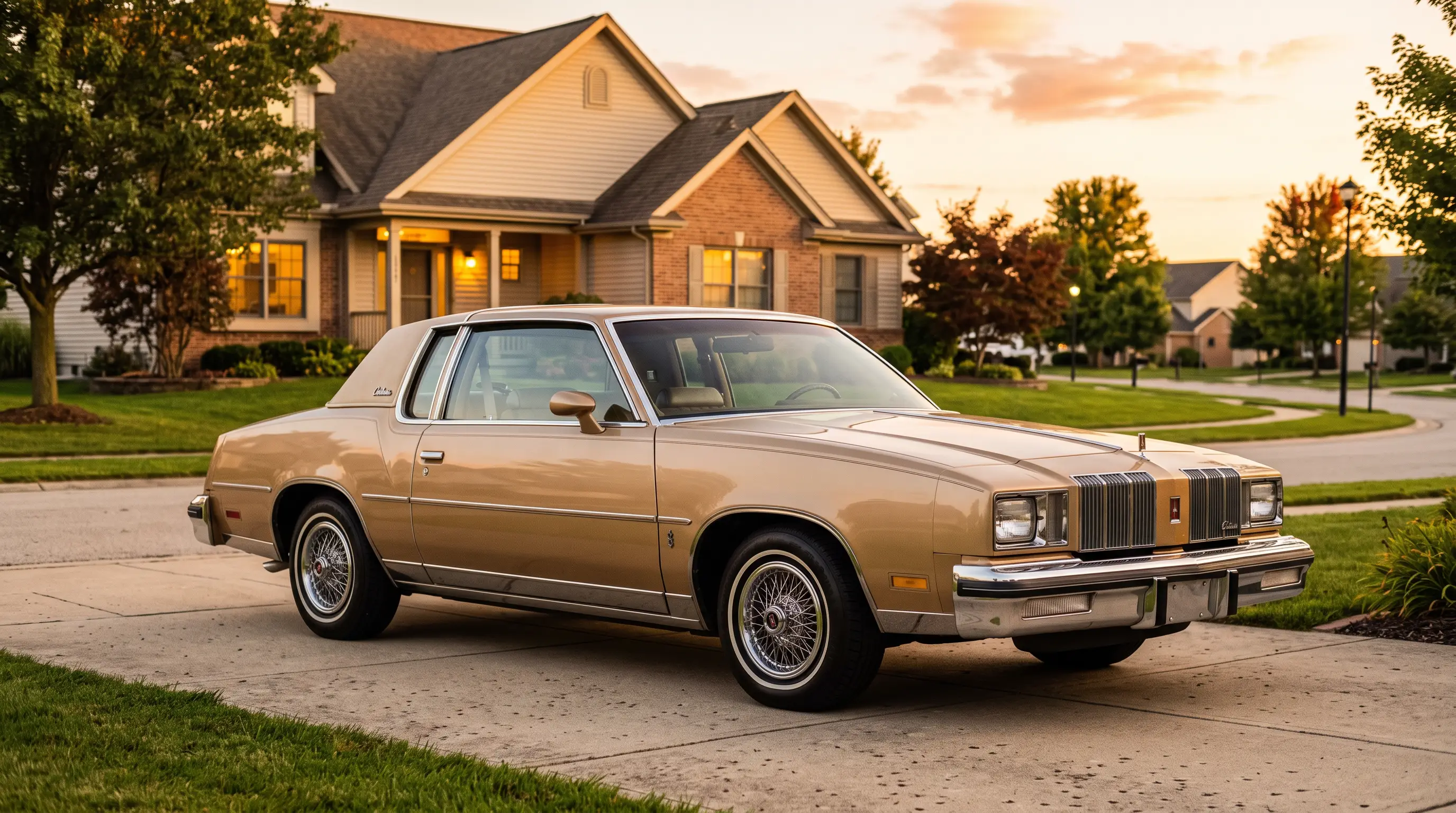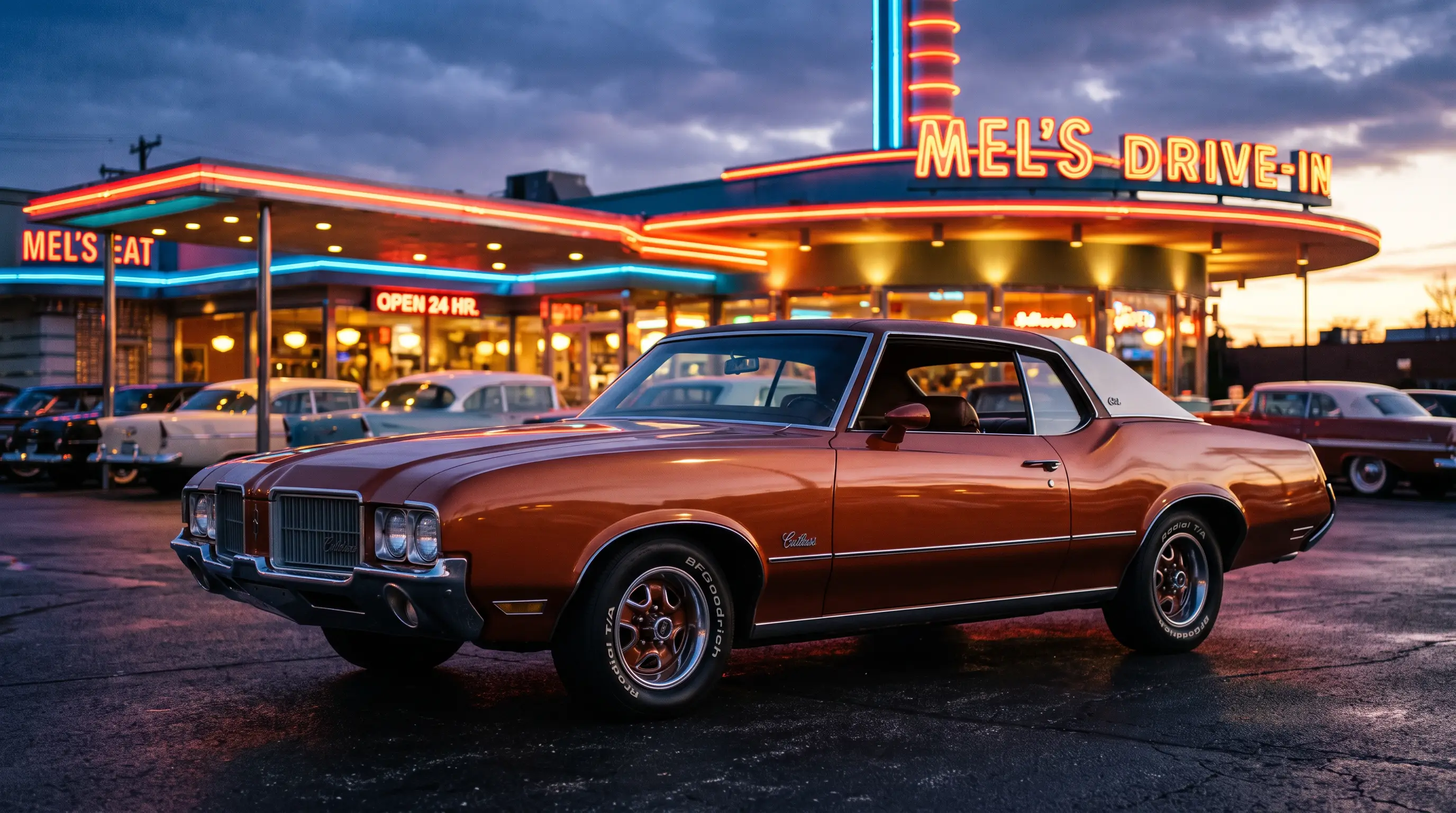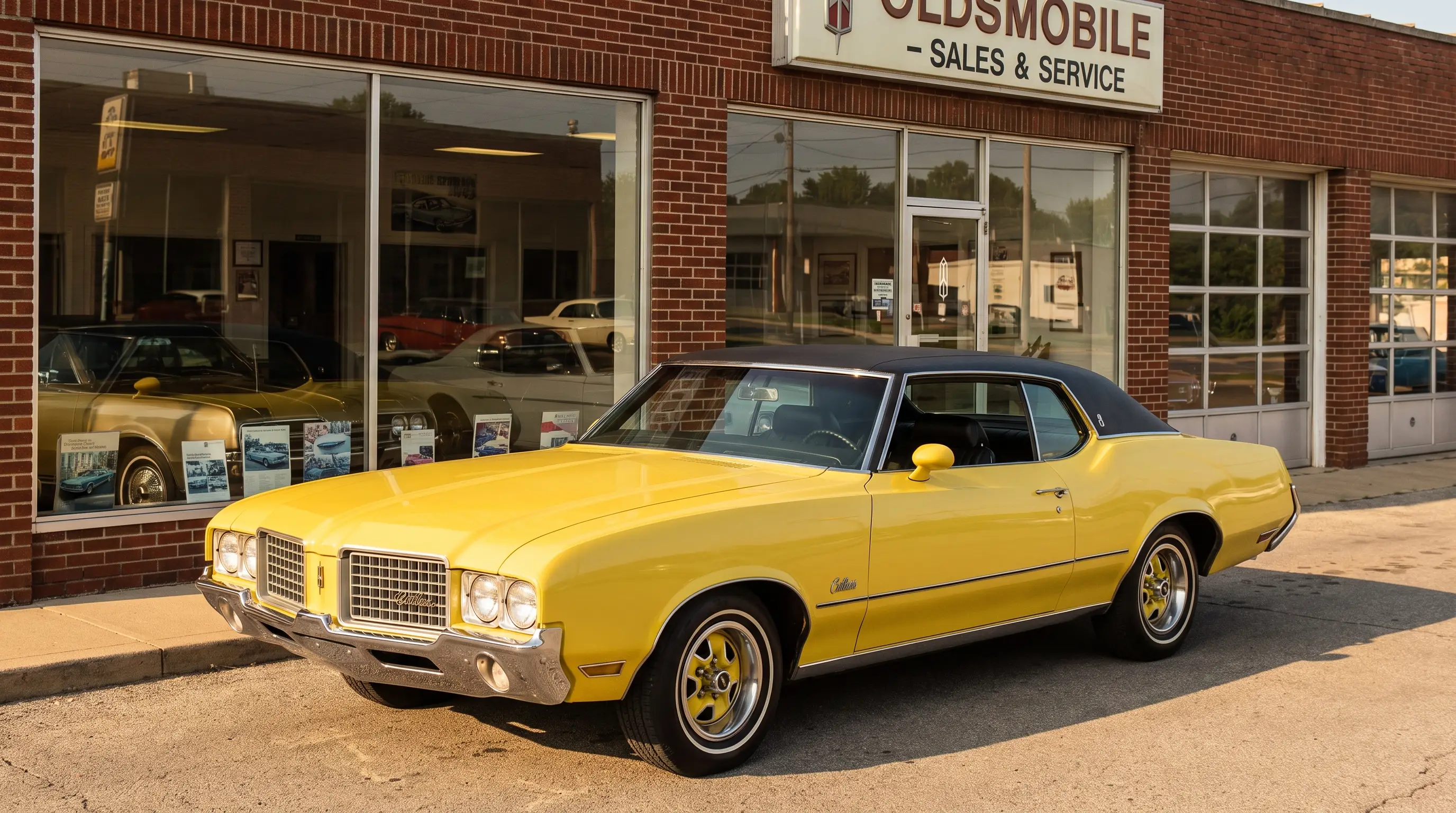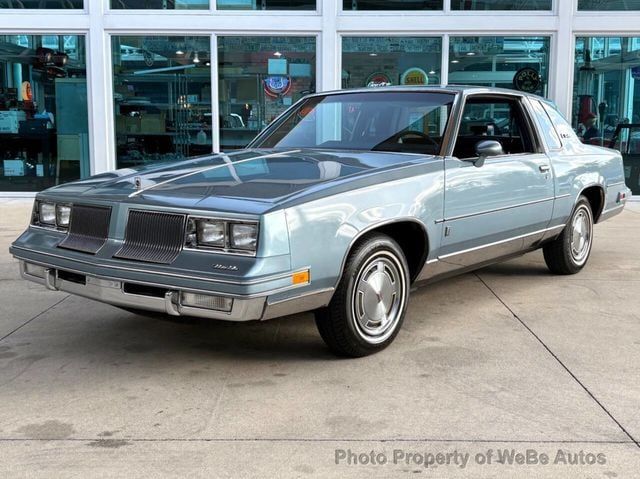
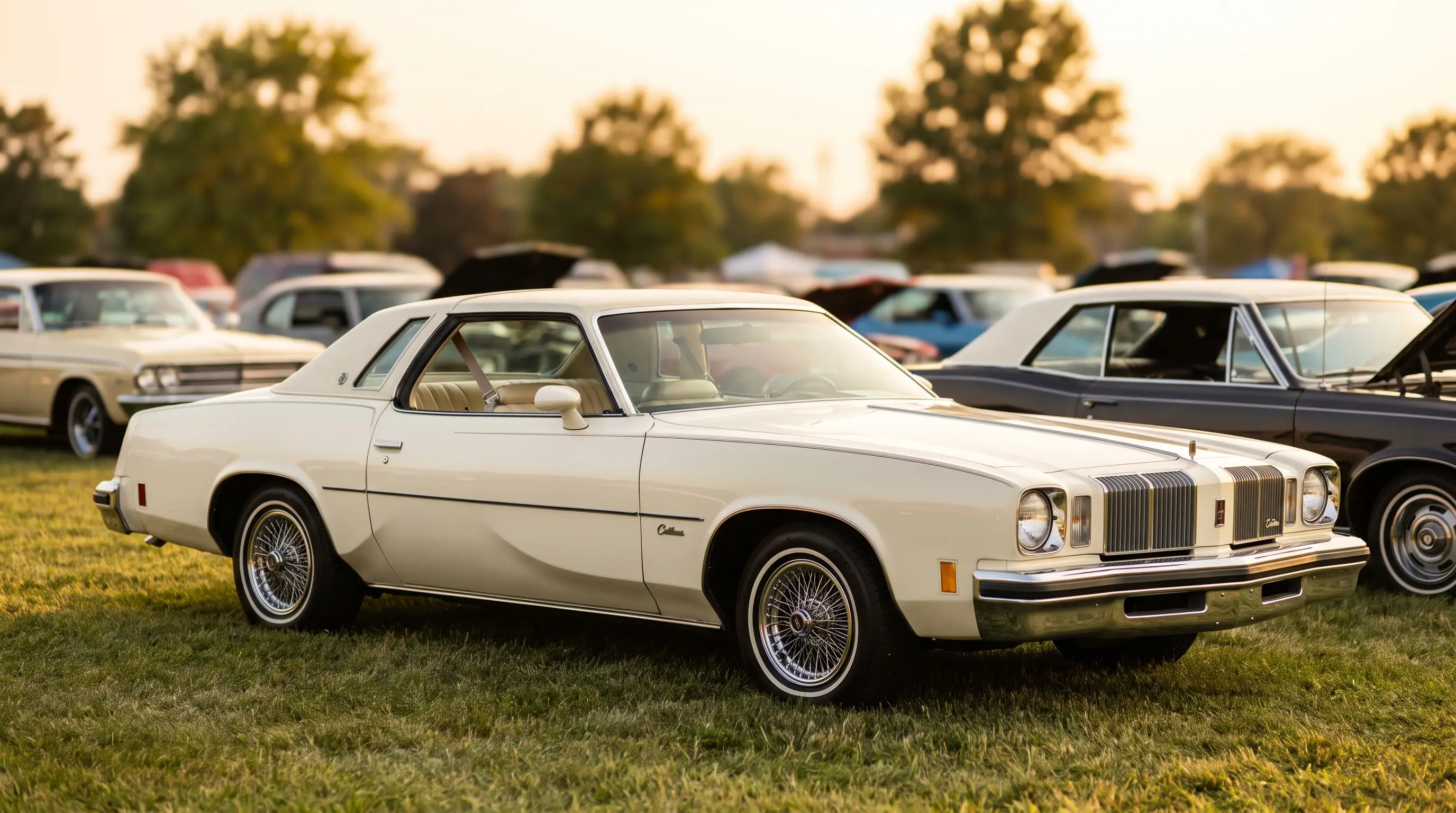
Ask anyone who grew up in an American driveway between 1976 and 1988 what car sat in it, and there is a decent chance the answer is an Oldsmobile Cutlass Supreme. Not the base Cutlass. Not the wagon. The Supreme, with its formal roofline and its quiet insistence that a family car could also look like something. The cutlass supreme legacy is really the story of how one trim level became the best-selling nameplate in the country, and how it did that without ever chasing a stoplight.
That is the part people forget now that the muscle car years get all the ink. The Cutlass Supreme did not win on quarter-mile times. It won in showrooms, in company parking lots, in the driveways of people who wanted something a little nicer than a Malibu but were not ready to write a Cadillac-sized check.
A trim level that outgrew its parent
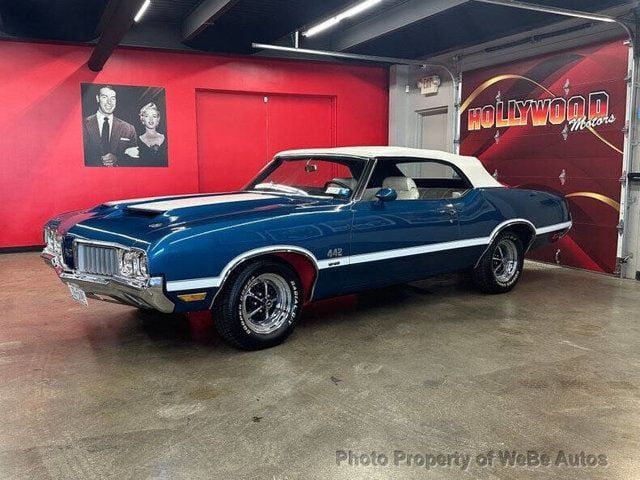
The Supreme name showed up in 1966 as the top of the Cutlass line, a way to dress up Oldsmobile's mid-size car with better trim and a plusher cabin. For the first few years it behaved like every other upscale trim package of the era: a notch above standard, a notch below anything you would call a flagship. Then the Colonnade generation arrived for 1973, and something shifted. The Cutlass Supreme coupe, with its formal opera windows and its wide, confident stance, started outselling cars that Oldsmobile executives had assumed would always outsell it.
By the middle of the decade, Oldsmobile was building Cutlass Supremes faster than dealers could unload them, and the car had become the default answer to a question a lot of American buyers were asking: what do I drive if I want something substantial, comfortable, and a little bit handsome, without spending luxury money. The Cutlass line first claimed the title of best-selling car in America in 1976, and it kept that crown in most years through 1983. The timing mattered too. Personal luxury coupes were having a moment, and the Cutlass Supreme sat right at the center of that moment, more accessible than a Grand Prix, more American than a Thunderbird.
The G-body years made it a shape people still recognize
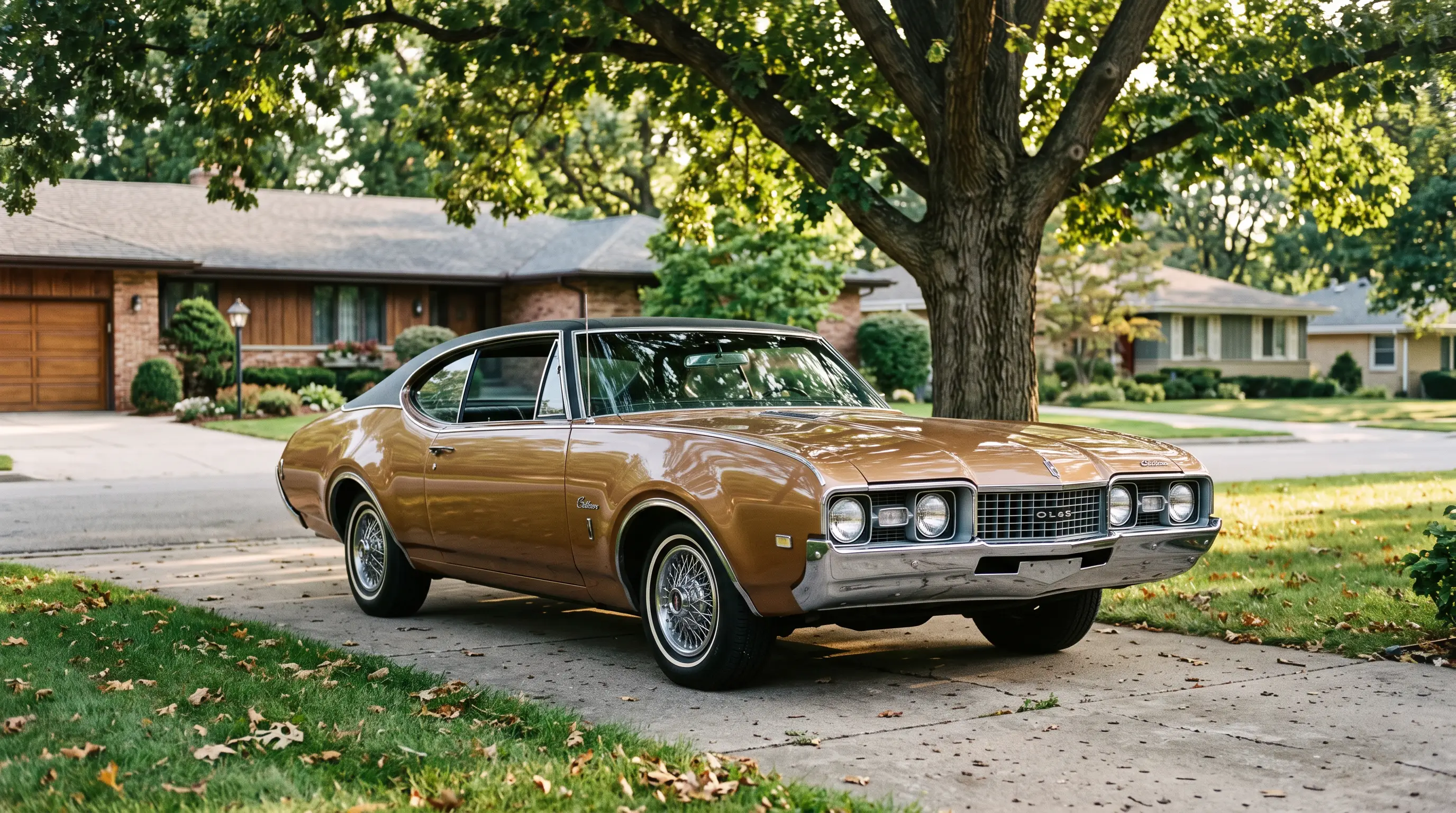
When Oldsmobile downsized the Cutlass for 1978, the Supreme coupe got the boxy, upright G-body silhouette that a lot of enthusiasts now consider the definitive Cutlass shape. Squared-off fenders, a formal roofline, a hood ornament doing more emotional work than it had any right to. It looked like a smaller Cadillac, and for a lot of buyers that was exactly the point.
This is also the generation where the Cutlass Supreme's sales numbers became almost absurd for a single nameplate. Oldsmobile was moving hundreds of thousands of these a year at the model's peak, with the Cutlass line topping 600,000 units in 1977 alone, and for most years between 1976 and 1983 the Cutlass, anchored by the Supreme, was reportedly the single best-selling car in the United States, full stop, not just in its class. That is a strange thing to say about a mid-size coupe with a base V6, but it happened, and it happened because the car threaded a needle almost nothing else on the market managed: it felt special without feeling risky.
| Generation | Years | Body style | Character |
|---|---|---|---|
| First Cutlass Supreme trim | 1966 to 1972 | Coupe, sedan, convertible | Upscale trim on the standard Cutlass |
| Colonnade | 1973 to 1977 | Coupe | Formal roofline, rising sales momentum |
| Downsized G-body | 1978 to 1988 | Coupe (later sedan) | Peak sales years, defining silhouette |
| Front-drive W-body | 1988 to 1997 | Coupe, sedan | Modernized, aero-influenced, quieter legacy |
Read the full history of the Cutlass Supreme story for the model-year specifics, from engine options to the trim packages that separated a base Supreme from a Brougham or a Salon.
What made buyers choose it over the alternatives
Part of the answer is price. The Cutlass Supreme consistently undercut its closest rivals while offering a similar visual formula, formal roof, generous chrome, a cabin that looked like it belonged to something more expensive than it was. Part of the answer is dealer network. Oldsmobile had a strong, established dealer presence across the Midwest and beyond, and the Supreme was the car those dealers could put in front of a buyer without a hard sell.
But the bigger part of the answer is that Oldsmobile understood its customer better than people give it credit for. The Cutlass Supreme buyer in 1979 was not cross-shopping a Camaro. They were cross-shopping a Buick Regal, maybe a Monte Carlo, maybe a slightly nicer trim of their current car. Against that field, the Supreme's combination of style, comfort, and price did not just compete. It usually won.
"Everybody talks about the muscle Cutlass, the 442, the W-30. Fine cars, real history. But if you want to understand why Oldsmobile mattered to an entire generation of American families, you look at the Supreme in a driveway in 1980, not on a drag strip. That car sold on its own terms, and it sold better than almost anything else on the road."
— Patrick Walsh
The legacy that outlasted the personal luxury era
Personal luxury coupes fell out of fashion through the late 1980s and into the 1990s, replaced in the public imagination by imported sedans and, eventually, SUVs. The Cutlass Supreme adapted, moving to a front-wheel-drive W-body platform for 1988 and softening its lines into something more aerodynamic and less formal. It sold reasonably well through the early 1990s, but the cultural moment that had made the nameplate a household name had already passed.
What survived is the reputation. Collectors today chase the G-body Cutlass Supreme not because it was fast, but because it represents a specific and largely vanished idea about what an American family car could be: comfortable, handsome, unpretentious, and built in numbers large enough that finding a solid survivor is still realistic on a modest budget. For a deeper look at how that reputation formed decade by decade, a related deep-dive traces the sales climb in more detail.
The cutlass supreme legacy, in the end, is a lesson in how a car earns its place in history. Not always with horsepower. Sometimes just by being the thing a few million families actually chose, year after year, until choosing it became its own kind of tradition.
Sources and notes
- Oldsmobile Cutlass Supreme, Wikipedia
- Oldsmobile Cutlass, Wikipedia
- Oldsmobile Reaches Peak Cutlass: The 1977 Cutlass Supreme, Mac's Motor City Garage
- USA 1980: Oldsmobile Cutlass Reigns Supreme, or Chevy Citation?, Best Selling Cars Blog
- Pick of the Day: When the Olds Cutlass Was America's Best-Selling Car, ClassicCars.com Journal
- Oldsmobile Cutlass Model Guide, Outright Oldsmobile