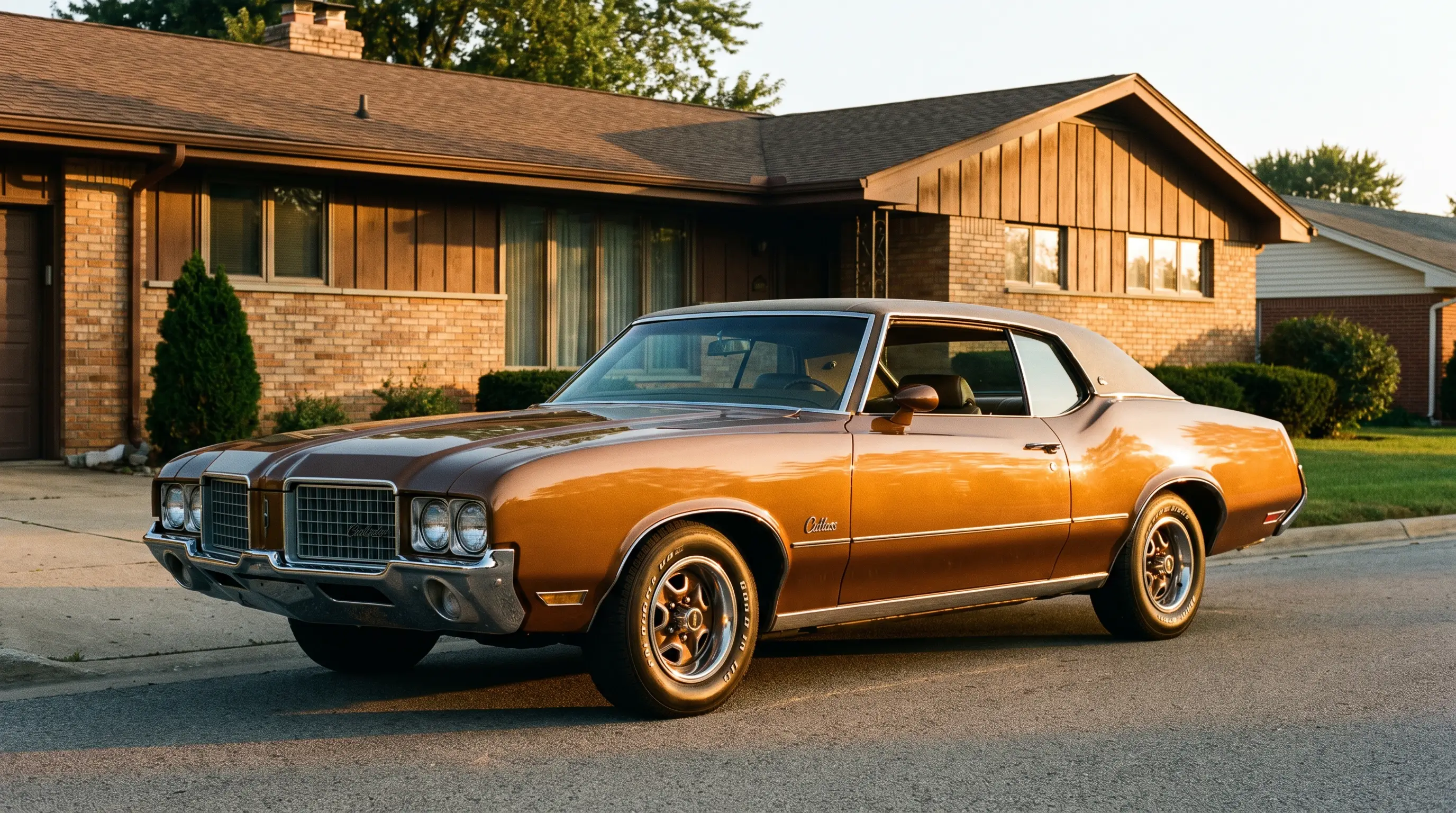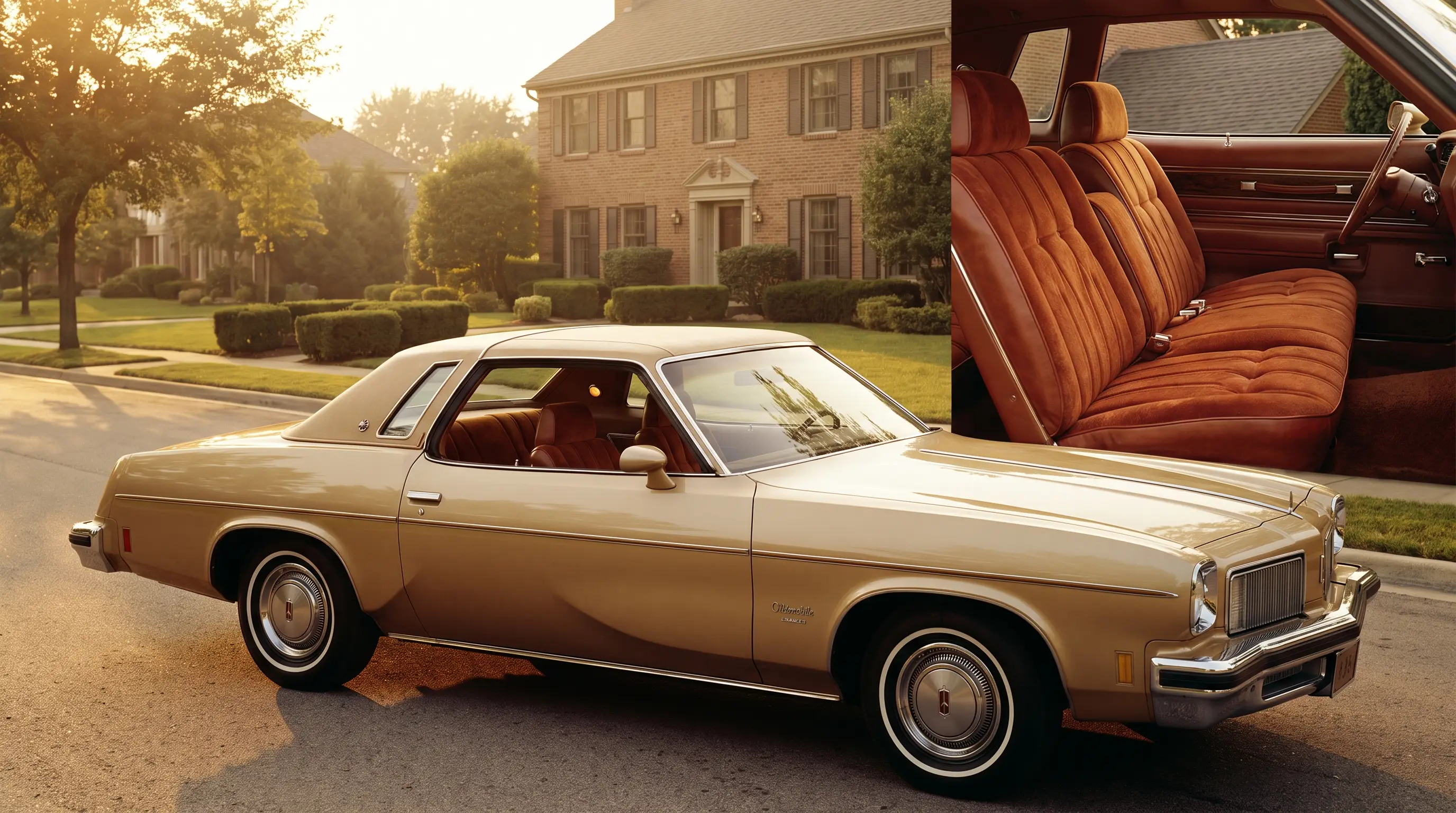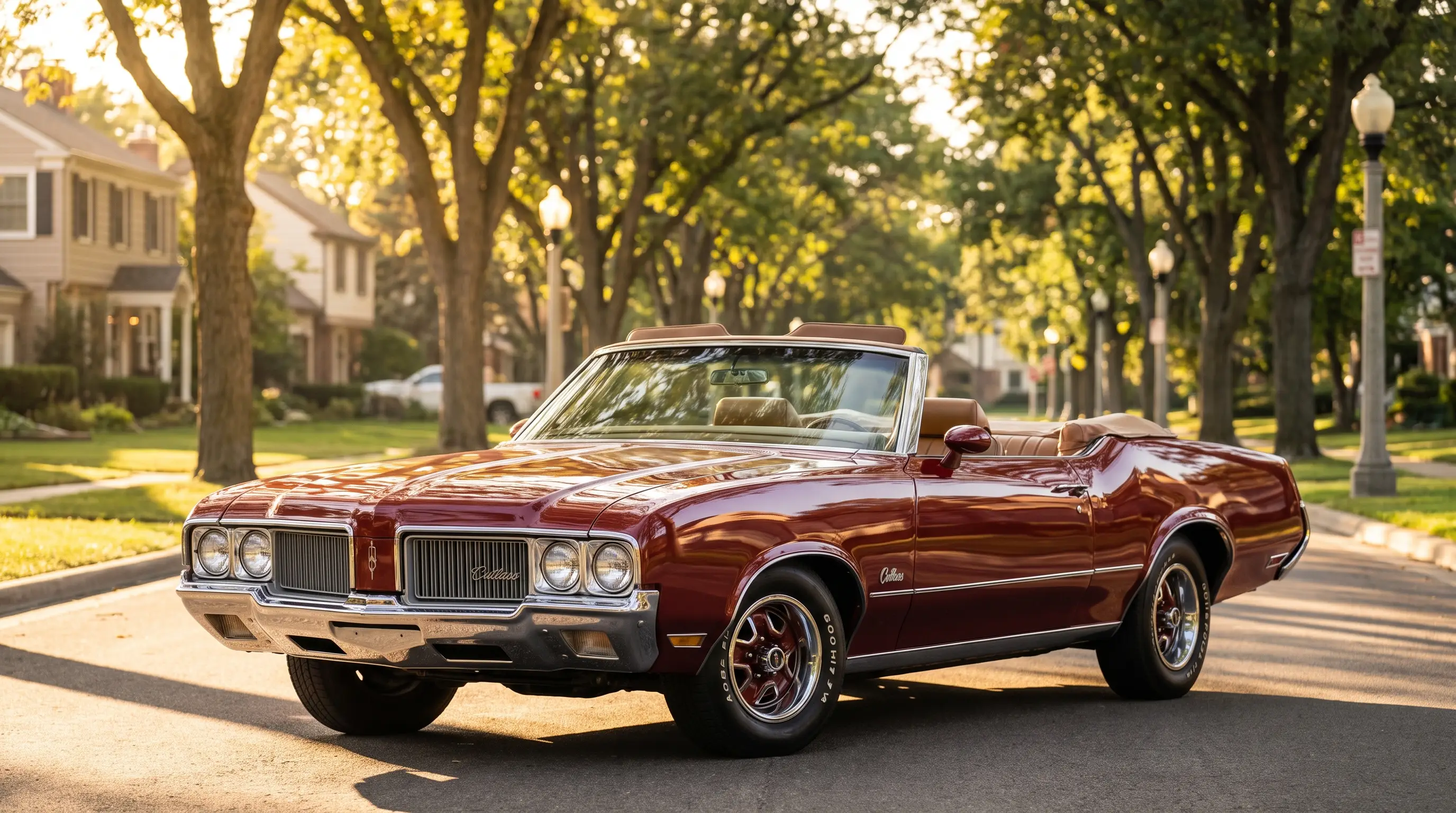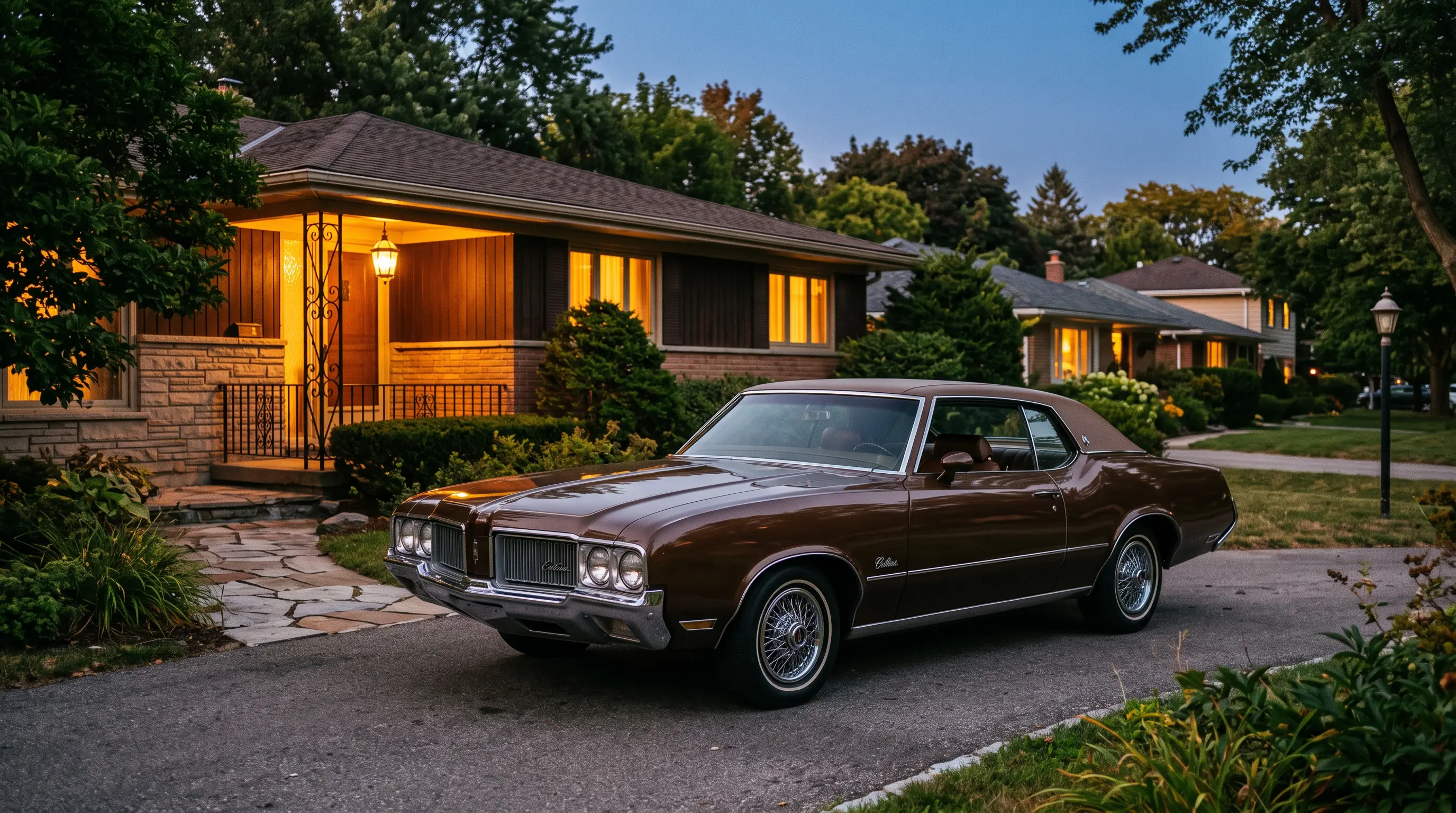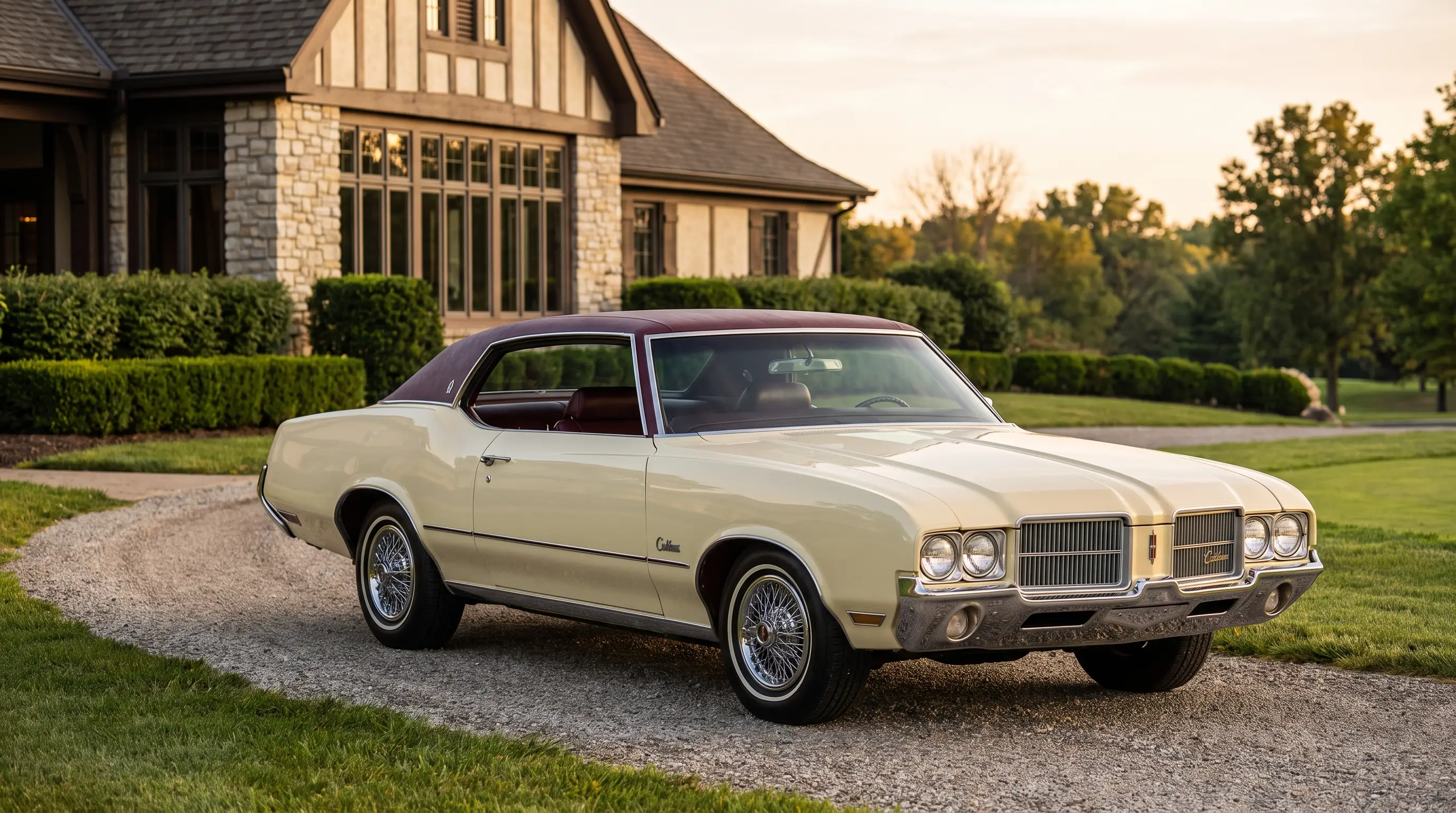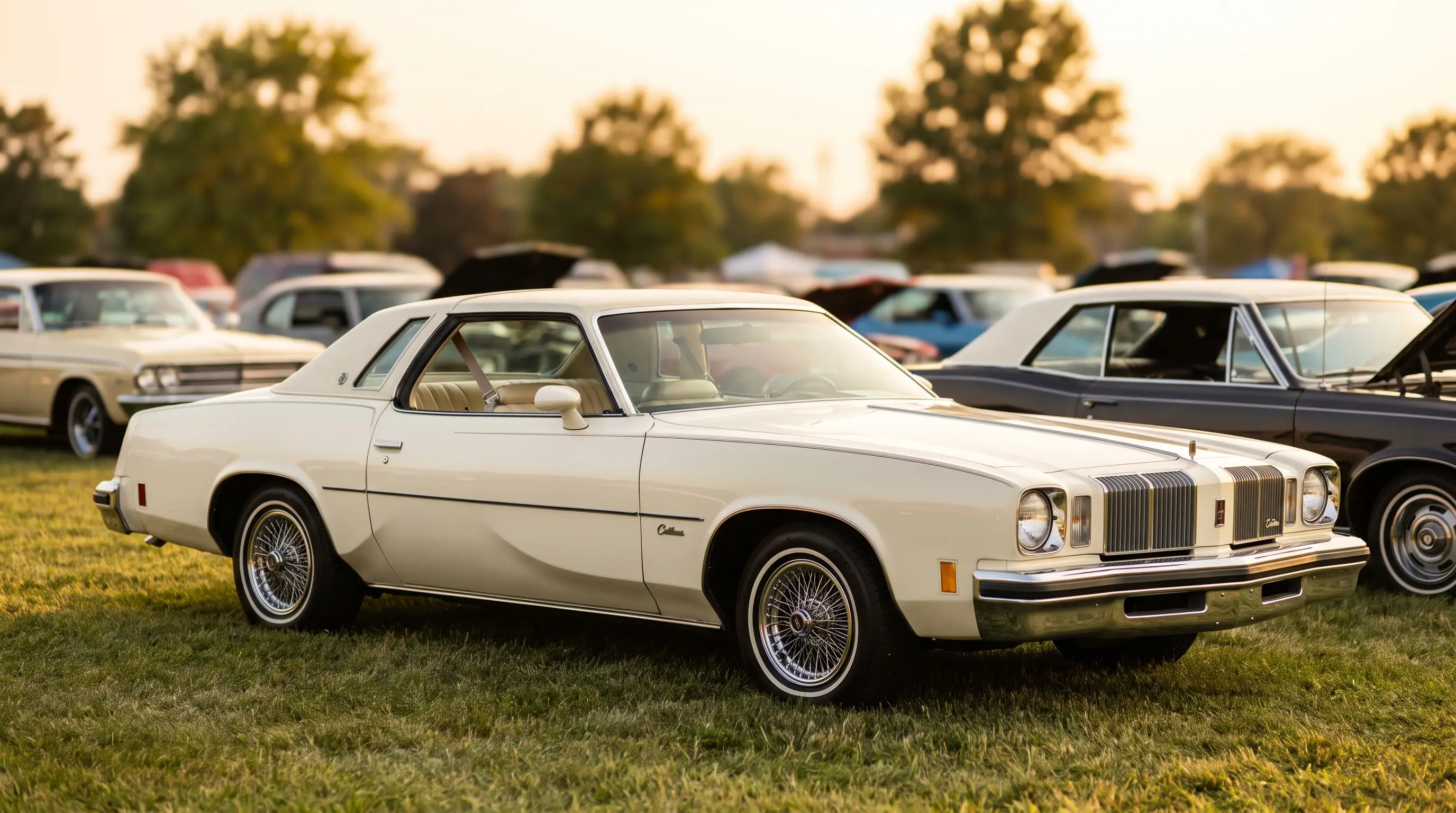
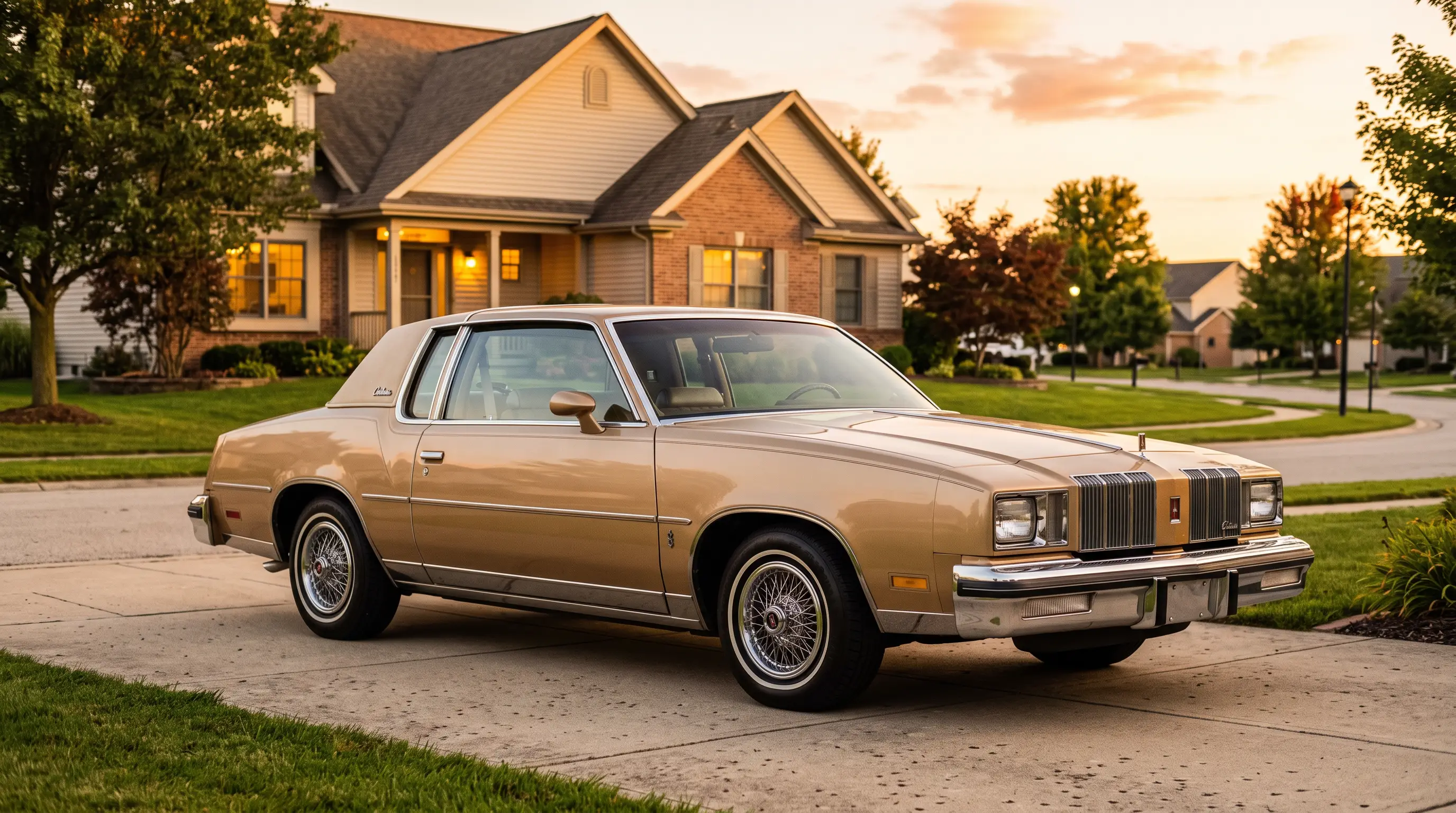
My grandmother kept her Cutlass Supreme the way some people keep a good coat. It lived in the garage under a soft sheet, and on Sunday she would back it down the drive with both hands high on the wheel, the vinyl roof catching the light like the top of a jewelry box. She was not a car person. She could not have told you the displacement of the engine. But she knew that when she drove the oldsmobile cutlass supreme, people looked, and she liked being looked at.
That, more than any horsepower figure, is what the Cutlass Supreme understood about America. It sold comfort that felt a little like status, and it sold it to millions.
The car everybody's family had
There was a stretch in the late 1970s when it seemed like every third house on the block had one parked out front. The Cutlass Supreme was not exotic and it was not cheap-feeling either. It sat in the middle, and the middle turned out to be exactly where the country wanted to be.
The formula was simple. Take an intermediate coupe, give it a formal roofline, wrap the passengers in soft cloth or optional velour, and price it so a schoolteacher or a foreman could sign the papers without flinching. Oldsmobile sold the notchback Supreme coupe in numbers that embarrassed cars costing twice as much. To understand why this particular Olds mattered so much, it helps to know how the Cutlass legend began, because the Supreme was the moment the nameplate stopped being a muscle car and became a household name. You can read how the Cutlass legend began and watch the shift happen year by year.
Timing had everything to do with it. The Supreme hit its stride just as America was pulling back from the excess of the big-block years. Gas had gotten expensive, insurance on anything with a hot engine had gotten worse, and buyers wanted comfort without guilt. The Supreme gave them exactly that: a car that looked like an event and cost like a sensible decision. Oldsmobile read the mood of the country correctly, and the sales figures proved it for the better part of a decade.
Personal luxury, explained
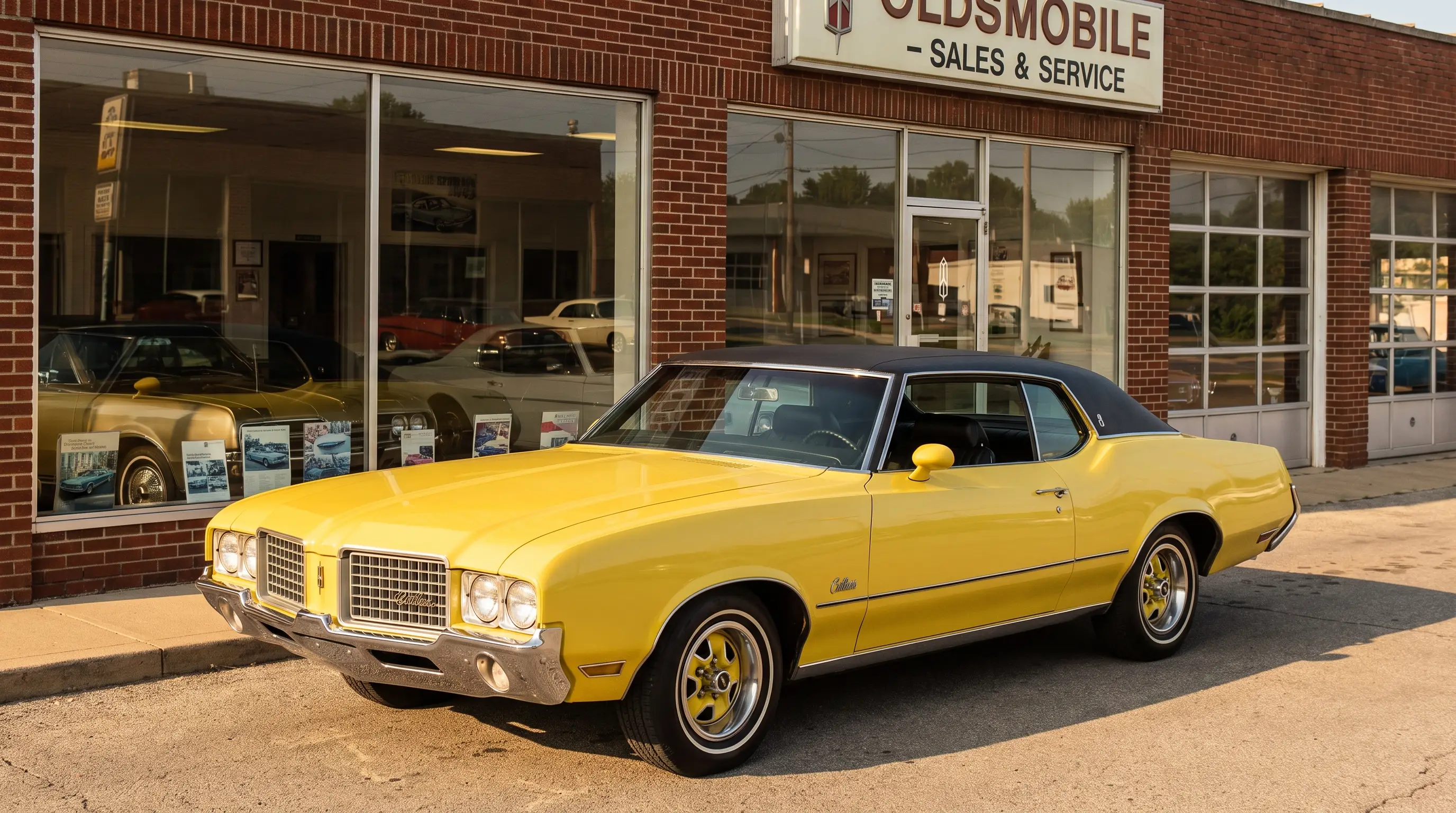
The phrase itself sounds like a contradiction now. Personal luxury. In the 1970s it meant something specific: a two-door car built not for a family and not for racing, but for a person who wanted to feel a certain way behind the wheel. Bucket seats or a split bench. A center console with a padded armrest. A vinyl top, opera lamps near the rear pillar, and wire wheel covers that spun a little slower than the car itself.
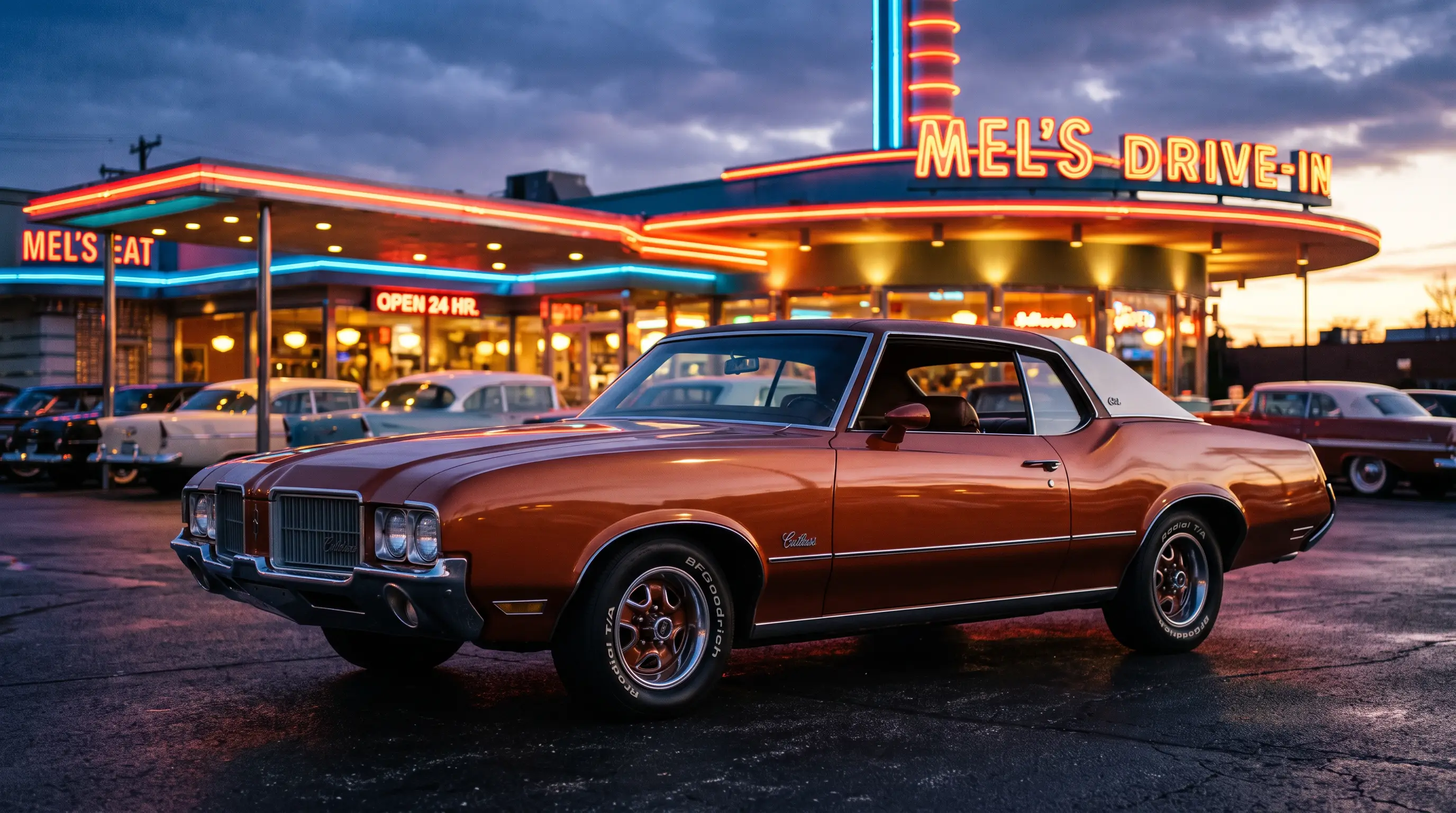
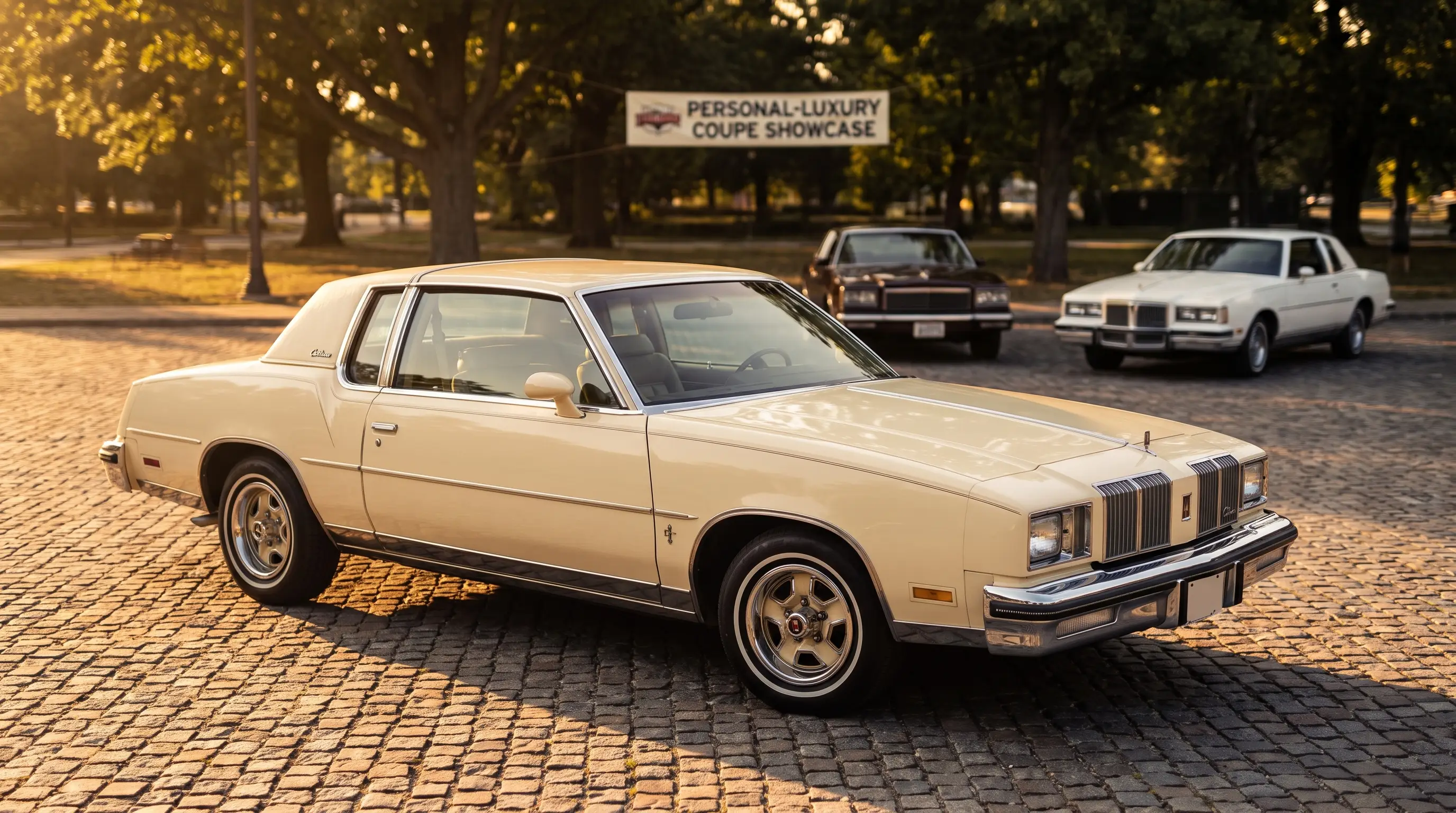
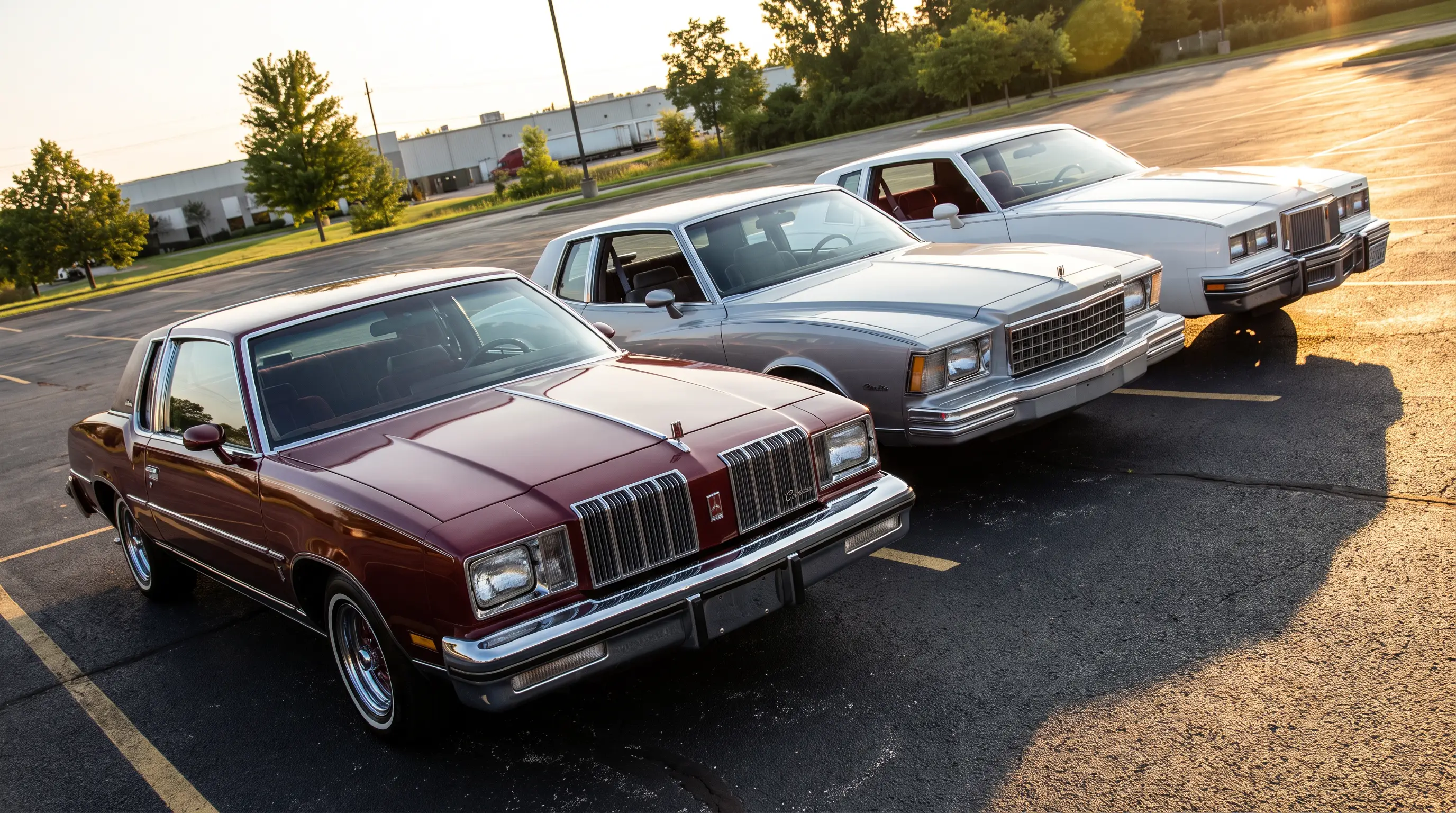
It was theater, and it worked. The Cutlass Supreme competed against the Chevrolet Monte Carlo and the Buick Regal, cars built on the same corporate bones, and it usually beat them at the register. Oldsmobile had found the buyer who wanted to arrive somewhere and be noticed doing it, without spending Cadillac money to get there.
The Brougham and the art of the upgrade
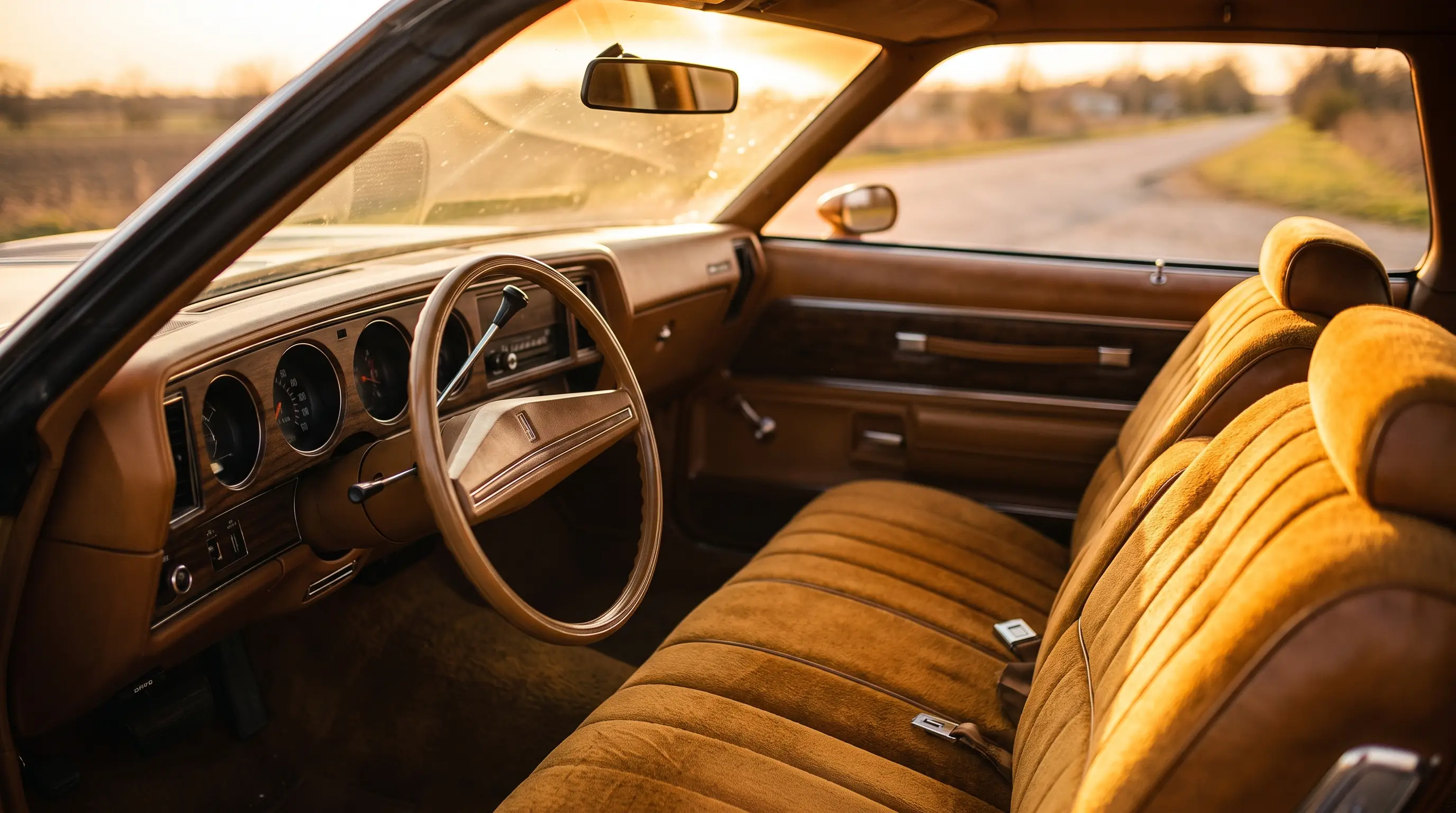
If the Supreme was comfort, the Supreme Brougham was comfort with the volume turned up. The Brougham package layered on thicker velour, more sound deadening, brightwork, and interior trim that tried, quite openly, to feel like a smaller Ninety-Eight. It was not subtle. It was not meant to be.
There is something touching about how hard these cars worked to feel special. A loose-pillow seat in crushed velour, a woodgrain dash that no tree ever grew, a ride tuned soft enough to float over frost heaves. The Brougham was aspiration made affordable, and for a lot of families it was the nicest thing they owned that was not the house itself.
The details are what stay with you. The way the door closed with a soft, padded thunk rather than a clang. The little courtesy lamps in the lower dash that lit a warm amber when you opened the door at night. The optional landau top, half vinyl, that made the coupe look like a car twice its price. None of it was necessary. All of it was the point. Oldsmobile understood that people were not really buying transportation. They were buying a feeling, and the Supreme delivered that feeling more reliably than almost anything else in the showroom.
A styling story worth telling
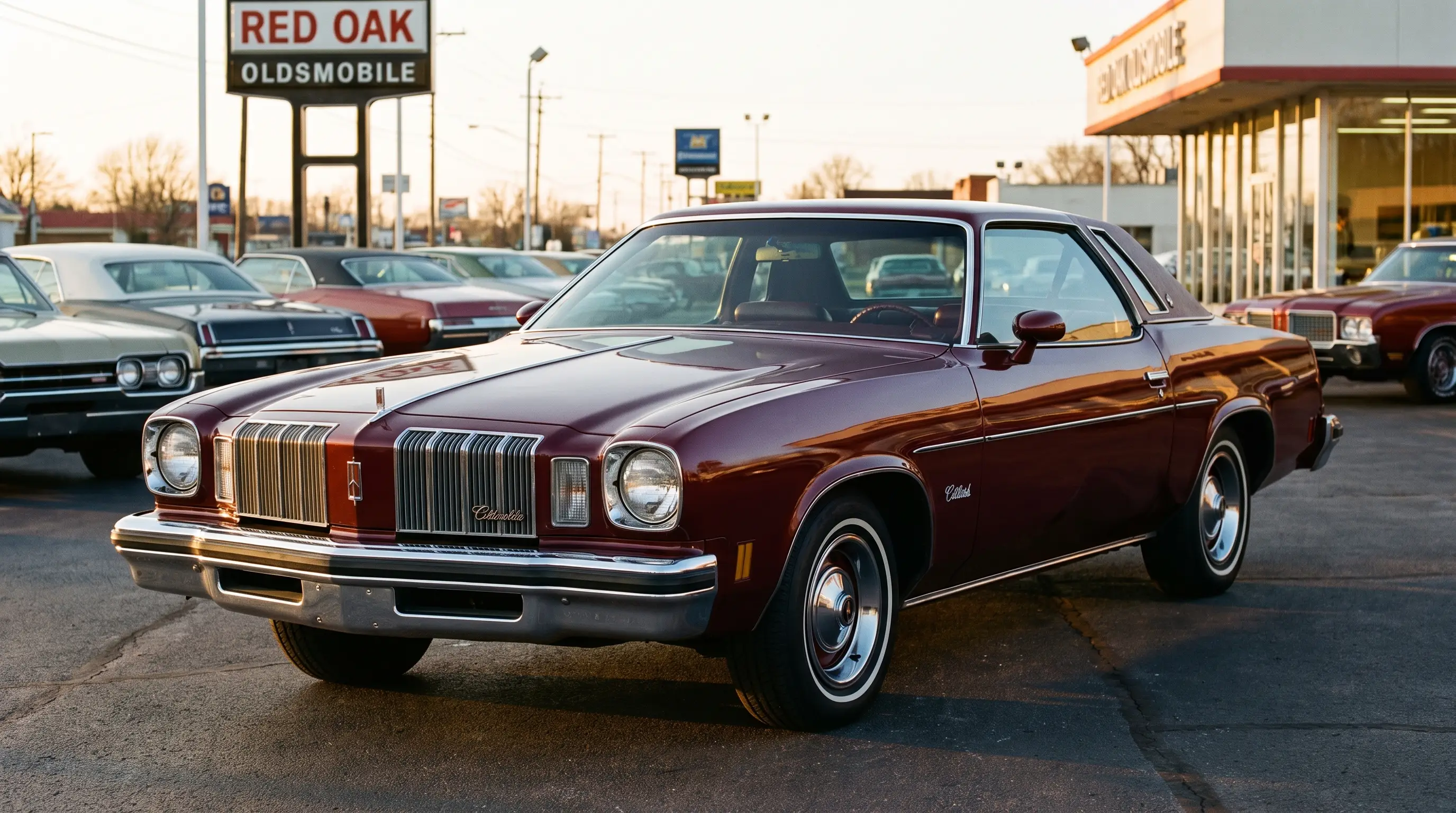
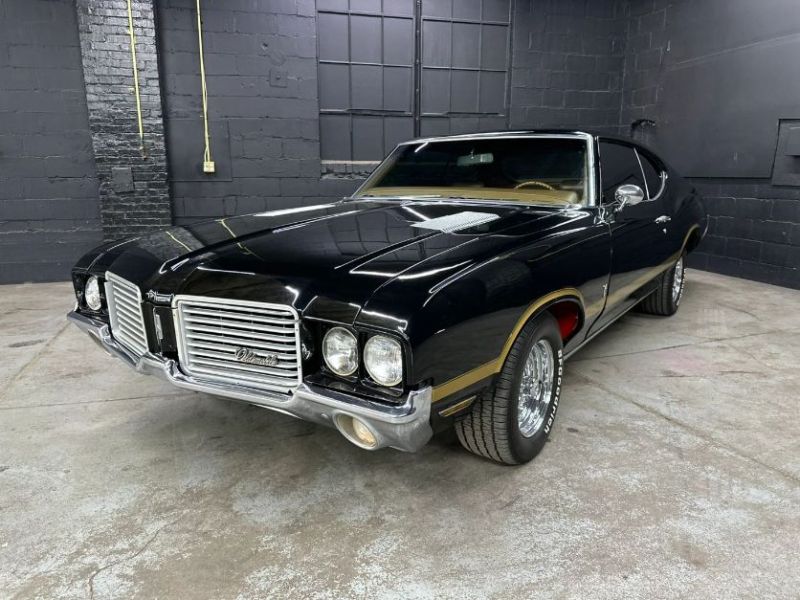
Look at a Cutlass Supreme coupe from these years and you can read the whole decade in its lines. The formal, upright rear window. The crisp fender edges that GM's designers loved before the aero era softened everything. The stand-up hood ornament and the fine vertical bars of the grille, all of it borrowing the visual language of far more expensive cars and translating it for the middle of the market.
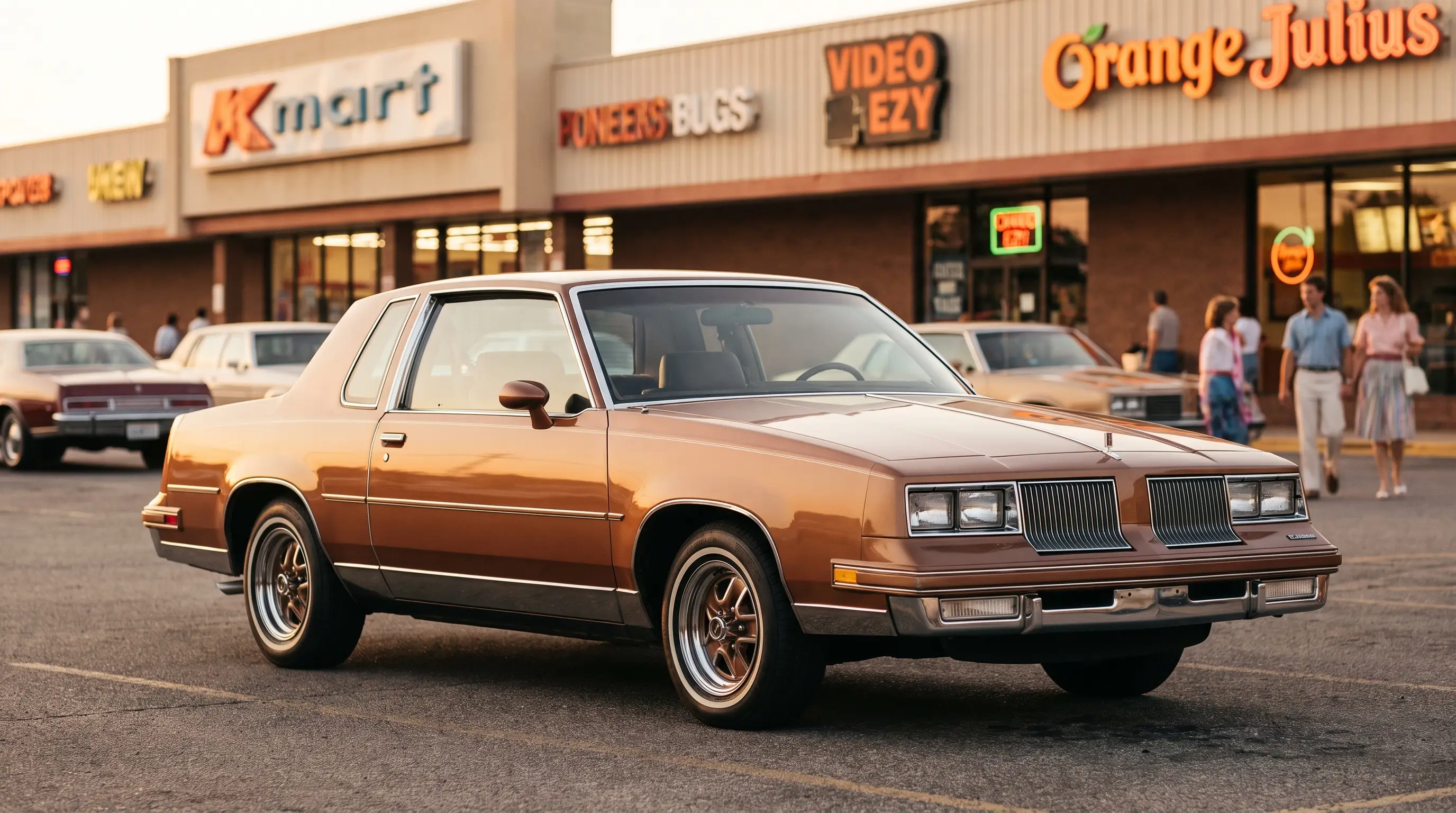
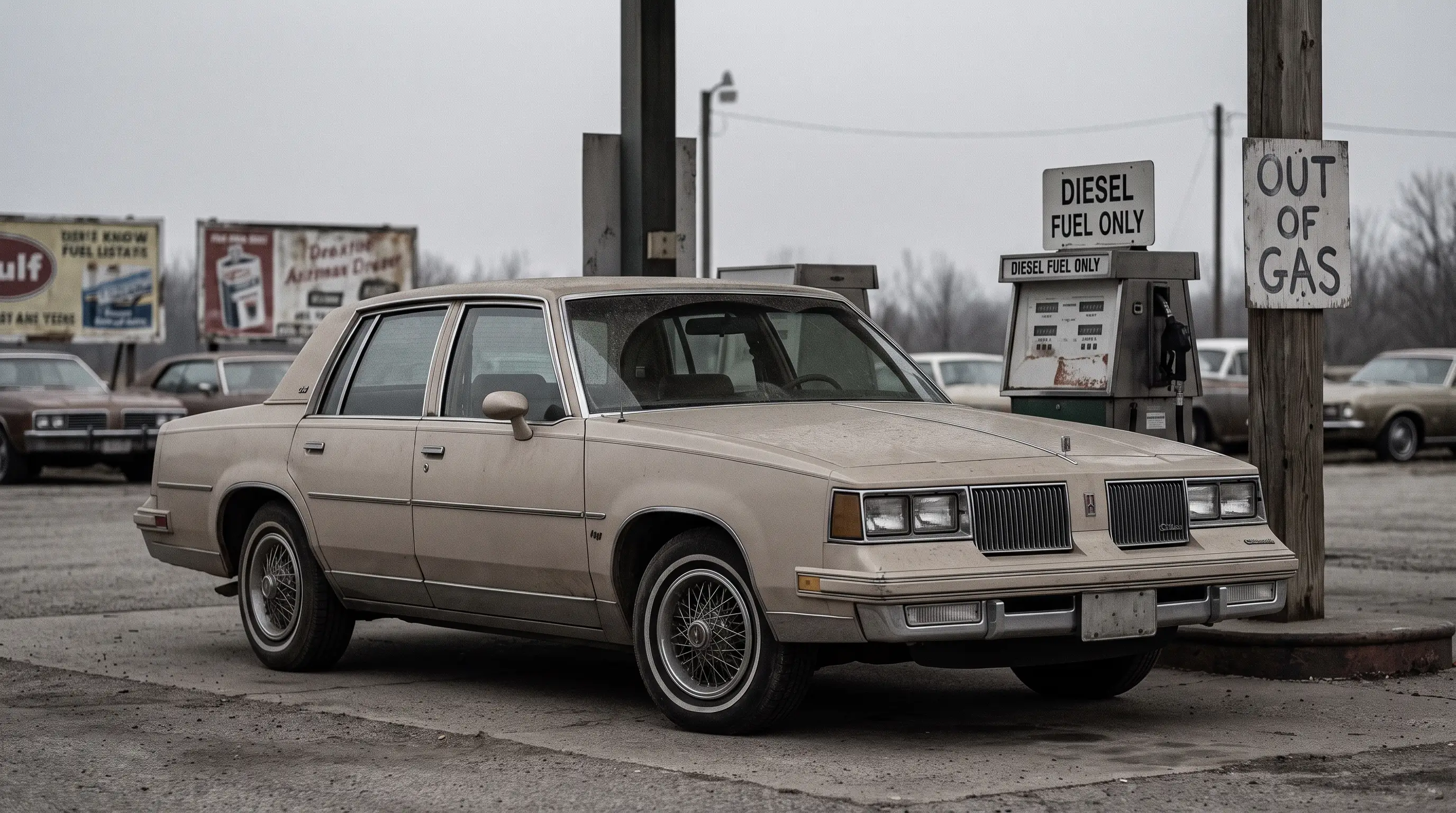
The 1980s cars grew cleaner and a little more angular, chasing the aerodynamic look that was coming, but they never lost the sense of occasion. Even a base Supreme wore its brightwork proudly. This was styling meant to be admired from the curb, and it was styled by people who knew exactly which cues signaled money to an American eye. That the effect came so cheaply is part of what made the car remarkable.
The specs behind the softness
Underneath the velour, the Cutlass Supreme was rational. It rode on the corporate intermediate platform, carried modest but durable engines, and asked very little of its owner beyond regular oil changes. It was built to be lived with, not fussed over.
| Specification | Detail |
|---|---|
| Body style | Two-door notchback coupe (also sedan, wagon) |
| Peak era | Mid-1970s through the 1980s |
| Signature roof | Formal roofline with optional vinyl top |
| Common engines | 231 V6, 260 and 350 Olds V8, 307 V8 |
| Trim ladder | Cutlass Supreme, Supreme Brougham, Calais |
| Interior options | Velour bench or buckets, console, opera lamps |
| Chief rivals | Chevrolet Monte Carlo, Buick Regal, Pontiac Grand Prix |
Notice what the table does not promise. It does not promise speed, and it does not apologize for that. The Supreme was never quick, and nobody who bought one cared. What it promised was that you would step out of it at the church, or the steakhouse, or the reunion, feeling like the day had gone your way.
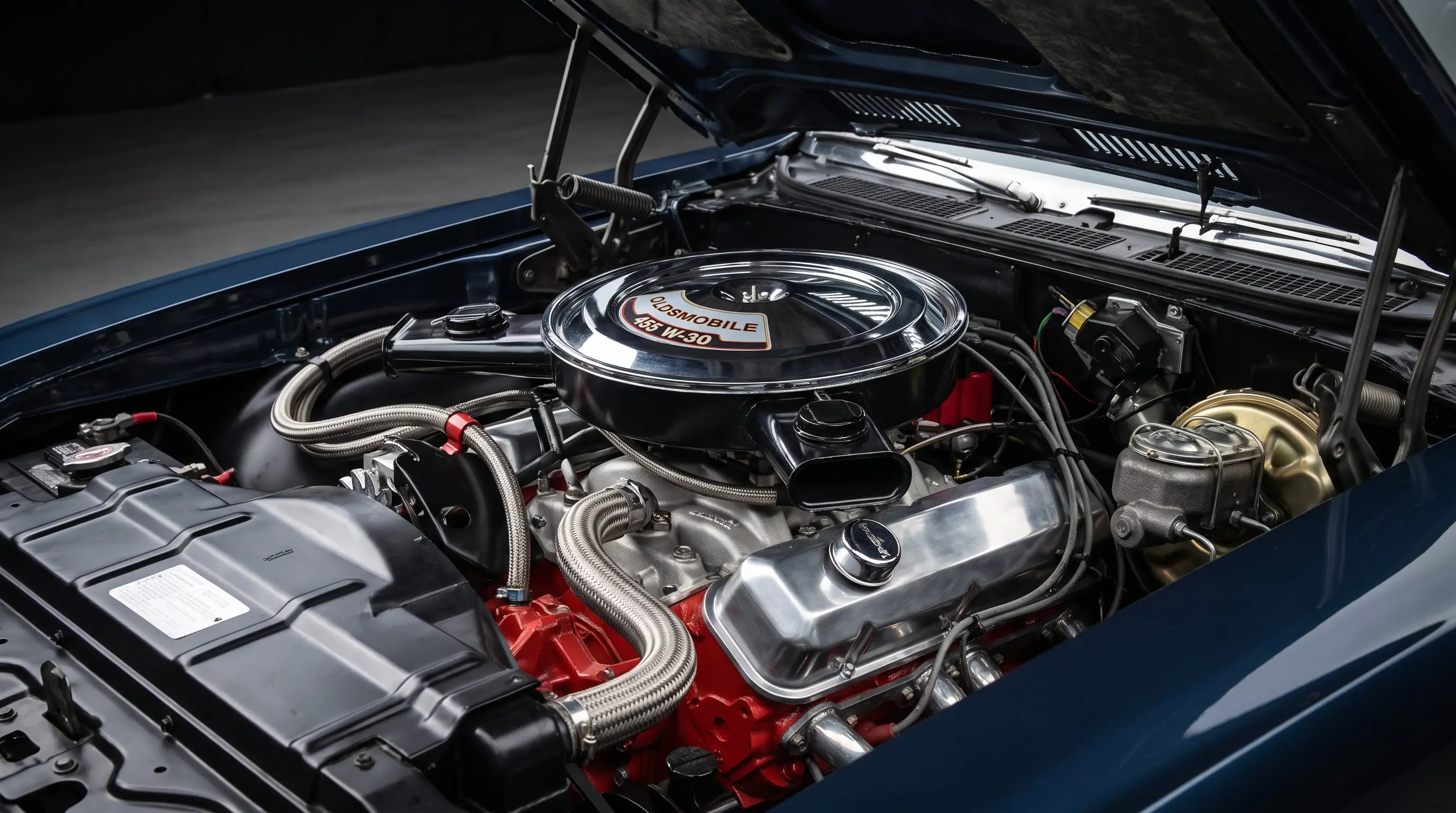
The engines matched that mission. A 231 V6 for the thrifty, an Olds 350 for those who wanted to pass without planning, and the durable 307 through the 1980s. None of them hurried. All of them lasted. You changed the oil, you kept the coolant fresh, and the car simply kept its side of the bargain, year after undramatic year. That reliability is a big reason so many are still around for the finding.
"We remember the fast cars because they are easy to remember. But the Cutlass Supreme is the one that actually shaped how a generation of Americans felt about driving. It sold dignity by the acre, at a price a working family could sign for, and it never once raised its voice."
— Nora Beckett
Why they endure, and what to watch
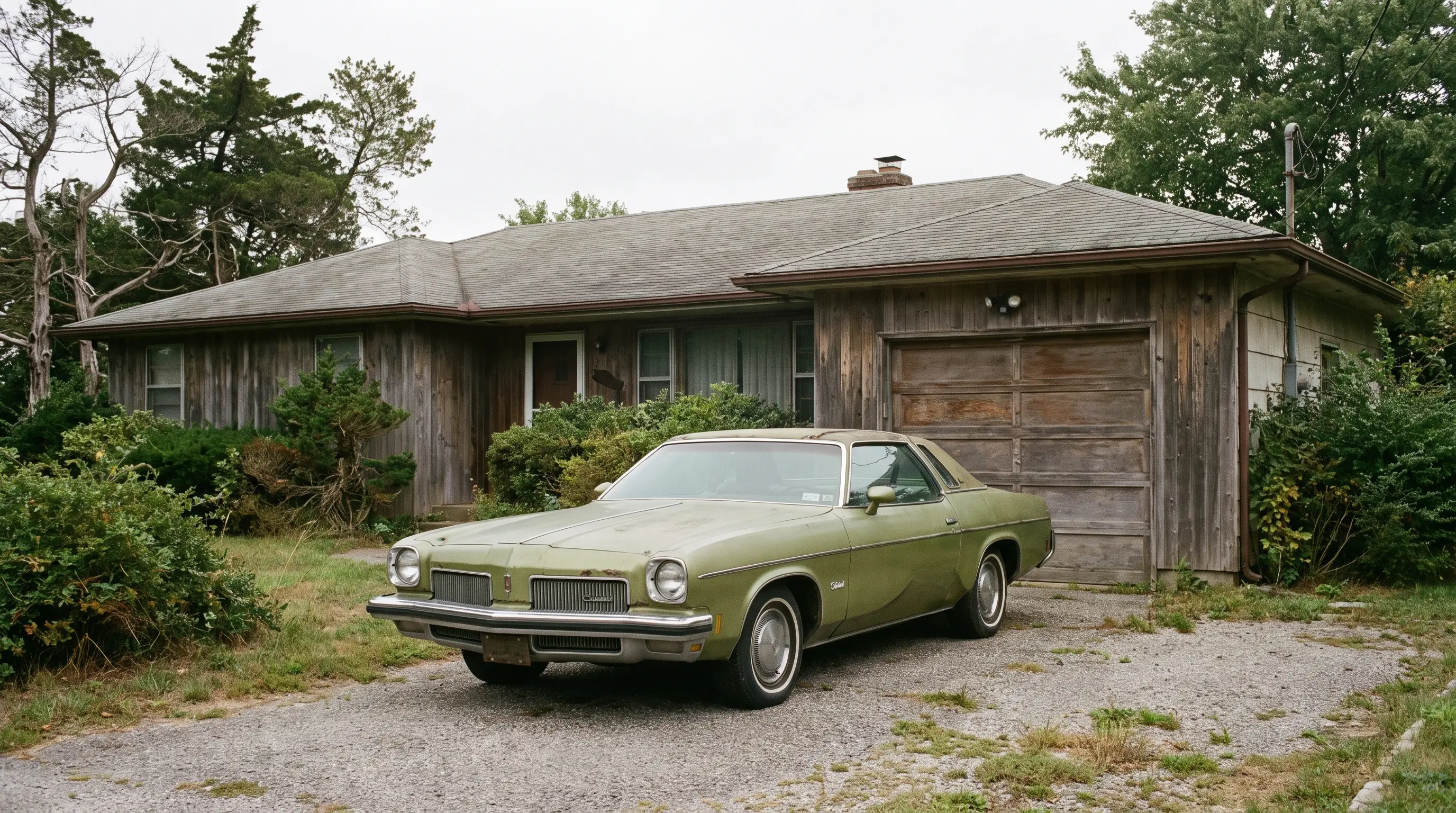
The Cutlass Supreme survived in enormous numbers, which is both its charm and its challenge. Because so many were built, clean examples are still findable and still reasonable. Because so many were treated as appliances, plenty were neglected, so condition varies wildly from garage-kept jewel to parking-lot survivor.
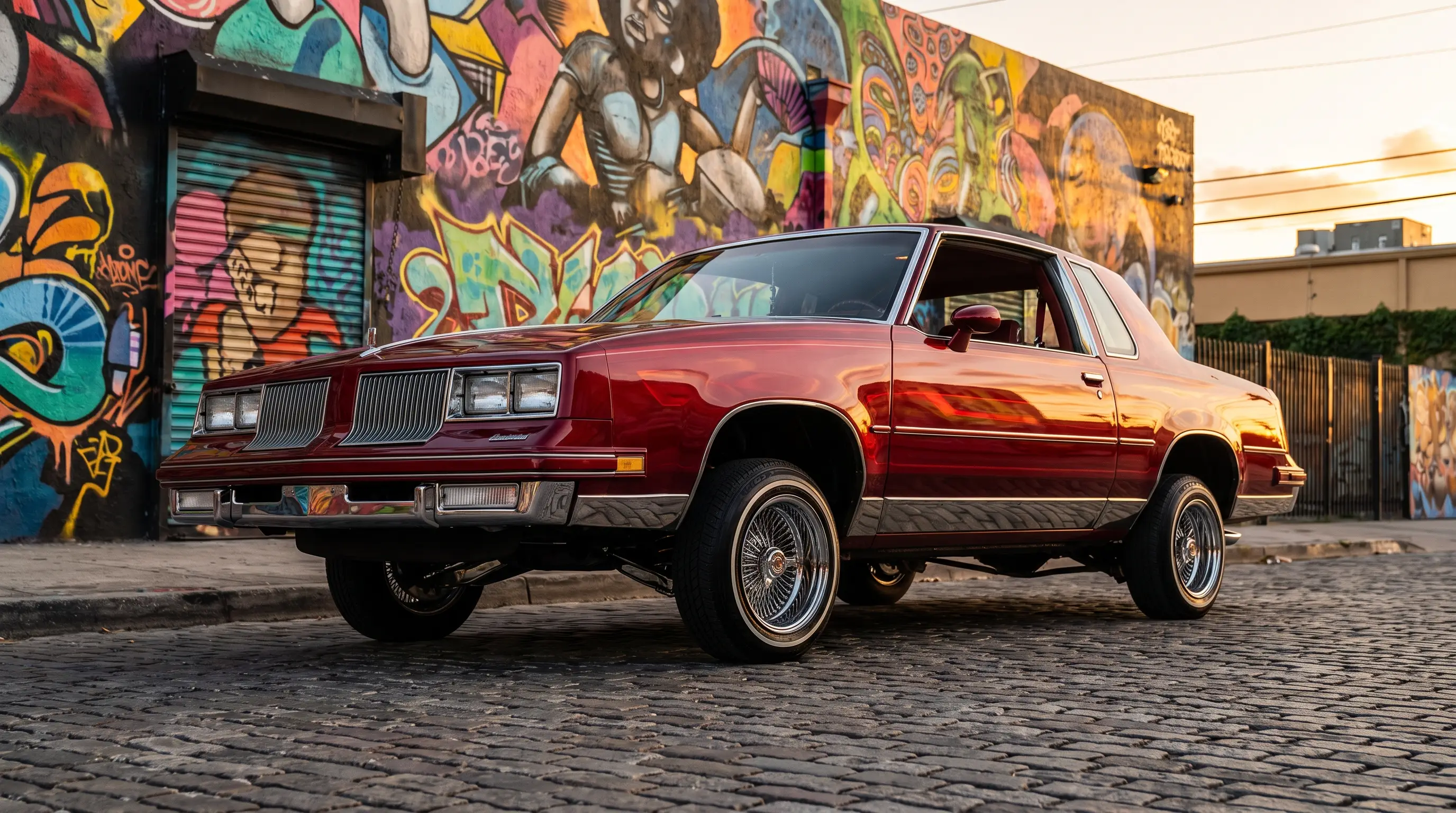
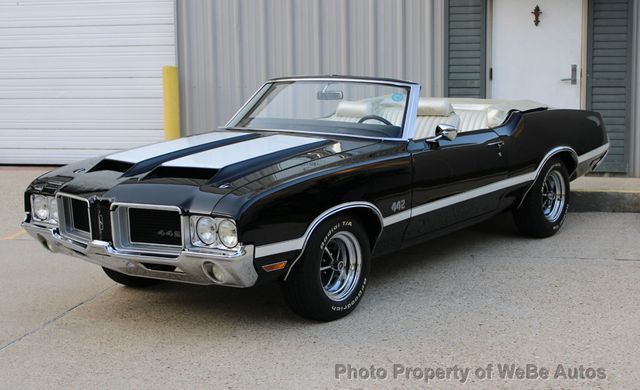
The car has quietly gained a following beyond nostalgia, and its story reaches into places the factory never imagined, which is a subject of its own. If the cultural afterlife of these coupes interests you, there is another Cutlass worth knowing, one that lives on wire wheels and in song lyrics rather than under a garage sheet.
For now the Supreme remains one of the most honest entry points into the classic-car hobby. It is comfortable enough to drive anywhere, cheap enough to own without anxiety, and common enough that you are never far from a part or a piece of advice. What it asks in return is that you appreciate it for what it is: not a fast car, not a rare one, but a genuinely likeable one that a great many Americans loved for reasons that still hold up.
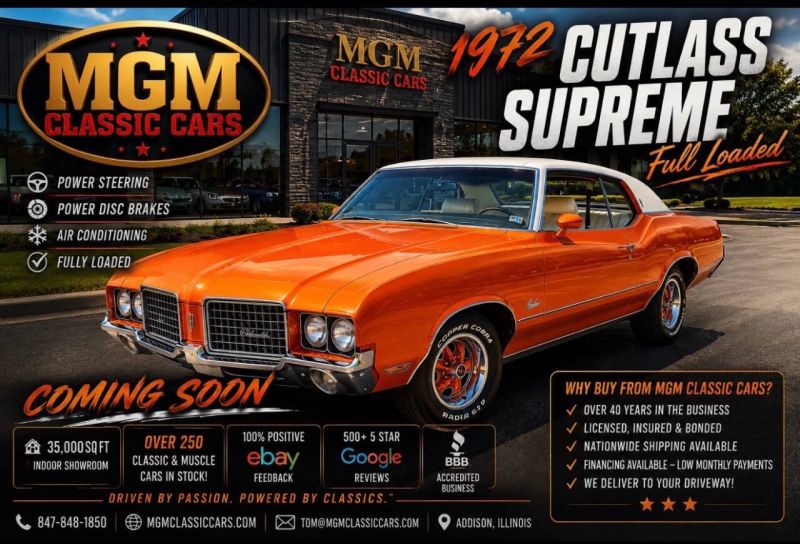
My grandmother sold her Supreme eventually, to a young couple who promised to take care of it, and she cried a little watching it go down the street. I understood it better years later. She was not saying goodbye to a car. She was saying goodbye to the version of herself who drove it. If that feeling has found you too, there is almost always a classic Cutlass Supreme for sale somewhere, waiting under its own soft sheet for the next person who wants to be looked at.