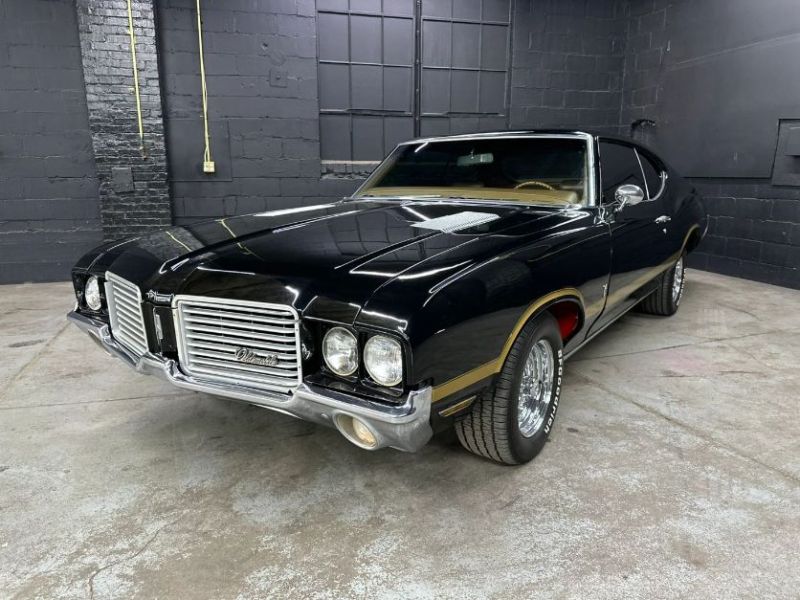
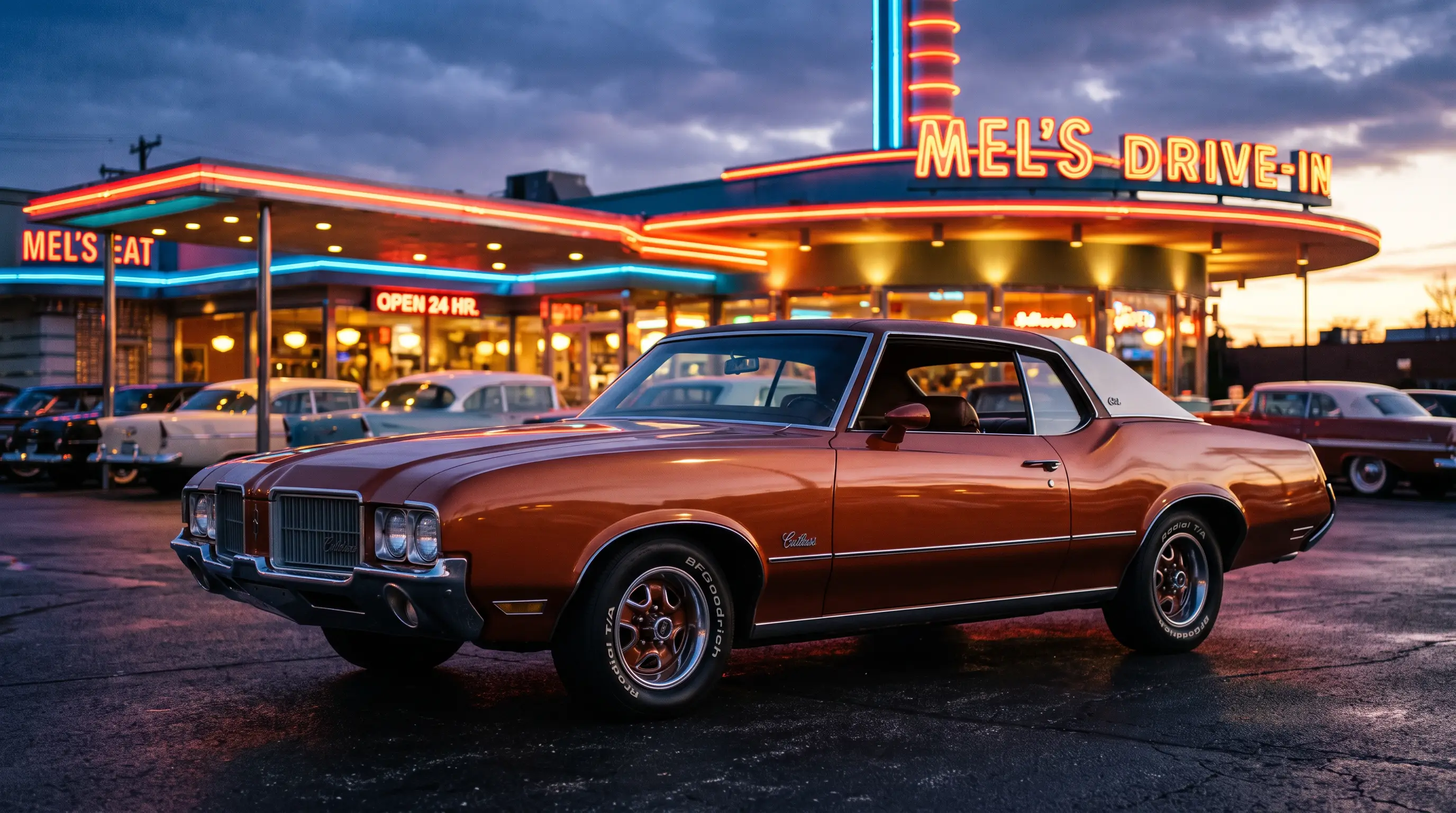
In 1966, the word "Supreme" meant almost nothing. It sat on a fender of a well-optioned Cutlass, a single trim step above ordinary, the kind of badge a buyer might not even mention when describing the car to a neighbor. Nobody in that showroom could have guessed the word would eventually outgrow the name it was borrowing from. But the cutlass supreme history is exactly that kind of story, a quiet trim level that spent a decade climbing until it was no longer riding on the Cutlass name. The Cutlass was riding on it.
A trim level with modest beginnings
The earliest Supreme cars asked for very little attention. A nicer interior, some extra brightwork, a badge that separated it from the base coupe sitting two spots down on the lot. It was the kind of upgrade a salesman mentioned in passing, not the reason someone walked through the door. Oldsmobile wasn't building a flagship yet. It was testing whether buyers would pay a little more for a little more polish, and the early answer was a shrug. Modest sales, modest attention, a trim level doing exactly what trim levels do.
What changed wasn't the badge. It was the country around it. By the early 1970s, the appetite for big-block performance was cooling under the weight of insurance surcharges and a fuel picture that was starting to look uncertain, and buyers who might have chased horsepower a few years earlier started asking for something else instead. Comfort. Presence. A car that looked like an occasion without costing occasion money. The Supreme trim, sitting quietly on the shelf since the mid-1960s, turned out to be exactly the answer nobody had been actively building toward.
The roofline that changed the conversation
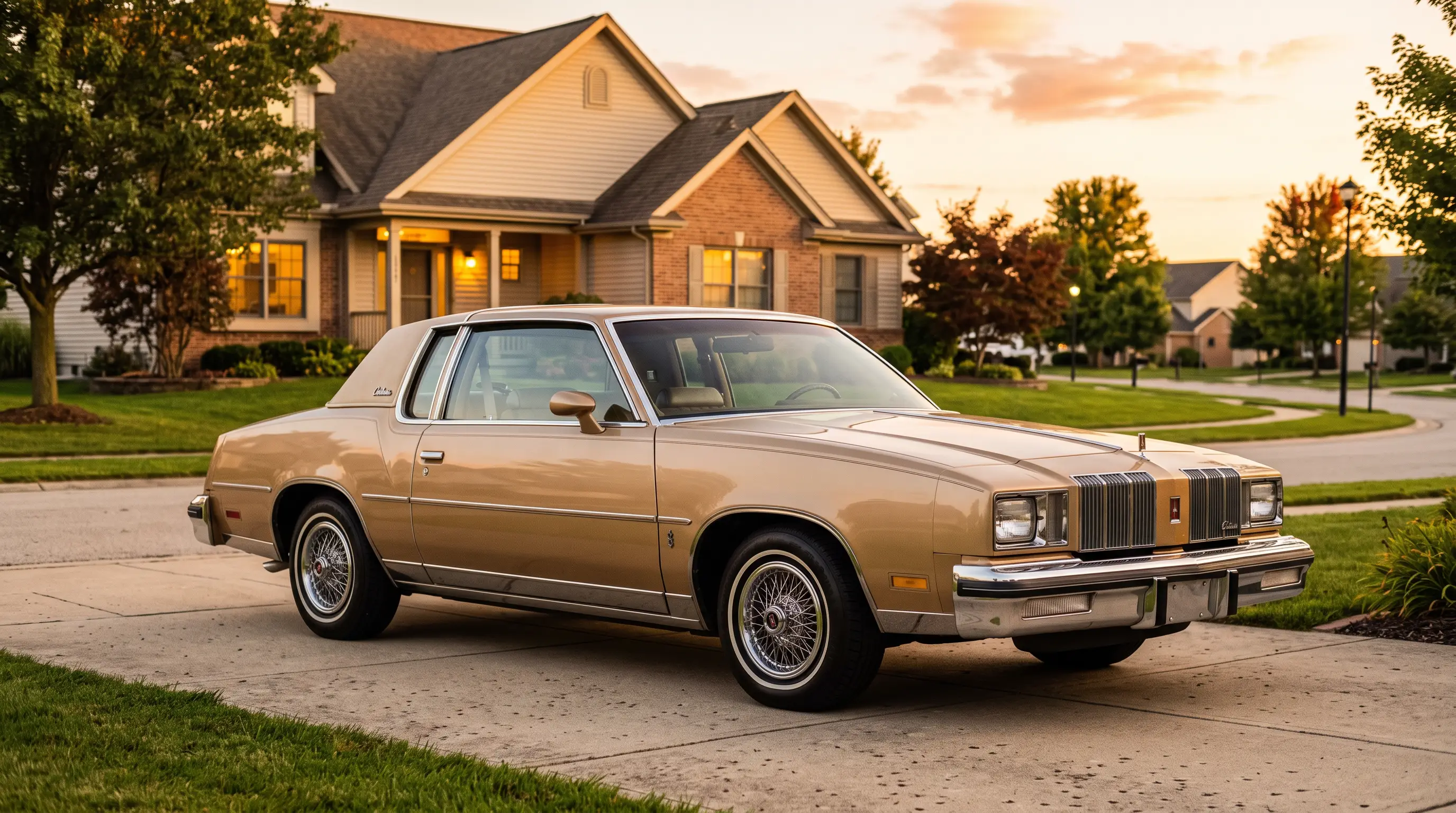
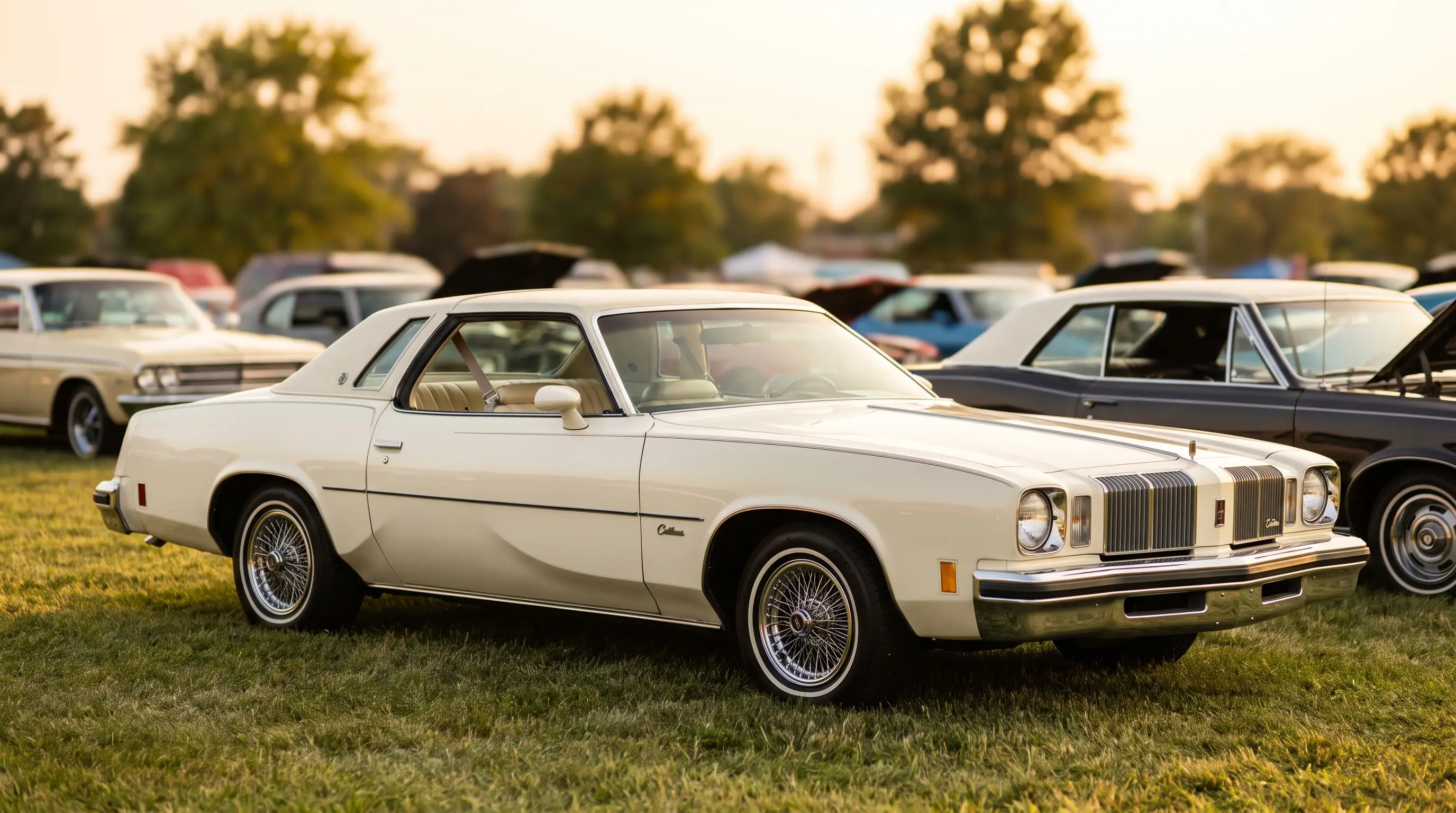
Oldsmobile's designers gave the Supreme coupe a formal, upright rear window sometime in the early 1970s, and that single decision did more for the car's fortunes than any engine choice could have. A formal roofline read as expensive to an American eye trained on decades of Cadillac and Lincoln silhouettes, and Oldsmobile borrowed that visual vocabulary and handed it to a car a schoolteacher could actually afford. The roofline wasn't subtle and it wasn't meant to be. It was the whole argument, standing still in a driveway.
Buyers noticed immediately. The formal coupe outsold the notchback and fastback alternatives Oldsmobile had also been offering, by a margin wide enough that the direction of the whole nameplate shifted around it. Within a couple of model years, the Supreme wasn't competing against the base Cutlass for attention. It was the reason people were walking onto Oldsmobile lots at all, and dealers who once mentioned it in passing started leading with it instead.
What the rise actually cost the rest of the lineup
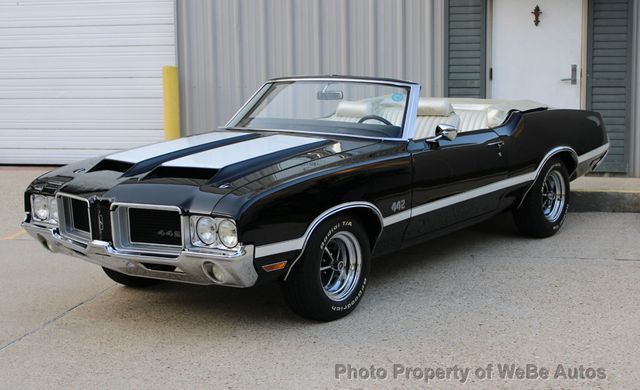
Every rise has a shadow, and the Supreme's shadow fell across the performance Cutlass models that had defined the nameplate a few years earlier. As the Supreme pulled sales and attention toward comfort and formality, the 442 and the more aggressive trims became a smaller and smaller slice of what Oldsmobile actually built and sold. That's not a tragedy exactly. It's simply what happens when a company follows the money, and the money was unmistakably telling Oldsmobile that America wanted velour more than it wanted a cold-air hood scoop by the middle of the 1970s. You can trace the full arc of that shift, performance era into personal-luxury era, in the Supreme chapter, which picks up the story once the formula was fully in place.
There's a version of this history that treats the Supreme's rise as the moment the Cutlass lost its nerve. I don't buy that framing. A nameplate that reads the room correctly and sells accordingly isn't losing anything. It's succeeding at the only thing that actually keeps a car in production: giving people what they're willing to pay for. The Supreme gave America exactly that, at exactly the moment it wanted it, and the sales figures that followed weren't an accident or a fluke. They were the predictable result of a trim level finally matching a mood.
From trim level to household name
By the back half of the 1970s, "Cutlass Supreme" had stopped functioning as a modifier and started functioning as its own identity. People asked for a Supreme the way they'd ask for a specific car, not an option on a more generic one. That's the real measure of the rise. A trim level graduates into a nameplate the moment buyers stop thinking of it as an upgrade and start thinking of it as the point.
The climb from an afterthought badge in 1966 to the car practically synonymous with the Cutlass name by the late 1970s took less than a decade, which is a fast rise by any measure in an industry where model cycles used to run for years without major change. Sales figures from that stretch tell one part of the story, but the sales numbers alone are worth their own telling, and another angle on this same climb looks at exactly how far those figures actually went once the Supreme formula found its full stride.
"Nobody planned for a trim level to become the whole personality of a nameplate. It happened because a formal roofline and a soft interior told a specific American story at exactly the moment enough people wanted to hear it, and the Cutlass Supreme never had to raise its voice to be believed."
— Nora Beckett
What stays with me about this particular rise is how ordinary its ingredients were. No radical engineering, no gamble on an unproven idea. Just a roofline, a softer ride, and a badge that had been sitting quietly on a fender for years, waiting for the country to finally want exactly what it was already offering.
Sources and notes
- Oldsmobile Cutlass Supreme, Wikipedia
- CCCCC Part 3 (1966-1967): America's Love Supreme Starts Here, Curbside Classic
- Was the 1966 Olds Cutlass Supreme the first mid-sized brougham model?, Indie Auto
- Oldsmobile Reaches Peak Cutlass: the 1977 Cutlass Supreme, Mac's Motor City Garage
- Oldsmobile Cutlass Supreme, Classic Cars Wiki
- Oldsmobile Cutlass Supreme years, Hagerty Valuation Tools