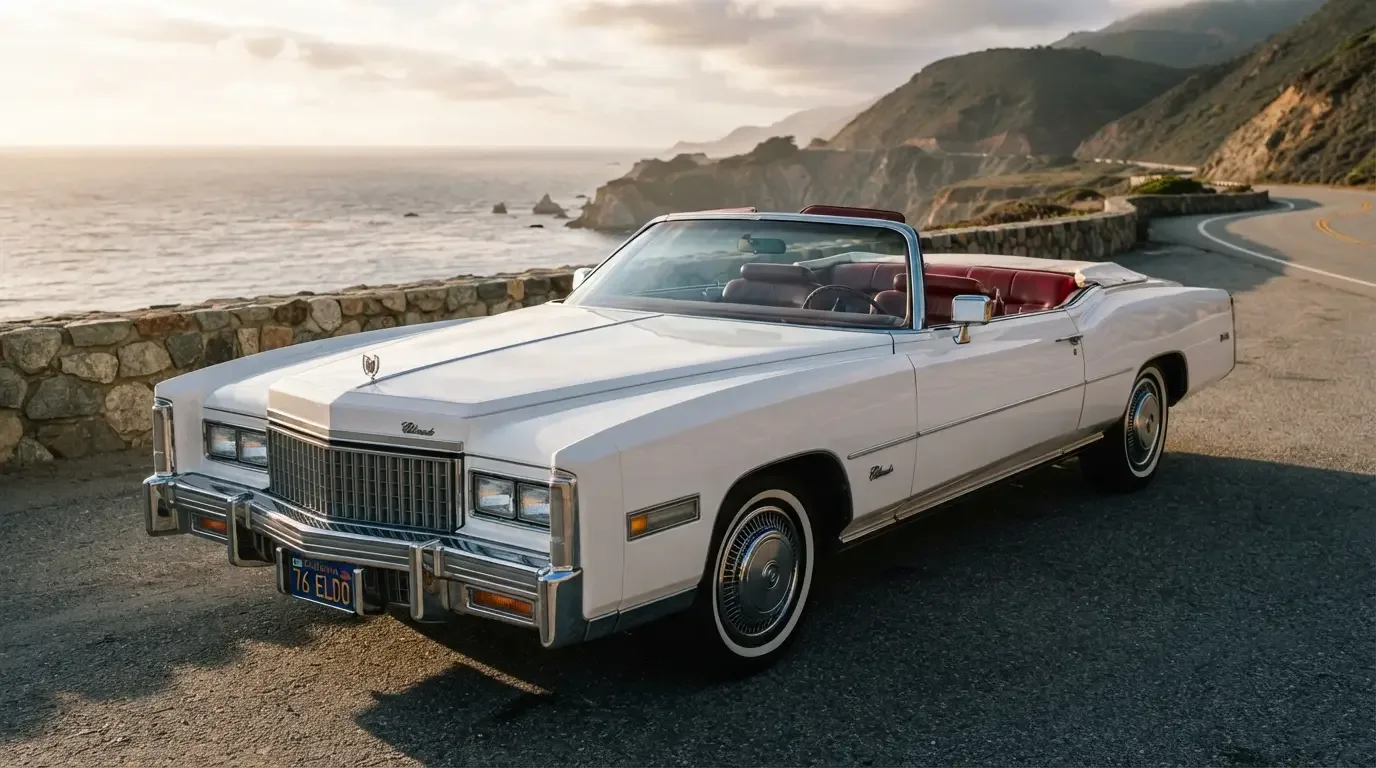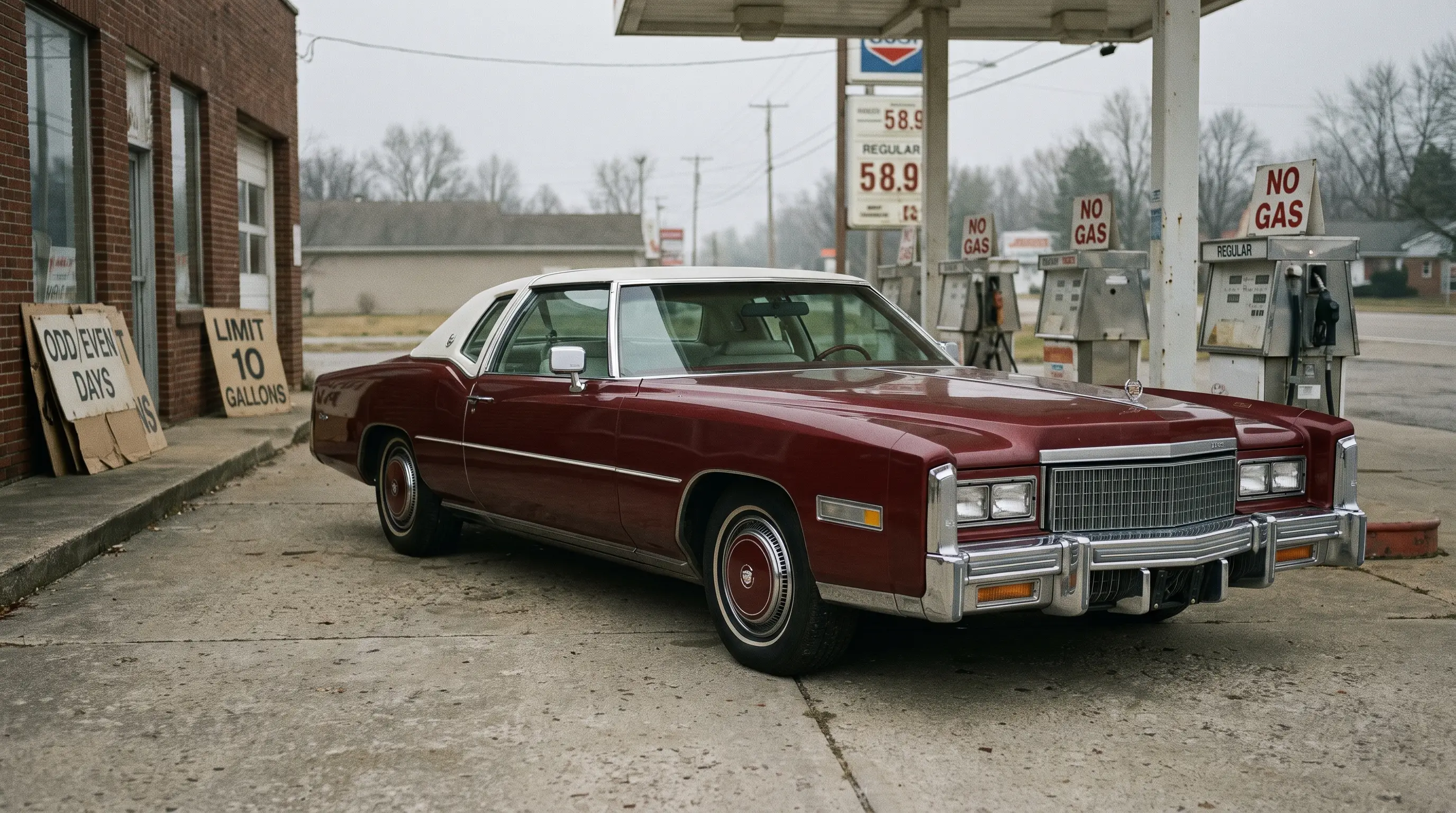
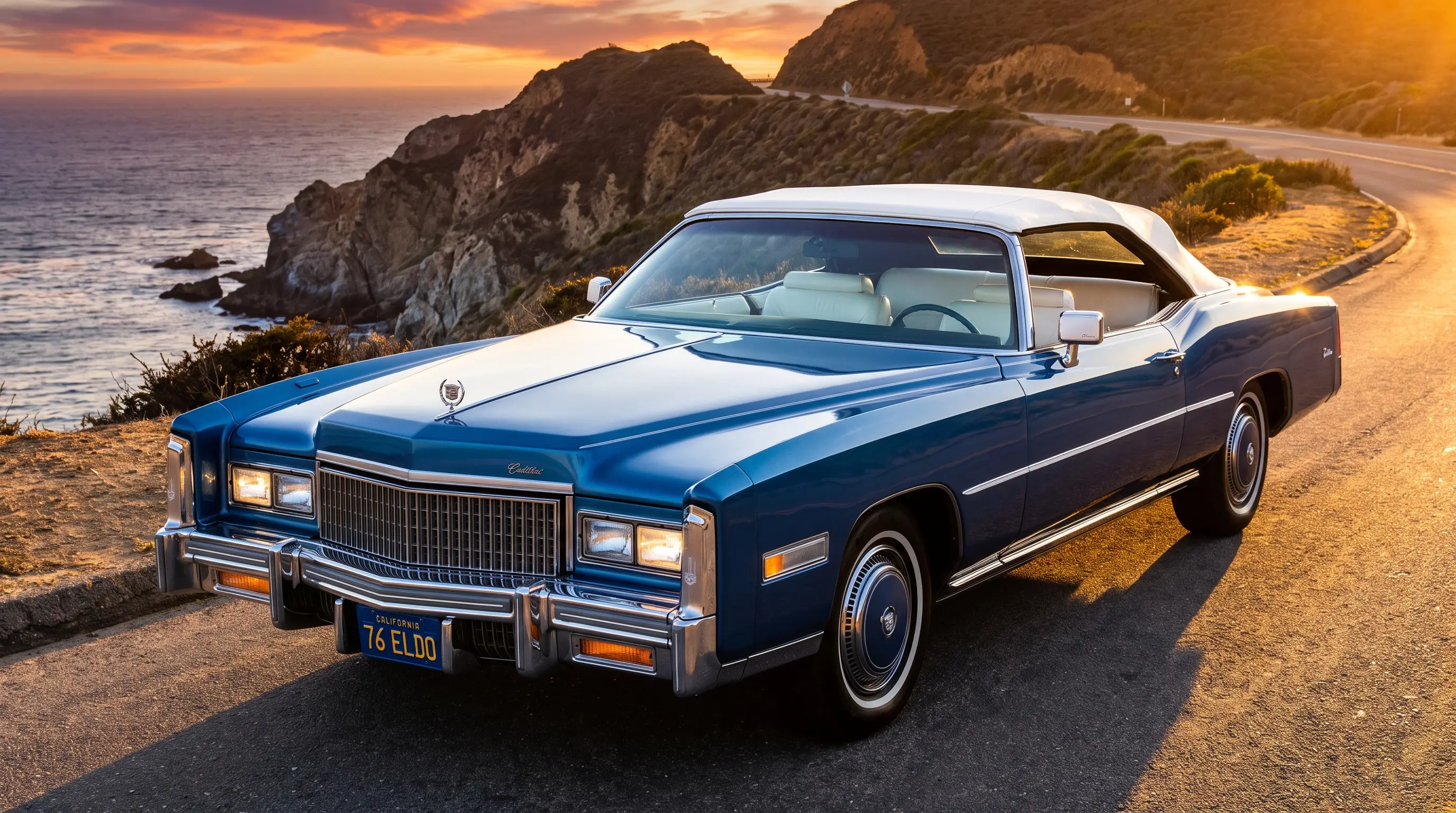
I have stripped paint off more Cadillacs than I can count, and the 1976 Eldorado still throws me a curveball every time. This was the last year of the big convertible, and Cadillac backed that story up with a color and trim palette that read like a farewell tour. Buyers who ordered a 1976 Eldorado were not just picking a paint code off a chip chart. Plenty of them were buying a car they planned to park under a cover and never drive, and the colors they chose tell you exactly what kind of statement they wanted to make.
What was actually on the order sheet
Researching 1976 Cadillac Eldorado colors starts with the factory order sheet, and Cadillac offered 20 exterior colors for the 1976 Eldorado, spanning the traditional dark luxury shades Cadillac had leaned on for decades alongside a handful of brighter options that felt almost out of character for the marque. Fourteen were solid or standard metallic finishes, including Cotillion White, Sable Black, and Firethorn Metallic, while six were the pricier firemist metallics: Crystal Blue, Amberlite, Greenbrier, Galloway Green, Florentine Gold, and Emberglo. Those firemist finishes in particular commanded a premium over solid colors because of the extra labor involved in applying them correctly.
From a body man's perspective, the firemist paints are a headache to match today. They used a metallic flake suspended in a tinted clear that GM's own paint suppliers struggled to replicate consistently even when the cars were new. If you are restoring one now and the panel needs a full respray, budget for a professional who has actually sprayed lacquer or enamel firemist before, not someone who is going to wing it with a modern basecoat and hope the flake settles the same way.
| Detail | 1976 Eldorado |
|---|---|
| Exterior colors offered | 20, including 6 firemist metallics |
| Vinyl top colors | Coordinated with body color, several options |
| Interior leather colors | Multiple, tied to d'Elegance and standard trim |
| Convertible top colors | White, black, and body coordinated options |
Why the color choice matters for value today
Some colors just did not sell in big numbers, and that scarcity has flipped into a premium at auction decades later. A 1976 Eldorado convertible in an unusual firemist shade with a matching interior tends to bring more money than the same car in basic black, assuming the paint and trim are original or correctly restored to factory codes. That is a reversal from how the car was viewed when new, when a conservative black or dark blue example was considered the safer resale bet.
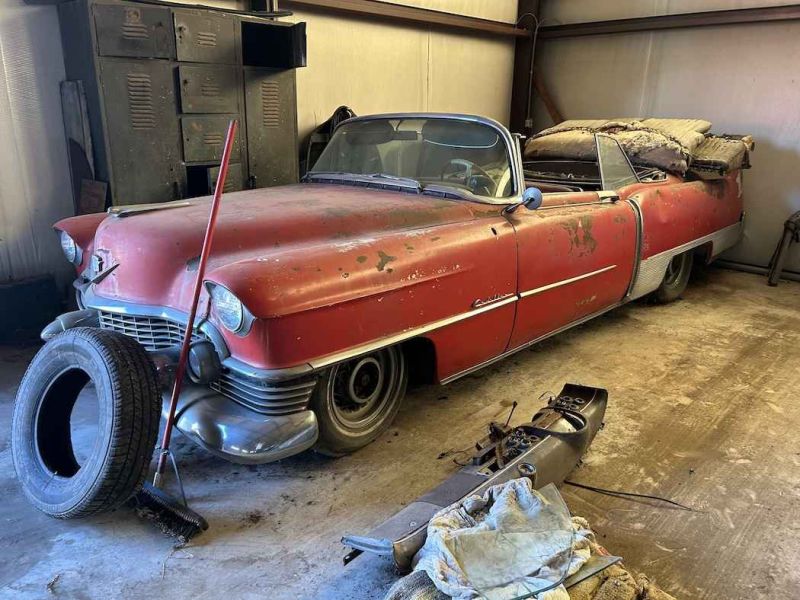
I always tell people shopping for one of these to pull the trim tag before they fall in love with the color they see on the car today. Repaints are common after almost fifty years, and a car wearing a color it did not leave the factory in is worth less to a serious collector, even if the paint job itself is beautiful. The tag will list a paint code that you can cross reference against factory literature to confirm what left Detroit.
Interior colors told the same story
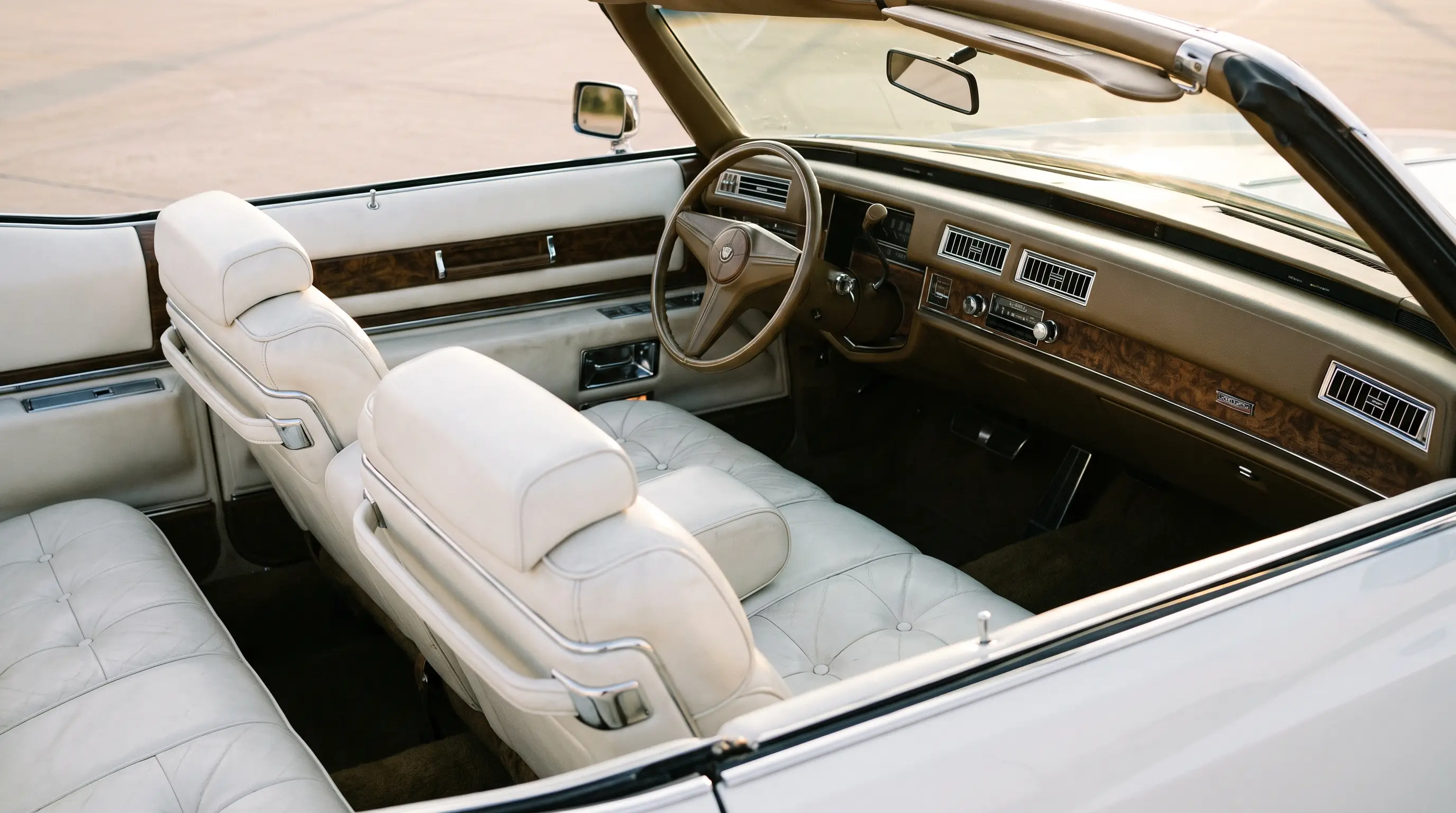
Cadillac coordinated interior leather and cloth choices to the exterior palette rather than letting buyers mix and match freely, which is typical of how GM specified its flagship cars in this era. A Florentine Gold firemist exterior, for instance, commonly paired with a saddle or white leather interior, while the darker exterior shades leaned toward black, dark red, or dark blue leather. Getting this coordination right matters enormously during a restoration, since an incorrect interior color paired with the wrong exterior is one of the fastest ways to tank a car's credibility at a show, even if every other detail is spot on.
This kind of factory pairing logic is part of what makes our 1976 cadillac eldorado retrospective worth reading alongside a color guide like this one, since the two pieces cover different halves of the same story. For anyone curious about what the cabin itself looked and felt like beyond just the color palette, there is a related story that goes deeper into materials and layout.
"Paint code before purchase, every time. I have seen guys pay a premium for a firemist car that turned out to be a decent respray in the wrong shade. The trim tag does not lie, but plenty of sellers either do not know or do not say."
- Jim Vasquez
What I look for on a repaint
When I inspect a repainted 1976 Eldorado, I start by pulling the trim tag and reading the paint code cold, before I look at the car itself. Then I check the door jambs, trunk floor, and firewall for overspray or masking lines that suggest a color change happened at some point rather than a factory correct restoration. Original firemist finishes also age in a distinctive way, with the metallic flake settling and the clear yellowing slightly over decades, and a fresh respray in the correct color will not show that same pattern until it has had years to weather.
Convertible top color is another detail people overlook. Cadillac coordinated top colors to the body and interior just as carefully as it coordinated leather, and a black top on a car that should have shipped with a white one is a small mismatch that tells an experienced eye the car has been through at least one non-factory service or replacement. None of this makes a car worthless if the color is wrong. It just changes what you should be paying for it, and it is the kind of detail that separates a driver quality car from one that belongs in a serious collection.
Buying with color in mind
If originality and value matter to you, treat the paint and interior color combination as part of the car's core specification, not a cosmetic afterthought. A correctly documented rare color combination in solid, unmolested condition is worth chasing even if the price is higher than a more common black on black example. The rarity premium tends to hold up over time in a way that a beautiful but undocumented repaint never quite does.
For buyers actively looking, comparing several Eldorados for sale now side by side is the fastest way to get a feel for how much color and originality actually move asking prices in the current market. Bring a magnet, a flashlight, and patience, and check the trim tag before you check the fenders for filler.