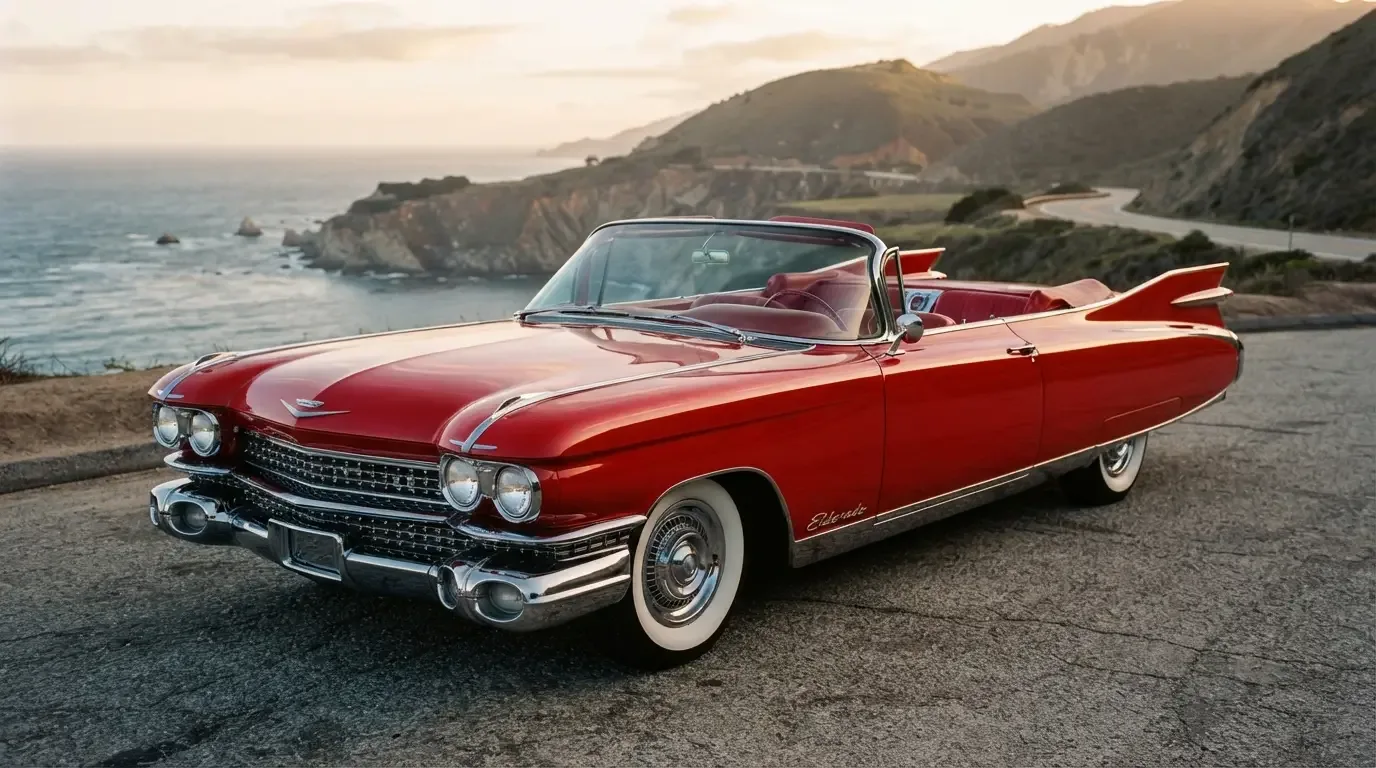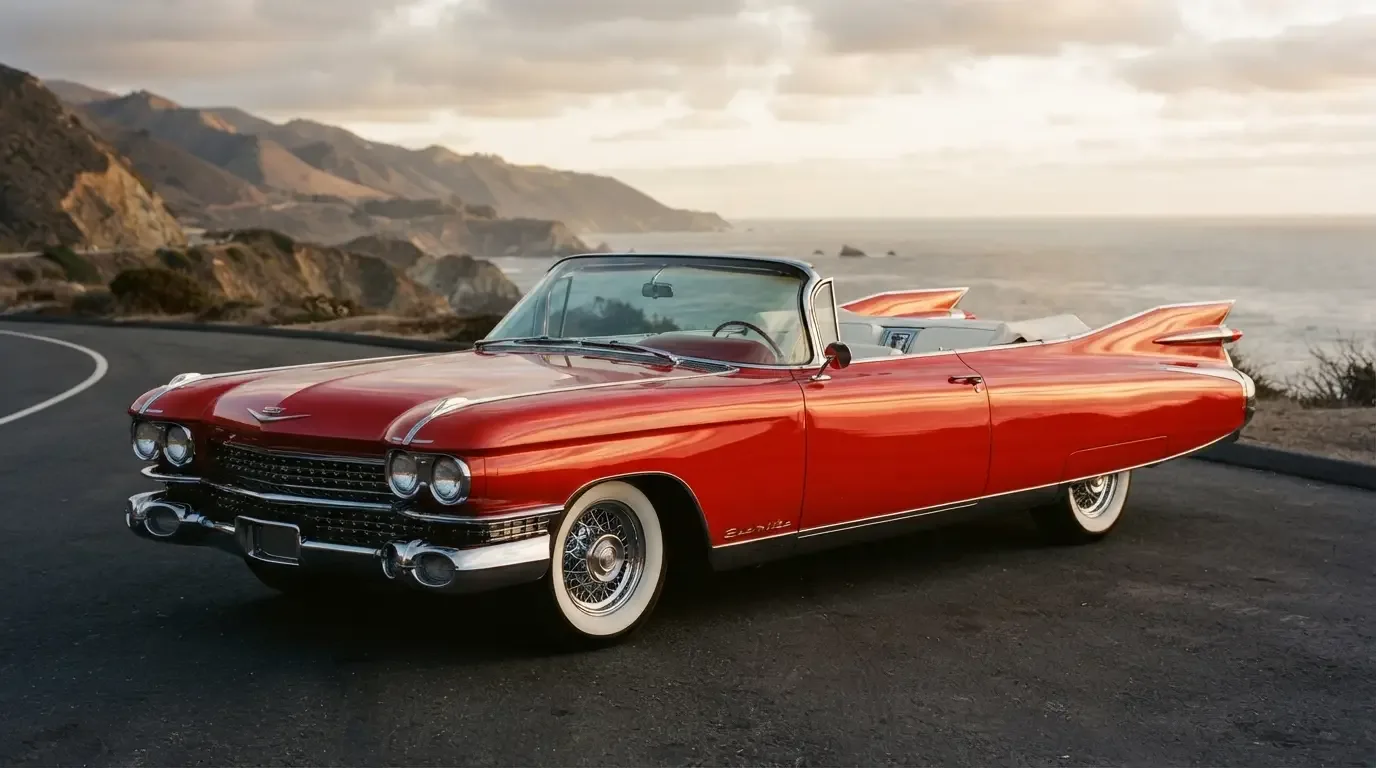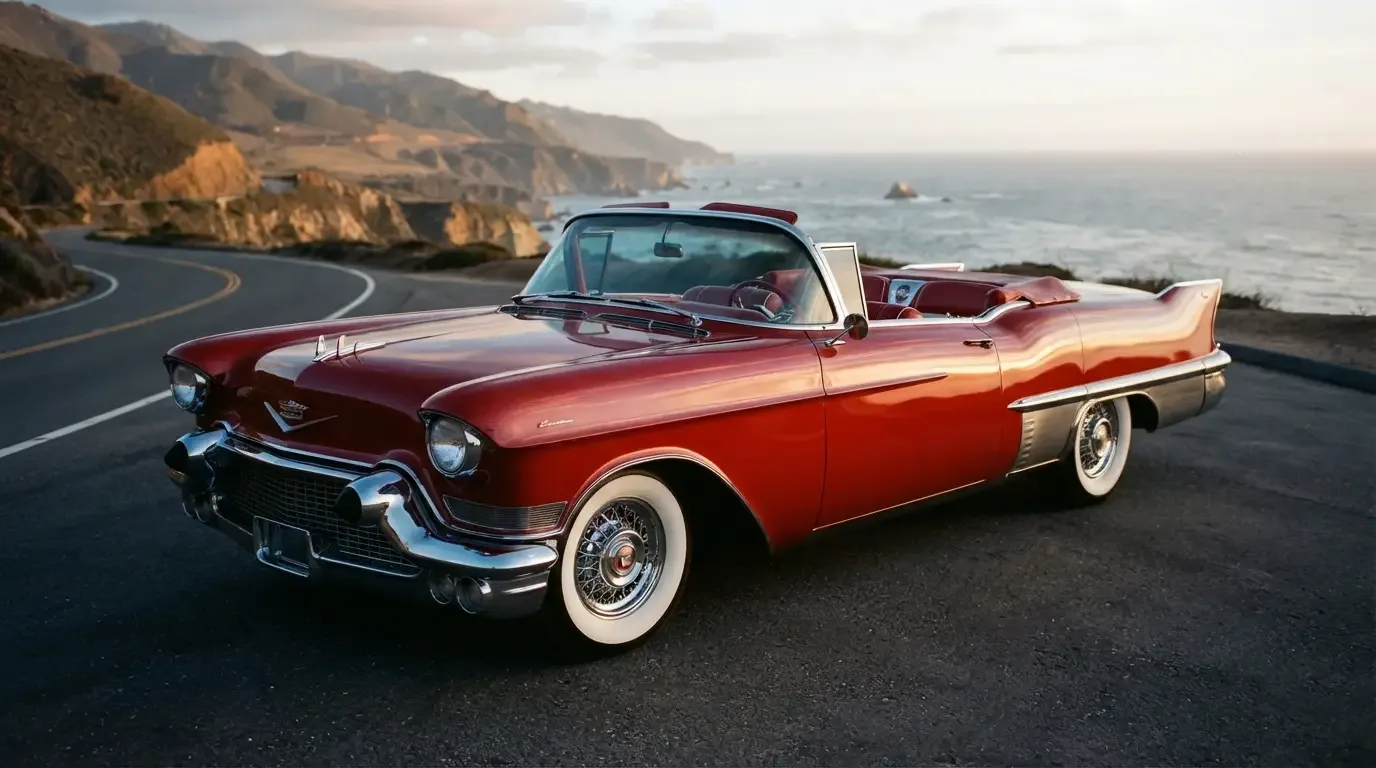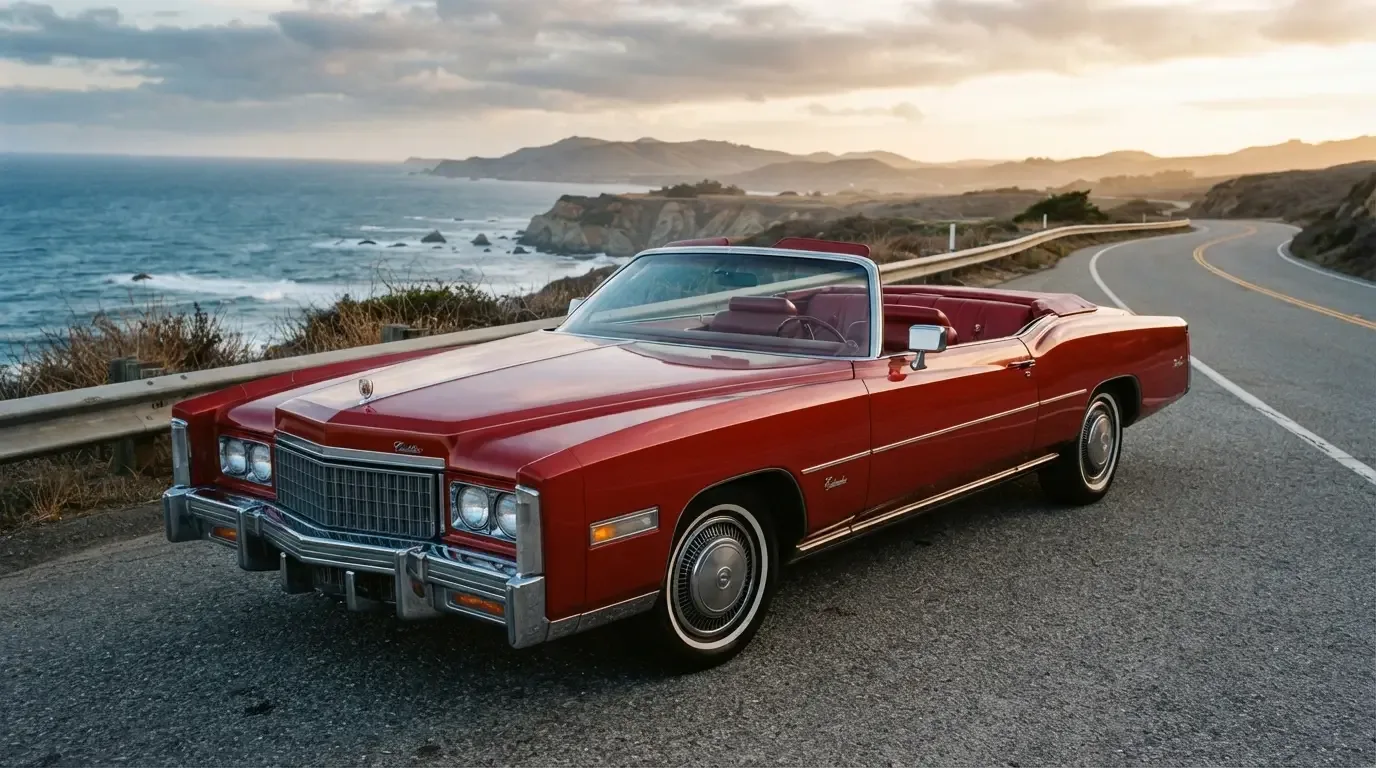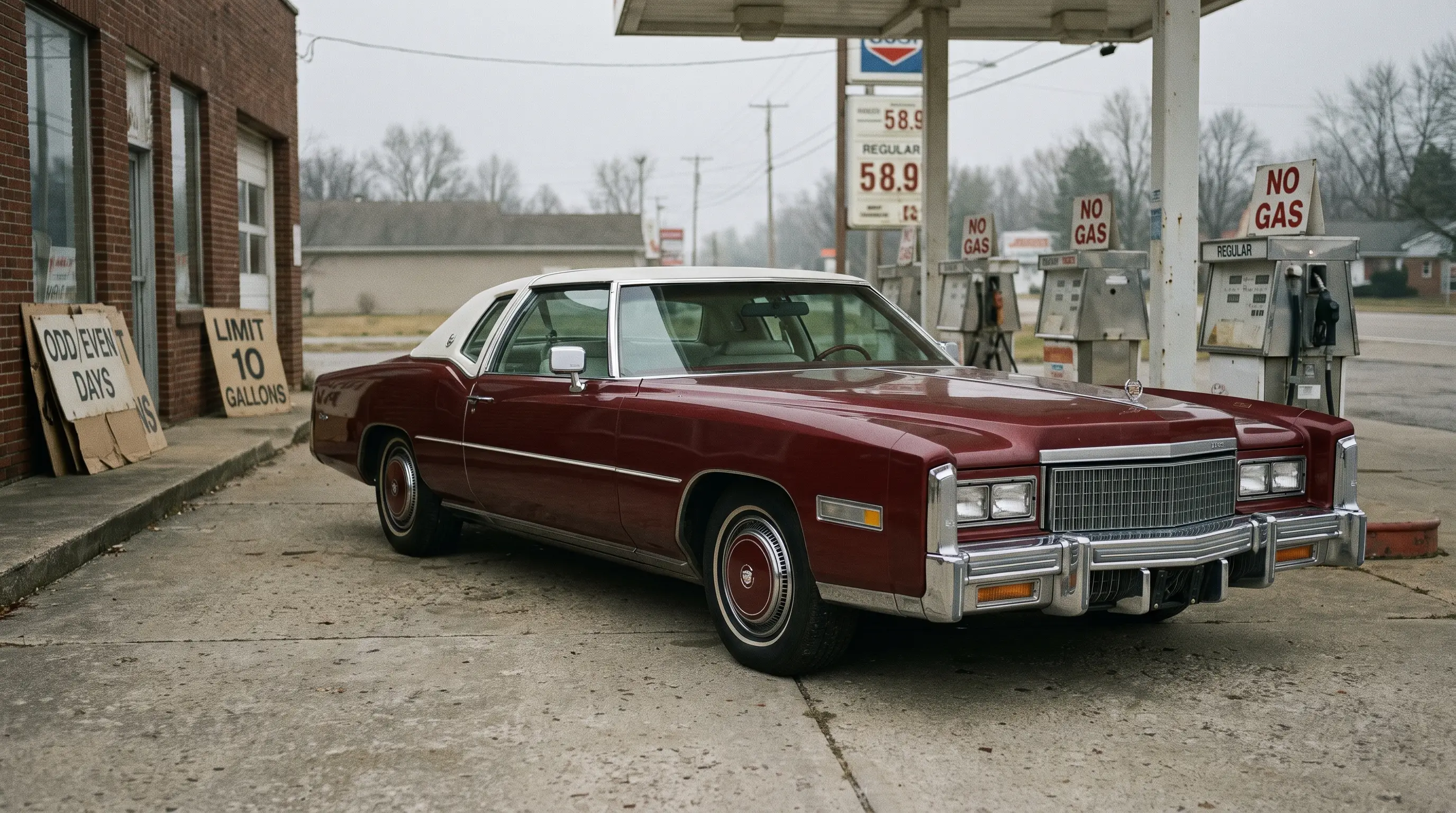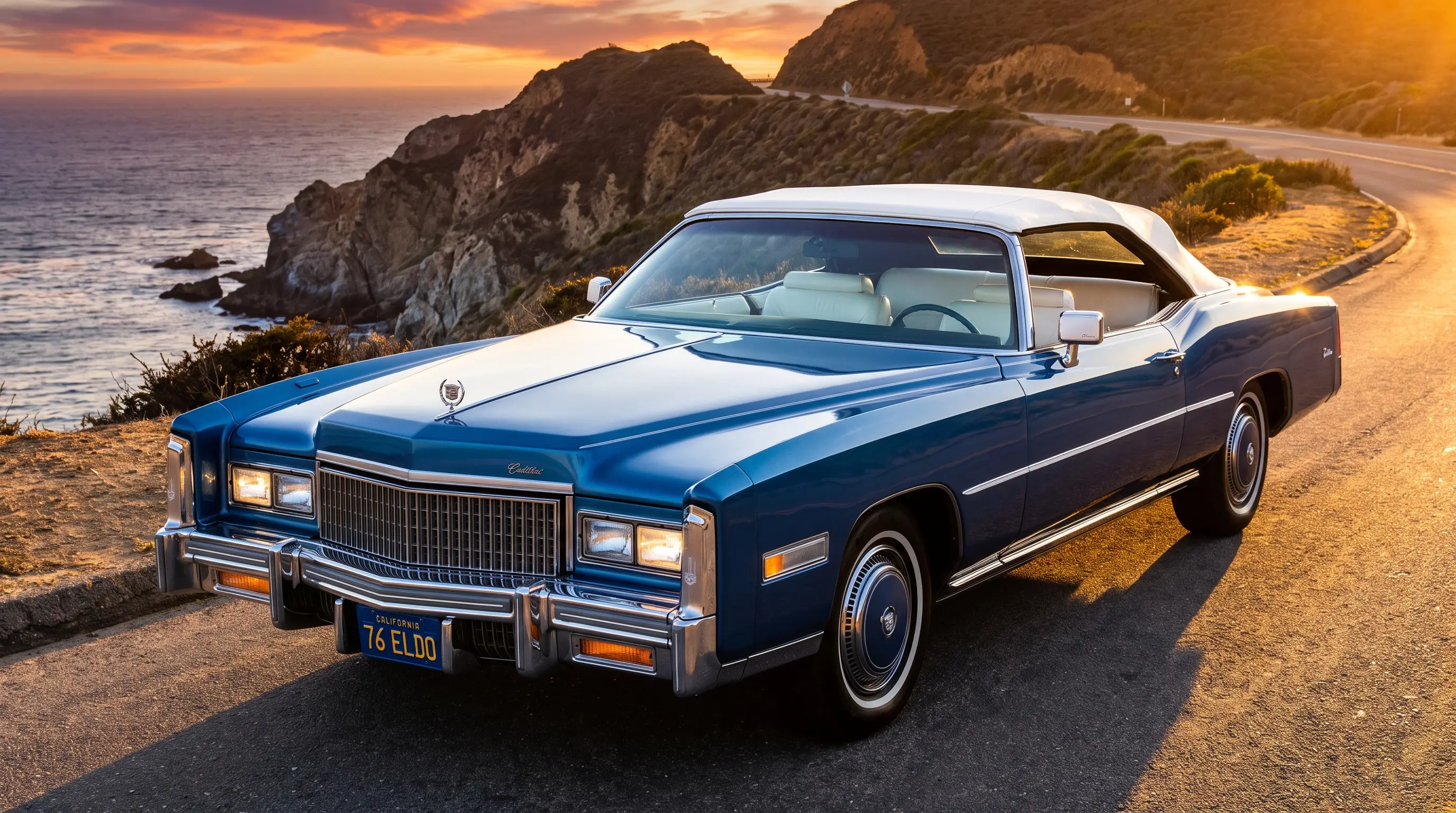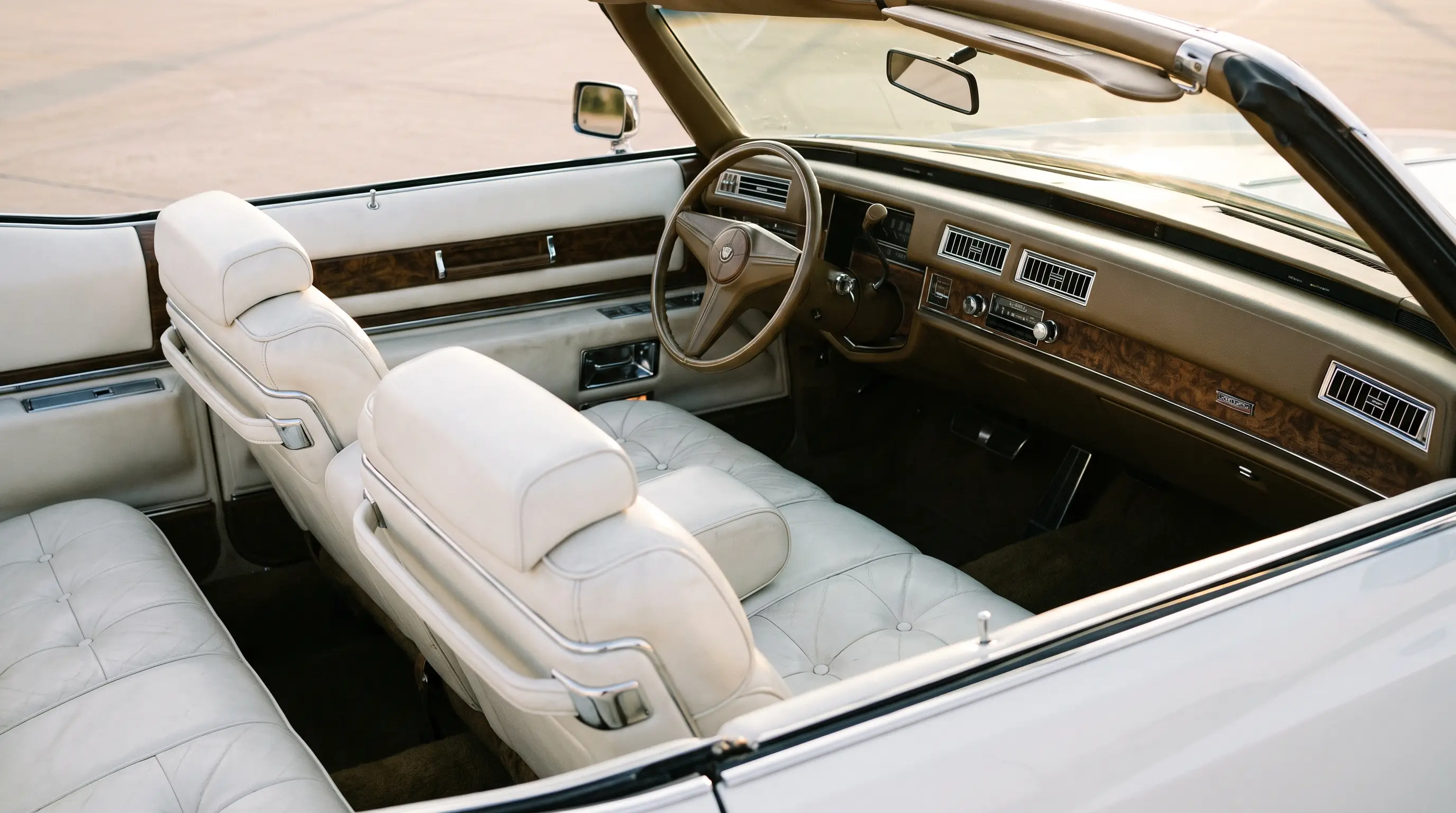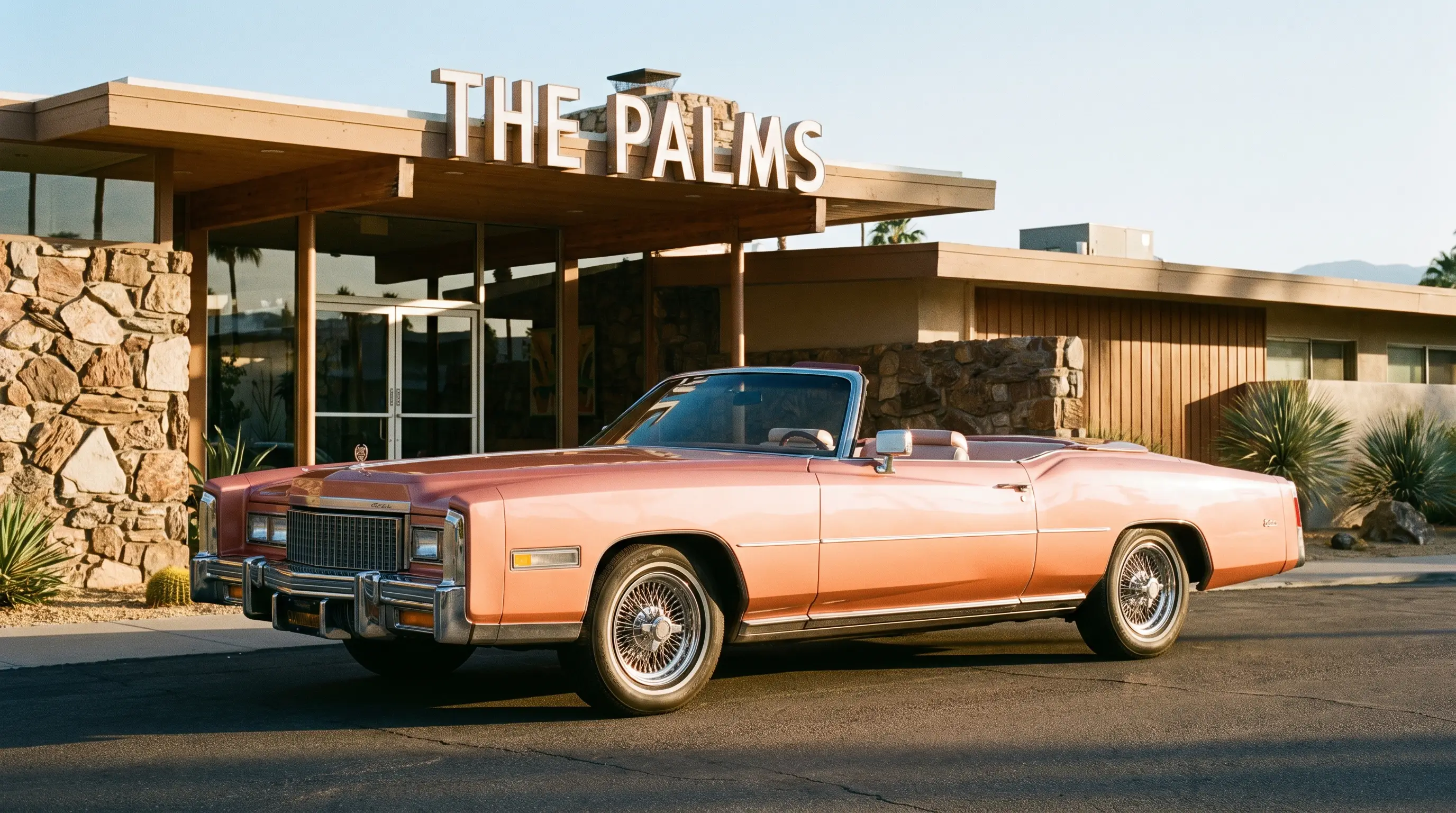
The 1976 Cadillac Eldorado holds a strange place in American automotive history, because it was sold as an ending that did not quite hold. Cadillac marketed the 1976 Eldorado convertible as the last American convertible, and for a few years that claim looked true. The reality is more interesting than the slogan, and it rewards a close reading of what the factory actually built, how many it made, and what happened next. The car deserves to be understood on the record rather than on the advertising.
Let me start with the correction that matters most, because it shapes everything else. The 1976 Eldorado was not literally the last convertible ever built in America. Cadillac itself returned to open cars within a decade. What the 1976 car marked was the end of the full-size convertible from Detroit's largest luxury division, and the company was careful to sell that moment for everything it was worth.
Why 1976 became the ending
By the mid 1970s the convertible was in retreat across the American industry. Concerns about proposed rollover safety standards, rising interest in air conditioning and hardtop quiet, and shifting buyer taste had all pushed open cars toward the margins. One brand after another dropped its convertibles, and by 1976 Cadillac was among the last holdouts with a full-size soft top still in production.
Cadillac read the moment correctly and turned the end of the Eldorado convertible into an event. The company announced that 1976 would be the final year, and it built demand around that scarcity. Buyers responded, and the 1976 Eldorado convertible became a car people purchased specifically because they believed it was the end of a line. That belief drove both the original sales and the collector interest that followed.
The numbers on the record
For 1976 Cadillac produced a substantial run of Eldorado convertibles, with figures commonly cited at 14,000 units for the model year. That is a meaningful number, and it is worth keeping in mind, because scarcity in the collector sense does not always mean the car was rare when new. The 1976 convertible sold well precisely because it was billed as the last chance to buy one.
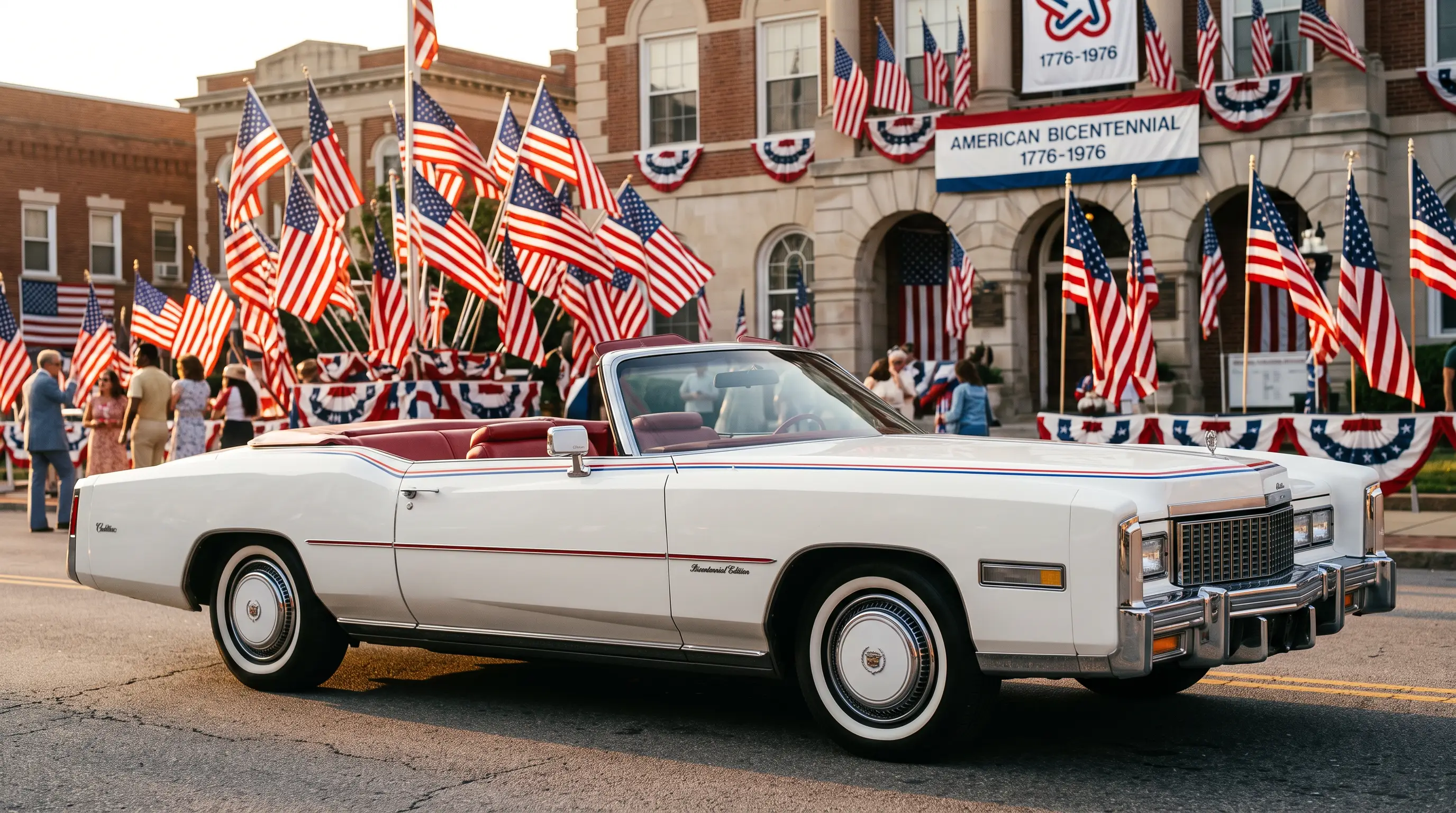
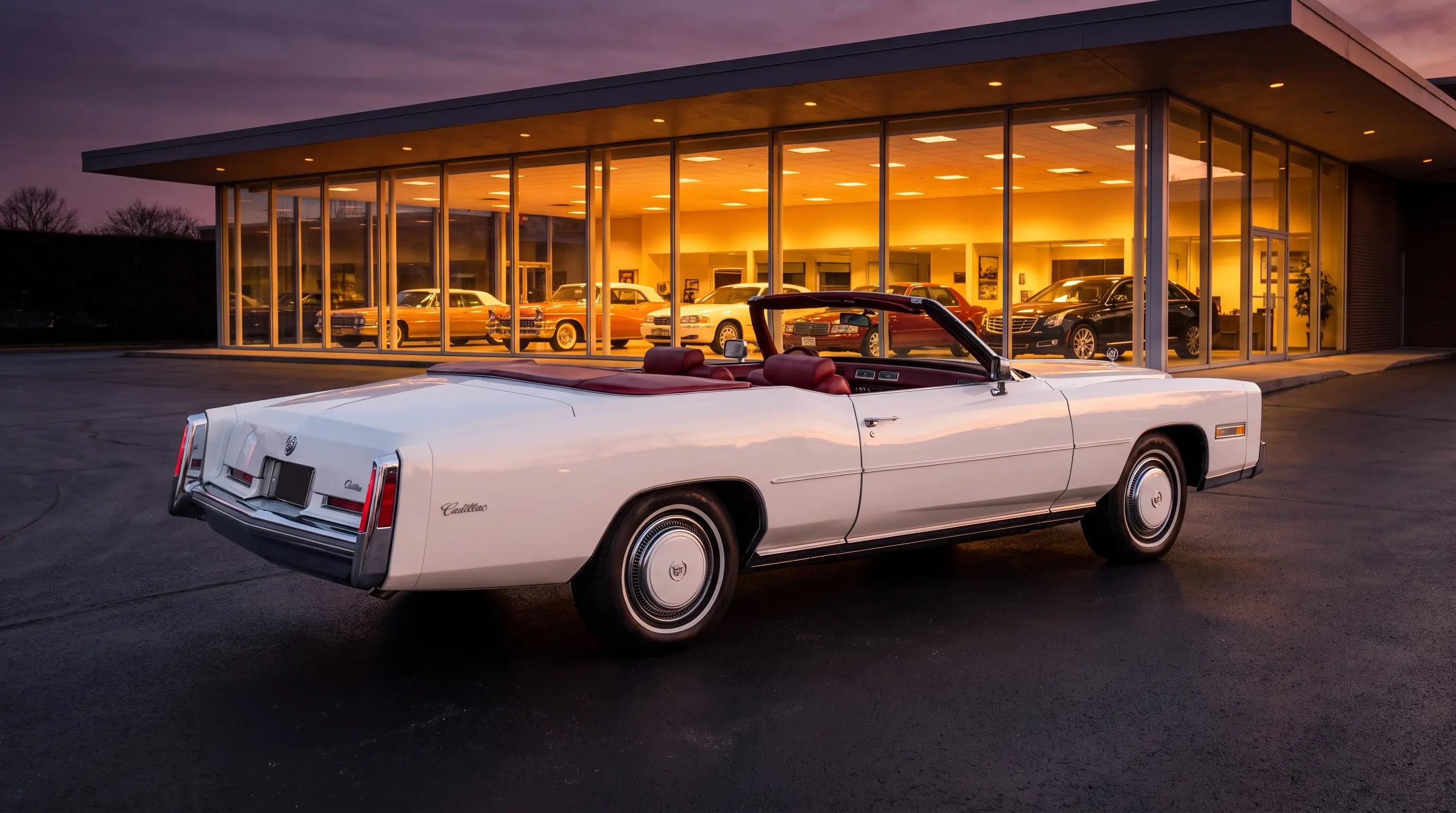
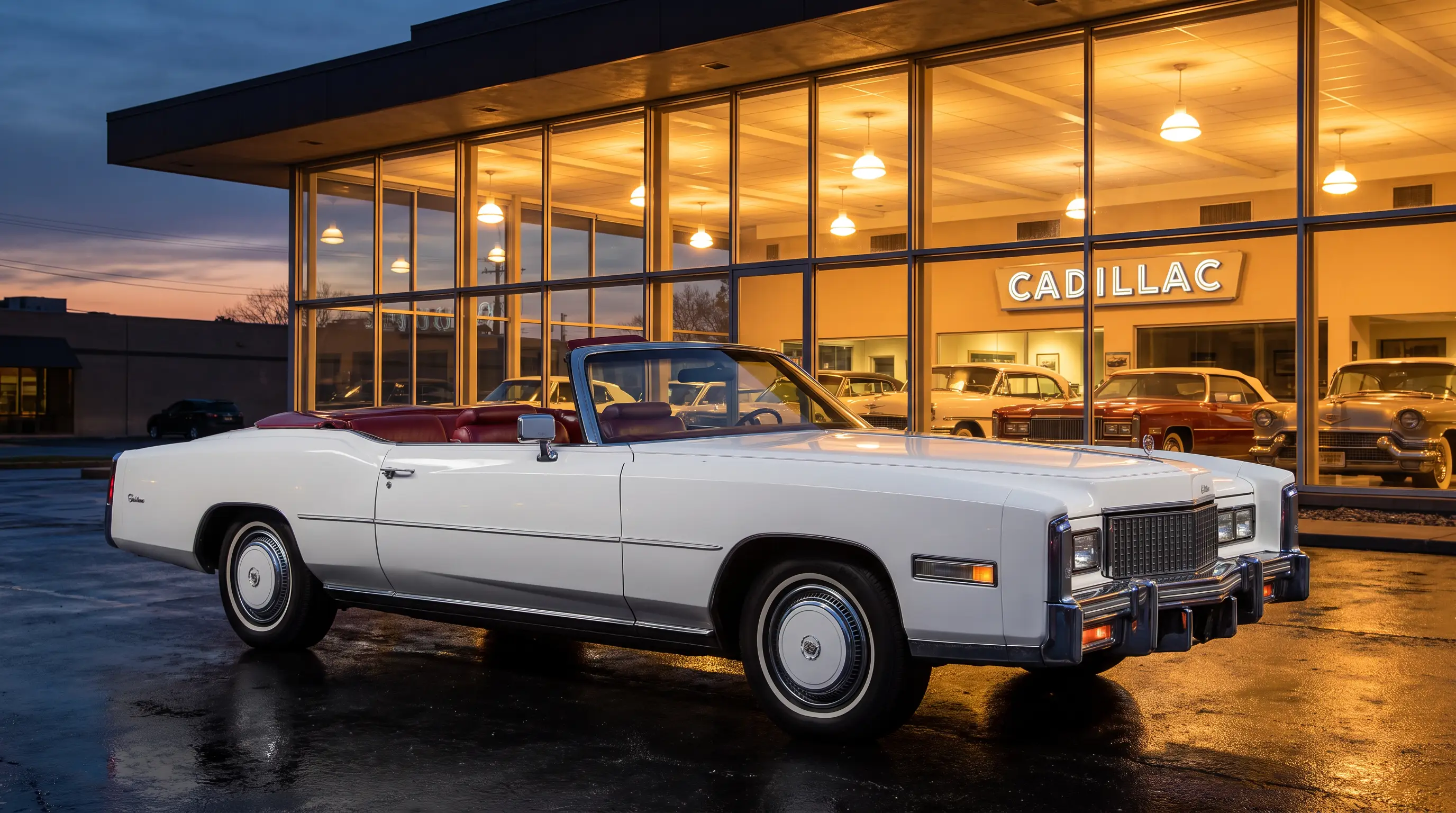
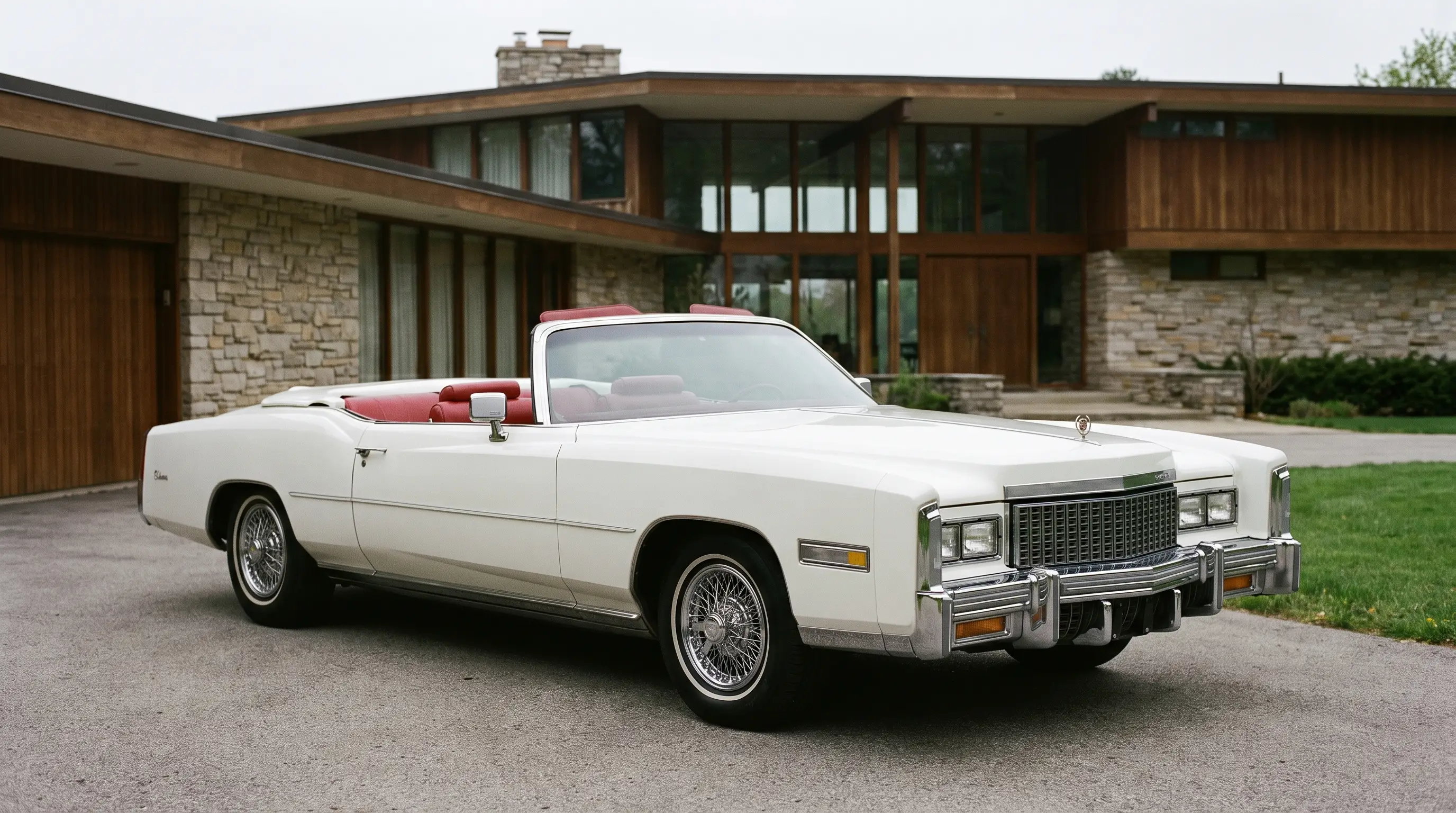
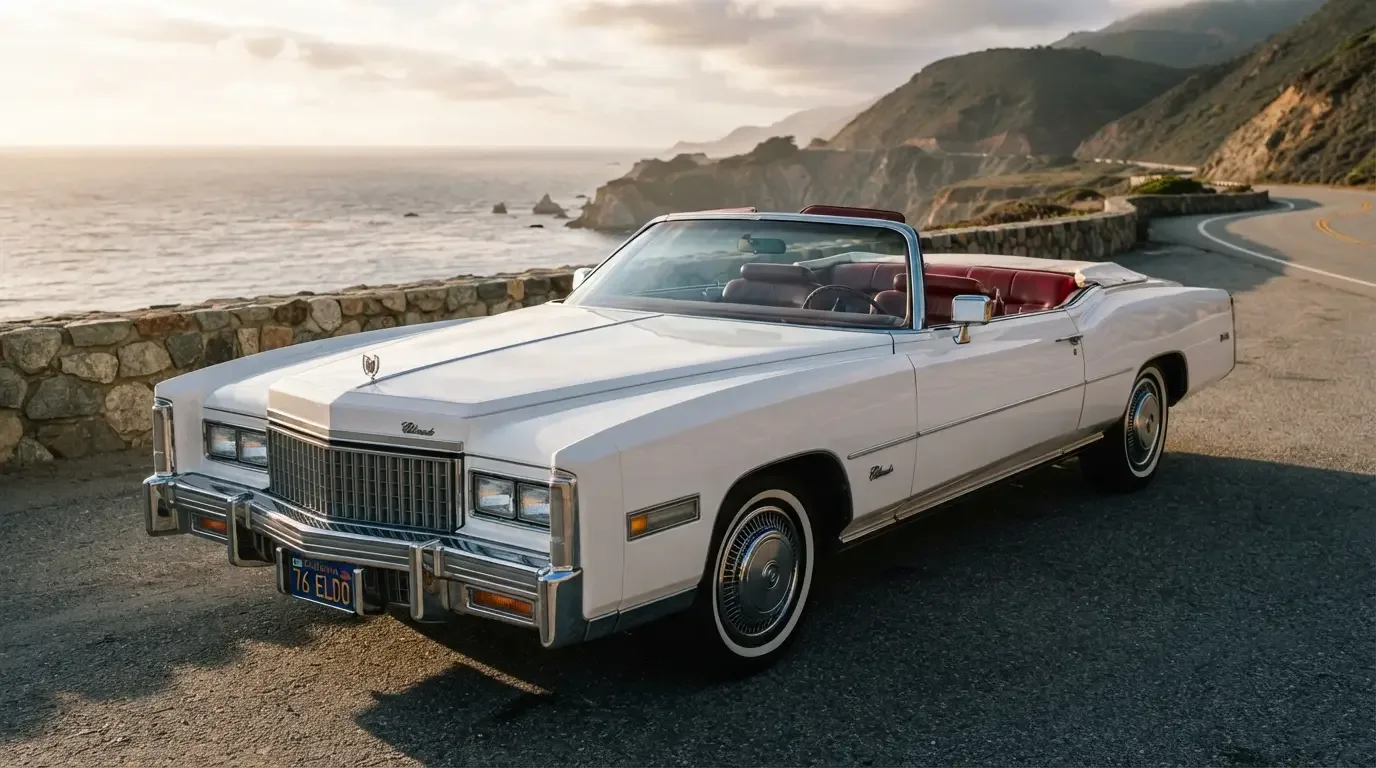
The final portion of that production was set aside for a special commemorative treatment. Cadillac finished the final 200 examples in white, trimmed as Bicentennial cars with a red and blue pinstripe, marking them as the closing cars of the run. These commemorative convertibles have always drawn extra attention from collectors, and separating a genuine final-series car from a standard white 1976 convertible is exactly the kind of documentation question that rewards careful research.
What powered the car
The 1976 Eldorado carried Cadillac's 500 cubic inch V8, one of the largest passenger-car engines the company ever produced. By this point emissions equipment had reduced its net output considerably from the peak figures of a few years earlier, and the rating stood at 190 horsepower. The number looks modest against the displacement, but the character of the car was never about output.
This was a front-wheel-drive luxury coupe and convertible built to move in quiet comfort. The 500 cubic inch engine gave it easy low-speed torque and effortless cruising, which suited a car that weighed well over two tons. The engineering priorities were smoothness and silence, and the drivetrain delivered both. Reading the 1976 car as underpowered misses what Cadillac was actually engineering for, which was refinement rather than acceleration.
How the myth held and then broke
The interesting part of the 1976 story is what happened to the last-convertible claim over time. For several years after 1976 it was effectively true, since no major American manufacturer offered a full-size convertible. Owners of the 1976 cars held them as milestone pieces, and values reflected that status.
Then Cadillac reopened the door. The company reintroduced an Eldorado convertible in the mid 1980s on the downsized platform, and other American brands brought convertibles back as well once the feared safety rules failed to materialize. That does not erase what the 1976 car represented, but it does change the claim from a permanent fact to a marketing statement about a specific moment. A careful account of the model has to hold both truths at once. The 1976 Eldorado was the end of an era, and it was also not the literal end that the ads implied.
The commemorative cars and the paperwork behind them
The final white convertibles are where the 1976 story gets most interesting for anyone who cares about the record. Cadillac closed out production with a batch of cars finished in white and trimmed as Bicentennial editions to mark the end of the run. These were sold with material identifying them as the last convertibles, and that documentation is exactly what gives them their standing today.
Here is the caution I always offer. Because a white 1976 Eldorado convertible was also available as a standard car, the color alone proves nothing. The difference between a genuine final-series commemorative car and an ordinary white convertible comes down to the paperwork and the specific trim details that Cadillac used on the closing run. Over the decades, plenty of ordinary white cars have been presented as something more, which is why serious buyers trace the documentation rather than trusting the finish. The historical value lives in the record, not the paint.
How the market received the car
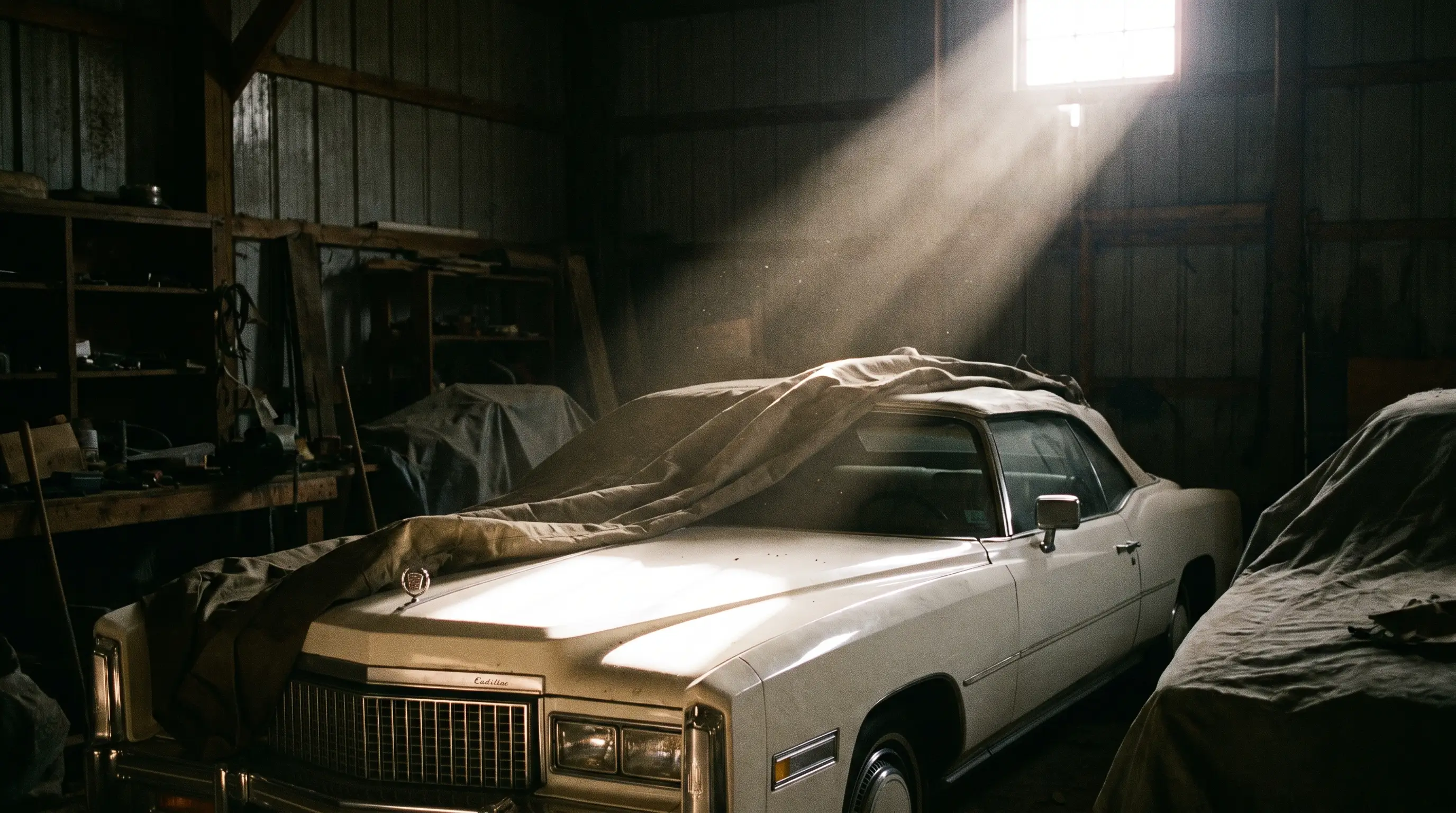
When the 1976 Eldorado convertibles were new, the last-convertible framing drove strong demand, and many buyers set their cars aside as investments almost immediately. That produced an unusual situation for a car built in the thousands, where a meaningful number were preserved in low-mileage condition from the start. Owners who believed they were buying the end of an era treated the cars accordingly.
That early preservation shaped the collector picture that followed. A car that people saved on purpose tends to survive in better numbers and better condition than one that was simply used up, and the 1976 convertible benefited from that instinct. The result is a model that carries genuine historical weight from its place in the convertible story, backed by a supply of well-kept examples that reflect how seriously buyers took the ending at the time.
Where it fits in the Eldorado line
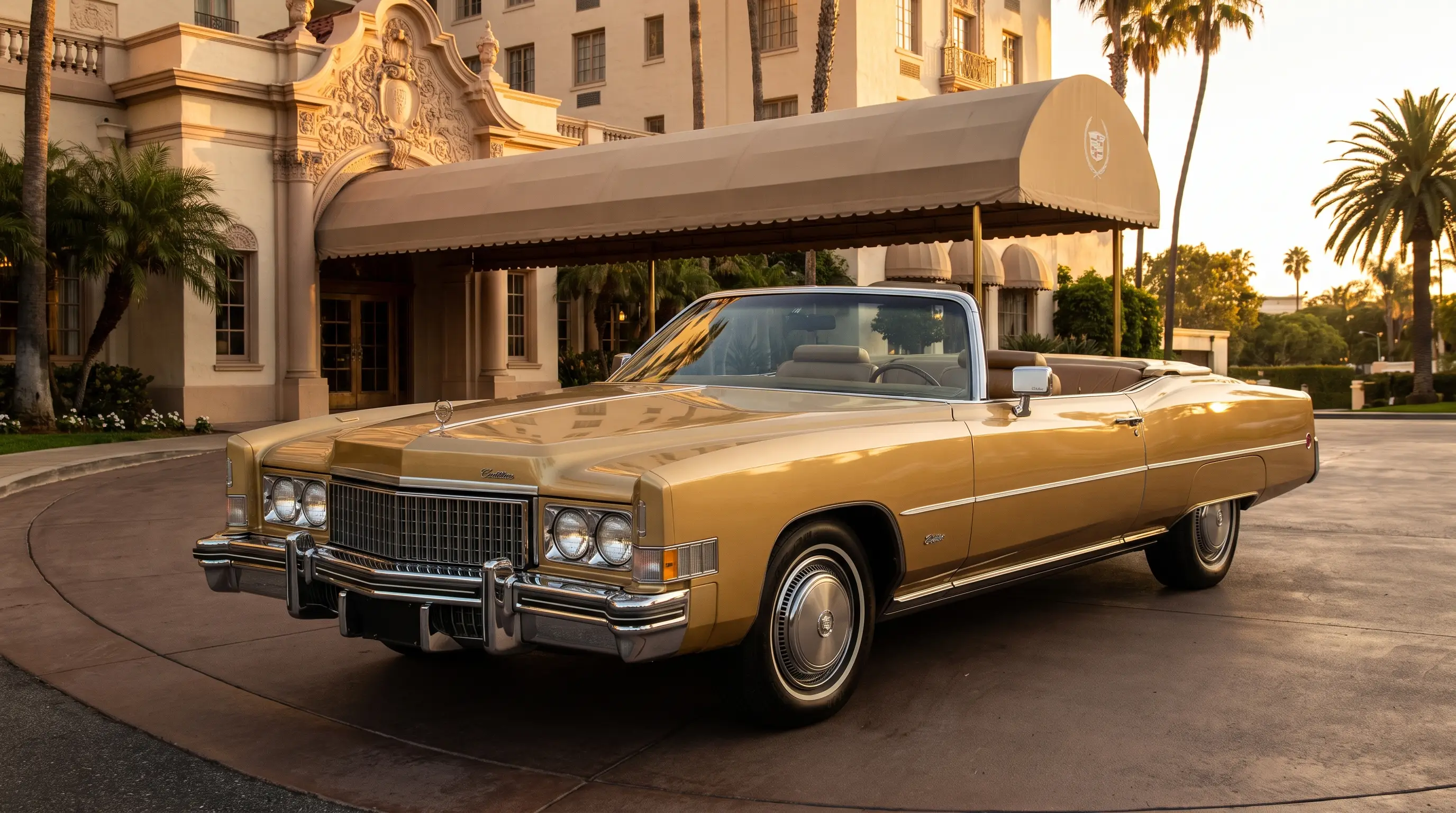
The 1976 convertible sits at the close of the big front-drive Eldorado generation that ran through the first half of the 1970s. These were large, heavy, comfort-first cars, and the convertible was their most memorable form. Within three model years the Eldorado would be downsized dramatically, so the 1976 car also marks the end of the land yacht era for the nameplate.
Placed in the full sweep of the model, the 1976 convertible is one of several cars that carry outsized symbolic weight. Anyone working through the history will find it sits naturally alongside the tailfin cars and the later Northstar coupes as a defining chapter. For the complete arc, our our cadillac eldorado retrospective places the 1976 car in the context of the generations around it.
"The 1976 Eldorado was sold as the last American convertible, and the honest record shows it was the last for a while, not forever. That distinction is the whole story."
- Tom Ramirez
The car around the convertible
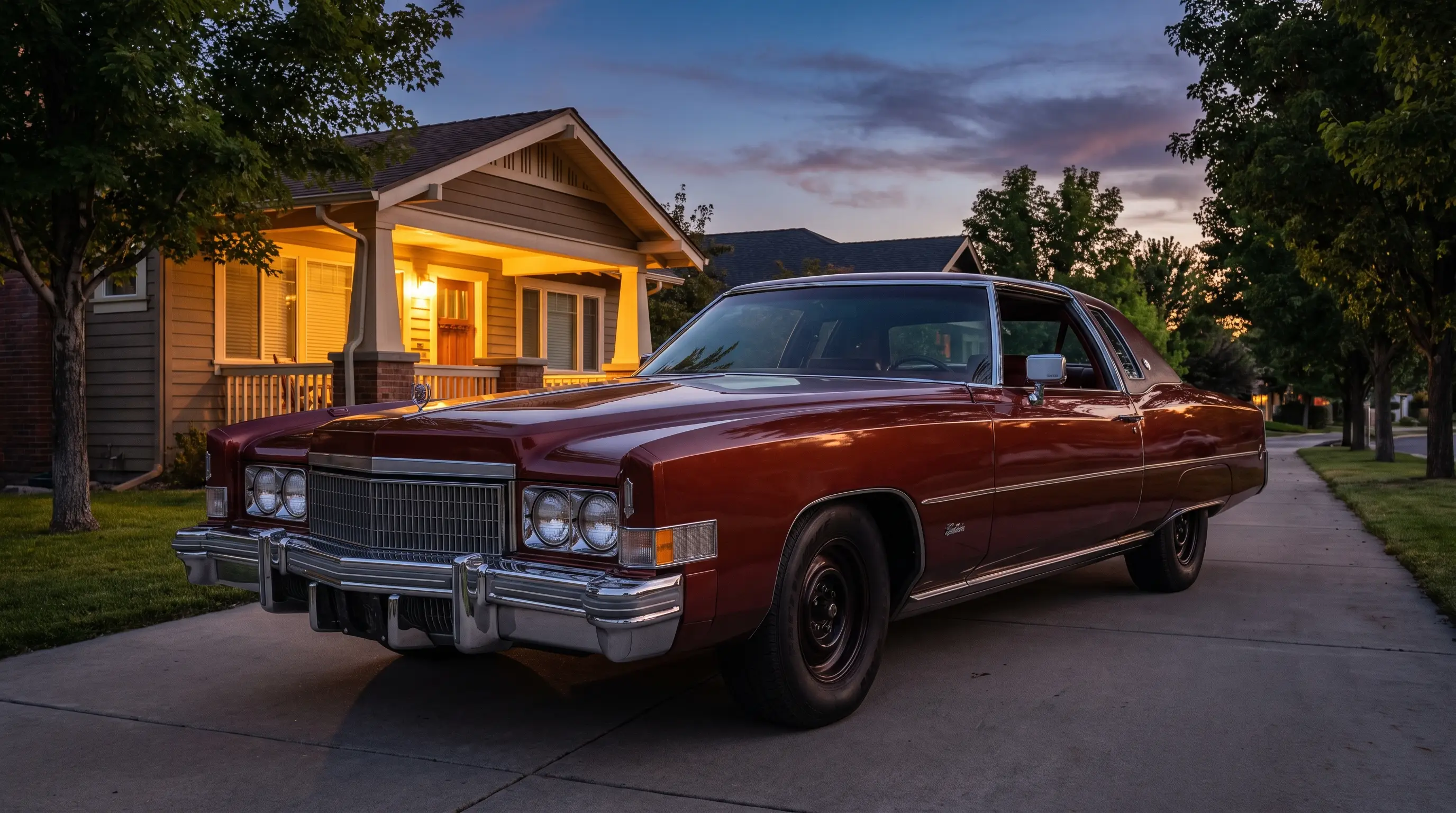
It is worth remembering that the 1976 Eldorado was more than a soft top. The coupe accounted for a large share of Eldorado production that year, and it shared the same front-drive platform, the same 500 cubic inch V8, and the same generous dimensions as the convertible. The coupe simply did not carry the last-of-the-line story, so it has never drawn the same collector attention despite being mechanically identical in most respects.
That gap in reputation tells you how much of the 1976 convertible's status rests on narrative rather than engineering. A well-kept 1976 coupe offers the same driving character and the same period luxury, without the premium the convertible commands. For a researcher, the pair makes a clean case study in how a single marketing claim can separate two closely related cars in the eyes of the market for decades afterward.
The interior of both body styles reflected the era's idea of luxury, with wide bench or split-bench seating, deep trim, and a long list of power accessories. These were cars built for the boulevard, and the 1976 examples represent the full expression of that approach before the dramatic downsizing that arrived at the end of the decade changed the Eldorado completely.
The lasting appeal
What keeps the 1976 Cadillac Eldorado interesting is that its reputation was built on a claim that time complicated. The car earned its place partly through genuine significance, as the end of the full-size American convertible from a major luxury brand, and partly through skillful marketing that turned that moment into a collectible event. Both factors are real, and both belong in an honest account.
For collectors, that history makes the 1976 convertible a car to research carefully rather than accept at face value. If the model interests you, the related trim history is worth reading too, and the Biarritz line is a related story that overlaps with this era in useful ways. For those ready to look at the market, you can find Eldorados for sale now and see how the last-convertible reputation is valued today.
The 1976 Eldorado is best understood as a well-documented ending that turned out to be a pause. Read that way, it is one of the more instructive cars in the whole Cadillac story.