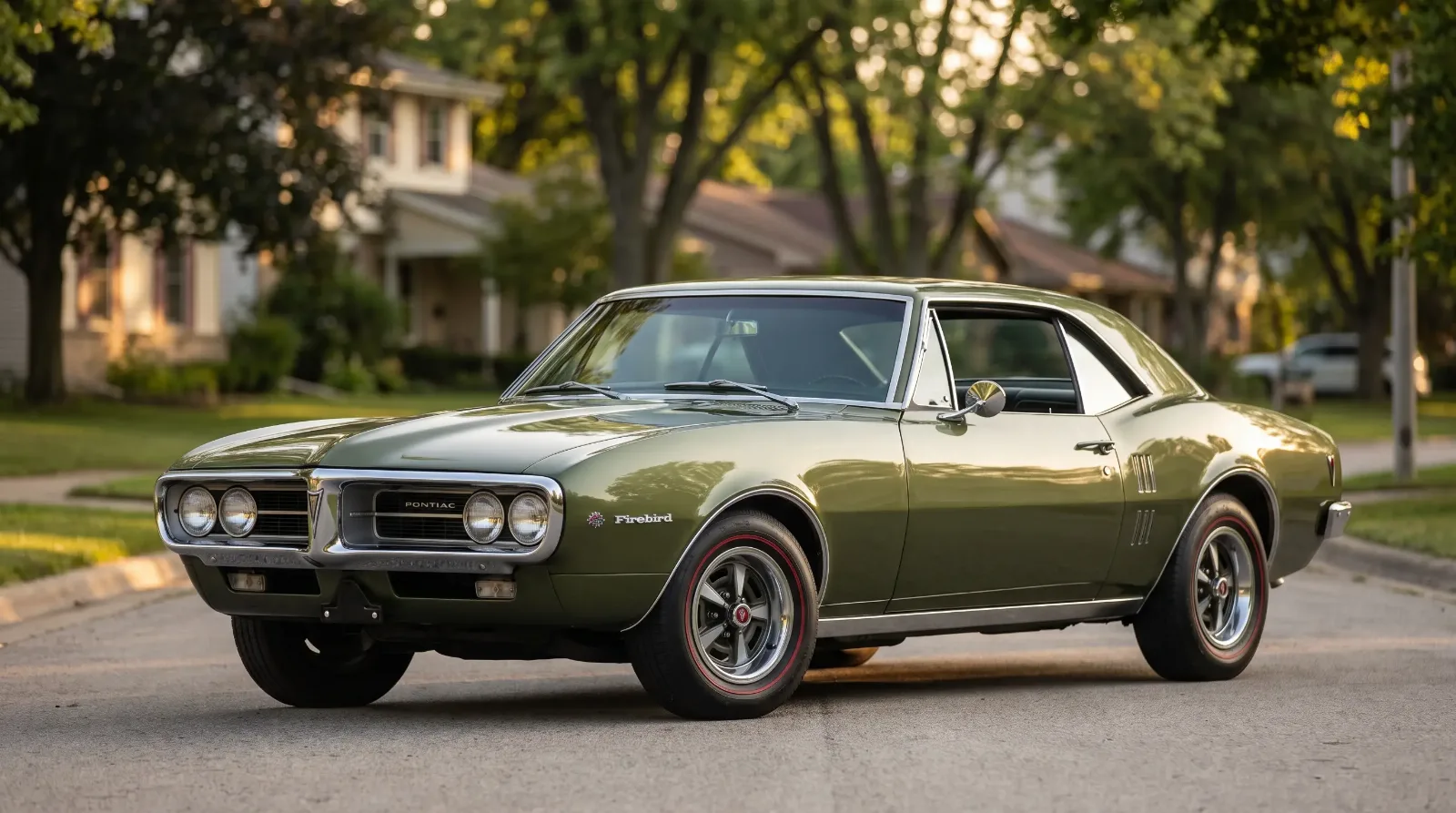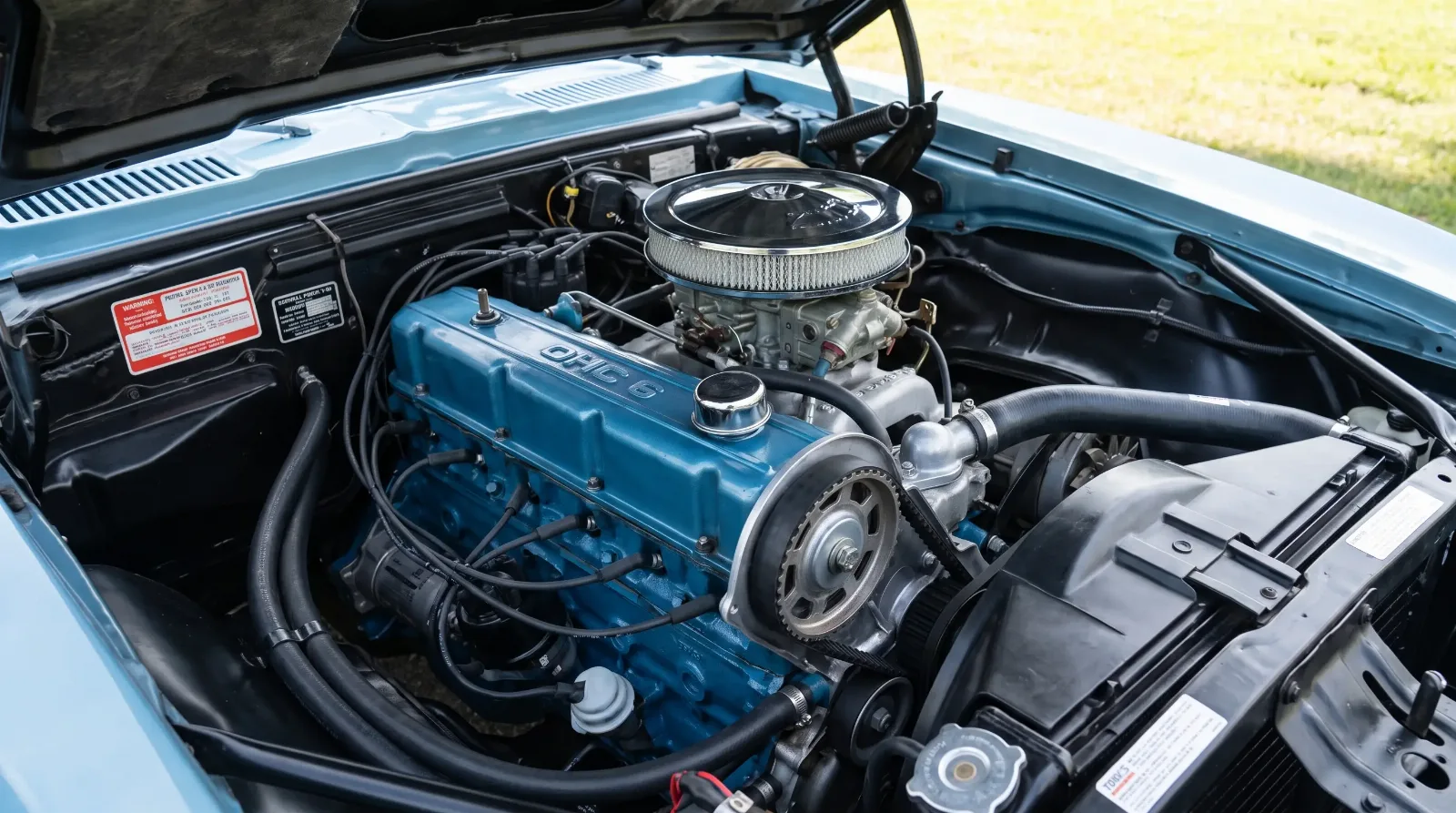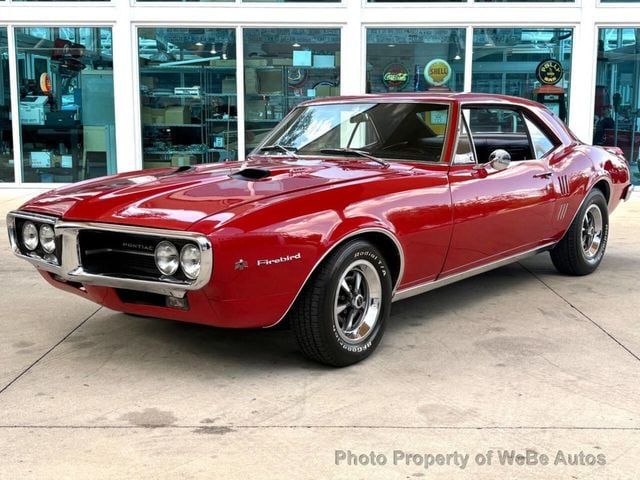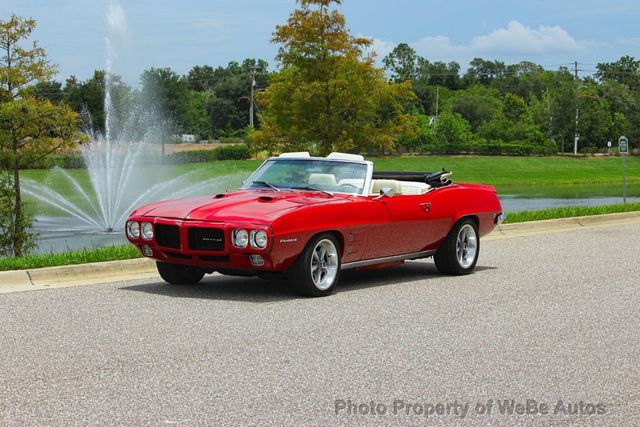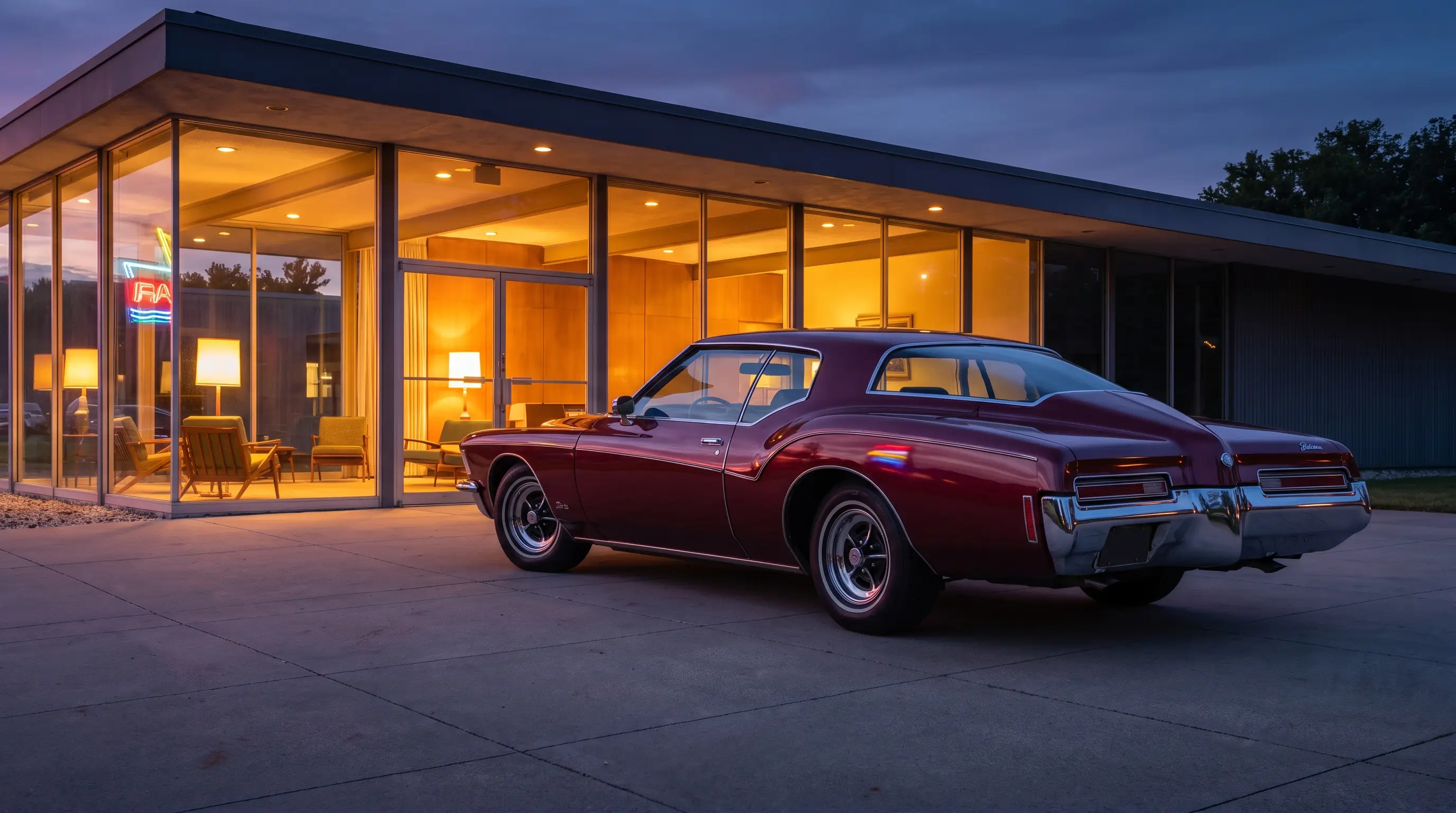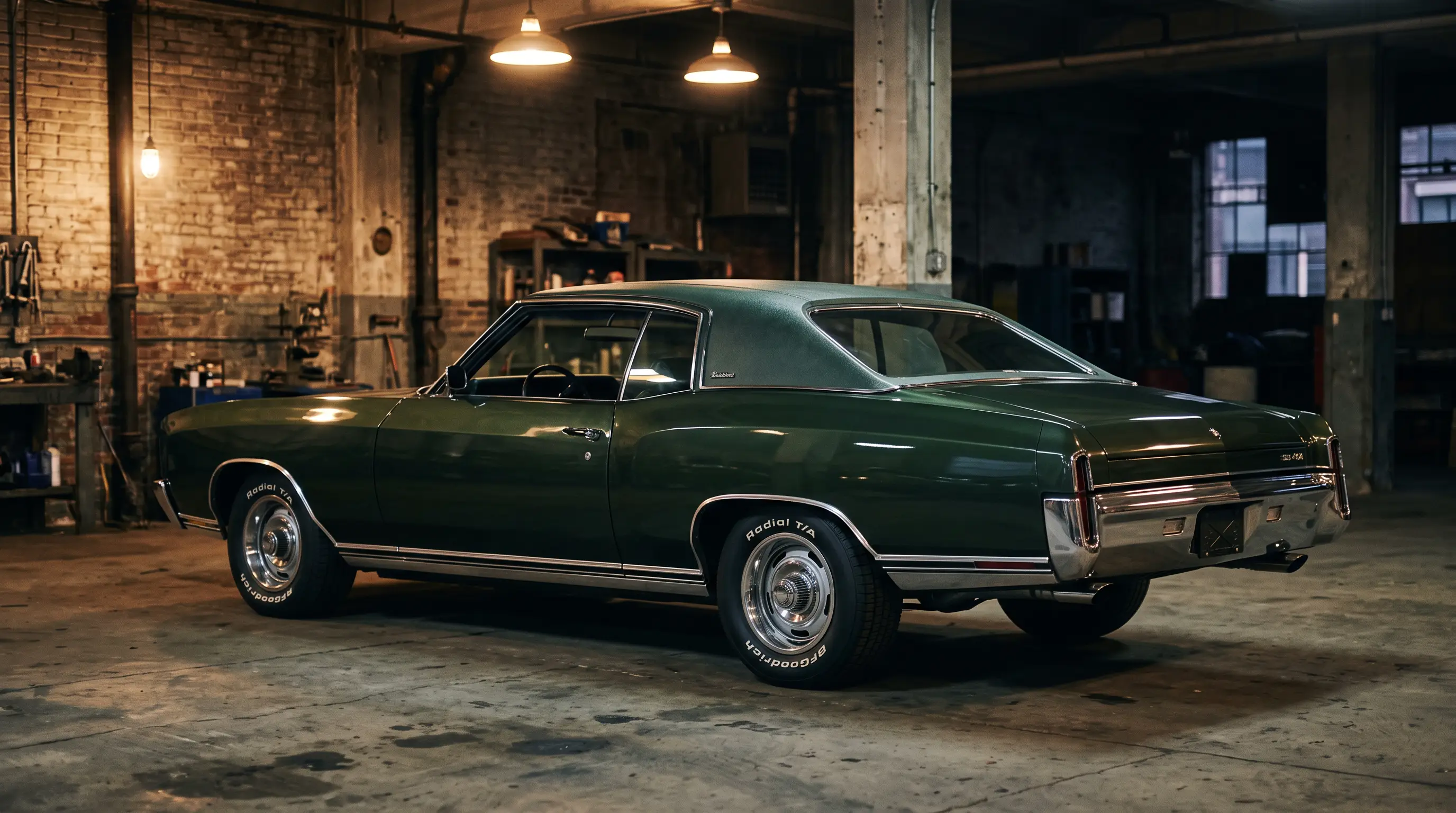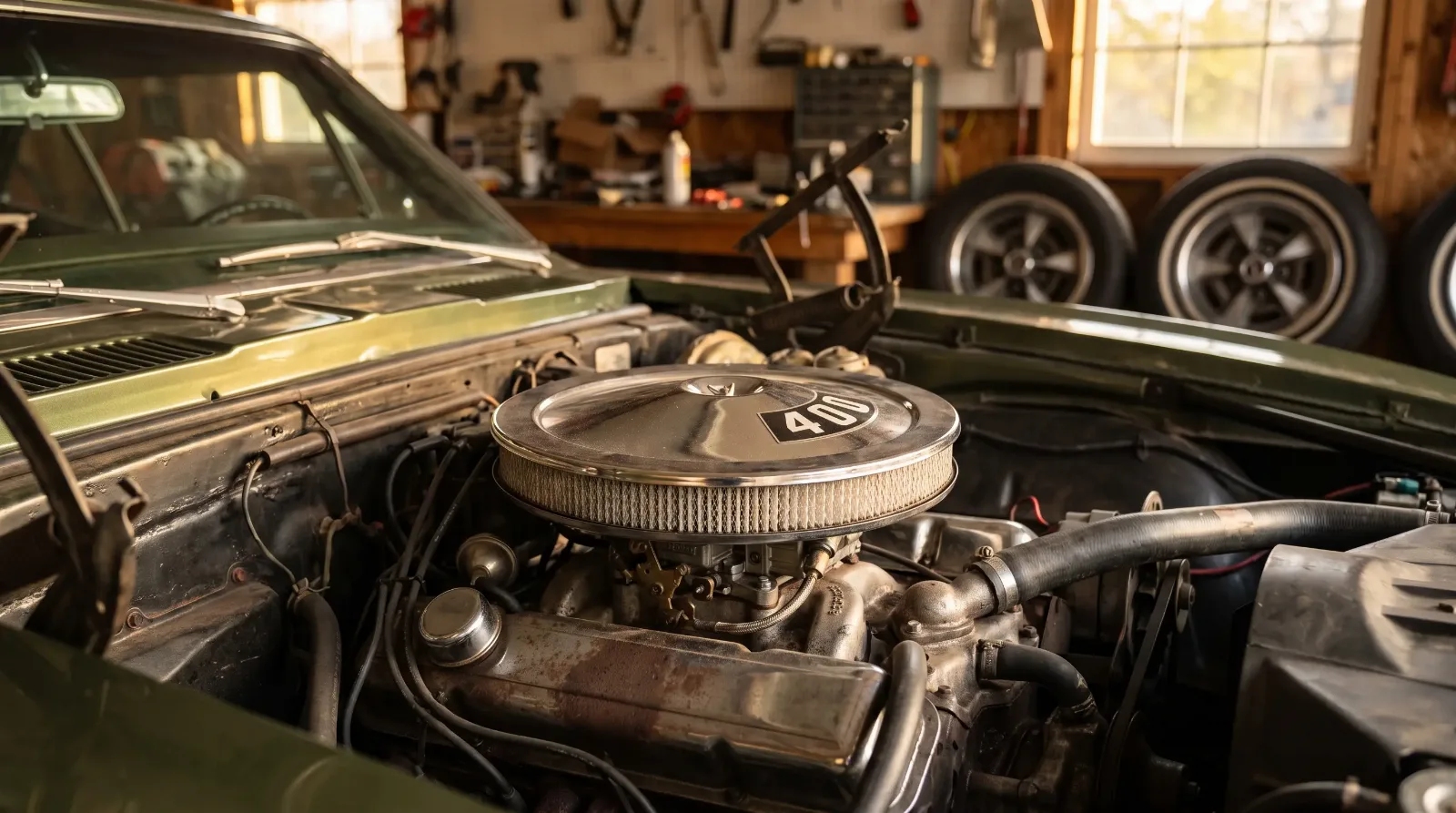
Midway through the 1967 model year, Pontiac added an engine to the Firebird lineup that had no business, on paper, fitting into a compact pony car. The 400 cubic inch V8 was the same basic architecture powering the full-size Pontiac Bonneville and Catalina, and dropping it into the Firebird's engine bay turned the car from a stylish alternative to the Mustang into a genuine muscle car contender. The 1967 Firebird 400 is the option that made Pontiac's pony car matter to buyers who cared about quarter mile times as much as sheet metal.
Borrowing from the big car parts bin
Pontiac did not design a new engine for the Firebird 400. It adapted the 400 cubic inch V8 already doing duty across the division's full-size cars, sharing its basic block architecture with the engine Pontiac used in the GTO that same year, though the Firebird's version ran a milder camshaft and lower compression to suit a lighter, more street-oriented car. Rated at 325 horsepower with a four barrel carburetor and dual exhaust, the 400 gave the Firebird a power-to-weight figure that put it in direct competition with Chevrolet's 396 cubic inch big block Camaro option, even though Pontiac's own division had originally been denied a two-seat sports car and settled for the F-body as a compromise. Readers who want that origin story in full should start with the first-gen Firebird story before digging into the 400 specifically.
What the 400 actually delivered
| Spec | 1967 Firebird 400 |
|---|---|
| Displacement | 400 cubic inches |
| Carburetion | Four barrel |
| Horsepower | 325 hp |
| Transmission options | Three or four speed manual, two speed automatic |
| Exhaust | Dual, standard on 400 |
The 400 was rated at 410 lb-ft of torque at 3400 rpm alongside its 325 horsepower peak. Period road tests bore that out: Car and Driver ran a four speed manual 400 convertible to a 14.4 second quarter mile at 100 mph, while Motor Trend's automatic-equipped convertible test car covered the quarter in 15.4 seconds at 92 mph, respectable numbers for 1967 and enough to embarrass plenty of nominally sportier cars carrying smaller engines. The 400 came bundled with Pontiac's own handling package, badged WS4, which added stiffer springs, larger diameter front and rear anti-roll bars, and revised shock valving, an acknowledgment that a heavier engine up front needed chassis changes to match.
Ram Air arrives, briefly, in 1967
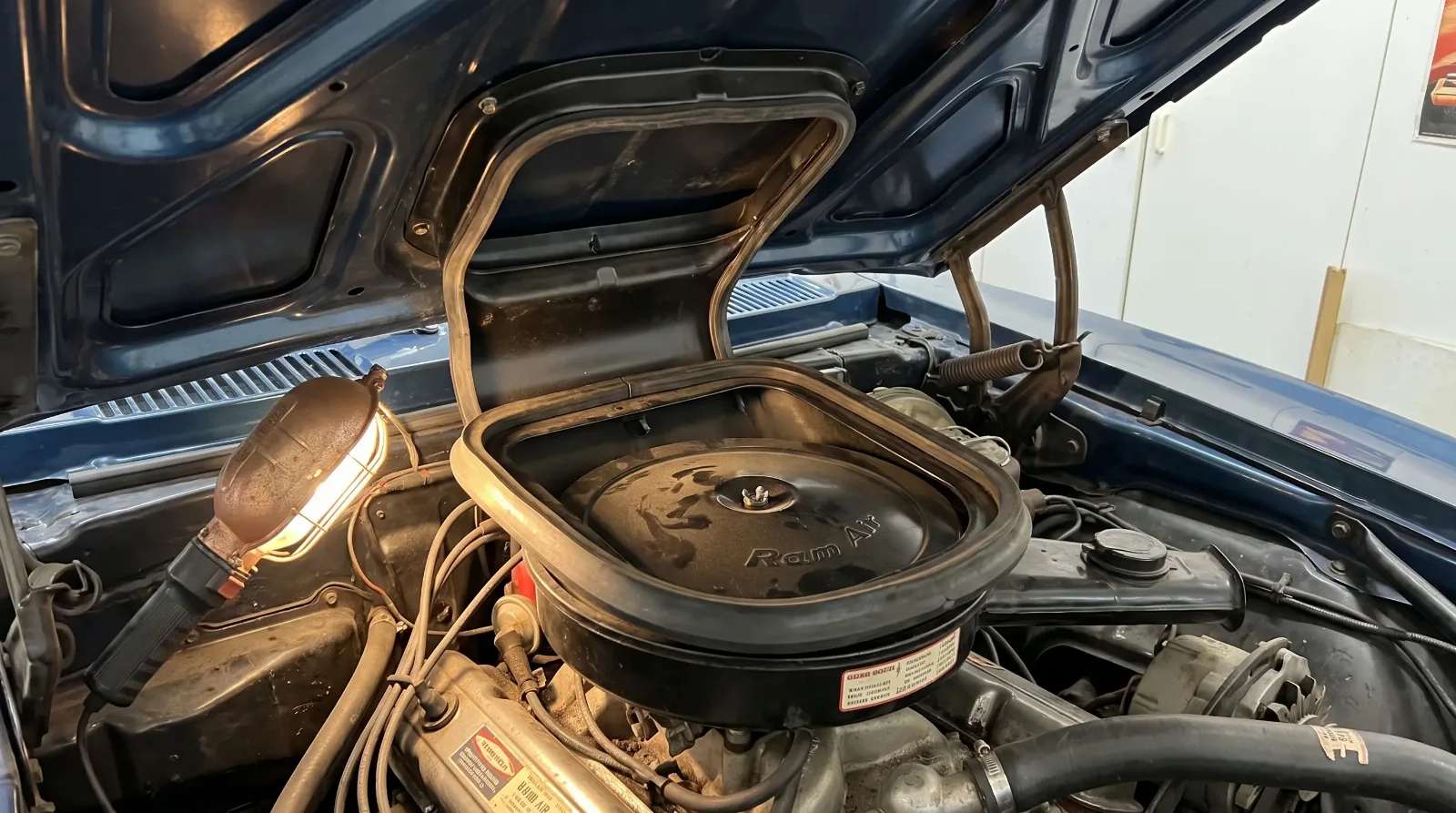
Pontiac also introduced a Ram Air option on the 400 late in the 1967 model year, using functional hood scoops to feed cooler outside air to the carburetor rather than the purely decorative scoops fitted to lesser Firebirds. Take rates on this first Ram Air package were low, and the option is often overshadowed by the more famous Ram Air packages that followed in 1968 and beyond, which receive their own detailed treatment in the next story in this set. What matters for the 1967 car is that Pontiac was already experimenting with forced induction concepts on the 400 in its very first season, well before Ram Air became a marketing centerpiece for the brand.
How buyers and the press read the 400
Tom Ramirez has compared Pontiac's original 1967 sales literature against surviving dealer invoices, and the 400 option appears consistently priced as a genuine step above the 326 cubic inch V8s rather than a minor upcharge, which tracks with how dealers positioned it: as the serious performance choice for buyers who found the six cylinder options, however clever, beside the point.
"Dealers sold the 400 as the car for buyers who already knew what they wanted. It was never pitched as an upsell from the six or the 326. It had its own customer."
— Tom Ramirez
That positioning held up through the rest of the first generation, and the 400's presence in the 1967 lineup is a large part of why the Firebird earned a reputation as a legitimate muscle car rather than simply a well-styled commuter coupe. For the full picture of how this engine fits into four generations of Firebird history, Pontiac's Firebird history traces the model from this 1967 debut through its final year.
A buyer walking into a Pontiac dealership in the spring of 1967 wanting the 400 could not simply check a box for the engine and drive away with whatever else the lot happened to have. Because the WS4 handling package rode along with the 400 as a mandatory pairing, the order form effectively locked in stiffer springs, larger anti-roll bars, and specific shock valving the moment a buyer chose the big V8, regardless of whether they had asked for a sportier ride or simply wanted the extra power. That bundling was common practice across Detroit in this era, GM's own full-size cars did the same thing with their biggest engines, but it meant the Firebird 400 buyer ended up with a noticeably different car underneath than a Firebird six or 326 owner, not just a different engine bay.
Transmission choice added another layer of decision-making. A buyer who wanted the three or four speed manual had to specify a heavier duty clutch and, depending on rear axle ratio, could stack on Pontiac's Safe-T-Track limited slip differential as a further option. Add the optional console, Rally gauges, and dual exhaust that most 400 buyers ordered as a matter of course, and the practical difference between a nicely equipped 400 Firebird and a base six cylinder coupe amounted to a meaningfully different car built on the same shell.
Why the 1967 400 still matters to collectors
Survivor 400 cars from 1967, particularly documented Ram Air examples, command real premiums over base six cylinder and 326 cars today; Hagerty auction data shows well-documented 1967 Firebirds trading anywhere from the low five figures to well over $250,000 for the most exceptional cars, reflecting both genuine scarcity and the option's historical role as the moment Pontiac committed the Firebird to the muscle car conversation rather than leaving it purely as a styling exercise. The 400's arrival, more than any single styling detail, is what convinced period buyers and later collectors alike that the Firebird deserved to be discussed in the same breath as the GTO rather than treated as a secondary nameplate.