
The Pontiac Firebird showed up late to a party Ford started. By the time it hit showrooms in early 1967, the Mustang had already sold in numbers that made General Motors nervous, and the Chevrolet Camaro was the corporate answer everybody expected. The Firebird was the other answer, the one Pontiac fought to build because John DeLorean's division wanted its own pony car, not a Chevy in a different suit. What Pontiac got was a car that outlived a lot of its rivals and picked up a personality nobody planned on. Twenty-five years later it went out on a high note. This is how that happened, and what a wrench-turner should know before buying one.
Car Features
12 min read
The Pontiac Firebird Story: From 1967 to the Screaming Chicken
The Pontiac Firebird came late, outlived its rivals, and became a movie star. Here is the full story from the 1967 birth to the 1992 classic-era close, and what to know before you buy one.
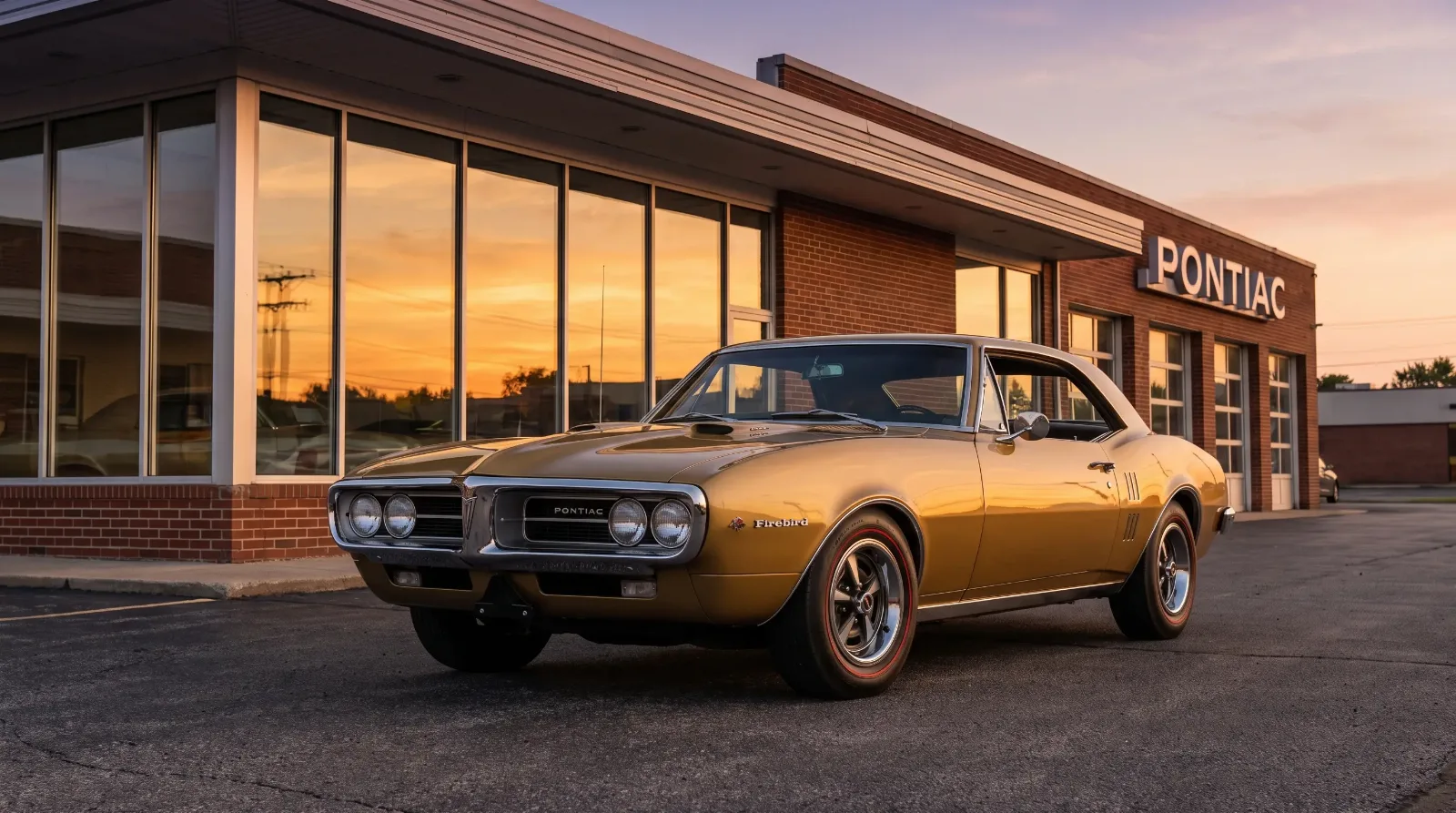
Where the Firebird came from
Go back to 1966. Ford has the Mustang. Plymouth has the Barracuda. Pontiac has nothing in the segment, and DeLorean is not a man who likes watching other people sell cars he could be selling. GM's plan was the F-body platform, shared between Chevrolet and Pontiac. Chevy got first crack and built the Camaro. Pontiac wanted a two-seat sporty car of its own design and got told no. Corporate handed them the Camaro's shell and said make it a Pontiac.
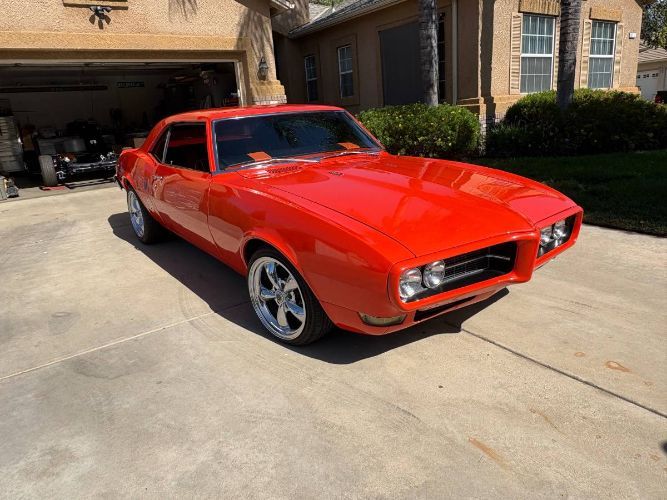
So they did. The Firebird arrived in February 1967, roughly five months behind the Camaro, and Pontiac spent that extra time making it feel different. Split front bumper. That beaked nose. A dashboard and trim that read Pontiac, not Chevy. Under the hood is where it mattered most. Chevy stuffed its own small-block and big-block engines into the Camaro. Pontiac used Pontiac engines, and Pontiac engines have a character all their own. That single decision is the reason Firebird people and Camaro people have argued for sixty years.
Base price landed at $2,666 for the six-cylinder coupe, which undercut a loaded Mustang and put a lot of buyers in the seat. Pontiac sold 82,560 Firebirds in that short first year. Not bad for a car that came out half a season late.
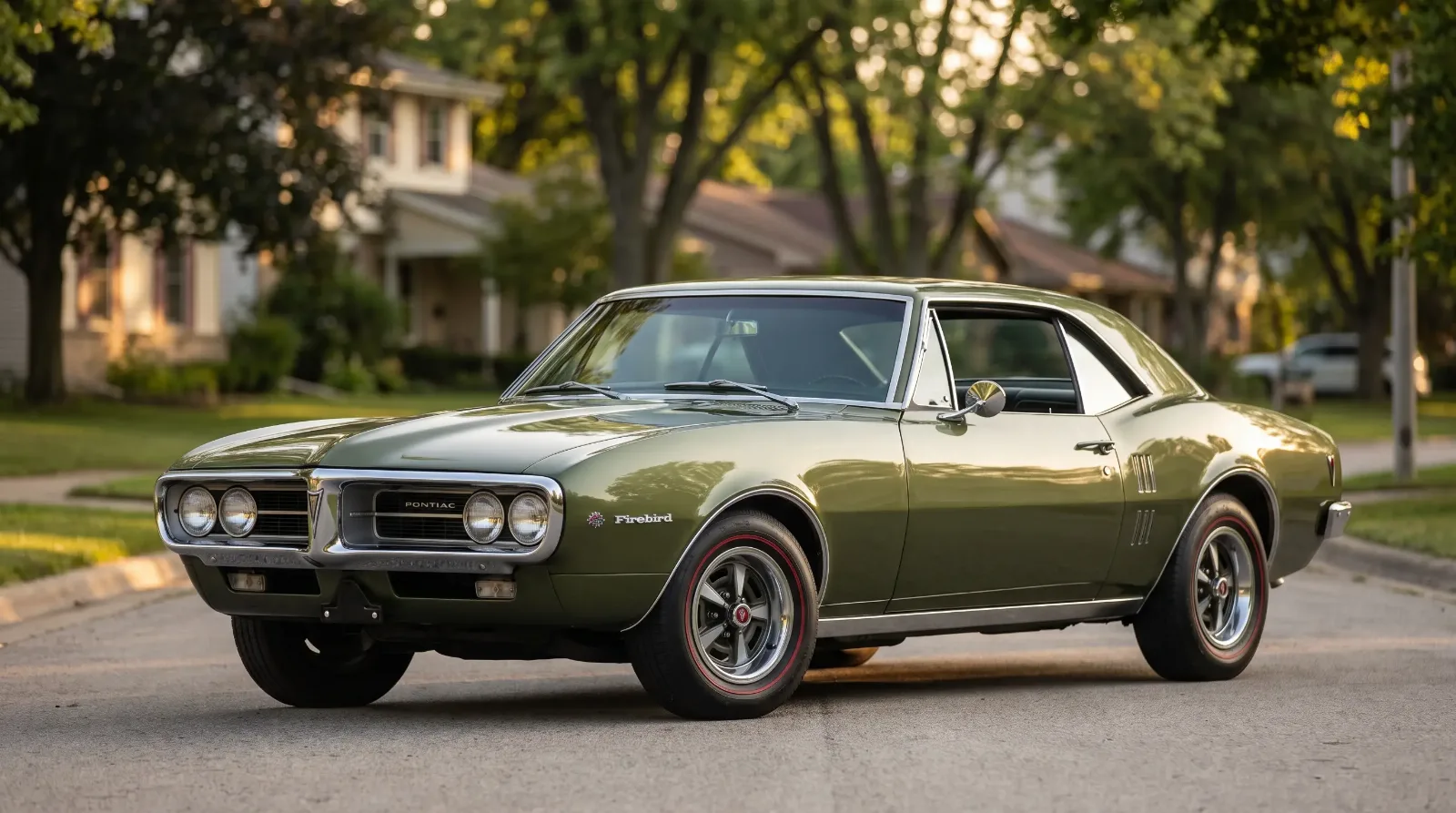
The first generation, 1967 to 1969
The first-gen cars ran three model years and changed more than the short run suggests. In 1967 and 1968 you could order the Firebird in a stack of trim levels Pontiac marketed by engine: the base six, the Sprint six, the 326, the 326 HO, and the big 400. The 400 was the one that mattered to guys who wanted to go fast. Pontiac even fitted a hood-mounted throttle linkage restriction to keep the 400 under a corporate power ceiling, and plenty of owners found ways around it the first weekend they owned the car.
The 1969 restyle is the one most people picture. Sharper body lines, revised nose, and the arrival of the name that would define the whole model. Trans Am. Pontiac built the first Trans Am in 1969 as a homologation-flavored option package, white with blue stripes, and it was rare. Just 697 coupes and eight convertibles left the line. If you find a real one, the paperwork matters more than the paint, because this is exactly the car people fake.
The first generation is where the collector money sits now. Ram Air 400 cars, real Trans Ams, and clean convertibles have all climbed. A wrench-turner shopping this era spends as much time reading cowl tags and PHS documents as looking at bodywork. Pontiac Historic Services can pull the original build sheet on most of these cars, and that document is the difference between a fair price and a robbery.
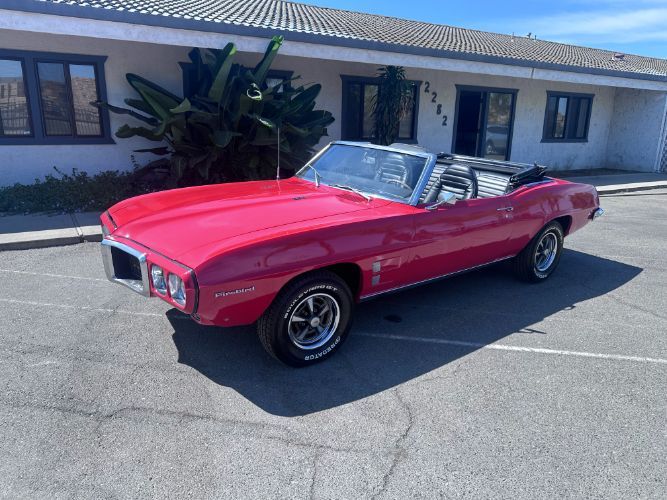
One more thing about the early cars. The convertibles only ran through 1969, and Pontiac never built another Firebird ragtop until the 1990s. That makes a clean first-gen convertible rarer than the coupes and worth chasing if open-top driving is your thing. Just be honest about the metal. Convertibles rust in places coupes do not, because the extra bracing and the top mechanism give water more spots to hide. A soft top also means the body flexes more, so tired examples rattle and the doors sag. A good one is a joy. A bad one is a money pit with the wind in your hair.
The second generation and the Trans Am's rise
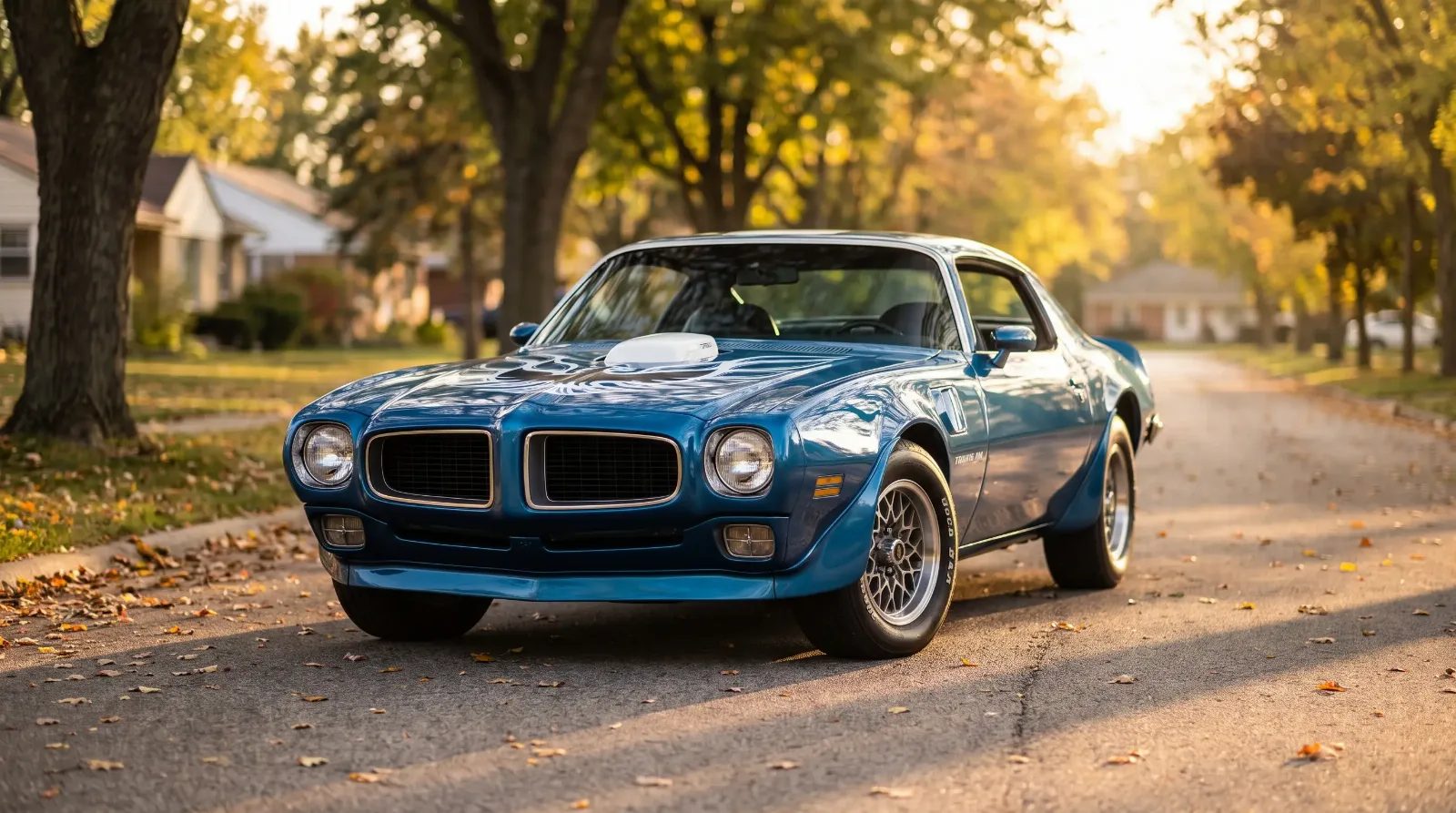
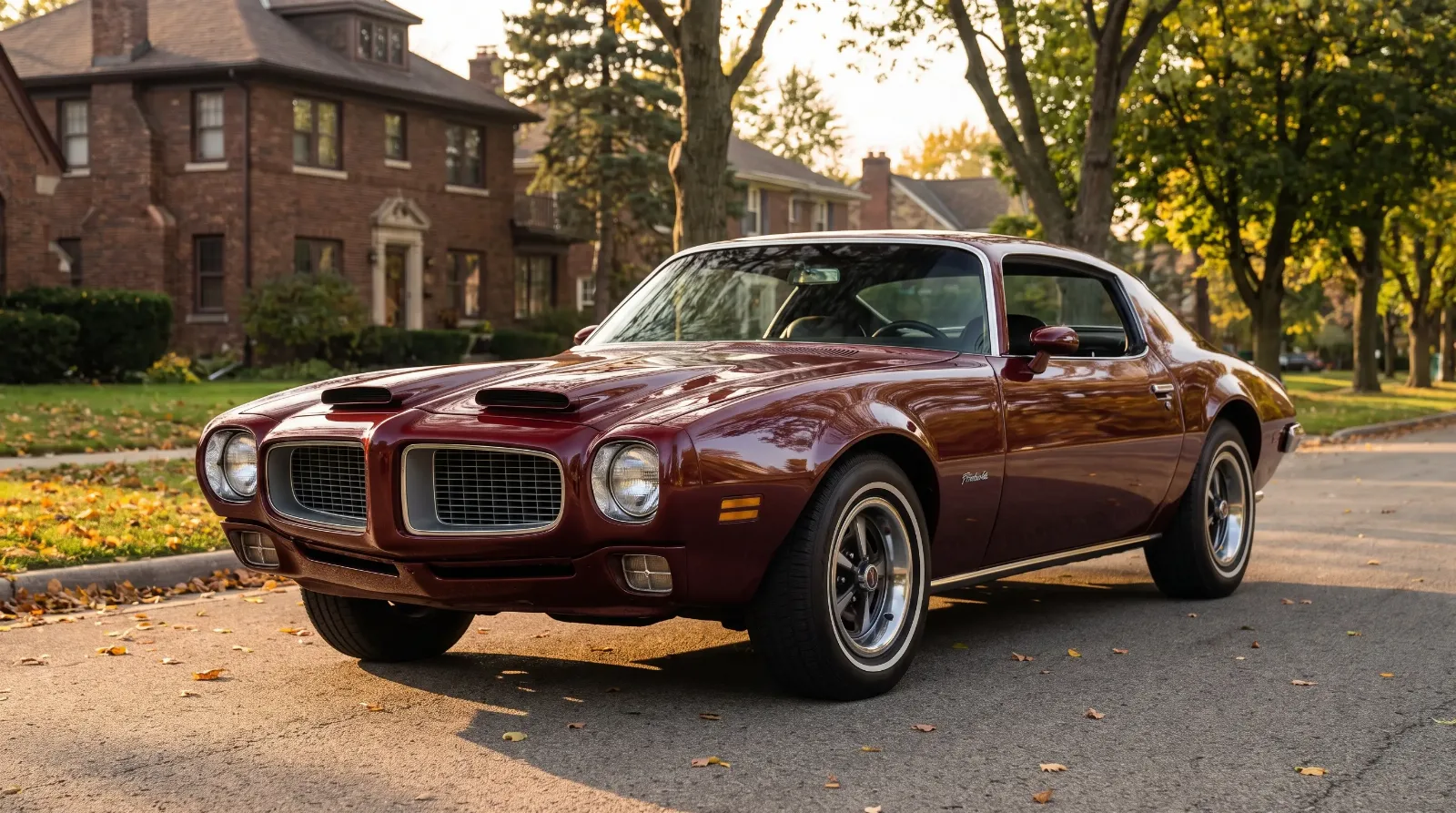
1970 is when the Firebird stopped being a restyled Camaro in most people's eyes and became its own thing. The second-generation body, sometimes called the 1970½ because it arrived mid-year, is longer, lower, and curvier, with a fuselage look that aged better than almost anything else from the era. Pontiac kept this basic shape alive from 1970 all the way to 1981, which is a long time to sell one body, and they did it by constantly changing the front and rear ends.
Early second-gen cars, 1970 through 1973, are the muscle years. The 400 and the 455 were both available, and the Trans Am moved from oddity to flagship. Then the bottom fell out. Emissions rules, insurance surcharges, and the 1973 oil embargo gutted the muscle car market. Compression dropped, power ratings went from gross to net, and a lot of Pontiac's rivals killed their performance cars outright.
Here is the part that surprises people. Pontiac kept the Trans Am alive when almost everybody else quit. Through the mid-1970s, when the Mustang had shrunk into a Pinto-based econobox, the Trans Am was one of the last real American performance cars you could walk in and buy. That stubbornness is why the Firebird's cultural moment came in the second half of the decade, not the first.
"People forget the Trans Am was basically the last man standing. By 1976 the muscle car was supposed to be dead, and Pontiac just kept building a loud V8 coupe like nobody told them. That is not nostalgia talking, that is what saved the nameplate."
Mike Sullivan
The Screaming Chicken and the Bandit
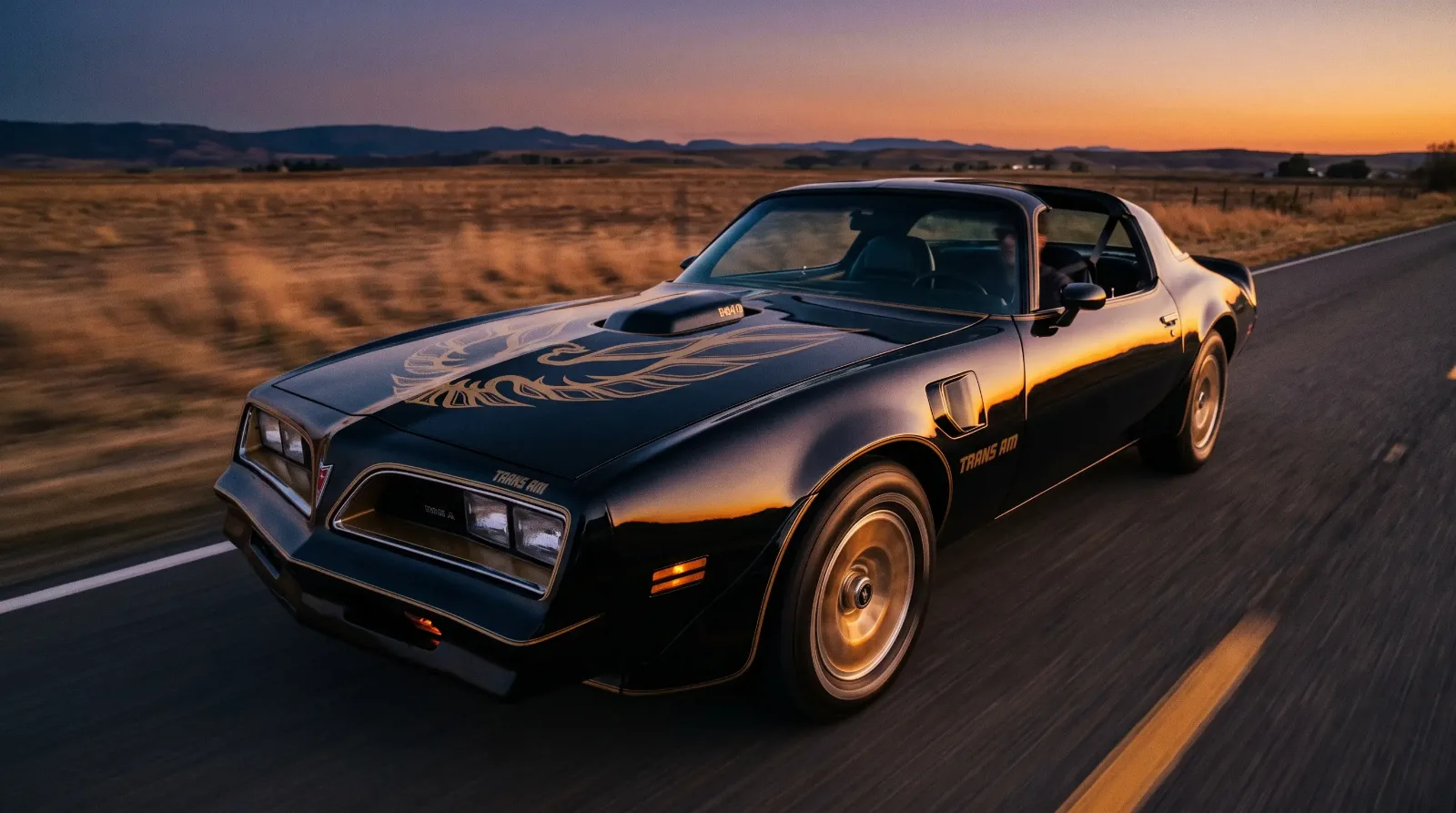
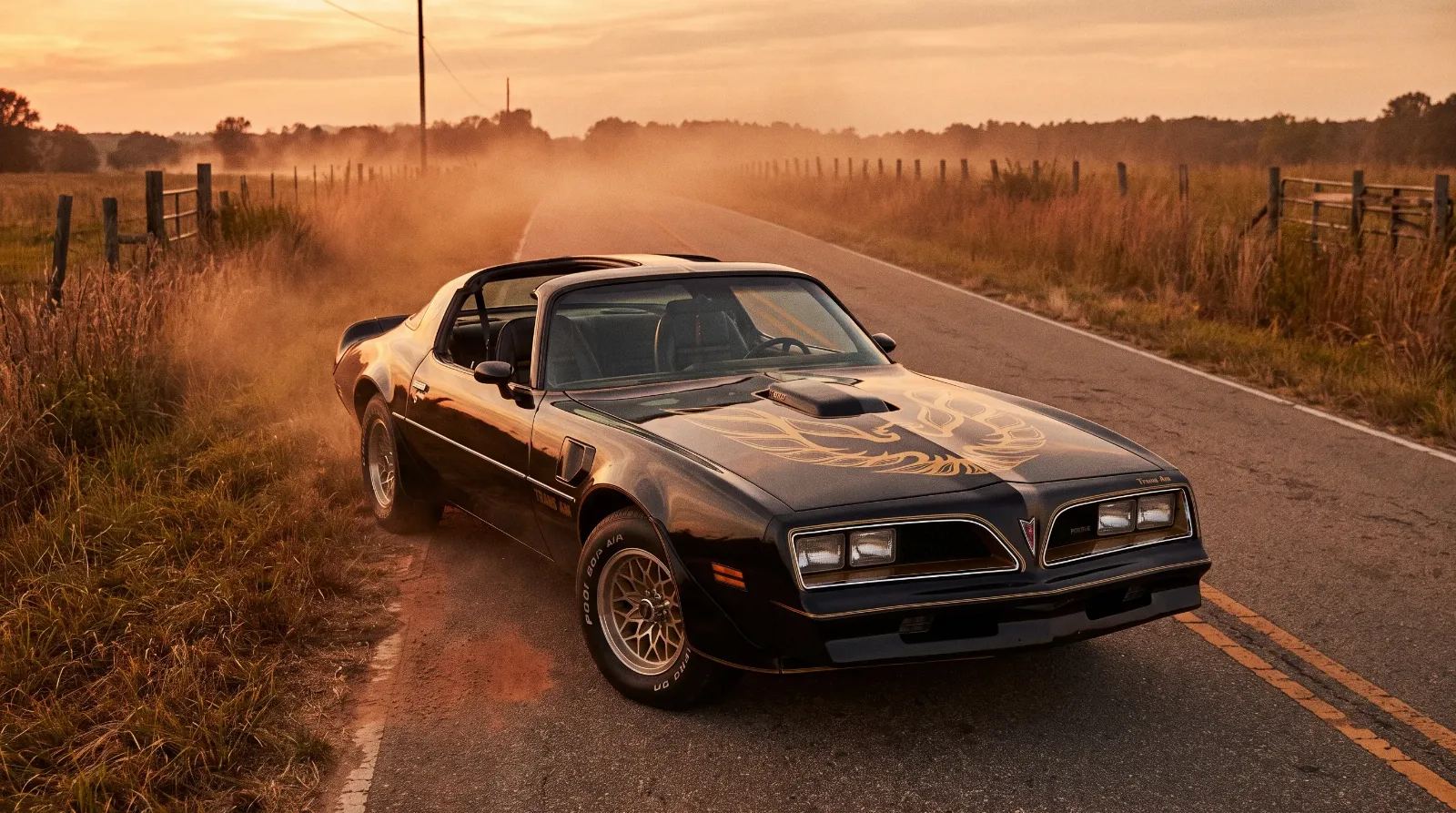
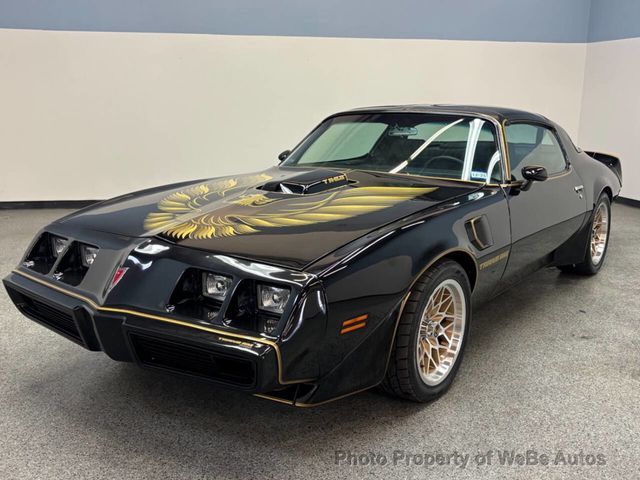
You cannot tell the Firebird story without the bird on the hood. The giant firebird decal, which everybody calls the Screaming Chicken, first appeared as an option in 1973 and grew into the signature look of the whole line. It was big, it was loud, and it was exactly the kind of thing a serious car magazine hated and a sixteen-year-old loved. The kid was right.
Then came the movie. Smokey and the Bandit hit theaters in 1977 with a black-and-gold Trans Am as the co-star, and it turned a car into a phenomenon. Burt Reynolds ran that special-edition Trans Am across the South and Pontiac could not build them fast enough. The 1977 Special Edition, black with gold trim and the gold bird, is the single most recognizable Firebird ever made. Sales exploded. The Trans Am's best year came at the end of the decade, with Pontiac moving 117,078 of them in 1979 alone.
That is the strange thing about the Firebird's fame. It peaked as a cultural icon right when its actual horsepower was at its weakest. The 1977 Bandit car, depending on where it was sold, might have made under 200 real horsepower. Nobody cared. The car looked like freedom, and for a lot of buyers that was the whole point. If you want one because of the movie, that is a fine reason. Just do not expect the seat-of-the-pants punch the numbers on the shaker scoop imply.
Pontiac power: the 400 and the 455
Time to talk engines, because this is where a Firebird earns its keep. Pontiac's V8 family shared a common architecture, which means a 350, a 400, and a 455 look a lot alike from across the garage. That is a blessing and a trap. The blessing is parts interchange and a deep aftermarket. The trap is that a seller can drop a 400 block into a car that left the factory with a 350 and call it original. Check the block casting numbers and the date codes. A Pontiac V8's displacement is not stamped where a novice expects it.
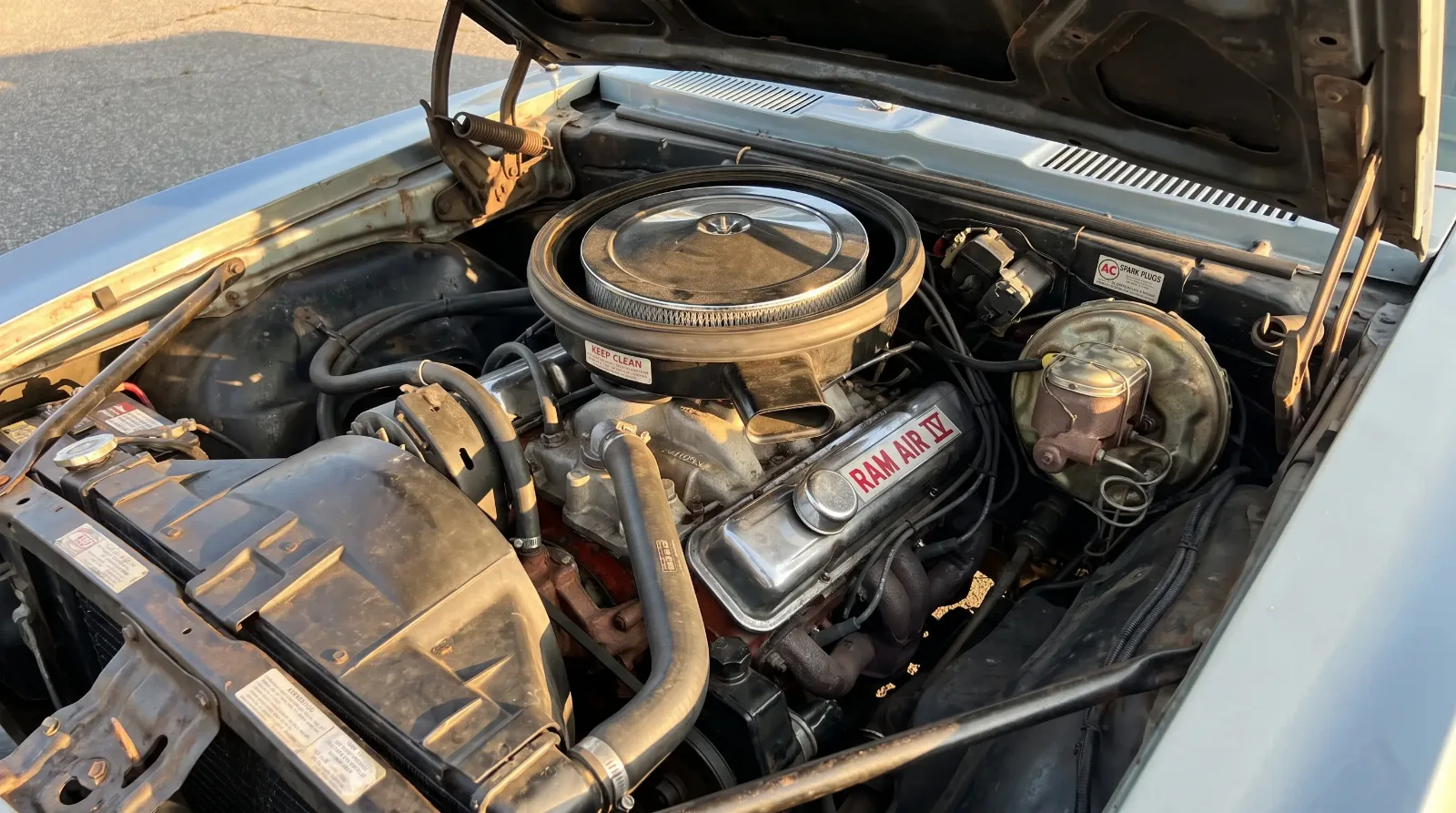
The 400 was the workhorse muscle engine, offered across most of the first and second generations. The high-output Ram Air versions, especially the Ram Air IV, are the ones that bring real money, with a factory rating of 345 gross horsepower. The 455 arrived in 1970 as the big-inch option, and the 455 HO and later 455 Super Duty are the crown jewels. The Super Duty 455, built for 1973 and 1974, was a genuinely serious engine in a period when everything else was choking on emissions gear, rated at 290 net horsepower in production trim (early 1973 literature had cited 310) when the competition was making far less.
For a buyer, the engine question is simple to ask and hard to answer. Is it the correct block for the car, and can you prove it? Numbers-matching Pontiac V8s carry a premium, and the gap between a matching Super Duty car and a clone is enormous. If you are buying to drive rather than to show, a well-built 400 or 455 with the right parts will make you happy and save you a pile of money. Just know which one you are buying.
| Generation | Years | Notable engines | Defining trait |
|---|---|---|---|
| First | 1967 to 1969 | OHC six, 326, 400 Ram Air | Shared F-body shell, first Trans Am in 1969 |
| Second | 1970 to 1981 | 400, 455 HO, 455 Super Duty | Trans Am becomes the flagship, Bandit fame |
| Third | 1982 to 1992 | 5.0 and 5.7 V8, 3.8 turbo V6 | Lighter, aero body, fuel injection returns power |
The third generation and the 1992 curtain
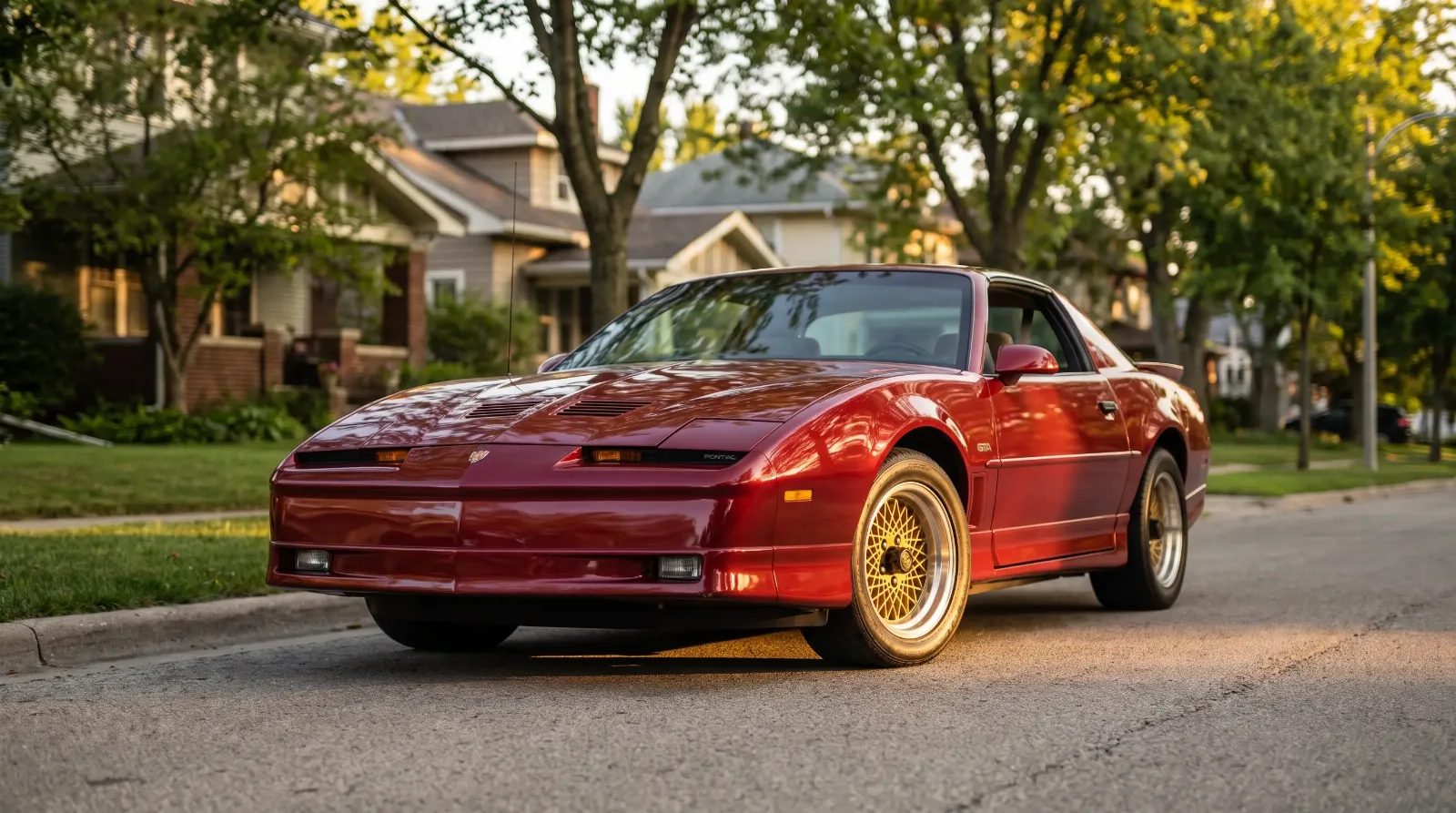
The third-generation Firebird arrived in 1982 and looked like it came from a different planet than the Bandit car. Lighter, lower, with a steep windshield and pop-up headlights, it traded brute displacement for aerodynamics and, eventually, fuel injection. Early third-gen cars were down on power like everything from the early 1980s, but Pontiac clawed it back through the decade as tuned-port injection and better electronics matured.
The high point was the 1989 20th Anniversary Trans Am, which ditched the expected V8 for a turbocharged 3.8-liter V6 borrowed from the Buick Grand National. It was factory rated at 250 horsepower, though most owners and tuners believed the real figure was closer to 300, ran the quarter mile quicker than the V8 cars, and paced the Indianapolis 500. It is one of the few Firebirds where the six is worth more than the eight, and the reason is the engineering, not the badge.
The third generation ran through 1992, and that year is the natural close of the Firebird's classic era. Pontiac even sent it off with a 25th Anniversary edition, a white-and-blue nod to that first 1969 Trans Am, which was a fitting way to bookend the classic run. The 1993 model started a new, rounder fourth generation on a heavily revised platform, and that is where most collectors draw the line between a classic Firebird and a used car. If you are hunting the classic era, 1967 through 1992 is your window, and each of those three generations rewards a different kind of buyer with a different budget.
"The third-gen cars are where the deals still hide. Everybody chases a real Bandit or a Super Duty, so the clean 1980s Trans Ams get overlooked. Buy one before the market figures out what it did. It already happened to the first-gens, and it will happen here."
Mike Sullivan
What to know before you buy one
A Firebird is a straightforward car to own, which is half the appeal. Pontiac built them by the hundreds of thousands, the aftermarket is deep, and nothing under the hood requires a specialist for routine work. The problems are the ones every long-lived American car has, plus a few the Firebird owns outright. Rust is the killer. These cars trap water in the rear window channels, the trunk floor, the lower quarters, and the front frame rails on the earlier cars. Body rot costs more to fix than any engine problem, so start there. A running car with a rotten floor is worth less than a stalled car with a solid one, because metal work is slow, expensive, and easy to do badly.
The second big trap is identity. The Firebird's fame made it one of the most cloned American cars around. Fake Trans Ams, fake Super Duty cars, and mismatched engines are everywhere, and an honest clone is a fine car as long as you pay clone money for it. The paperwork is your protection. Learn to read the numbers before you hand over cash. When you are ready to shop, browse the current listings of classic Firebirds for sale and compare documented cars against the hopeful ones. The price gap tells its own story.
The Firebird lasted twenty-five years in its classic form because Pontiac refused to give up on it when the whole segment was collapsing. It was a Camaro's cousin that grew its own face, a movie star that outsold its horsepower, and finally a lean 1980s coupe that quietly got fast again before the run ended in 1992. Whichever generation pulls you in, buy the one with the documents and the solid metal. The rest of it, the engine, the trim, the screaming bird on the hood, you can always sort out in the garage.
Sources and notes
Related Reading
Article
First-Generation Firebird 1967-1969: Pontiac's Pony Car
Article
Second-Generation Firebird 1970-1981: The Definitive Bird
Article
The Pontiac Trans Am: America's Muscle-Era Survivor
Article
The Firebird Formula: Muscle Without the Wing
Article
Smokey and the Bandit: How Hollywood Made the Trans Am a Star
Article
Pontiac Power: The 400, 455 and Ram Air Engines
Article
Third-Generation Firebird 1982-1992: The Aero Era
Article
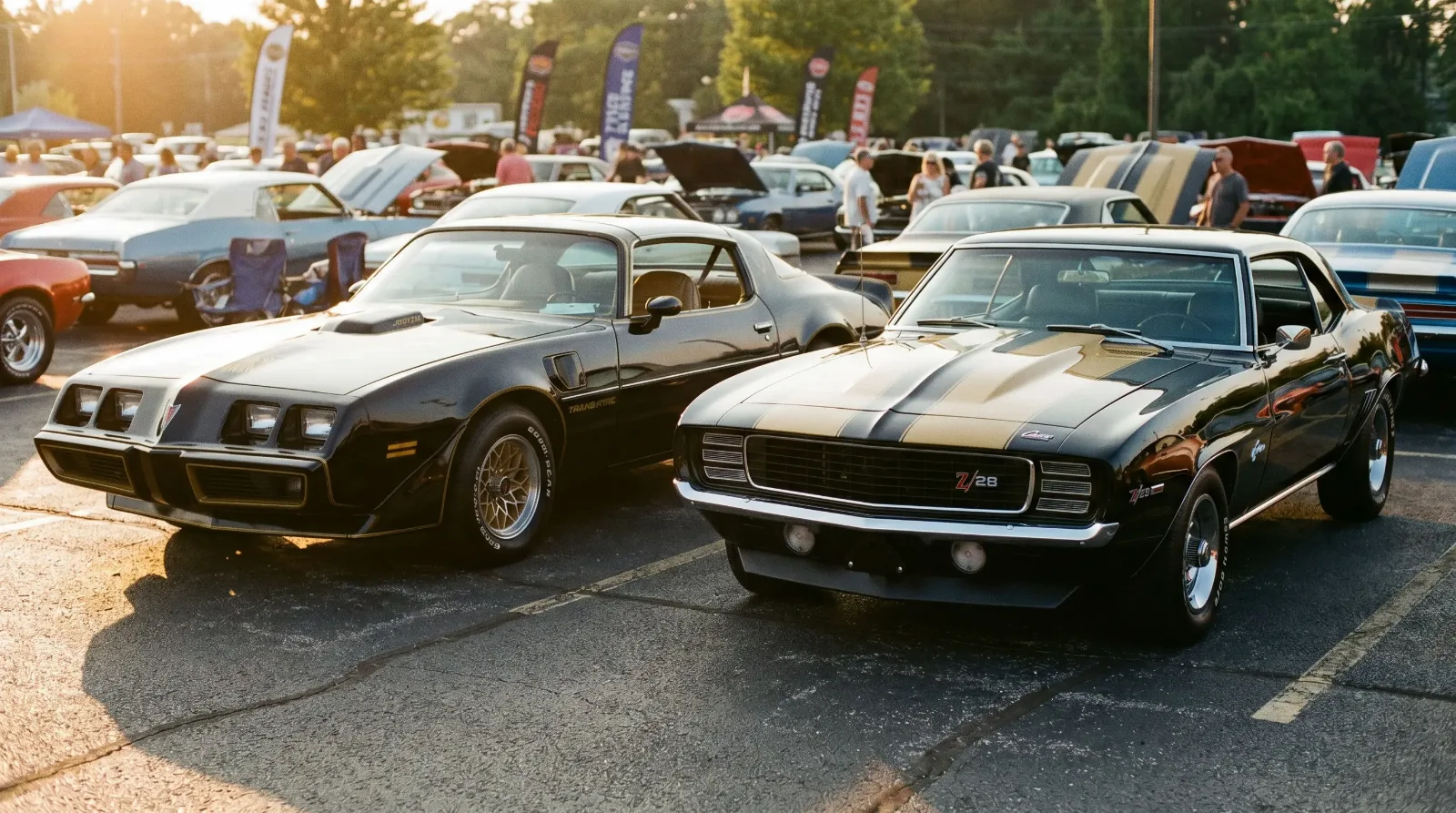
Firebird vs Camaro: The F-Body Sibling Rivalry
Have a
Pontiac Firebird
for Sale?
Reach thousands of serious classic car collectors across the US.
Sell It Here →
Are You a Classic Car Dealer?
List your full inventory and connect with targeted classic car buyers.
Join as a Dealer →
#Muscle Cars
#trans-am
#pontiac firebird
#classic American cars
#pontiac 455
#Screaming Chicken
#Smokey and the Bandit

About the author
Mike Sullivan
Detroit-area muscle car enthusiast and restoration specialist with three decades of hands-on experience working on American iron.
Related Listings - Pontiac Firebird




Comments
Be the first to comment on this article.