
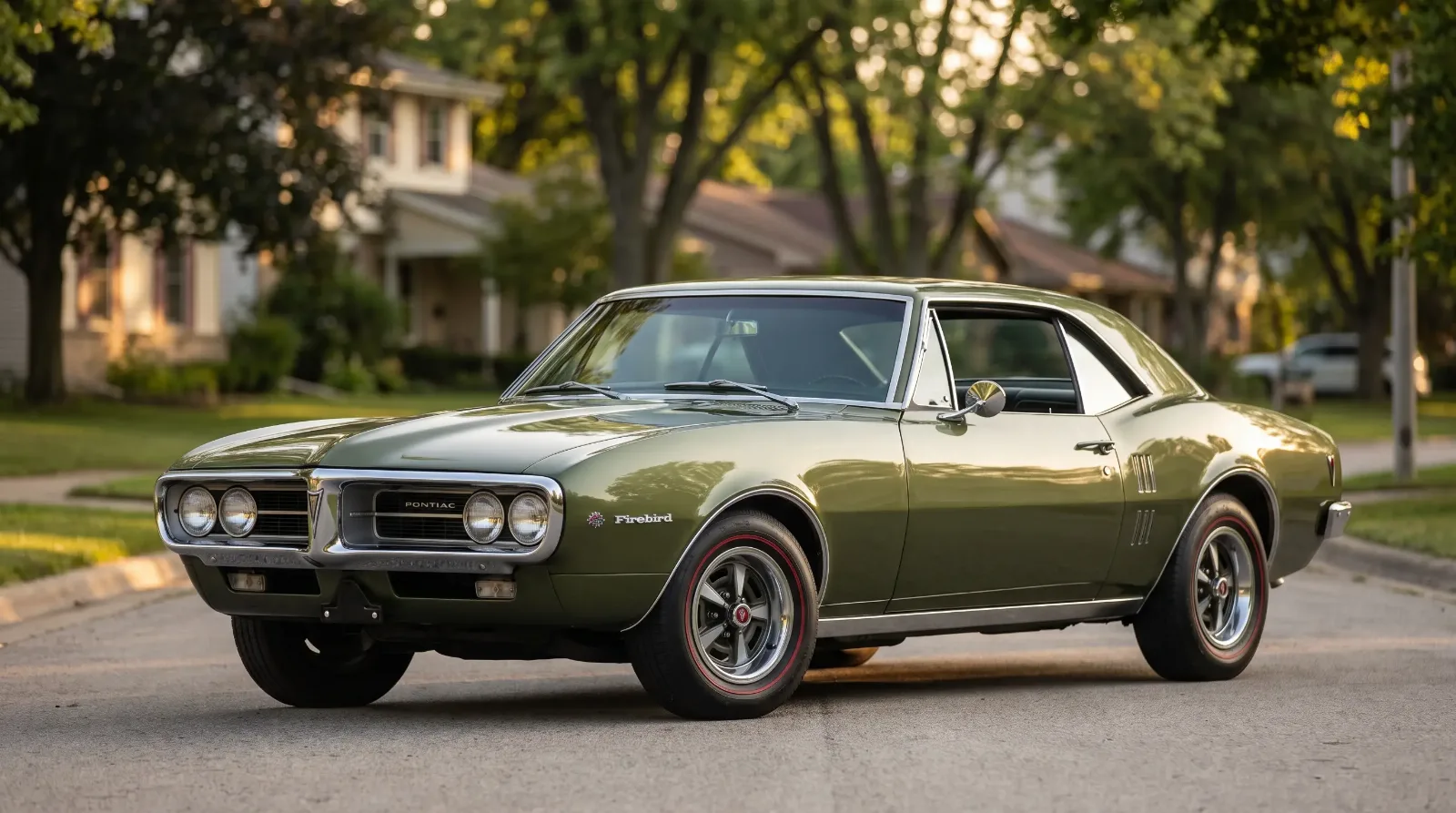
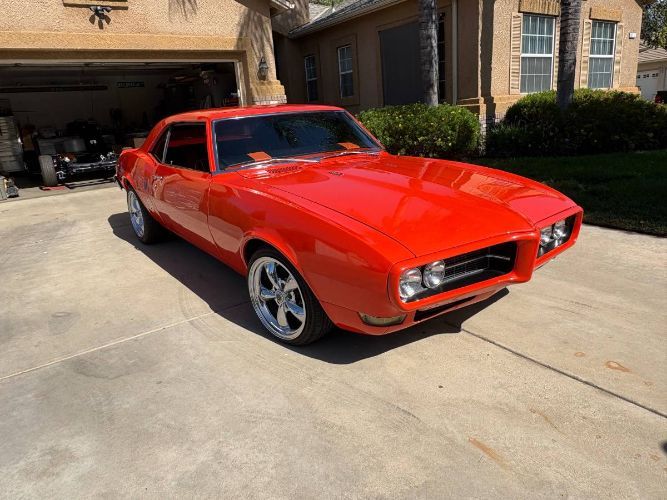
A guy at a Pontiac swap meet in Ohio once popped his hood and said his 400 had "the real Ram Air, not the fake scoops." Six people leaned in before he'd even lifted the air cleaner lid. That's what a genuine firebird ram air ho engine still does to a room full of people who know what they're looking at. The hood scoops on a 1967 or 1968 Firebird 400 look nearly identical whether they're plumbed to anything or just riveted on for effect, and telling the difference takes more than a glance. It took Pontiac about a year to get the real version into production, and it's been confusing buyers ever since.
Car Features
6 min read
Ram Air I and the HO 400
How a rubber seal and a set of open ducts separated a real Ram Air Firebird 400 HO from the scoops-for-show cars that looked just like it.
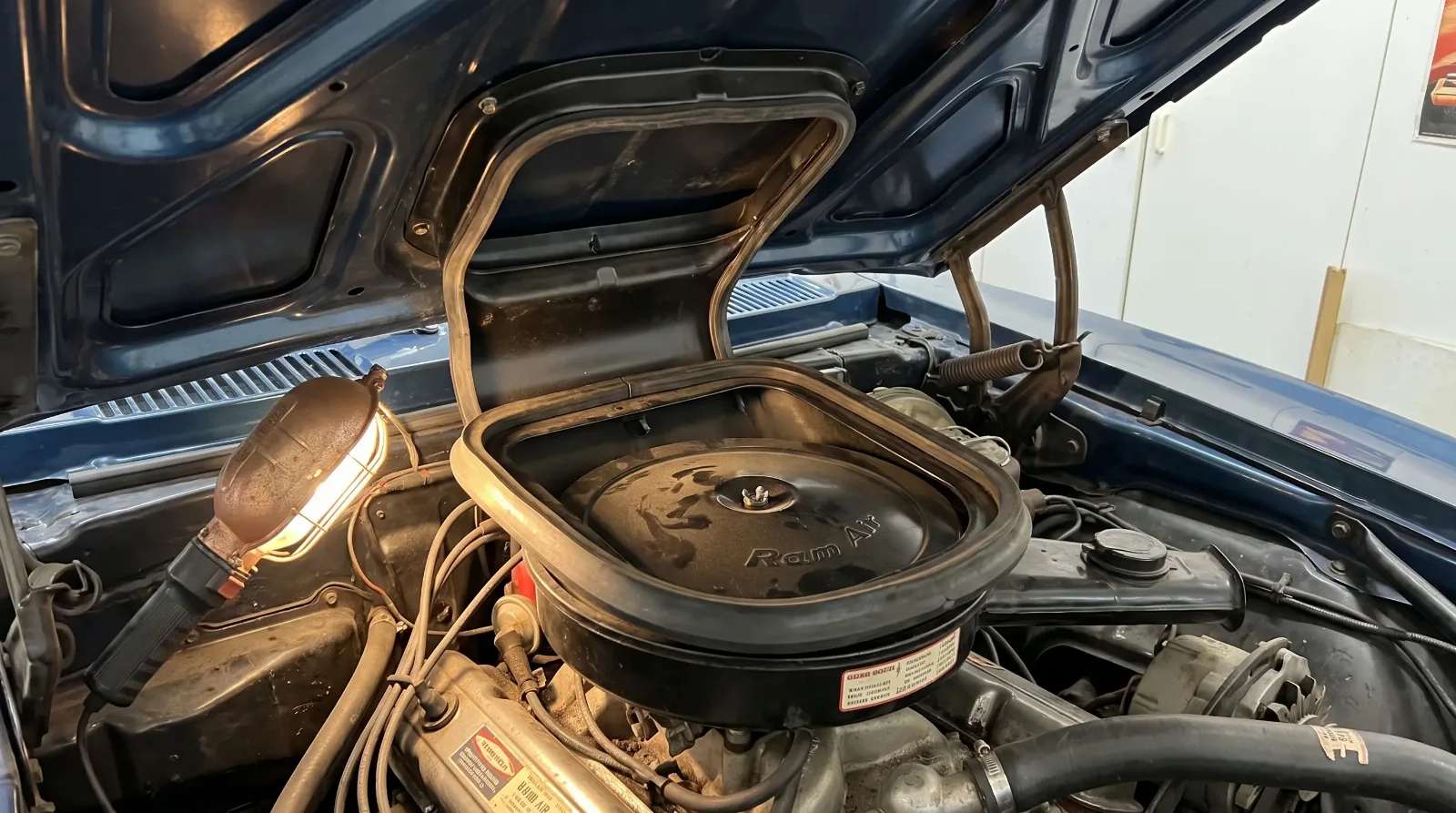
A scoop that actually breathed
Most 1967 Firebird 400s left the factory with hood scoops that did nothing. They looked purposeful, sat low over the fenders, and fed exactly zero air into the engine. Pontiac had sealed them shut at the factory, the same way GM sealed decorative scoops on plenty of other cars that year. The Ram Air package changed that. Order it, and Pontiac left the scoop ducts open, fitted a different air cleaner with a sealing gasket around the snorkel, and cut the ductwork so outside air actually reached the carburetor instead of hot air pulled up from around the exhaust manifolds.
The theory was simple enough. Cold, dense air makes more power than air that's been sitting in an engine bay next to a set of iron exhaust manifolds. The execution needed a rubber seal between the underside of the hood and the top of the air cleaner, and if that seal was missing, cracked, or installed by someone who didn't know what they had, the whole point of the option disappeared. A lot of Ram Air cars have been driving around for decades with the ductwork open but the seal long gone, which quietly turns them back into cars with scoops that do nothing.
What "HO" really meant under the hood
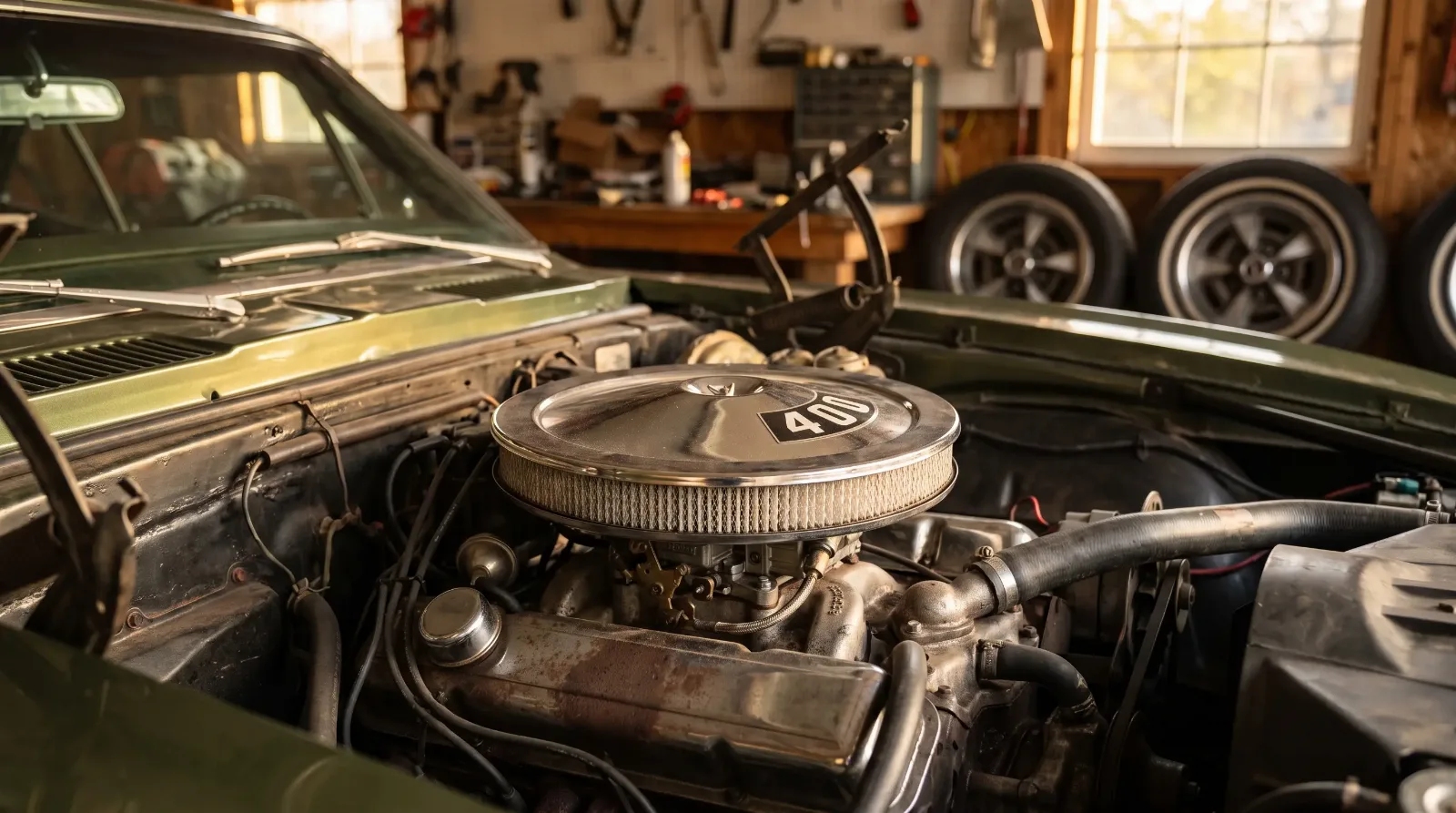
The HO in 400 HO stood for High Output, and it existed before Ram Air did. Pontiac's base 400 four barrel and the 400 HO shared displacement and a lot of parts, but the HO got a hotter camshaft, different valve springs, and freer breathing exhaust. Pontiac rated the HO at 325 hp, the same paper number as some base 400 applications, which tells you how much Pontiac's advertised horsepower figures depended on the era's marketing as much as the dyno. The real difference showed up higher in the rev range, where the HO cam kept pulling instead of running out of breath.
Ram Air was an added option on top of the HO engine, not a separate engine in its own right for 1967. Order the HO and add Ram Air, and you got the hotter cam and the functional induction working together. That combination is what collectors mean when they talk about a real Ram Air I car, and it's a narrower list of production than the base 400 HO figures suggest.
Ram Air I versus the pretenders
Sorting a real Ram Air I Firebird from a scooped-but-sealed 400 comes down to documentation and a handful of physical details, not the shape of the hood. Casting numbers on the block and heads, the air cleaner base, and the presence of the underhood duct pan all matter more than how the scoops look from ten feet away. Club members who've spent years chasing these cars will tell you the paint and trim can be redone by anyone with a spray gun and a weekend, but the factory build sheet or a PHS documentation package doesn't lie about which RPO codes were ordered.
| Configuration | Induction | Approx. rated output |
|---|---|---|
| Base 400 four barrel | Sealed decorative scoops | 325 hp |
| 400 HO | Sealed decorative scoops | 325 hp, hotter cam |
| 400 HO with Ram Air I | Functional ducted scoops | Same rating on paper, more usable power in the upper range |
Buyers who want to understand where this engine sits inside the bigger picture should start with the 1967-69 Firebird, since the Ram Air option only makes sense against the backdrop of what Pontiac was building across those three years. For a wider view that connects every generation, the full Firebird story covers how the nameplate evolved once Ram Air had already made its case for cold air induction.
Finding a real one today
The documentation habit isn't just a collector's quirk, it's the only way to settle an argument that paint and stickers can't settle. A build sheet, a dealer invoice, or a PHS report ties the RPO code for Ram Air to a specific VIN, and that's worth more than any seller's word. Club raconteurs love telling the story of the guy who bought what he thought was a numbers matching Ram Air car, only to find the duct pan missing and the air cleaner from a completely different Pontiac product. The car wasn't fake exactly, it just wasn't what he paid for, and the paperwork would have told him that before he wrote the check.
"Anybody can bolt on a scoop. What separates a Ram Air car from a car wearing a Ram Air costume is a piece of paper with a VIN on it, and I've watched more than one argument at a car show end the second somebody produced one."
Wayne Coburn
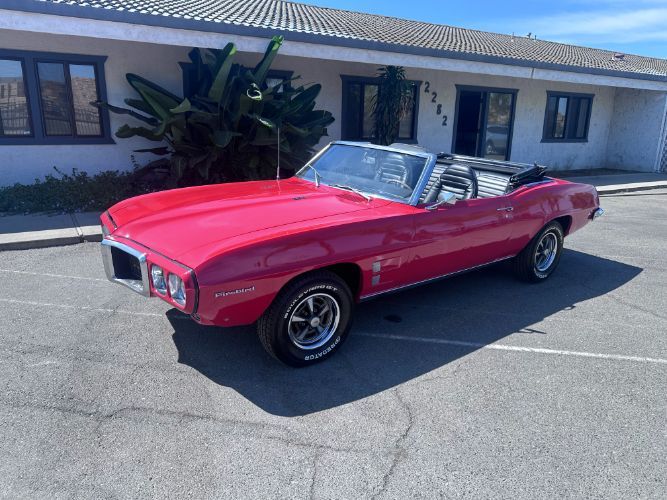
Buyers hunting for a genuine example, or just a solid first-generation Firebird to start with, can look through current first-gen Firebirds for sale and use the same documentation questions before making an offer, whether the car claims Ram Air or not.
Why the option still matters
Ram Air I didn't rewrite Pontiac's horsepower numbers on paper, and that's part of why it gets overlooked next to the later Ram Air IV cars that put up bigger figures. What it did was prove the concept inside the Firebird line before Pontiac chased more aggressive versions of the same idea. Anyone tracing that progression through 1968 should keep reading the series, because the next chapter is where Pontiac pushed the same cold air principle even further.
Sources and notes
Related Reading
Have a
Pontiac Firebird
for Sale?
Reach thousands of serious classic car collectors across the US.
Sell It Here →
Are You a Classic Car Dealer?
List your full inventory and connect with targeted classic car buyers.
Join as a Dealer →
#pontiac firebird
#pontiac 400
#Ram Air
#muscle car documentation
#first-generation Firebird
#400 HO

About the author
Wayne Coburn
Longtime Corvette owner, judge and club figure who knows the cars, the records and the people behind them.
Related Listings - Pontiac Firebird




Comments
Be the first to comment on this article.