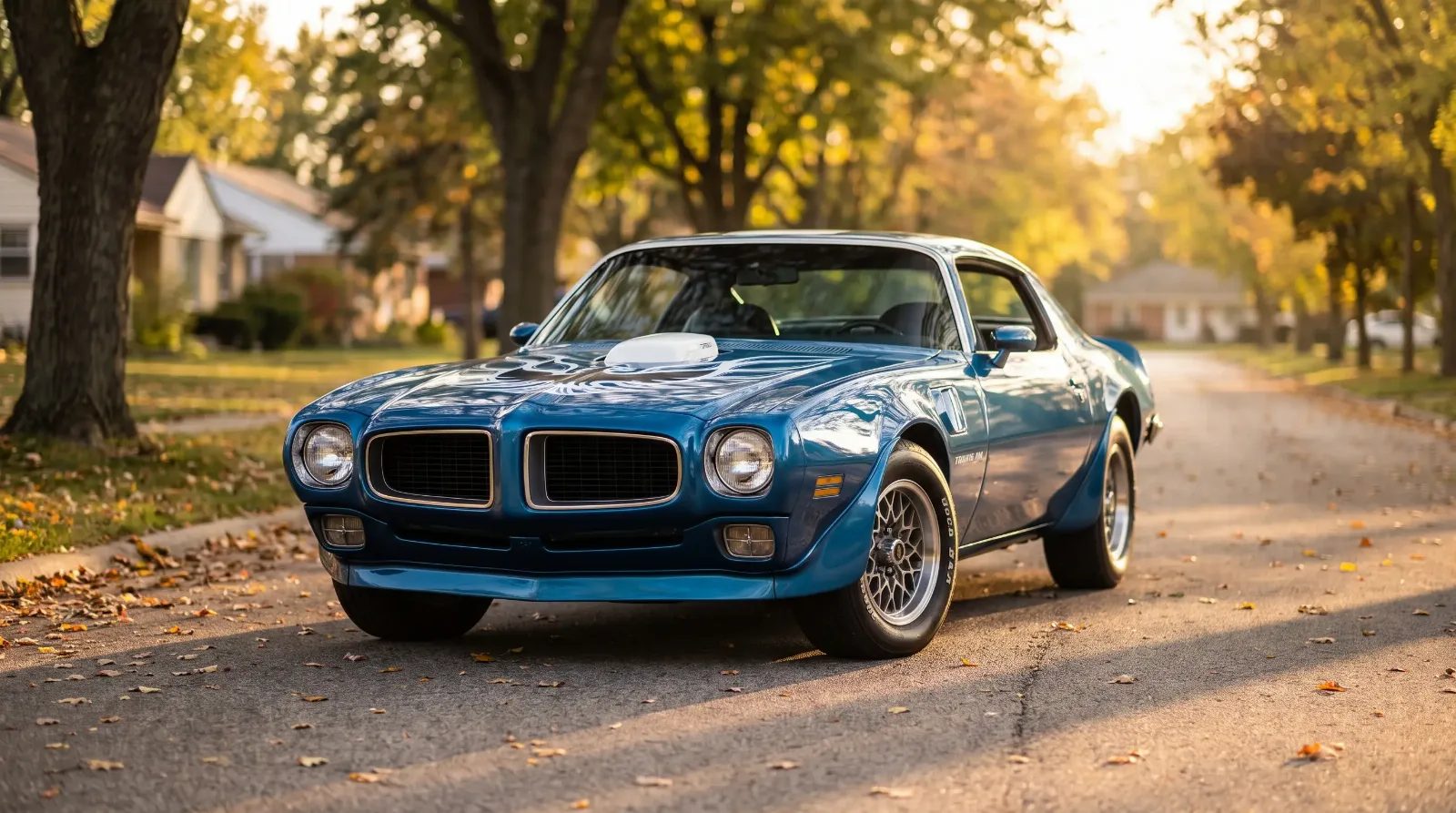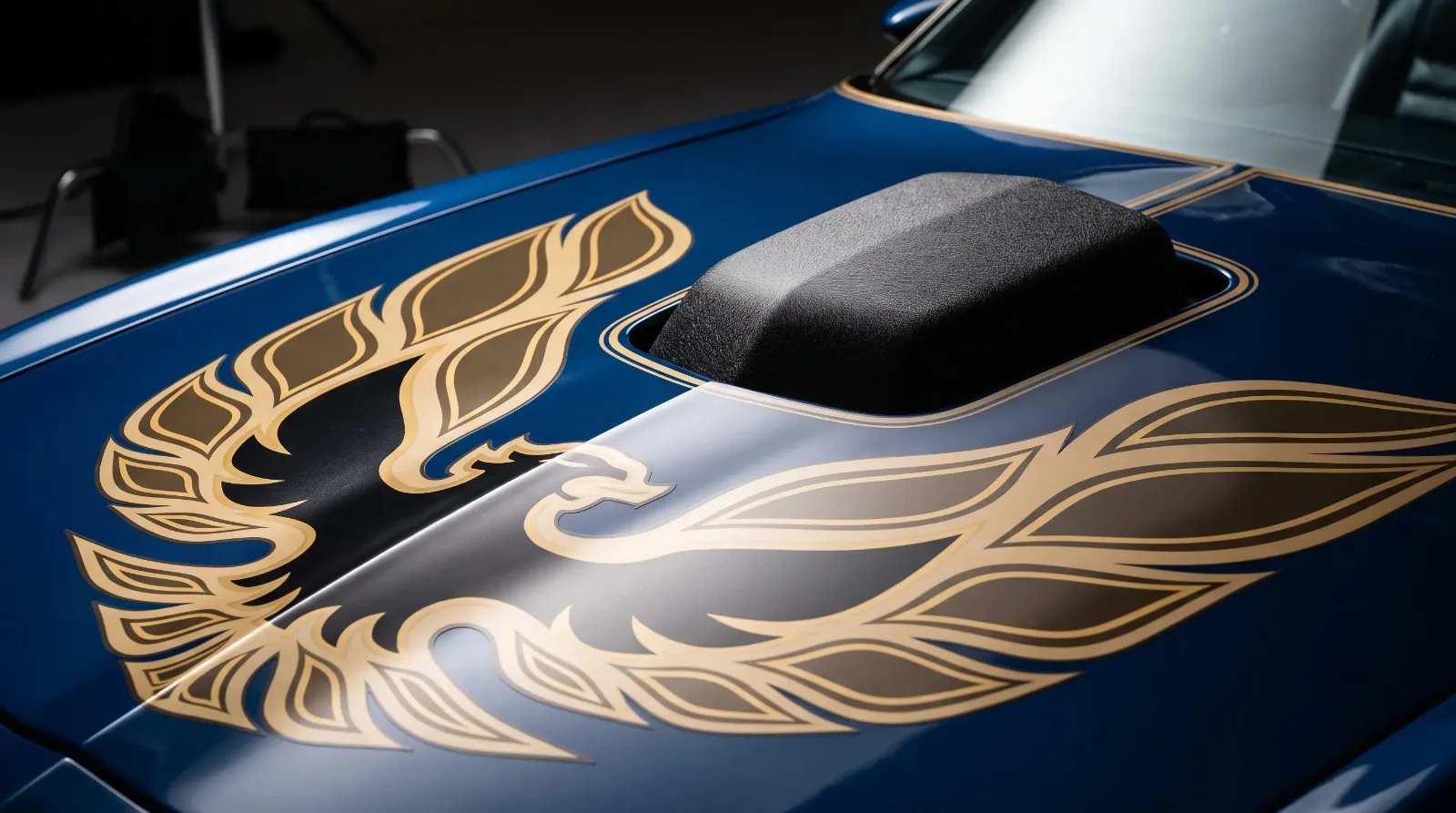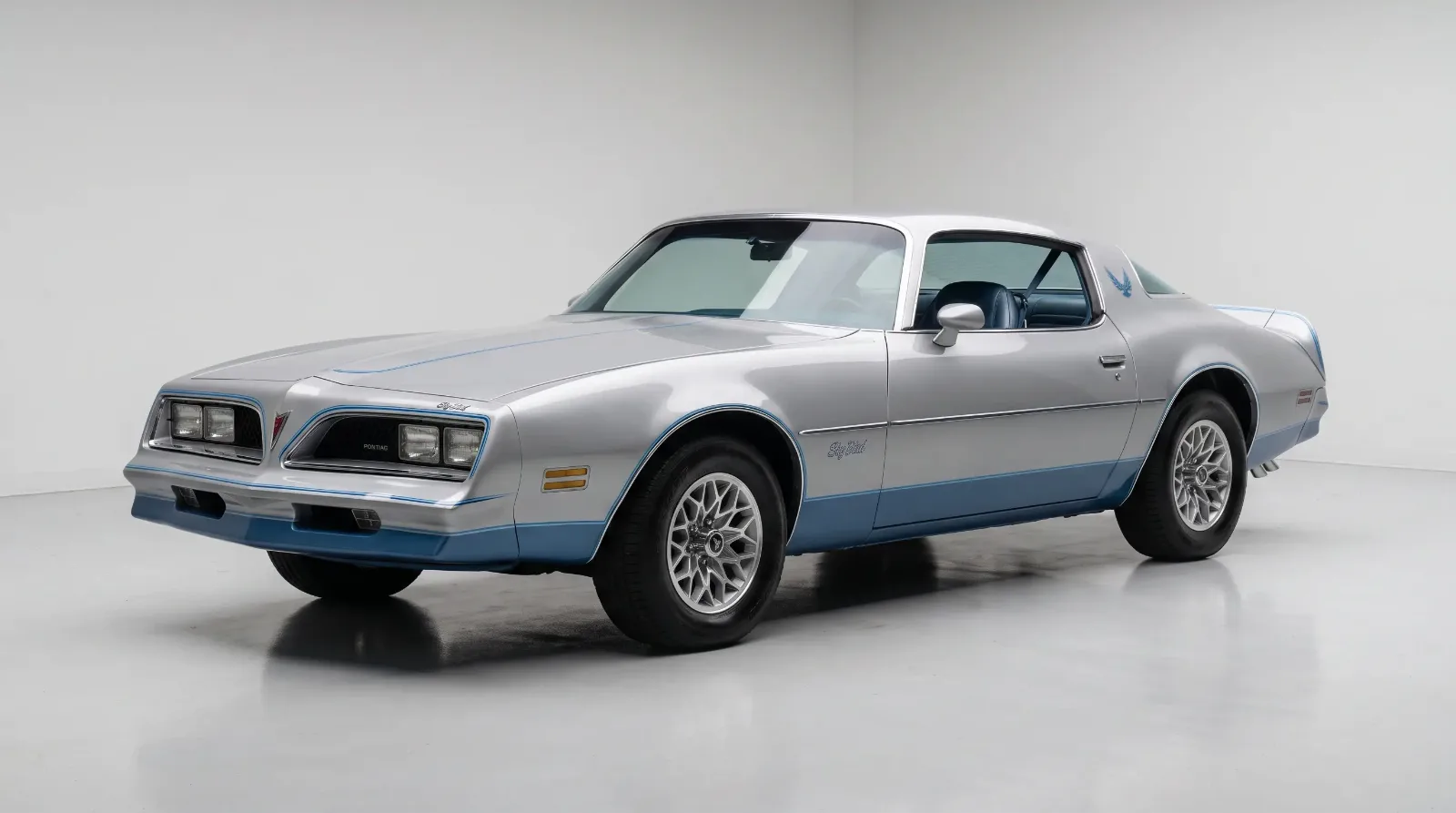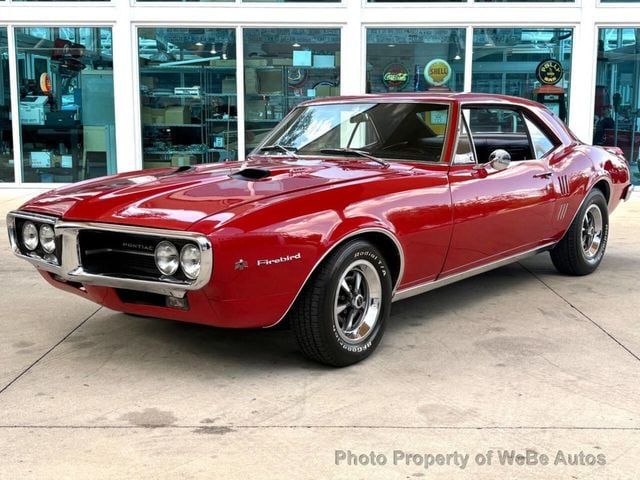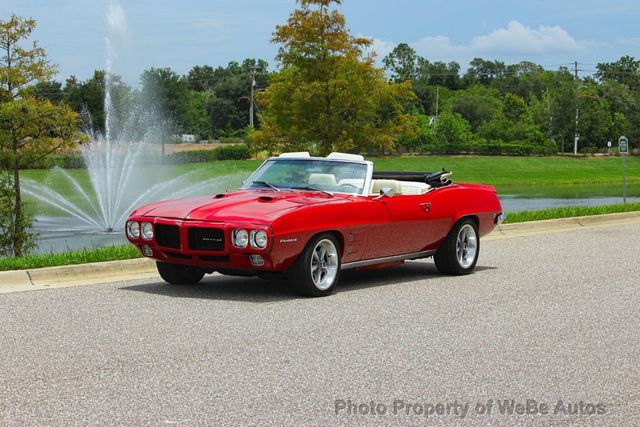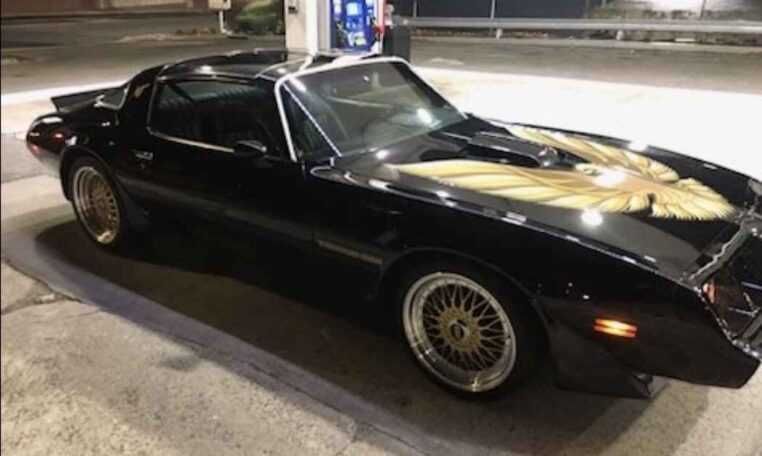
I've pulled apart enough first and second-gen Firebirds to tell you the 1970 firebird redesign wasn't a facelift. It was a different car wearing the same name, and the first time you put a 1969 and a 1970 1/2 side by side in a shop, that difference hits you before you even open the hood. Longer, lower, and built on a completely different body structure. Pontiac didn't tweak the old car. They started over.
Why it showed up late and why that matters
Anybody shopping this generation needs to understand the "1970 1/2" designation before anything else, because it explains a lot of the confusion buyers still run into. The redesigned car didn't arrive in the fall of 1969 like a normal new model year. It showed up in February of 1970, which is why collectors and parts catalogs both use that half-year tag. Pontiac and Chevrolet were working from a shared F-body platform, and getting the new body, the new front structure, and everything underneath sorted out took longer than the usual model-year clock allowed.
That delay isn't a footnote. It means a genuine first-year second-gen Firebird had a shorter production run than any full model year that followed, and that scarcity shows up in what these early '70.5 cars bring today compared to '71 and '72 examples that are mechanically almost identical.
The body is the whole story
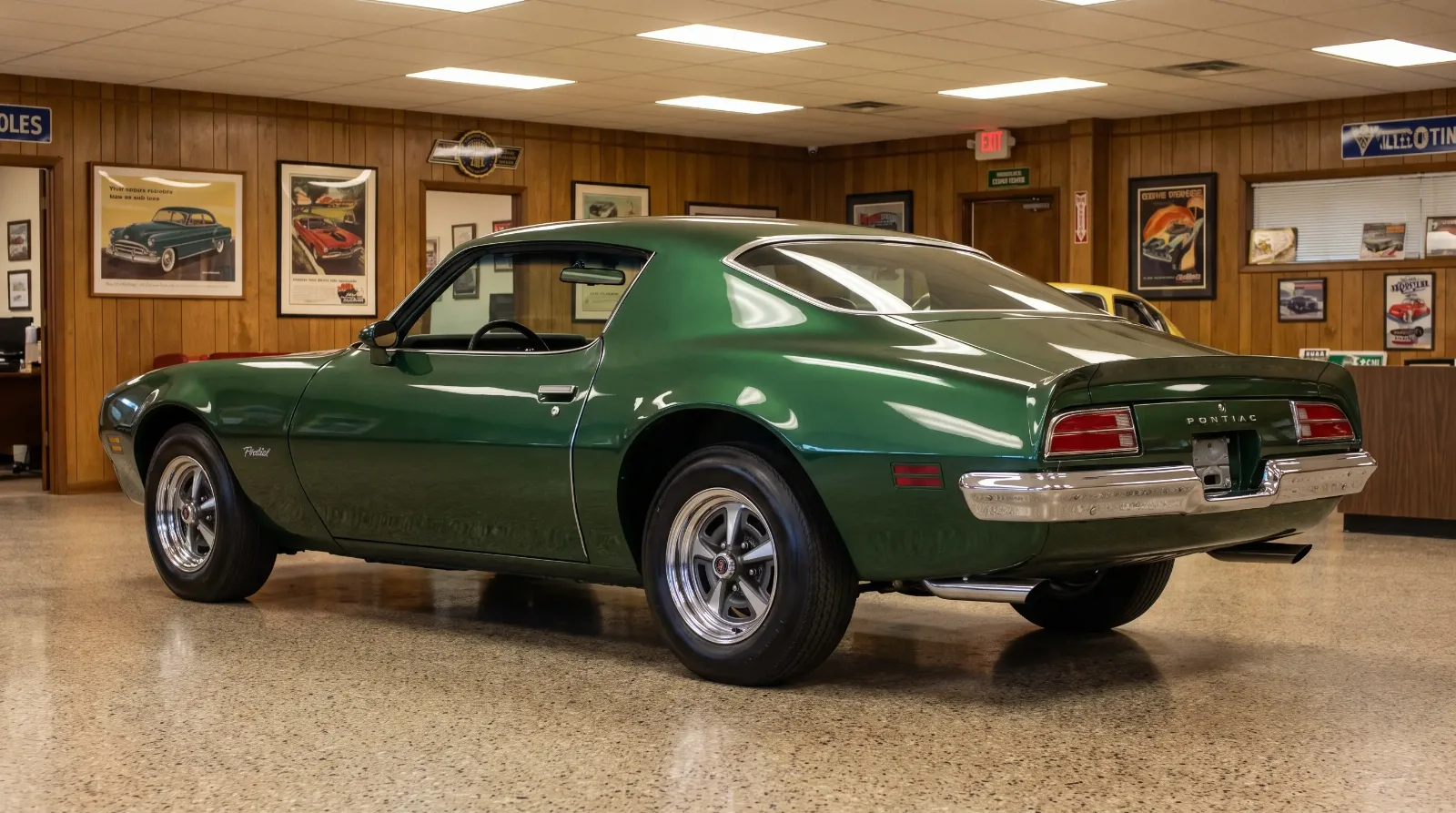
Forget the trim levels for a second. The thing that actually changed in 1970 was the sheet metal and the structure underneath it. The new body was longer overall, lower at the roofline, and shaped with a semi-fastback profile that made the outgoing '67-'69 car look boxy by comparison. Pontiac gave the front end an Endura nose, a flexible urethane-type material molded to look seamless with the body, which was a genuine engineering call, not just a styling flourish. It let the front end absorb minor impacts without the fender-bender chip and crack you'd get out of chrome and steel.
Underneath, the chassis and suspension were revised enough that parts interchange between a '69 and a '70 1/2 is limited. I get asked this constantly by guys who assume old GM parts all swap around. They don't, not here. If you're sourcing suspension or body components, you need to know which generation you're actually working on before you order anything.
What buyers get wrong about this car
The mistake I see most is somebody assuming the '70 1/2 redesign was purely cosmetic, a longer hood and a new grille slapped on the old platform. It wasn't. The wheelbase changed, the cowl structure changed, and the interior packaging changed with it. A guy who buys a '70 1/2 expecting to bolt on '69 parts for a quick repair is going to have a bad afternoon in the garage.
The second mistake is underestimating how much rust risk comes with the Endura nose material aging poorly if it wasn't maintained. It doesn't rust the way steel does, but it cracks, sags, and separates from its mounting points if it's been baked in the sun for fifty years without care. Check the fitment around the headlights and the gap lines before you assume the front clip is straight.
| Feature | 1969 (pre-redesign) | 1970 1/2 (redesign) |
|---|---|---|
| Launch timing | Standard fall model year | Delayed to February 1970 |
| Body profile | Notchback, boxier lines | Longer, lower semi-fastback |
| Front end | Chrome bumper and grille | Endura urethane nose |
| Platform | First-generation F-body | All-new second-generation F-body |
| Parts interchange | Limited compatibility with '70 1/2 | Limited compatibility with '69 |
What it meant for the car going forward
Everything that came after in this generation, through the mid-1970s, built on the structure Pontiac introduced with the 1970 firebird redesign. The Endura nose treatment, the longer semi-fastback body, and the revised chassis stuck around for years, getting refined rather than replaced. That says something about how right Pontiac got the fundamentals on the first try, even with a launch that was months behind schedule.
I've had guys tell me the delayed launch was a sign of trouble. I don't see it that way. A rushed redesign in the fall of '69 probably means a car with more early build-quality headaches, not fewer. Pontiac took the extra months and the result held up on dealer lots and in driveways for the better part of a decade with only incremental changes. That's not nothing. The definitive Firebird era starts right here, with this body and this nose, and everything that followed in the 1970s was Pontiac building on a foundation they got right the first time out, even if it showed up a few months late.
"Guys bring me a '70 1/2 assuming it's basically a '69 with a new front clip. It isn't. Different body, different chassis, different everything under the skin. Learn that before you order a single part."
— Mike Sullivan
If you're working your way through this generation and want to see how Pontiac carried the redesign forward into the trim structure that followed, keep reading the series. The body you see on a '70 1/2 is the same fundamental car you'll find on later examples, just with the details worked out.
Buying one today
If you're cross-shopping a '70 1/2 against a slightly later car from this generation, weigh the shorter production run against the fact that early build cars sometimes carry more of the teething problems you'd expect from any all-new platform. That's not a reason to avoid one. It's a reason to have somebody who knows this generation go over it before you write a check, rather than trusting a clean paint job to mean the structure and mechanicals are sorted.
Pay attention to how the doors and hood line up with the rest of the body. Panel gaps that look wide or uneven are often the first sign of prior collision repair on a car this old, and a body this complex to reproduce correctly is not cheap to fix if the alignment was never done right the first time. Ask about the Endura nose specifically. A seller who can't tell you whether it's original or a reproduction either doesn't know the car well or is hoping you won't ask.
None of that should scare a buyer off this generation. It should just set expectations. A properly sorted '70 1/2 rewards the extra homework with a car that still drives and looks like a genuinely different animal from the first-generation cars that came before it, and that difference is exactly what makes this redesign worth understanding before you shop it.
Sources and notes
- Wikipedia: Pontiac Firebird (second generation)
- HowStuffWorks: 1970 1/2 Pontiac Firebird
- Classic Industries: 1970 Pontiac Firebird, Early Second-Gen
- Hagerty: 1970-81 Pontiac Firebird Buyer's Guide
- Old Cars Weekly: 1970 1/2 Pontiac Formula Firebird
- Motogallery: 1970-1981 Pontiac Firebird/Trans Am/Esprit Guide