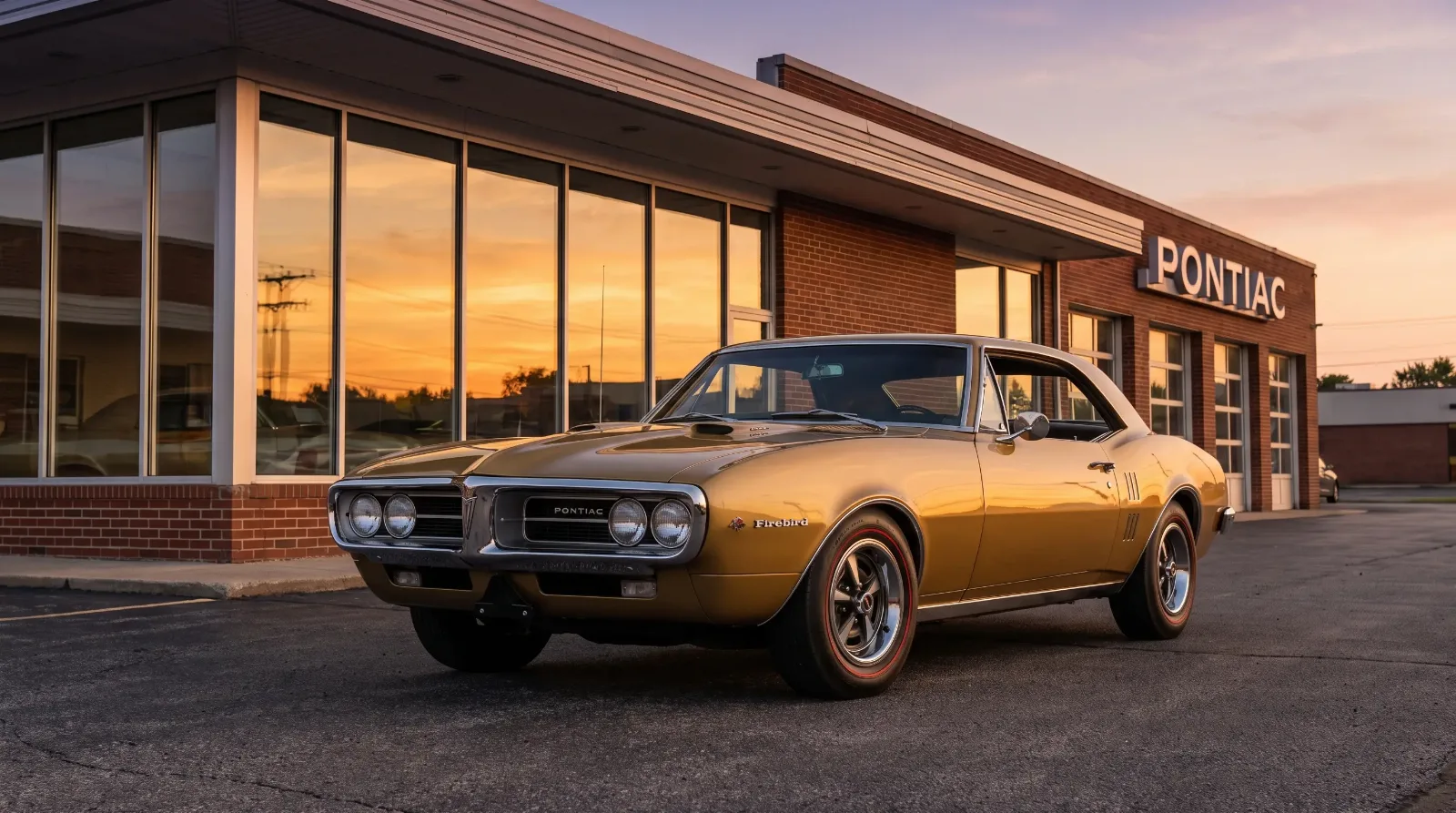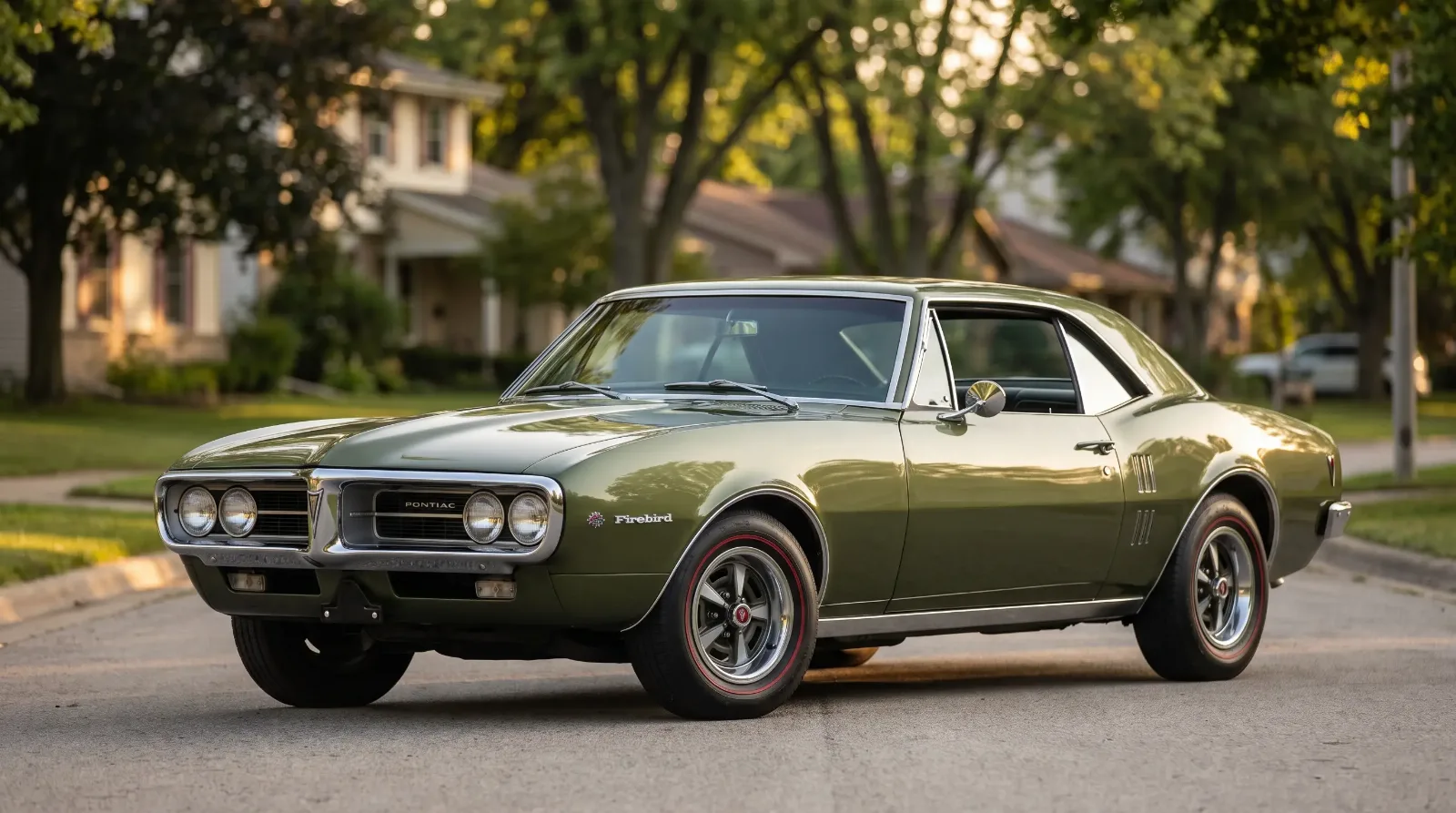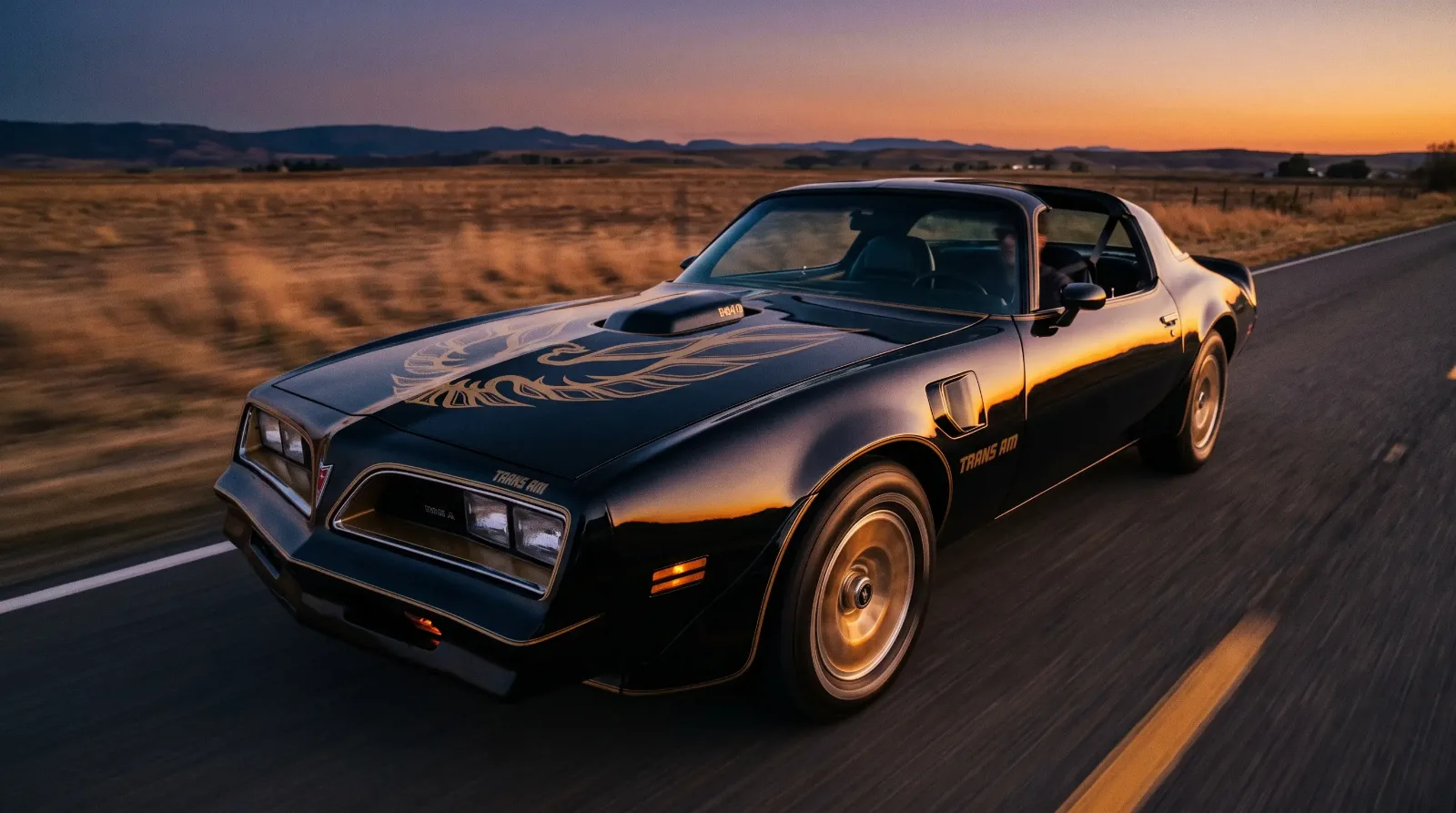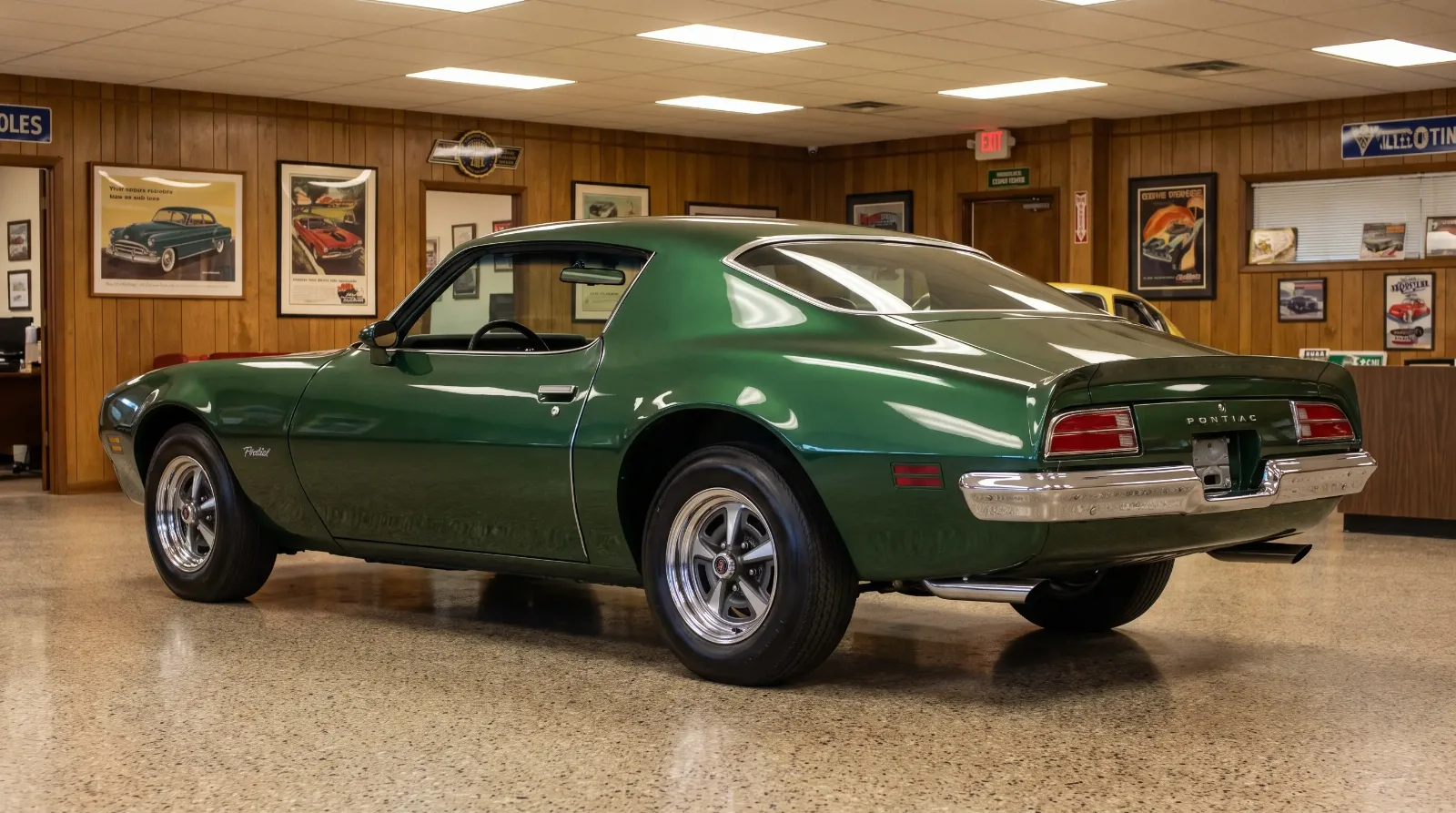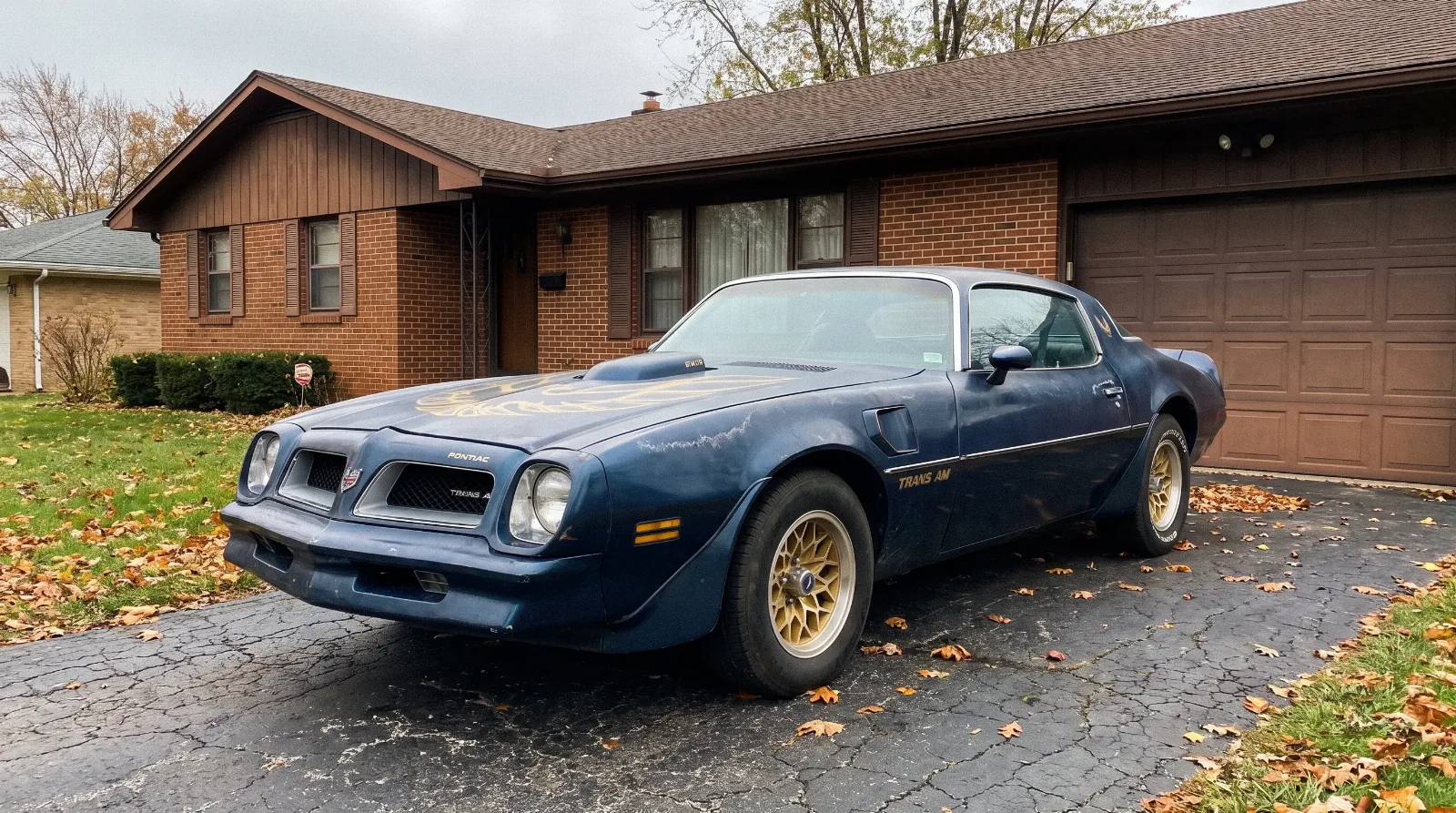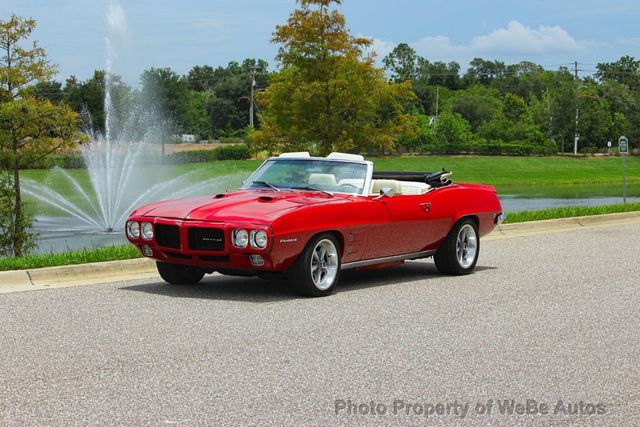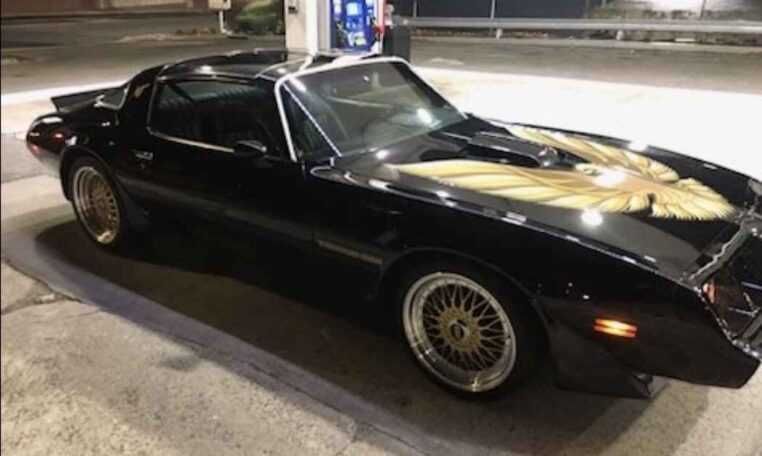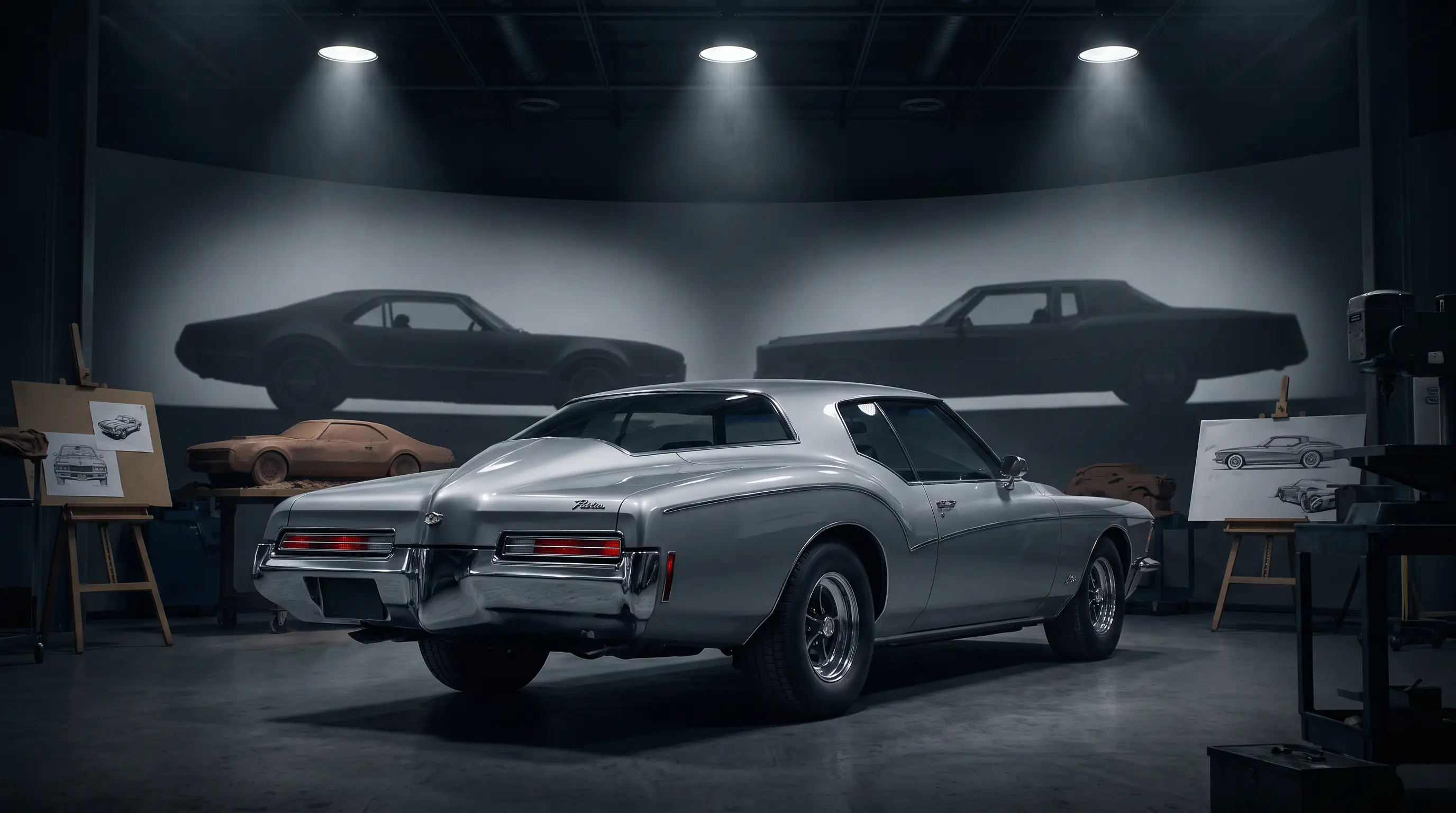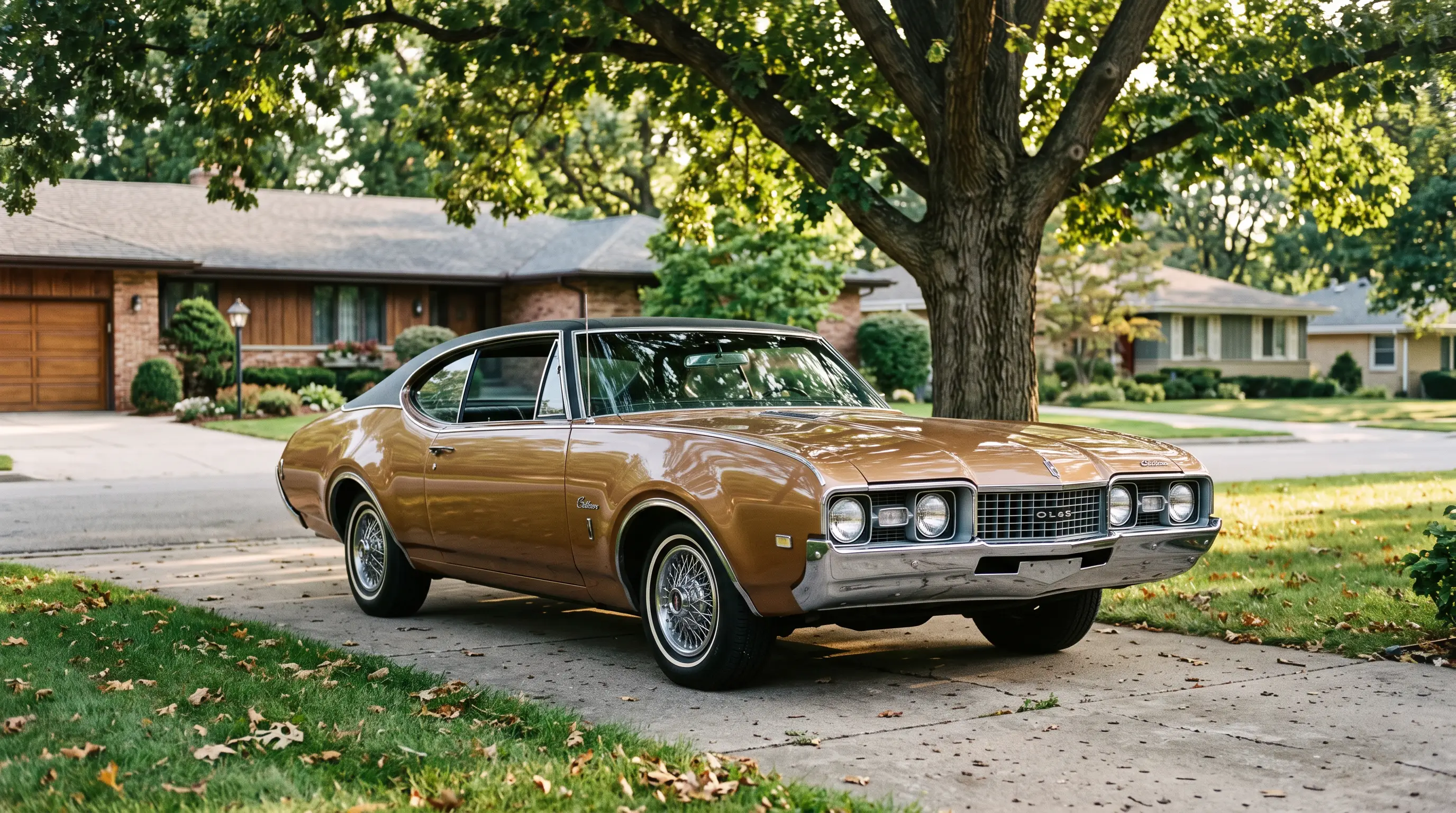
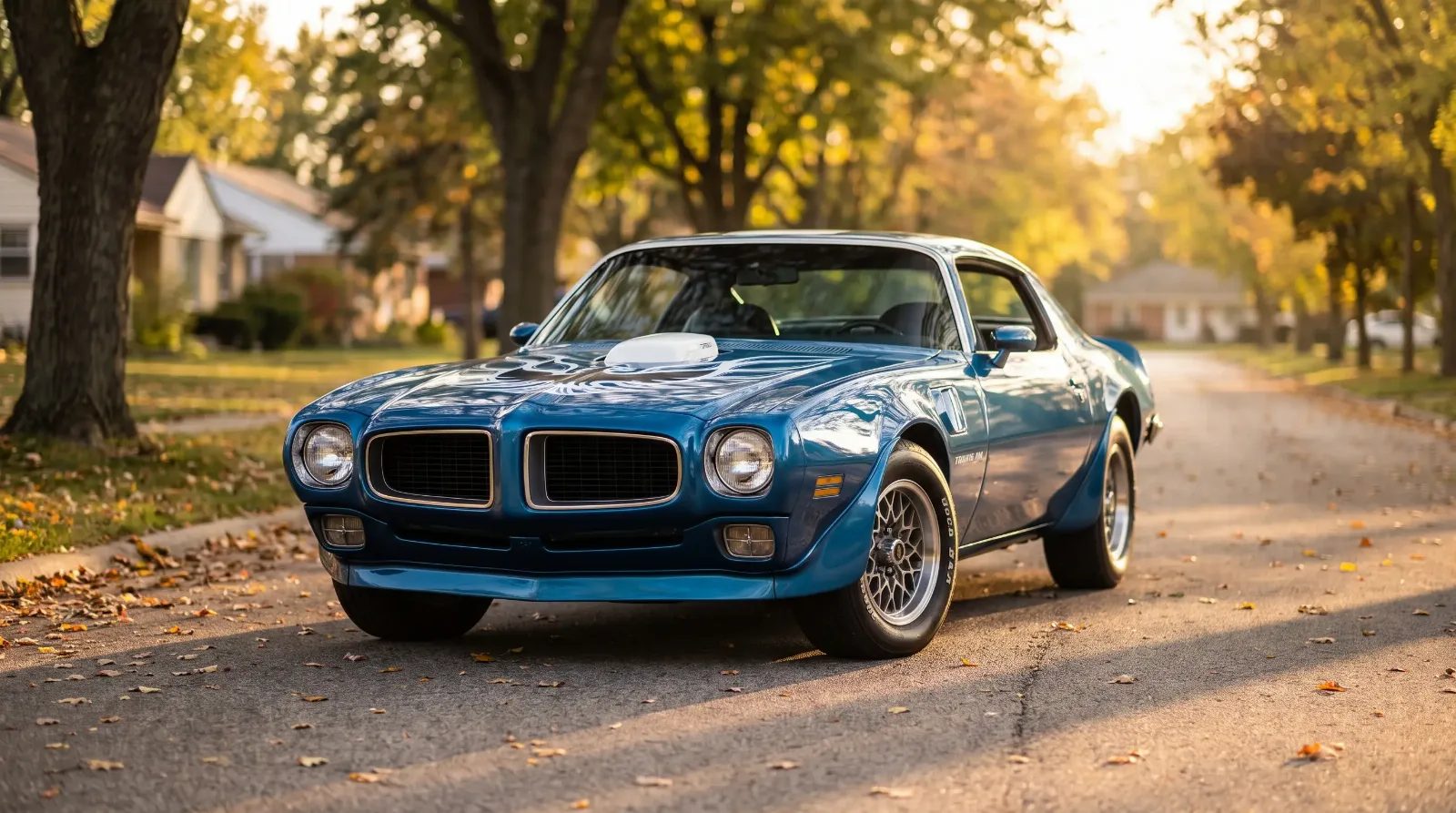
The first Firebird got the attention. The second one got the job done. When people picture a classic Firebird, they usually picture the firebird gen2 car: long hood, low roof, a screaming bird baked onto the hood, and a Trans Am badge that meant something. Pontiac built this shape from early 1970 all the way to 1981, which is a long run for a body style that started life in the muscle era and had to survive the leanest years Detroit ever put a performance car through. It did survive. That is the whole story right there, but the details are worth your time before you go shopping.
I have pulled more of these apart than I care to count, and I will tell you up front where the money hides and where the trouble hides. If you want the full family tree first, read our Firebird retrospective, then come back here for the years that matter most to a buyer.
Why the 1970½ car was a clean-sheet job
Pontiac did not facelift the first-generation Firebird into the second. They started over. The new car arrived in February 1970, which is why you hear it called a 1970½ even though the title just says 1970. Longer, lower, wider, and built only as a coupe. No convertible this time, which surprised a lot of people and still trips up buyers who go looking for a drop-top second-gen. It does not exist from the factory. Anyone selling you one built one.
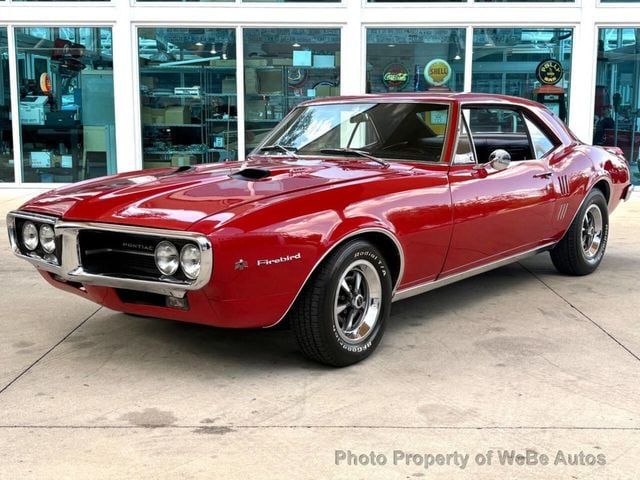
The styling came from the same corporate F-body shell that gave us the Camaro, but Pontiac did its own front and rear and its own interior, and the result looks nothing like the Chevy from the driver's seat. Early cars, 1970 through 1973, wore the small chrome bumpers and the round dual headlights. Those are the ones the styling purists chase, and I do not blame them. The proportions are honest before the safety rules got hold of them.
The four trims, and what each one actually is
People throw the names around like they are all the same car with different stickers. They are not. Here is the lineup as Pontiac sold it through most of the run.
- Firebird. The base car. Six-cylinder or small V8, plain trim. Light and cheap, and honestly not a bad starting point for a builder because nobody is precious about them.
- Esprit. The nice one. Better trim, more sound deadening, chrome where the base car had paint. This is the boulevard cruiser, not the muscle car. Jim Rockford drove an Esprit, not a Trans Am, and that tells you exactly what it was for.
- Formula. The sleeper. Twin-scoop fiberglass hood, big-block available, none of the Trans Am's wings and decals. If you wanted the go without the show, this was it, and a clean Formula is one of the smarter buys in the whole range today.
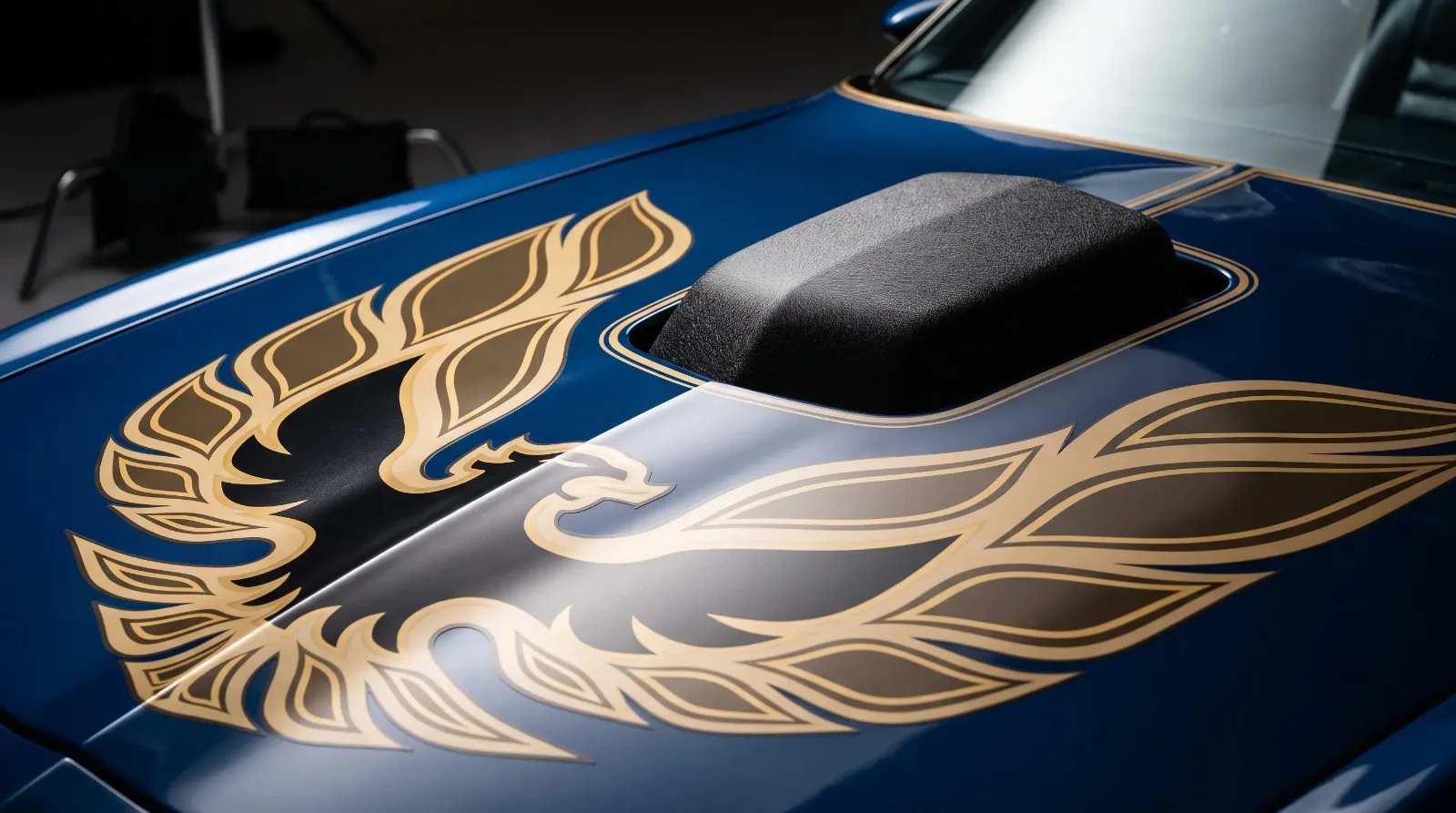
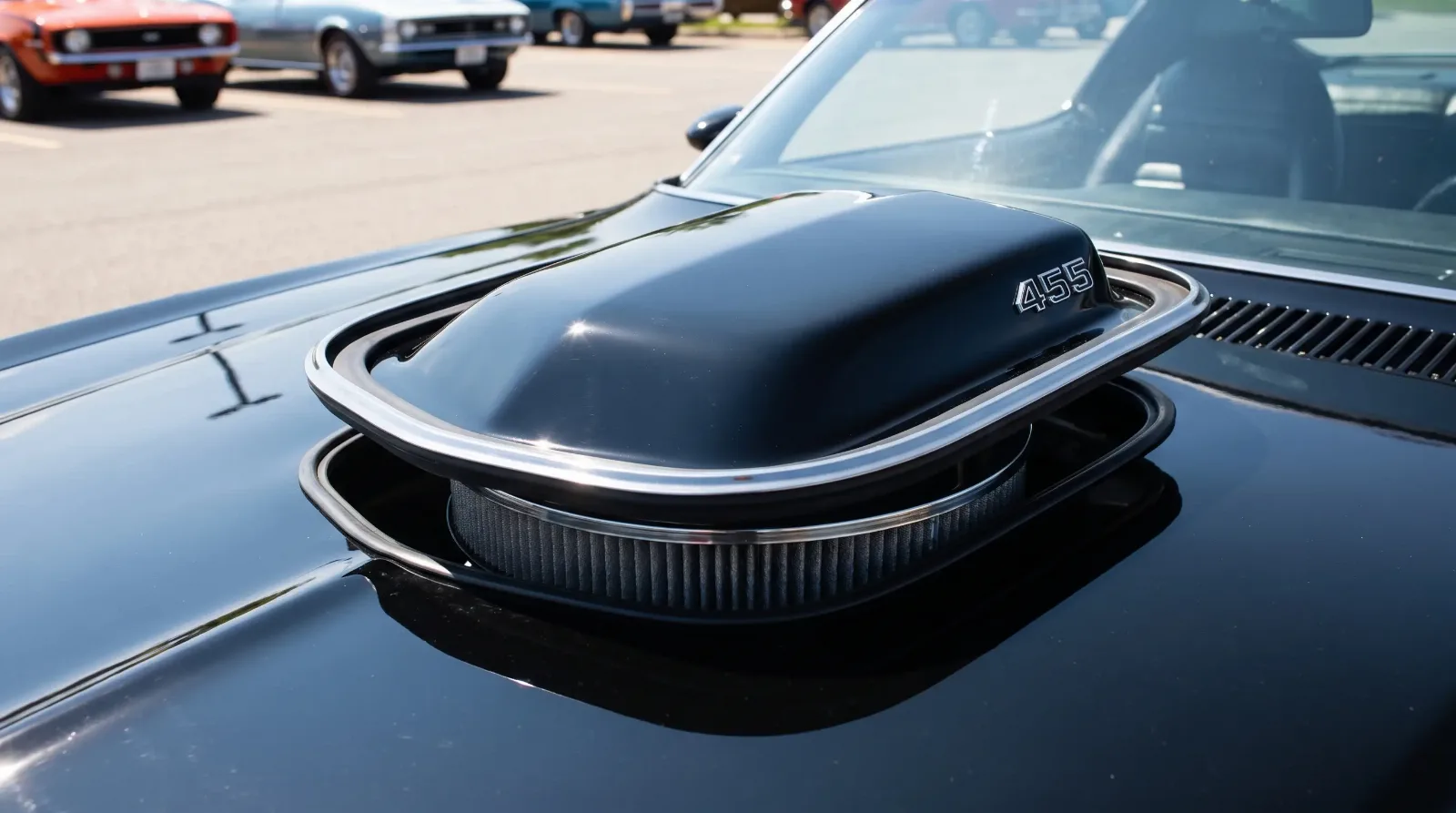
- Trans Am. The one on the poster. Shaker scoop, wheel flares, rear spoiler, and after 1973 the hood bird. Top of the food chain and priced like it, then and now.
The Trans Am gets its own deep dive as a related chapter, so I will keep it in its lane here and stick to the family view.
The SD455, the last real muscle motor
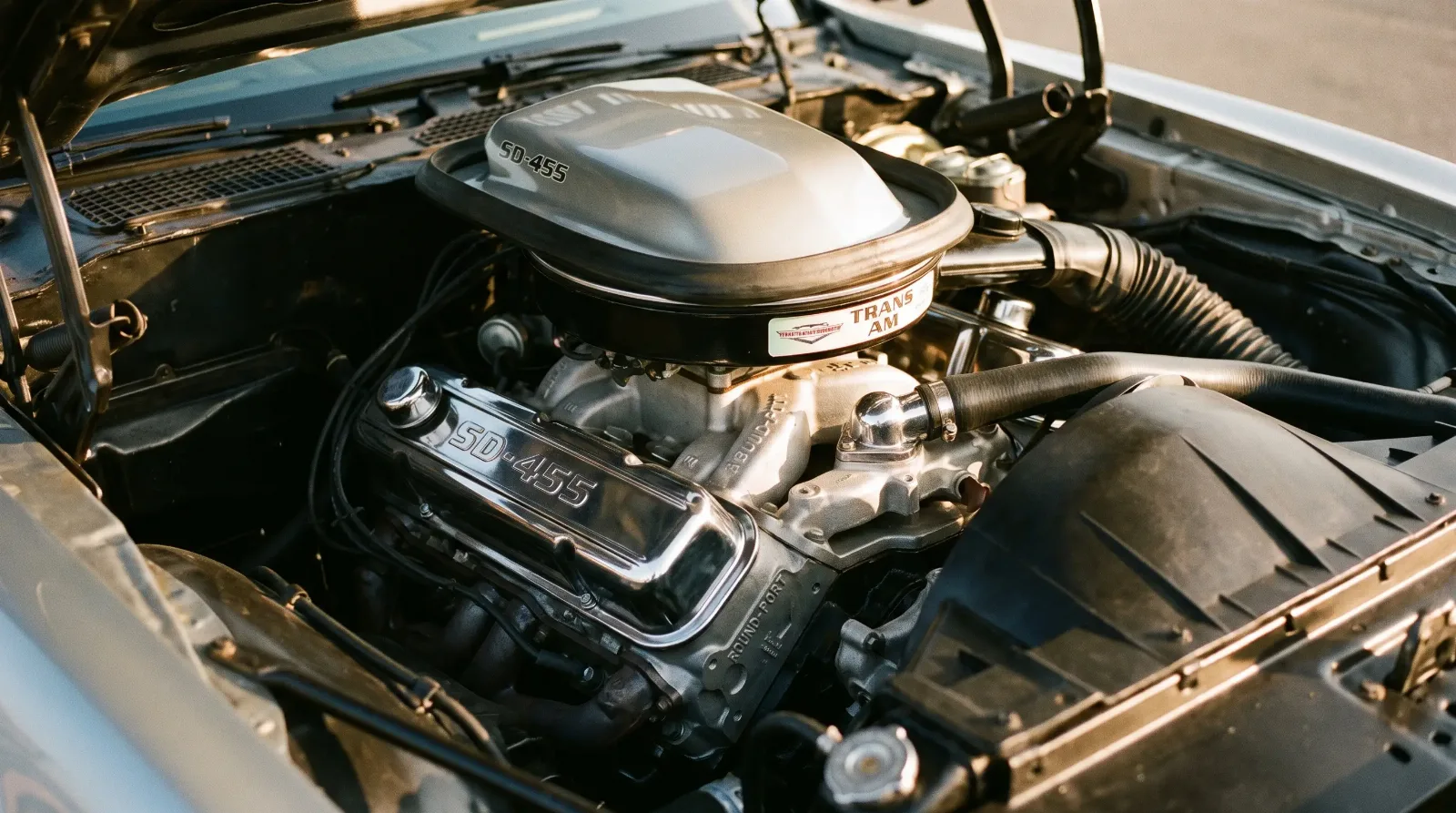
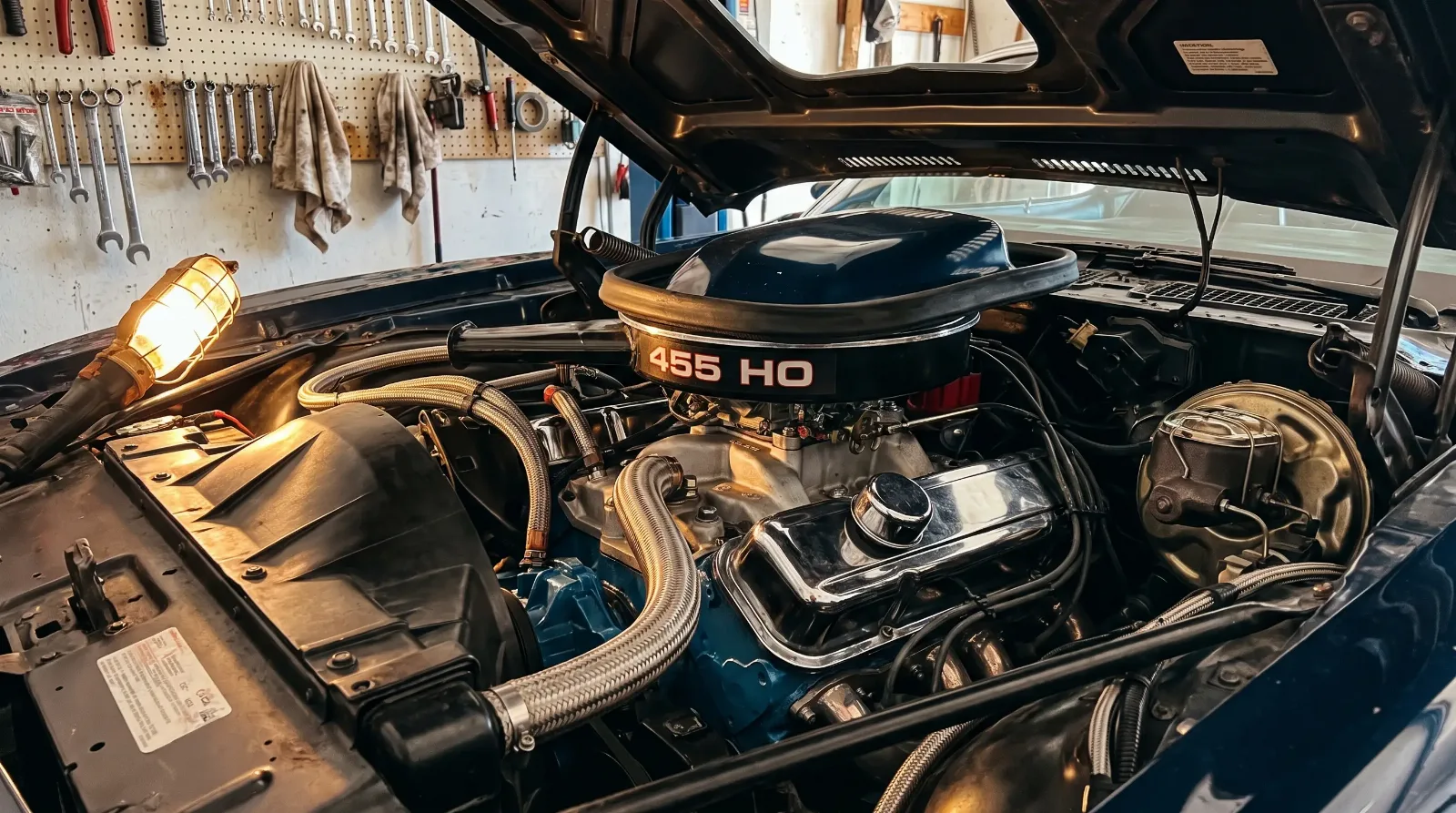
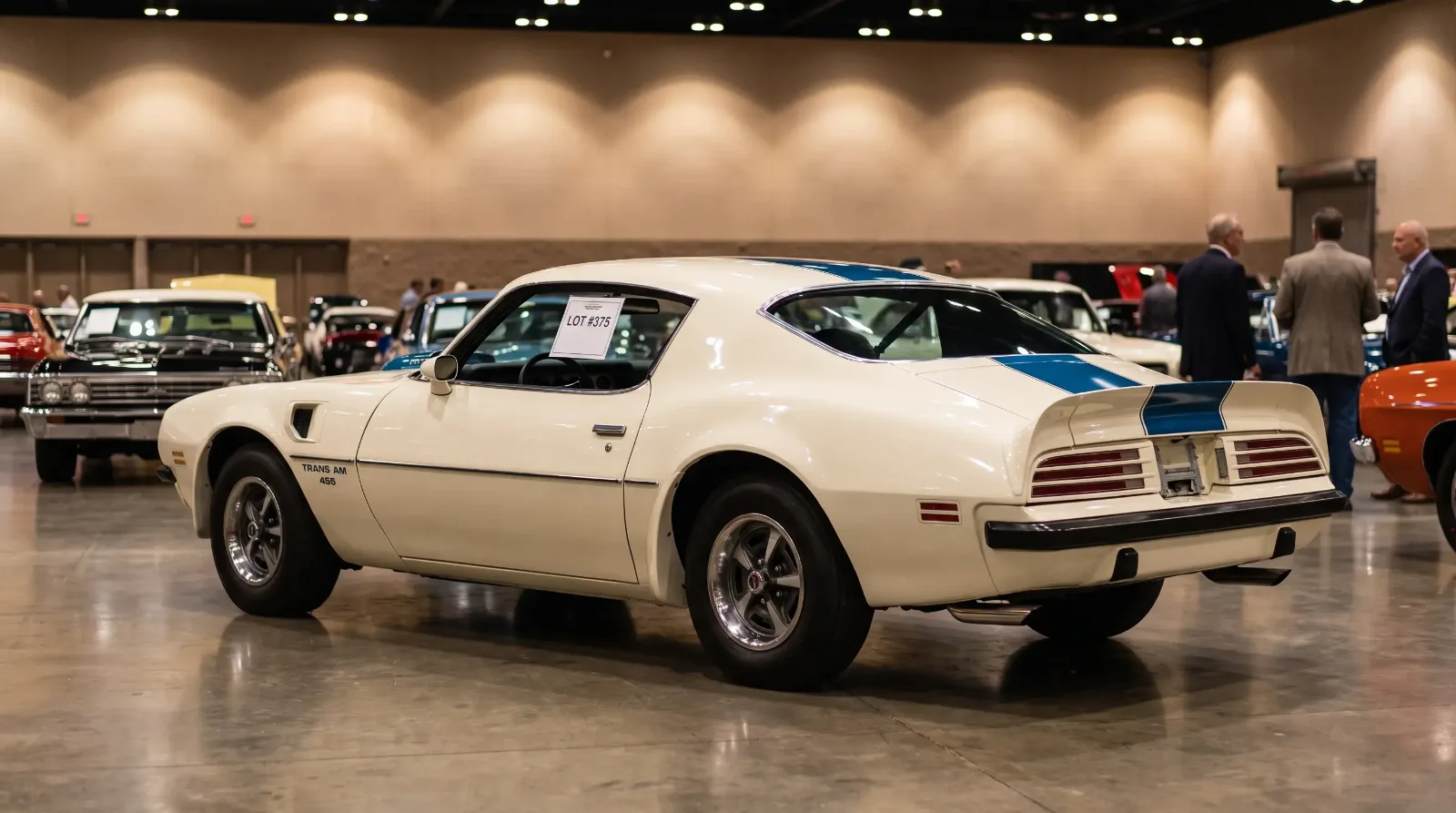
Here is the engine that keeps the early cars honest. For 1973 and 1974, Pontiac offered the Super Duty 455, the SD455. This was a genuine engineering effort in a year when everybody else was pulling compression and calling it a day. Forged internals, a tougher block, real cylinder heads. Pontiac rated it at 290 horsepower net, and most people who have run one think the factory was being modest.
They did not build many. The SD455 went into a small number of Trans Ams and Formulas across those two years, roughly 295 cars in 1973 and just over 1,000 in 1974, so total production barely clears 1,300 and the survivor count is low. This is the one motor in the second-gen catalog where numbers-matching genuinely moves the price, and it is also the one most often faked. If a seller is throwing SD455 around, you want the block casting number, the date codes, and paperwork. No paperwork, no premium. I have seen too many 455s wearing valve covers they were not born with.
Surviving the malaise years
By 1975 the party was over for everybody. Catalytic converters showed up, unleaded fuel became the rule, and compression ratios fell through the floor. Most performance cars just died. The Corvette limped. The GTO was gone. But the Firebird, and the Trans Am especially, did something strange: it got more popular as it got slower.
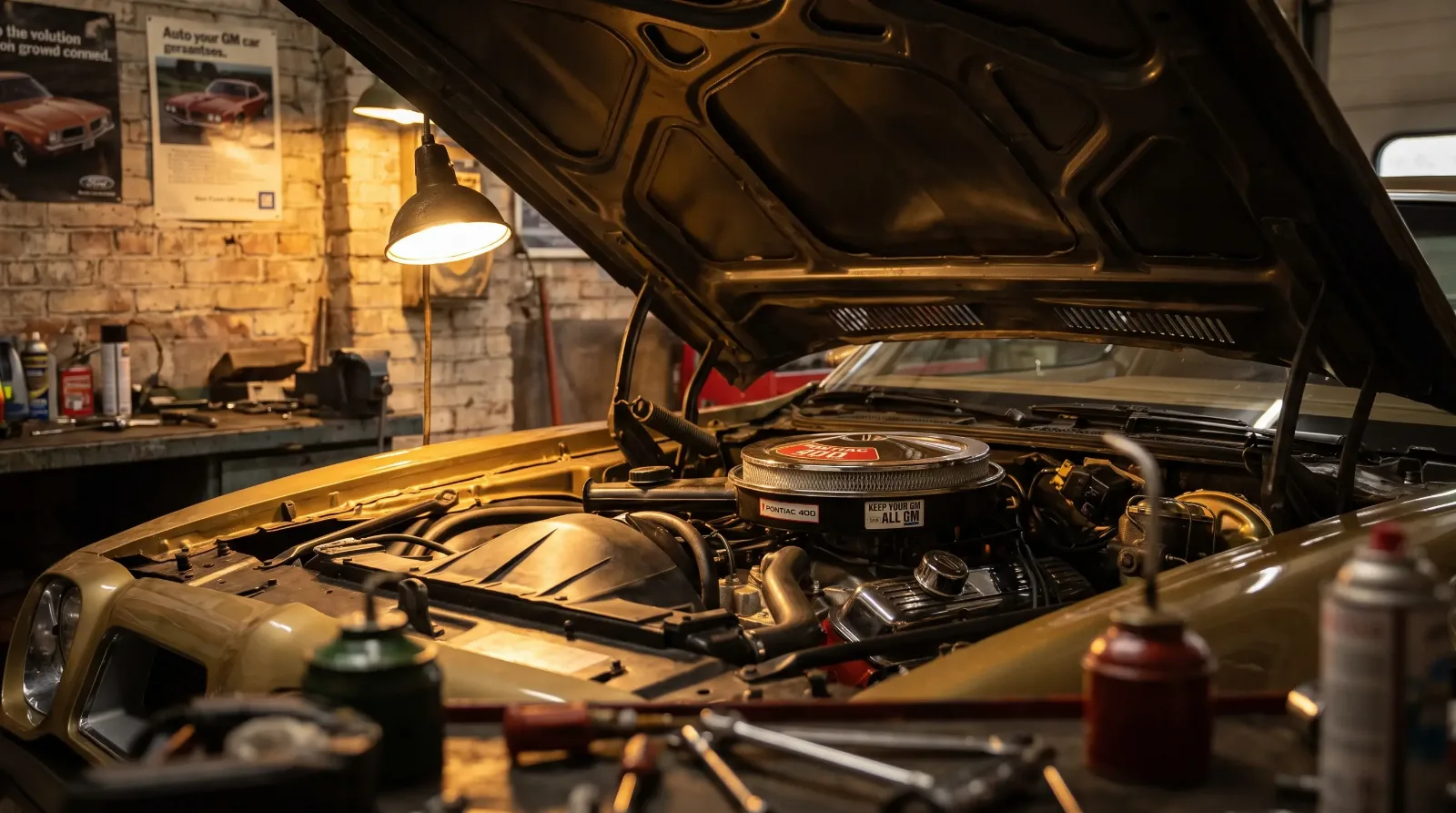
Pontiac kept the big engines around longer than most. The 455 hung on through 1976 in the Trans Am, which made it about the last big-inch performance car standing. After that the 400 Pontiac V8 carried the flag, and when Pontiac ran short of those late in the run they started dropping in a 403 sourced from Oldsmobile, offered from mid-1977 on. Buyers who wanted the numbers on the shaker to mean the engine underneath learned to read the codes, because a 6.6 LITRE decal did not always sit on a Pontiac motor.
The horsepower was down, no argument. But the styling, the sound, and the image carried it. A 1976 Trans Am was not quick by 1970 standards. It did not matter. People wanted the look, and Pontiac was happy to sell it to them.
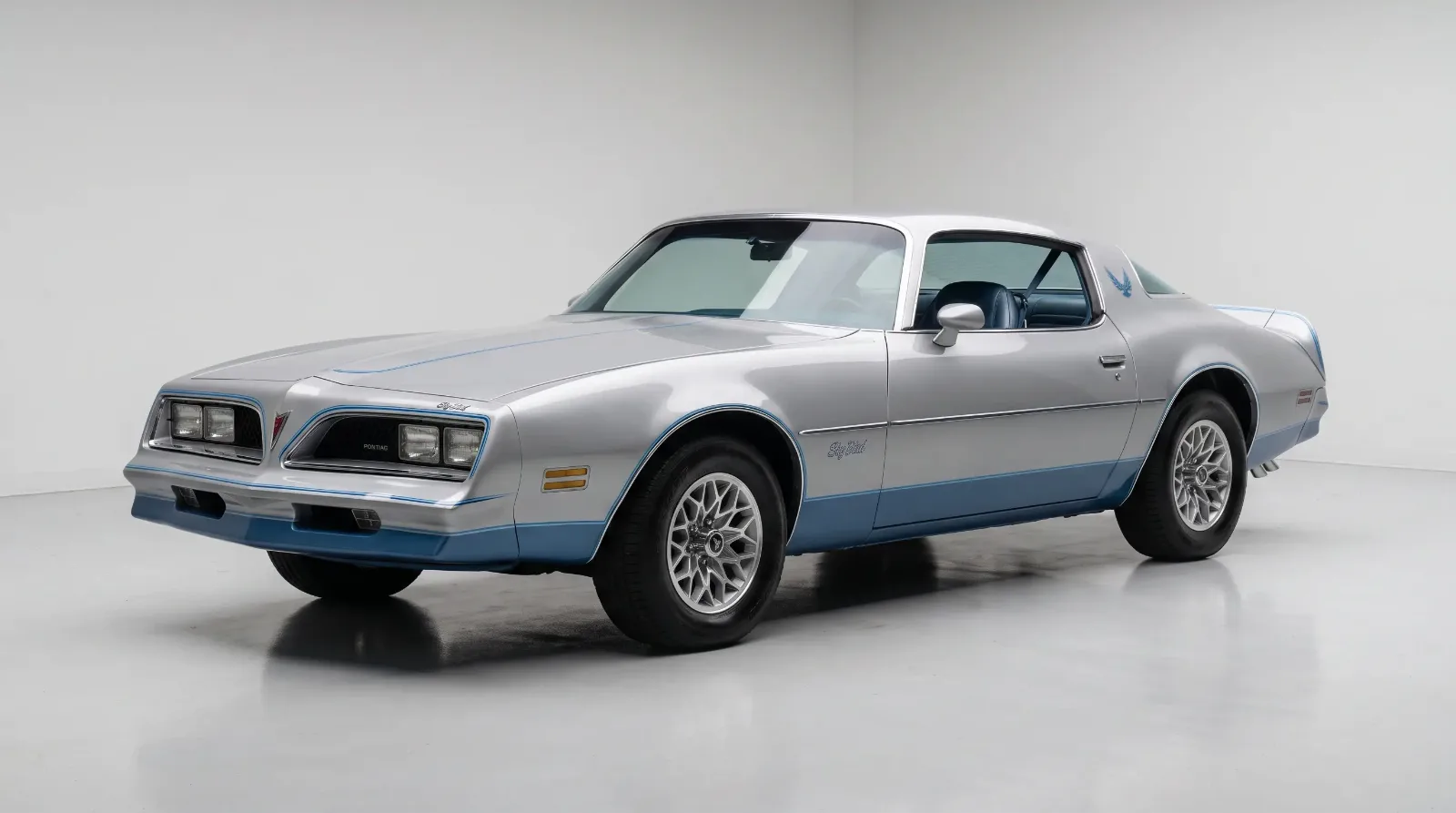
There is a lesson in that for a buyer today. The later cars, 1977 through 1981, are slower and softer than the early ones, and the market prices them accordingly. That is your opening. A late Formula or Esprit with a good body and a working drivetrain is cheap fun, and it drives every bit as well as the early car once you are off the line. You give up bragging rights at the stoplight. You keep the shape, the T-tops, and most of the money in your pocket.
The Screaming Chicken and the movie that made it
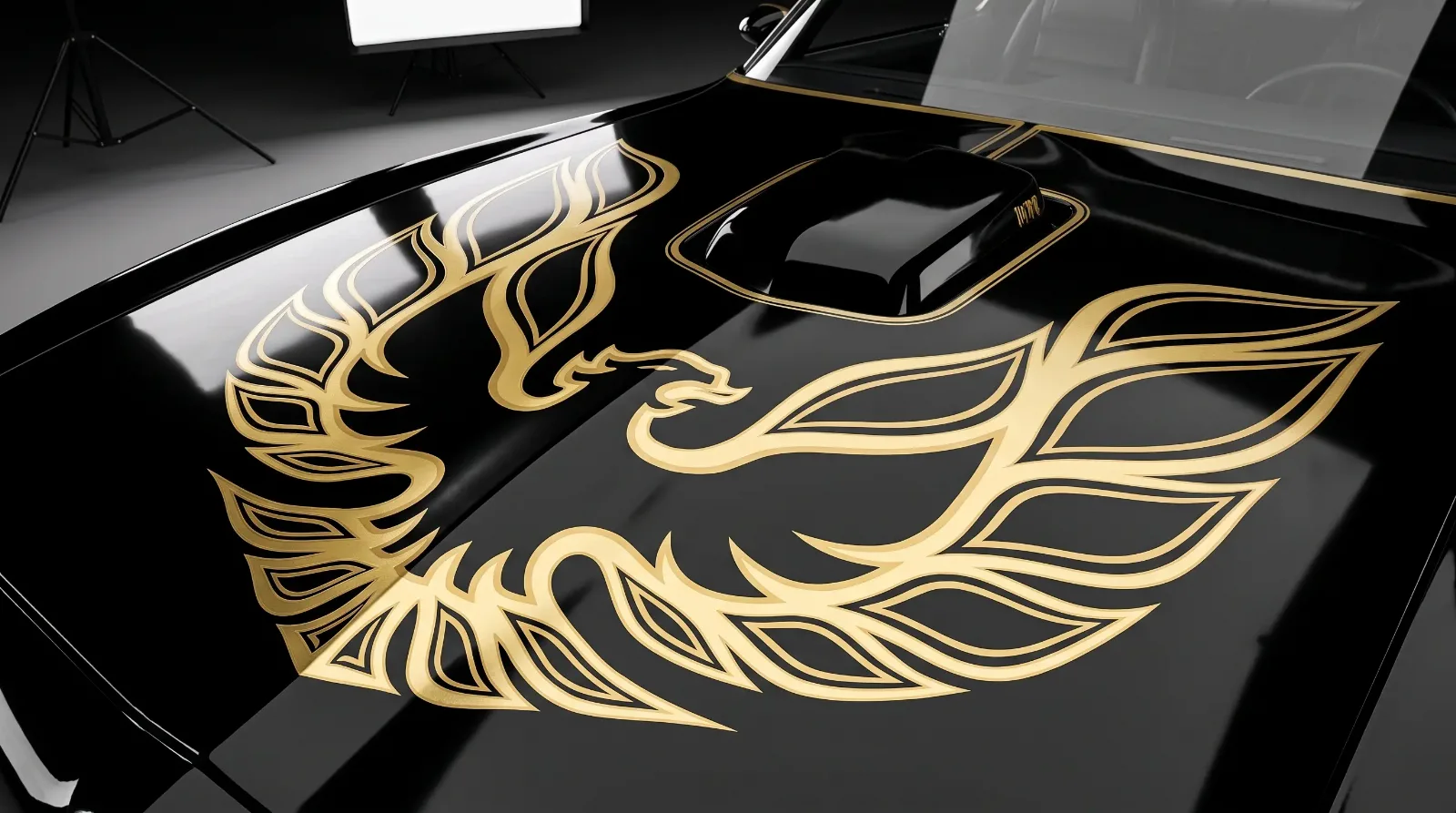
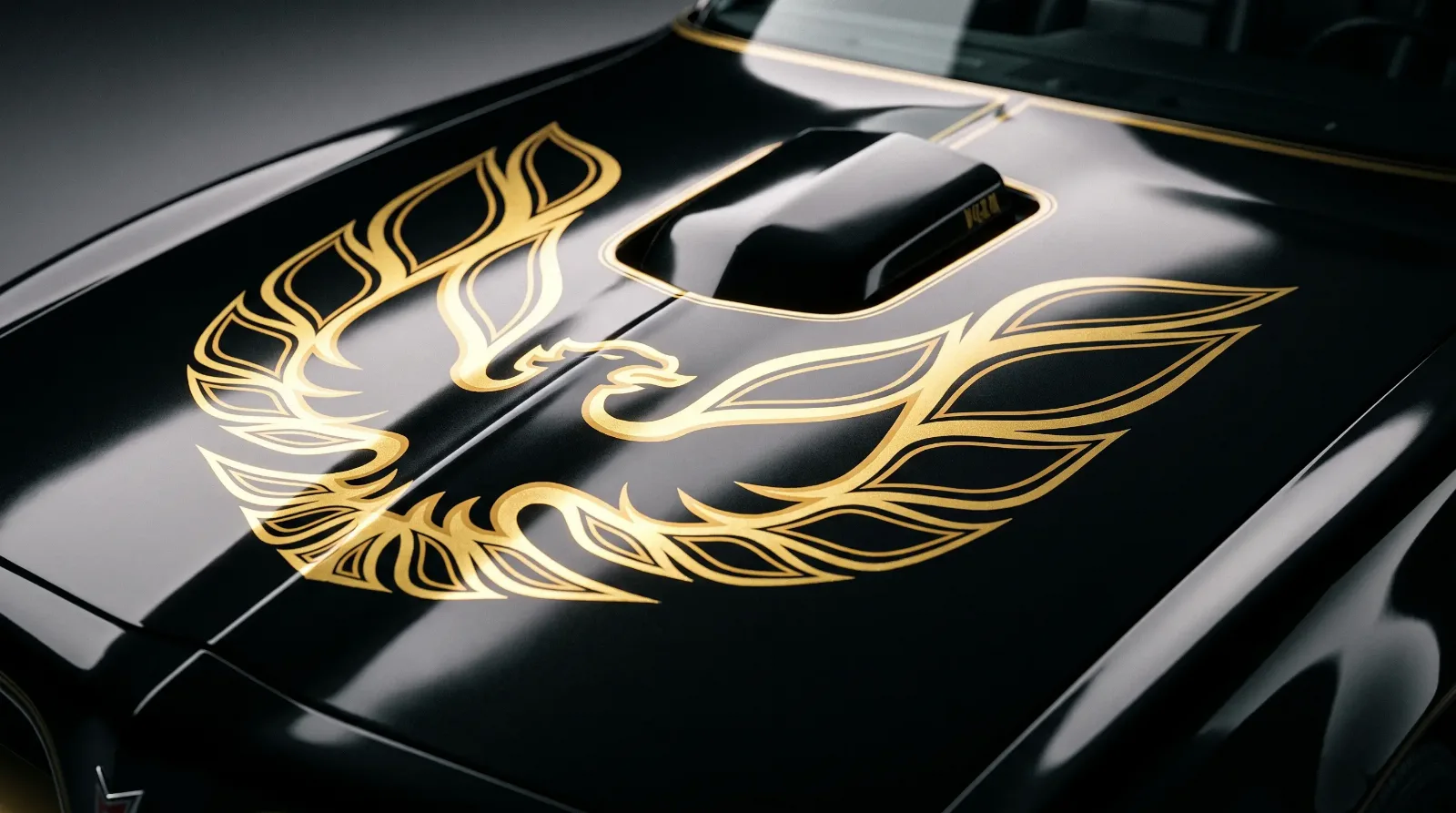
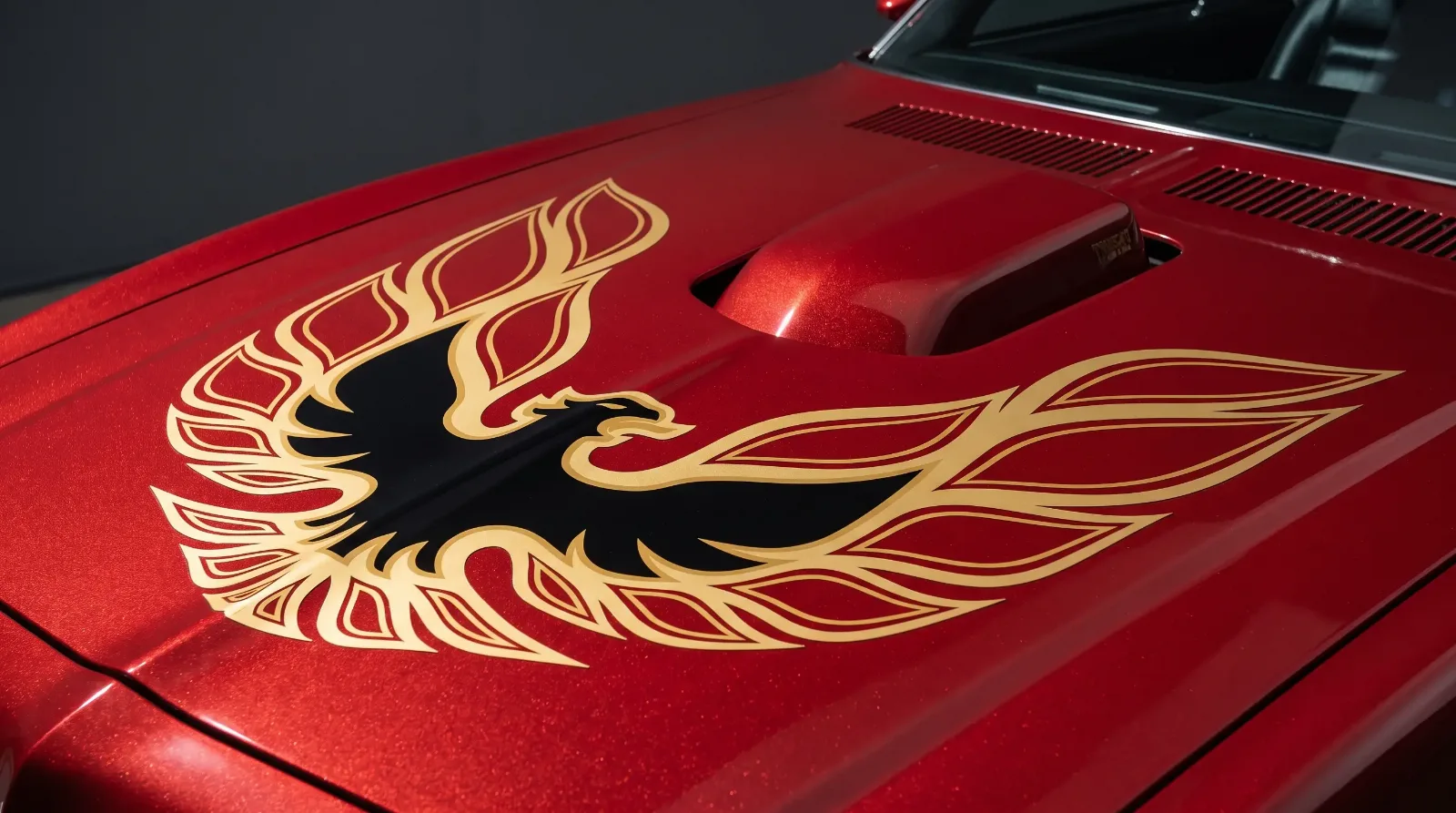
The hood bird is the single most recognizable piece of graphics Detroit ever glued to a car. It showed up on the Trans Am for 1973 and grew over the years until it covered most of the hood. Enthusiasts call it the Screaming Chicken, usually with affection. Pontiac called it the hood bird decal and charged extra for it.
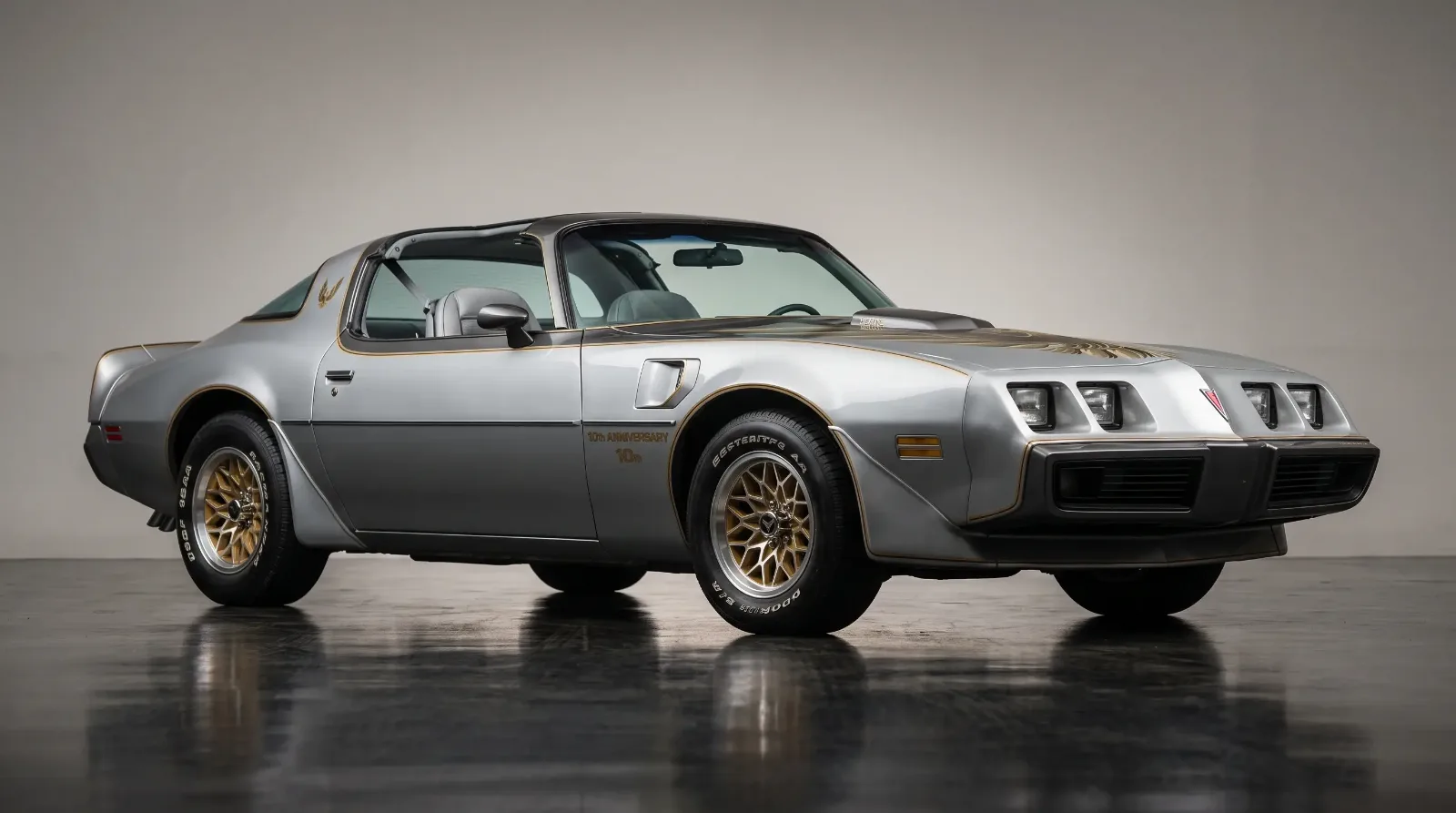
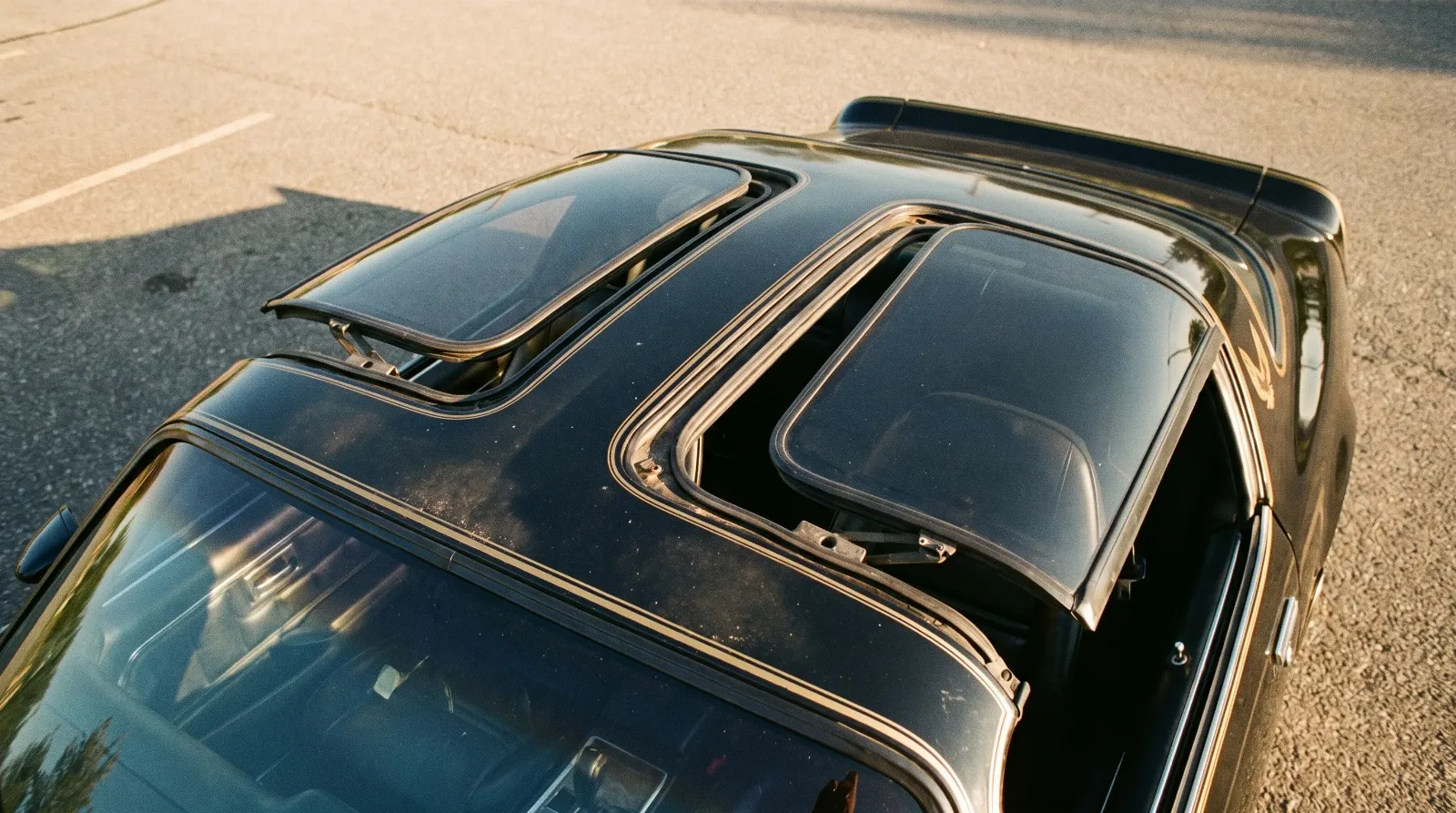
Then 1977 happened twice over. First, Pontiac restyled the front, swapping the older headlight arrangement for four rectangular headlamps set in a wider nose. That is the quickest way to date a second-gen from across the parking lot: round-ish quad lights and a soft nose mean 1977 or later, the earlier snout means 1976 and back. Second, a black-and-gold Special Edition Trans Am with a T-top roof drove through a movie called Smokey and the Bandit and turned the car into a cultural object. Dealers could not keep them on the lot.
Second-generation Firebird at a glance
| Spec | Detail |
|---|---|
| Years built | 1970½ to 1981 |
| Body style | Two-door coupe only (no factory convertible) |
| Platform | GM F-body, shared with Chevrolet Camaro |
| Trim levels | Firebird, Esprit, Formula, Trans Am |
| Top engine | Super Duty 455 (SD455), 1973 to 1974, 290 hp net |
| Big-block cutoff | 455 through 1976, then 400 and 403 (Olds) |
| Major restyle | 1977 four-rectangular-headlight front end |
| Curb weight | Roughly 3,400 to 3,850 lb depending on trim and engine |
What to check before you buy one
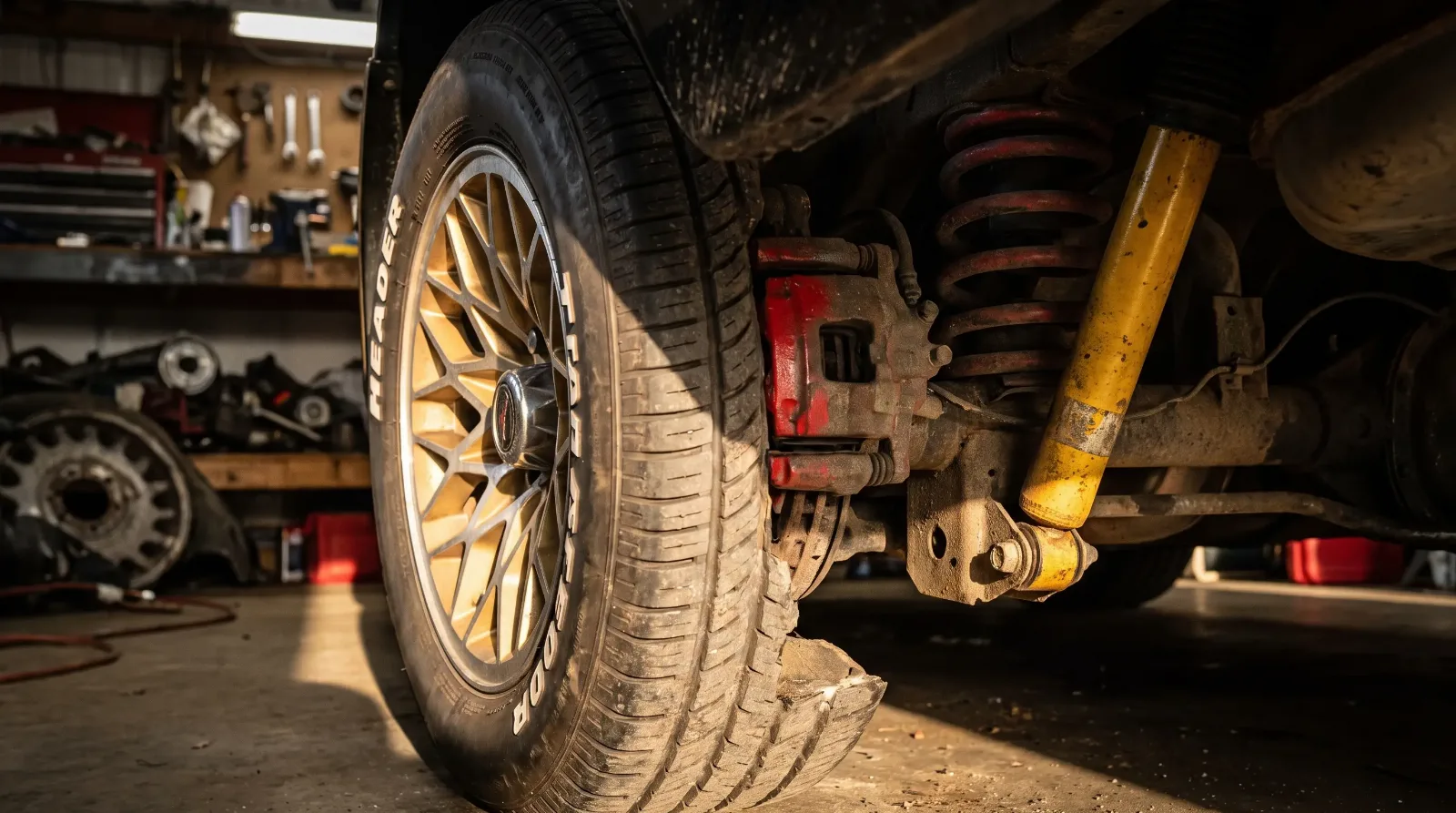
These cars are 45 years old at the young end. They rust, and they rust in the same places every time. I have watched people fall for a shiny paint job and never look underneath, which is exactly backwards.
"A base Formula with honest floors and a real Pontiac motor will make you happier than a rusty Trans Am you overpaid for because of the bird on the hood. Buy the metal, not the sticker."
— Mike Sullivan
The second-generation Firebird is one of the few American performance cars that got better looking as it got slower, and it earned a following the raw numbers never justified. That following is still here, which means clean examples move when they come up. If you want to see what the market is doing right now, browse the current classic Firebirds for sale and pay attention to how much of the price is metal and how much is the decal. Then buy the metal.
Sources and notes
- Pontiac Firebird, Wikipedia
- How the Pontiac Trans Am's Screaming Chicken got its wings, Hagerty Media
- 1974 Pontiac Firebird Trans Am Super Duty, Audrain Auto Museum
- All About the Engines That Powered the 1979 Pontiac Firebird, SlashGear
- 1973-1974 Pontiac Firebird and Trans Am Super Duty, Horsepower Memories
- The History of the Pontiac Trans Am Hood Bird, Classic Industries