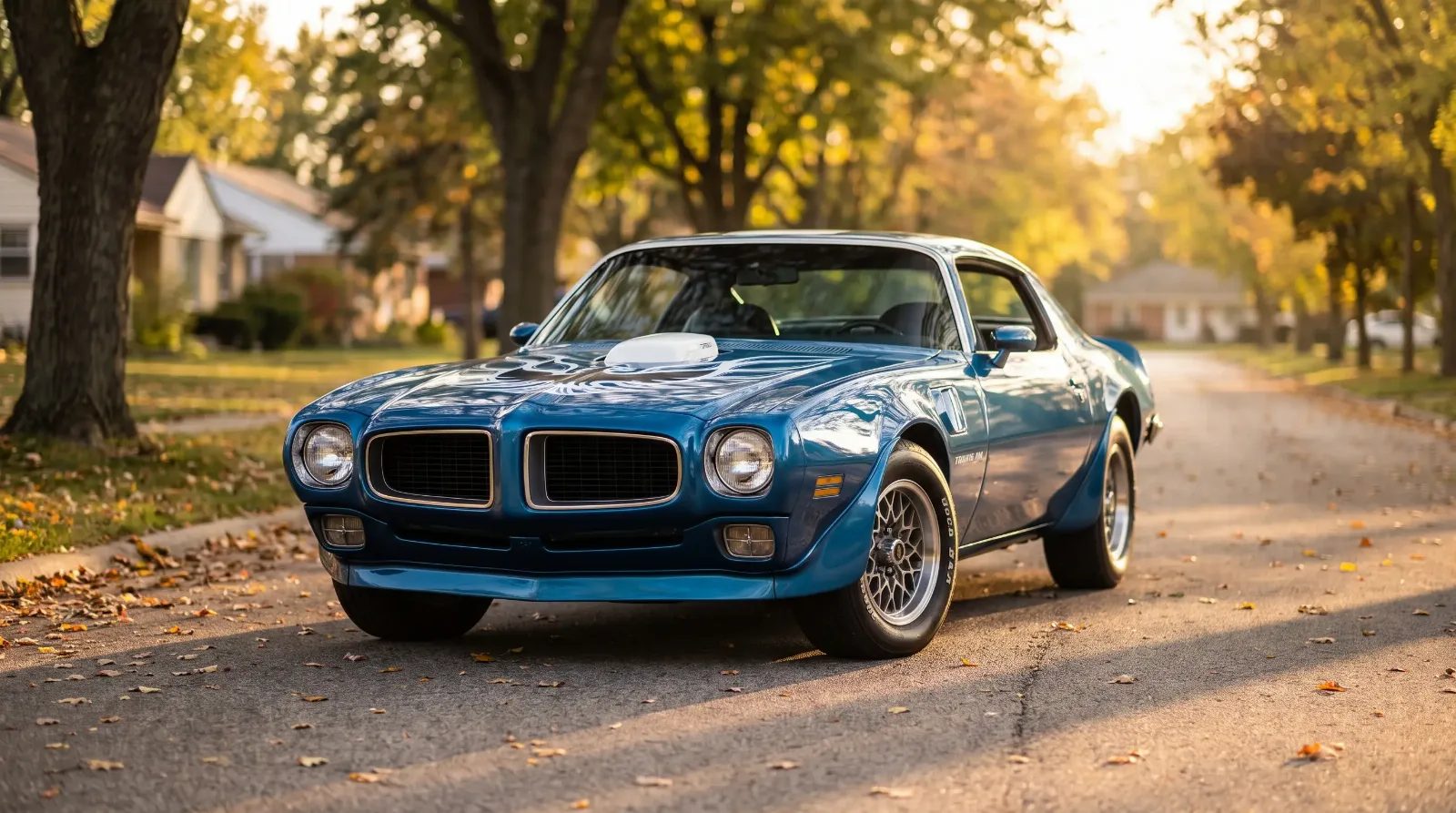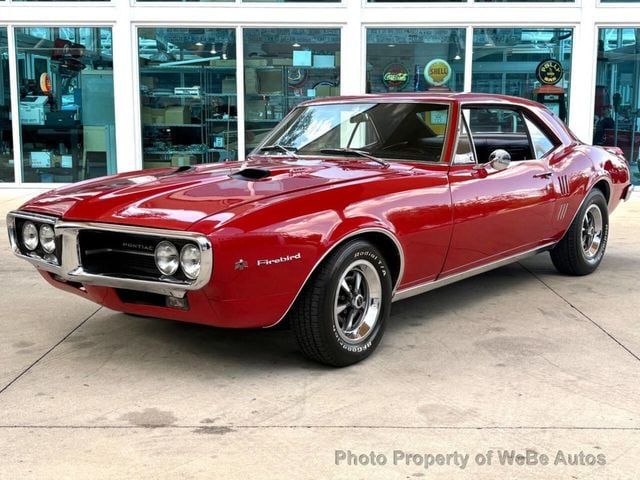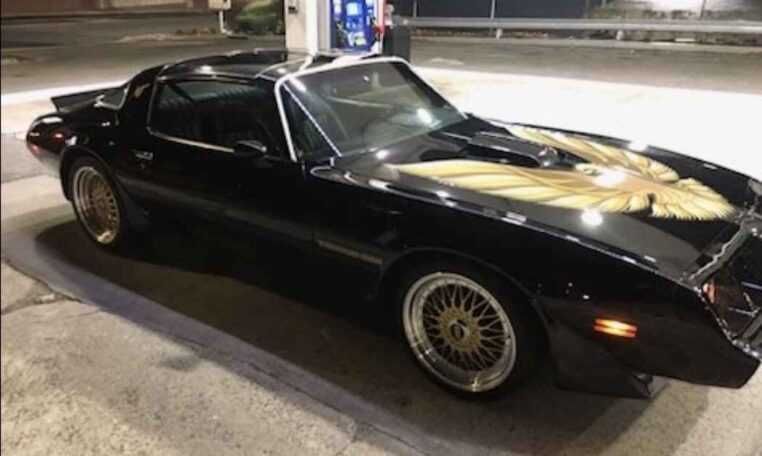
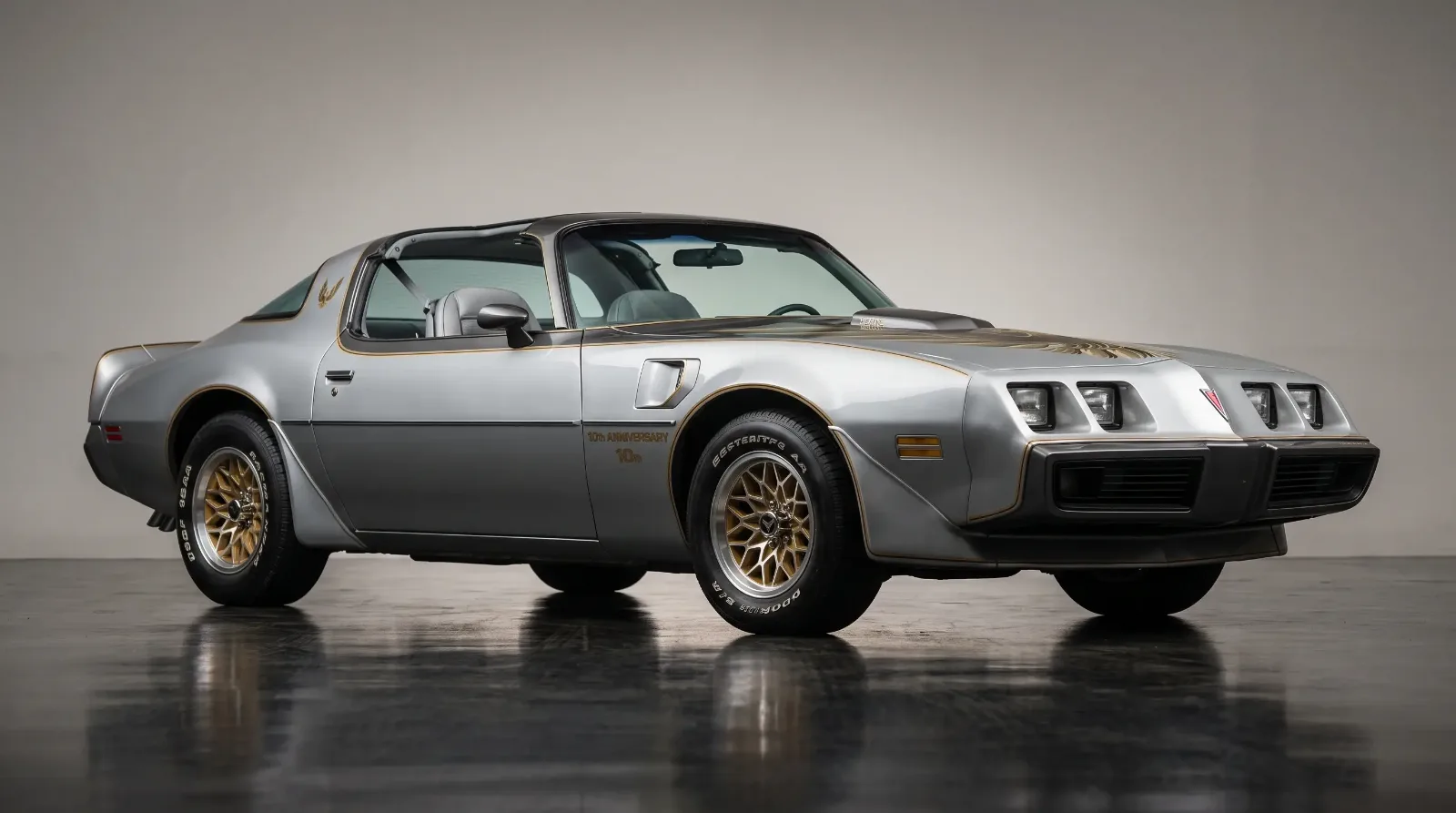
The 1979 10th anniversary Trans Am is the car that shows up on more posters and more auction catalogs than almost any other malaise era Firebird, and there's a reason for that beyond nostalgia. Pontiac built the Trans Am nameplate for a full decade by 1979, and instead of letting the anniversary pass quietly, they built a genuinely distinct special edition around it. Two-tone silver paint, gold snowflake wheels, and a package list that pulled together most of what Trans Am buyers actually wanted. I still see these cars come through more often than you'd expect for a special edition, and they're worth understanding before you pay a premium for the badge.
Why 1979 got the anniversary treatment
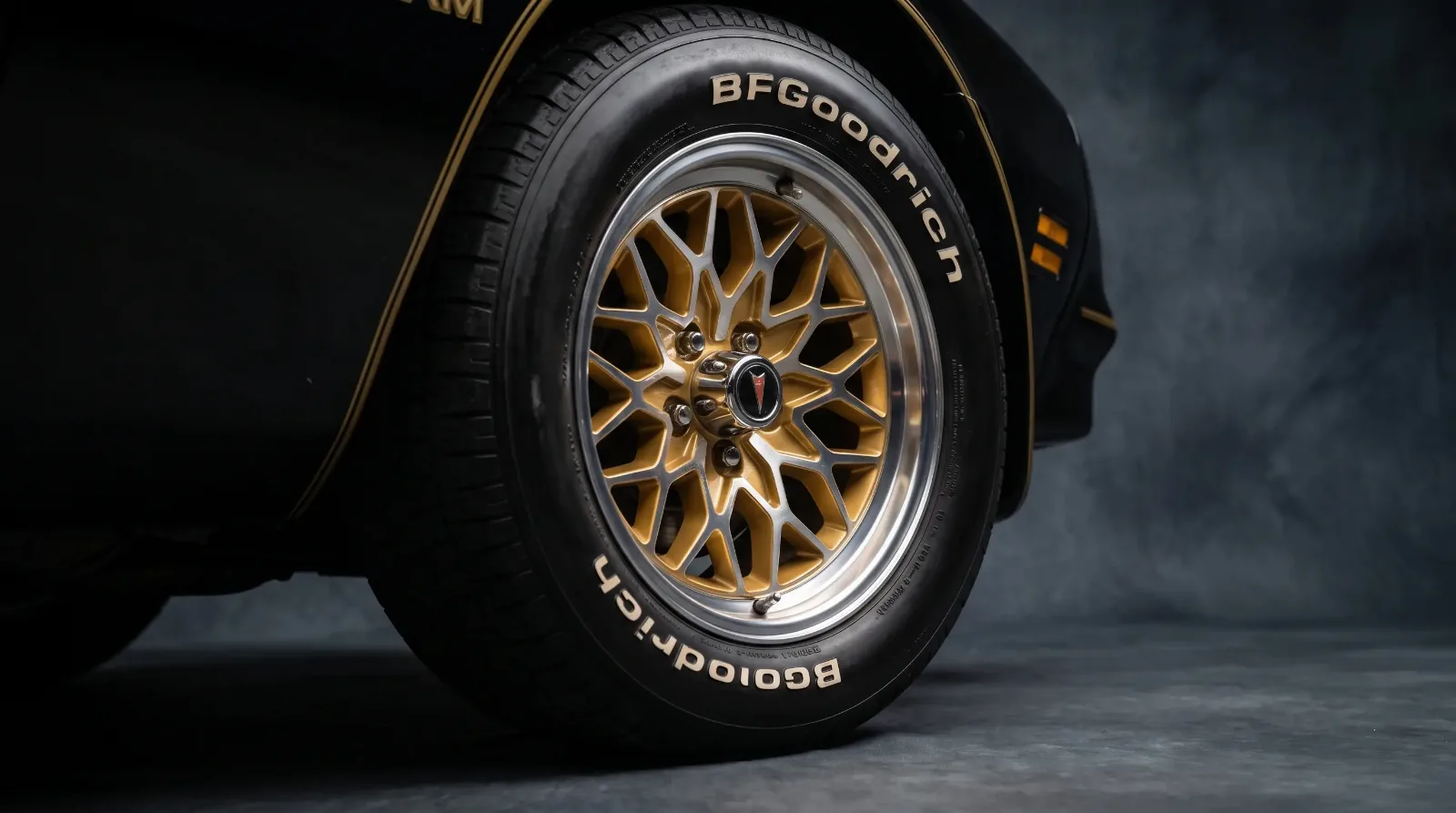
Pontiac introduced the Trans Am as a performance option package on the Firebird back in 1969, which made 1979 the ten year mark for the nameplate. Rather than a subtle badge change, Pontiac built a full appearance and equipment package around the milestone. The paint scheme set it apart immediately, a two-tone silver over charcoal combination with gold pinstriping running the length of the car, a departure from the black and gold Special Edition look that had dominated Trans Am sales since the Bandit years. Gold snowflake wheels tied the whole package together and gave the anniversary car a completely different visual identity from anything Pontiac had done with the Trans Am before.
Every 10th anniversary car carried a numbered dash plaque, a detail that mattered then for exclusivity and matters now for verifying you're looking at a genuine anniversary car rather than a standard Trans Am dressed up to look like one.
What was actually under the hood
Engine availability depended heavily on where the car was sold, which is one of the more confusing parts of 1979 Trans Am ordering for people new to the model. Most of the country got Pontiac's own 400 cubic inch V8, offered with the W72 performance package that pushed output up compared to the standard 400, factory rated at 220 horsepower though widely regarded as underrated for emissions-era reasons. California and high altitude buyers, due to stricter regional emissions rules, instead received an Oldsmobile sourced 403 cubic inch V8, a substitution that raises eyebrows among buyers who assume every Trans Am ran Pontiac power. Neither engine was fast by early 1970s standards, but paired with the WS6 handling package, a properly sorted 10th anniversary car still drives better than its horsepower number suggests.
The WS6 Special Performance Package, when ordered alongside the anniversary trim, added wider wheels, upgraded suspension, and a quicker steering ratio, and it's the combination most serious drivers look for over a car equipped for looks alone.
| Feature | 10th anniversary spec |
|---|---|
| Paint | Two-tone silver over charcoal, gold pinstripe |
| Wheels | Gold snowflake aluminum |
| Standard engine (49 state) | 400 cid Pontiac V8, W72 available |
| California/high altitude engine | 403 cid Oldsmobile V8 |
| Identification | Numbered dash plaque |
| Roof option | T-tops, heavily ordered on this package |
T-tops and why nearly every one has them
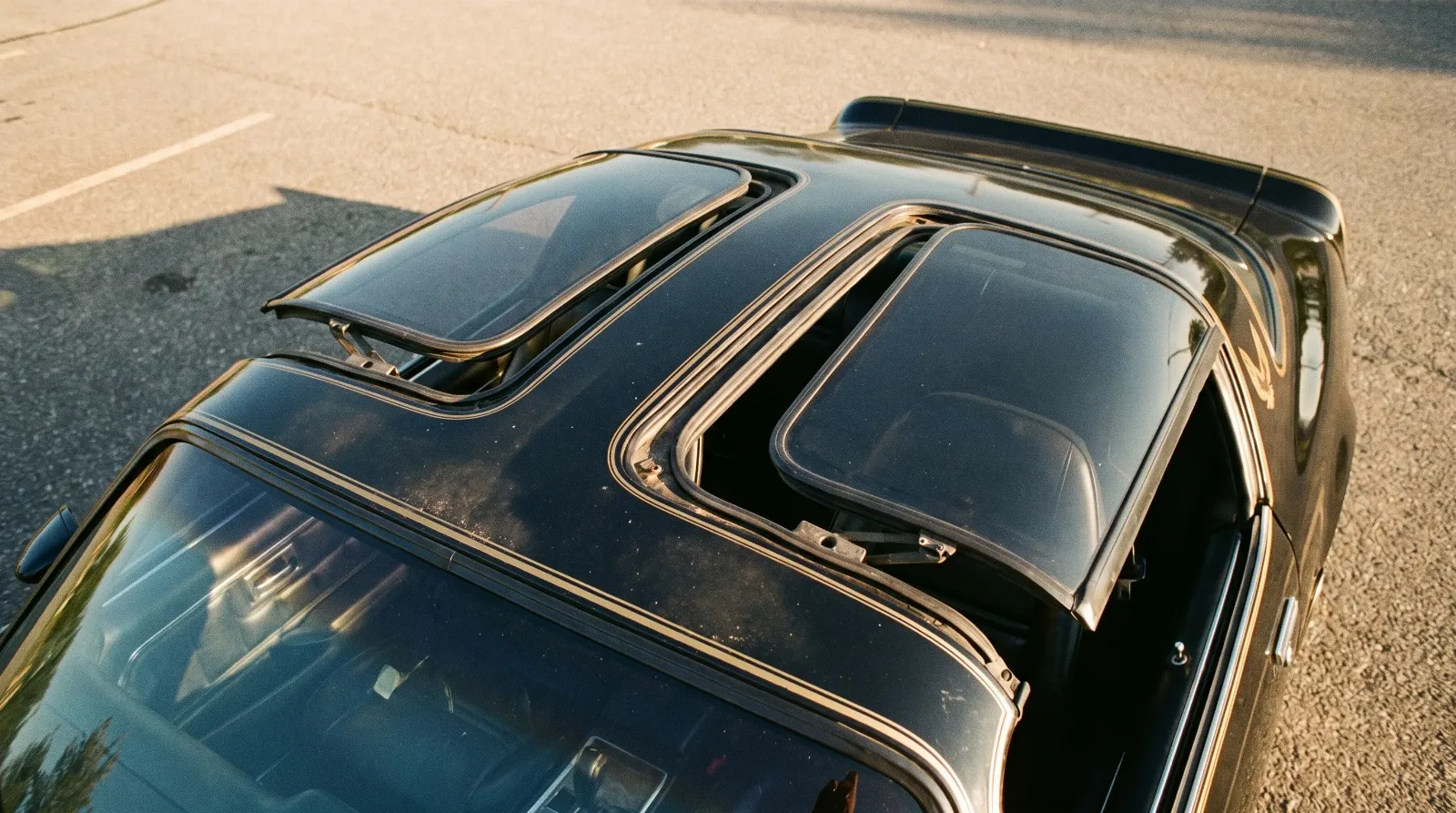
T-top roof panels were already a popular option on Trans Ams by the late 1970s, and the 10th anniversary package leaned into that trend hard. The vast majority of anniversary cars left the factory with T-tops installed, to the point that a fixed-roof 10th anniversary Trans Am is the unusual find rather than the expected one. That popularity created its own long-term maintenance headache, since the T-top seals on cars this age are notorious for leaking once the rubber hardens, and a lot of anniversary cars carry water damage in the headliner and rear cargo area as a result.
What to check before buying an anniversary car
Verify the dash plaque number and cross-reference it against any paperwork the seller has, since the anniversary package is exactly the kind of special edition that gets cloned onto a standard Trans Am with a repaint and a wheel swap. Beyond that, treat the mechanical inspection the same as any other late 1970s Trans Am: check the T-top seals and headliner for water staining, confirm the correct engine for the car's original state of sale, and inspect the gold pinstriping and snowflake wheel finish for signs of a redo versus factory original condition.
Pay close attention to the charcoal lower body color too. It's a two-stage paint job by nature, and a repaint job that doesn't get the exact break line right between the silver and charcoal sections is one of the easier tells that a car has been redone rather than left original. Original tape and pinstripe work has a crispness to the edges that a lot of aftermarket applications don't quite replicate, especially around the door handles and rear quarter panels where the lines curve.
Engine matching matters more here than on a standard Trans Am, given the split between the Pontiac 400 and the Oldsmobile sourced 403. A seller claiming a 49-state car with a 403 under the hood, or the reverse, a claimed California car running a 400, is worth a second look at the build sheet and cowl tag before you take their word for it. That kind of mismatch happens more often than buyers expect, sometimes from an honest engine swap decades ago and sometimes from someone trying to make a car sound more desirable than it actually is.
"The anniversary package gets treated like some kind of unicorn, but mechanically it's still a late 1970s Trans Am underneath the silver paint. Same 400, same T-top leaks, same things to check. Don't let the dash plaque talk you out of a proper inspection."
— Mike Sullivan
Where the anniversary car fits in the lineup
The 10th anniversary Trans Am sits at an interesting point in the 1970s Firebird story, arriving right as Pontiac was squeezing the last real performance out of the second generation body before the redesign that followed in the early 1980s. Between the paint scheme, the gold wheels, and the sheer number that came through with T-tops installed, it's become one of the more collectible malaise era Trans Ams despite the modest horsepower numbers. If you want the full picture on how those T-top roof panels held up across the decade and what they mean for buyers today, the next story in this set covers that ground in detail.