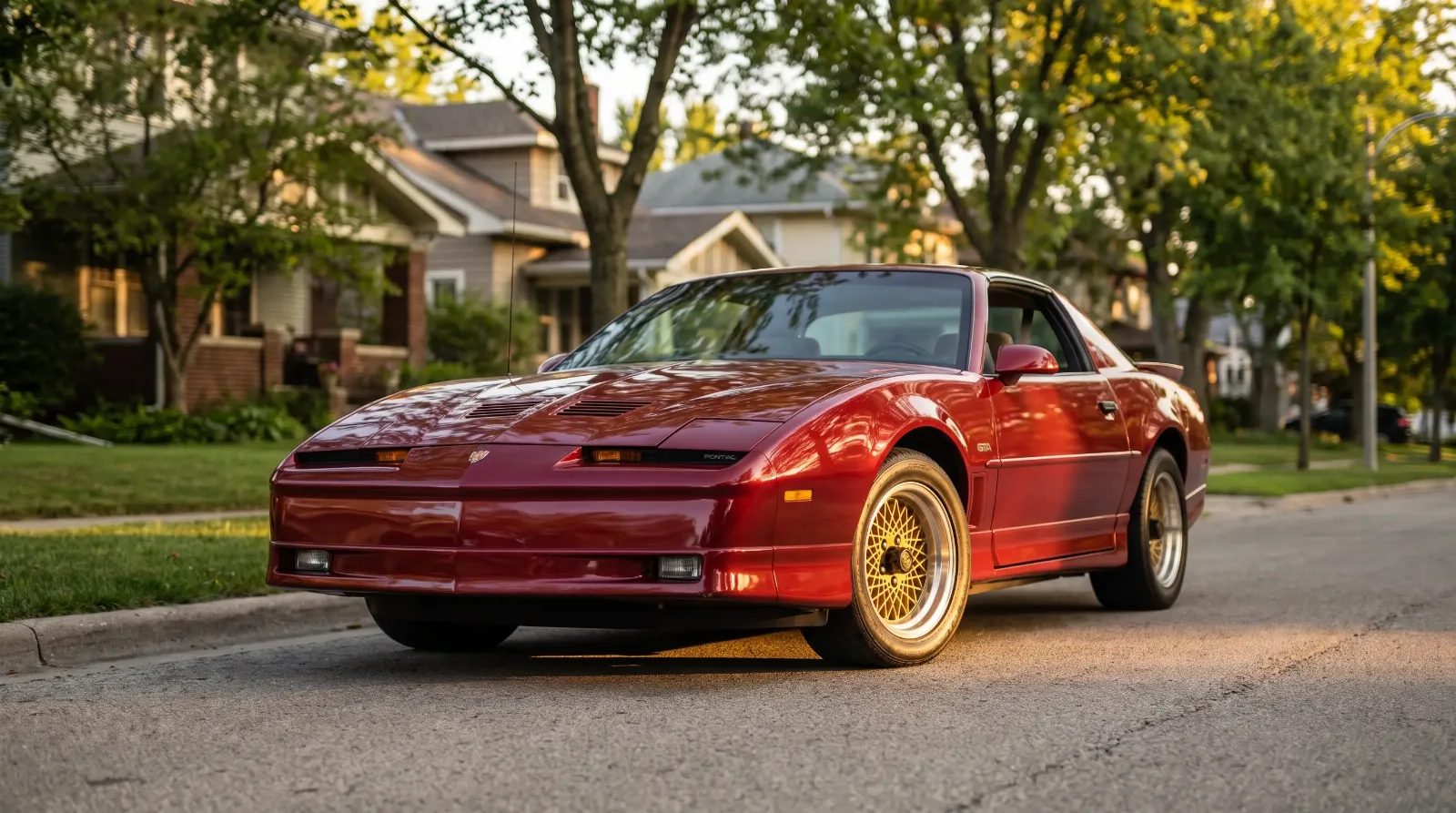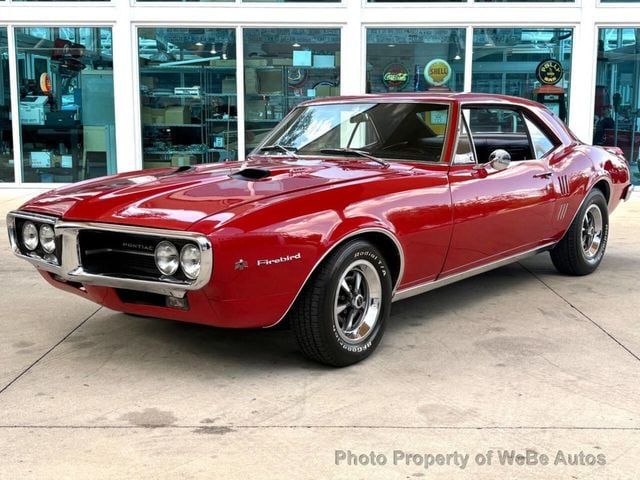
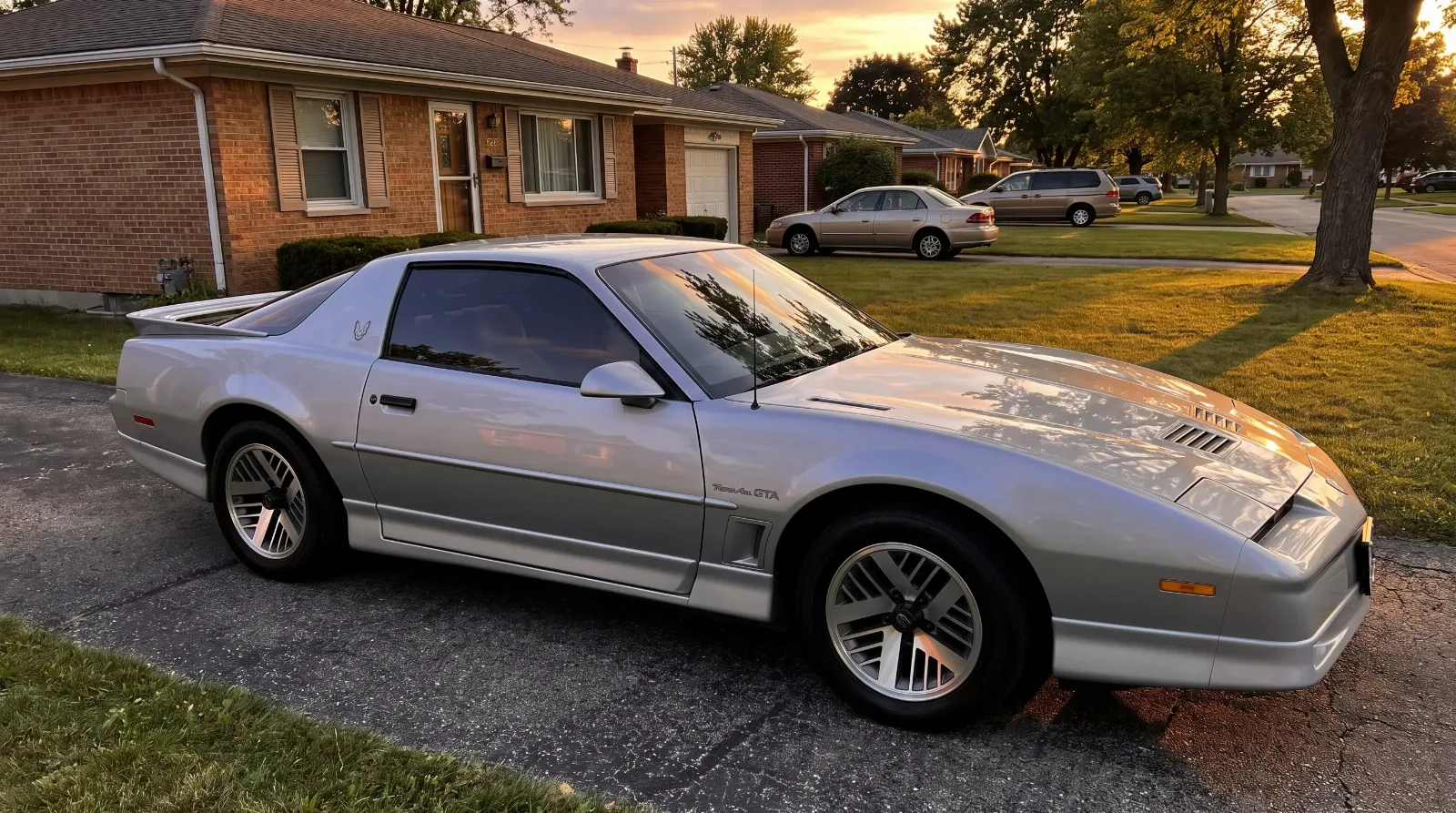
Every club has a car that shows up to a meet and quietly ends every argument about which Gen3 Firebird was the real flagship. Mine is a 1988 GTA, monochromatic silver, and the owner never has to say much because the car does the talking. The Firebird GTA arrived in 1987 wearing a name borrowed from Gran Turismo Americano, and for six model years it was the most complete performance package Pontiac put on a Firebird chassis.
Why Pontiac needed a new flagship
By the mid-1980s the Trans Am name was carrying a lot of weight, but Pontiac wanted a trim that separated the truly loaded, truly quick cars from the rest of the lineup without diluting the Trans Am's own identity. The answer was the GTA, introduced for 1987 sitting above the standard Trans Am, wearing color-keyed body cladding instead of contrasting black, and rolling on a set of aluminum wheels enthusiasts still call the "turbine" or "sawblade" design depending on which corner of which state you grew up in.
Underneath that monochromatic skin sat the WS6 performance suspension package as standard equipment, not an option box to check. Firmer springs, larger anti-roll bars, and specific shock valving meant the GTA handled with a seriousness that the base Trans Am only offered if you paid extra for it.
The engine that made the badge mean something
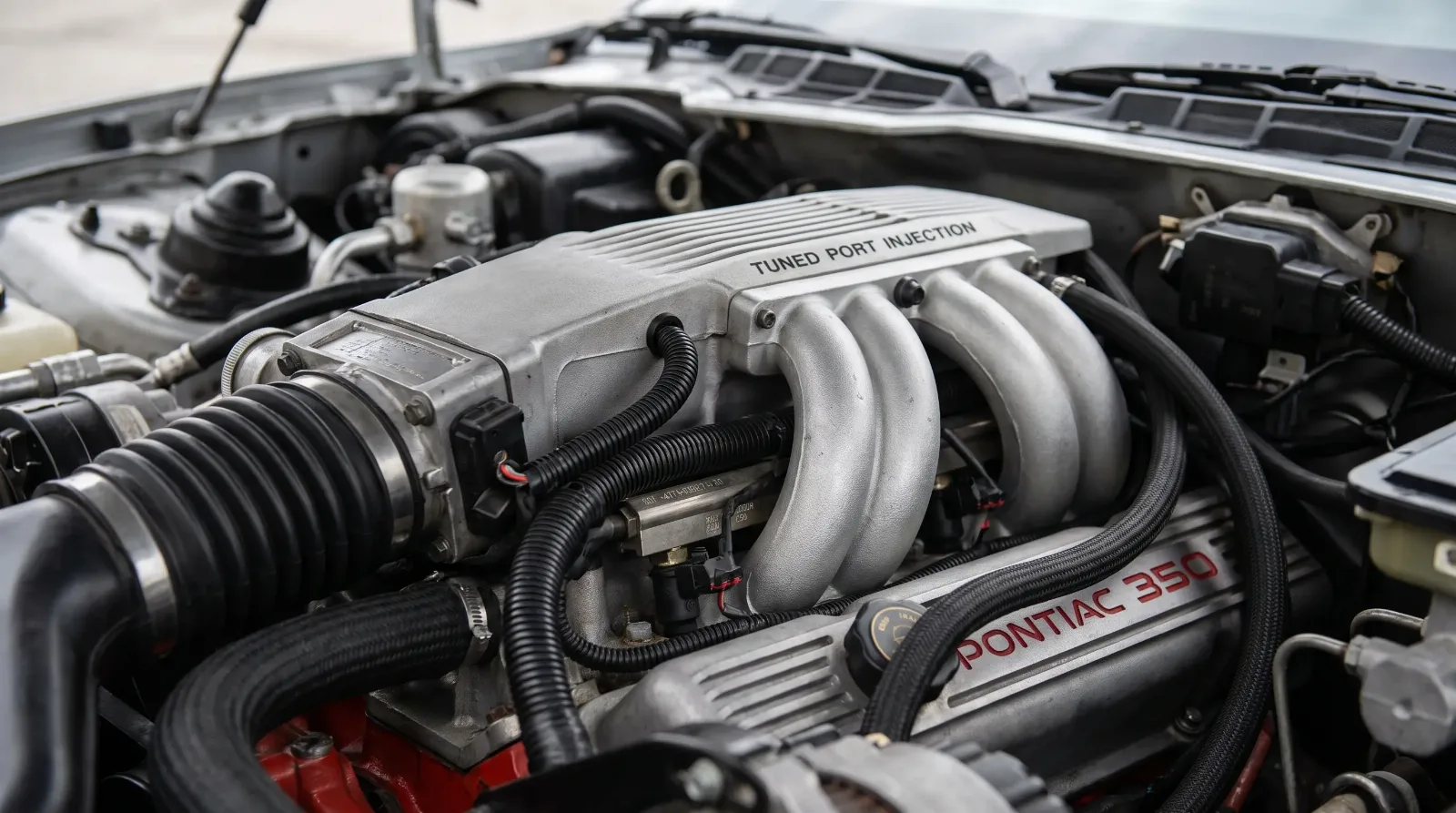
Early GTAs in 1987 and 1988 came standard with the 305 cubic inch Tuned Port Injection V8, the same family covered in the 1980s Firebird engine story, with the larger 350 TPI available as an option. By 1989 the 350 became the GTA's signature engine, and it stayed that way through the end of production in 1992. Horsepower climbed across those years, moving from the low 200s up toward the mid-230s depending on model year and transmission, paired with a torque curve that made the GTA feel effortless in daily traffic rather than a car that had to be wound out to prove its worth.
Inside, the GTA leaned into its flagship role with standard leather seating, a full analog gauge package, and trim details that separated it visually from a base car at a glance, right down to the unique badging on the doors and decklid.
1989 through 1992: the GTA at its peak
The 1989 model year brought the 350 TPI standard across the GTA lineup and refined the interior further, with an optional 10-way power seat and a revised instrument cluster that made the car feel genuinely upscale rather than a Trans Am with extra decals. Production numbers moved up and down with the market each year, but the GTA never chased the volume the base Trans Am pulled in, and that relative scarcity is part of why clean examples command real respect at shows today.
By 1992, the final year of Gen3 production before the Firebird moved to its fourth generation body style, the GTA had become something close to a factory hot rod wearing a business suit. It was quiet enough to drive to work and quick enough that nobody at the light wanted a piece of it.
| Model year | Standard engine | Suspension | Notable feature |
|---|---|---|---|
| 1987 to 1988 | 305 TPI (350 optional) | WS6 standard | Introduction of the GTA trim |
| 1989 | 350 TPI standard | WS6 standard | Revised interior, optional power seat |
| 1990 to 1992 | 350 TPI standard | WS6 standard | Final refinements before Gen4 arrived |
What GTA ownership actually looks like today
Talk to enough long-time GTA owners and a pattern emerges. These cars were driven, not stored, for most of their early lives, which means the survivors that show up at meets now have usually been through at least one serious mechanical freshening. The WS6 suspension bushings wear out in a fairly predictable pattern, and a car that still feels tight through a corner has almost always had that work done recently rather than never needing it at all.
The turbine wheels bring their own quirks. Original finish on these wheels does not hold up well to decades of brake dust and winter salt, and a set that still shows the correct factory machined face without heavy pitting is worth pointing out to whoever is selling the car. Owners who've restored a GTA properly will tell you the wheels were often the single most expensive line item on the whole build, more than the interior leather and sometimes more than the drivetrain work combined.
None of that discourages the people drawn to these cars. If anything, the GTA has become the trim serious Gen3 buyers look for first, precisely because Pontiac built relatively fewer of them each year than the standard Trans Am, and because the combination of the WS6 suspension, the 350 TPI, and that monochromatic body has aged into something that reads as understated rather than dated.
Why the GTA still divides opinion at the club level
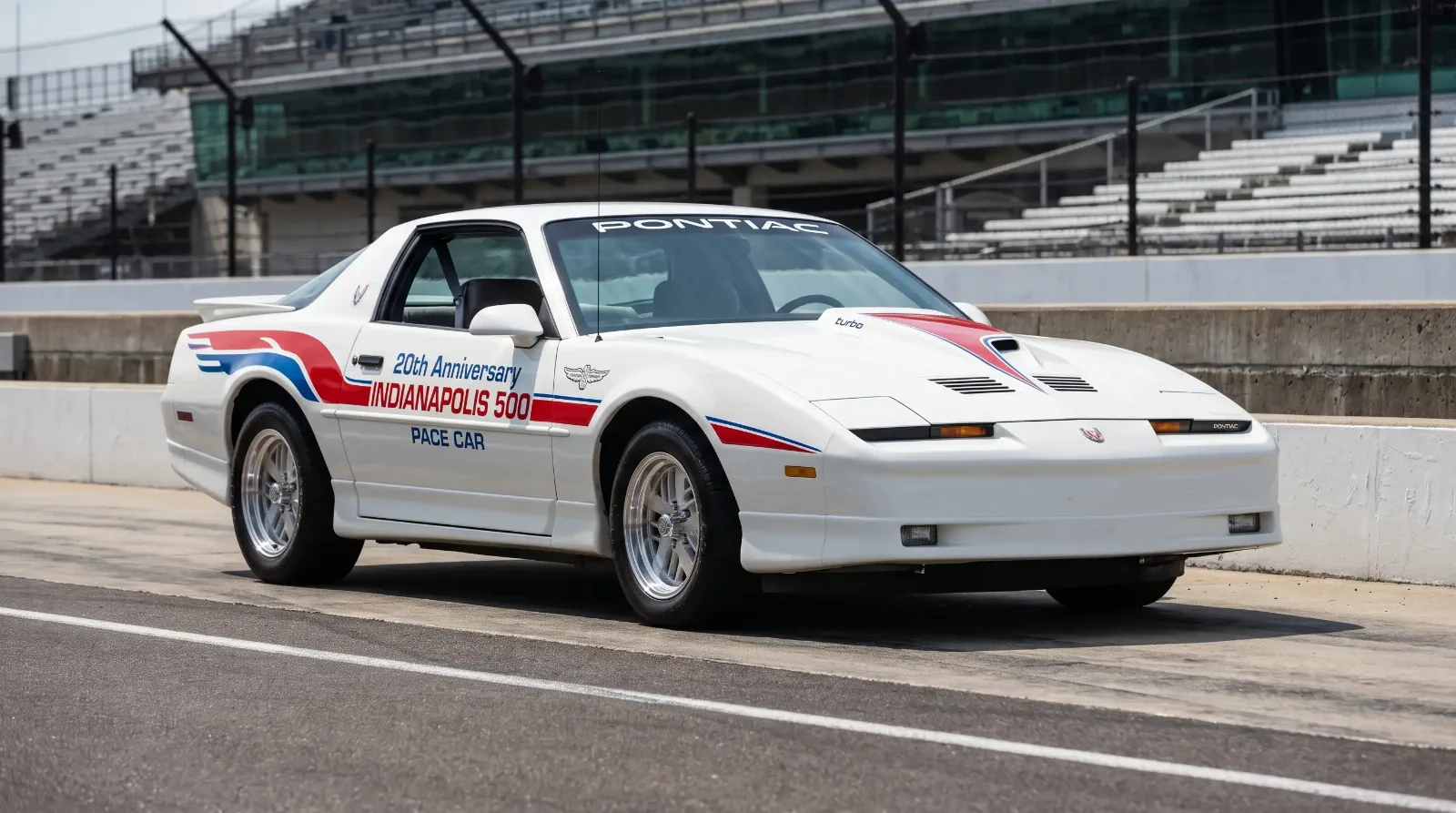
Some Firebird owners will tell you the GTA was the smart buy of the era, all the performance of a Trans Am with a nicer cabin and a more distinctive look. Others hold out for the standard Trans Am's more aggressive black-and-silver contrast styling and call the GTA's monochromatic paint too quiet for a car this capable. I've sat through that argument at more than one banquet table and never seen either side fully convince the other, which tells you something about how well Pontiac balanced the two trims. For a broader look at the era both cars came from, a companion piece covers the turbocharged flagship built the same years the GTA was earning its reputation.
"People ask me why I chose the GTA over the Trans Am and I tell them the same thing every time. I didn't want to explain what my car was. I wanted to drive it and let the badge finish the conversation."
— Wayne Coburn
Sources and notes
- Pontiac Firebird (third generation) - Wikipedia
- Gran Turismo Americano: The 1988 Pontiac Firebird Trans Am GTA - Silodrome
- Gran Turismo Americano: 1987 Pontiac Firebird Trans Am GTA - Barn Finds
- 1989 Pontiac Firebird Trans Am GTA 5.7L TPI specs - Automobile Catalog
- This 1991 Firebird Trans Am GTA - Hagerty Media
- 1987-1992 Pontiac Firebird Trans Am GTA: Specs & History - Motogallery