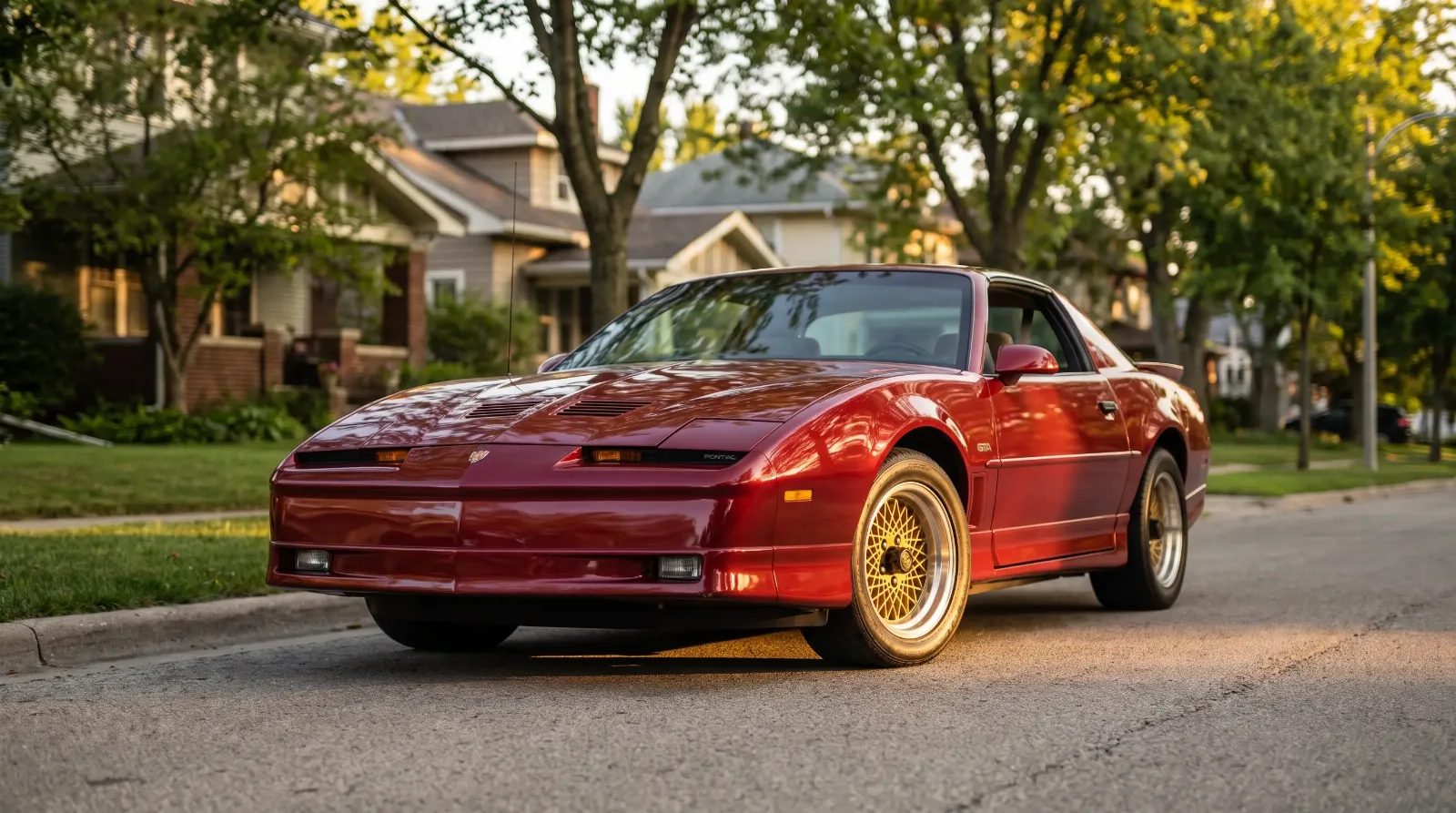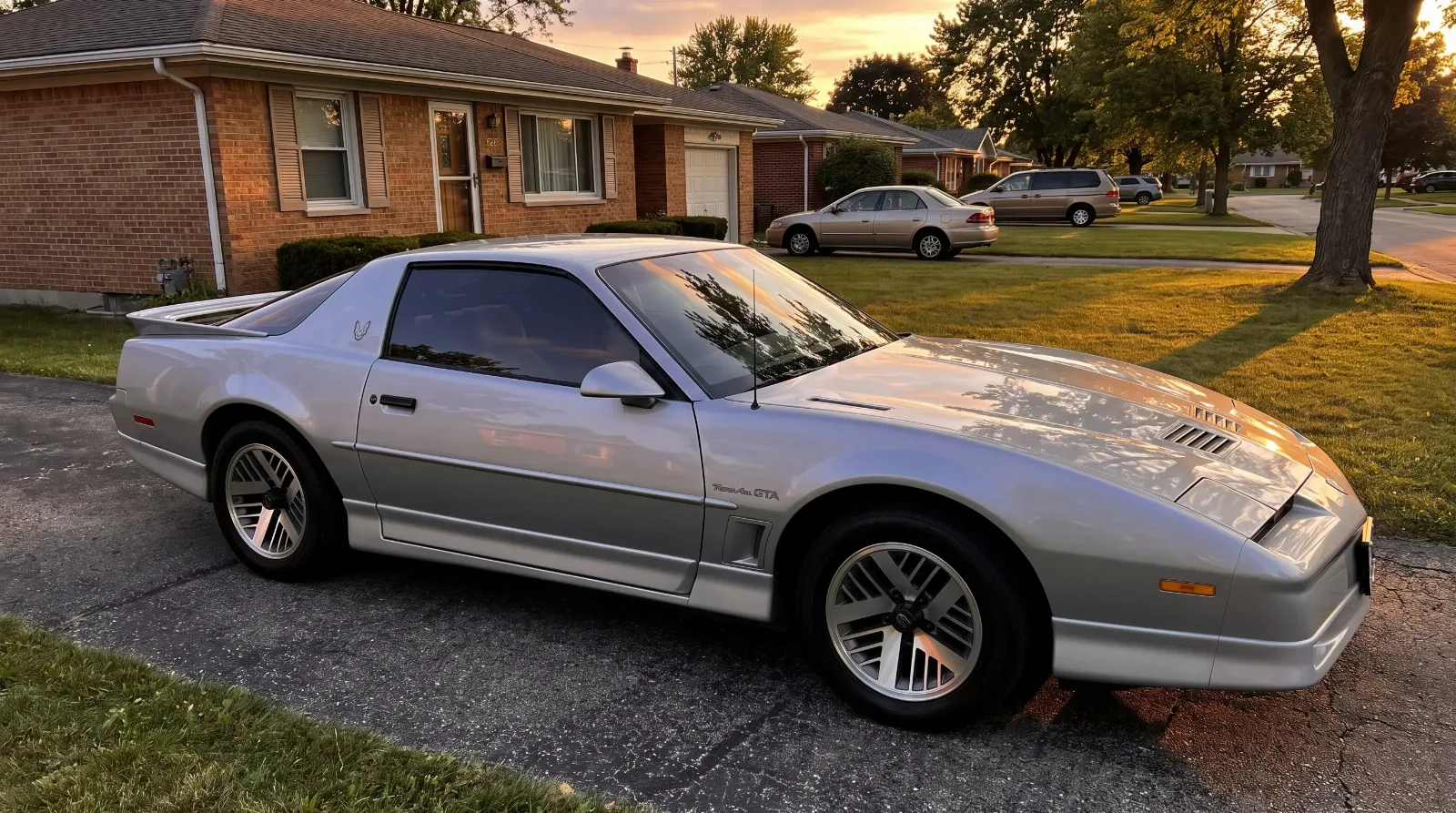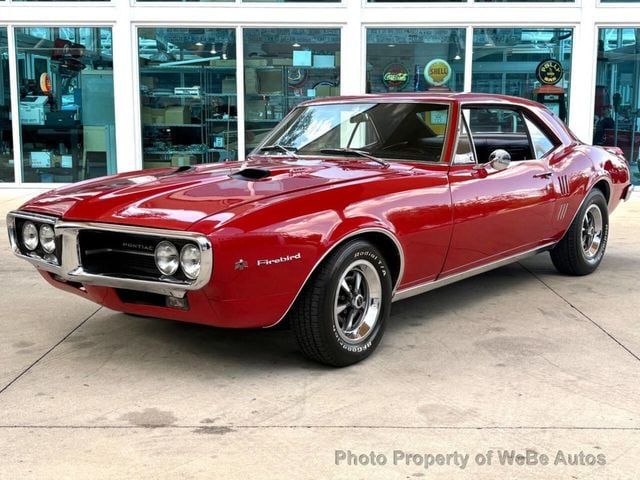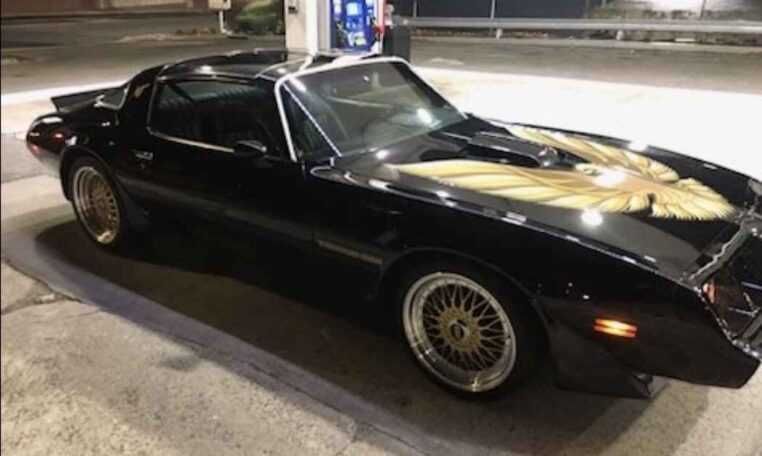
Walk into any Firebird club meet from Michigan to Georgia and mention "Tuned Port" and somebody's hand goes up before you finish the sentence. The Tuned Port Injection engines, the 305 and later the 350, are the reason the Gen3 Firebird stopped being a car people apologized for and started being a car people bragged about. I've heard the story told a dozen ways at a dozen swap meets, but the records agree more than the campfire tales do, so let's sort out what actually happened under that fiberglass hood.
Why GM ditched Cross-Fire for something better
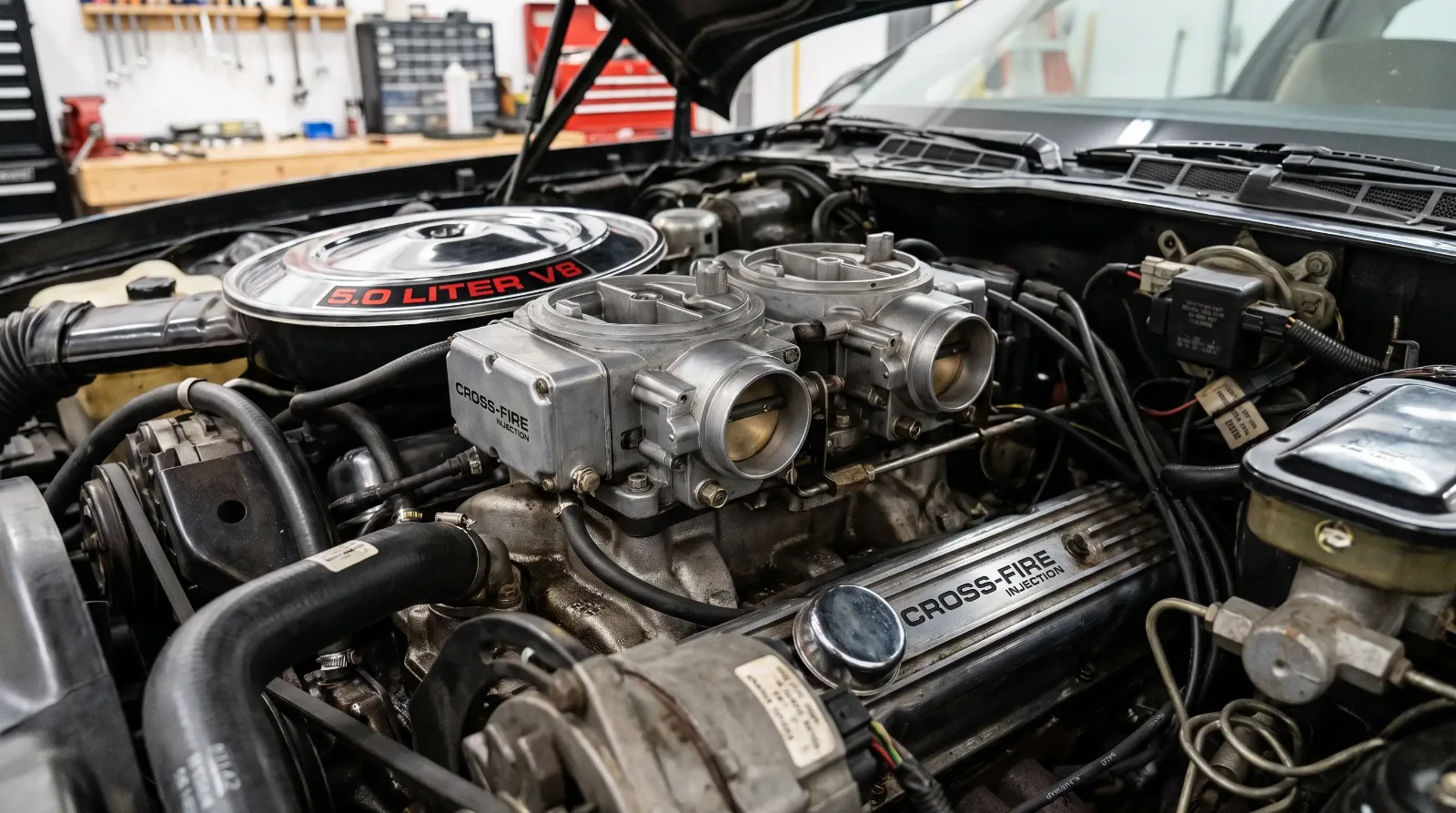
Before Tuned Port Injection there was Cross-Fire Injection, the twin throttle-body setup that limped through the 1982 to 1984 Trans Am and Camaro Z28. Cross-Fire looked exotic on paper but drove like a car with a head cold. Idle quality was rough, throttle response lagged, and more than one owner at the local cruise night swore their new "high tech" Trans Am felt slower than the old carbureted cars it replaced. GM engineers knew it too, and by 1985 they had an answer.
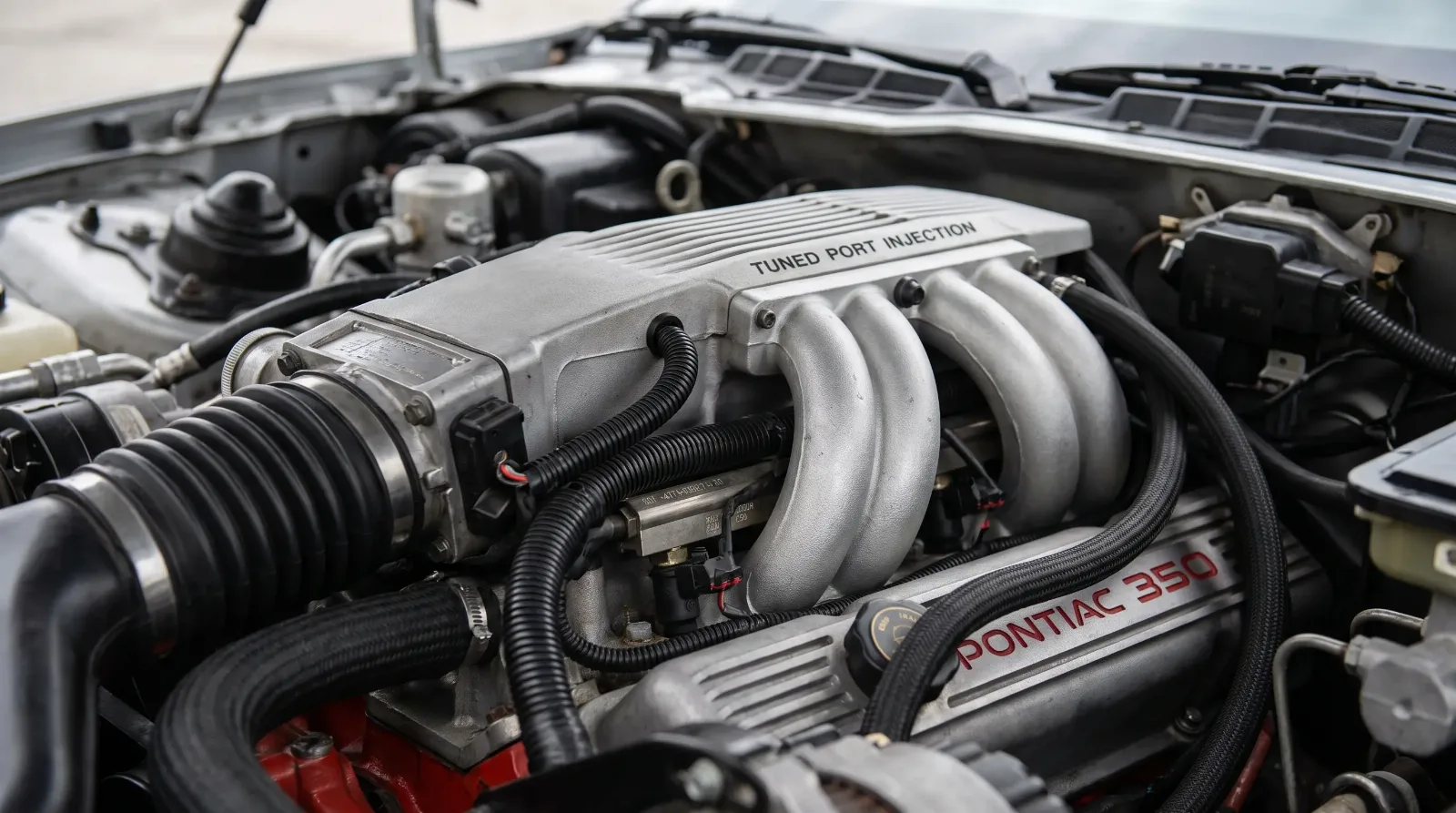
Tuned Port Injection replaced the dual throttle bodies with individual runners feeding each cylinder, tuned in length to build torque exactly where a street car needs it, off idle and through the midrange. The distinctive "batwing" plenum sitting up top wasn't just styling. It was the actual induction path, and it is the single easiest way to spot a TPI car in a parking lot from thirty feet away.
The 305 TPI years: 1985 through 1992
The 305 cubic inch TPI engine, badged L98 in early years and later carrying different casting codes as GM refined it, stuck around the Firebird lineup longer than most people remember. Early 1985 cars made around 205 horsepower, respectable for the day but not the whole story. By 1987 a roller camshaft arrived, and the numbers climbed. Later LB9-code 305 TPI engines with the roller cam and improved cylinder heads pushed output toward 215 to 225 horsepower depending on the model year and transmission pairing, with automatic-equipped cars often rated a notch below manual cars due to different cam timing.
What mattered on the road was not the peak number but where the power showed up. Owners who'd driven the old Cross-Fire cars back to back with a TPI 305 talked about it like night and day, the throttle answering the pedal instead of thinking it over first.
The 350 TPI arrives for the GTA
1987 brought the 350 cubic inch TPI engine into the lineup, first as the standout option in keep reading the series flagship trim, and it changed the conversation entirely. The 350 TPI, still built on that tuned runner architecture but with more displacement to work with, made meaningfully more torque than its small-block sibling. Later versions, particularly the 1991 and 1992 cars fitted to the Formula and Trans Am GTA, reached as high as 235 to 240 horsepower and around 330 lb-ft of torque, numbers that held their own against a lot of contemporary performance iron that cost twice as much.
Club members who've owned both engines tend to describe the 350 as the one that finally made the Firebird feel like it was keeping a promise rather than making an excuse.
| Engine | Years available | Approx. horsepower | Approx. torque |
|---|---|---|---|
| L98 305 TPI | 1985 to 1986 | 205 hp | 285 lb-ft |
| LB9 305 TPI (roller cam) | 1987 to 1992 | 215 to 225 hp | 290 to 300 lb-ft |
| L98 350 TPI | 1987 to 1990 | 210 to 230 hp | 315 to 330 lb-ft |
| L98 350 TPI (final revision) | 1991 to 1992 | 235 to 240 hp | 300 to 330 lb-ft |
Living with a TPI engine today
Ask around at any Firebird gathering and you'll hear the same maintenance notes repeated. The plenum gasket dries out and cracks with age, causing a vacuum leak that shows up as a rough idle nobody can quite diagnose until they pull the top off. The injector wiring harness, wrapped in a material that turns brittle after three decades of underhood heat, is a common failure point that catches restorers off guard. And the fuel pressure regulator, tucked into that back corner of the plenum, likes to fail quietly and rob the engine of the crisp throttle response TPI was built to deliver in the first place.
None of that scares off the people who actually own these cars. If anything, keeping a TPI engine running right has become its own badge of honor within the club, proof that you understand what you're driving instead of just admiring it from a folding chair.
Why the record still favors TPI
Enough bench racers have tried to argue that later fuel injection systems made TPI obsolete, and mechanically that's true. But nostalgia and documentation don't always disagree here. The TPI Firebirds represent the moment GM's engineers proved a mass market performance car could be both clean running and genuinely quick, and the paper trail of dyno sheets, factory brochures, and owner logs backs that up better than any bar argument ever could. If you want to the 1980s Firebird, the next chapter picks up exactly where this engine story leaves off, with the car that wore the 350 TPI best.
"Every club has a guy who says the later cars were faster on paper and slower everywhere that matters. Then you ride in a good 350 TPI GTA and you understand why he stopped arguing after that."
— Wayne Coburn
Sources and notes
- Pontiac Firebird (third generation) - Wikipedia
- Technical specifications for the 1986 Trans Am - GoingFaster.com
- 1991 Pontiac Firebird - Muscle Car Facts
- 91 Formula Technical - 3rdGenFormula.com
- GM EFI's Guide to the 3rd-Gen Pontiac Firebird
- 1987-1992 Pontiac Firebird Trans Am GTA: Specs & History - MotoGallery