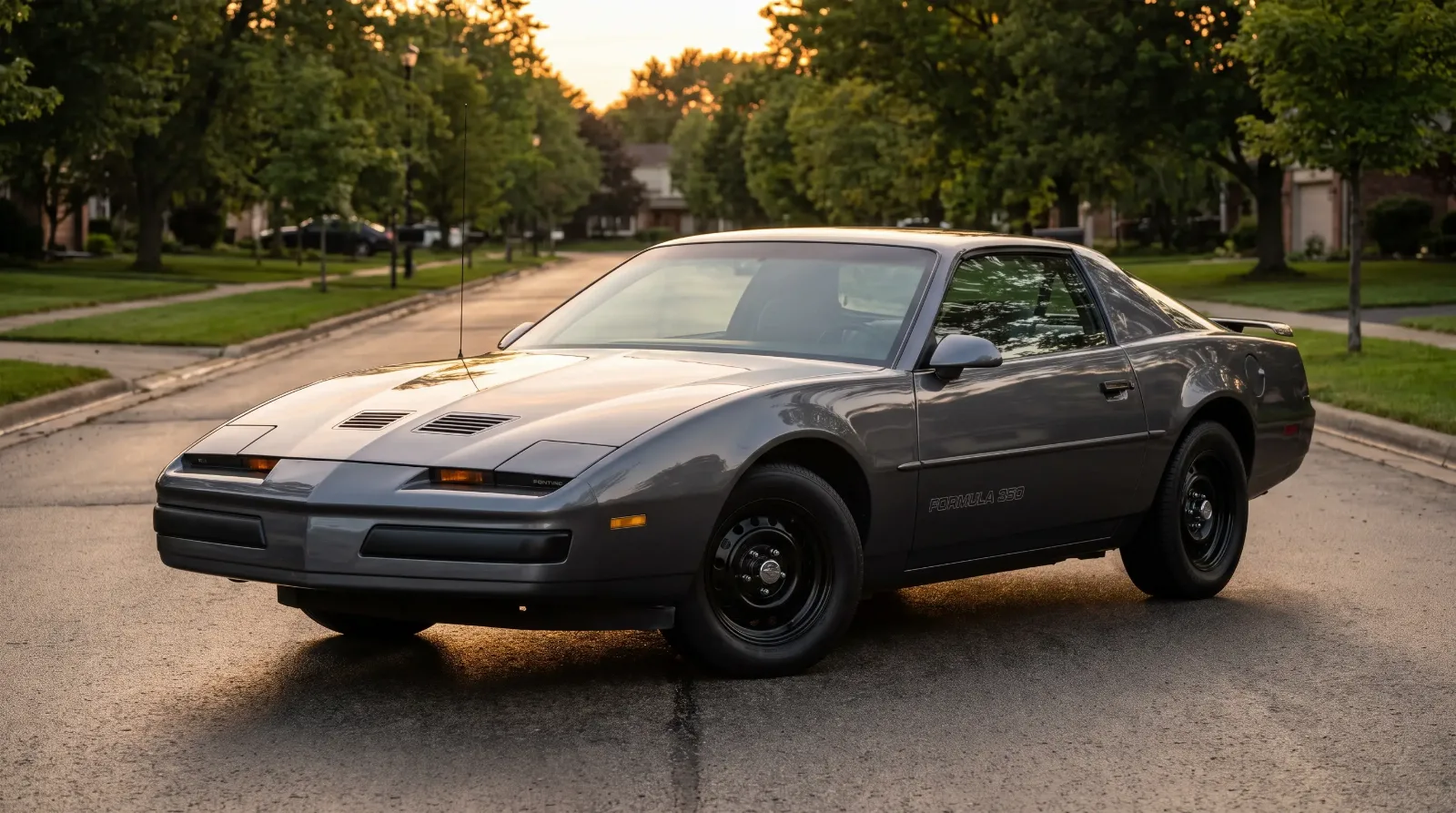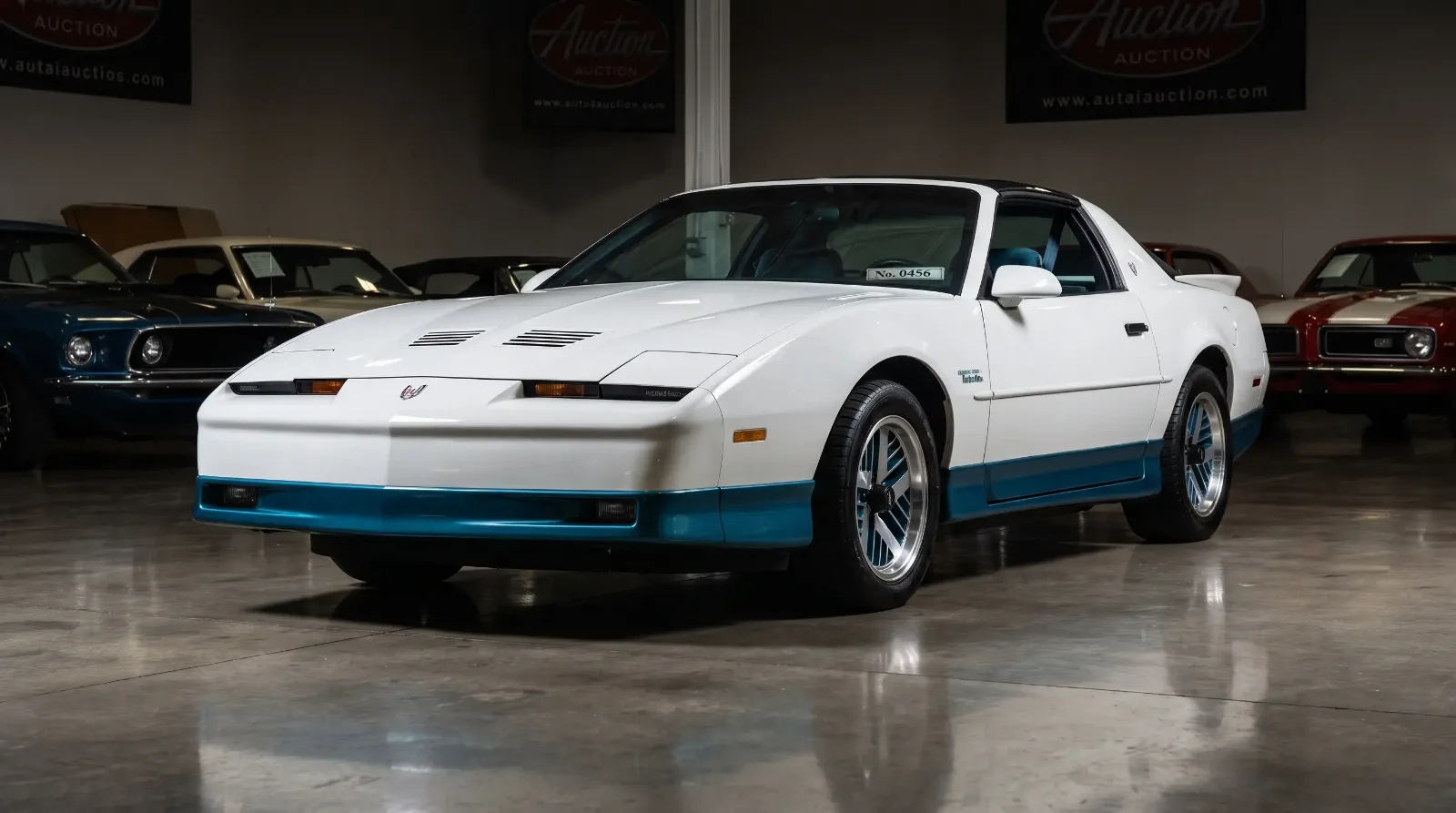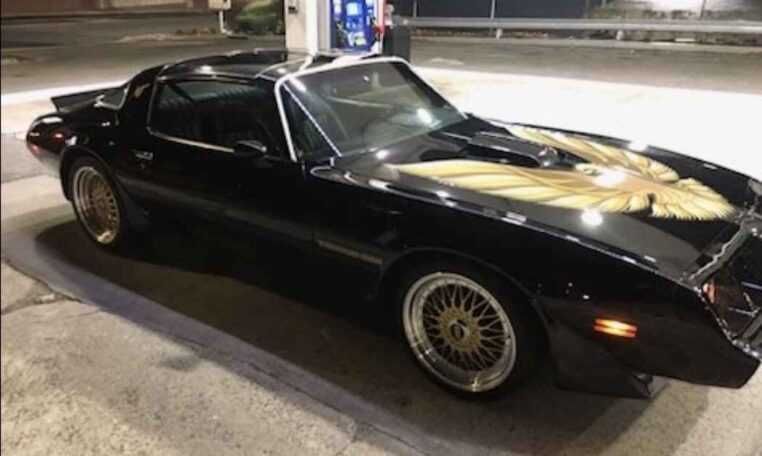
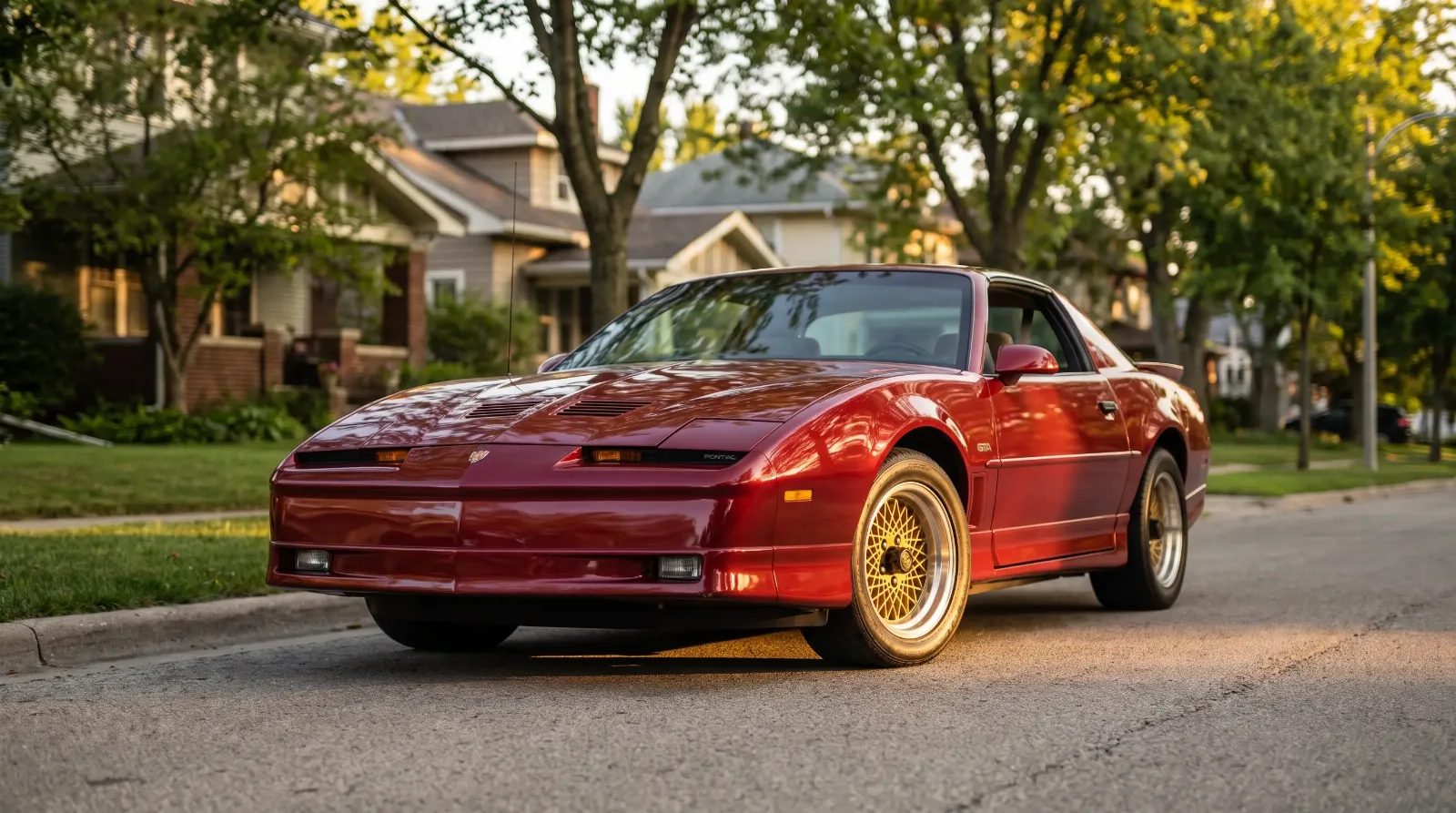
There is a fellow in our club named Ray who bought a 1982 Trans Am new, drove it to work for eleven years, and swears to this day that the twin-injector engine under that long hood was possessed. He is not entirely wrong. The third gen Firebird arrived that year as the sharpest, lowest, most wind-cheating F-body Pontiac had ever built, and it also carried one of the most troublesome fuel systems General Motors put into a showroom. Both things are true, and the paperwork proves it. This is the story of the 1982 to 1992 Firebird, the aero car, and why the survivors are worth a longer look than they used to get.
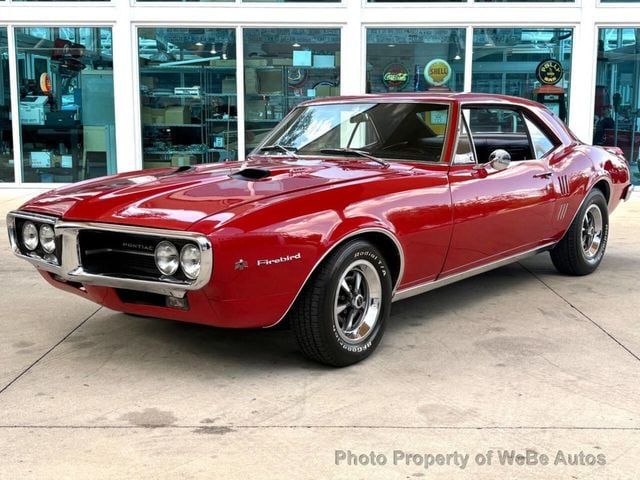
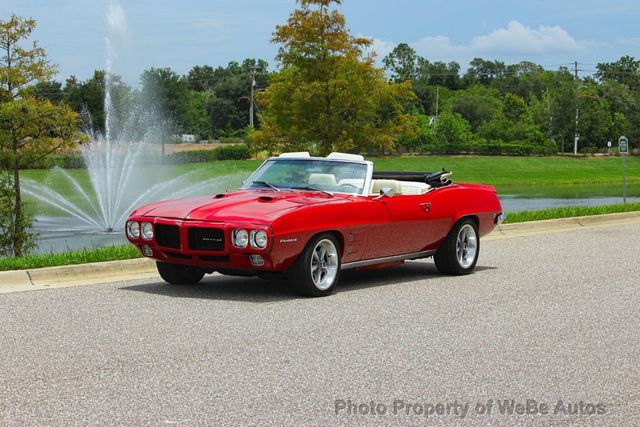
When people ask me where the modern Firebird shape comes from, I point them at this generation. If you want the full arc from 1967 forward, read our Firebird retrospective, but the short version is that everything after 1982 owes its silhouette to what the designers did here.
The redesign that finally cheated the wind
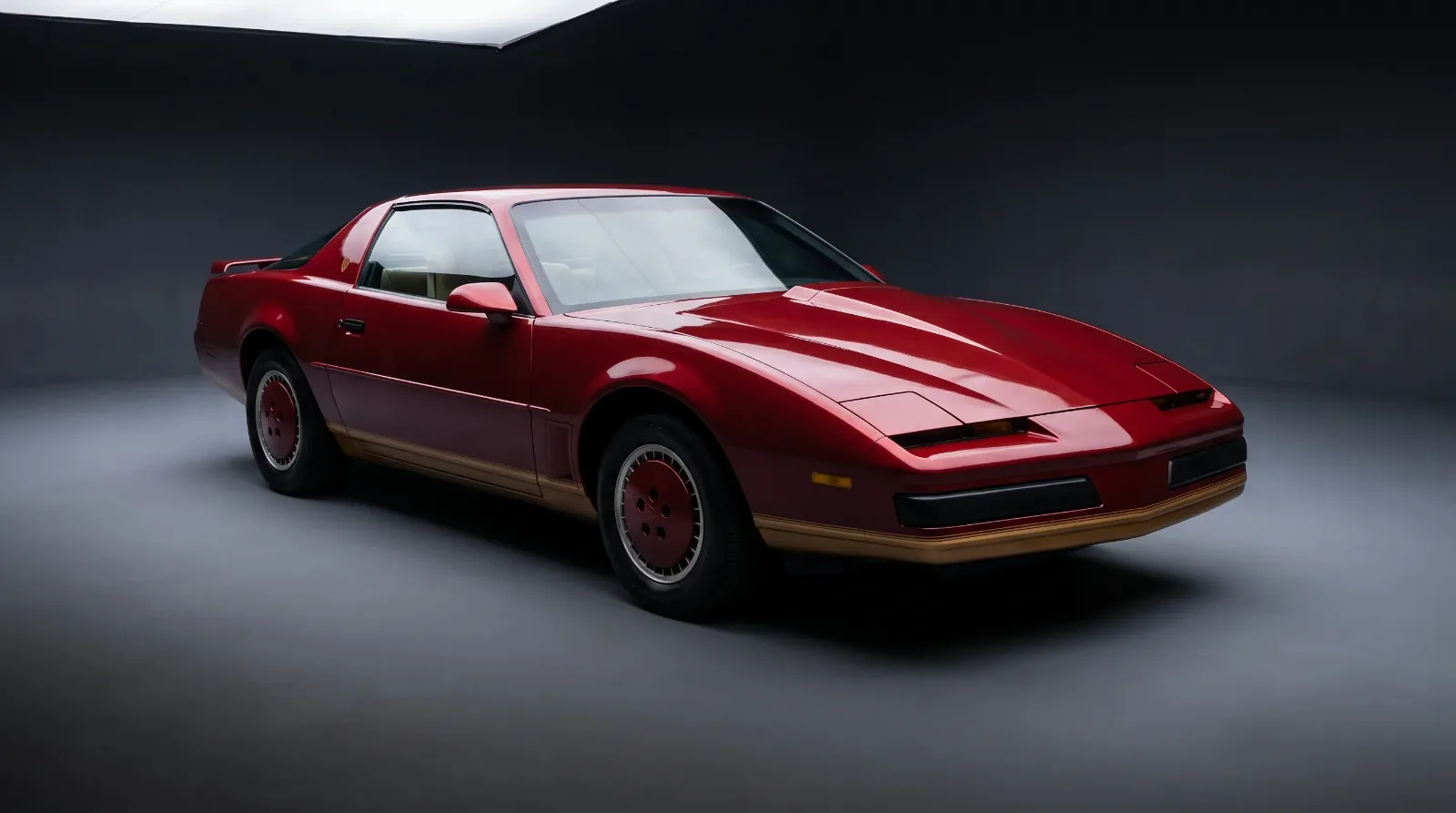
The second-generation Firebird was a heavy, handsome brute that stayed in production far too long. By the time it retired after 1981, it weighed the better part of two tons and pushed air like a barn door. The car that replaced it was a different animal. Pontiac and Chevrolet shared the new F-body platform, and the engineers chased a drag coefficient number the old car could never touch. The Trans Am recorded a Cd around 0.32, which in 1982 was genuinely slippery for anything with a V8.
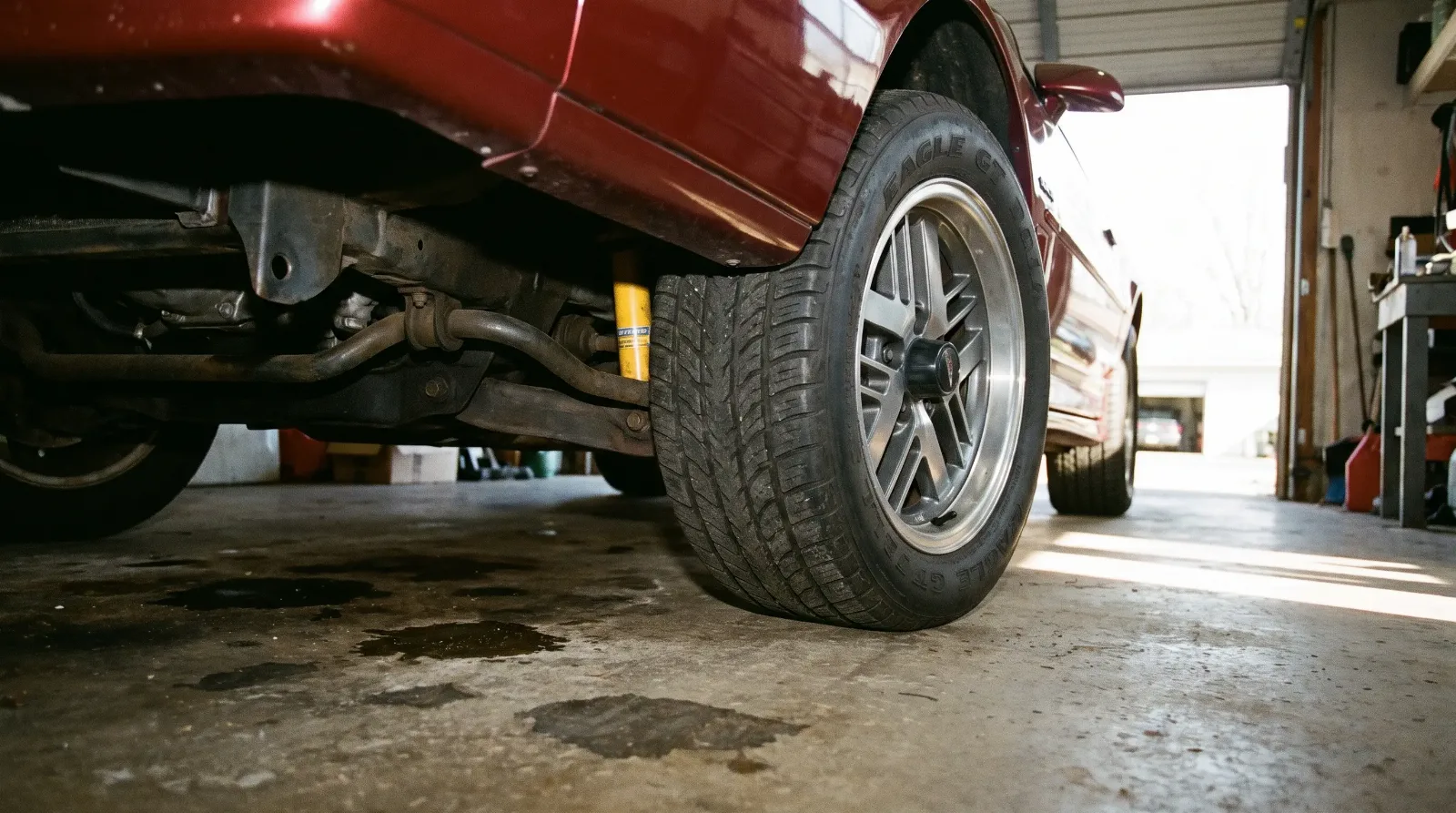
The whole car shrank and lightened. Curb weight dropped by roughly 500 pounds compared with the outgoing model, the wheelbase came in at 101 inches, and for the first time a Firebird used a large compound-curved hatchback glass at the rear. The headlamps hid under flush panels on the Trans Am, the nose sloped hard, and the whole shape looked like it was doing 80 while parked at the curb. Underneath, the front used MacPherson struts and the rear kept a live axle located by torque arm and track bar, which is a setup that still teaches modern autocrossers a thing or two.
Three flavors launched for 1982: the base Firebird, the luxury-leaning S/E, and the Trans Am at the top. It is worth remembering that this car did not arrive fast. It arrived light and pretty and underfed, and the feeding took a few years to sort out.
Cross-Fire Injection and the years everyone argues about
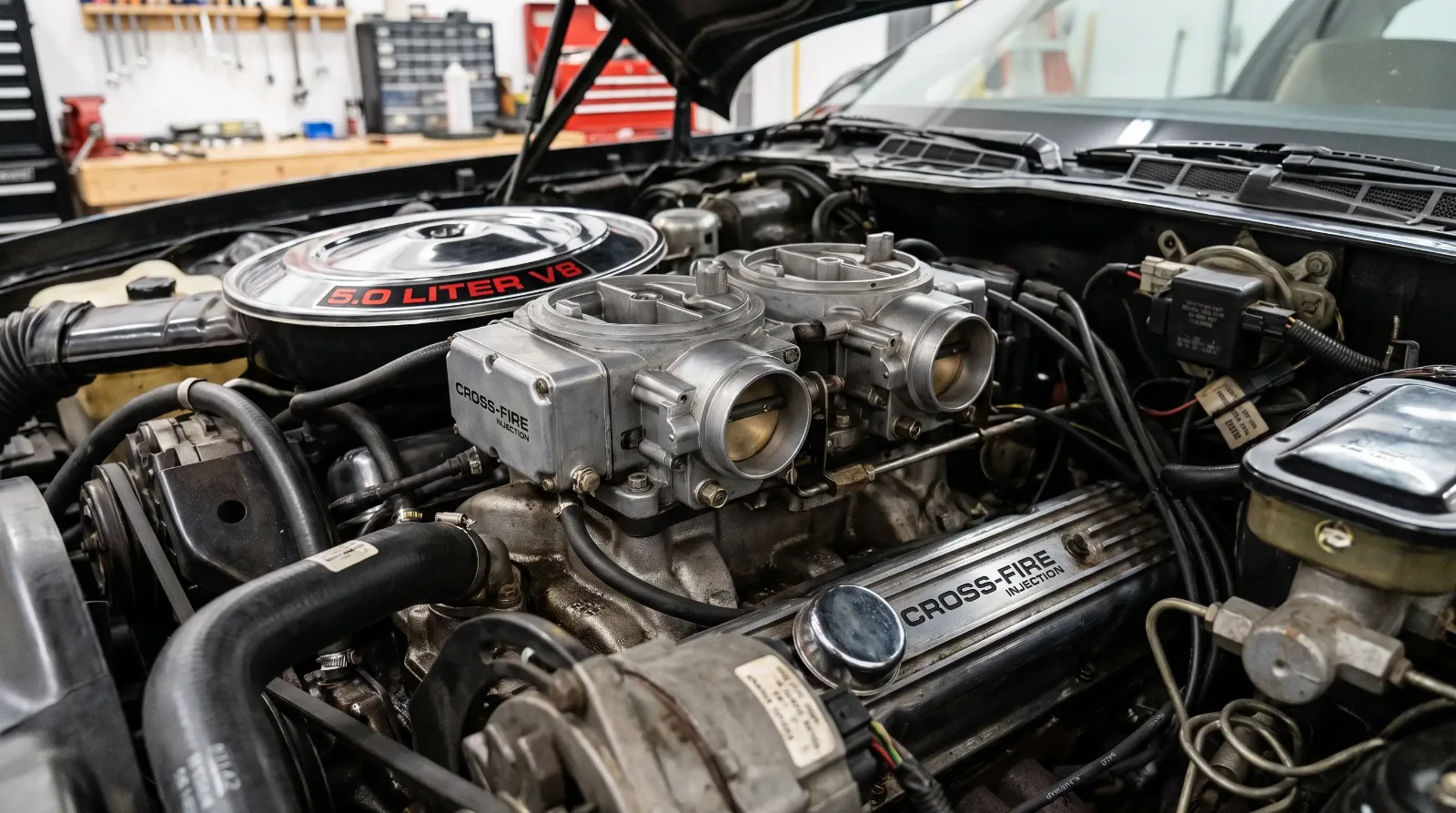
Here is where Ray's ghost story starts. The hot setup for 1982 and 1983 was Cross-Fire Injection, a 5.0-liter 305 V8 wearing two throttle-body injectors mounted crosswise on the intake, one feeding the opposite bank. On paper it was clever and it looked wonderful with the chrome air cleaner off. In practice the early electronics, the cross-ram breathing, and the modest output made it a hard car to love when new. The Cross-Fire 305 made 165 horsepower, and it ran hot and fussy enough that mechanics of the era had a rude nickname for it that I will keep out of print.
Pontiac knew. For 1983 and 1984 they offered the L69 High Output 305, a carbureted four-barrel version making 190 horsepower, and it frankly ran better than the fancy injected car. That is the sort of thing you only learn from the guys who owned both. The injection would come good, but not with this design.
Tuned Port Injection turns the third gen Firebird into a real one
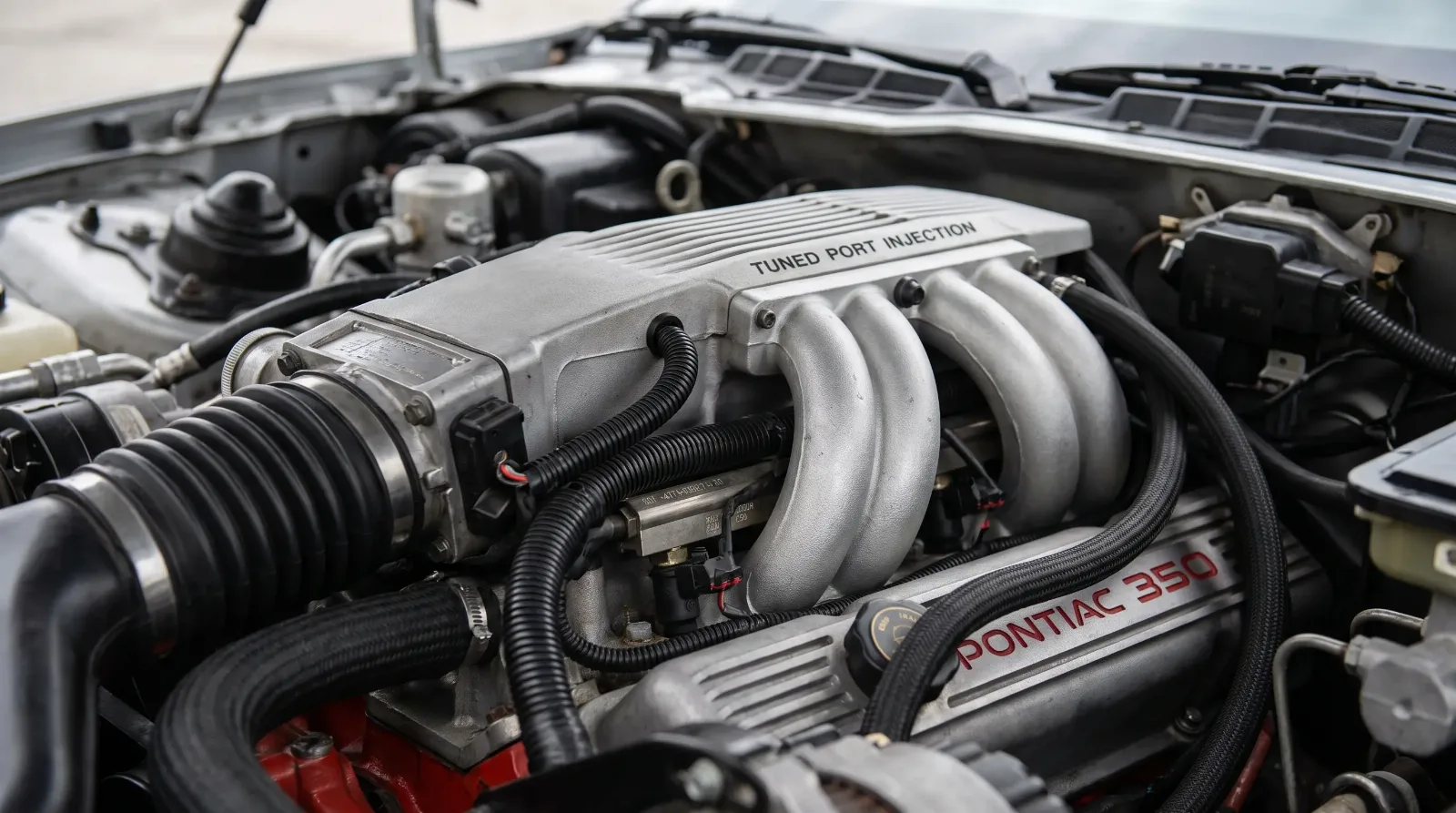
The fix arrived for 1985, and it changed the whole character of the third gen Firebird. Tuned Port Injection, TPI to everyone who ever owned one, replaced the twin throttle bodies with long individual runners feeding each cylinder and proper multi-port injection. Suddenly the 5.0 breathed, made torque down low, and stopped embarrassing itself at stoplights. The 5.0 TPI grew to around 205 horsepower in its stronger tune, and just as important it made a broad, usable wave of low-end grunt that suited the light chassis.
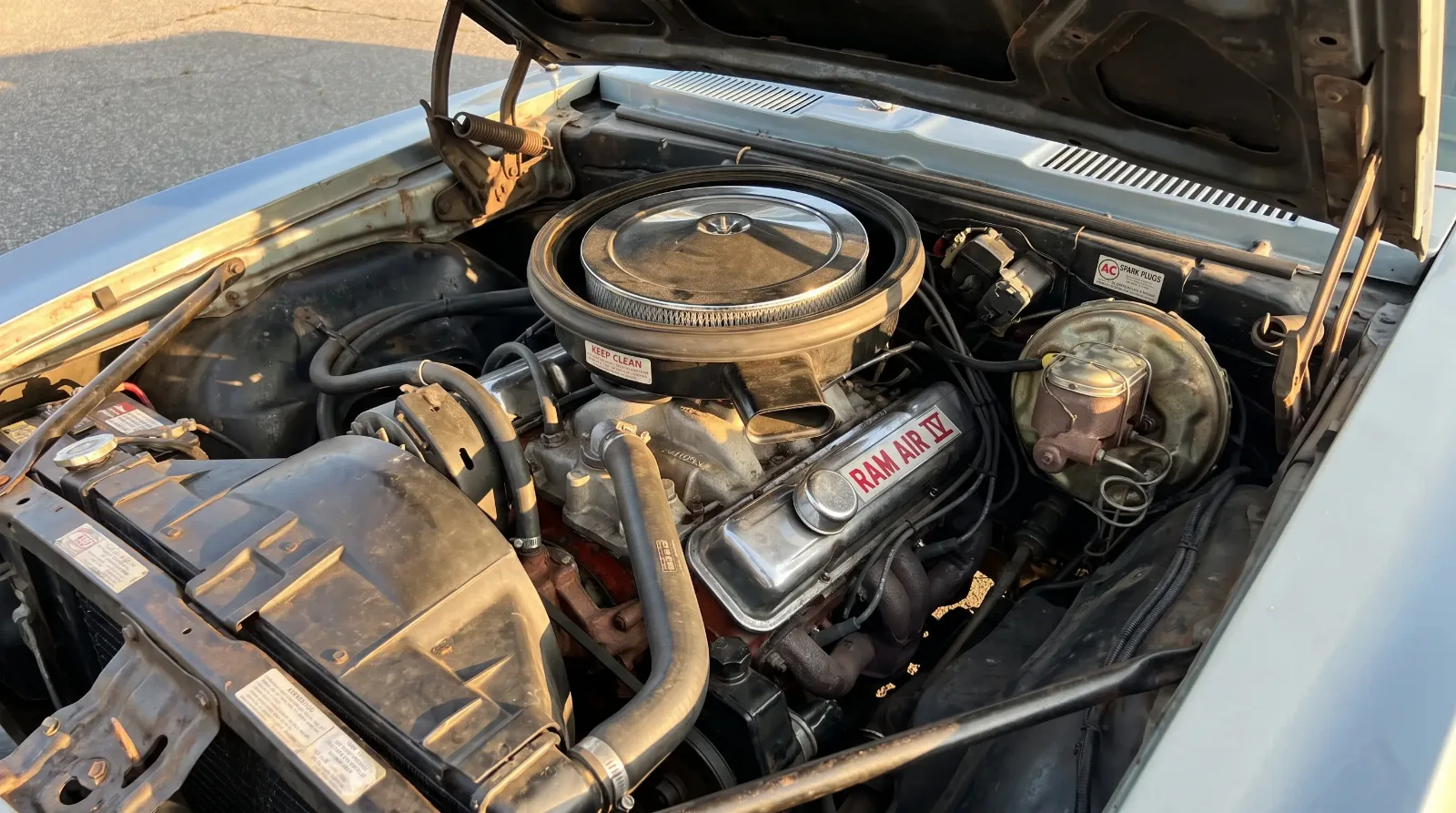
Then came the big one. Pontiac slotted the 5.7-liter 350 TPI V8 into the Formula and the top Trans Am models, an engine borrowed in spirit from the Corvette parts bin and tuned for torque rather than headline numbers. It was automatic-only because the four-speed manual of the day could not be trusted behind that much twist, and it turned the car into a genuine highway missile. If you have ever wondered why a clean 1989 Formula 350 gets bid up today, this is why. The long-runner intake is also the single most recognizable engine dressing of the decade, and half the fun of owning one is popping the hood at a show and watching people trace those tubes with a finger.
| Engine / variant | Years | Displacement | Approx. power | Notes |
|---|---|---|---|---|
| Cross-Fire 305 V8 | 1982-1983 | 5.0 L | 165 hp | Twin throttle-body injection, troublesome |
| L69 H.O. 305 V8 | 1983-1986 | 5.0 L | 190 hp | Carbureted four-barrel, ran better than early EFI |
| 5.0 TPI V8 | 1985-1992 | 5.0 L | ~205-215 hp | Tuned Port Injection, strong torque |
| 5.7 TPI 350 V8 | 1987-1992 | 5.7 L | ~210-235 hp | Automatic only, Formula and GTA |
| 3.8 turbo V6 (TTA) | 1989 | 3.8 L | 250 hp (rated) | Indy pace car, Buick-derived turbo |
The GTA flagship
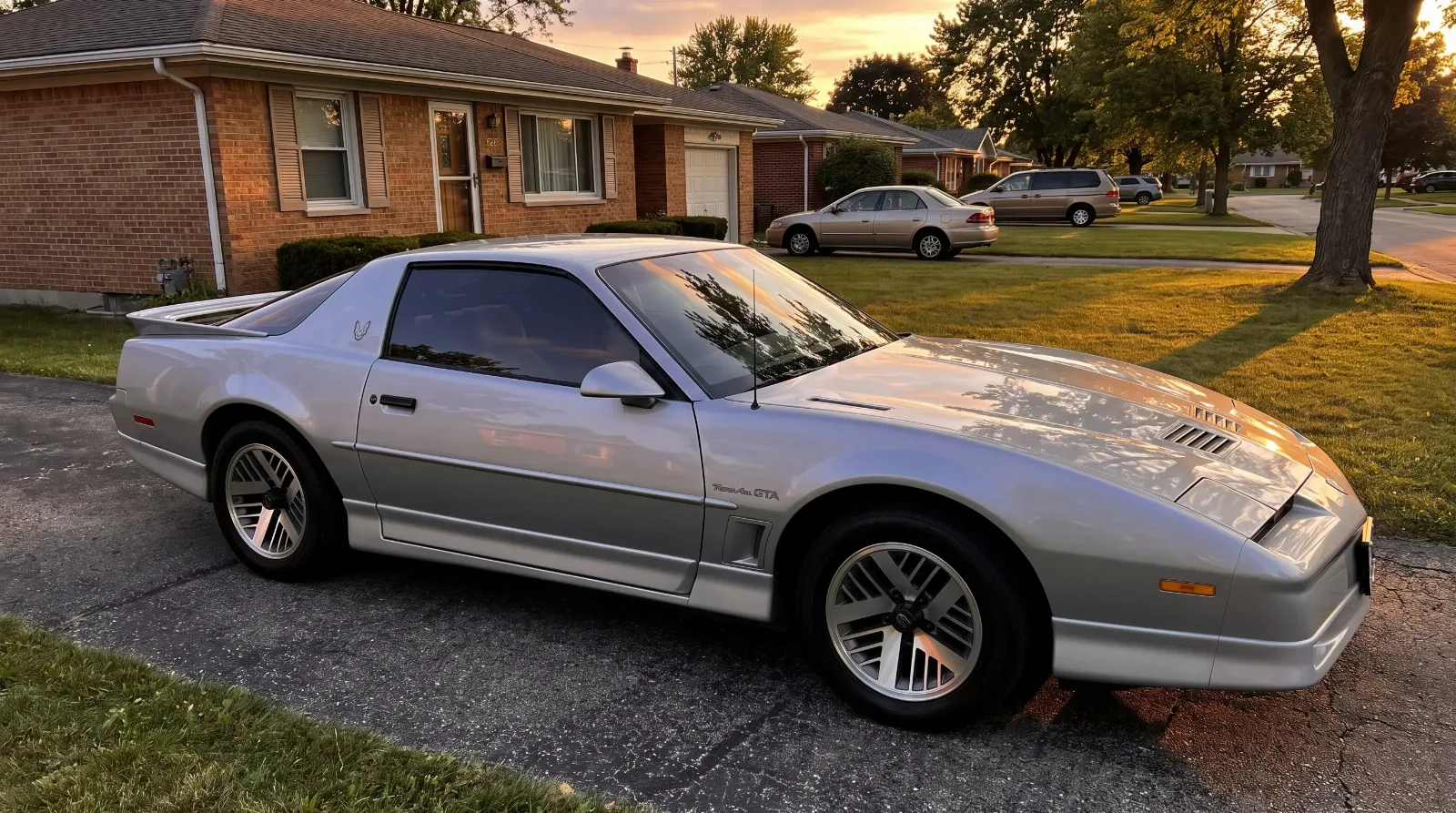
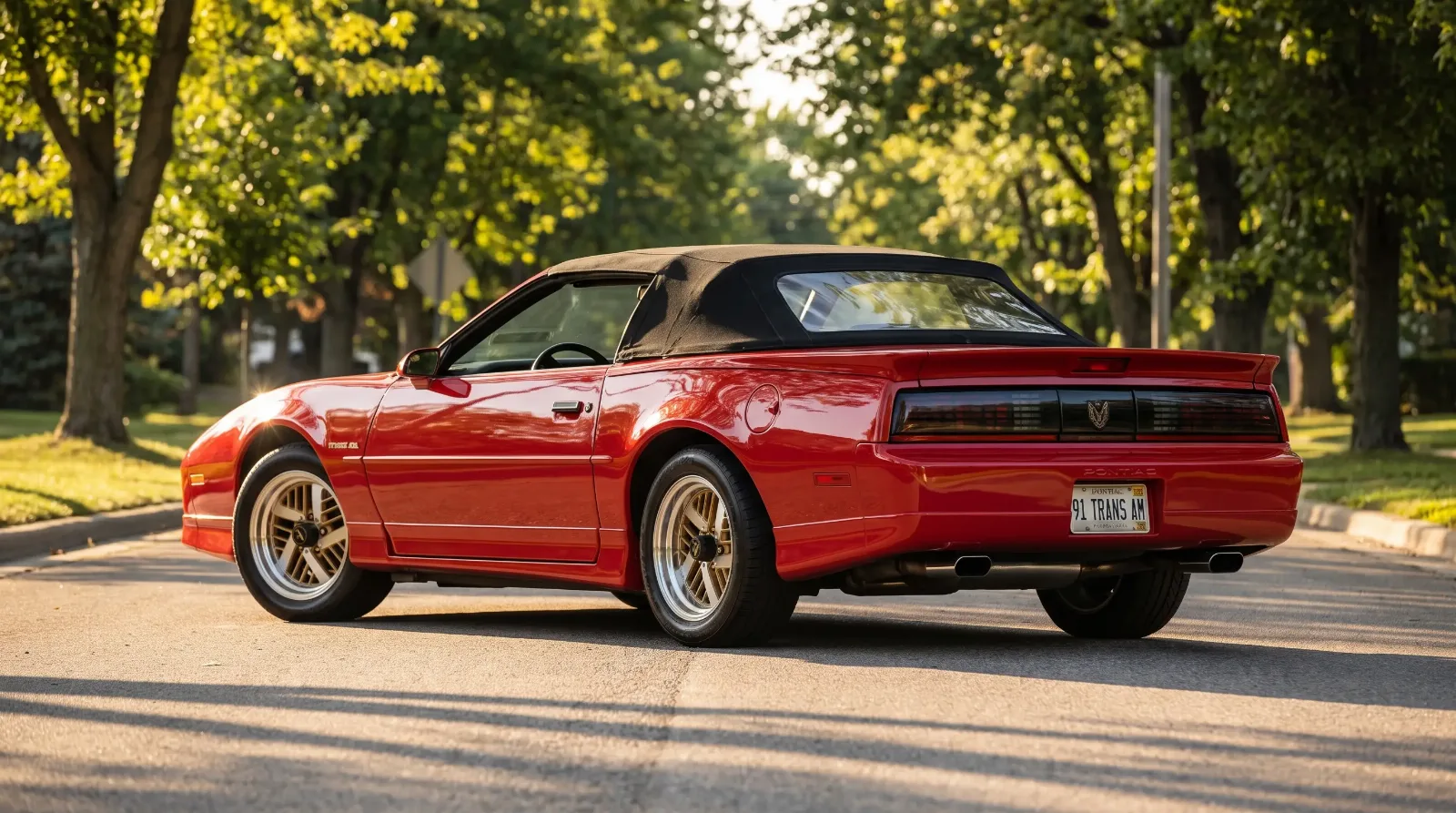
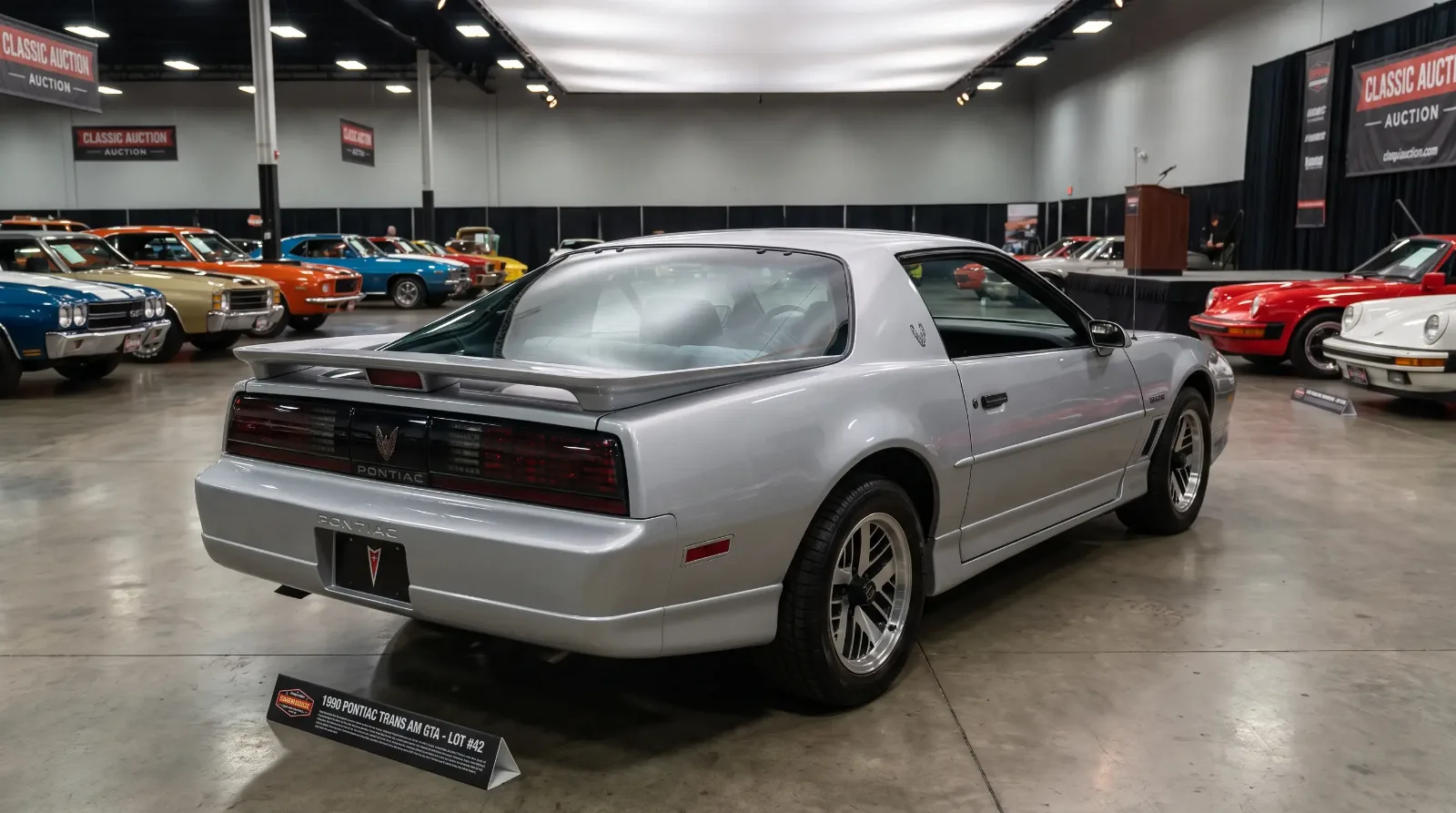
For 1987 Pontiac gave the Trans Am a crown, and they called it the GTA. Short for Gran Turismo Americano, it sat at the top of the range with the 5.7 TPI 350 as standard equipment, gold cross-lace or diamond-spoke wheels depending on year, articulating bucket seats, and enough standard kit that the option sheet was mostly blank. This was Pontiac's answer to anyone who thought the Firebird had gone soft. It had not. The GTA was quick in a straight line, planted through a fast sweeper, and quiet enough inside to use every day.
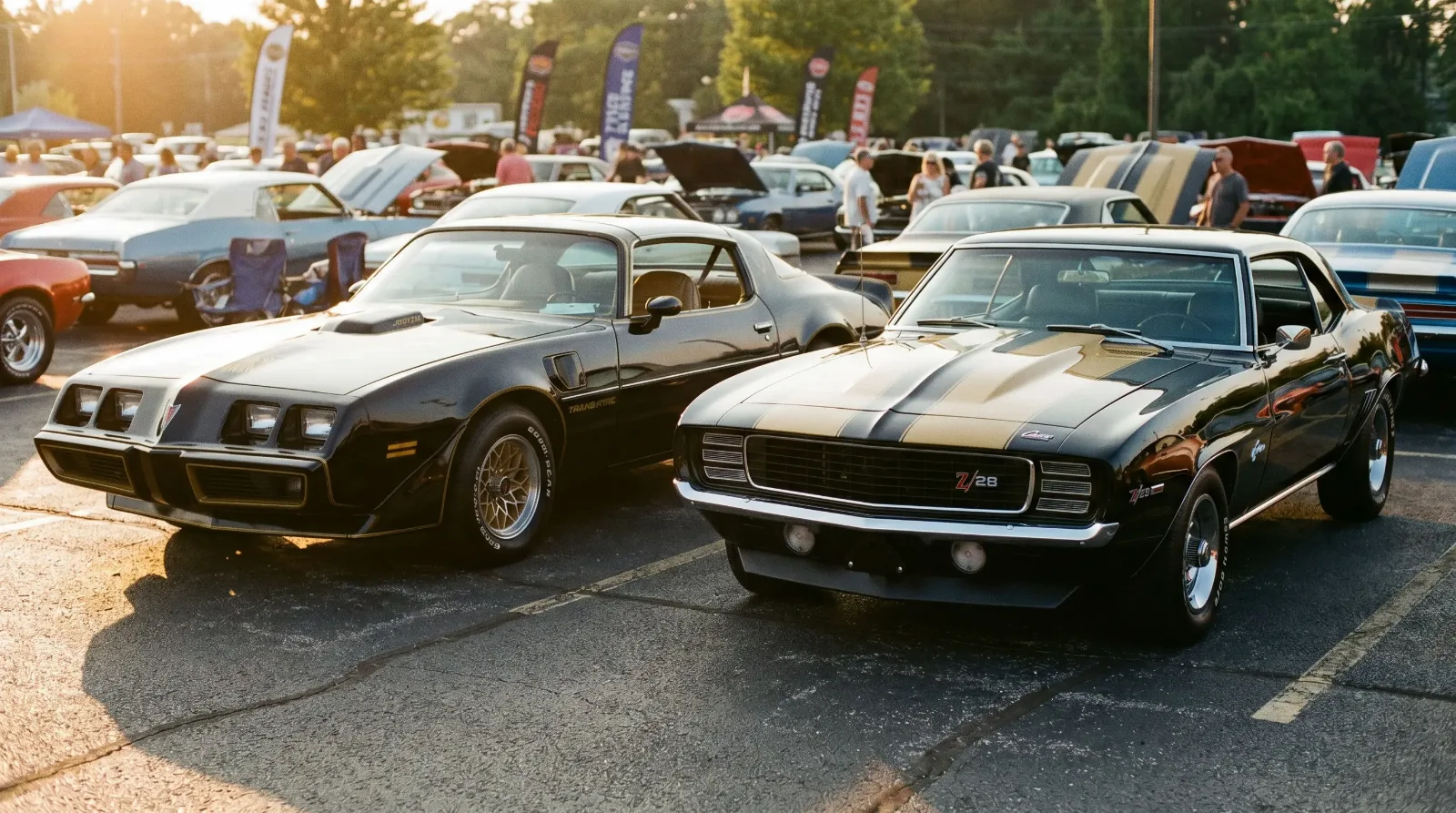
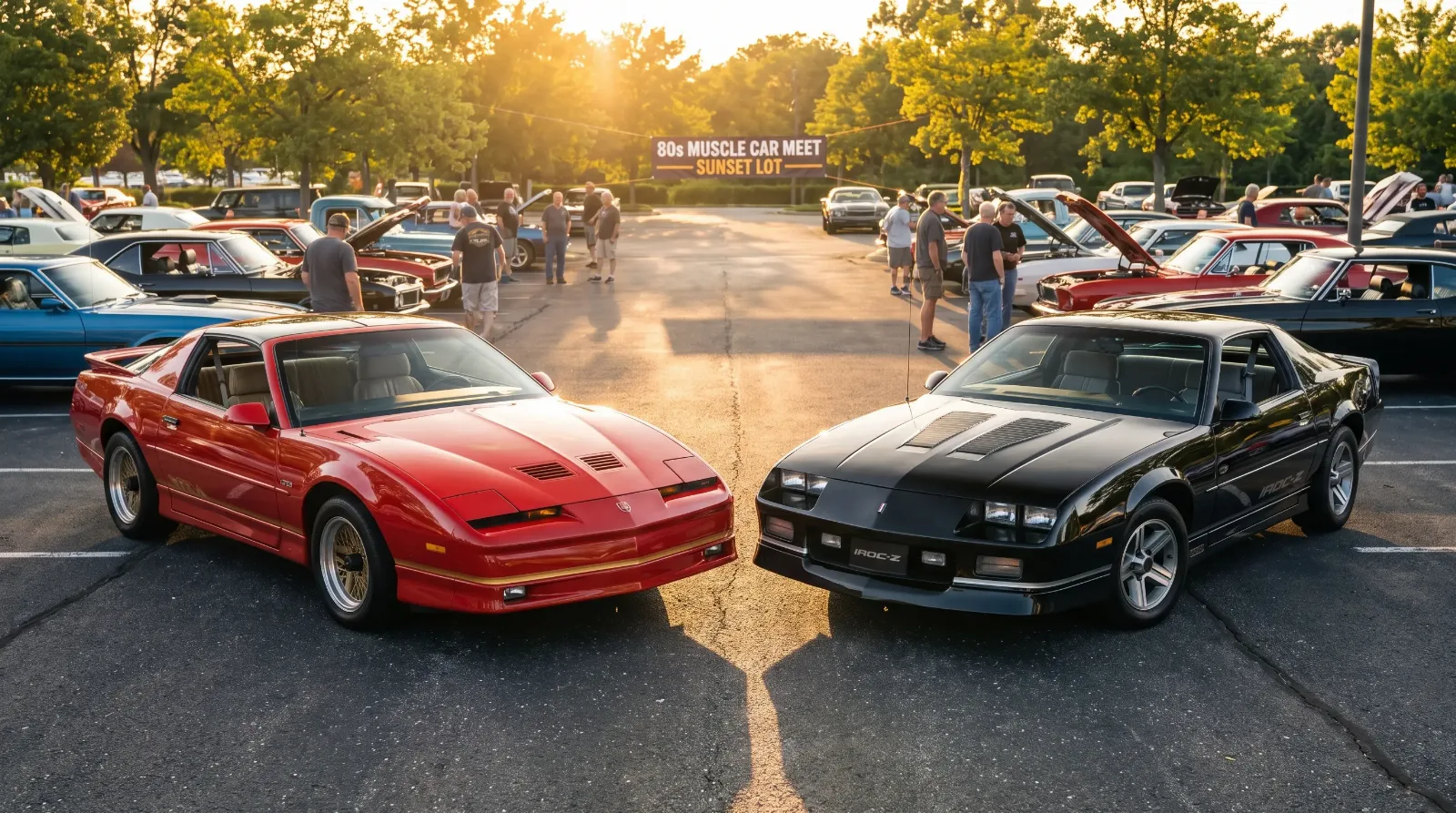
The rivalry with the Camaro ran hot through these years, and the GTA versus IROC-Z arguments filled many a parking lot after the cruise-in shut down. I have watched two grown men nearly come to blows over which car cornered flatter. If that particular debate interests you, we cover it properly in a related chapter, and I will only say here that the answer depended heavily on tire choice and who was driving.
"I have judged these cars at three concours weekends now, and the pattern never changes. The fellow who kept his GTA's build sheet and window sticker always outsells the fellow with the shinier paint and no paperwork. History is the option that never depreciates."
— Wayne Coburn
The 1989 Turbo Trans Am and the Indy pace car
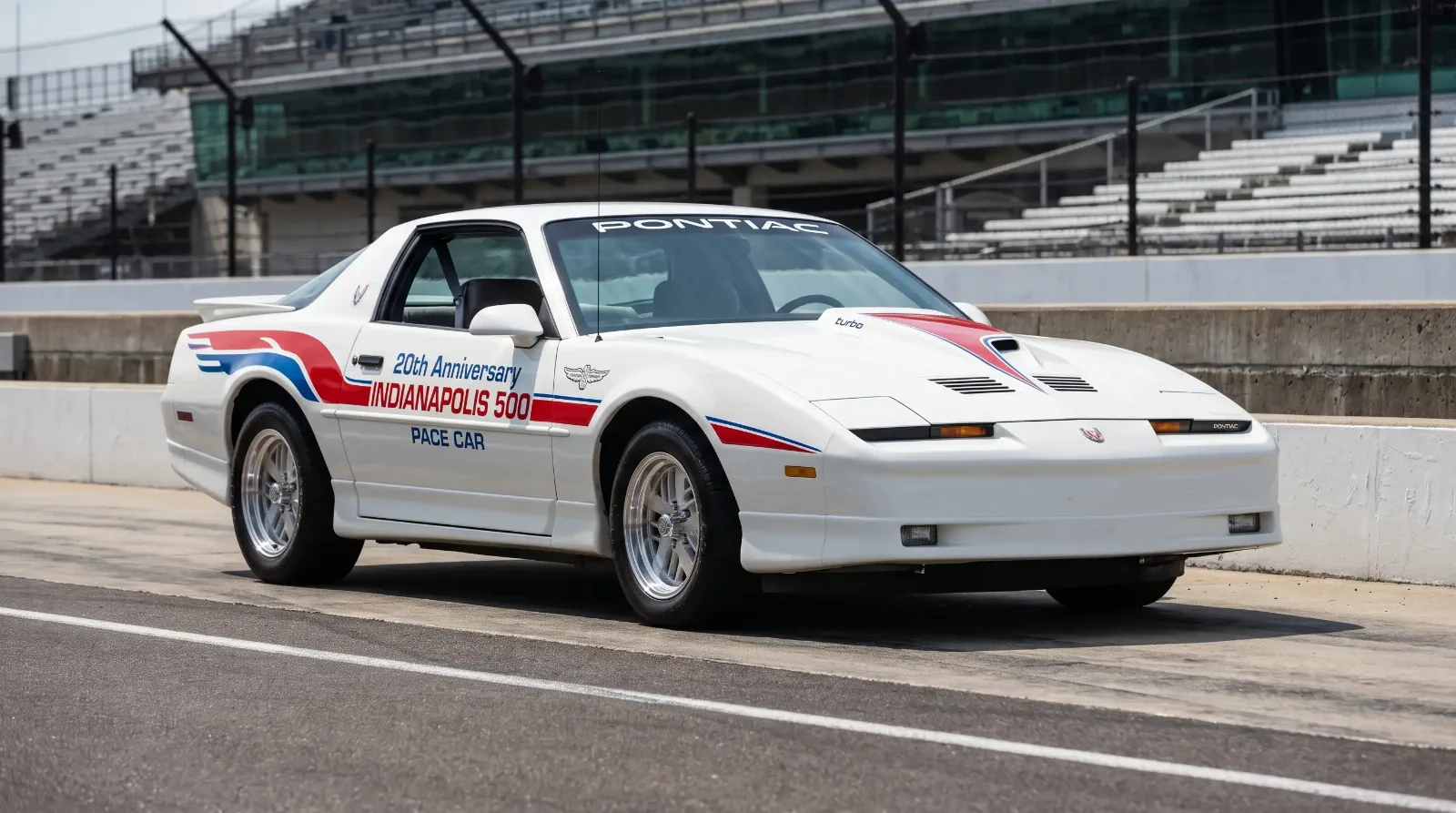
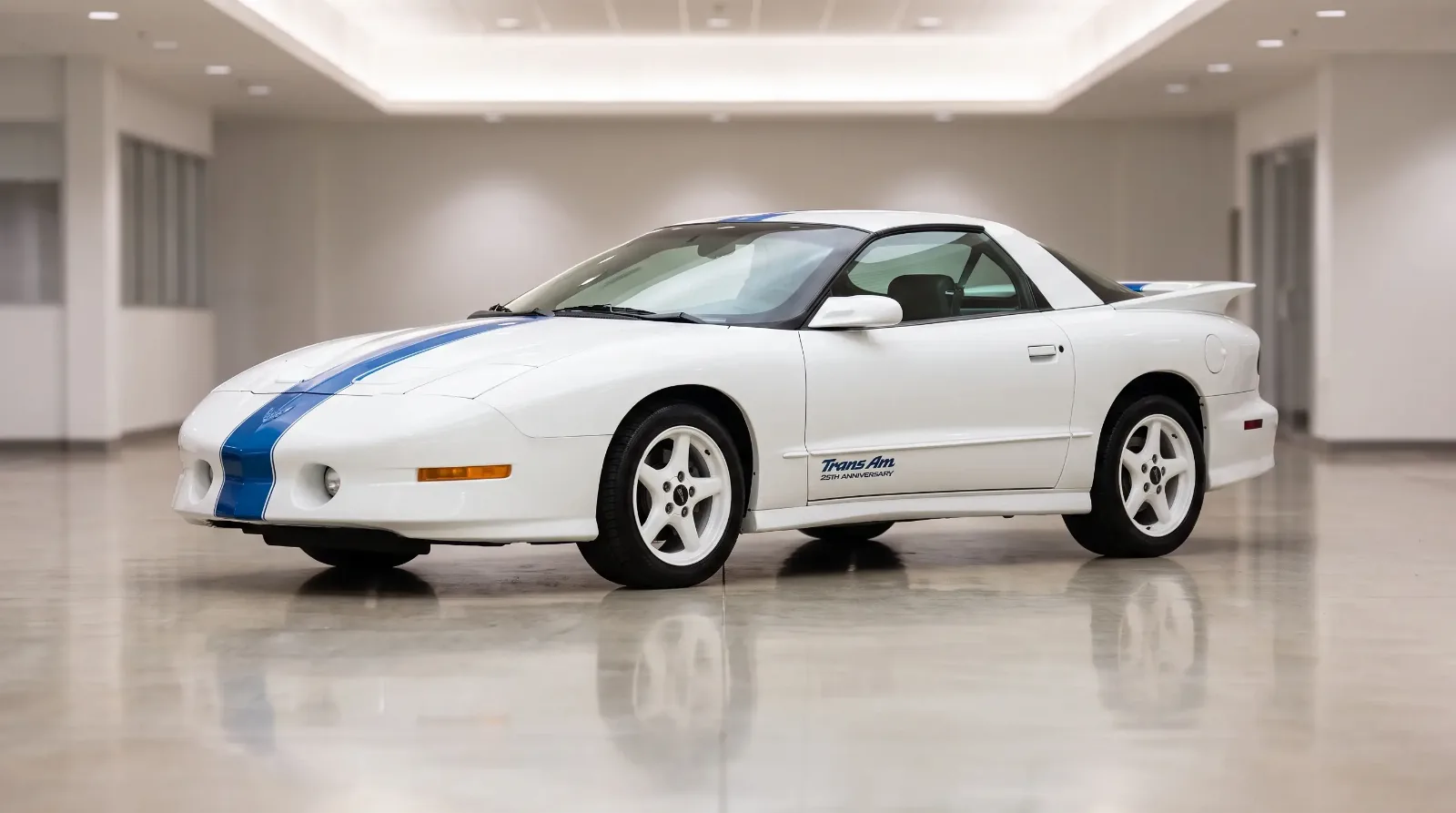
Every generation gets one car that the club history keeps coming back to, and for the third gen it is the 1989 Turbo Trans Am. Pontiac wanted to mark the model's 20th anniversary, and rather than reach for another 350 they did something unexpected. They took the 3.8-liter turbocharged V6 developed for the Buick Grand National and GNX, massaged it, and dropped it into the lightest Trans Am body they had. The result made a rated 250 horsepower (widely believed to be underrated to stay below that year's Corvette) and ran to 60 mph in about 4.6 seconds, which made it the quickest factory Firebird of its day and quicker than the V8 cars it shared a showroom with.
It earned the honor of pacing the 1989 Indianapolis 500, and unlike some pace cars this one did the job with no engine changes needed. Pontiac built 1,555 of them, each one a Turbo Trans Am with special badging and a numbered dash plaque. Ask any Firebird collector to name the third gen halo car and this is the one they say. It is also the clearest proof that the aero Firebird had grown all the way up from that fussy 1982 Cross-Fire car into something genuinely fast.
Buying one now: the affordable entry classic
For a long time these cars were simply used cars, the sort of thing that got thrashed, modified, and scrapped without ceremony. That is exactly why clean, unmolested examples matter now, and why the third gen remains one of the more affordable ways into genuine 1980s American performance. A tired base V6 coupe can still be had for beer money. A documented GTA or a real Turbo Trans Am is a different conversation, and the good ones climb every year.
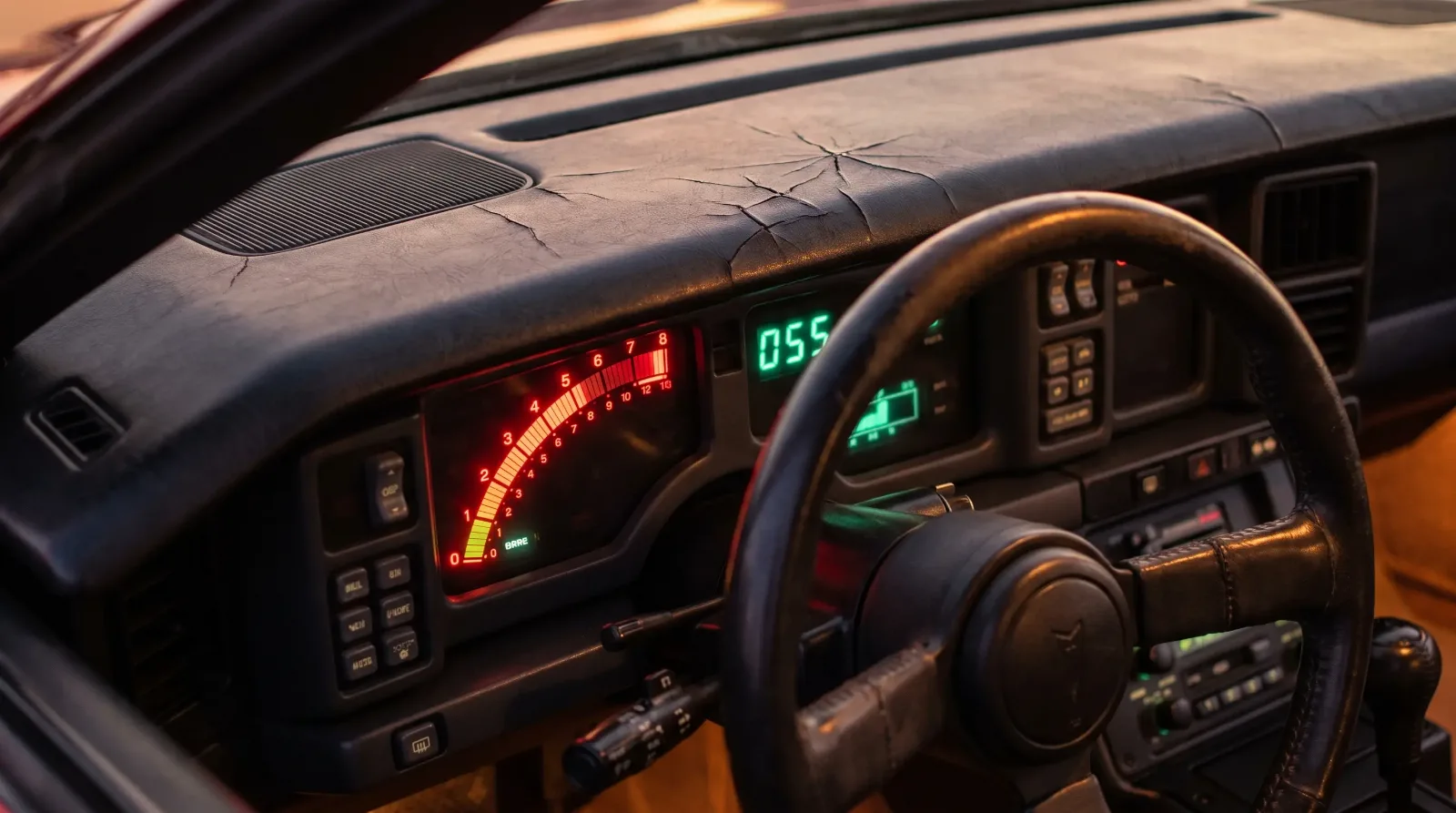
The community has learned what to watch for, and the record is clear on the trouble spots. Rust lives in the hatch surround, the T-top channels, and the rear hatch corners where water pools. The early Cross-Fire cars are best bought by people who enjoy the challenge or plan a sensible engine swap. Interior plastics were never robust and good dash pads are getting scarce. None of it is frightening if you go in with your eyes open, and if you are shopping, our listings of 1980s Firebirds for sale are a fair place to see what condition actually costs today.
Ray still has his 1982, by the way. He finally swapped a TPI 5.0 into it about a decade ago, kept every original part in labeled boxes in his garage, and the ghost has been quiet ever since. He says the car is finally the one Pontiac drew in 1982 and could not quite build until 1985. The paperwork, as always, agrees with him.
Sources and notes
- Pontiac Firebird (third generation) - Wikipedia
- 1982-92 Pontiac Firebird: A sub-$15,000 muscle car for today's generation - Hagerty Media
- The 1982-1992 Pontiac Firebird - HowStuffWorks
- History of the 1989 Pontiac Firebird 20th Anniversary Turbo Trans Am Pace Car - TurboTransAm.com
- 0-60 in 4.6 Seconds: The 1989 Turbo Trans Am That Shocked America - Silodrome
- 1985 Pontiac Firebird Trans Am 5.0 TPI Specs - automobile-catalog.com