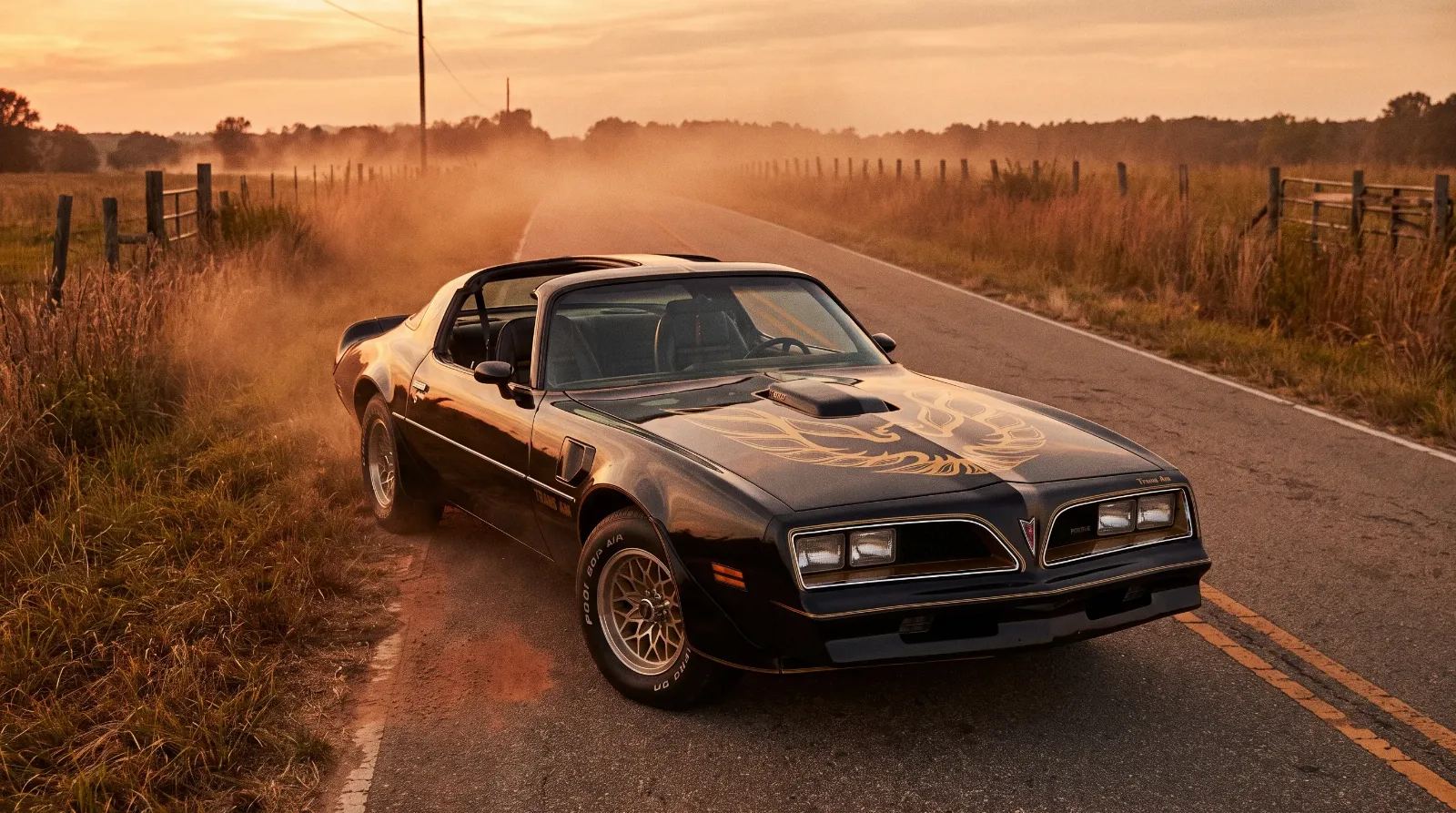
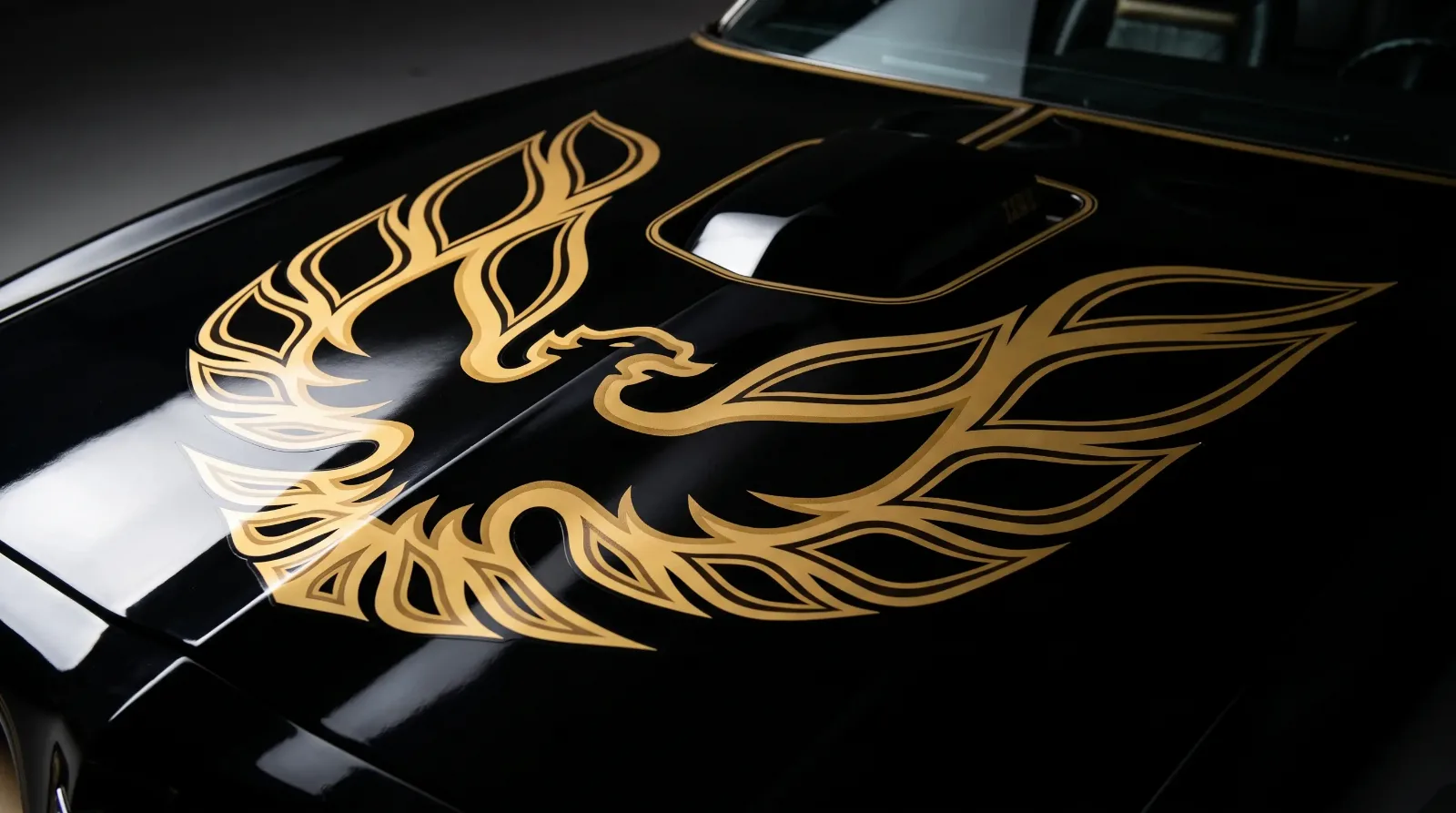
Every car guy has a name for it before he knows the real one. Ask someone what sits on the hood of a Pontiac Trans Am and half of them will say Firebird before they say anything else. The other half will just say it: the screaming chicken. That's not a nickname Pontiac put in a press release. It's what the public decided to call the giant firebird decal the moment it showed up on the hood, and the name stuck so hard that decades later Pontiac's own marketing people used it without irony.
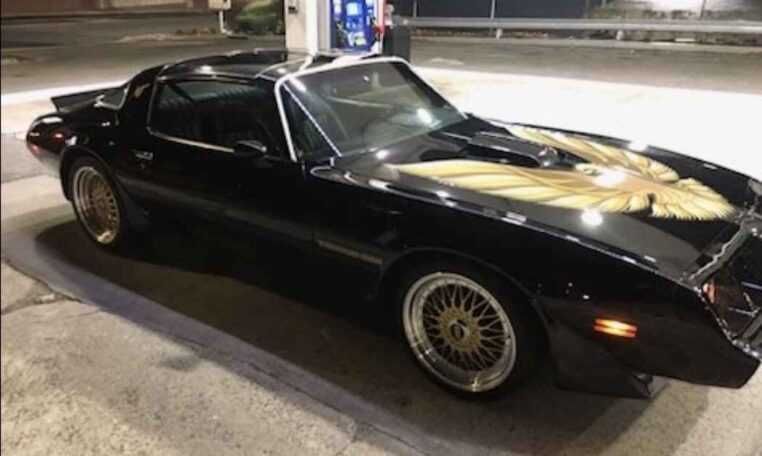
The decal itself started small, comparatively speaking, on the 1970 Trans Am, then grew across the decade until the 1976 to 1981 versions turned the entire hood into a canvas. By the time Burt Reynolds slid a black and gold 1977 Trans Am across a Georgia highway in Smokey and the Bandit, the screaming chicken icon was no longer a styling flourish. It was a signature, recognizable at a hundred yards, and it made the Trans Am one of the most identifiable American cars ever built without anyone needing to read a badge.
Where the bird came from
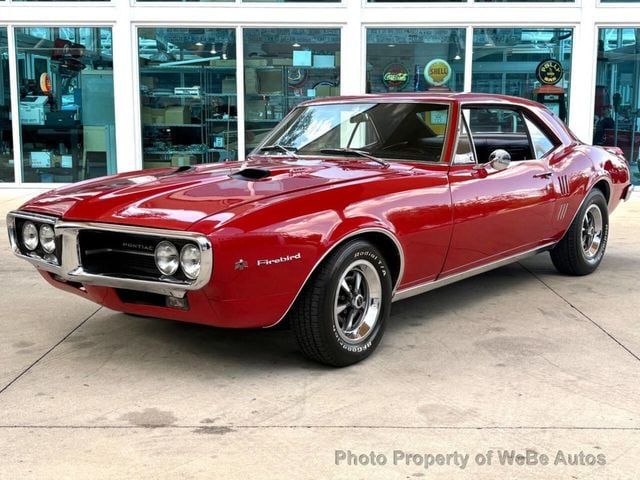
Pontiac's design studio needed something to fill the hood of the second-generation Firebird, and the original concept traces to Pontiac designer Bill Porter, who sketched the bird's flame-like feather pattern after being inspired by a Tiffany vase, then handed it to graphic designer Norm Inouye to refine into the aggressive, open-beaked bird that followed. GM design boss Bill Mitchell rejected Porter's oversized version outright when it was first pitched on a 1970 Firebird clay model. It was designer John Schinella who revived the concept a couple of years later, refined it further, and got it approved by pairing a black Trans Am wearing a gold hood bird with Mitchell's own black-and-gold motorcycle, a pitch that finally won Mitchell over. It was pure theater, and Pontiac knew it. The firebird itself draws on a mythological creature with roots in multiple cultures, a bird reborn from flame, which suited a division trying to reinvent its performance image after the muscle car market cratered in the early 1970s.
The first version, offered in 1973 as option code WW7, was a smaller, optional decal. Public reaction was strong enough that Pontiac kept expanding it, and by 1976 the decal covered nearly the entire hood and came standard on Special Edition, Anniversary, and Pace Car Trans Ams. Black and gold became the most famous combination, tracing back to Mitchell's own custom Trans Am that helped sell the design internally, and it was later reinforced by Reynolds' movie car, but Pontiac also sold the decal in red, blue, and other body-color schemes throughout the era.
How Hollywood turned a decal into a symbol
Smokey and the Bandit did more for the screaming chicken icon than any Pontiac ad campaign could have. The 1977 film put a black Trans Am with a gold hood bird front and center for nearly two hours, and audiences left theaters wanting that exact car. Pontiac's Trans Am sales jumped substantially in the years immediately following the film's release, and dealers reported buyers walking in asking for "the Bandit car" by name rather than the Trans Am model designation. You can read the Bandit story for the full account of how that partnership came together.
What's easy to miss, looking back, is how much of that appeal rode entirely on the hood graphic. The car in the film wasn't dramatically different mechanically from any other Trans Am on a dealer lot. The screaming chicken was doing the work a spoiler or a splitter does on a modern performance car: signaling intent before the engine ever turns over. It became shorthand for a certain kind of American swagger, the same way a certain shade of Ferrari red says something before a name is spoken.
The decal as merchandise and meme
Once a car icon crosses into general pop culture, it stops belonging just to the people who bought the car. The screaming chicken has appeared on belt buckles, iron-on patches, keychains, and t-shirts since the late 1970s, sold to people who never owned a Trans Am and never intended to. That kind of afterlife is rare for an automotive graphic. Most factory decals disappear along with the cars they were painted on. This one kept working as a standalone image, divorced from the Firebird nameplate, recognized by people who couldn't tell a 400 from a 455 under the hood.
Part of that staying power comes from how well the design reads at a glance. It's aggressive without being cluttered, bold enough to survive being shrunk onto a patch or blown up onto a hood. Graphic designers who've studied automotive decals of the era point to the screaming chicken as one of the few that actually improved with scale rather than losing detail. Whether that was intentional on Pontiac's part or a happy accident of a simple silhouette, it's a big reason the image outlived the car it was designed for.
"I've talked to guys who bought a Trans Am in 1978 and couldn't tell you the rear axle ratio, but they can tell you exactly which gold they wanted on that hood bird. That's not a spec sheet decision. That's a car choosing you as much as you choosing it."
— Patrick Walsh
Why the icon still matters to buyers today
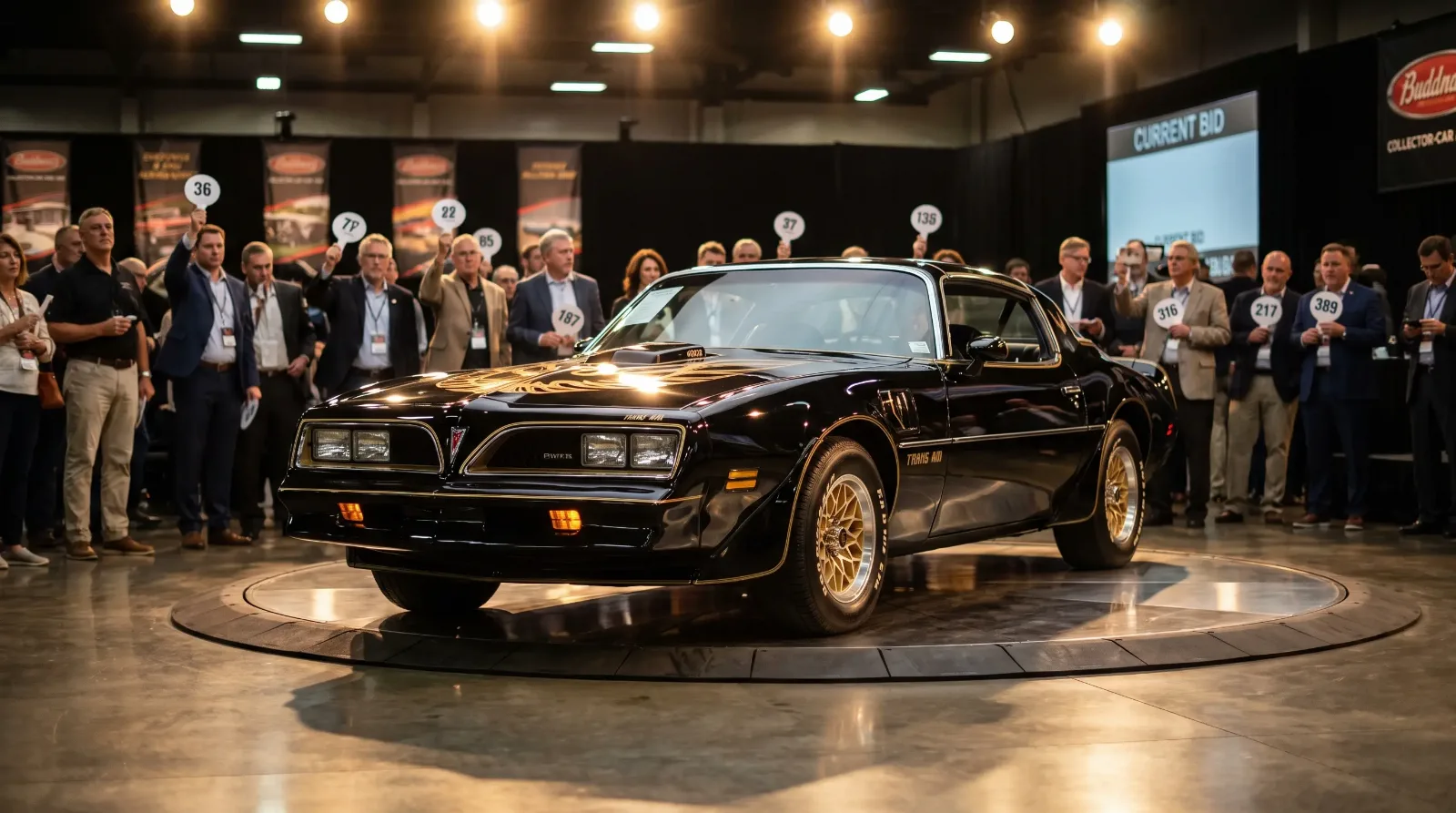
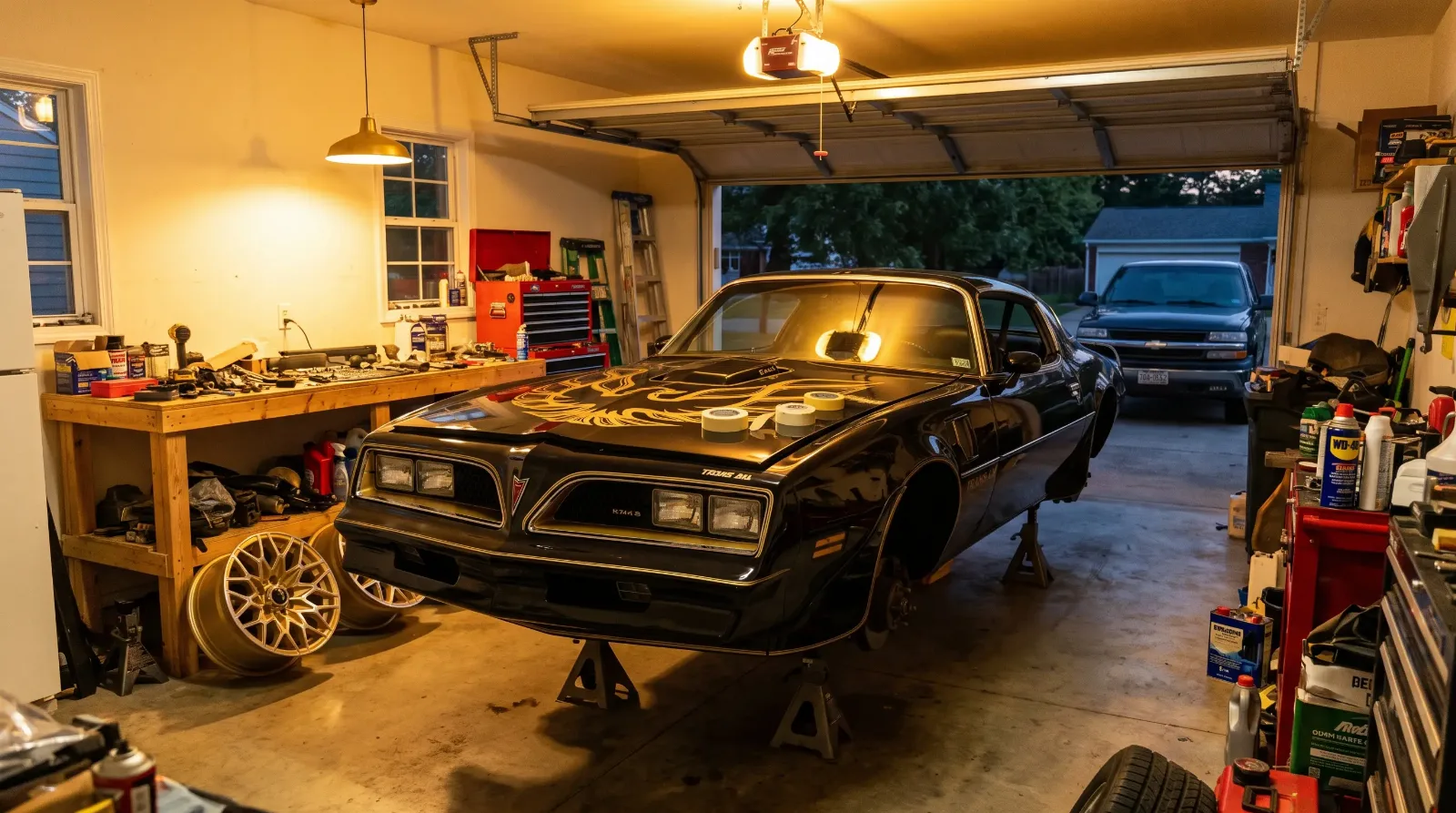
Walk a car show today and the Trans Ams drawing the biggest crowds are almost always the ones with an intact, correctly applied screaming chicken decal. Condition of the decal has become its own line item in how buyers and appraisers talk about these cars, right alongside frame rust and matching numbers. A faded or peeling hood bird can knock real money off an asking price, and a correctly restored one, applied in the period-appropriate color and orientation, adds it back.
That's a strange kind of value to put on what is, technically, a sticker. But it captures something true about how people relate to these cars. The screaming chicken isn't a performance option. It's the thing that makes a Trans Am instantly readable as a Trans Am, even to someone standing across a parking lot who has never opened a Pontiac brochure in their life. Few automotive graphics have done that much work for that long, and fewer still have survived the transition from factory option to cultural shorthand without losing any of their charge.
The story of how this decal became inseparable from an entire era of American car culture doesn't end with the movie or the merchandise. If you want to see where the tribute builders took it next, keep reading the series.
Sources and notes
- Classic Industries: The History of the Pontiac Trans Am Hood Bird
- ClassicCars.com Journal: The Phoenix-like Rise of Pontiac's Screaming Chicken
- Car Guy Chronicles: Pontiac Trans Am's Screaming Chicken
- SlashGear: What Kind of Bird Is Pontiac's Famous Firebird Logo Supposed to Be?
- Blue Water Auto Restoration: The History Behind the Iconic Hood Decal