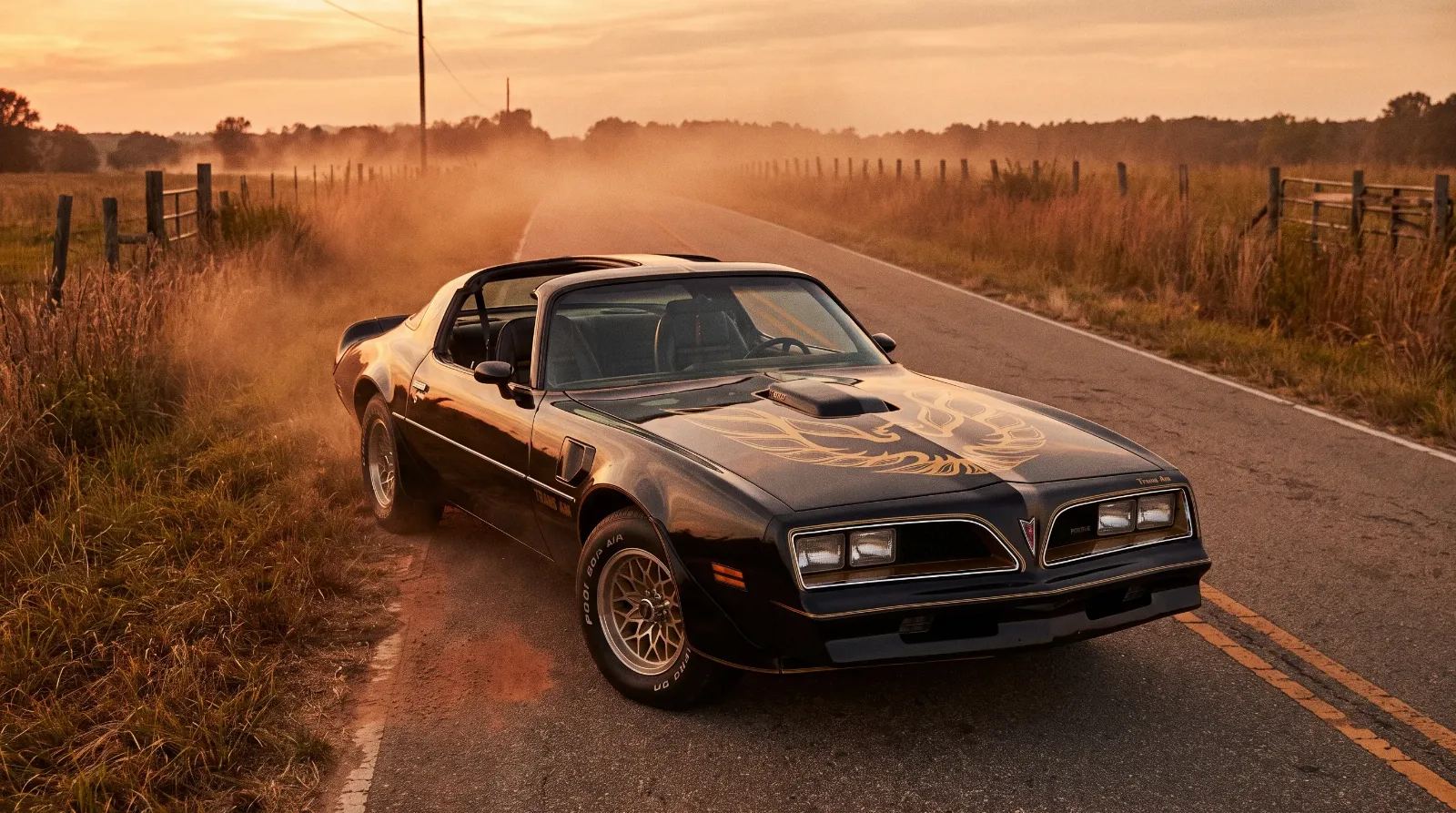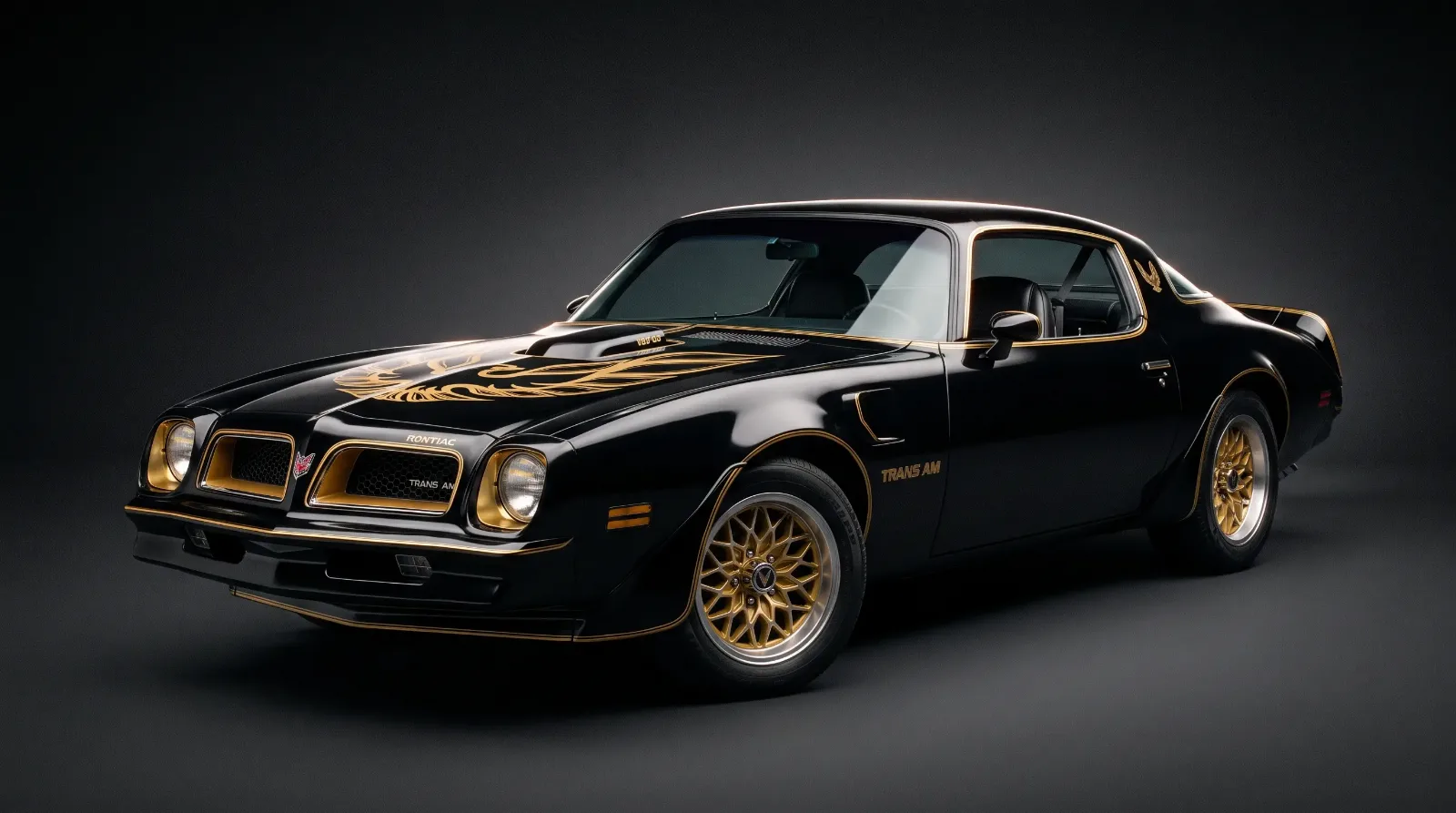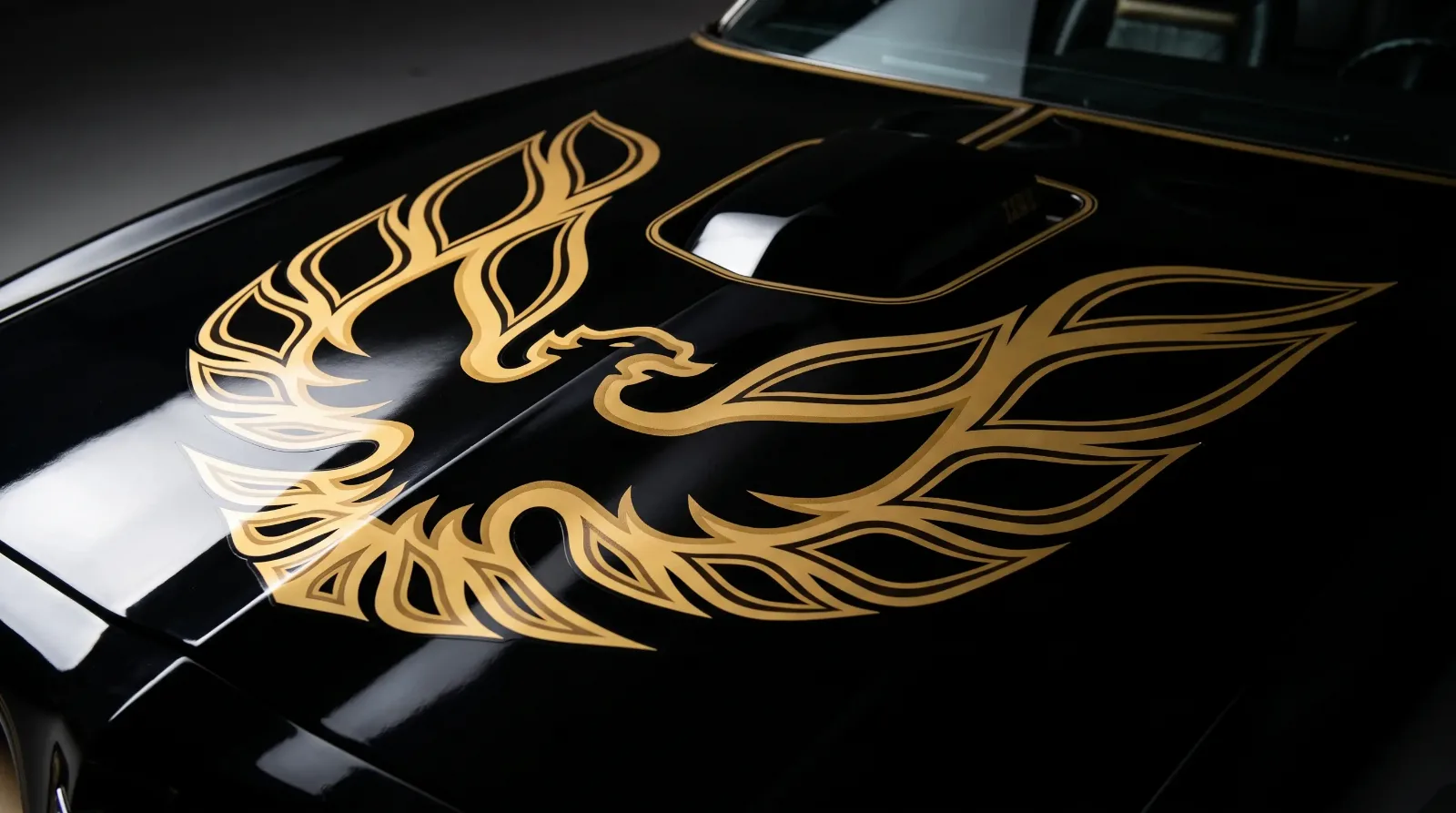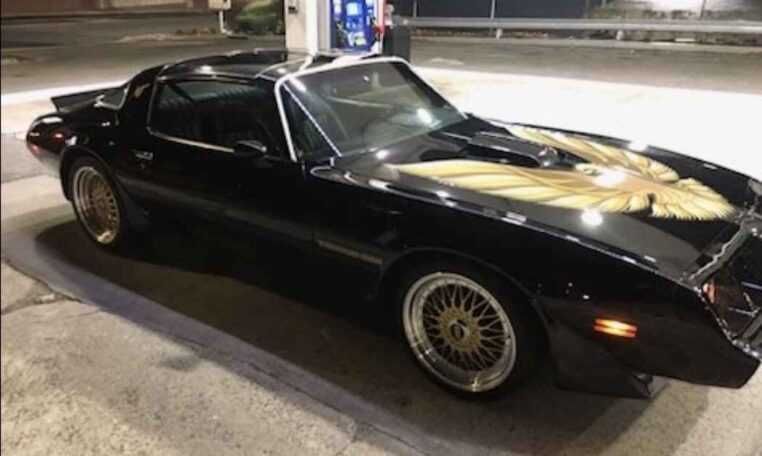
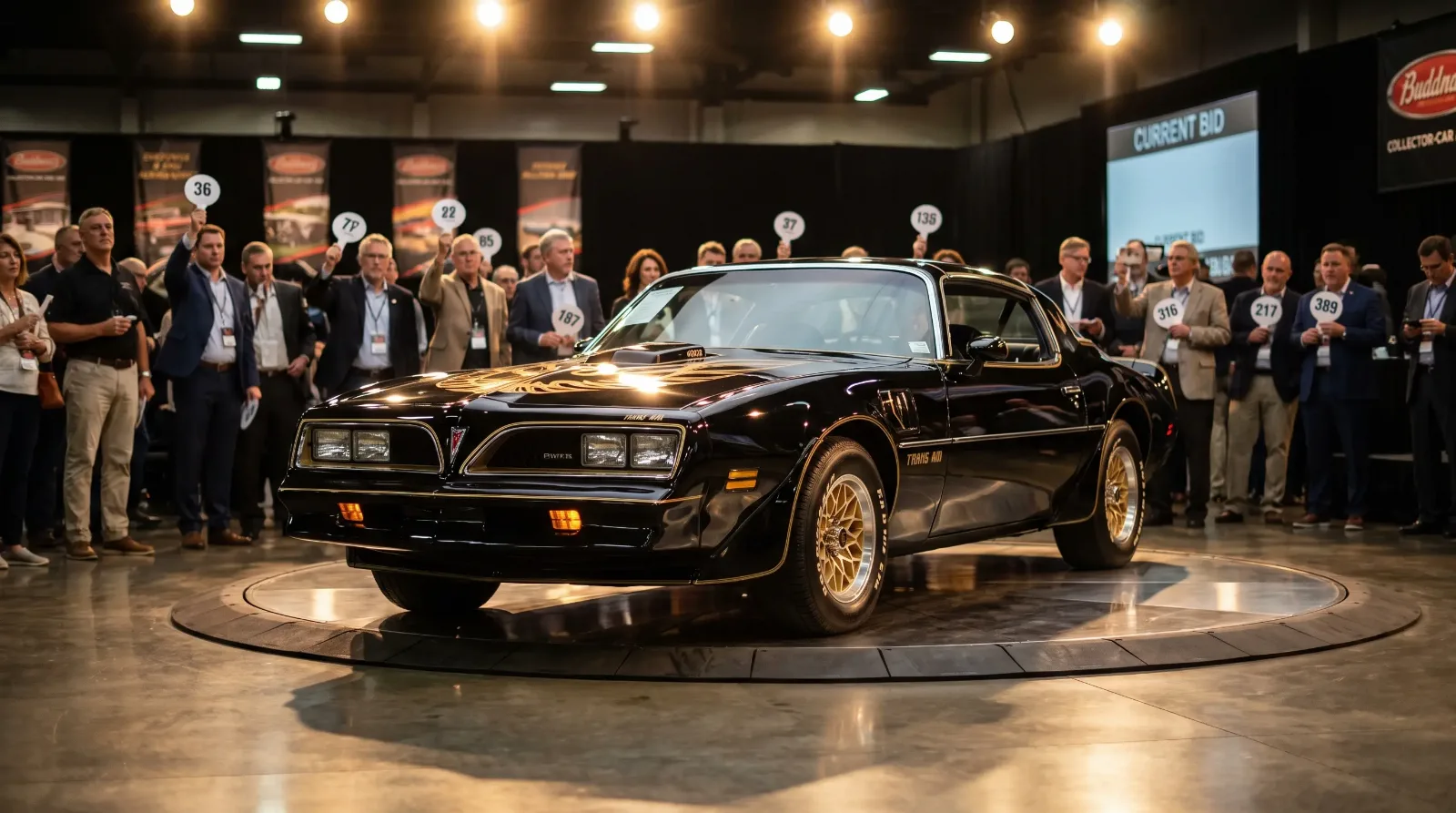
A black and gold Trans Am crossed the auction block a few years back wearing genuine screen-used credentials from one of the "Smokey and the Bandit" sequels, and the hammer price made even seasoned auction watchers do a double take. That is the extreme end of a market that has, over the past two decades, turned into one of the more reliably discussed corners of American muscle car collecting: what a Bandit-style Trans Am is actually worth, and why the number swings so wildly depending on what exactly you are buying.
The short version is that there are at least three distinct tiers of car trading under the Bandit name, and conflating them is the single most common mistake buyers make. There are documented screen-used vehicles from the actual film productions, there are factory Special Edition Trans Ams with clean provenance and no film connection at all, and there are tribute or clone builds finished to the look without any factory or film paperwork behind them. Prices across those three tiers do not just differ, they exist in entirely different conversations.
Screen-used cars command a different market entirely
Verified screen-used Trans Ams, meaning cars with documented use in the actual "Smokey and the Bandit" productions, sell in a category closer to Hollywood memorabilia than to typical muscle car values. The benchmark sale remains the 1977 Trans Am that Universal Studios used as a promotional car for the film and later gave to Burt Reynolds, which hammered for 550,000 dollars at Barrett-Jackson's 2016 Scottsdale auction, a price that stood as a Trans Am world record at the time. Reynolds' own replica cars have also brought strong money, including 495,000 dollars at Barrett-Jackson Scottsdale in 2022 and 317,500 dollars at a Julien's Auctions estate sale, though buyers should note the original stunt and hero cars used during actual filming were largely destroyed or scrapped once production wrapped, which is exactly why promotional and personally-owned cars with a documented paper trail command the premiums seen here rather than any surviving "screen-used" stunt car. These sales depend heavily on chain of custody, since multiple cars were used across the original film and its sequels, and not all of them survived production intact. Some were destroyed in stunts, some were sold off afterward with paperwork that did not travel with the car, and locating a vehicle with an unbroken, verifiable history back to specific filming is genuinely rare.
Buyers chasing this tier need more than a compelling story. They need production records, stills that match the specific car's details like wheel style or interior trim, and ideally corroboration from people who worked on set. Auction houses that specialize in Hollywood vehicles have gotten more rigorous about this kind of documentation over the years, partly because the market has been burned before by cars claiming a screen history they could not actually support.
Documented Special Editions without film ties
Below that tier sits the much larger population of factory-correct black and gold Special Edition Trans Ams that have no connection to any film production at all. These are the cars most collectors actually buy and drive, and their values have climbed steadily as the broader muscle car market has matured and as buyers born after the film's 1977 release have entered their peak collecting years with real purchasing power. A well-documented, numbers-matching example in strong condition trades at a meaningful premium over a car with an uncertain history or replaced drivetrain, even when both look identical from ten feet away.
Clone and tribute builds fill out the bottom of the market
The largest slice of black and gold Trans Ams on the road and at swap meets today are tribute builds, cars finished to the Bandit look using aftermarket decal kits and repaint work rather than genuine factory Special Edition documentation. These cars can be excellent driving and showing experiences, and plenty of owners genuinely do not care about matching numbers or cowl tag codes. But they belong in an entirely different price bracket than a documented original, and sellers who blur that line, intentionally or not, create real problems for buyers who assume paint alone confirms authenticity.
| Market tier | General price expectation | What confirms it |
|---|---|---|
| Screen-used, film documented | Well into six figures for verified examples | Production records, matching visual details, chain of custody |
| Factory Special Edition, no film tie | Solid five figures, higher for numbers-matching | Cowl tag, PHS documentation, matching drivetrain |
| Tribute or clone build | Well below documented originals | No factory package documentation, aftermarket decals |
This tiered structure is worth keeping in mind alongside the Bandit story itself, since so much of what drives collector interest traces back to a single film's cultural footprint rather than to any inherent rarity in the mechanical specification. The car is not scarce in an engineering sense. What is scarce, and what actually commands the premium, is verified history.
"Every year somebody tells me they found the actual Bandit car at a swap meet for a fraction of what it should cost. Every single time, it's a clone. The real ones have paperwork trails a mile long, and the sellers with genuine cars know exactly what they have."
— Patrick Walsh
What actually drives value at auction
Condition and originality matter in every collector car category, but the Bandit-associated Trans Am market weights documentation even more heavily than most muscle car segments, because the emotional appeal of the story invites exaggeration. Buyers who take the time to verify cowl tags, request PHS paperwork, and cross-reference any claimed film connection against actual production records consistently pay fair prices. Buyers who trust a compelling story from a seller without independent verification are the ones who end up overpaying for a well-dressed clone. Independent appraisal before bidding is cheap insurance against a five- or six-figure mistake, and most reputable auction houses will not object to a buyer bringing in a marque specialist ahead of sale day.
The broader lesson extends past this one car. Movie and television association can meaningfully increase a car's value, sometimes dramatically, but only when that association survives scrutiny. For readers who want to trace this back to where the Firebird's screen reputation actually started, the next story in this set looks at how the model built its pop culture identity beyond just the Bandit films, while how the Firebird legend began covers the model's origins well before Hollywood ever got involved.
None of this means the ordinary black and gold Trans Am is a bad buy. It means buyers should walk in knowing exactly which tier they are shopping in, and should never let a good story substitute for a paper trail when real money changes hands.
Sources and notes
- GM Authority: Smokey and the Bandit Trans Am Sells at $550K
- autoevolution: 1977 Trans Am Promo Car Sells for $550K
- Barrett-Jackson: Burt Reynolds' 1977 Pontiac Firebird Trans Am SE
- The Drive: Burt Reynolds' Own Smokey and the Bandit Trans Am Sells for $317,500
- Bonhams: 1978 Pontiac Trans Am Smokey and the Bandit, Universal 1977
- Hagerty Valuation Tools: 1977 Pontiac Firebird Trans Am