There is a story that comes up at almost every Pontiac gathering when somebody mentions the Cross-Fire, and it usually starts with a guy admitting he bought one new in 1982 expecting the same kind of performance he remembered from a decade earlier. He drove it off the lot, ran into a buddy at the drive-in that same week, and got razzed for the rest of the summer about how his fancy new fuel injection could not keep up with a friend's tired old carbureted 400. The punchline landed because it was true, and it took Pontiac a few years and a documented set of engineering changes to actually fix the problem everybody was joking about.
What Cross-Fire actually was
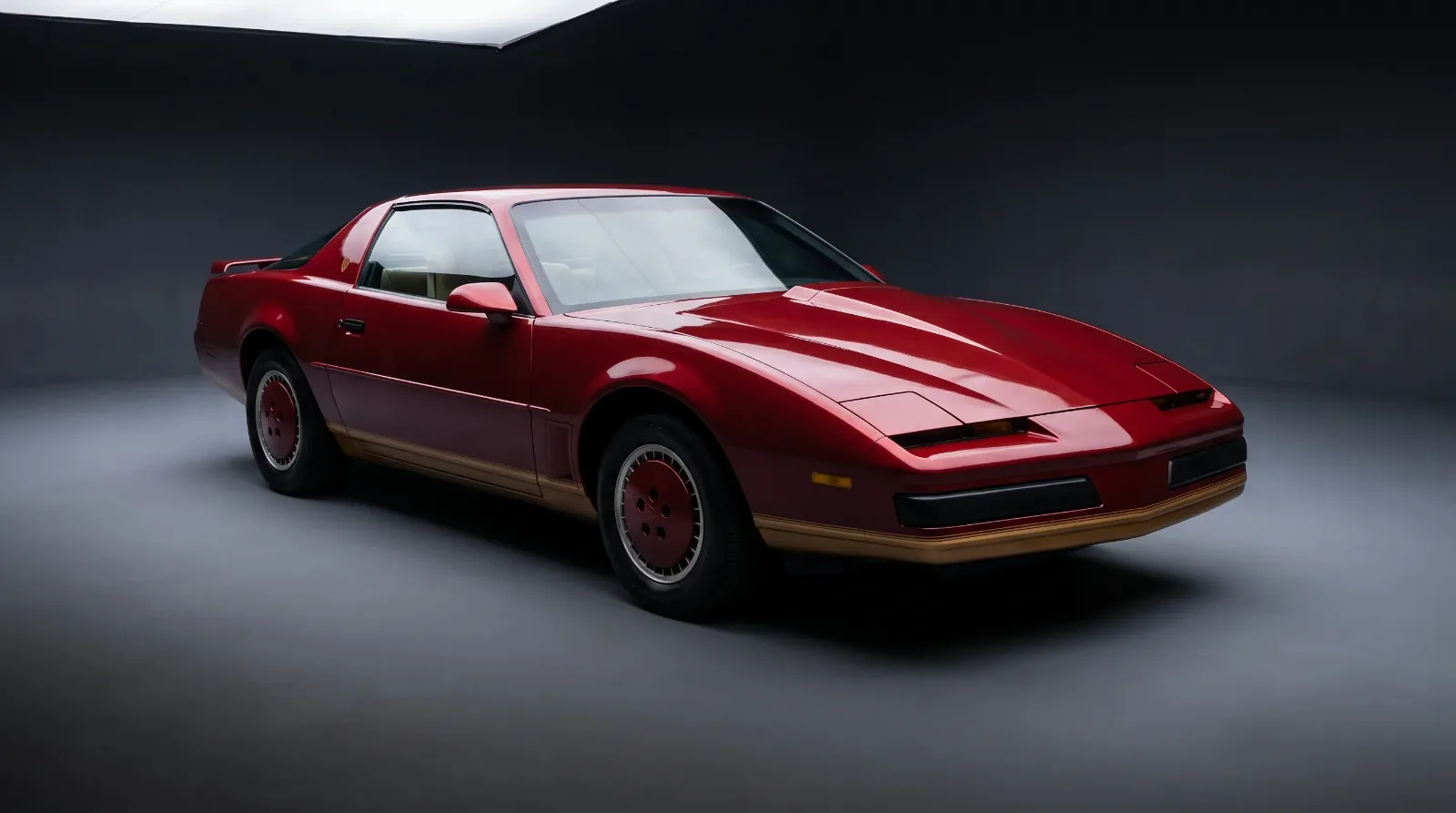
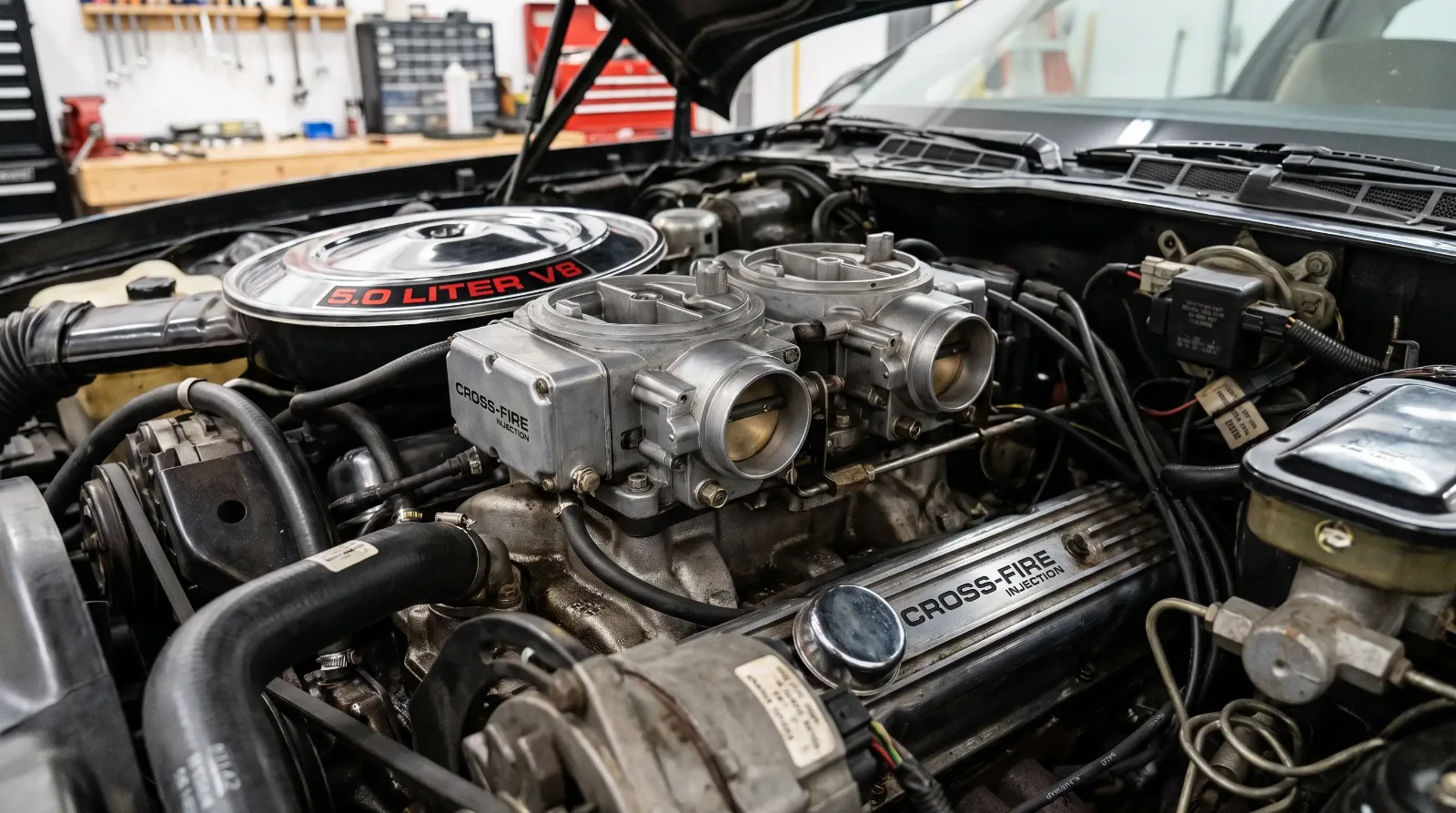
Cross-Fire Injection was Pontiac's first serious throttle-body fuel injection system, introduced alongside the new third-generation Firebird body in 1982. The name came from the layout: two throttle-body injector units mounted side by side on the intake, each feeding across to the opposite side of the engine rather than straight down into its own bank. It was Pontiac's answer to tightening emissions rules and the industry-wide push away from carburetors, and on paper it looked like the future. In practice, the early calibration and the computer control systems behind it were not mature enough to deliver what the hardware promised.
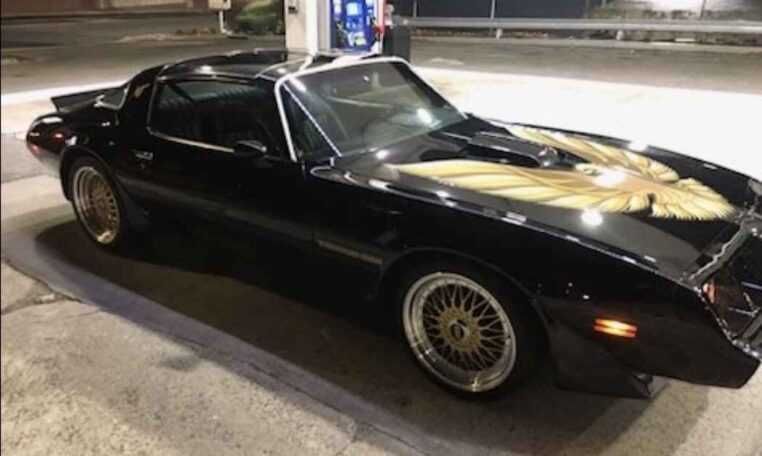
The 1982 Trans Am's Cross-Fire 305 was rated at 165 horsepower, a 20-horse bump over the standard carbureted 305's 145 horsepower, and the system was offered only through the 1983 model year before Pontiac dropped it in favor of a carbureted H.O. 305 for 1984. What owners and period road tests agreed on consistently was that the throttle response felt flat compared to a well-tuned carbureted engine of similar displacement, and that the system was finicky about cold starts in a way carburetors of the era generally were not.
| System | Introduced | Known for |
|---|---|---|
| Cross-Fire Injection | 1982 | Dual throttle-body setup, early emissions-era compromise |
| Carbureted 4-barrel (outgoing) | Pre-1982 | Familiar tuning, stronger low-end throttle feel |
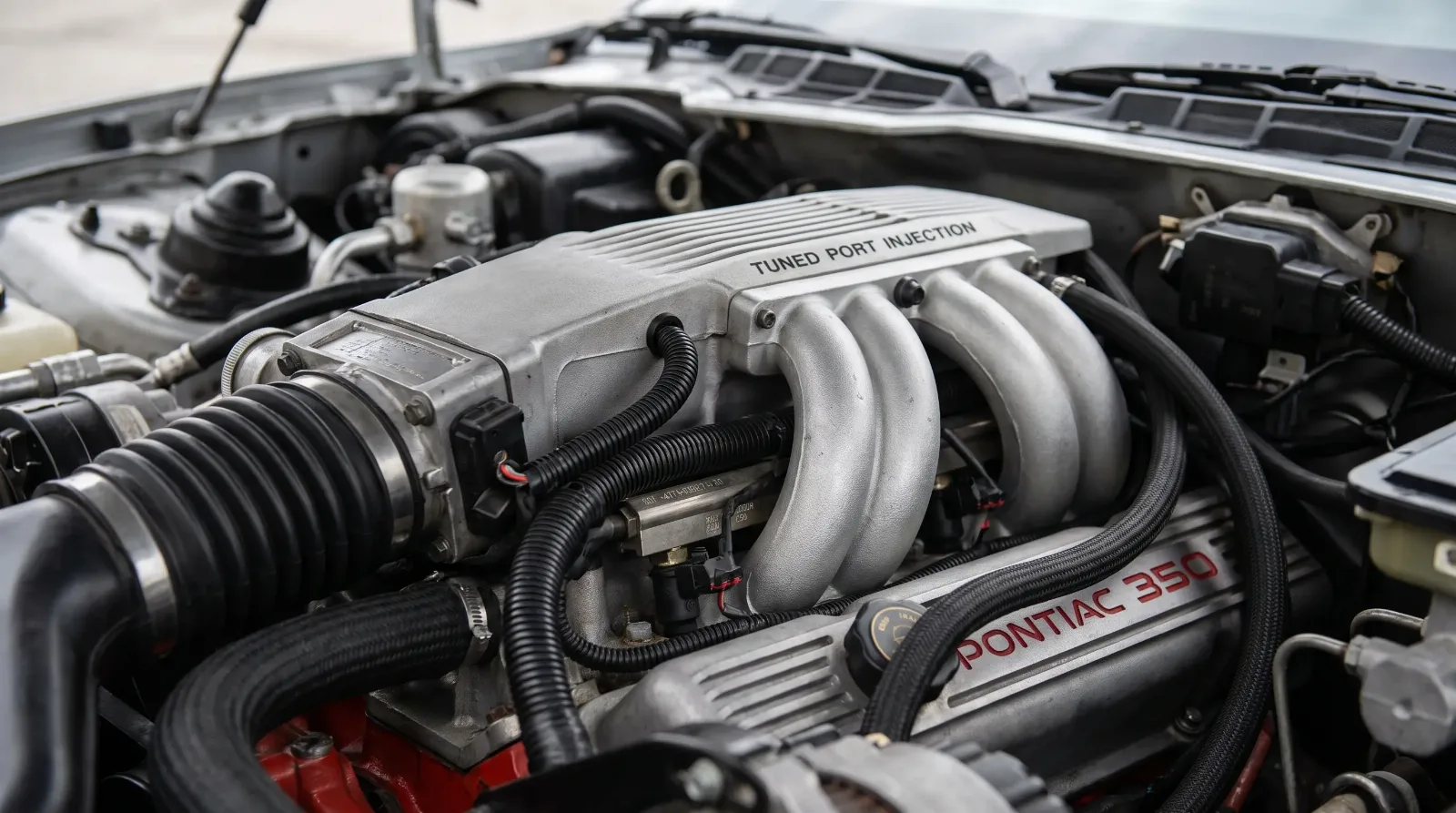
| Tuned Port Injection (later) | Mid-1980s | Refined port injection, resolved Cross-Fire's shortcomings |
The community verdict, and why it changed
For years the Cross-Fire car was the one nobody wanted to claim at a swap meet. Guys would talk around it, mention the year and the body style and skip straight past what was under the hood. That started to shift once documentation caught up with the story, once owners who had actually kept factory service records could show exactly what Pontiac changed between the system's introduction and its replacement a few years later. The record shows real engineering effort went into chasing the calibration problems, even if the fix ultimately arrived in the form of Tuned Port Injection rather than a saved Cross-Fire system.
"Everybody at the club had a theory about that fuelie until somebody pulled the tank sticker, and just like that, the bench-racing was over. The Cross-Fire cars get the same treatment now. Somebody swears it was a disaster start to finish, somebody else pulls out the factory service bulletins showing what actually got revised, and the paperwork wins the argument every time."
— Wayne Coburn
Buying a Cross-Fire car today
These cars occupy an odd spot in the collector world now. They are rarer than the carbureted cars that came before them simply because fewer were built across a short window, and rarity by itself has started to matter to a certain kind of buyer who wants the specific early third-gen story rather than the strongest-performing engine option. That buyer is not chasing quarter-mile numbers. They are chasing the actual historical footnote, and there is a real market for that now that did not exist fifteen years ago.
If you are looking at one, factory documentation matters more here than on almost any other Firebird variant, because the calibration changes Pontiac made during the production run mean two Cross-Fire cars built a year apart can behave differently under the hood even with the same nameplate. Ask for service records. Ask whether the system has been converted to carburetion at some point, which happened often enough to make an original, unmolested Cross-Fire setup something worth verifying rather than assuming.
Parts support for Cross-Fire specific components has thinned out over the decades in a way it has not for the carbureted engines that came before or the Tuned Port Injection engines that came after. The throttle-body units themselves, the wiring harness, and the specific sensors this system used were only produced for a short window, and a car with a failed or missing component can sit for a long time waiting on the right used part rather than a reproduction. That scarcity cuts both ways. It keeps original, functioning examples desirable to the buyer chasing the specific footnote, and it makes a non-running example a much bigger project than the same problem would be on a more common Firebird engine option.
Where this fits in the bigger story
The Cross-Fire years are a small chapter, but they matter because they show Pontiac working through the exact same industry-wide transition every domestic manufacturer faced in the early 1980s: how to meet emissions targets without losing the character that made these cars worth buying in the first place. Read about the 1980s Firebird for the fuller context on the body and platform this engine arrived in, since the Cross-Fire story does not make sense in isolation from the redesign that introduced it.
For anyone tracking the full technical arc, the next story in this set covers what came after Cross-Fire was retired, and how Tuned Port Injection finally delivered on what the dual-throttle-body system had promised. The whole thread connects back to Pontiac's Firebird history, and if this era has you shopping, take a look at what is currently listed among 1980s Firebirds for sale to see how the market prices these specific years today.
Sources and notes
- Pontiac Firebird (third generation) - Wikipedia
- The 1982-1992 Pontiac Firebird - HowStuffWorks
- 1982 Pontiac Firebird Trans Am - HowStuffWorks
- The Fastest 1982 Trans Am Couldn't Outrun a Family Car - The Autopian
- 82 & 83 Camaro, Firebird and Trans Am Cross-Fire FAQs - Xfire Performance
- GM EFI's Guide to the 3rd-Gen Pontiac Firebird