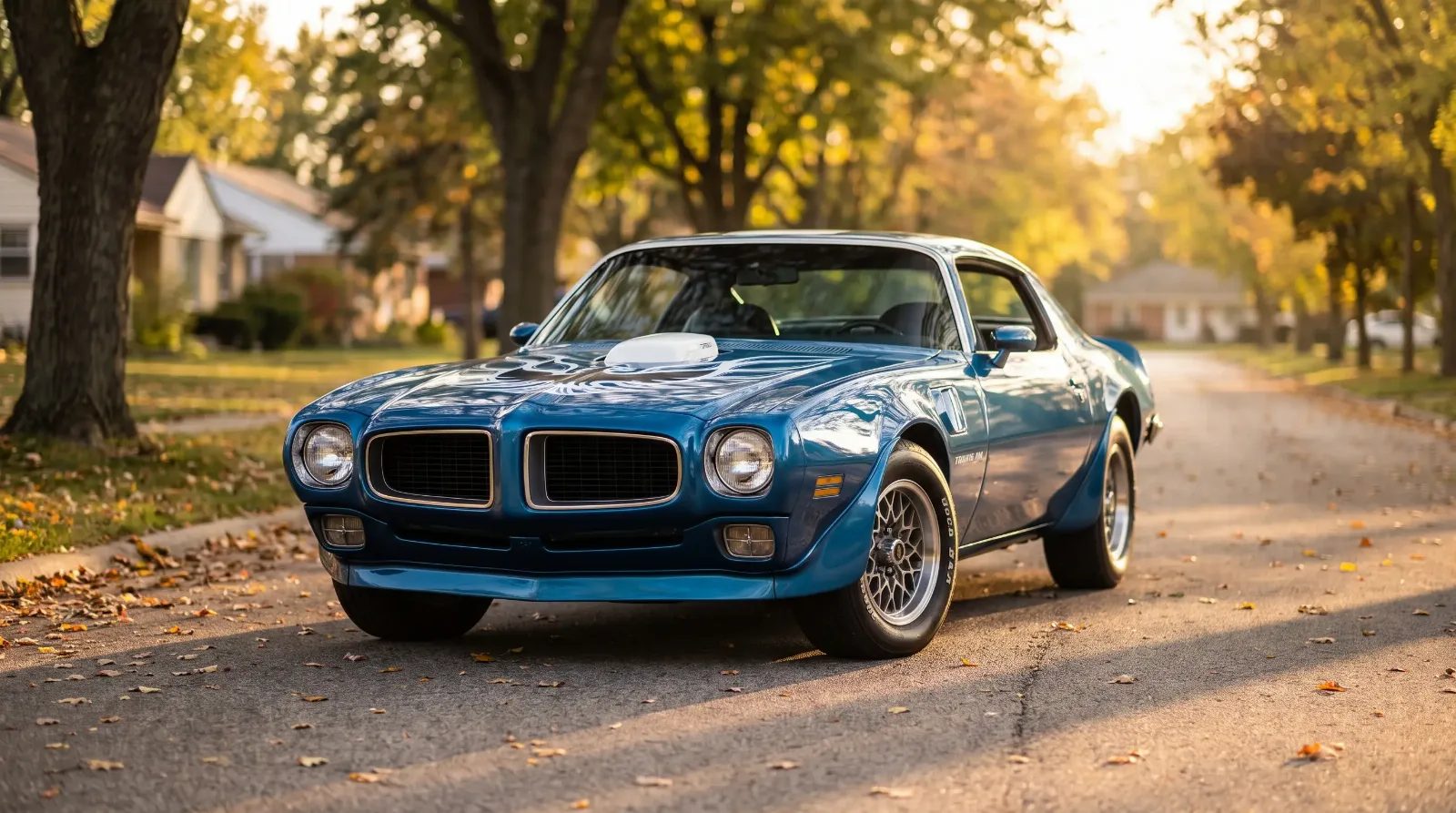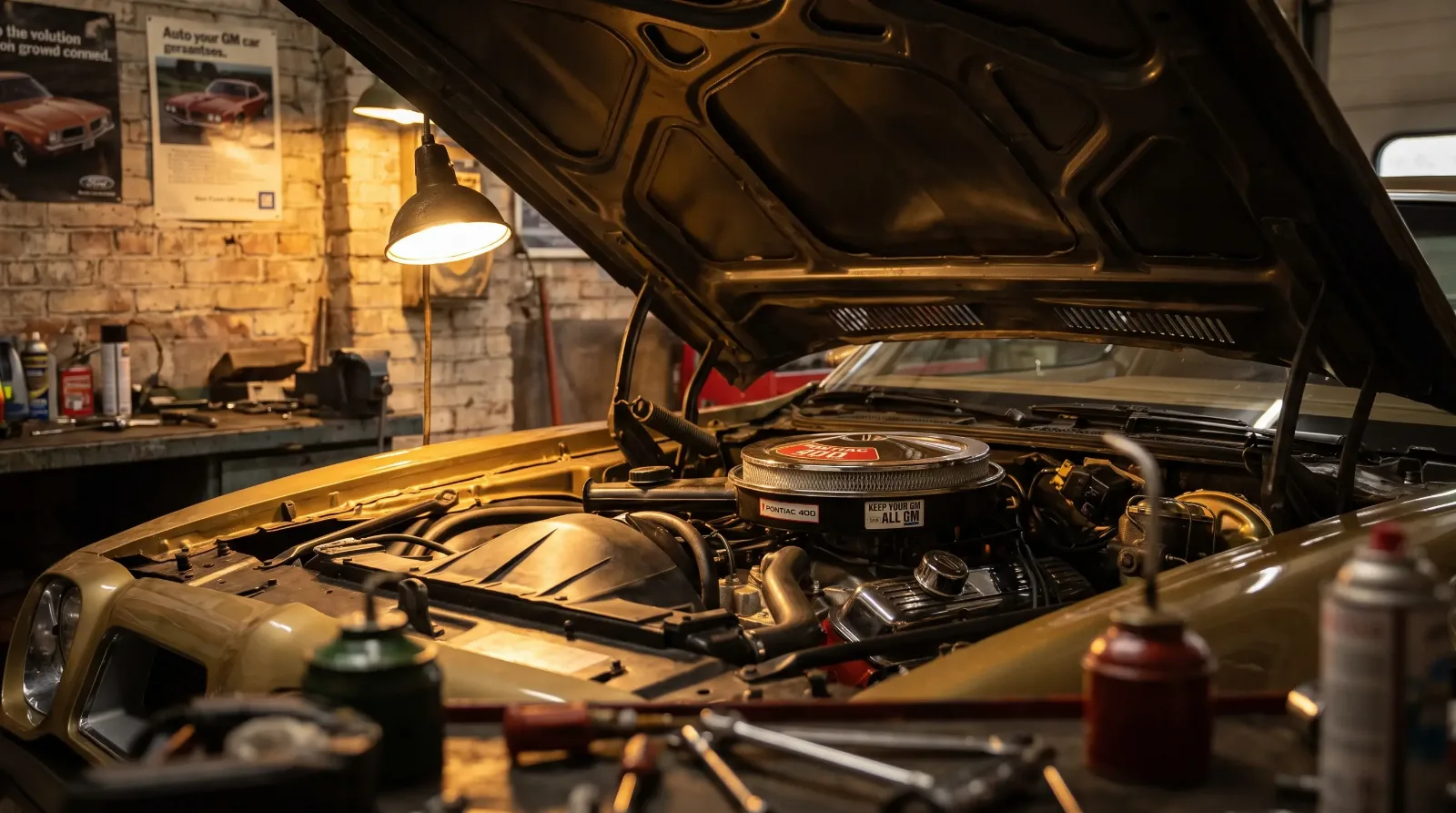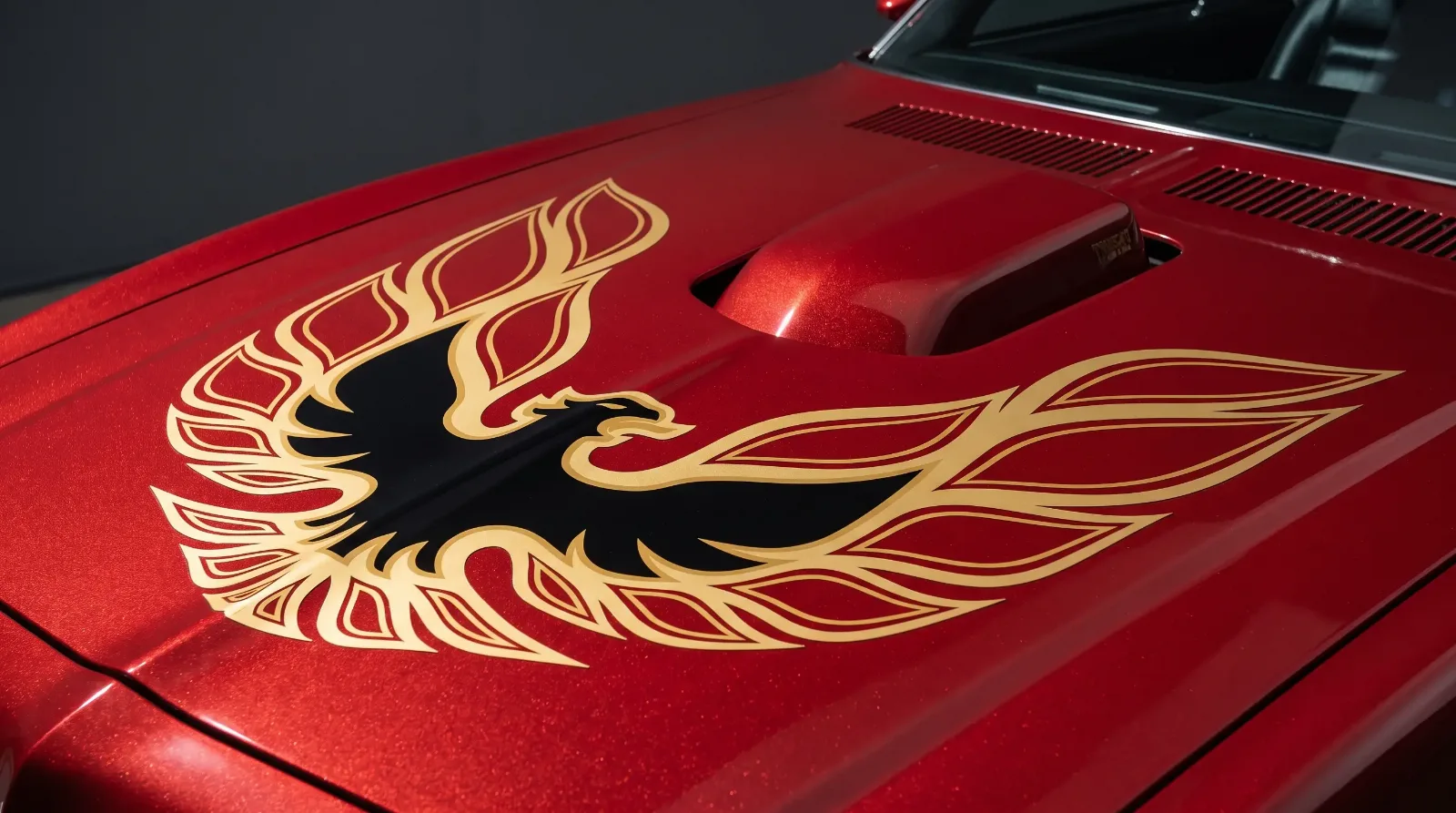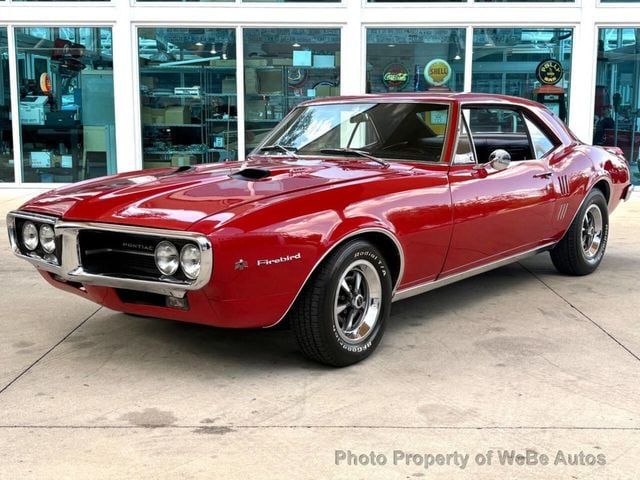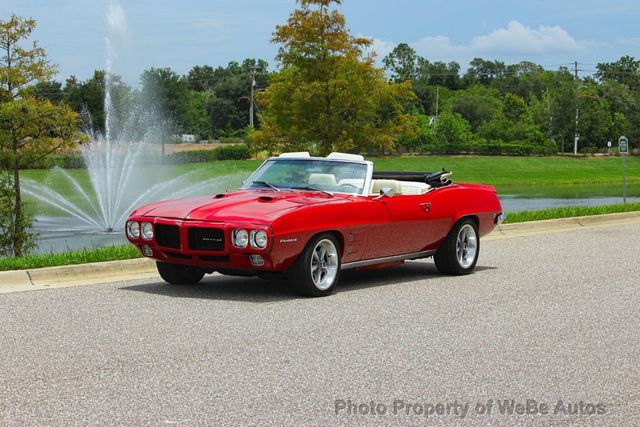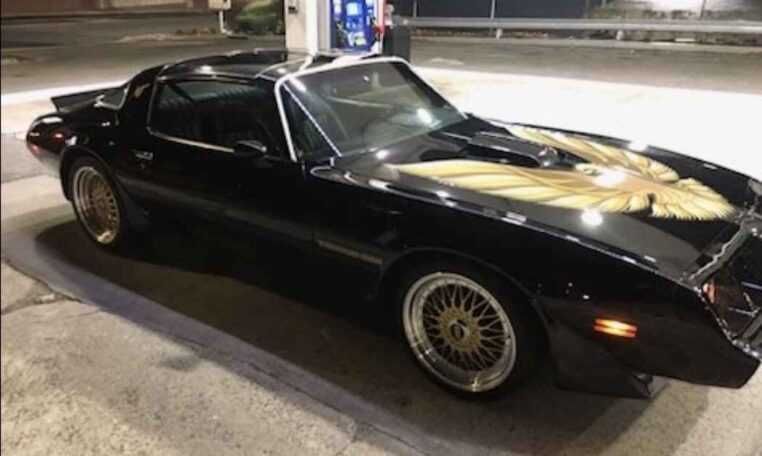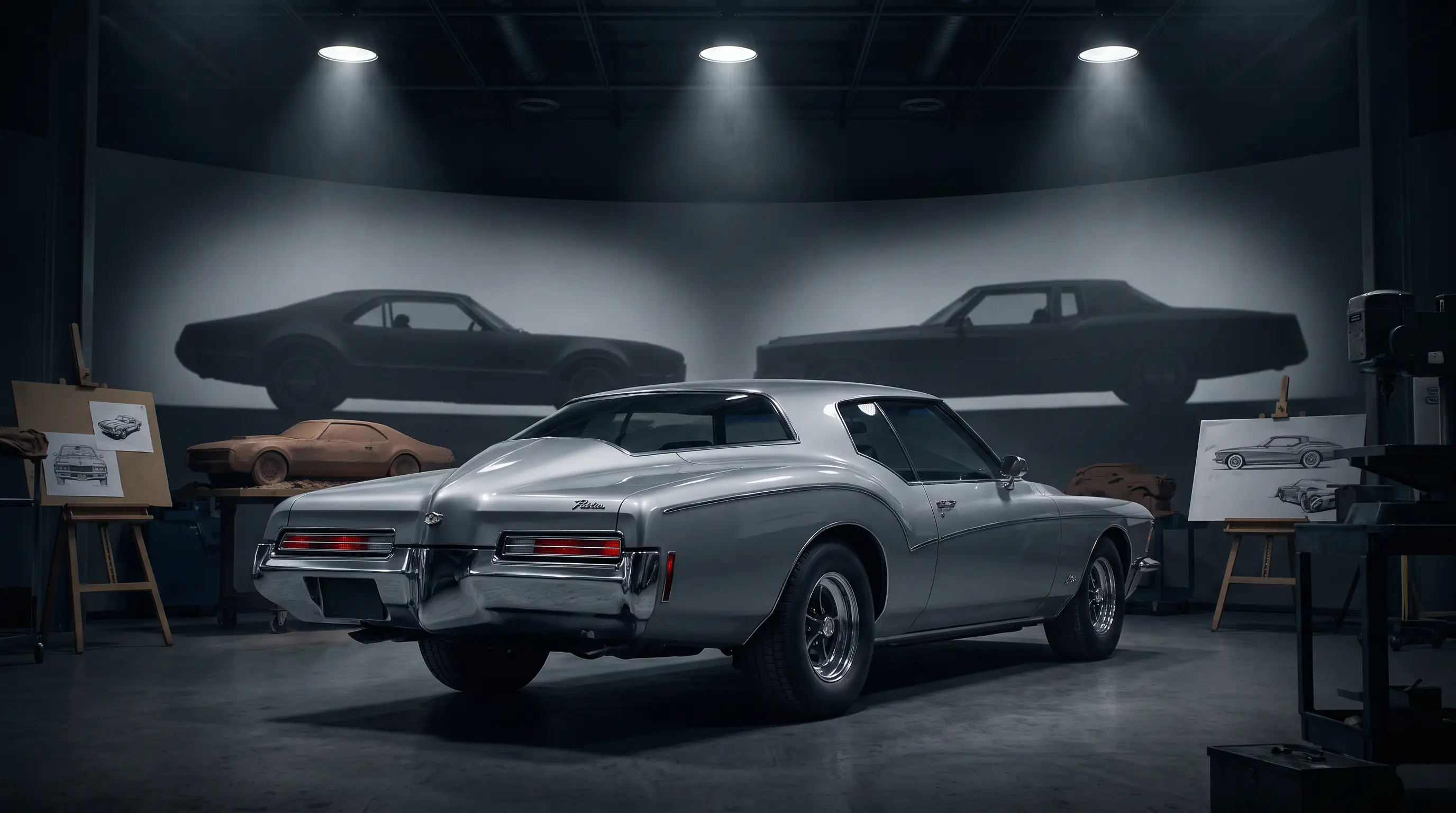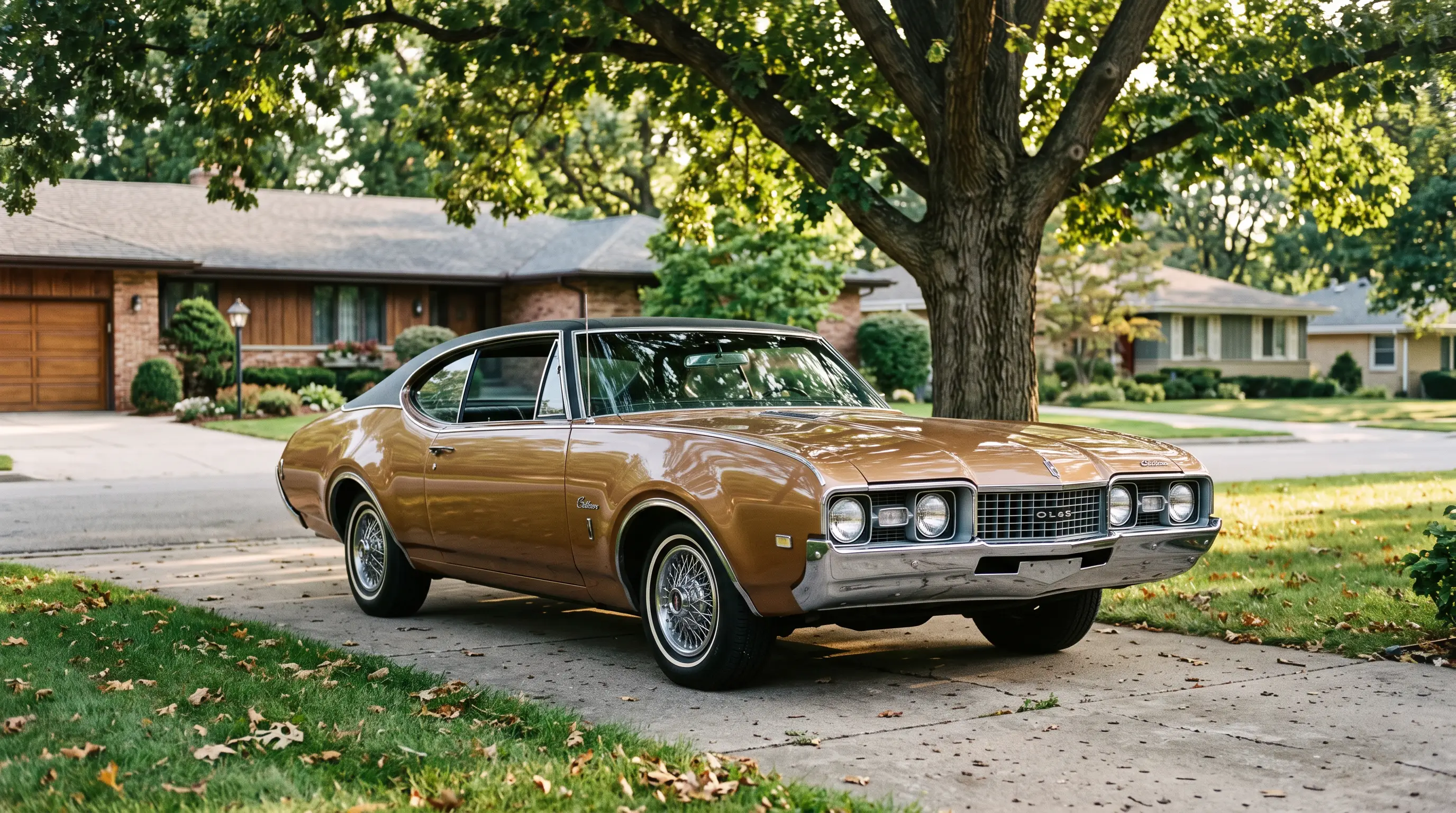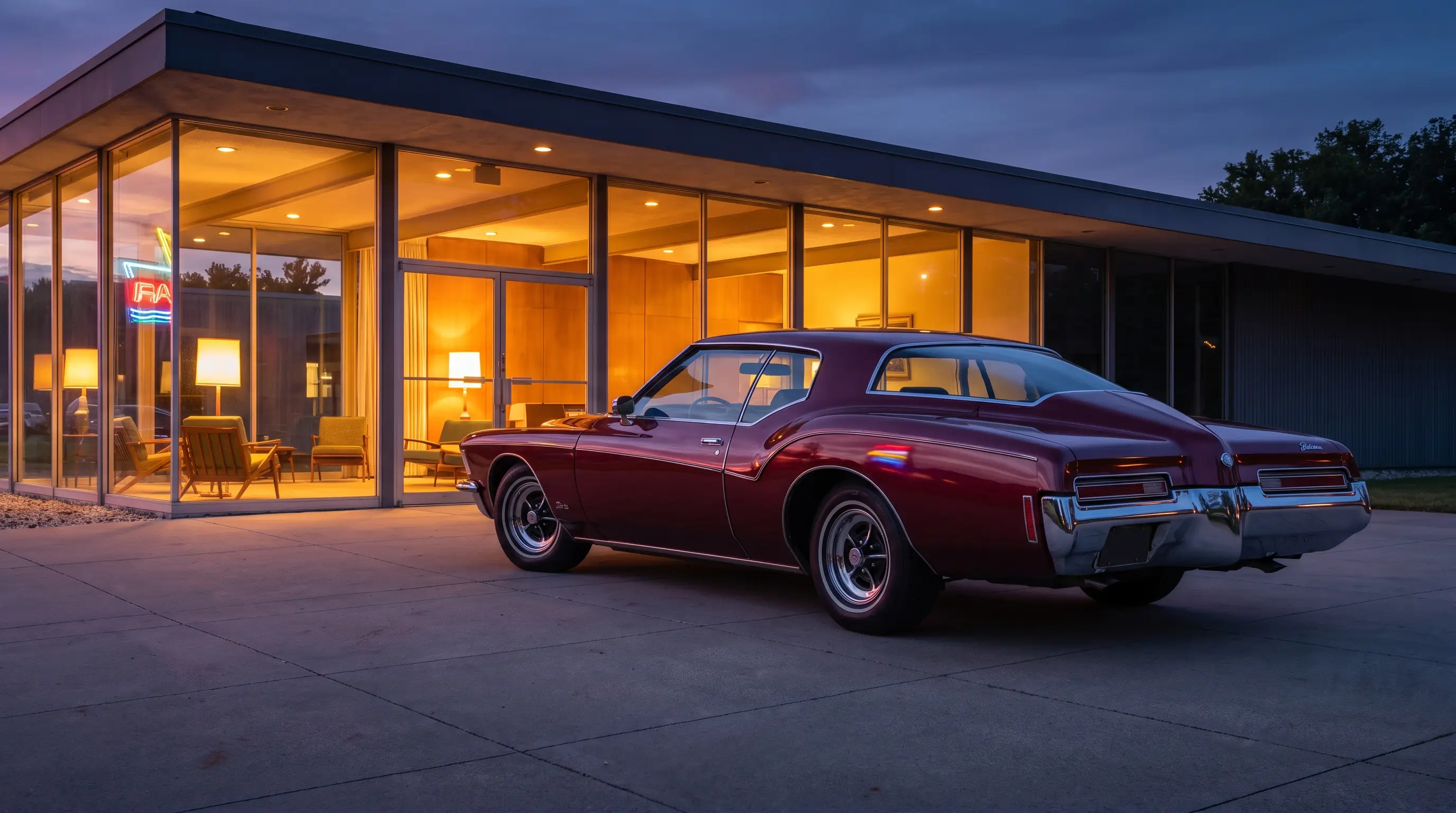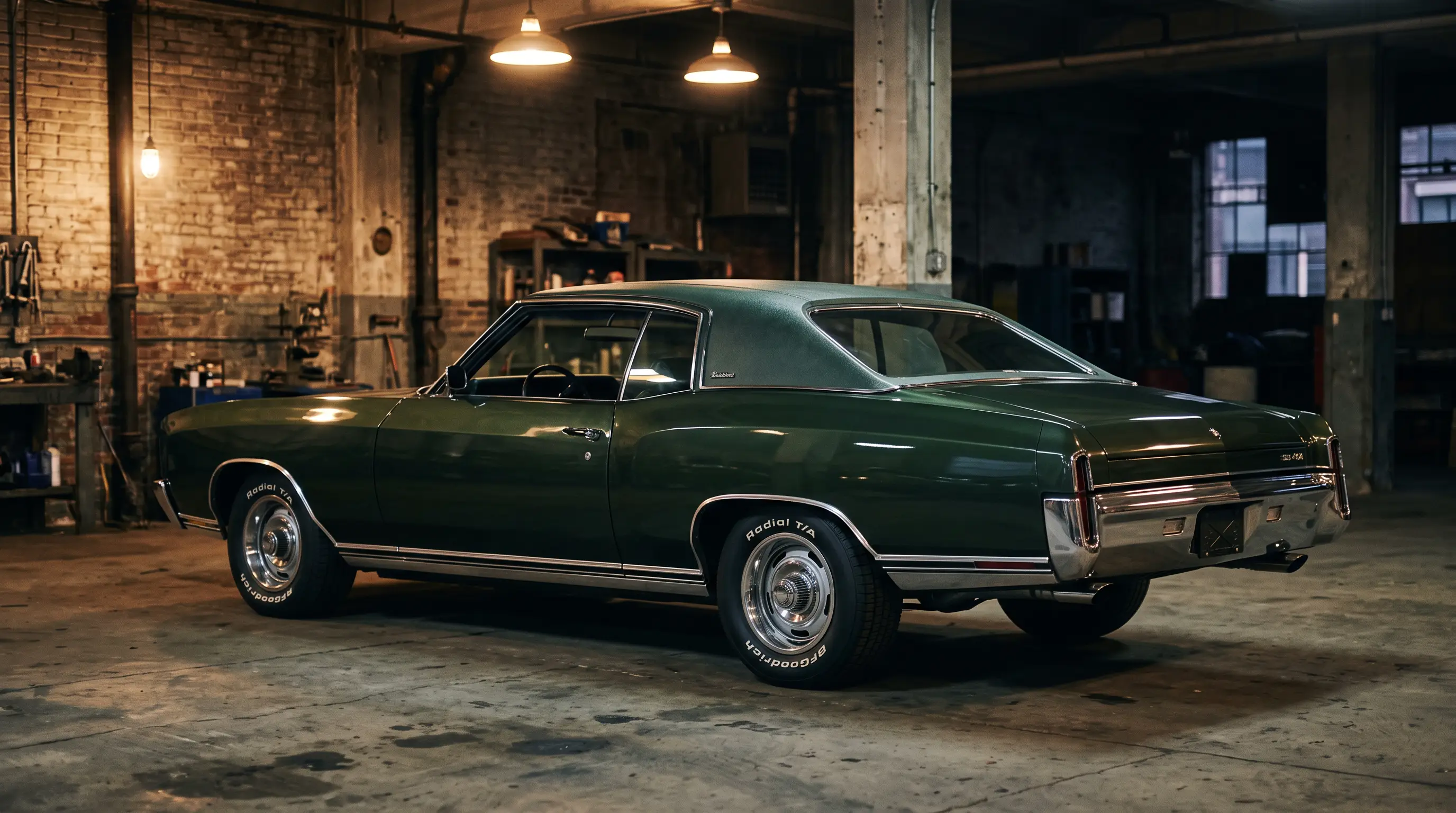
The firebird ws6 package is the one option that turned complaints about second-gen handling into something you could actually fix by checking a box on the order form. Before it existed, a Firebird with a big engine went straight fast and did not much like corners. After it existed, the same car started earning real praise from people who otherwise had no patience for American performance cars. That is not nothing, and it is worth understanding what it actually changed under the car rather than just repeating the reputation.
What WS6 actually added
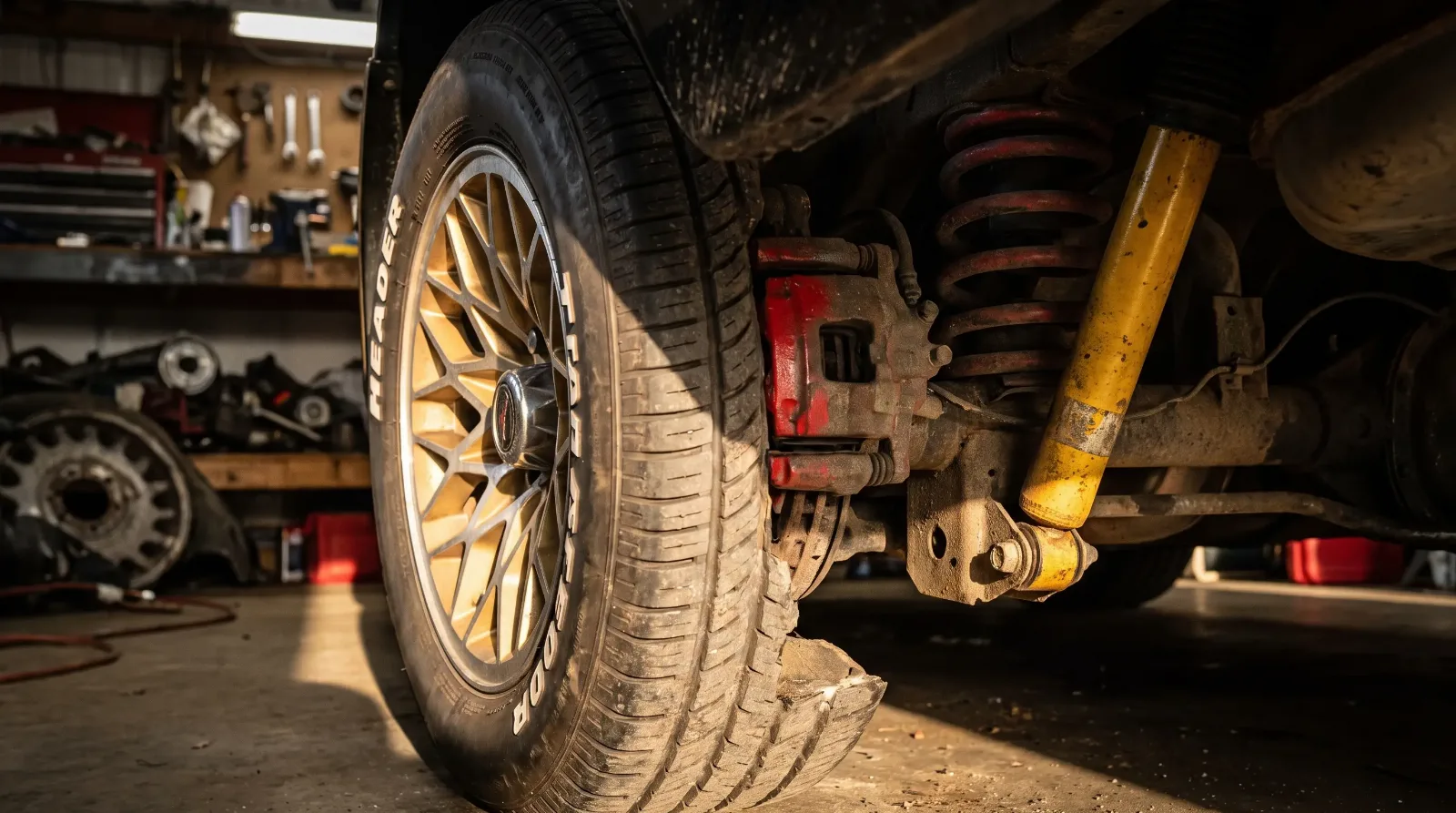
WS6 was a suspension and steering package, not an engine option, which is the first thing people get wrong about it. It bundled a specific set of components aimed squarely at handling: 15x8 snowflake wheels in place of the standard 15x7 fitment, a quicker 14:1 steering gearbox in place of the standard ratio, firmer shocks, and a beefed-up rear sway bar and polyurethane bushings compared to the standard setup. None of it touched horsepower. What it touched was how much of that horsepower you could actually use through a corner instead of losing it to body roll and vague steering.
That distinction matters when you are shopping. A WS6 car with a modest engine will out-handle a bigger-engined car without the package, and it will do it by a noticeable margin, not a marginal one. Guys who only look at the engine code on a build sheet miss this every time.
Why period reviewers actually noticed
Automotive press coverage from the era singled out the WS6-equipped cars for handling that competed favorably with imports costing far more. Car and Driver tested a 1978 Trans Am with the 400 cubic inch V8 and the WS6 package and came away calling it very sophisticated and impeccably well mannered, praise that was not the kind American performance cars had been getting through most of the decade. That reputation stuck, and it is a big part of why WS6-optioned cars carry a documented premium today over otherwise identical cars without the package.
The wheels alone tell part of the story. Larger diameter wheels allowed for a wider contact patch and better tire options than the standard fitment, and combined with the retuned suspension, the car simply had more grip available at the limit. It was not a subtle difference behind the wheel, and it was not a subtle difference in the reviews either.
| Component | Standard suspension | WS6 package |
|---|---|---|
| Wheels | 15x7 standard fitment | 15x8 snowflake wheels |
| Steering ratio | Standard power steering ratio | 14:1 quicker ratio for sharper response |
| Shocks | Standard tuning | Firmer, performance-oriented valving |
| Sway bars/bushings | Standard rear bar and bushings | Beefed-up rear sway bar, polyurethane bushings |
Living with a WS6 car day to day
The trade-off nobody advertises is ride quality. Firmer shocks and larger sway bars mean a WS6 car transmits more road texture to the driver than a standard-suspension Firebird, and on rough pavement that difference is noticeable within the first few minutes behind the wheel. Owners who bought these cars new for weekend canyon roads generally did not mind the trade. Owners looking for a comfortable daily cruiser sometimes did, and some of the WS6 cars that survive today have had their shocks quietly softened over the years by owners chasing comfort over cornering ability.
That is worth checking for specifically. A car with the WS6 badge and factory documentation but with non-original, softer replacement shocks is not delivering the driving experience the option was built around, even though the paperwork says it should. Ask when the shocks were last replaced and with what parts. A correct WS6 restoration uses period-correct valving, not whatever off-the-shelf shock happened to fit at the time of a routine service.
What to verify when a seller claims WS6
WS6 gets claimed more often than it is documented, since the components involved can be added later without much trouble and the badge or decal alone proves nothing. If a seller is asking a WS6 premium, ask for the build sheet or factory documentation that actually codes the option, not just a description of parts currently on the car. Aftermarket sway bars and bigger wheels look the part but do not carry the same value as a factory-optioned car with paperwork to back it up.
It is also worth driving the car back to back against a standard-suspension example if you can arrange it. The steering response difference is immediate, and if a car claiming WS6 feels no sharper than a standard car, that is a real red flag worth chasing before you agree on a price.
Tire choice is another tell. A genuine WS6 car benefits from tires that can actually use the sharper steering and firmer suspension, and an owner who understood what they had usually upgraded rubber accordingly over the years rather than running whatever budget tire was cheapest at replacement time. It is a small detail, but small details add up when you are trying to figure out whether a seller actually understands and has maintained what they are selling, or is simply repeating a badge they read about online.
Where WS6 fits in the bigger picture
The package only makes sense in context of the definitive Firebird era, when Pontiac was trying to answer criticism that these cars were straight-line specialists and nothing more. For the next story in this set, we move away from mechanical options into how paint and trim choices from the same years are shaping today's collector preferences, which is its own kind of value driver worth understanding.
"Guys spend all their money on the engine and none on the suspension, then wonder why the car scares them in a corner. WS6 is proof Pontiac knew better even if half their customers didn't ask for it."
— Mike Sullivan
If handling matters to you as much as straight-line speed, a documented firebird ws6 car is worth the premium sellers ask. Just make sure the paperwork backs up the badge before you pay for it.