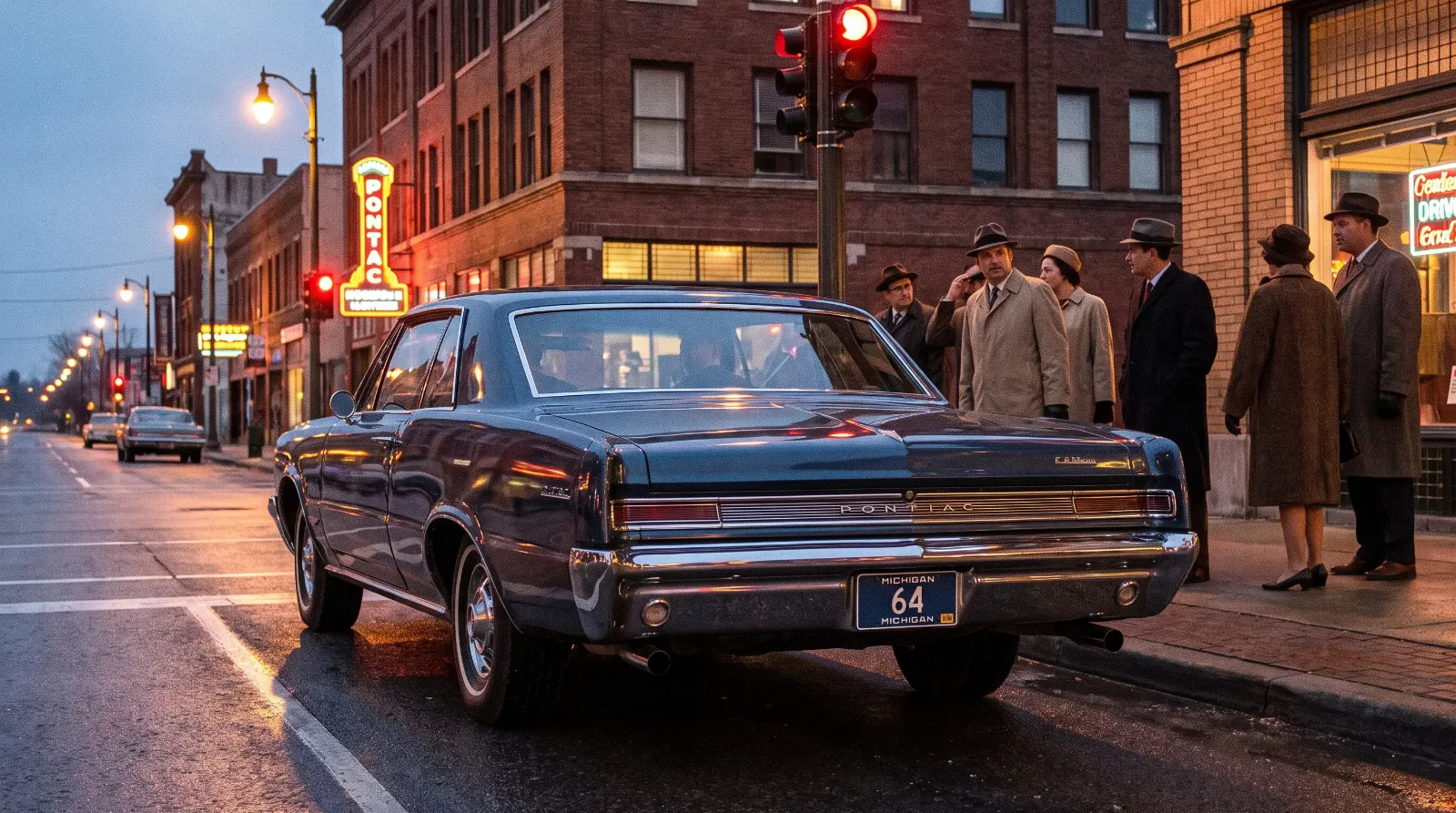
A young engineer stands on a Pontiac test track in late 1963, watching a car that is not supposed to exist yet pull away from a stoplight with a sound that does not match its modest LeMans sheet metal. Nobody in that moment used the words "muscle car." The term did not exist. What existed was a feeling, the kind that makes a bystander stop talking mid-sentence, and that feeling is really where this whole category of American car begins.
A category that needed a name
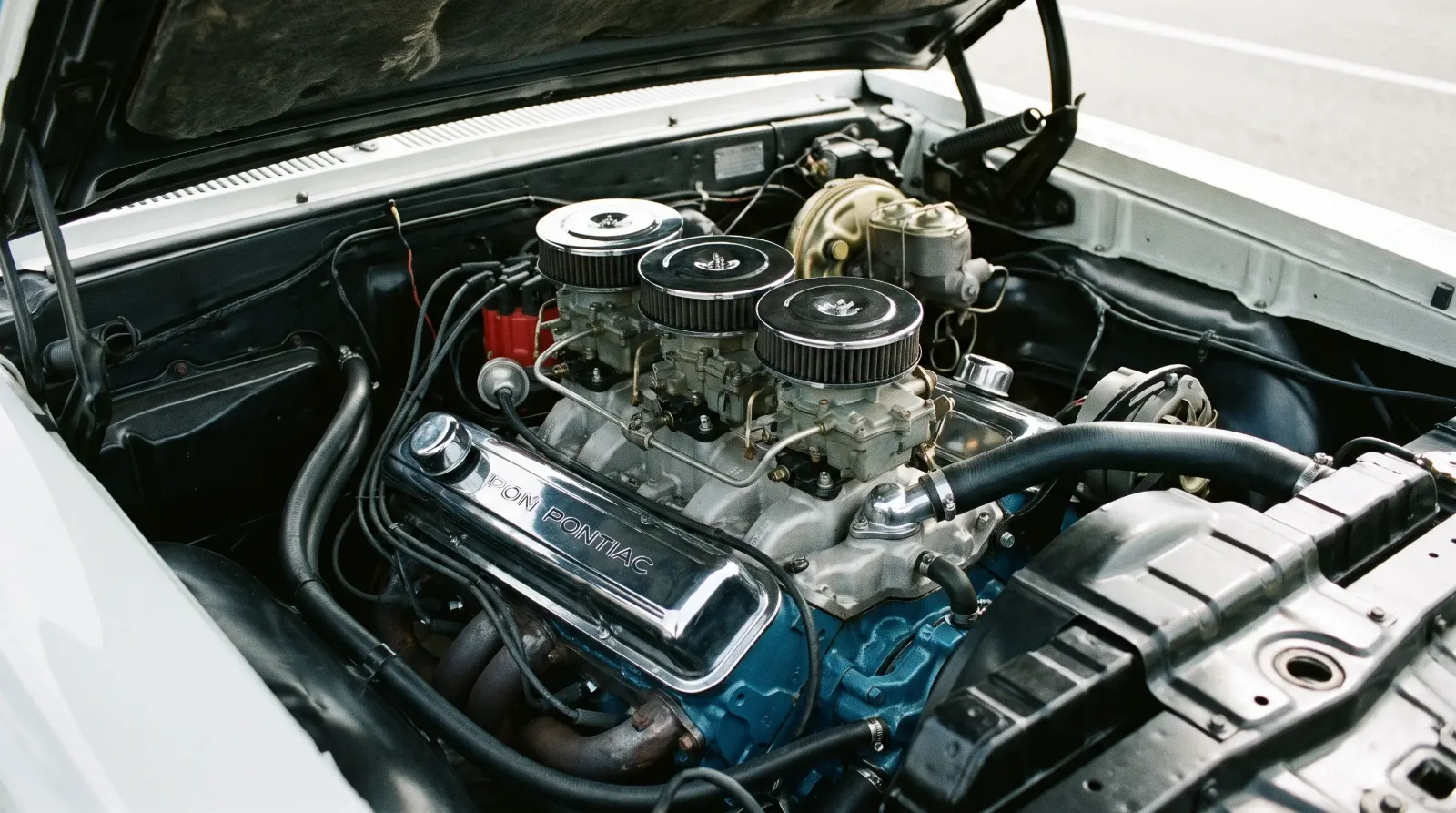
Big engines in mid-size bodies were not new by 1964. What was new, or at least new in the way that stuck, was doing it on purpose, as a marketed package, sold to ordinary buyers walking into a Pontiac dealership rather than built one at a time by a hot rodder in a garage. The GTO took a formula that had existed in scattered form, a big-block wedged into a lighter car, and turned it into something a person could order from a brochure. That is the piece that historians point to when they call it the first true muscle car: not the raw idea of power in a small package, but the decision to sell that idea to the general public as a factory product.
You can trace the whole chain of decisions that led to that moment in how the muscle car was born, which walks through the internal politics at General Motors that nearly kept this car from happening at all.
What made it different from what came before
Chevrolet had big engines. Ford had big engines. Even Pontiac itself had big engines in its full-size Catalina and Bonneville, cars that were plenty quick in a straight line. But those were large, heavy cars built for comfort and highway cruising first. The GTO's trick was weight. By putting a 389 cubic inch V8 into a car built on the smaller Tempest platform, Pontiac cut hundreds of pounds compared to a full-size car with the same engine, and that weight loss showed up immediately at the drag strip and on the street.
The other piece was price. A GTO-optioned LeMans landed within reach of a working buyer in a way that a full-size performance car, or an exotic import, simply did not. You did not need family money to own the fastest thing on your block. You needed a decent job and a willingness to check one box on the order form.
The engineers who made the case
None of this happens without people willing to argue for it inside a company that had its own rules about engine size in intermediate cars. The car's real origin sits less in marketing and more in a small group of engineers who saw an opportunity and pushed it through before anyone senior enough could veto it. Their story, and the specific workaround they used to get around GM's displacement limits, is worth its own telling; read on for how they pulled it off.
What the dealers saw before anyone else did
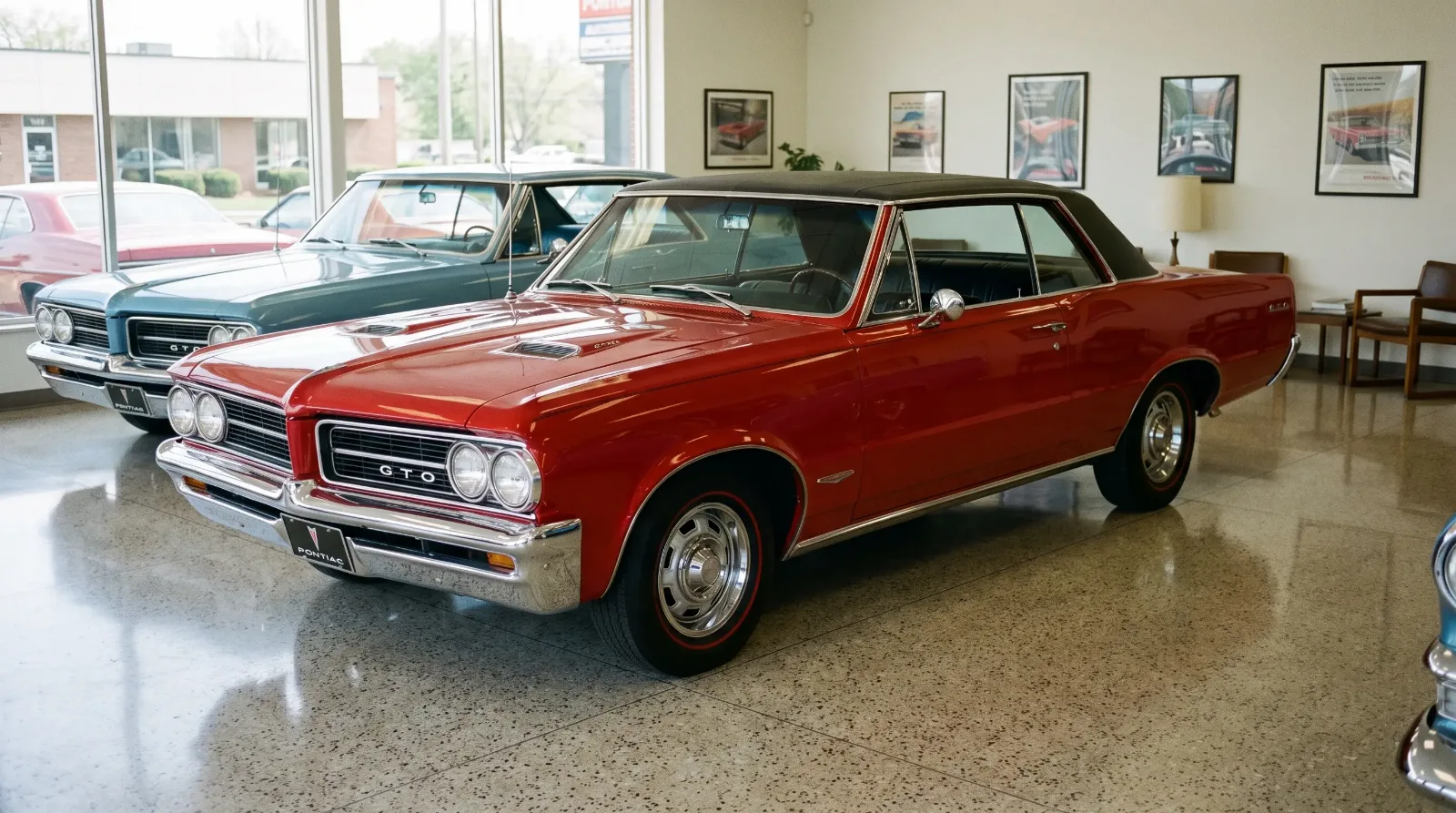
Ask anyone who was selling Pontiacs in early 1964 and you get a version of the same story. A GTO-equipped LeMans would sit on the lot for a day, maybe two, before someone drove it, and then it was gone. Salesmen who had spent years talking customers into a car started fielding customers who walked in already knowing the RPO code they wanted. That kind of demand does not show up in a market research report. It shows up on a showroom floor, in real time, and it is the reason so many dealers started ordering GTO-equipped LeMans cars in numbers well beyond what the factory had planned to allocate them.
Word of mouth did a lot of that work before national advertising caught up. A neighbor's GTO outrunning a full-size Bonneville at a stoplight was a more effective sales pitch in early 1964 than anything Pontiac had printed yet, and the car's reputation spread through exactly that kind of informal, person-to-person channel before the marketing department fully understood what they had. By the time Pontiac's ad campaigns leaned into the car's performance image later that year, the buying public had already made up its mind.
Why the label stuck
Plenty of cars claim to be first at something. The GTO's claim held up for a simple reason: everyone else in Detroit noticed how well it sold and built their own version within a couple of years. Oldsmobile had the 4-4-2. Chevrolet answered with the Chevelle SS 396. Plymouth and Dodge built their own big-engine mid-size cars soon after. An entire category formed in the GTO's wake, and when an industry organizes itself around copying one car's formula, that car earns the label of first, whether or not it was technically the very first big engine in a mid-size body ever built.
The counterarguments worth taking seriously
Not every historian signs off on the "first muscle car" title without pushback, and the disagreement is worth understanding rather than waving away. Some point to earlier full-size performance packages from the 1950s that also stuffed a big engine into a lighter-than-average body, arguing the formula existed well before Pontiac formalized it. Others note that Chrysler had its own big-engine performance cars on the market before 1964, cars that could out-accelerate plenty of what Detroit was building at the time. Both arguments have some merit on the facts.
Where those arguments tend to fall short is scale and intent. A handful of earlier big-engine specials, built in small numbers or aimed at a narrow enthusiast audience, did not organize an entire industry segment around themselves. The GTO did, within a couple of model years, and that downstream effect, other manufacturers rushing to build their own version of the same formula, is what separates a genuine category starter from an interesting one-off. Historians who insist on strict chronological firsts are answering a different question than the one most people are actually asking when they call the GTO the first muscle car.
What it means for a car sitting in a garage today
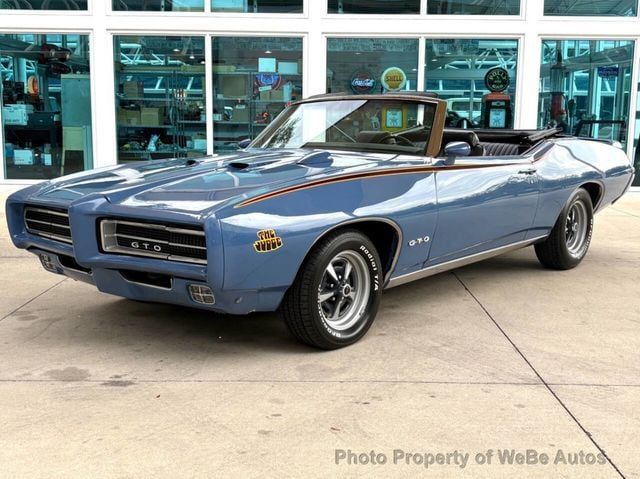
None of this history changes the sheet metal or the numbers on a build sheet, but it changes how a person should think about the car sitting in front of them. A first-year GTO carries the weight of starting something, and that history is part of what a buyer is paying for when they write a check for one today, alongside the metal and the engine and the paperwork.
It also raises the stakes on documentation in a way that later muscle cars do not carry quite as heavily. A 1964 GTO with a verified build sheet is not just a well-optioned old Pontiac. It is a physical artifact from the exact moment a category of American car came into being, and buyers who understand that history tend to pay for it accordingly, provided the paperwork backs up the claim.
"People ask me what made the GTO different, and I always come back to the same answer. It wasn't the fastest thing on the road in 1964. It was the first fast thing you could actually afford, and that changed who got to be part of the story."
— Patrick Walsh
The distinction between "first fast car" and "first muscle car sold as a package" matters more than it sounds, and it is the reason this particular Pontiac gets the credit that a dozen earlier hot-engine-in-a-light-body experiments never received.