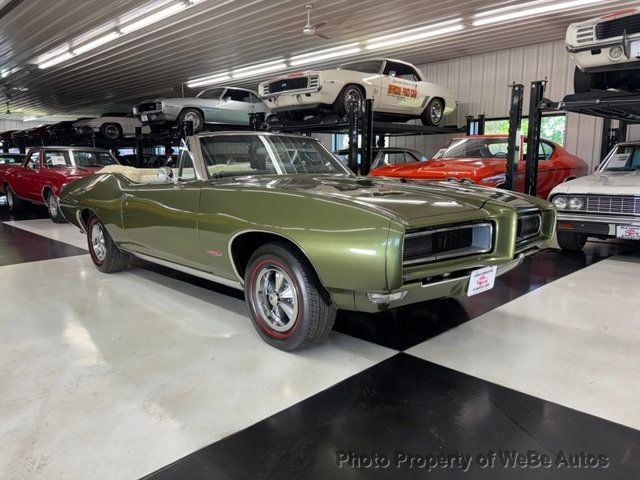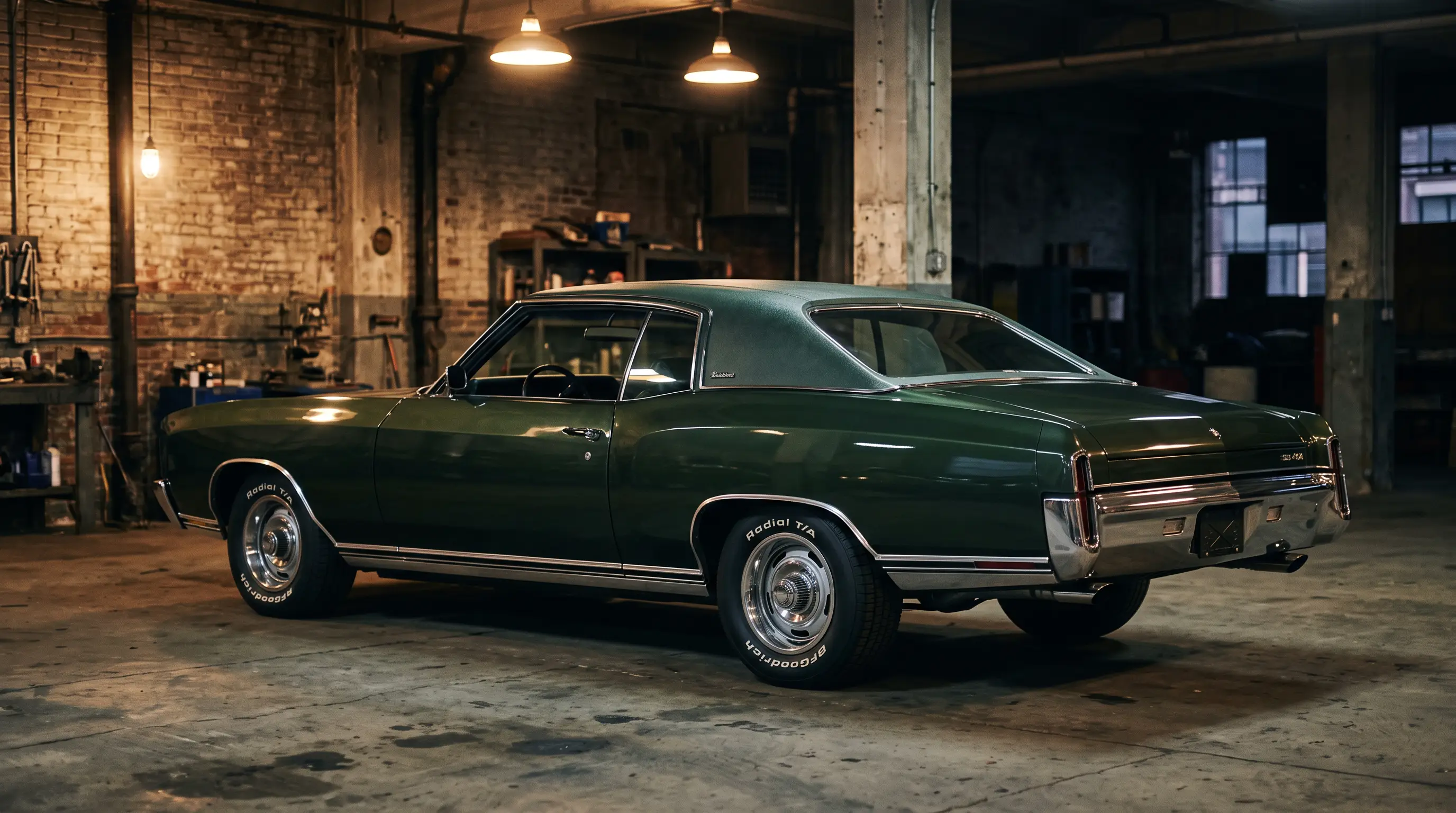
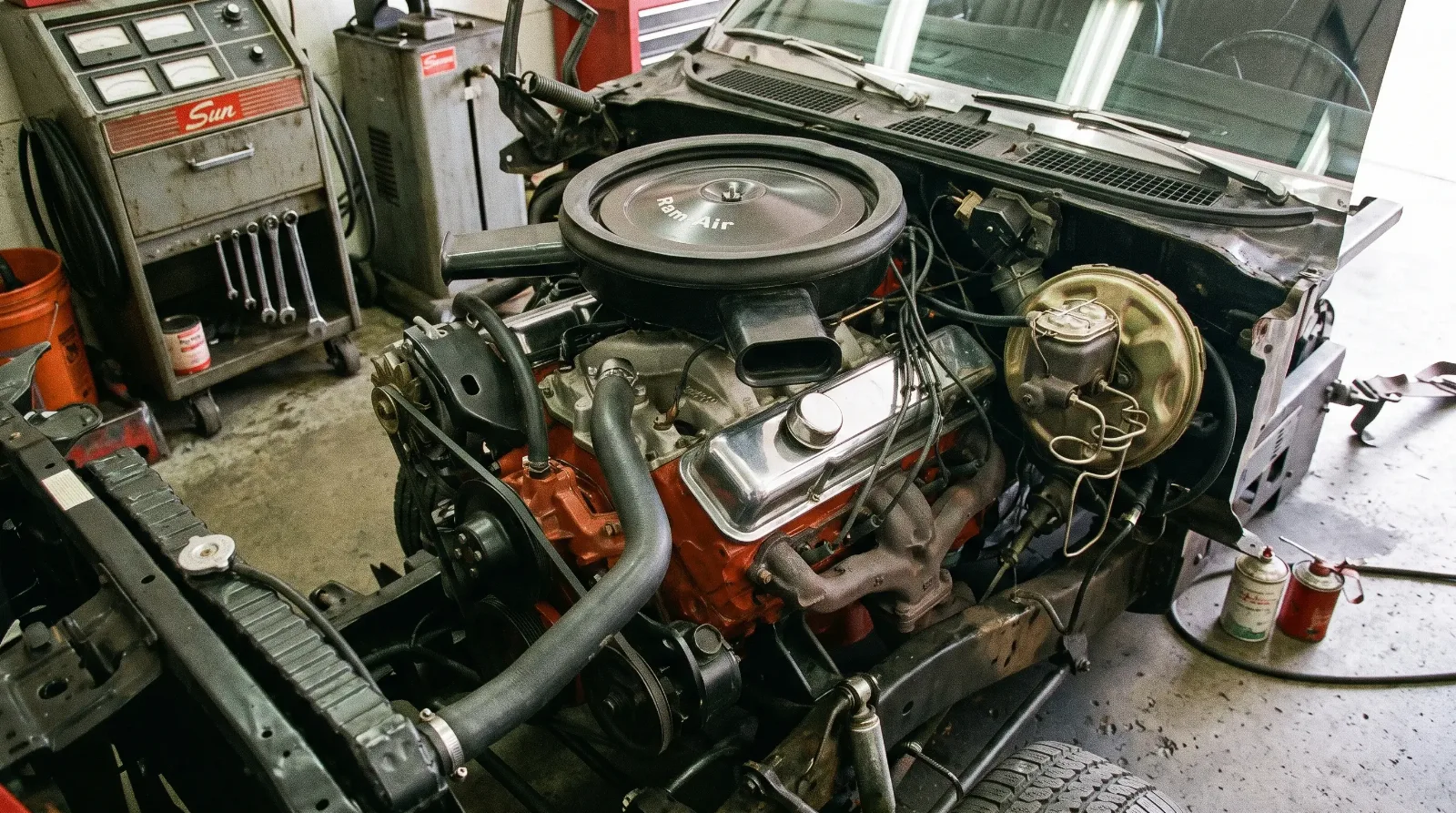
Look at a spec chart for a 1972 GTO next to a 1969 GTO and the numbers seem to tell a clear story of decline. The later car looks weaker, sometimes dramatically so, and it's tempting to conclude the muscle car era just ran out of steam by the early 1970s. Part of that conclusion is true. Part of it is an accounting trick, and separating the two matters if you're actually trying to understand what these cars can do.
What "gross" horsepower actually measured
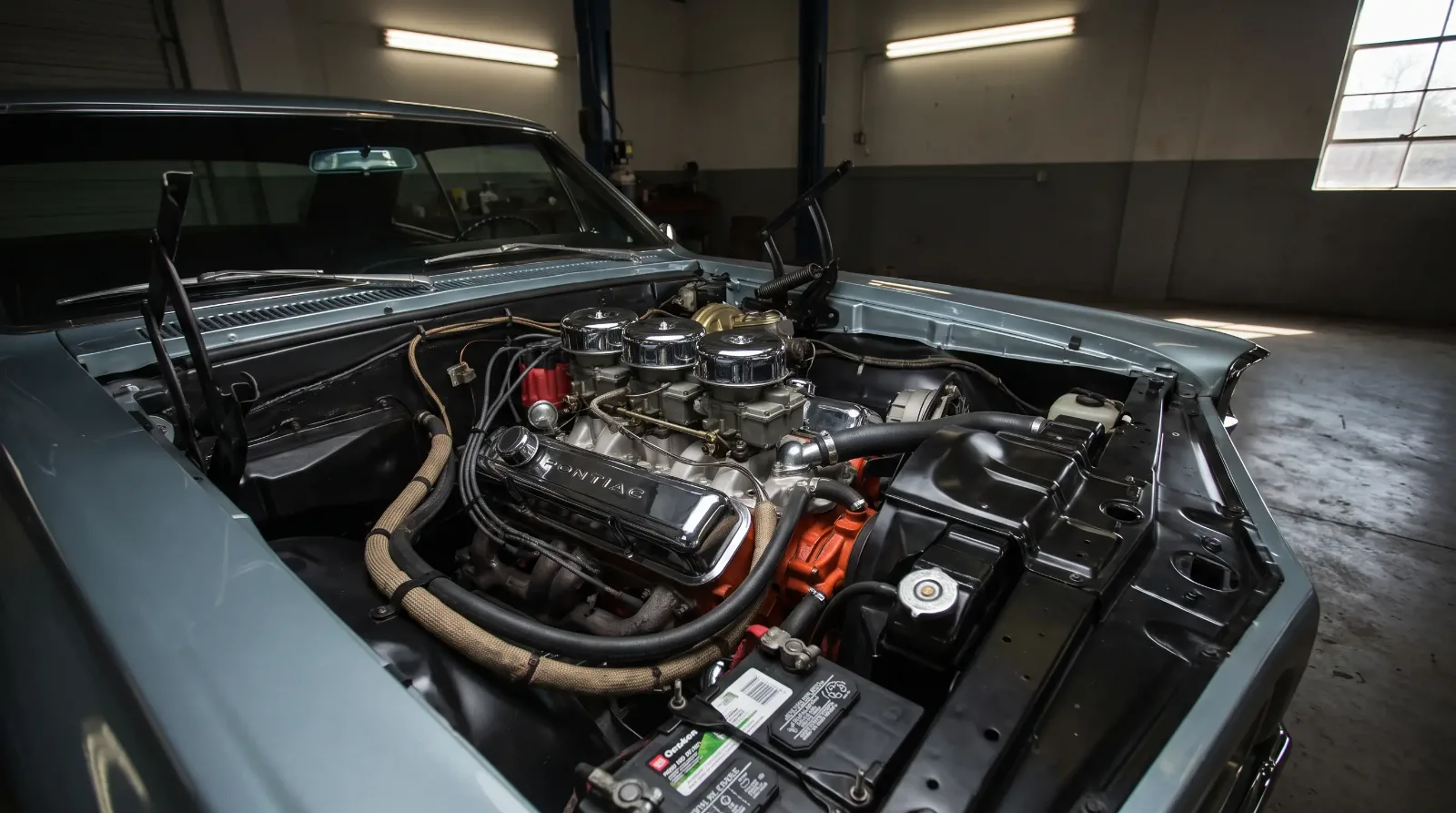
Through the 1960s, American automakers rated engine horsepower using a gross measurement standard. The engine sat on a test stand, stripped of the accessories it would carry once installed in an actual car: no alternator or generator load, no water pump in some testing configurations, open headers instead of a full exhaust system, and often no air cleaner restricting intake flow. That's about as favorable a testing environment as an engine can get, and it produced numbers that flattered the engine's real-world output in a real, installed car.
This wasn't dishonest by the standards of the era. Every manufacturer used the same basic approach, so gross horsepower comparisons between competing brands were at least apples to apples, even if the number didn't match what a car actually made sitting in traffic with the air conditioning running and a full exhaust system fighting back pressure.
What changed in 1972
Starting with the 1972 model year, the industry, under pressure from evolving SAE testing standards and a push toward numbers that meant something to real consumers, switched to net horsepower ratings. Net testing put the engine in a much more realistic configuration: full exhaust system, all accessories installed and running, air cleaner in place, essentially as close to how the engine actually operated in the finished car as a dyno test could reasonably simulate.
The result was an immediate, dramatic drop in published horsepower figures across the entire industry, GTO included, even in cases where the underlying engine hardware changed very little between the last gross-rated year and the first net-rated year. A GTO's 400, for instance, might carry a gross rating in the mid-300s one year and a net rating well below that the very next year, despite minimal mechanical changes to the engine itself. That's the accounting trick. The engine didn't necessarily get that much weaker. The ruler measuring it changed.
| Rating standard | Years used | Test configuration |
|---|---|---|
| Gross horsepower | Through 1971 | Bare engine, no accessories, open exhaust |
| Net horsepower | 1972 onward | Fully installed, all accessories, full exhaust |
Why this doesn't mean 1972-and-later GTOs are secretly as fast
It's important not to overcorrect here. The rating change explains a meaningful chunk of the apparent horsepower drop after 1971, but it doesn't explain all of it. Real changes were happening to these engines at the same time: compression ratios were coming down to accommodate lower-octane unleaded fuel, and early emissions control equipment was starting to choke off some of the free-breathing character that defined the late-1960s high-compression engines. A 1973 GTO genuinely does make less real power than a 1969 Ram Air car in most comparisons. The rating change just makes that real gap look bigger than it actually is on paper.
"I get asked all the time why a '69 shows 366 horsepower and a '72 with basically the same block shows 250. It's not that the '72 got weak overnight. It's that we started measuring the engine the way it actually sat in the car instead of stripped naked on a test stand. Real number, different ruler."
— Dan Reeves
Torque ratings tell a similar story
Horsepower isn't the only figure that shifted with the 1972 changeover. Torque ratings dropped in the same way and for the same reason, and it's worth remembering when a GTO's rated torque number looks surprisingly modest for a big-inch V8. A net-rated torque figure on a 1972 or 1973 455, for example, can look unimpressive sitting next to a gross-rated figure from a 1970 455 despite the two engines sharing most of the same basic hardware. Buyers evaluating a car based on torque figures alone run into the identical trap as those focused only on horsepower, and the fix is the same: know which standard produced the number before drawing conclusions from it.
This also explains part of why period road tests and modern owner impressions of early-1970s GTOs sometimes contradict the spec sheet. A magazine writer strapping a fifth wheel to a 1973 GTO with a net-rated 250-horsepower 455 might come away impressed by how the car actually pulls, because the real-world torque and power delivery don't feel nearly as diminished as the number on paper suggests. Trust a documented dyno pull or a magazine's measured acceleration numbers over a bare rated horsepower figure whenever you can find one, especially for cars built right around the 1972 transition.
How this affects buying and valuing a GTO
For collectors and buyers, understanding gross versus net matters most when comparing a car's factory rated horsepower across different years as a shorthand for desirability or performance. Two GTOs with genuinely similar real-world output can show wildly different numbers on their build sheets purely because of when they were built relative to the 1972 changeover. Relying on rated horsepower alone, without accounting for which standard produced that number, leads buyers to either overvalue an early car's advantage or undervalue a later car's actual capability.
The broader lesson extends past just the GTO. Any comparison across the muscle car era that crosses the 1972 line needs this context, and it's one of the most common points of confusion for newer collectors who assume horsepower numbers are directly comparable across the full run of any model. Pontiac's engines, and the way GTO powertrains evolved across a full decade of production, only make sense once you know which ruler was being used to measure them in any given year.
Beyond horsepower ratings entirely, the transmission a GTO left the factory with shapes how all that power actually reaches the road, and the four-speed manual has its own story worth understanding on its own terms as part of a complete picture of how these cars performed in period, and read on for the full story of the Muncie four-speed and what made it the transmission enthusiasts still chase today.