
Start with the result: the GTO's whole reputation was built on one basic V8 that Pontiac kept enlarging and re-tuning for a decade. Not a family of different engines. One architecture, stretched from 389 cubic inches to 455, wearing different heads, cams, and induction depending on the year and the budget. That is why parts interchange so well and why these engines are so rebuildable today. Understand the one engine and you understand all of them.
Car Features
10 min read
Pontiac GTO Engines: From 389 Tri-Power to Ram Air IV and 455
The GTO's reputation rode on one V8 stretched from 389 to 455. A straight guide to Tri-Power, the 400, Ram Air, and the truth behind the horsepower.
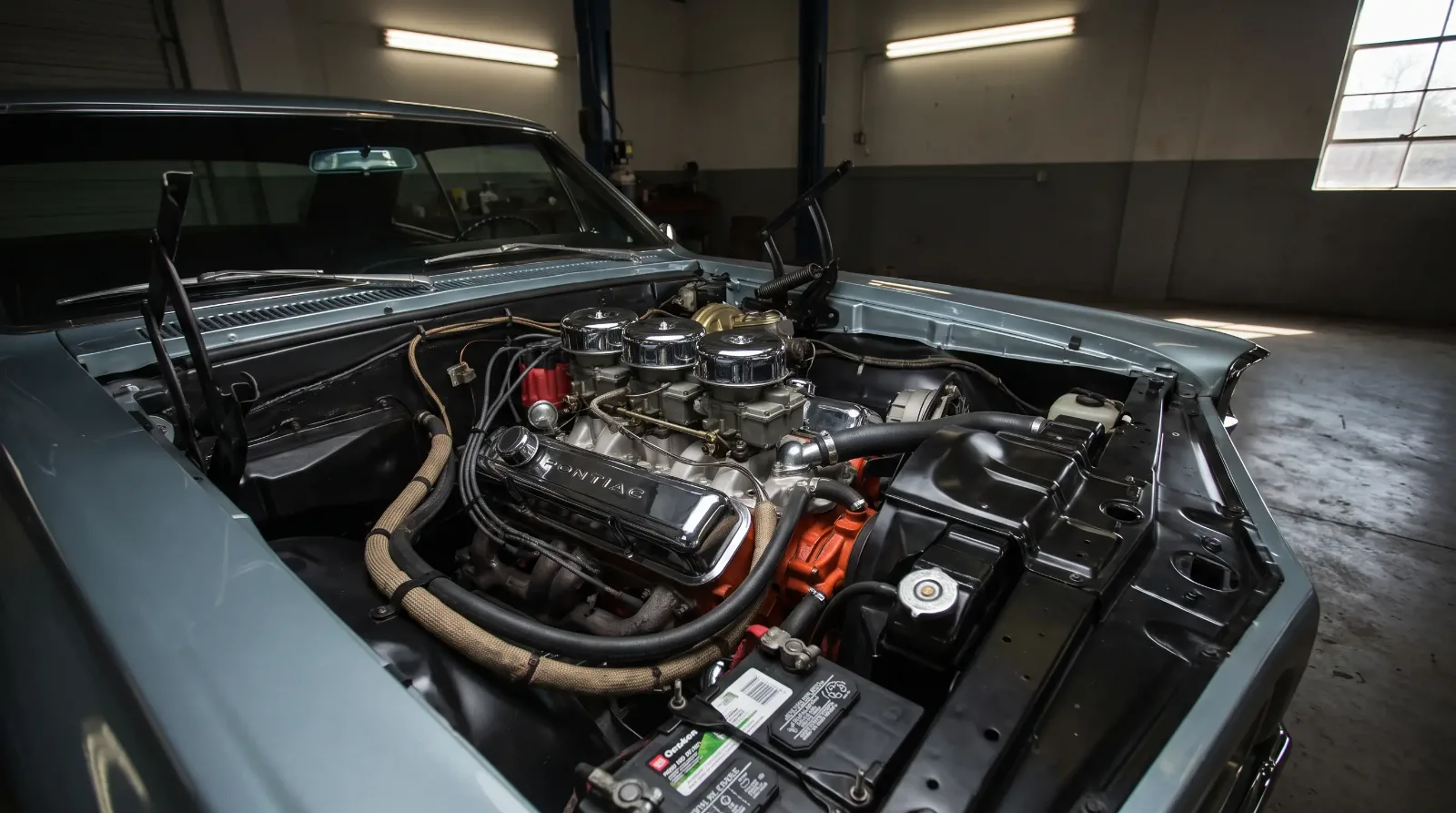
What people get wrong is the horsepower. The catalog numbers from this era are gross ratings, measured on a bare engine with no accessories and open exhaust. The number at the wheels was always lower. So when I give a figure here, take it as the period gross rating unless I say otherwise, and knock a meaningful chunk off it for what the car actually put down. Let me go engine by engine. For where these engines sit in the bigger picture, there is the full Pontiac GTO story.
The 389: where it started
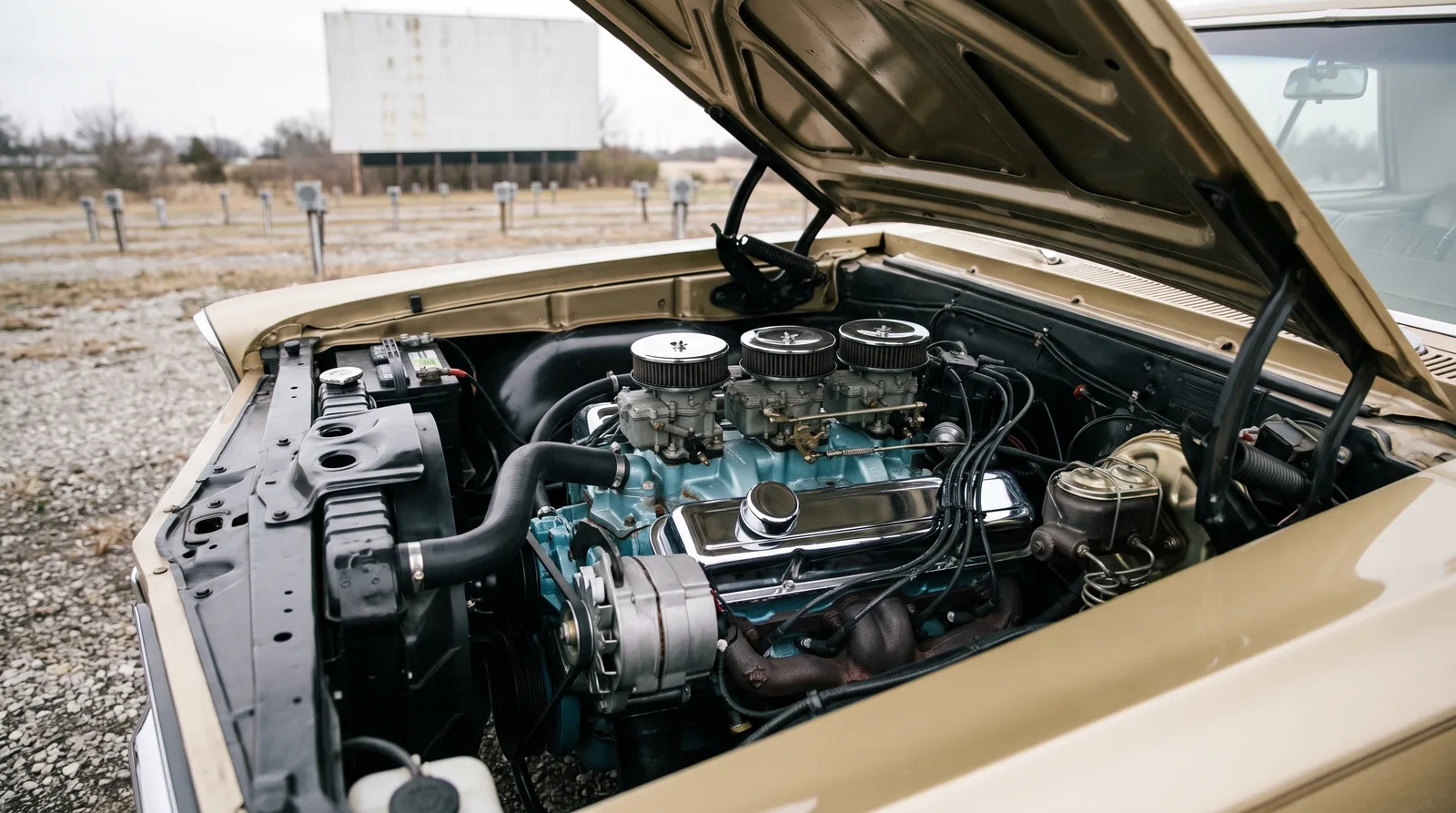
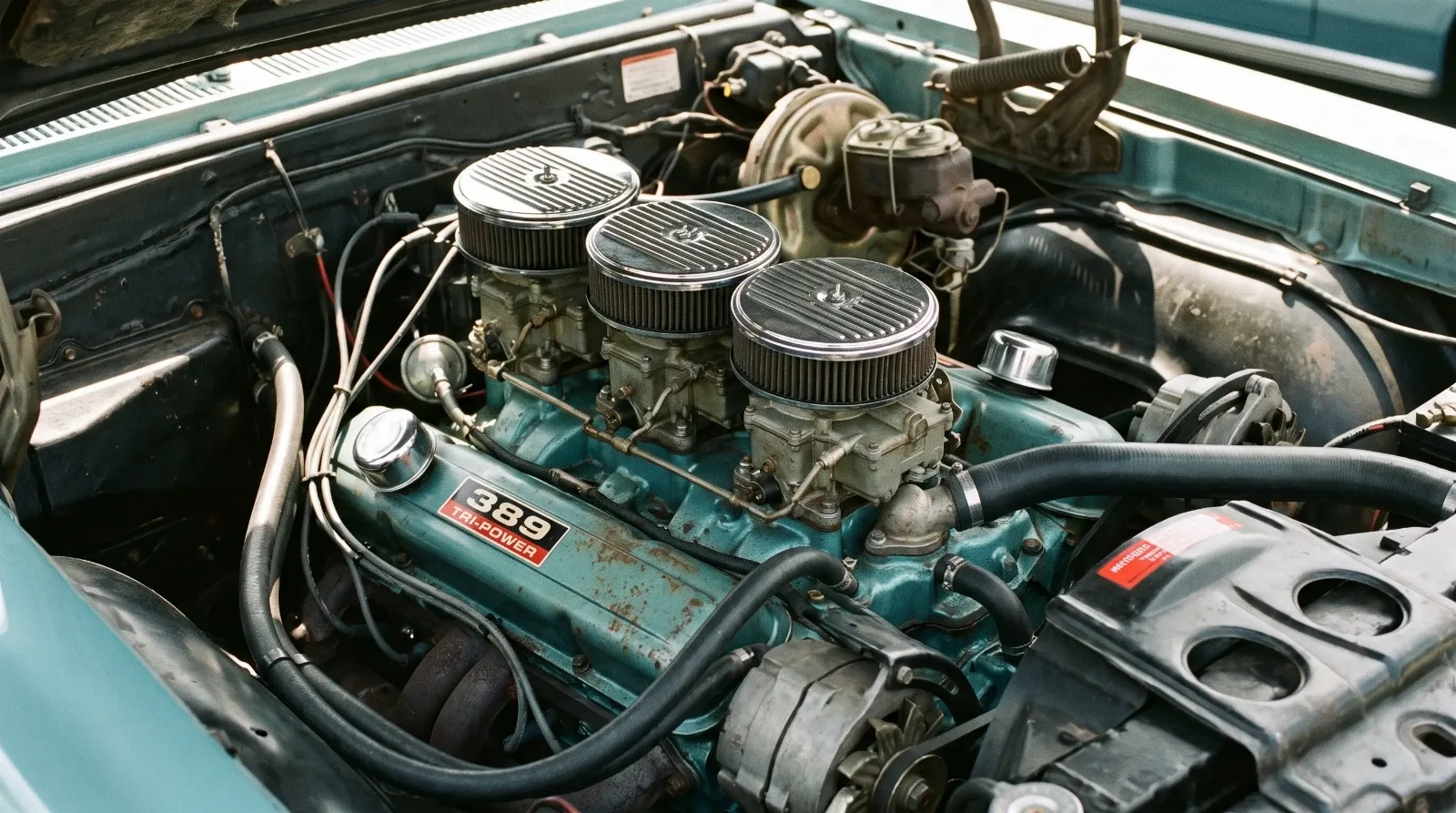
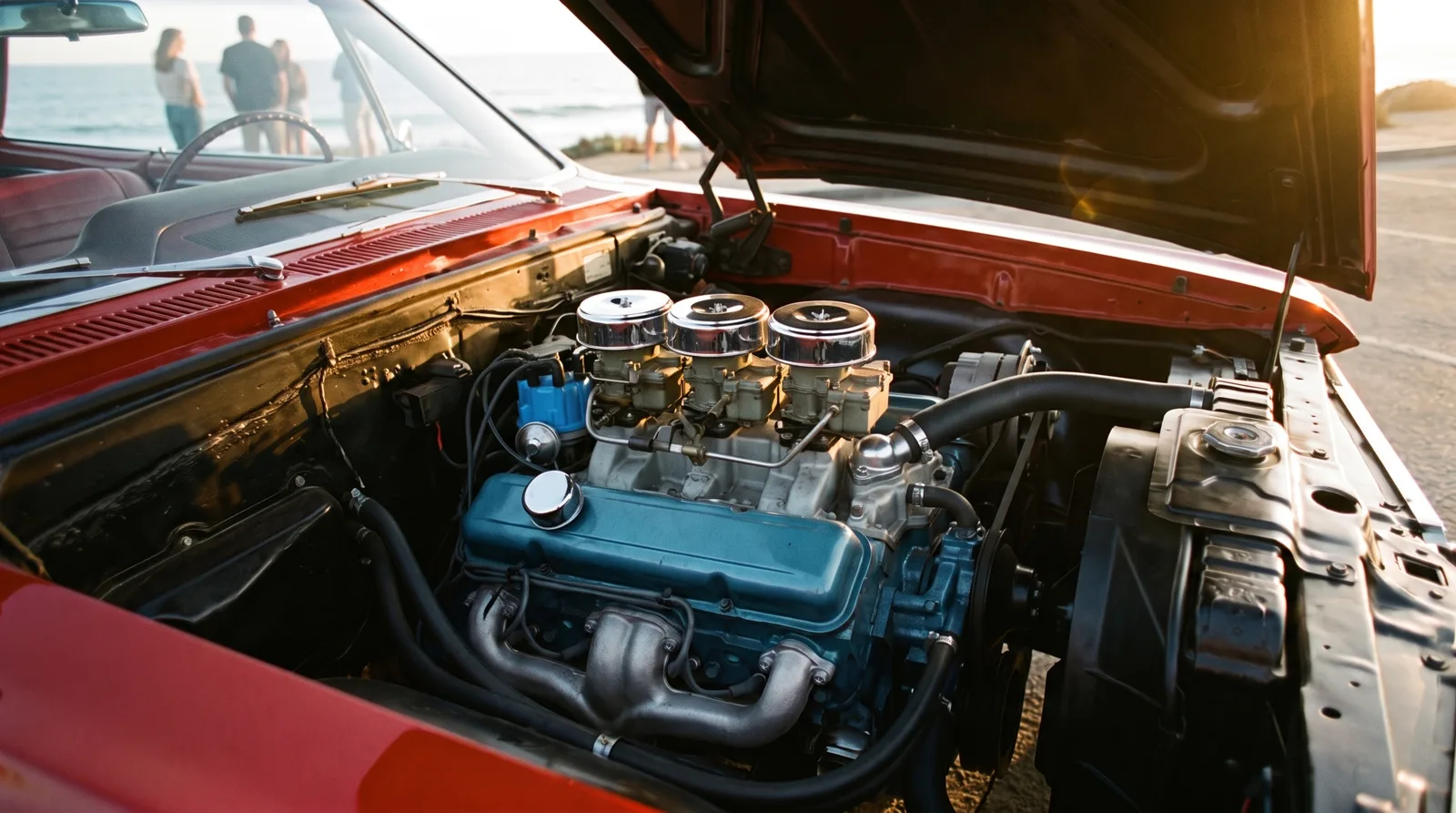
The 1964 and 1965 GTO ran the 389 cubic inch V8. Two versions mattered: the single four-barrel and the Tri-Power. The four-barrel car was rated at 325 hp and the Tri-Power at 348 hp in 1964 gross figures, and both climbed for 1965 to 335 and 360 hp. Those numbers sound close and they were, but the Tri-Power's advantage was in how it delivered at wide-open throttle, when all three carburetors were feeding.
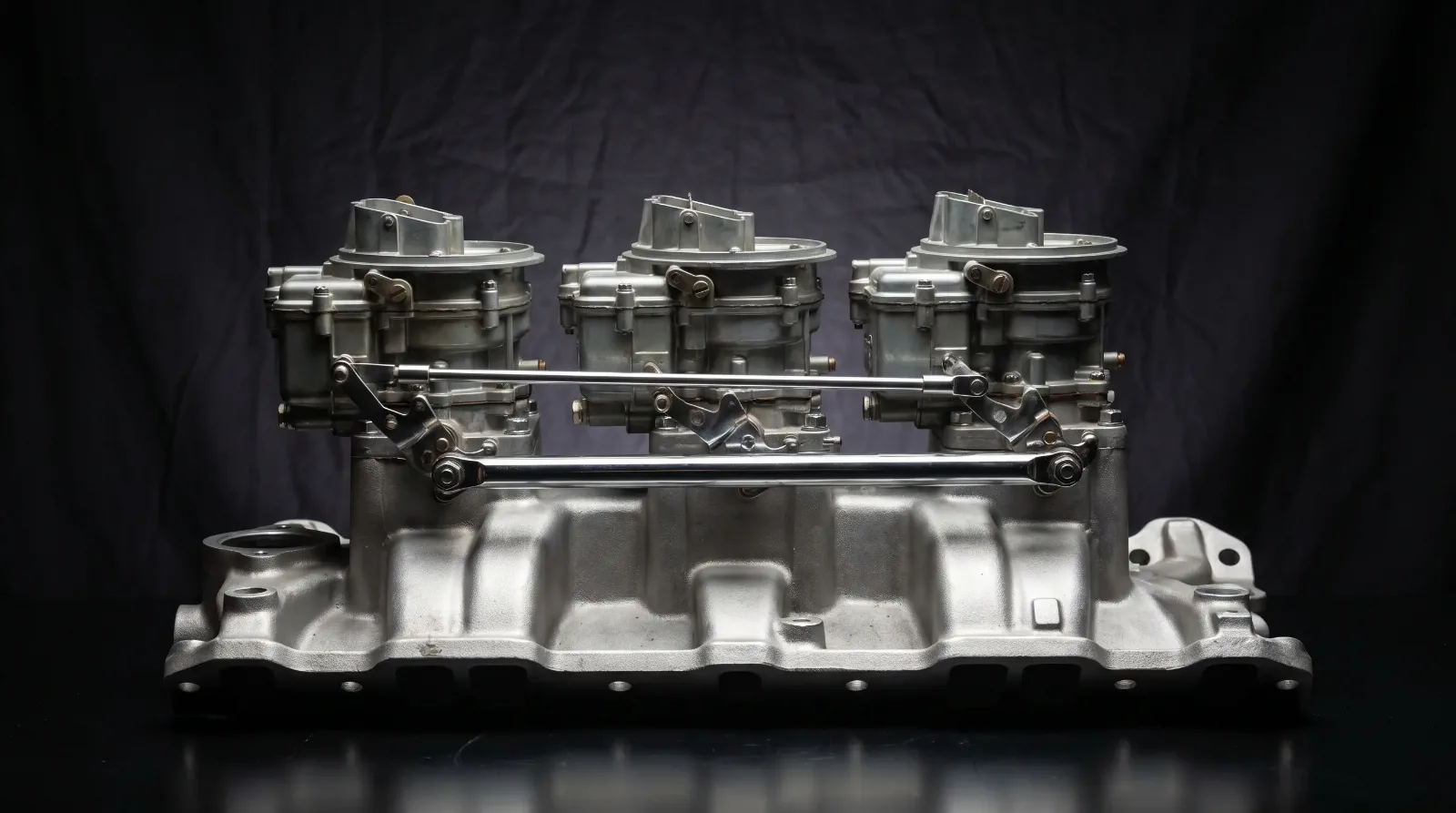
Here is the honest part on Tri-Power. When set up correctly it made real, usable power. When set up wrong, and a lot were, it was a tuning headache of progressive vacuum linkage that the average mechanic could not sort. That is the trade. You get the collector cachet and the top-end pull, and you take on a fussier fuel system. A Tri-Power car that idles and transitions cleanly has been dialed in by someone who knew the linkage. That is worth paying for.
"Tri-Power made the numbers when it was right. The problem was how often it was wrong. A three-carb setup that runs clean is a sign somebody competent owned that car. A stumbling one is a project, no matter what the badge says."
Dan Reeves
The 400: the workhorse
For 1967 Pontiac bored the 389 out to 400 cubic inches, and the 400 became the standard GTO engine from then through the early 1970s. This is the engine most classic GTOs carry, and it is the one I steer people toward if they want the muscle car experience without the Tri-Power tax or the big-block thirst.
The 400 came in a range of tunes. There was an economy version, the standard four-barrel rated around 335 to 350 hp depending on year, a high-output version, and the Ram Air engines on top. The switch from the 389 also killed Tri-Power. A General Motors corporate decision restricted multi-carb setups, so from 1967 the top 400s used a single big four-barrel. In practice the four-barrel was easier to keep in tune and gave up little on the street.
Ram Air: what the name actually means
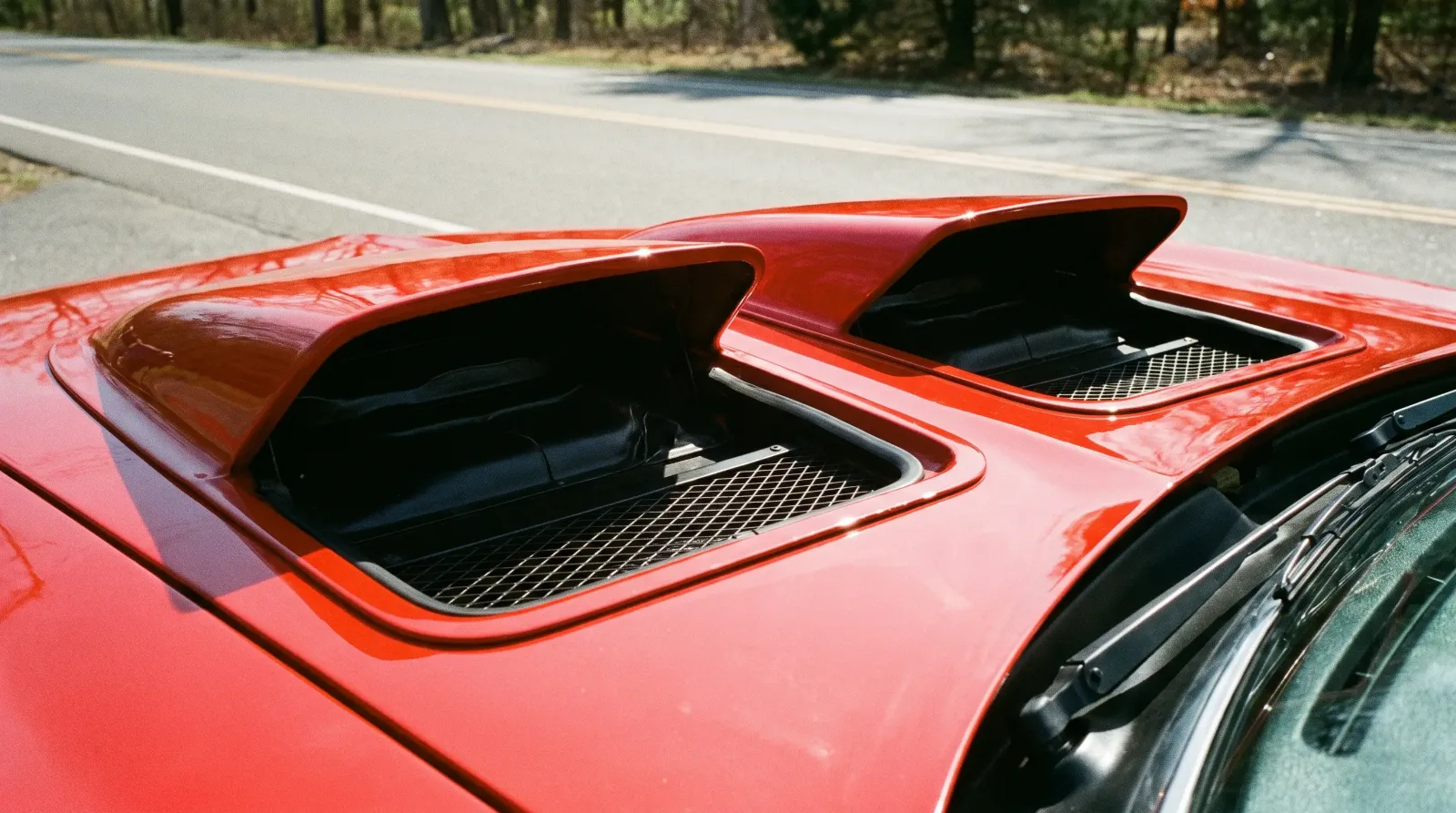
Ram Air is the part people throw around loosely, so let me be precise. Ram Air on these cars means functional cold-air induction: the engine draws cooler outside air through a hood scoop or ductwork instead of hot underhood air. Cooler, denser air makes more power. Pontiac built a series of Ram Air engines on the 400 through the late 1960s, and they carried hotter cams, better heads, and the cold-air setup.
The series climbed to the Ram Air IV, the top of the 400-based performance engines, with round-port heads and the most aggressive cam and head package of the group. On paper the Ram Air engines were rated close to the standard high-output 400s, the Ram Air III at 366 hp gross and the Ram Air IV at just 370, and that is the giveaway that the gross ratings were being managed for insurance and marketing reasons. The Ram Air IV in particular is widely believed to have been underrated from the factory, making more real power than its published number suggested. On the street and the strip it was the strongest of the 400s.
| Engine | Years (in GTO) | Notes |
|---|---|---|
| 389 four-barrel | 1964-1966 | 325 to 335 hp gross |
| 389 Tri-Power | 1964-1966 | 348 to 360 hp gross; last year 1966 |
| 400 four-barrel | 1967-early 1970s | Around 335-350 hp gross; the workhorse |
| Ram Air series | Late 1960s | Functional cold air, up to the 370 hp Ram Air IV |
| 455 | 1970 onward | Big torque; peak displacement |
The 455: torque over revs
For 1970 the 455 cubic inch V8 arrived. This is the biggest engine the GTO ever carried, and its character is different from the 400s. The 455 was about torque, not high-rpm power. It pulled hard from low in the range and made the car feel effortless in a straight line, which suited the heavier bodies of the early 1970s. A later 455 HO version, rated 360 hp gross in 1970, sharpened it up.
The catch is timing. The 455 arrived right as the whole environment turned. For 1971 GM dropped compression across the board to run on low-octane unleaded fuel, and power fell. So the 455 you want for outright output is an early one, before compression came down. A 1971 or later 455 is a torquey, pleasant engine, but it is not the fire-breather the displacement suggests, because the rules changed the tune.
Reading the numbers without getting fooled
Two things distort GTO horsepower figures, and you need both in your head. First, gross versus net. Through 1971 the numbers are gross, measured on a bare engine. From around 1972 the industry moved to net ratings, measured with accessories and exhaust, which are lower for the same engine. A 1972 figure and a 1969 figure are not measured the same way, so comparing them directly is a trap.
Second, deliberate underrating. Manufacturers sometimes published conservative numbers on the hottest engines to help buyers with insurance, so the real output on a car like the Ram Air IV ran above the catalog figure. Put those two together and the lesson is simple: the printed horsepower on a GTO is a starting point for research, not a fact to quote as gospel.
"Never quote a GTO's horsepower like it is a measured dyno pull. Half these numbers were marketing, insurance strategy, or a different measuring system. Learn which engine and which year you are looking at, then you know what the number actually means."
Dan Reeves
Ram Air III and Ram Air IV, the split that matters
People say "Ram Air" like it is one engine. It is not. The two that matter on the late-1960s cars are the Ram Air III and the Ram Air IV, and the gap between them is real money and real performance. The Ram Air III was the more common, more streetable of the pair, a strong 400 with cold-air induction that you could drive every day. The Ram Air IV was the top of the tree, with round-port heads, a more aggressive cam, and a valvetrain built to rev harder, to a 6,000 rpm redline, than the III would. On paper the two sat close together, 366 hp against 370, which is the underrating game again. In the real world the IV was the stronger engine and the rarer one, and a documented Ram Air IV car commands a premium that reflects both.
The lesson for a buyer is simple. A "Ram Air GTO" with no further detail tells you almost nothing. You need to know which Ram Air, which year, and whether the paperwork backs it up, because the difference between a III and a IV is the difference between a very good car and a genuinely valuable one. Anybody selling a Ram Air car who cannot tell you which version it is has told you something already.
How to know what is actually in the car
Because Pontiac used one basic V8 across the whole run, the engines swap in and out easily, and that is exactly why a numbers-matching claim needs proof rather than a handshake. Pontiac stamped identifying codes on the block that tie an engine to a displacement, a model year, and a specific tune. The block casting, the two-letter code stamped near the front of the motor, and the partial vehicle identification stamped on the engine are what a knowledgeable buyer reads to confirm that the lump under the hood is the one the car left the factory with.
Do not let anyone rush you past this. The story I hear most often is a car sold as a numbers-matching Ram Air that turns out to carry a later 400 out of a station wagon with the right parts bolted on. It happens because the swap is easy and the premium is large. Learn to read the codes yourself or bring someone who can, and treat the documentation and the stampings as the real proof. The badge on the fender is the cheapest part of any of these cars to replace.
Which engine to buy
If you want the reputation and can manage the fuss, a documented Tri-Power 389 is the collector's choice. If you want to drive the thing without babysitting the fuel system, a four-barrel 400 is the sweet spot, common, strong, and easy to keep running. If you want the halo, a genuine Ram Air car carries the biggest premium and the most real performance among the small-block-displacement engines. And if you want effortless torque and do not care about the highest peak number, an early 455 delivers.
Whatever you choose, verify the engine against the car's documentation, because these engines swap so easily that a numbers-matching claim needs proof. The name behind all of this, and the myths around it, are their own story in the GTO legend. When you are ready to shop, browse the GTOs for sale and let the paperwork confirm what is under the hood.
Sources and notes
Related Reading

Article
The Pontiac GTO Story: How One Car Invented the Muscle Car Era

Article
1973-1974 Pontiac GTO: Insurance, Emissions, and the End of the Line
Article
The Pontiac 389: The V8 That Started It All
Article
Tri-Power Explained: Three Two-Barrels and a Legend
Article
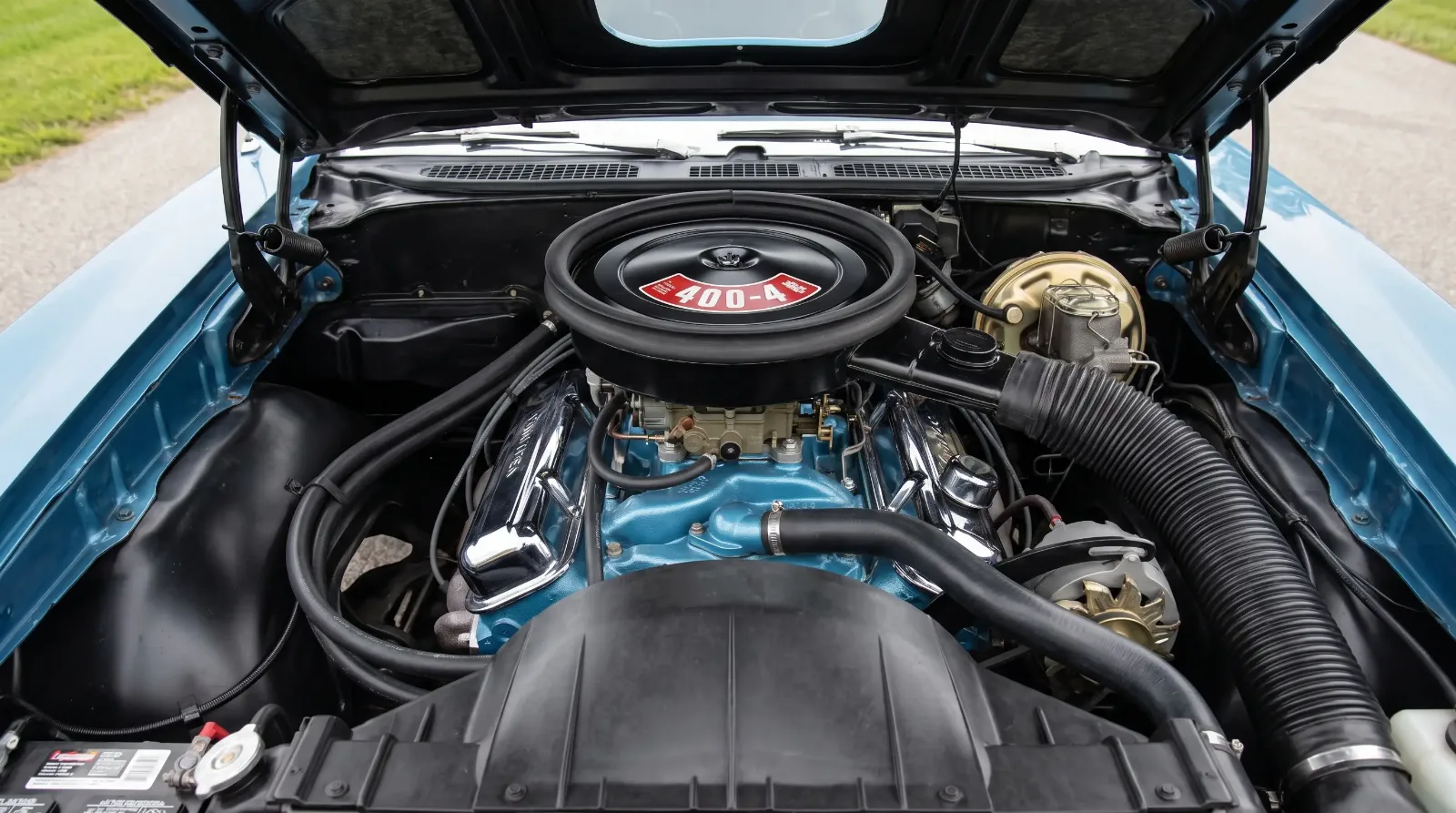
The Pontiac 400: The GTO's Long-Serving Workhorse
Article
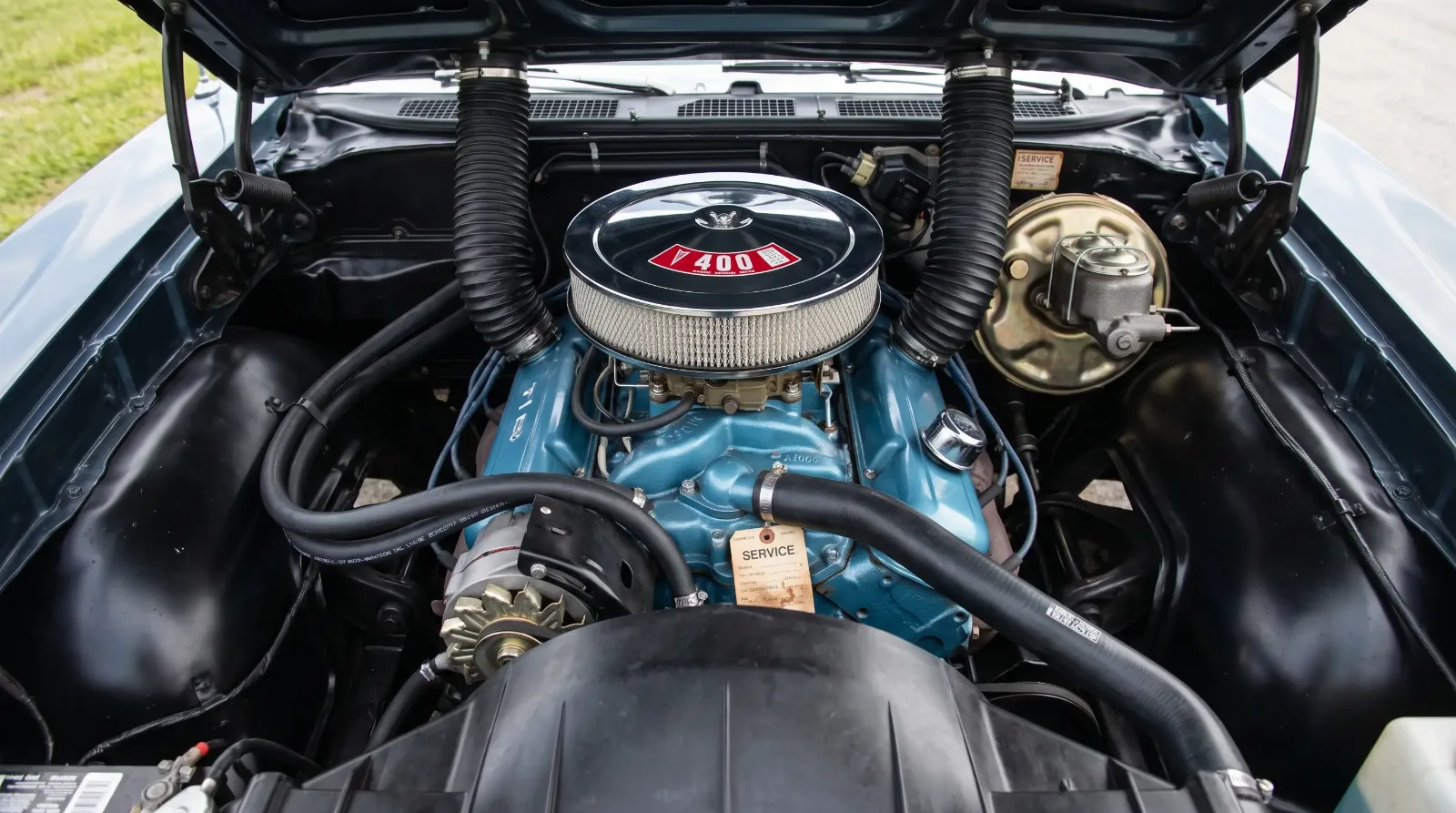
Ram Air III vs Ram Air IV: What Actually Differs
Article
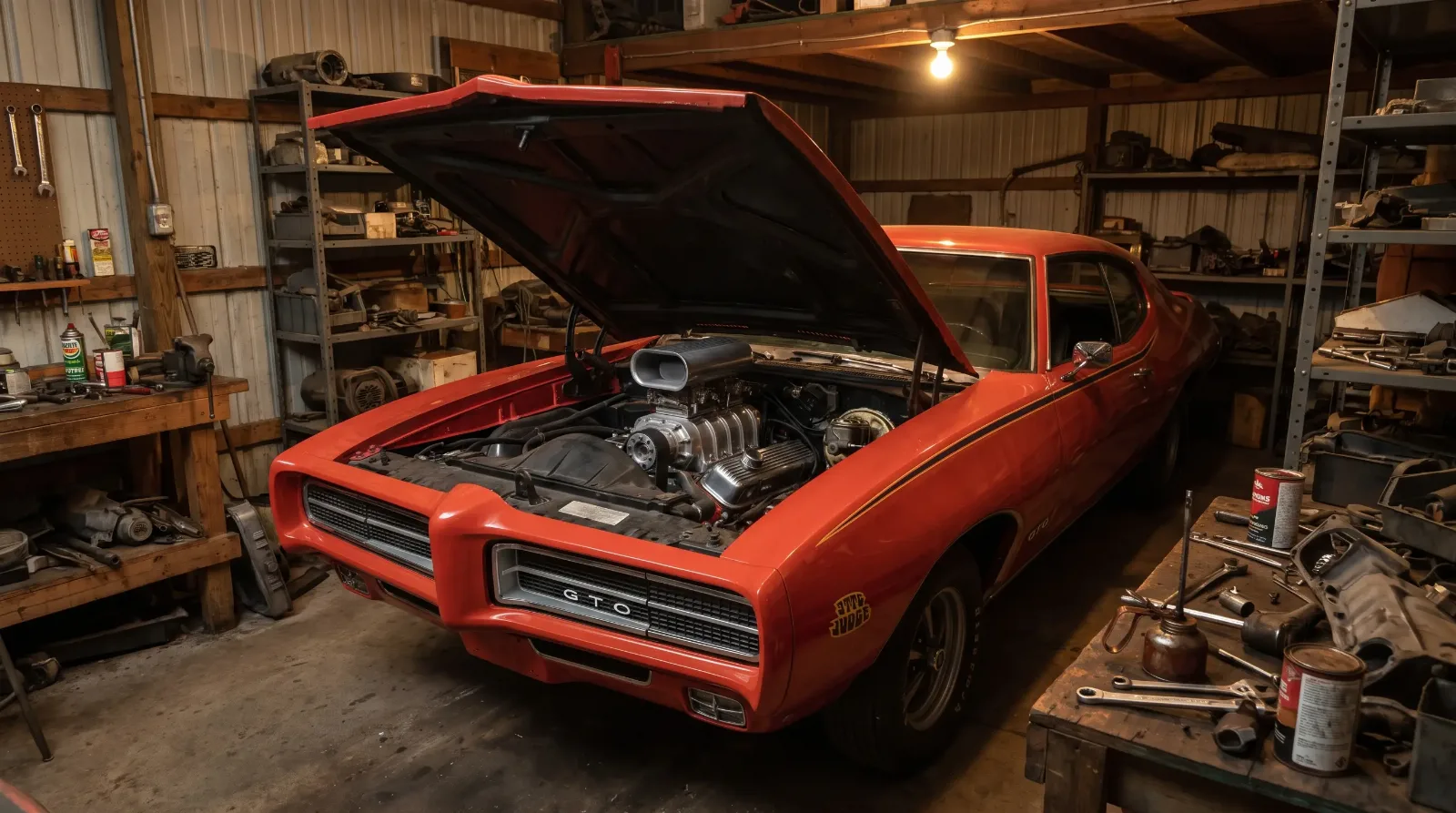
The Ram Air IV: Pontiac's Round-Port Masterpiece

Article
The 455 HO vs the 400: Which Pontiac Big-Block Is Better

Article
GTO Horsepower by Year: The Real Numbers
Article
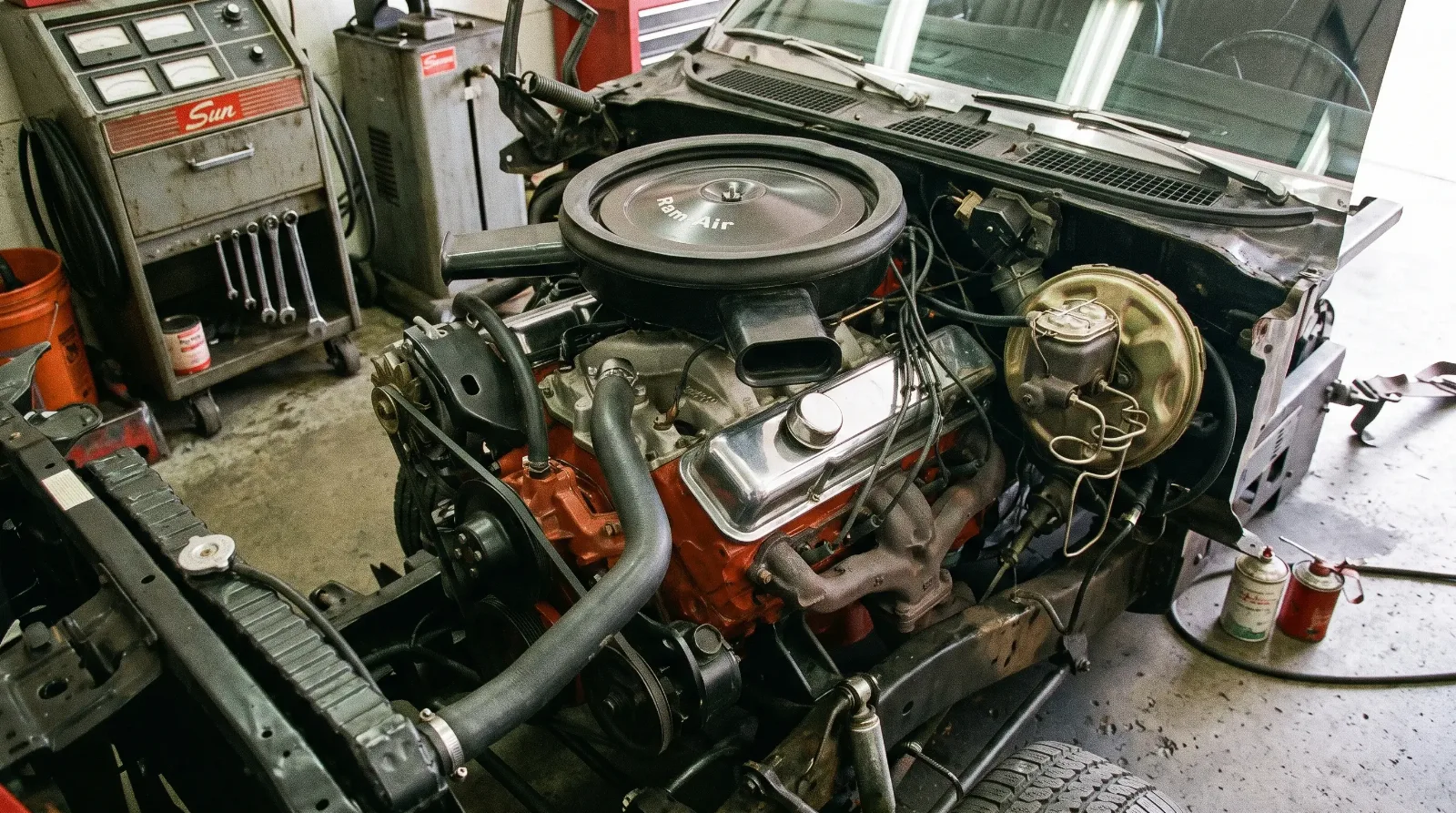
Gross vs Net Horsepower: Why 1972 GTOs Look Weaker on Paper
Article
The Muncie 4-Speed and the GTO's Shifting Story
Article
The Turbo Hydra-Matic and Why Automatic GTOs Aren't a Sin

Article
Rear Gears and the GTO: How 3.55s and 4.33s Changed the Car

Article
GTO 0-60 Times by Model and Year
Article
Why Pontiac V8s Are Different from Every Other GM Engine
Article
Reading a Pontiac Engine by Casting Numbers
Article
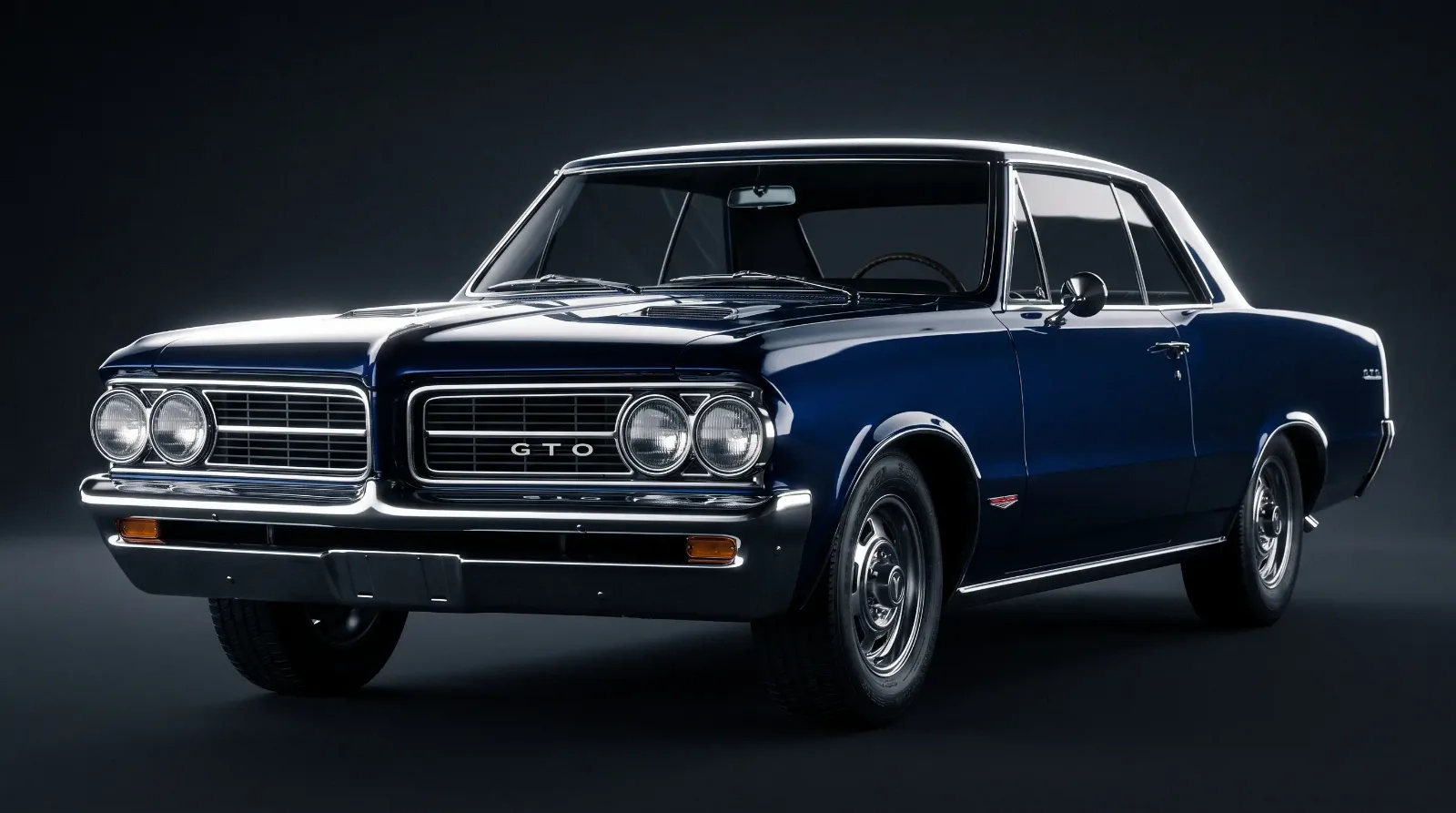
What Does GTO Stand For? The Name, the Ferrari Borrowing, and the Myths
Have a
Pontiac GTO
for Sale?
Reach thousands of serious classic car collectors across the US.
Sell It Here →
Are You a Classic Car Dealer?
List your full inventory and connect with targeted classic car buyers.
Join as a Dealer →

About the author
Dan Reeves
Performance engine builder from North Carolina's motorsports corridor, focused on swaps, forced induction and making real, repeatable power.
Related Listings - Pontiac GTO




Comments
Be the first to comment on this article.