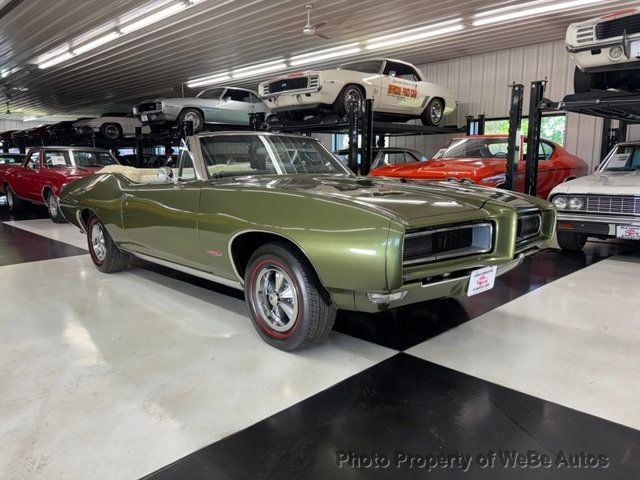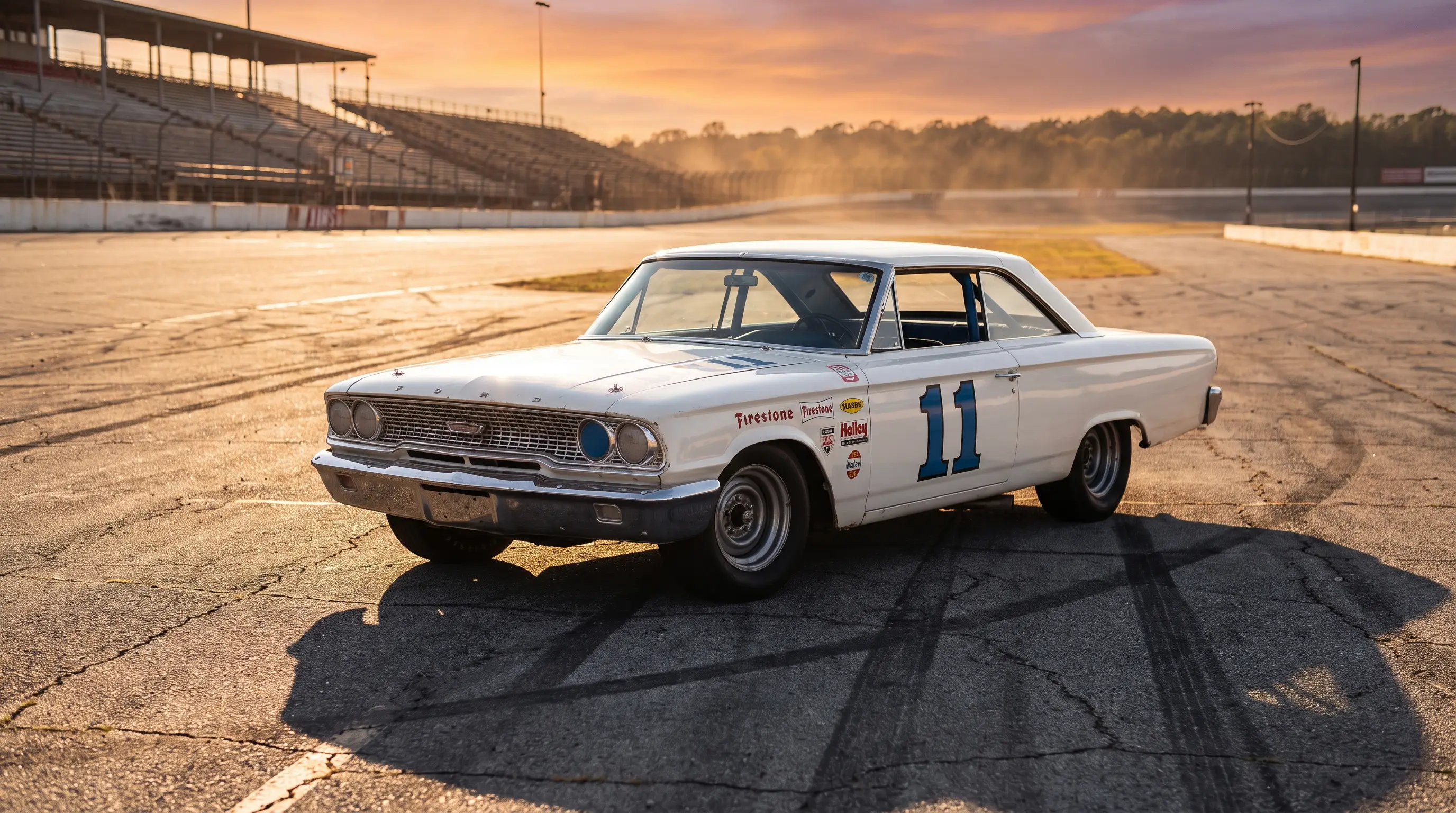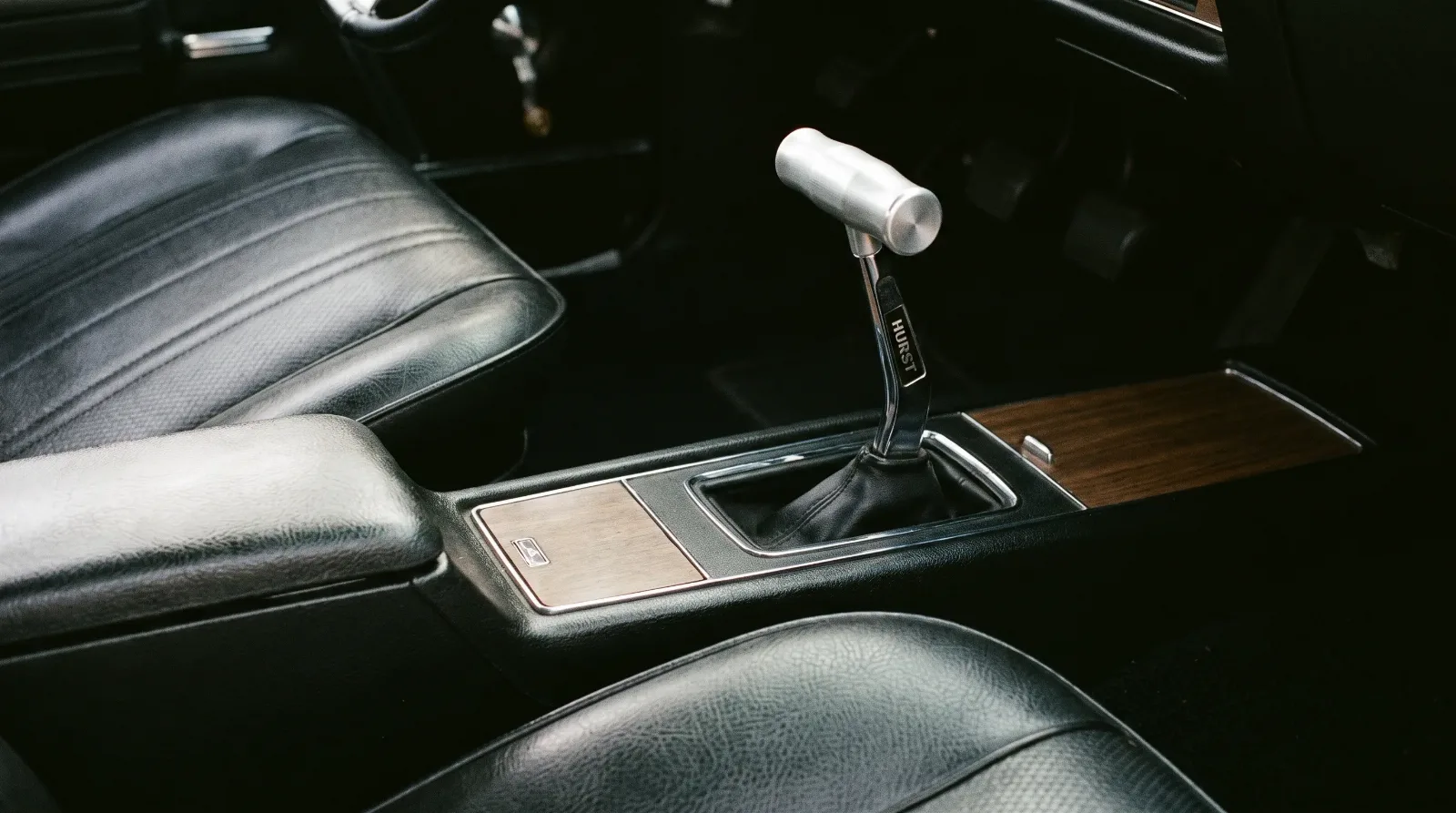
Pop the console lid on a manual GTO and you are looking at the single part most likely to make or break the driving experience: the Muncie four-speed. Everybody talks about the 389, and later the 400 and the 455, but the transmission behind it decided whether that engine actually felt like something special from the driver's seat. I have rebuilt enough of these boxes on the bench to know they are not fussy pieces of machinery, but they are not bulletproof either, and knowing which Muncie is bolted behind your engine changes how you should drive the car and what you should budget for keeping it right.
Why GM went with Muncie instead of Borg-Warner
General Motors built its own four-speed manual in-house at the Muncie, Indiana plant starting in the early 1960s, largely because the Borg-Warner T10 that GM divisions had been using could not keep up with the torque numbers coming out of the big-block and high-output small-block engines GM was putting into intermediate and full-size cars. The Muncie used a wider, stronger case and beefier internals, and it became the standard four-speed across Pontiac, Chevrolet, and other GM performance cars through the muscle car era. For a GTO buyer in the mid-1960s checking the manual transmission box, the Muncie was simply what came with the car, but the specific variant of Muncie mattered a great deal more than most period buyers understood.
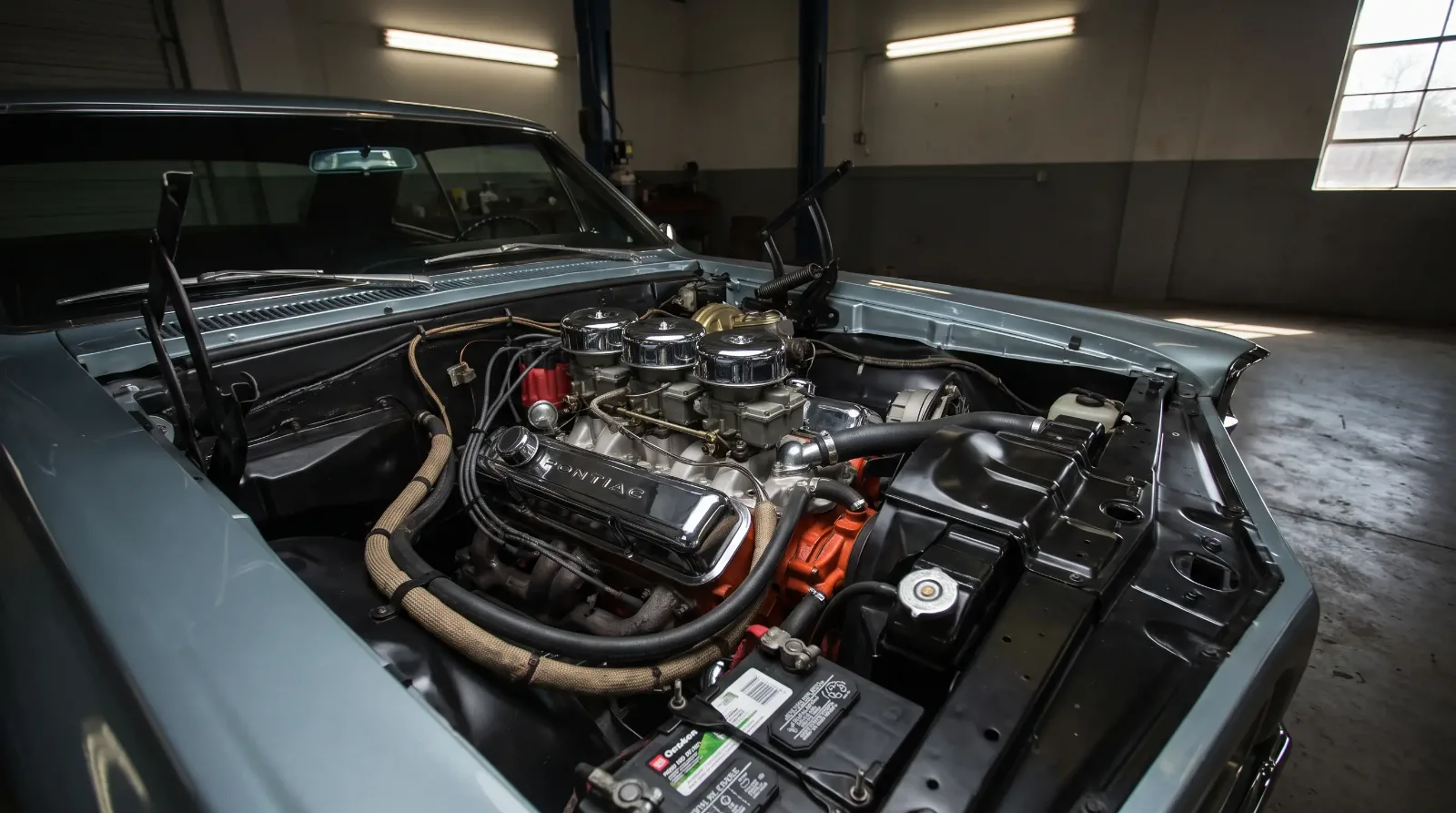
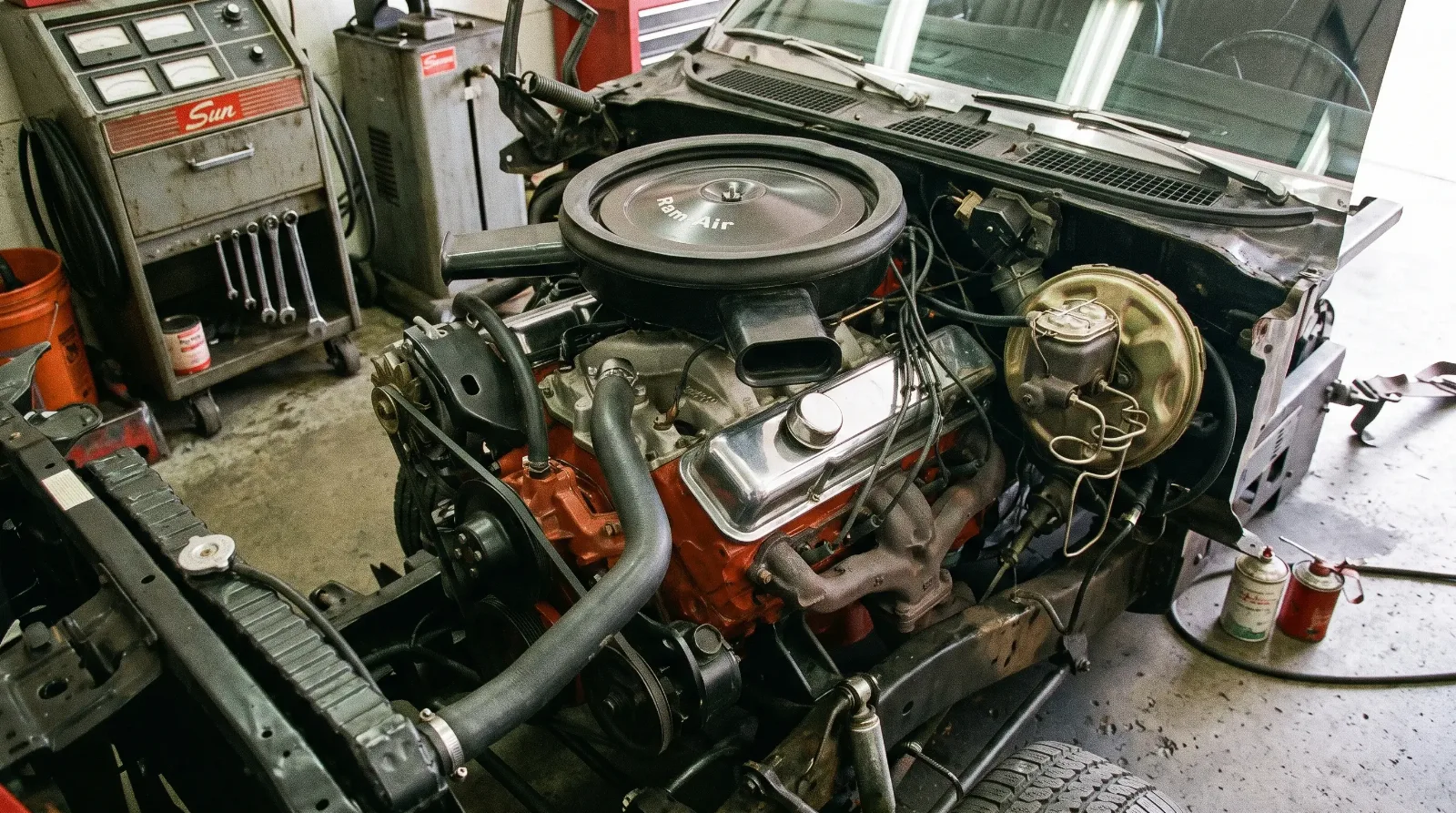
The full arc of how Pontiac's engines evolved alongside the drivetrains bolted behind them, from the original 389 through the Ram Air 400s and on to the 455, is laid out in the GTO engine story. The transmission side of that story does not get nearly as much attention, which is a mistake, because a mismatched gearbox can leave real power sitting on the table no matter how strong the engine is.
M20, M21, and M22: three very different gearboxes
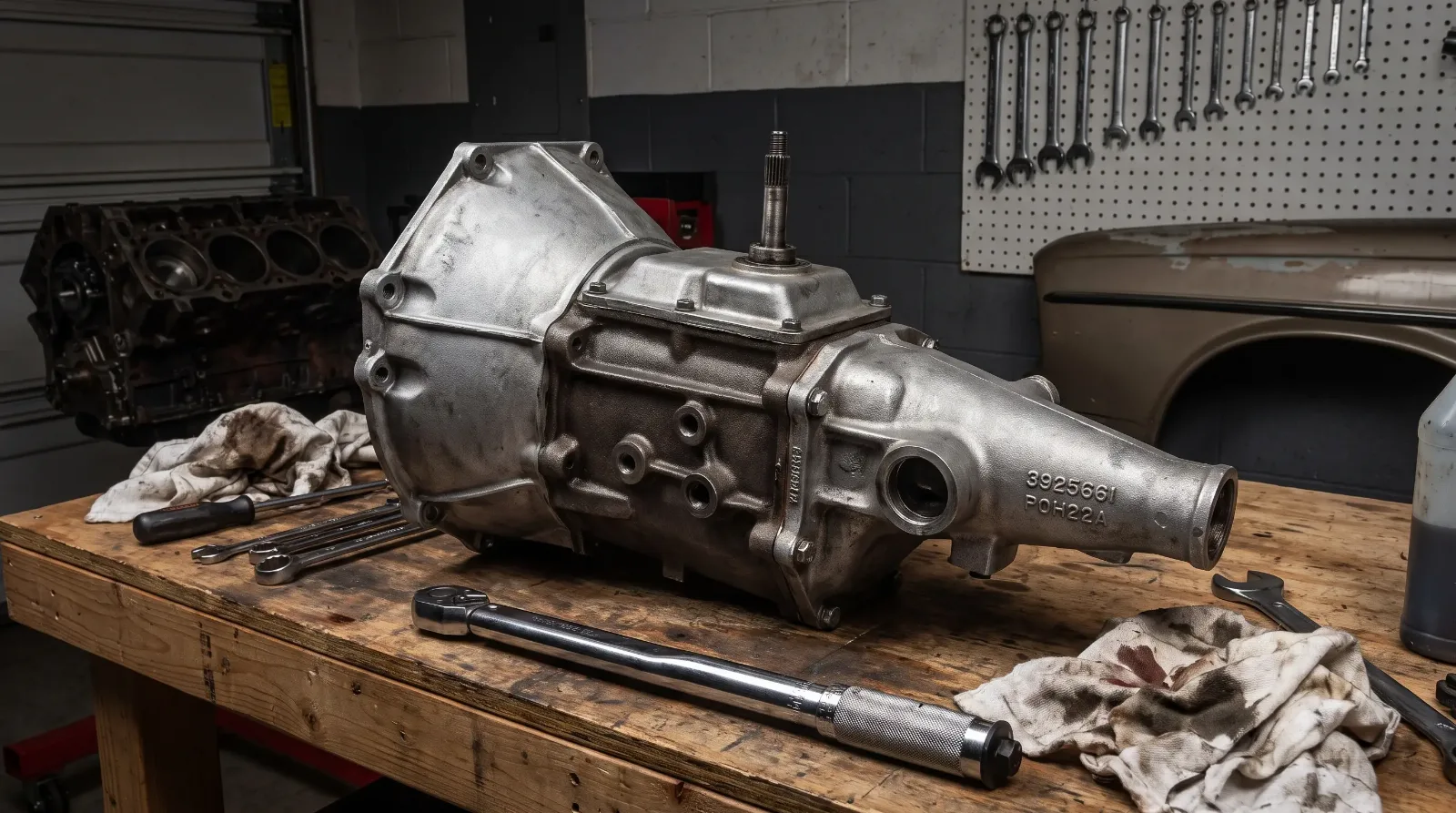
Muncie four-speeds came in a handful of variants that GTO buyers and later restorers need to keep straight. The M20 was the wide-ratio box, with a low first gear meant for stronger acceleration off the line and wider gaps between shifts, well suited to a street car that spent most of its time cruising rather than running at the strip. The M21 was the close-ratio version, with tighter gaps between gears that kept the engine in its power band longer through a shift, favored by buyers who cared about consistent acceleration through all four gears rather than a hard launch. The M22, nicknamed the Rock Crusher for the distinct gear whine it produces under load, used a stronger, straighter-cut gear tooth design meant to survive serious drag strip abuse, and it is the rarest and most sought-after of the three in a numbers-matching GTO today.
| Variant | Ratio type | Typical use |
|---|---|---|
| M20 | Wide ratio | Street driving, stronger low-gear launch |
| M21 | Close ratio | Balanced acceleration through all four gears |
| M22 "Rock Crusher" | Close ratio, straight-cut gears | Drag strip duty, higher torque tolerance |
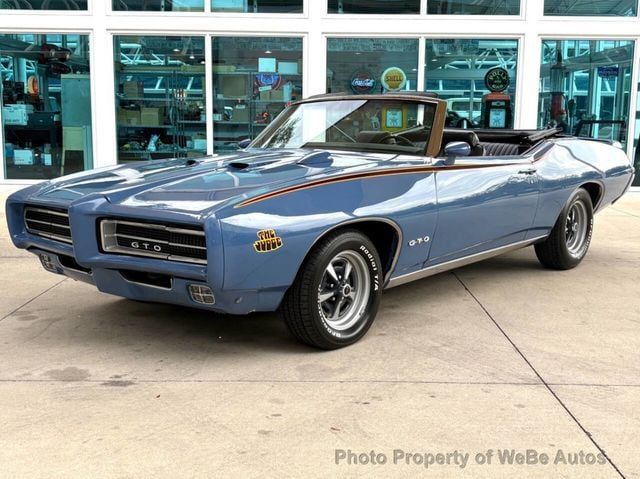
A lot of GTOs on the market today are advertised simply as "four-speed cars" without any mention of which Muncie variant is actually installed, and that is a gap worth closing before you buy. The casting numbers on the tailshaft housing and the case itself will tell you which unit you are looking at, and that number should match what the original build sheet or PHS documentation says the car left the factory with, assuming you are chasing a numbers-matching example rather than a driver.
What actually breaks on these transmissions
Muncie four-speeds have a well-earned reputation for durability, but they are not immune to wear, and the failure points are consistent enough that I can usually diagnose a problem over the phone before I even see the car. Second gear synchro wear is the most common complaint, showing up as a grind or a balk shifting from first to second, especially on a cold transmission or an aggressive shift. The synchro rings themselves are a wear item, not a defect, and a Muncie with 60,000 or more miles on the original synchros grinding into second is not unusual or alarming, just due for attention.
Shift fork wear is the second common issue, usually showing up as difficulty finding a gear cleanly or the transmission popping out of gear under load, particularly third gear on a hard pull. The forks themselves wear at the contact points with the sliding sleeves, and once that wear gets bad enough the detent spring pressure is not enough to hold the fork in position. Bearing failure at the mainshaft or countershaft is less common but does happen on high-mileage cars, usually announcing itself with a whine that changes pitch with road speed rather than engine speed, which helps distinguish it from a rear axle bearing problem.
None of these are exotic repairs. A competent transmission shop with Muncie experience can rebuild one of these boxes for a reasonable cost, and the parts supply for synchros, forks, bearings, and gaskets is strong because the Muncie was used across so many GM models for so many years. What gets expensive is when a car has been driven hard with a failing synchro or fork for a long time, chewing up gear teeth or the sliding sleeve itself, at which point you are into hard parts rather than wear items, and hard parts for a correct-date-code M22 in particular can get pricey fast given how many people are chasing the same rare gearbox for a restoration.
Driving one today
A Muncie four-speed in a GTO is not a modern gearbox, and it rewards a driver who respects that. The shifter throws are longer than anything you would feel in a current car, the clutch pedal effort is real work in stop-and-go traffic, and the synchros do not love being rushed on a cold shift. Drive it the way it wants to be driven, with a deliberate pause between gears rather than a rapid-fire shift, and these transmissions will go a long way between rebuilds. Rush them, especially cold, and you accelerate exactly the wear patterns described above.
The Hurst shifter most of these cars carry is its own piece of the story, a genuinely good aftermarket-quality shifter that GM sourced rather than building in-house, and a properly adjusted Hurst linkage makes a bigger difference in how the car feels than most owners realize. A sloppy or poorly adjusted shifter linkage gets blamed on the transmission constantly when the actual fix is a linkage adjustment that takes twenty minutes.
"People ask me what breaks on a Muncie like it's a trick question. It's not. Second gear synchro and the shift forks, in that order, every time. Know that going in and you'll never get surprised by a rebuild bill."
— Mike Sullivan
The transmission is only half of what put power to the ground on these cars. The automatic option told a completely different story about who was buying a GTO and why, and it is worth understanding on its own terms rather than dismissing outright. read on for why an automatic GTO is not the compromise some enthusiasts still make it out to be.
Sources and notes
- Wikipedia - Muncie 4-Speed Transmission
- The Corvette Society - Guide to Muncie M20, M21, M22 transmissions
- SS396.com - Complete guide to Muncie transmissions
- SlashGear - Why the Muncie M22 is called Rock Crusher
- Chevy DIY - Muncie 4-speed complete history
- Hagerty - Pontiac Ram Air GTOs through the years