
I have had this argument at more car shows than I can count. Somebody walks up, sees the shifter on the column or the console-mounted automatic, and says something like "so it's not a real GTO." That opinion has been floating around the hobby for decades and it needs to die. The Turbo Hydra-Matic automatic was a legitimate, factory-engineered option on the GTO from early on, plenty of original buyers chose it on purpose, and in a lot of real-world situations it is the better transmission for how people actually drive these cars today.
Car Features
7 min read
The Turbo Hydra-Matic and Why Automatic GTOs Aren't a Sin
The Turbo Hydra-Matic automatic wasn't a compromise bolted onto the GTO as an afterthought. It was an engineered option plenty of buyers chose on purpose, and it still holds up today.
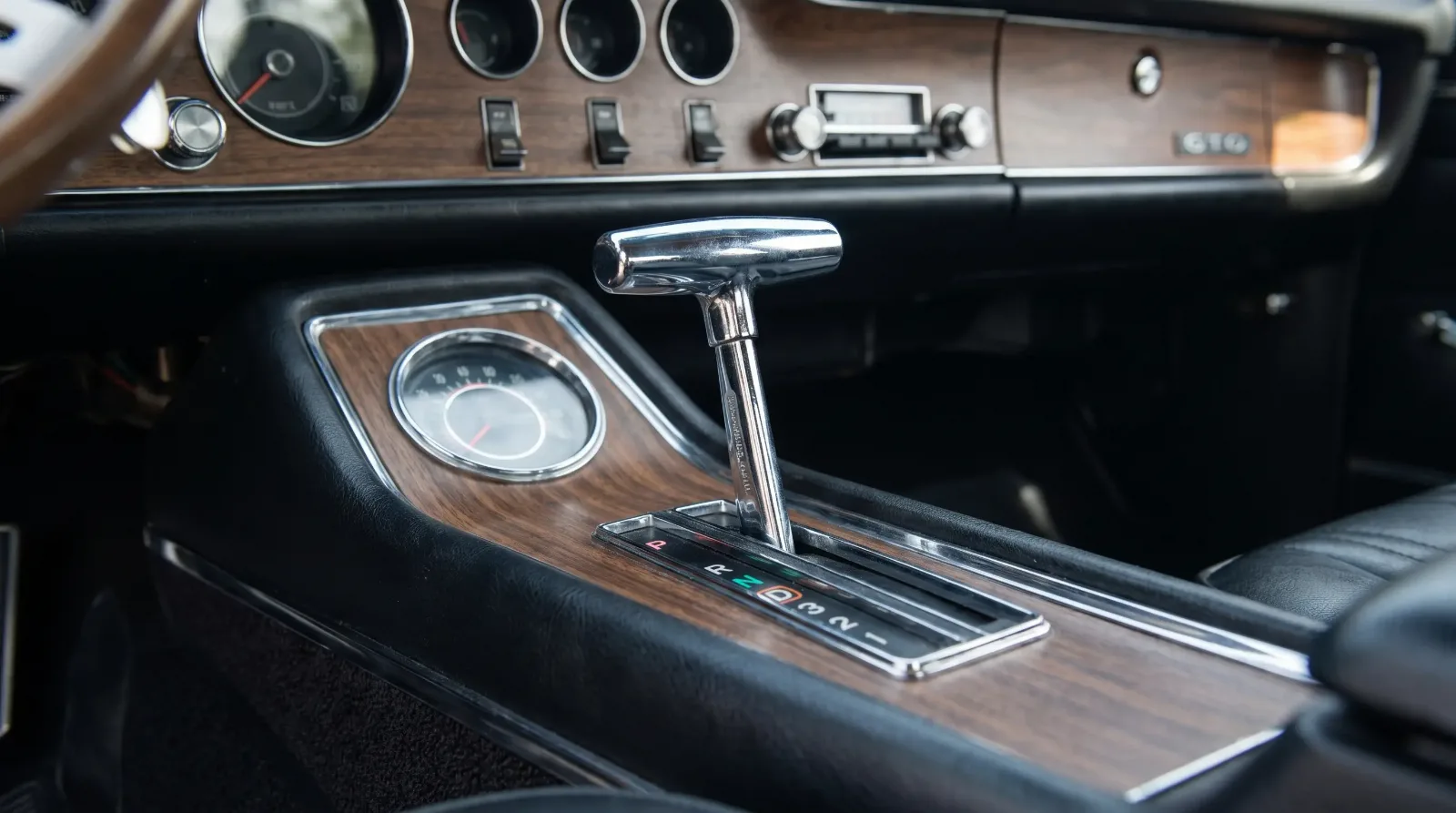
What Pontiac actually offered
Early GTOs could be ordered with a two-speed automatic before Pontiac moved to the three-speed Turbo Hydra-Matic, commonly known as the TH400, which became the automatic of choice for GTO buyers through most of the car's run. The TH400 was not a watered-down option grafted onto a performance car as an afterthought. GM used the TH400 across a wide range of its performance applications precisely because it could handle serious torque without complaint, and Pontiac's engineers calibrated the shift points and stall characteristics to work with the 389 and later engines rather than just bolting on a generic automatic and hoping for the best.
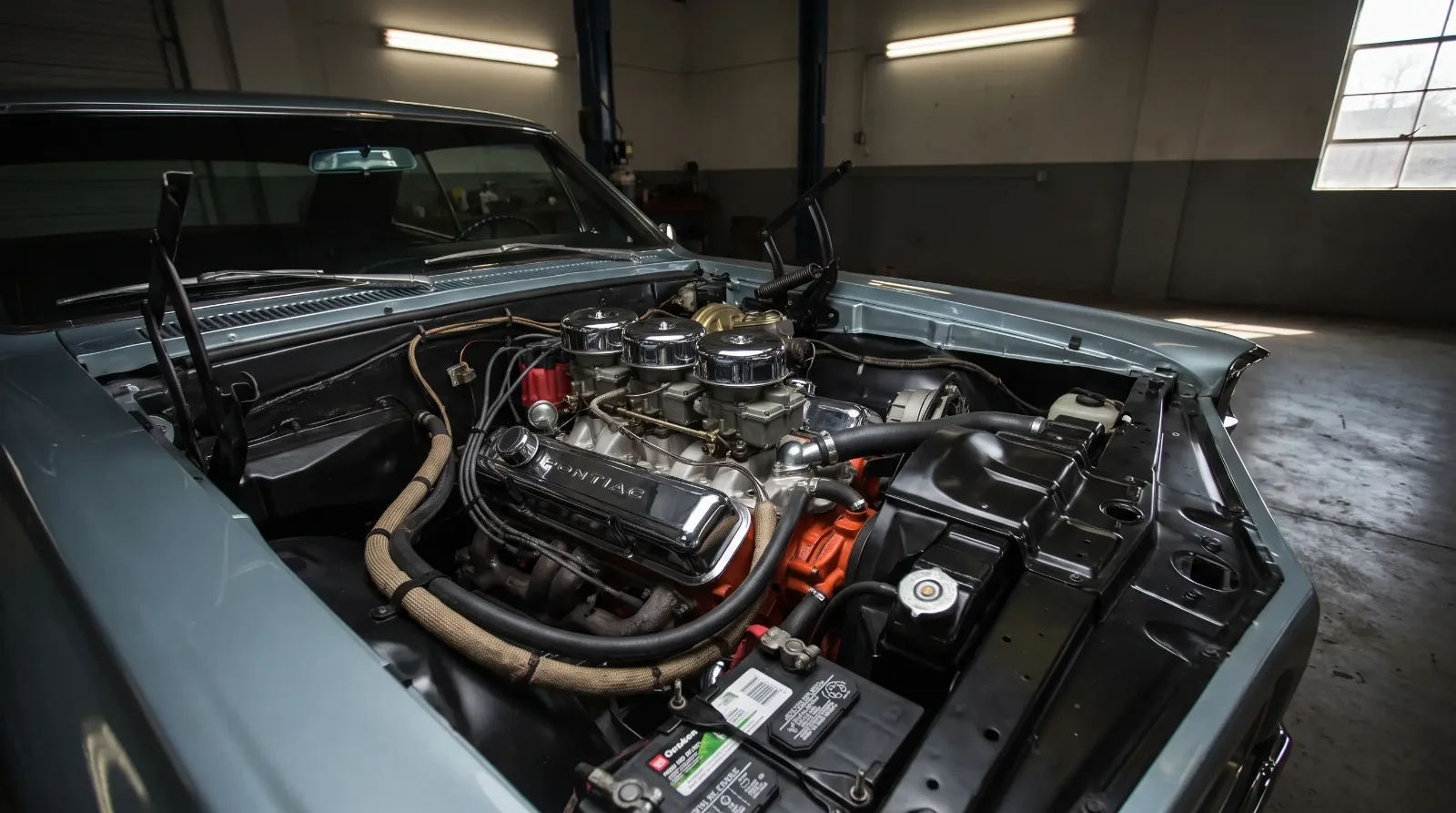
The full picture of which engines paired with which transmissions across the GTO's model years, including the Tri-Power and Ram Air variants, is covered in Pontiac's GTO engines. What that broader story does not always spell out is how much of the buying public actually chose the automatic, which was a much bigger share of total production than muscle car mythology tends to admit.
Why buyers actually chose the automatic
The GTO was not purchased exclusively by twenty-two-year-old drag racers, whatever the magazine ads of the era suggested. A meaningful share of GTO buyers were people who wanted the performance image and the engine but drove the car every day in traffic, ran errands in it, and did not want to work a clutch pedal at every stoplight. For that buyer, and there were more of them than the enthusiast press liked to acknowledge, the TH400 was not a compromise. It was the correct choice for how the car was actually going to be used.
There is also a straight performance argument for the automatic that gets ignored more often than it should. A well-driven TH400 car with the right stall converter and shift points can be genuinely quick in a straight line, in some cases quicker than a manual car in the hands of a driver who is not consistently nailing every shift. Drag racers of the period knew this, which is part of why factory automatic GTOs showed up at the strip in real numbers rather than being treated as a novelty.
Living with a TH400 today
From a practical ownership standpoint, the TH400 is one of the easiest transmissions in the classic muscle car world to keep running right. Parts availability is excellent because the TH400 was used across a staggering range of GM vehicles for decades, from passenger cars to trucks, which means rebuild kits, seals, and internal components are neither rare nor expensive compared to a lot of period-correct manual transmission parts. A competent transmission shop can rebuild a TH400 without hunting for unobtainium, and that matters a great deal to an owner who wants to actually drive the car rather than trailer it.
| Consideration | TH400 automatic |
|---|---|
| Daily drivability | Strong; no clutch pedal, smooth shifts when properly serviced |
| Parts availability | Excellent; used across many GM platforms for decades |
| Straight-line performance | Competitive with manual cars given a correct stall converter |
| Collector demand | Generally lower than a documented four-speed car, price varies by market |
Where the automatic loses ground is in the collector market, not on the road. A numbers-matching four-speed GTO tends to command a premium over an equivalent automatic car at auction, and that gap is real and worth knowing if resale value drives your buying decision. But that premium reflects rarity and hobby sentiment more than it reflects which car is actually the better machine to own and drive. If your plan is to put real miles on the car, take it to shows, and enjoy it without babying a clutch in city traffic, the TH400 is not a lesser GTO. It is a different GTO, built for a different kind of owner, and Pontiac built it that way on purpose.
Maintenance on these units is straightforward and forgiving compared to a lot of the mechanical complexity elsewhere in these cars. Fluid and filter changes at reasonable intervals, attention to the vacuum modulator, which controls shift feel and timing, and a periodic check of the kickdown linkage adjustment will keep a TH400 shifting correctly for a very long time. Neglect the vacuum modulator specifically and you will notice it first as harsh or delayed shifts long before anything internal actually fails, which makes it one of the easier problems to catch early.
Spotting a correctly built TH400 GTO
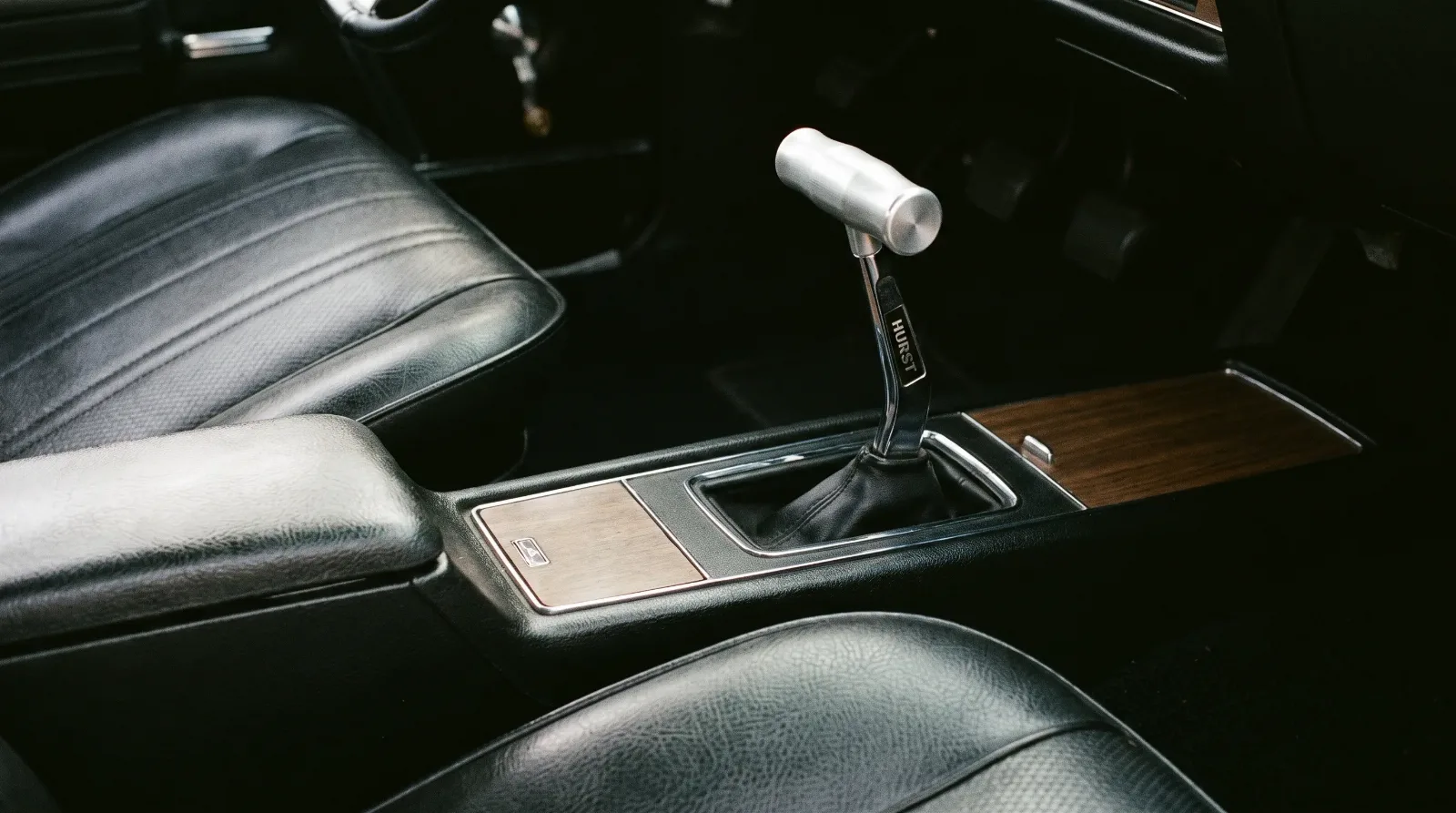
Verifying a factory automatic GTO takes a slightly different eye than verifying a four-speed car, and a lot of buyers skip this step because the transmission itself is easy to overlook next to the engine bay. The console, the shifter detent pattern, and the kickdown linkage routing all need to match what the car's original documentation calls for, and a TH400 pulled from a different GM application entirely, which happened more than a few times over sixty years of ownership changes and repairs, will often show subtle mismatches in bracket placement or linkage geometry that a knowledgeable inspector catches on sight. None of this is as dramatic as a mismatched engine casting number, but it is exactly the kind of detail that separates a well-documented restoration from a car assembled from whatever parts were on hand at the time.
Governor pressure and modulator calibration are two more things worth checking on any TH400 you are considering, factory-correct or not. A transmission shifting too early or holding gears too long under load is rarely a sign of catastrophic internal damage. It is far more often a sign that the vacuum modulator has failed or the governor is not reading road speed correctly, both of which are inexpensive fixes compared to what an owner unfamiliar with the platform might fear when a shift feels wrong. I have talked more than one anxious buyer off the ledge of walking away from an otherwise solid car over a shift quirk that turned out to be a twenty-dollar part.
"I've rebuilt more TH400s than I can count and I've never once had one let a customer down on the road. Judge a GTO by how it was built and cared for, not by whether there's a clutch pedal in it."
Mike Sullivan
Whether your GTO shifts itself or you do it manually, the gears actually turning the rear wheels matter just as much as the transmission choosing them. read on for how Pontiac's rear axle ratio options changed the personality of the same car from one build sheet to the next.
Sources and notes
Related Reading

Have a
Pontiac GTO
for Sale?
Reach thousands of serious classic car collectors across the US.
Sell It Here →
Are You a Classic Car Dealer?
List your full inventory and connect with targeted classic car buyers.
Join as a Dealer →

About the author
Mike Sullivan
Detroit-area muscle car enthusiast and restoration specialist with three decades of hands-on experience working on American iron.
Related Listings - Pontiac GTO



Comments
Be the first to comment on this article.