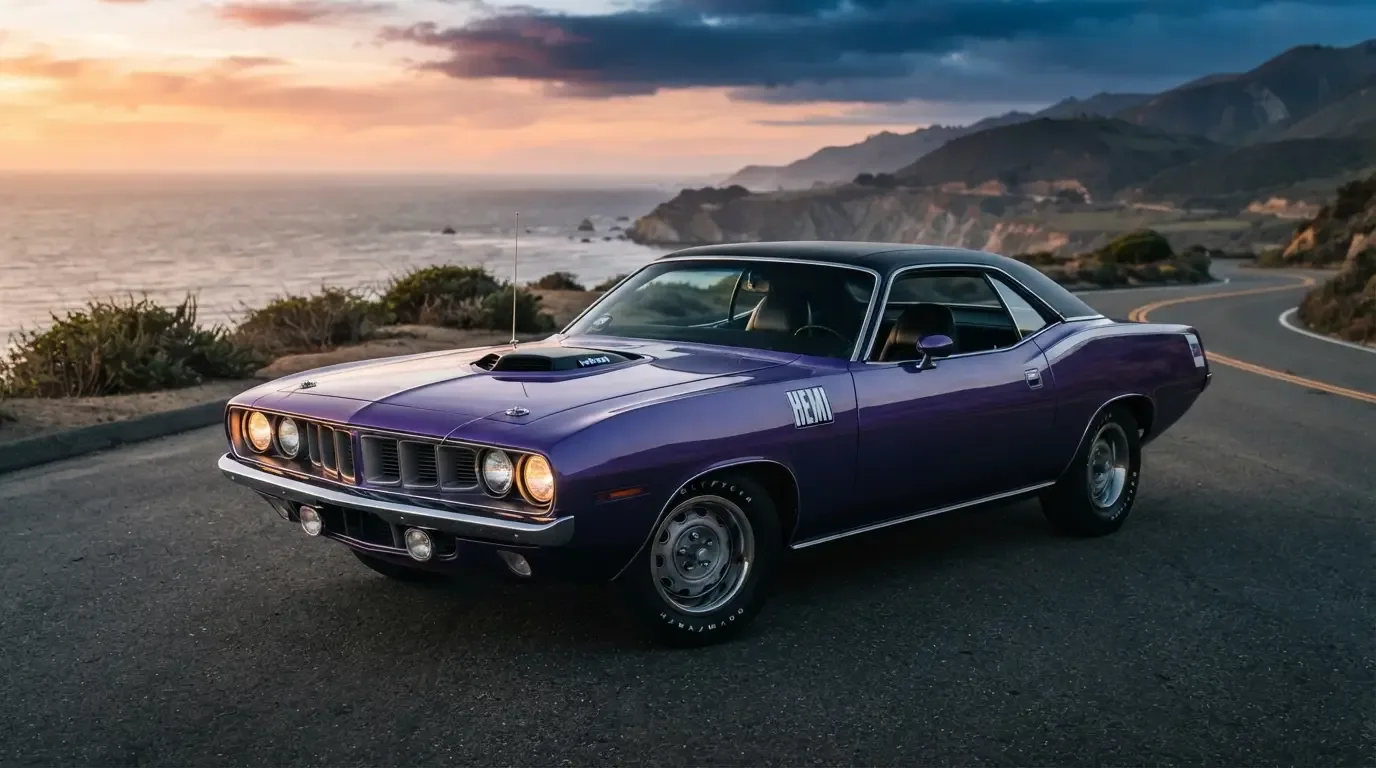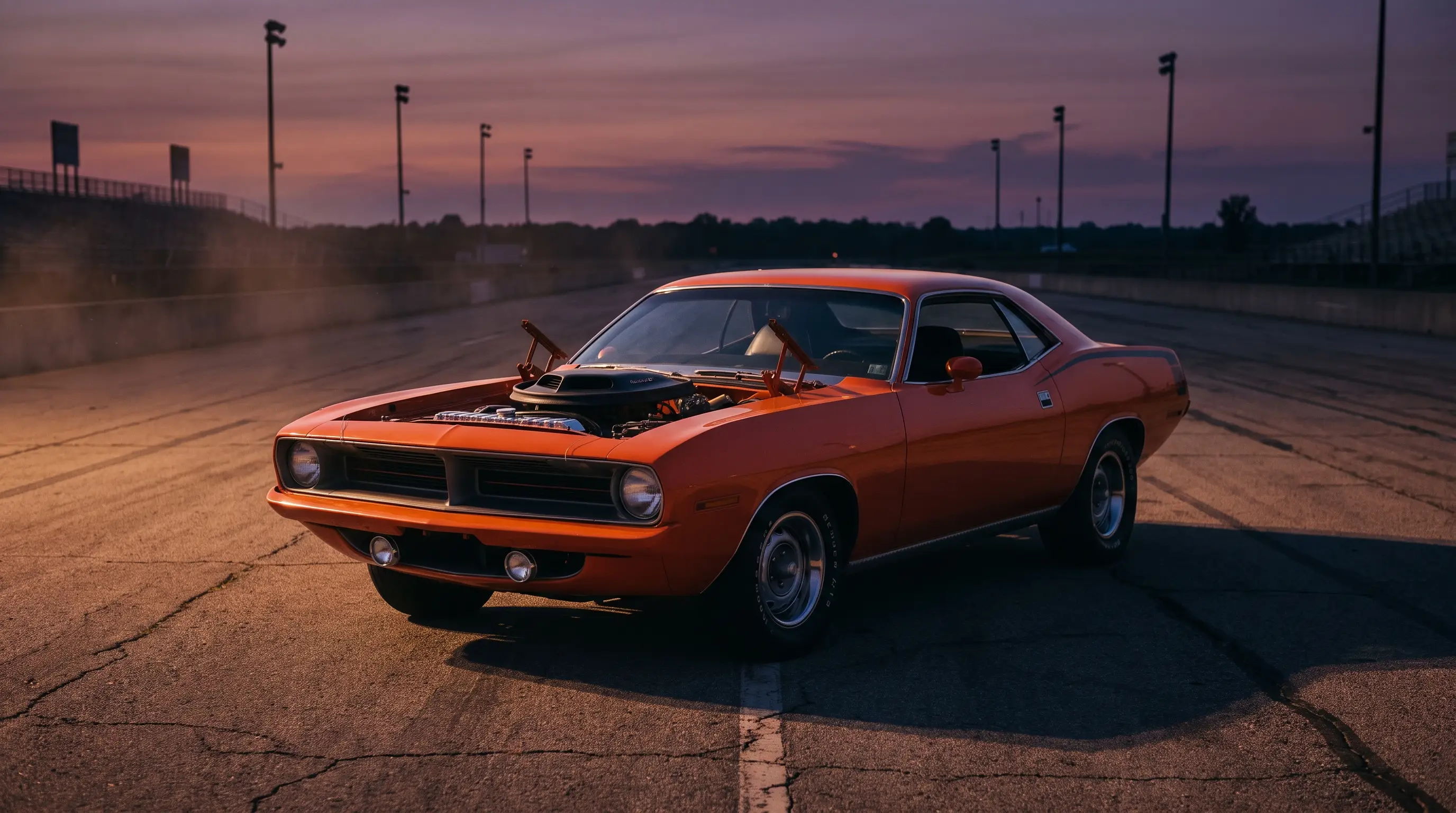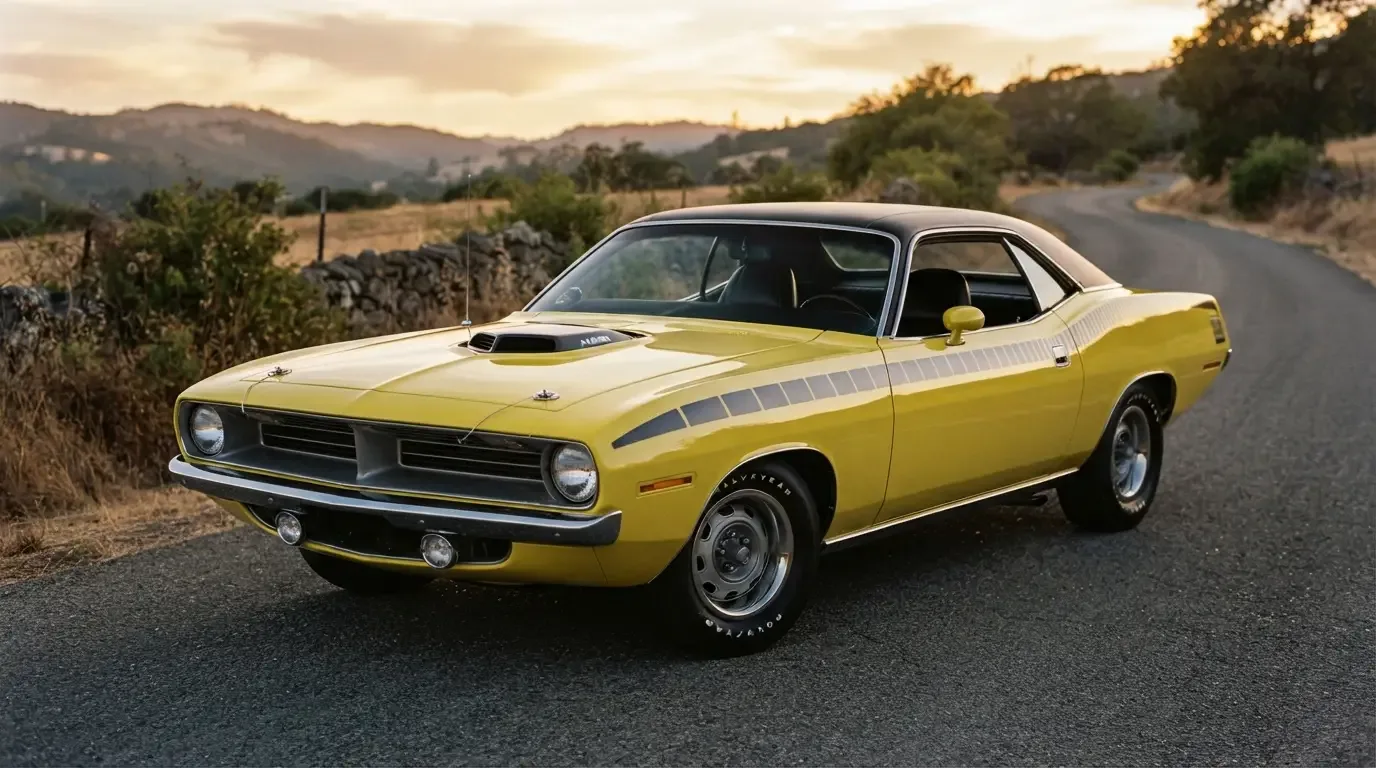
Hemi Cuda values did not creep upward over the decades. They exploded, and the timeline of that explosion tells you more about collector psychology than it does about the car itself. A model that sold for a modest premium over other big block Barracudas through the 1980s and 1990s became one of the single most valuable American production cars at auction within about twenty years, and the reasons behind that jump are worth separating from the myths that have grown up around it.
The number that changed everything
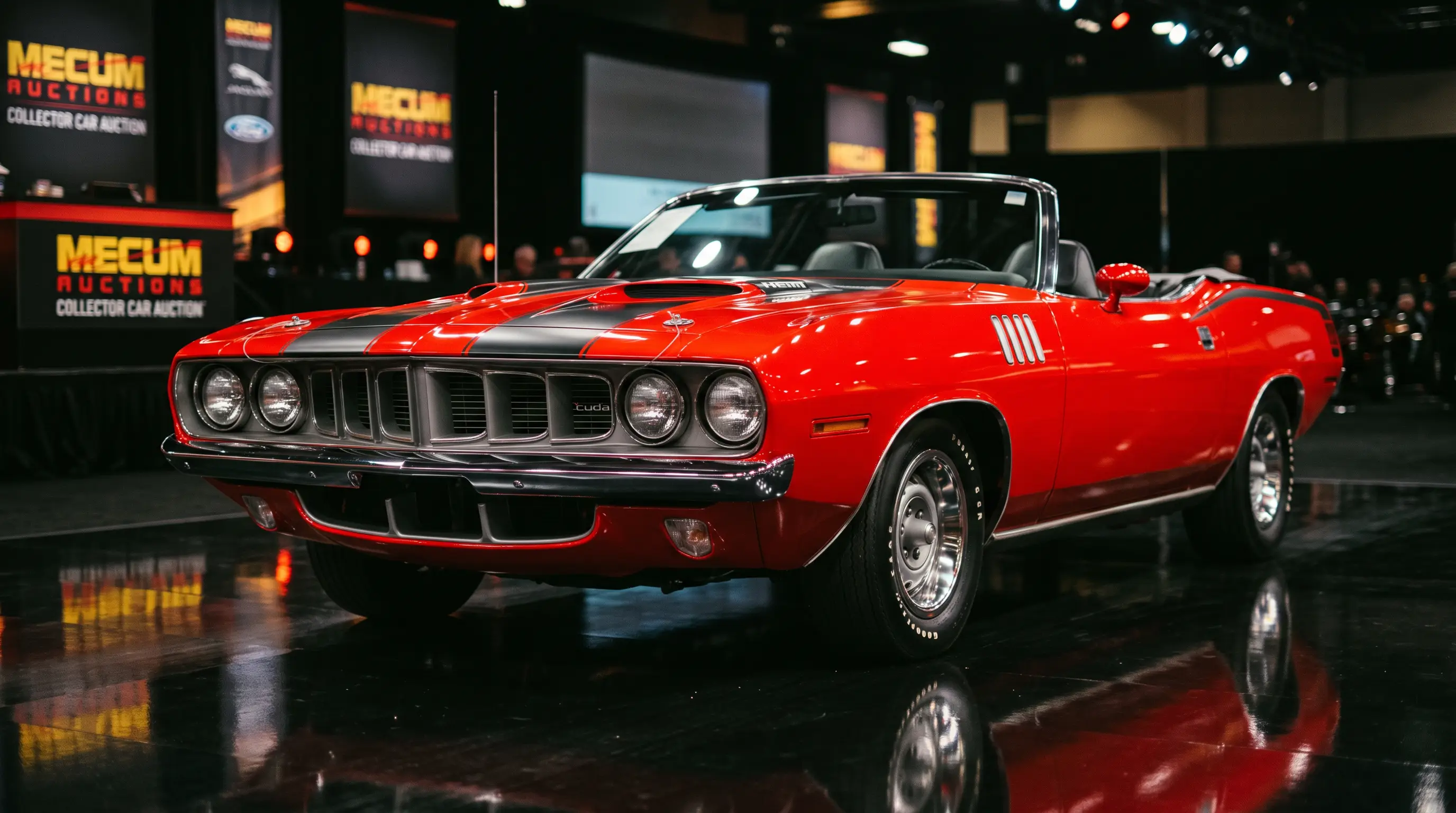
The turning point most collectors point to is a 1971 Hemi Cuda convertible that sold at a Mecum auction in Seattle in 2014 for 3.5 million dollars, a result that broke every prior record for a factory muscle car. That single result rewired expectations across the entire Mopar market. Cars that had been trading privately for a fraction of that figure suddenly had a public benchmark, and sellers who had been quietly happy with steady appreciation started asking for numbers that would have seemed absurd five years earlier.
Auction results function this way across the entire collector car market. One headline sale does not just reflect value, it resets it, because every subsequent seller of a comparable car points back to that number as justification. The Hemi Cuda's rise is a textbook case of that mechanism operating at full strength.
Scarcity did the rest of the work
Plymouth built a small number of Hemi Cudas, especially in convertible form, and that low production number only became a meaningful part of the story once demand caught up to it. A car can be rare for decades without being valuable if nobody is chasing it. What changed in the 2000s was a generation of buyers, many of whom had grown up wanting these cars as teenagers, reaching an income level where six and seven figure purchases became realistic. Scarcity meets demand and the result is a market that moves fast in one direction.
| Factor | Effect on Hemi Cuda values |
|---|---|
| Low original production | Fixed, shrinking supply of genuine cars |
| Headline auction sales | Reset public price expectations upward |
| Baby boomer buying power | Concentrated demand into a narrow window |
| Documentation standards rising | Widened gap between verified and unverified cars |
The full story of where this began, including the original production figures that made these cars scarce in the first place, is covered in where this started, which is worth reading before drawing conclusions about where prices go from here.
Documentation became a price multiplier, not just a checkbox
As dollar figures climbed, the market's tolerance for uncertainty shrank. A car with a clean, fully verified history now commands a real premium over an otherwise identical car with gaps in its paperwork, in a way that simply was not true when these cars traded for tens of thousands rather than millions. The rising values created rising incentives to fake or embellish a car's history, and the market responded by pricing verified cars higher and unverified cars lower, widening a gap that used to be minor.
"Every million dollar Hemi Cuda sale creates ten sellers who think their car is worth the same number. Most of them are wrong, and the paperwork is usually why."
- David Mercer
Media coverage amplified the trend
Once the first headline sales started making mainstream news, not just enthusiast press, the Hemi Cuda's story reached an audience far beyond traditional Mopar collectors. General interest outlets covering a multimillion dollar car sale introduced the model to buyers who had never previously considered a muscle car as a serious asset class. That broader exposure did not create new supply, since the number of surviving original cars is fixed, but it expanded the pool of people bidding for what supply exists, which is exactly the kind of pressure that pushes prices higher over a sustained period rather than in a single spike.
Where the market sits now
Growth has not been a straight line since that first headline sale. There have been periods of cooling, particularly when broader economic uncertainty hit discretionary luxury spending, and periods of renewed acceleration when a fresh headline sale reset expectations again. The general trend across two decades has been upward, but buyers who assume every Hemi Cuda transaction only goes one direction are ignoring real volatility in the middle years of that stretch.
What has stayed consistent is the widening spread between the top and bottom of the market. The best documented, best optioned, rarest configuration cars have appreciated far faster than a base four speed hardtop with a partial history, even though both wear the same Hemi Cuda name. That is a market maturing, not a market that has simply gone up across the board. For more on how that price spread plays out in specific configurations, more from this era breaks down the numbers by body style and options.
Comparing the surge to other muscle car segments
The Hemi Cuda's climb was not entirely isolated. Other rare Mopar and GM muscle cars from the same window saw similar, if smaller, jumps in value over the same two decades, driven by the same combination of aging buyers with money and limited original supply. What sets the Hemi Cuda apart is the size of the jump relative to its starting point. A car that traded for the price of a nice house in the 1990s now trades for the price of several houses, a multiple that outpaces almost every comparable muscle car from Chevrolet, Ford, or Pontiac in the same era. Analysts who track this market point to the combination of Hemi engine mystique and genuinely tiny production numbers as the reason the Cuda outran its peers rather than simply following the broader trend.
That gap between the Hemi Cuda and its competitors has narrowed slightly in recent years as buyers who cannot afford a seven figure Cuda have turned attention toward other rare Mopar convertibles and big block Challengers, spreading demand across a wider set of cars. Even with that spillover, the Hemi Cuda remains the benchmark the rest of the market gets measured against.
What this means for a buyer today
Anyone entering this market now is not buying into the same conditions that existed twenty years ago. Prices are higher, scrutiny is higher, and the cost of getting documentation wrong is higher too. That does not make it a bad time to buy, it makes it a time to buy carefully, with independent verification built into the process rather than treated as optional. The scarcity that drove this surge in the first place has not gone anywhere, and it is not going to reverse.
For buyers ready to look past the headline numbers and see what is actually available right now, it is worth taking a look to find a classic Barracuda across the full range of documentation and price that the current market actually offers.
Sources and notes
- Supercars.net: Record $3.5 million for 1971 Hemi 'Cuda convertible
- Autoevolution: Holy-grail 1971 Hemi Cuda convertible sells for $3.3 million
- Mopar Insiders: Rare 1971 Hemi Cuda could fetch $6.5 million
- TopSpeed: 10 most expensive Hemi-powered Mopars ever sold
- DodgeGarage: Multi-million-dollar Mopar sells at Mecum
- Wikipedia: Plymouth Barracuda