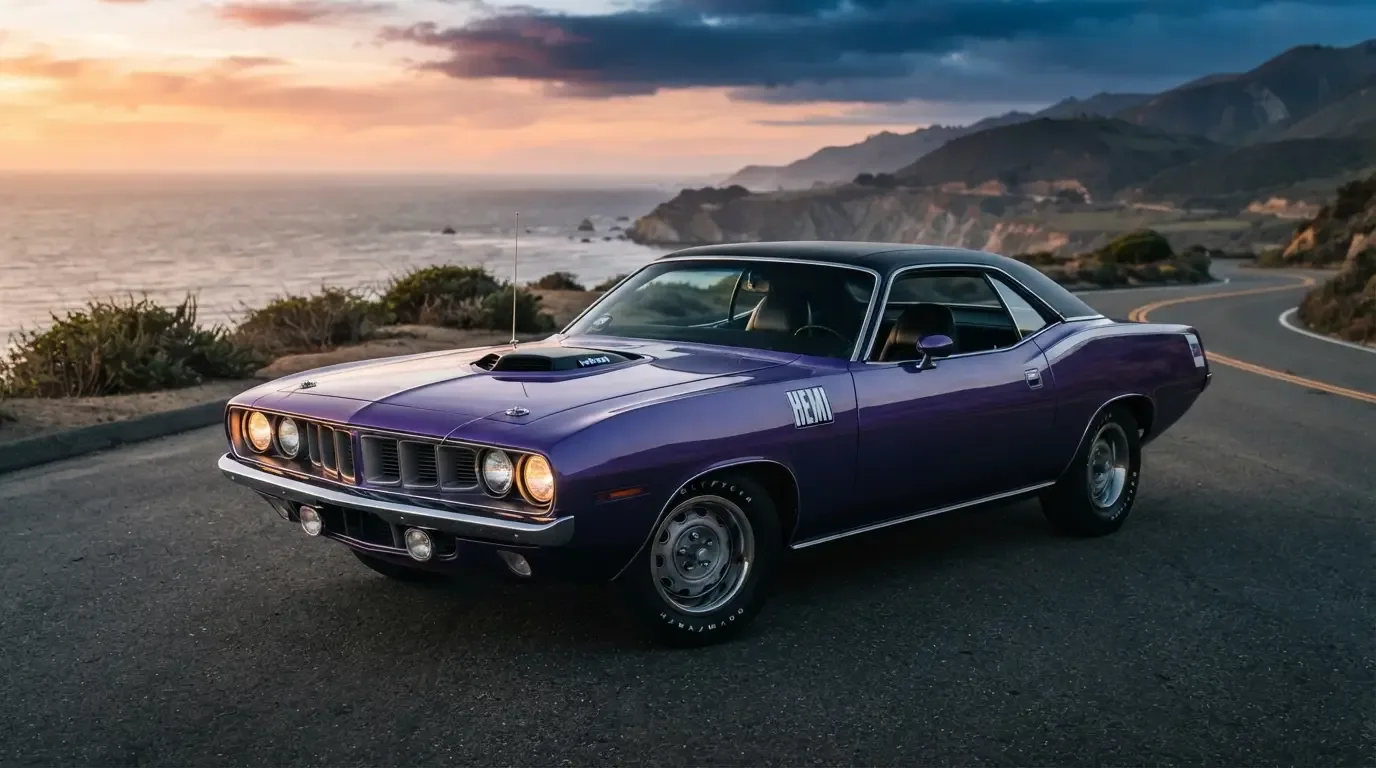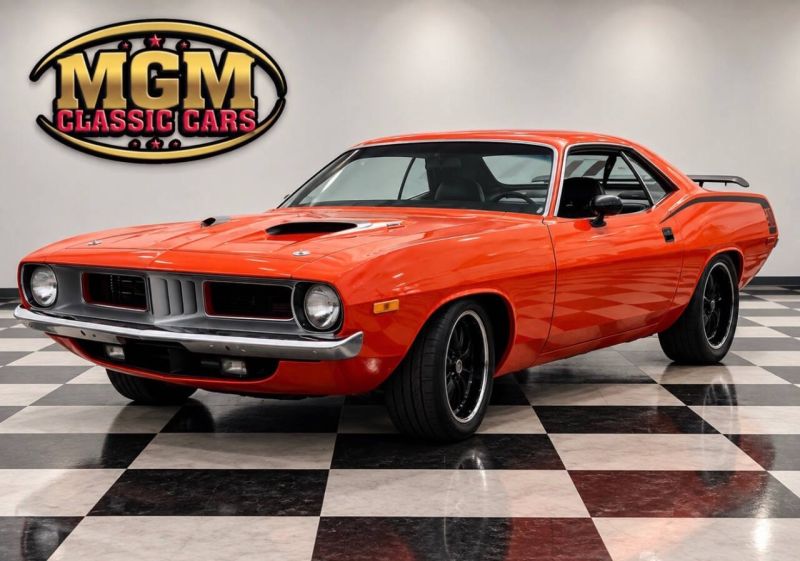
The hemi cuda value story does not read like other muscle car appreciation curves. Most collector cars climb steadily and level off. The Hemi Cuda climbed, stalled, and then took off again like someone lit a fuse under it. If you want to understand why a two door Plymouth built for a few short years now trades in territory once reserved for European exotics, you have to look at the numbers, not the nostalgia.
What actually moves the price
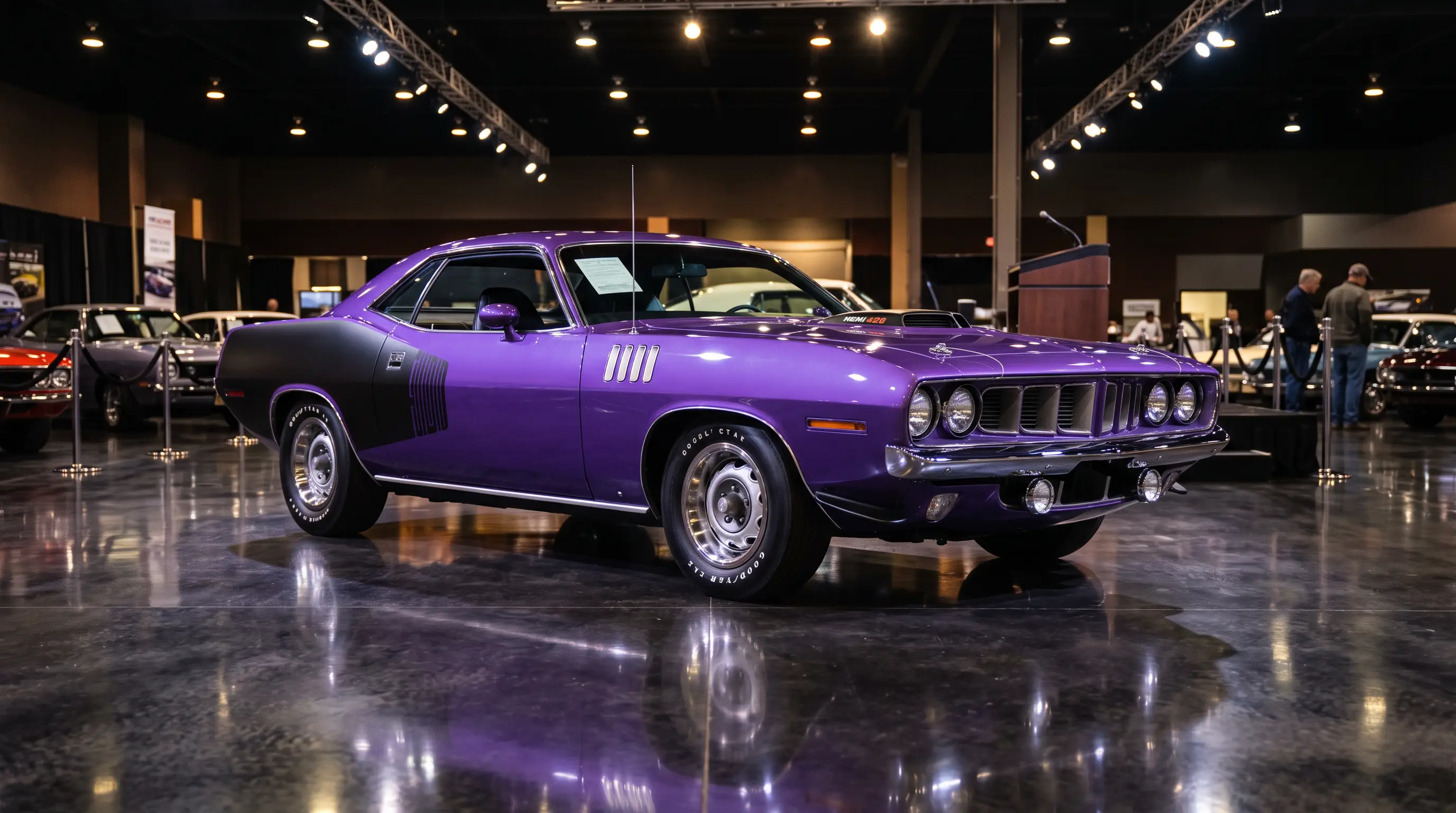
Three variables decide what a Hemi Cuda brings at auction: body style, drivetrain configuration, and paperwork. A convertible with the 426 Hemi and a four speed manual sits in a different universe than a numbers matching hardtop with an automatic. Buyers are not really bidding on horsepower. They are bidding on scarcity multiplied by originality. Plymouth built a small run of these cars for 1970 and 1971, and convertibles within that run were smaller still. When you stack low production against high demand from a fixed pool of serious Mopar collectors, the math produces the kind of sale prices that make headlines.
I have watched this market long enough to know that documentation drives more of the final number than most buyers expect going in. A broadcast sheet, factory invoice, or Galen Govier authentication letter can add real money to a sale because it removes doubt. Doubt is the enemy of value in any market where the underlying asset can be replicated with enough time and a parts catalog.
The convertible premium
Convertible Hemi Cudas occupy their own bracket. Plymouth built a handful for 1970 and even fewer for 1971, and that scarcity is why ragtop sales routinely dwarf hardtop results for comparable trim. A buyer chasing a convertible is not comparison shopping against other muscle cars. They are competing against a finite, well documented list of surviving examples, and that list only gets shorter over time as cars land in permanent museum or long term collections.
For deeper background on how this all started, more on the hemi cuda covers the drivetrain and production details that set up everything discussed here.
Reading the auction data honestly
I look at hemi cuda value the way I look at any thin market asset. Small sample sizes mean single results can distort perception. One record sale gets quoted for years afterward as though it represents the going rate, when in reality it represents the ceiling reached by two determined bidders on one specific night. The floor for a solid, driver quality Hemi Cuda hardtop sits meaningfully below the headline numbers you see in magazine recaps. That gap between floor and ceiling is where real buying decisions get made.
Condition grading matters more here than in almost any other muscle car category. A car that is 95 percent original but shows honest wear will often outsell a full restoration, because collectors at this level pay a premium for unmolested metal and factory finishes. Restorations can be excellent, but they introduce a judgment call about accuracy that originality sidesteps entirely.
"I have never once told a client to chase the record sale. I tell them to buy the best documented example they can afford and let the market catch up to them."
- David Mercer
Where the market started
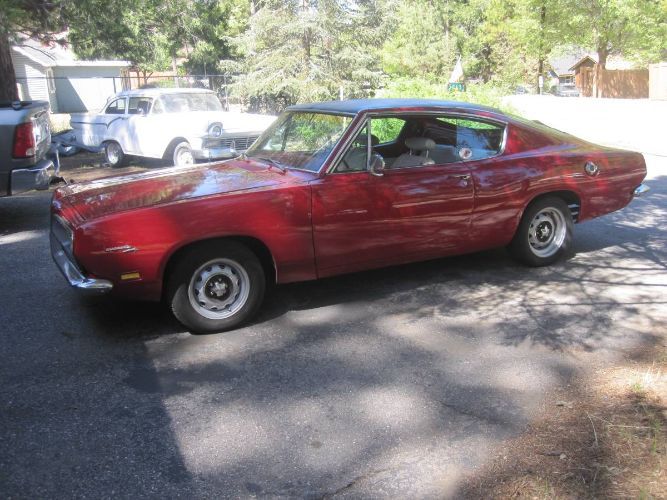
None of this value story makes sense without the base model underneath it. The standard Barracuda was a mainstream pony car before the E body redesign and the Hemi option turned it into something else entirely, and understanding where this started explains why the Hemi variants carry such outsized weight relative to their production numbers.
What changed the trajectory was the 1970 E body redesign, which gave Plymouth a wider, more aggressive platform that could actually house the 426 Hemi without the compromises earlier Barracudas required. That redesign is the hinge point of the entire value story. Before it, Hemi powered Barracudas were rare curiosities. After it, they became the cars that define the category.
Why the color and options sheet still matters
Serious buyers do not stop at engine and body style. Original paint code, interior trim, and factory options all feed into hemi cuda value in ways that surprise newcomers to the hobby. A car ordered new in a rare High Impact color with a matching interior tends to outsell an identical mechanical twin finished in a common shade. Collectors are not just buying a drivetrain. They are buying a specific factory build sheet frozen in time, and rarity within rarity compounds fast.
Shaker hood scoops, pistol grip four speeds, and Dana rear ends all add their own small premiums when documented correctly. None of these options moves the needle on its own the way engine and body style do, but stacked together on a single well optioned car they can separate a good sale from a record one. I have seen buyers walk away from mechanically identical cars simply because the options sheet on one told a more complete story than the other.
There is also a generational shift underway in who is bidding. The collectors who bought these cars new, or who chased them in the 1980s and 1990s when prices were a fraction of today's numbers, are increasingly selling out of long held collections. Their cars are hitting the market at the same time a newer, well funded buyer base has entered the space, often collectors who missed the original ownership window entirely and are backfilling a garage with the cars they wanted as kids. That handoff between generations of ownership is quietly propping up demand even as the pool of unrestored, undocumented survivors keeps shrinking.
Buy or wait
My honest read on hemi cuda value right now is that entry level access to this world is not what it was a decade ago, and it is not getting cheaper. Documented, numbers matching cars are being absorbed into long term collections at a rate that shrinks the available pool every year. If you are serious about ownership rather than speculation, buying a well documented example today beats waiting for a correction that the data does not support.
For buyers who want to see what is actually available right now rather than just auction house recaps, classic Barracudas on the market gives a real time view of current asking prices across condition tiers.
The short version: hemi cuda value is not a bubble in the traditional sense. It is a fixed supply asset meeting a growing, well capitalized collector base. That combination does not tend to reverse itself quickly, and every serious buyer I talk to is operating on that assumption whether they say it out loud or not.