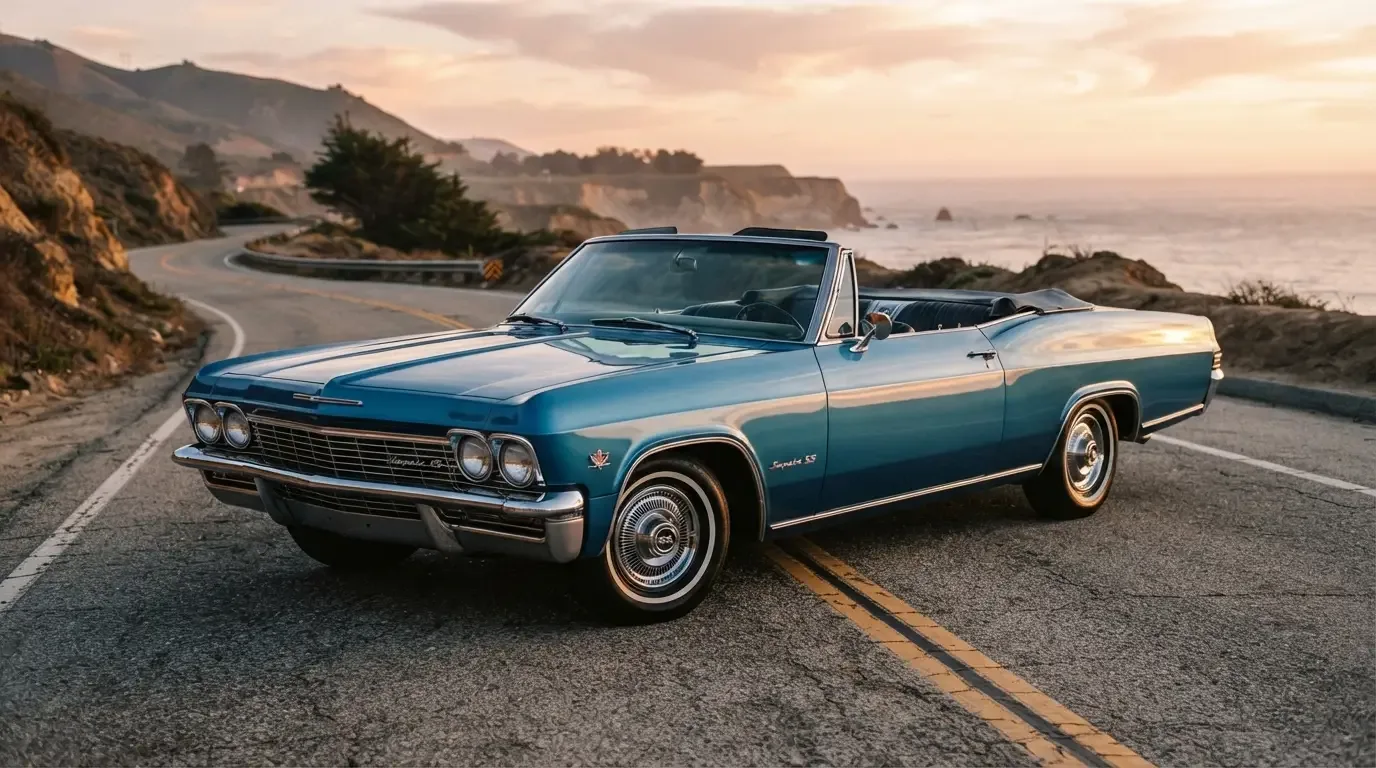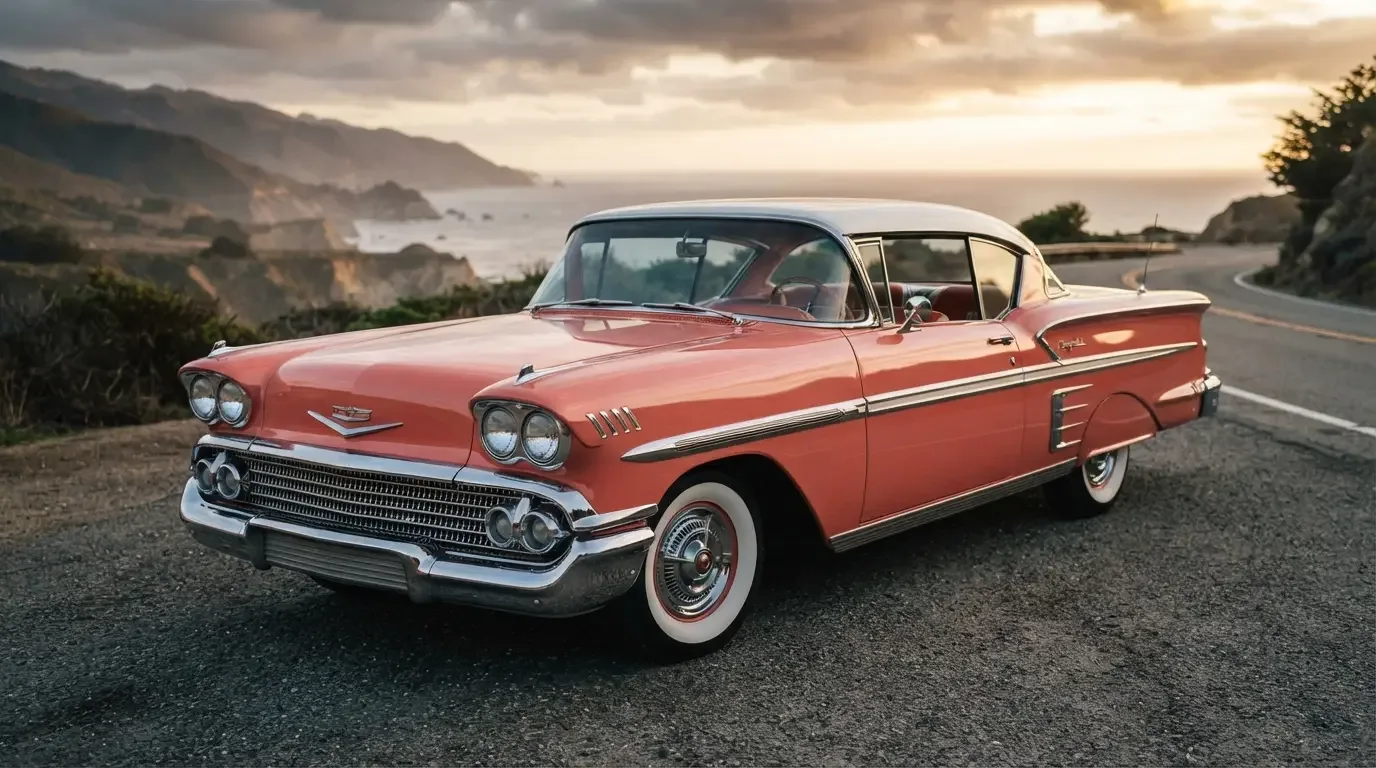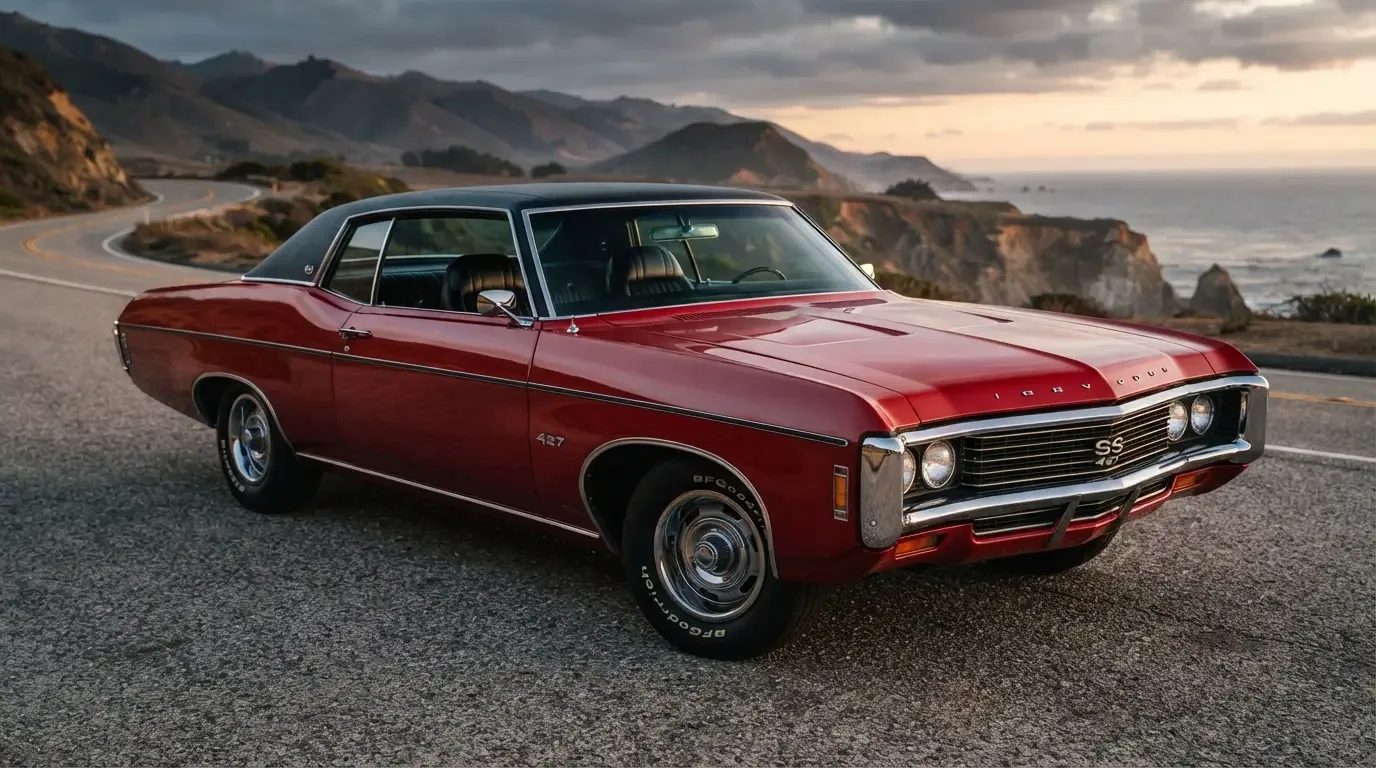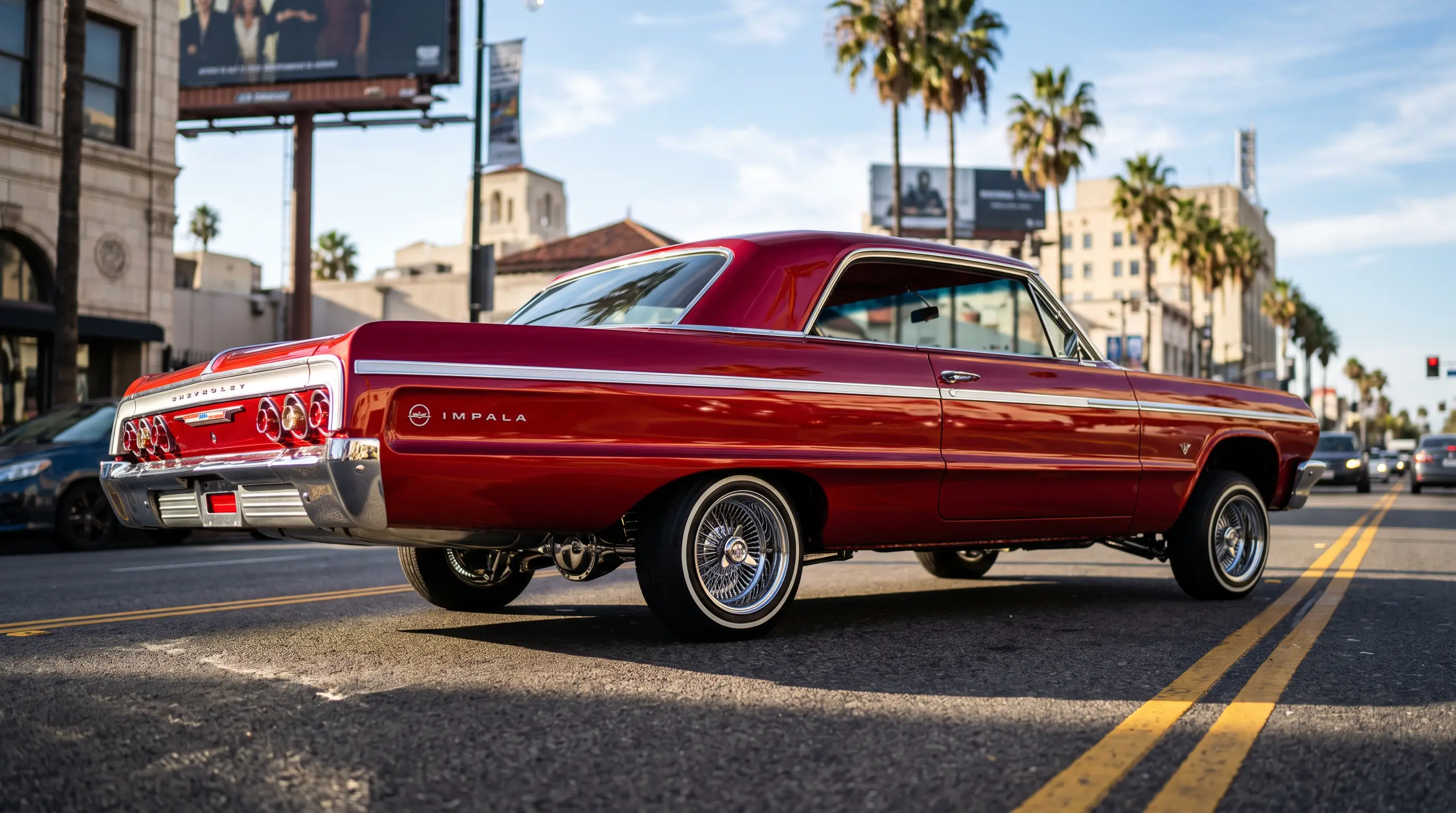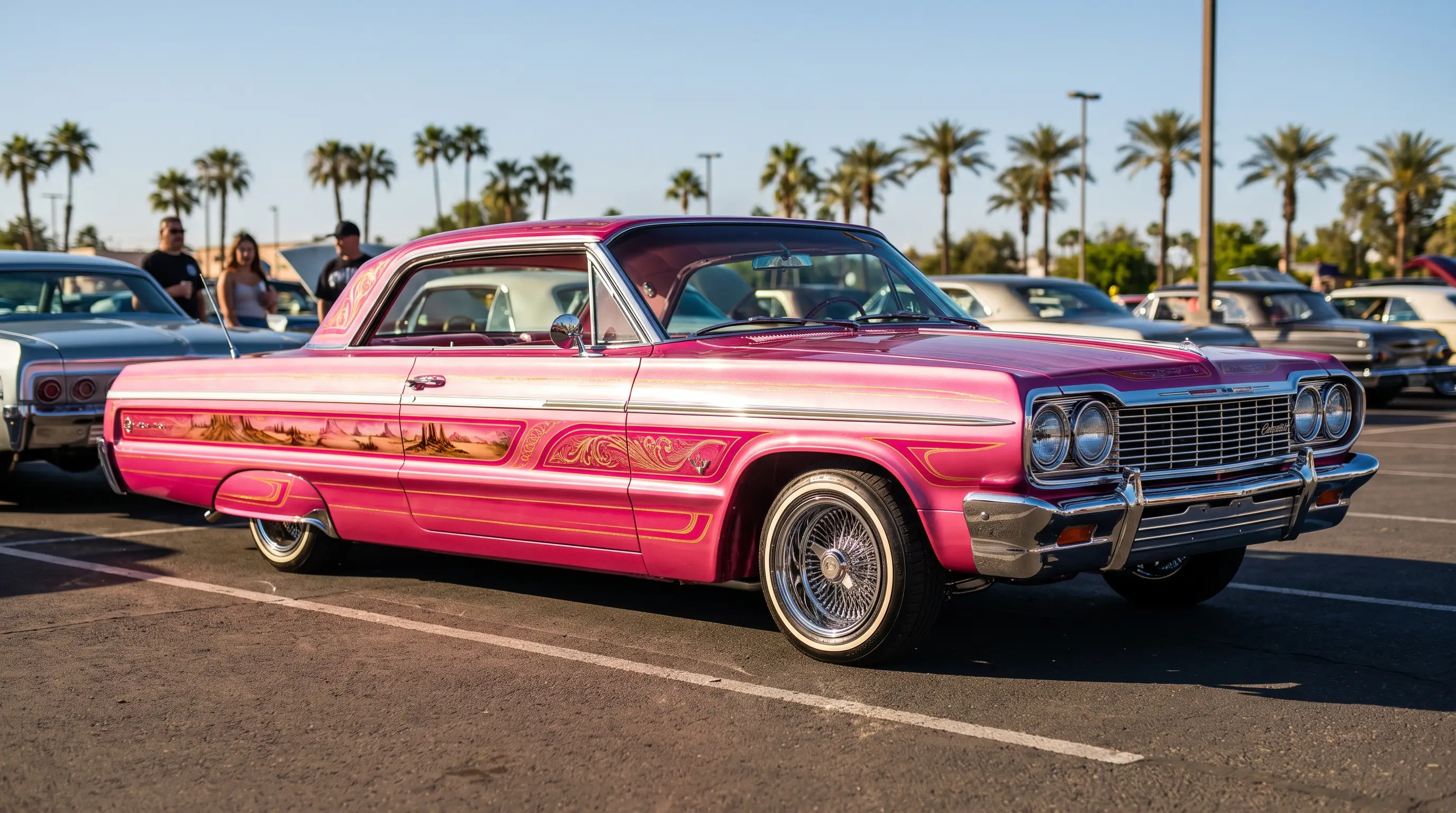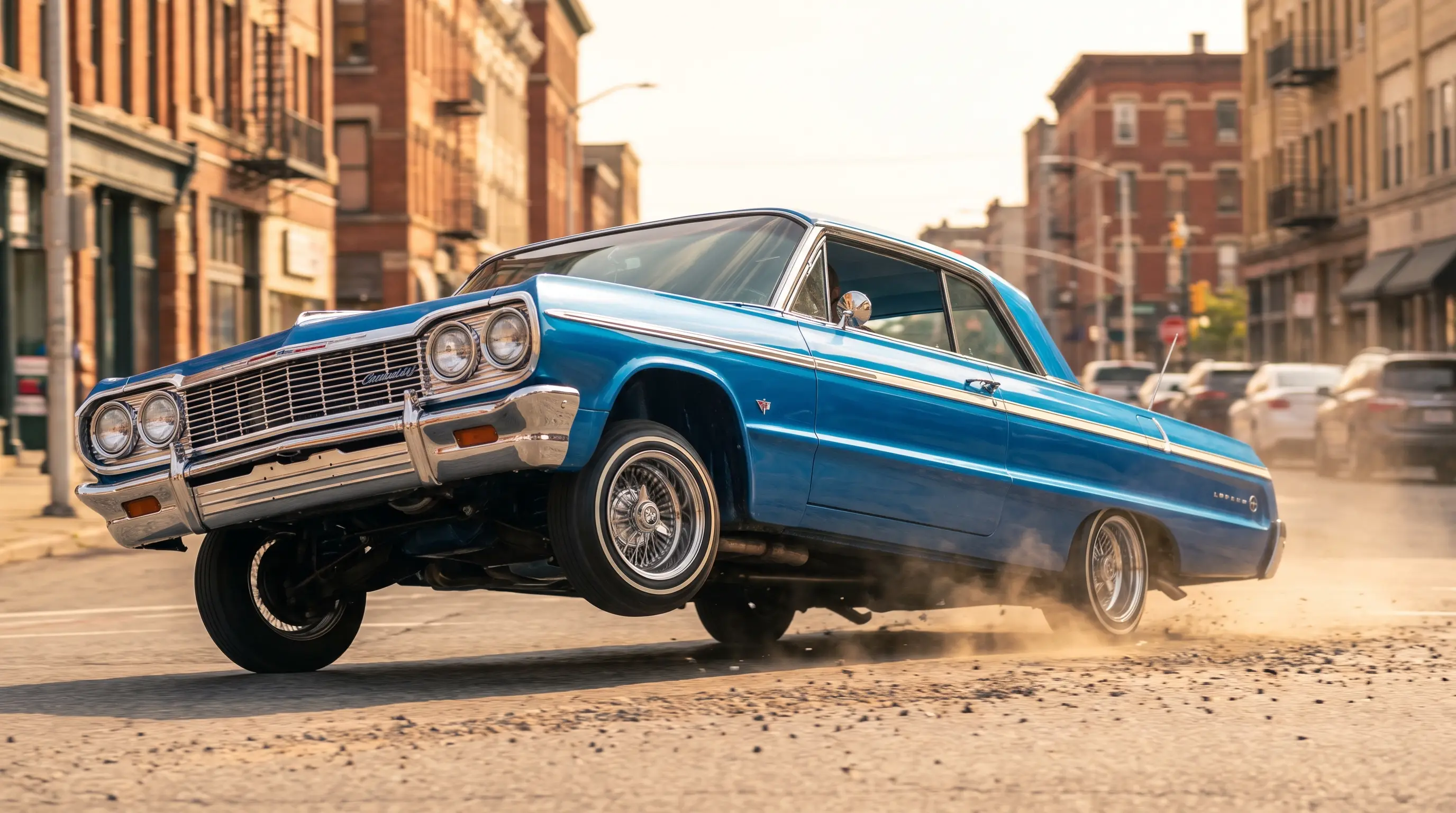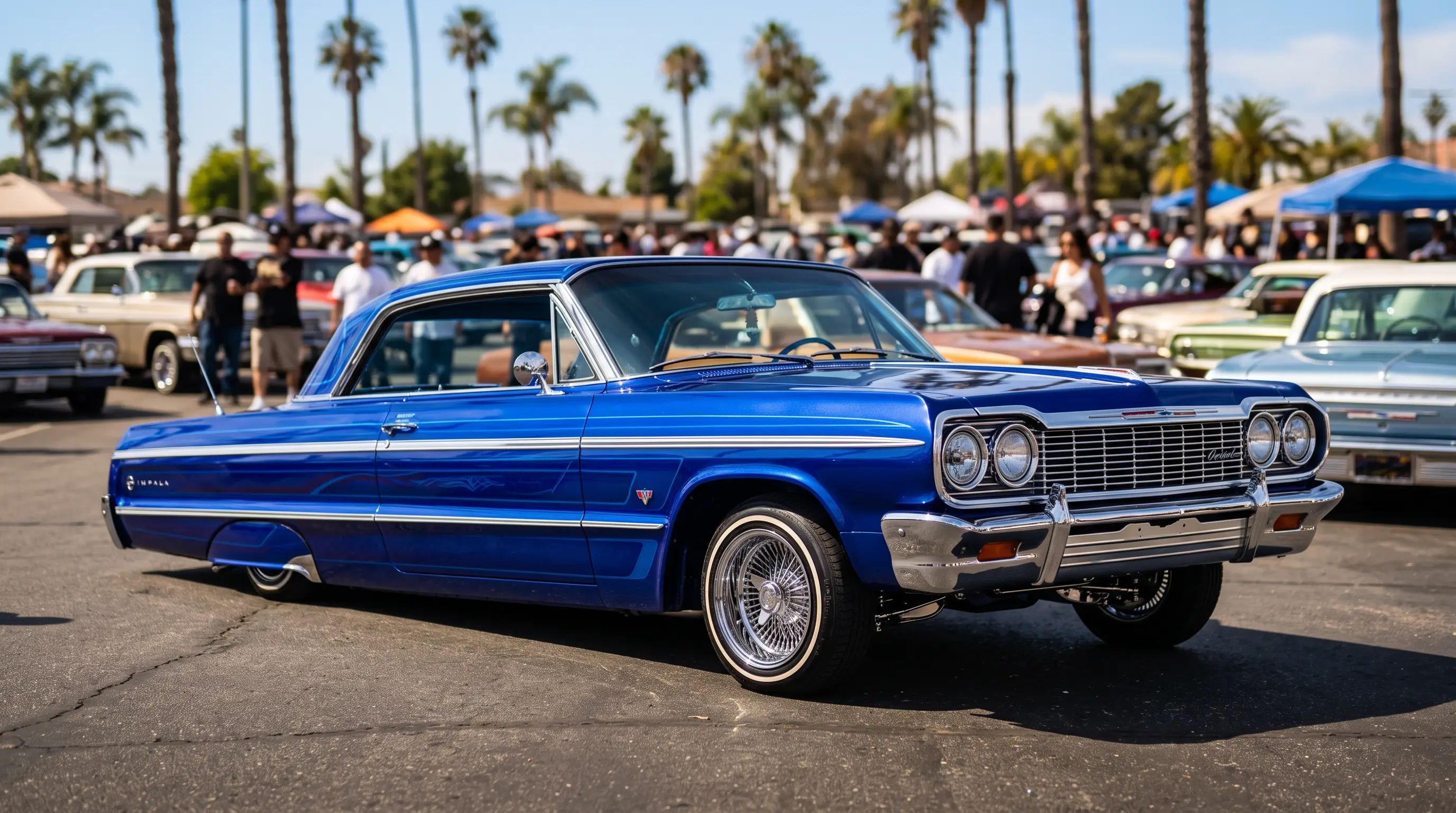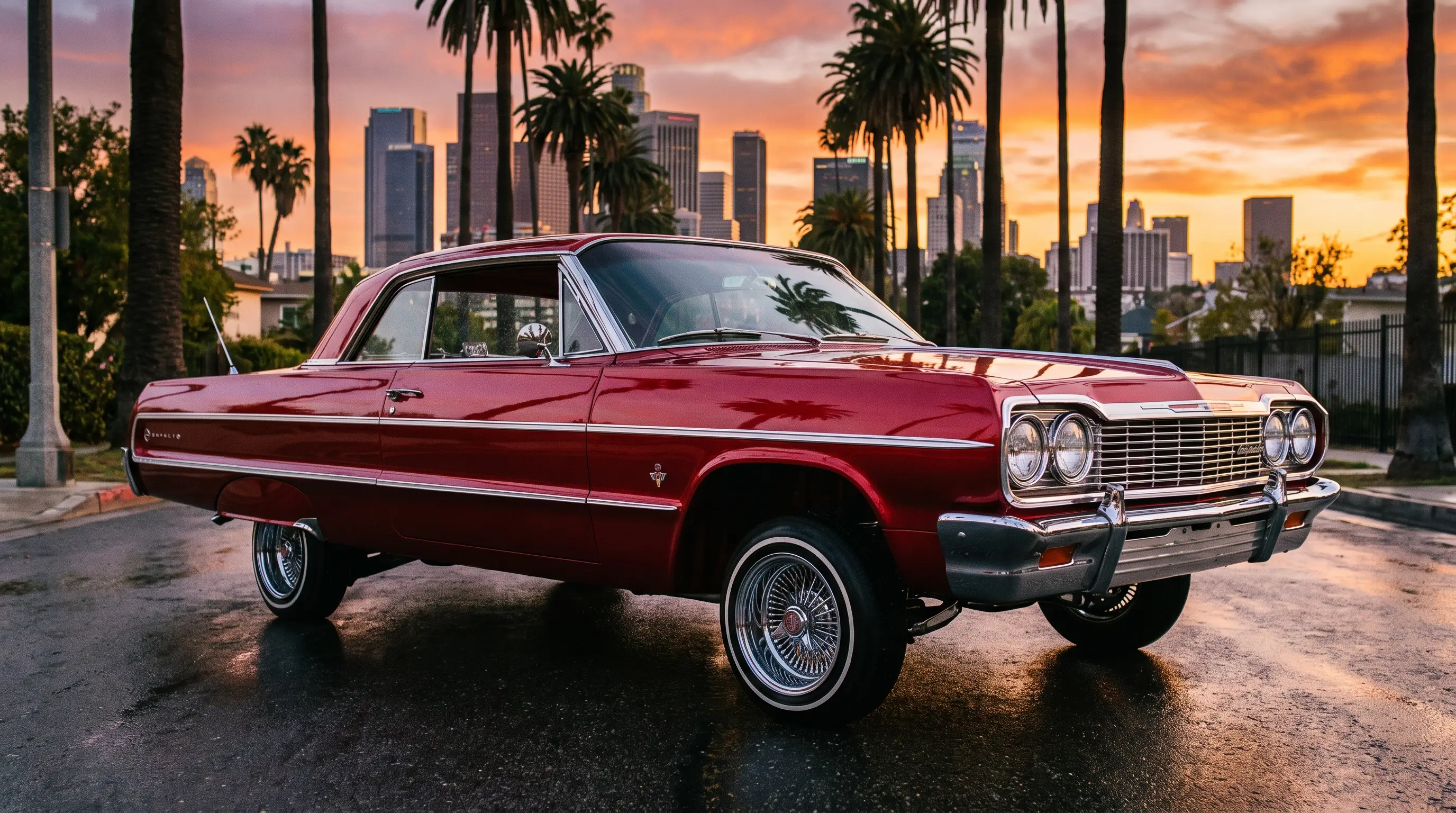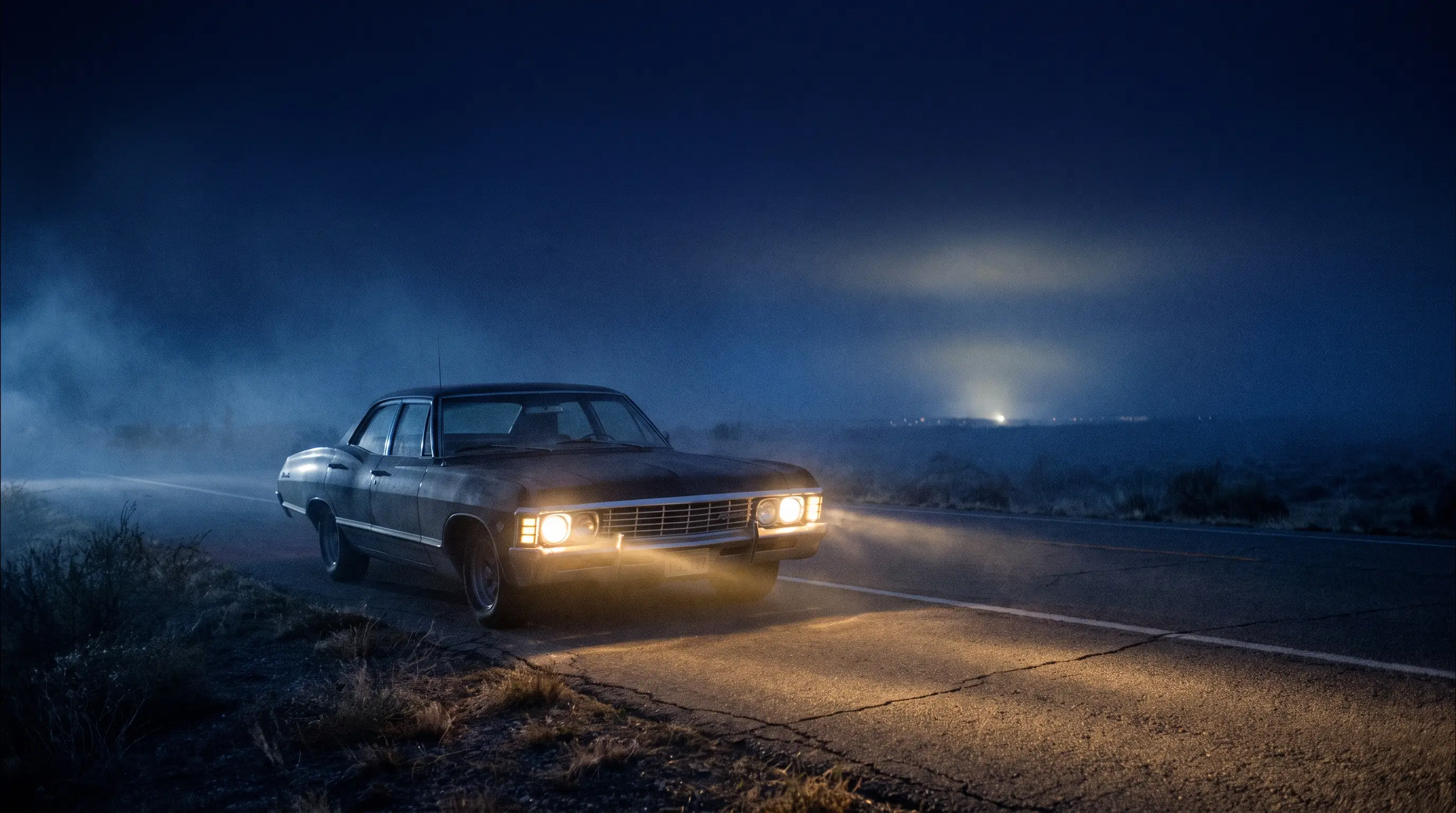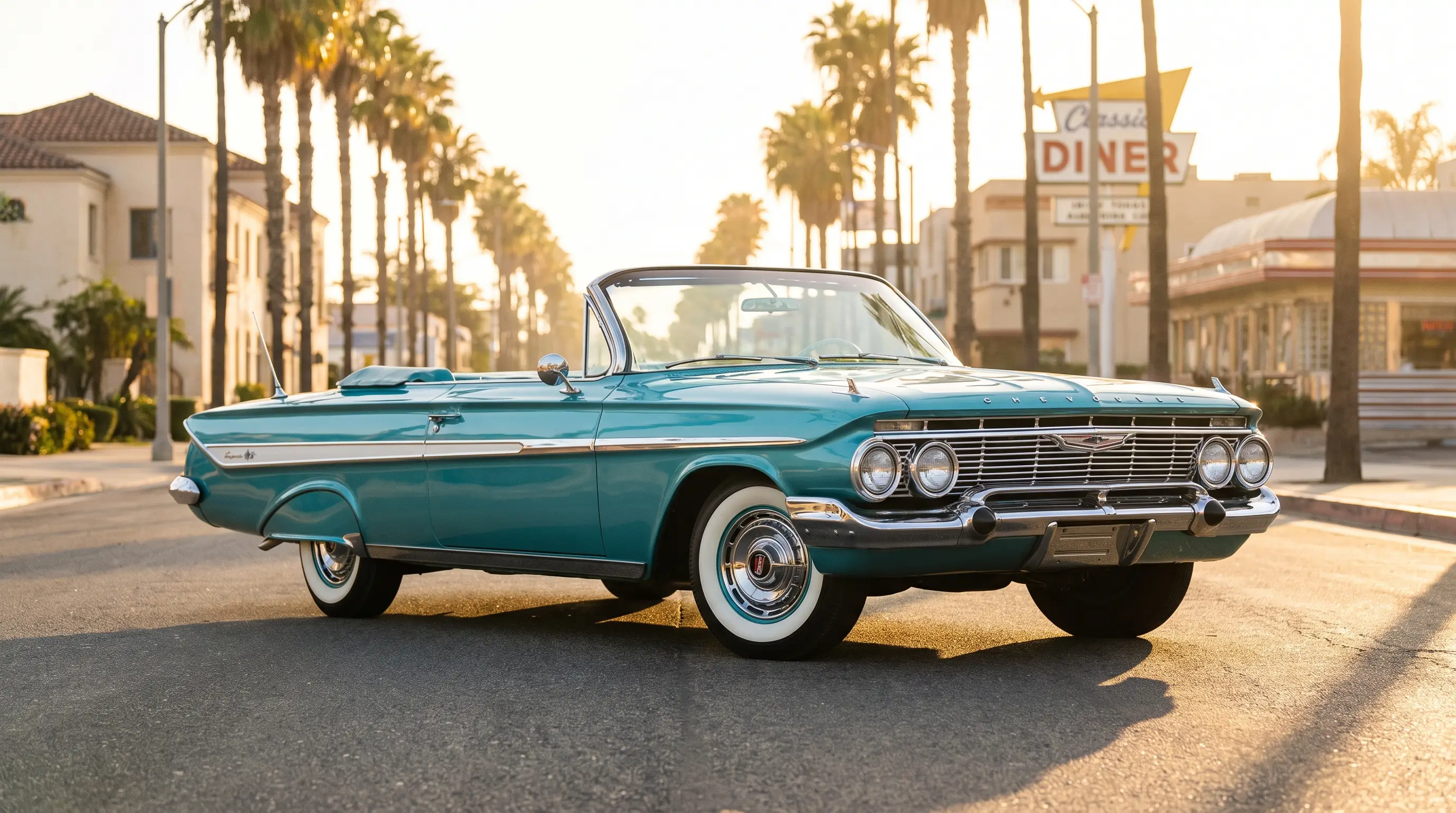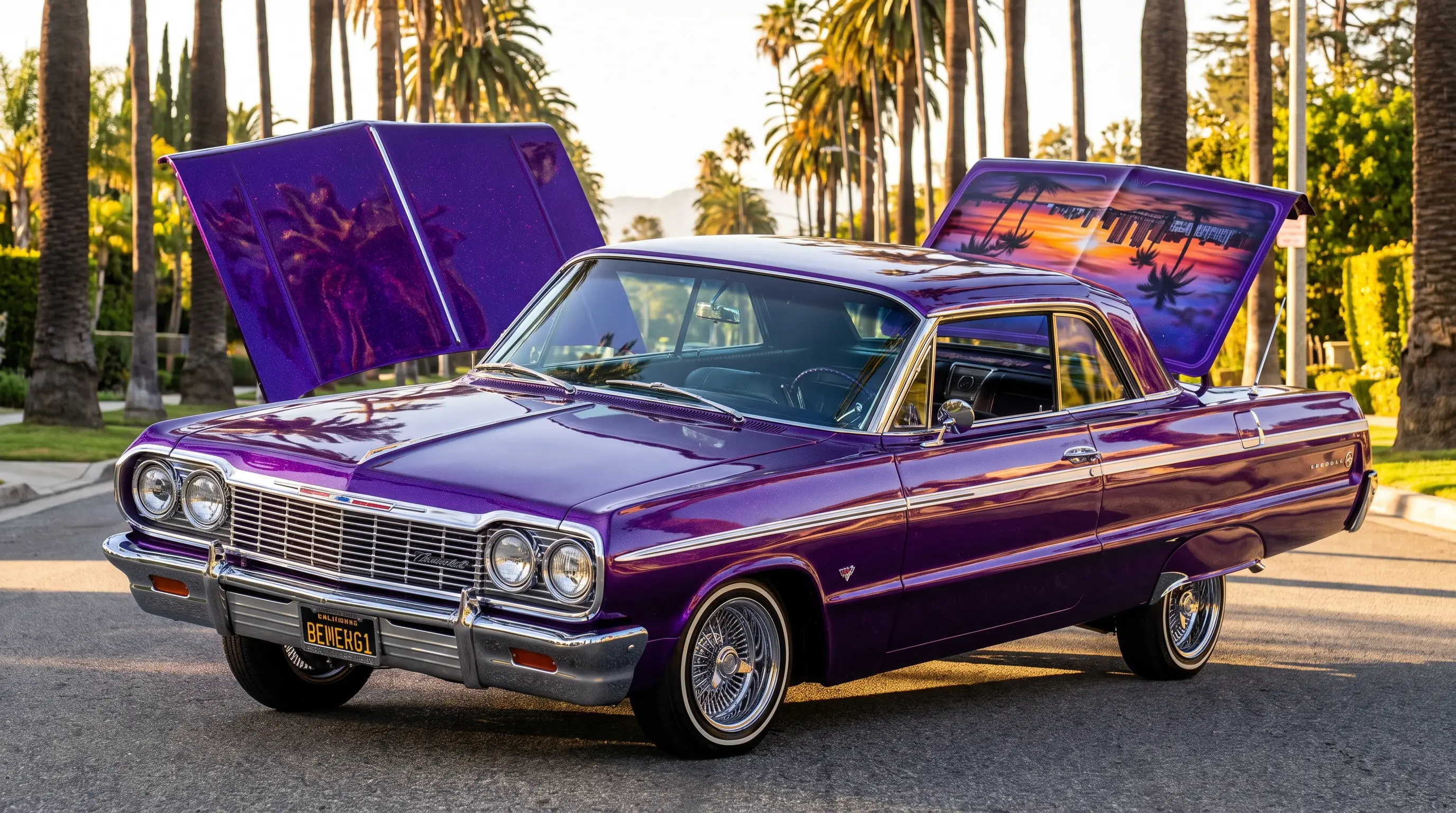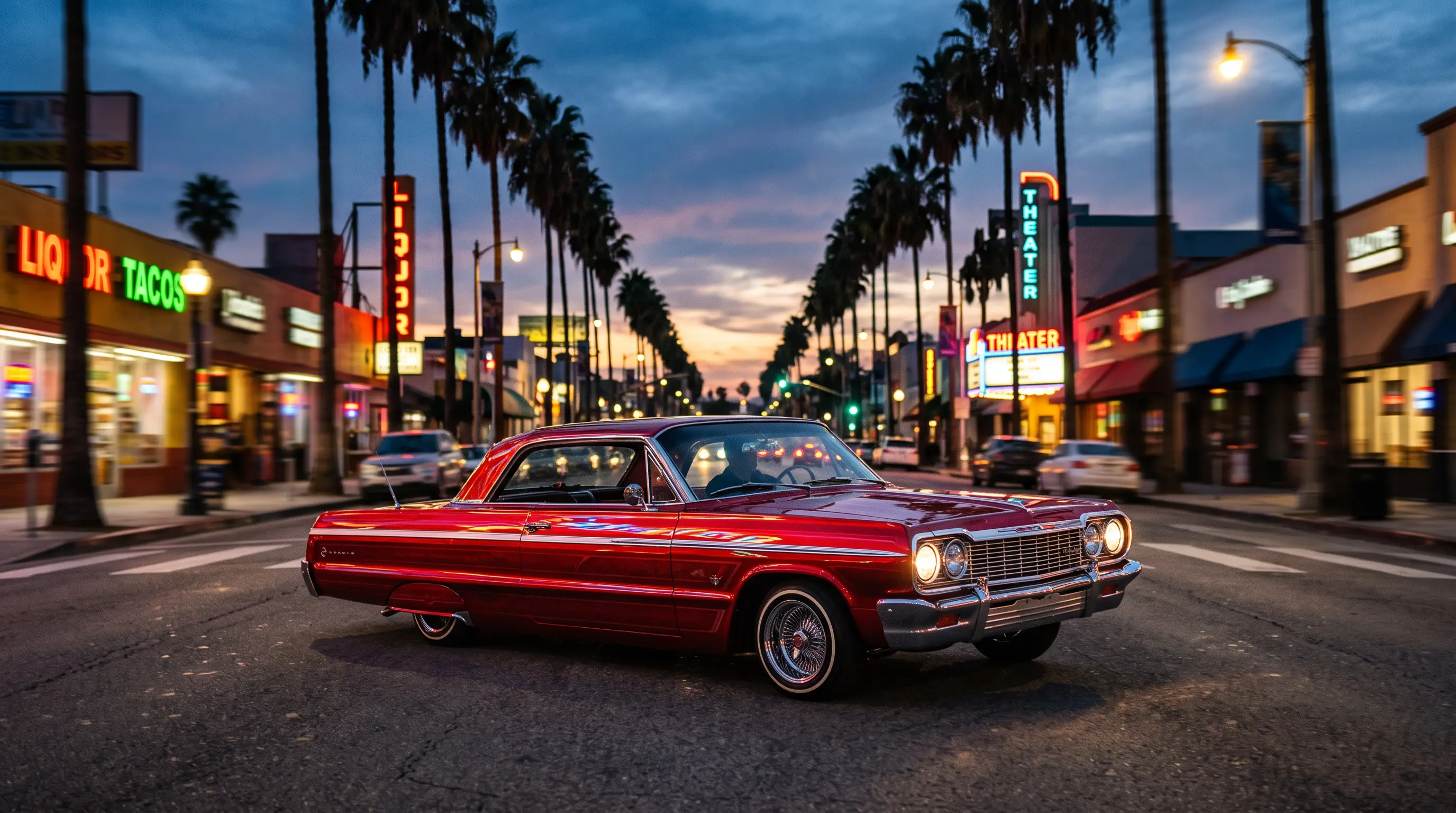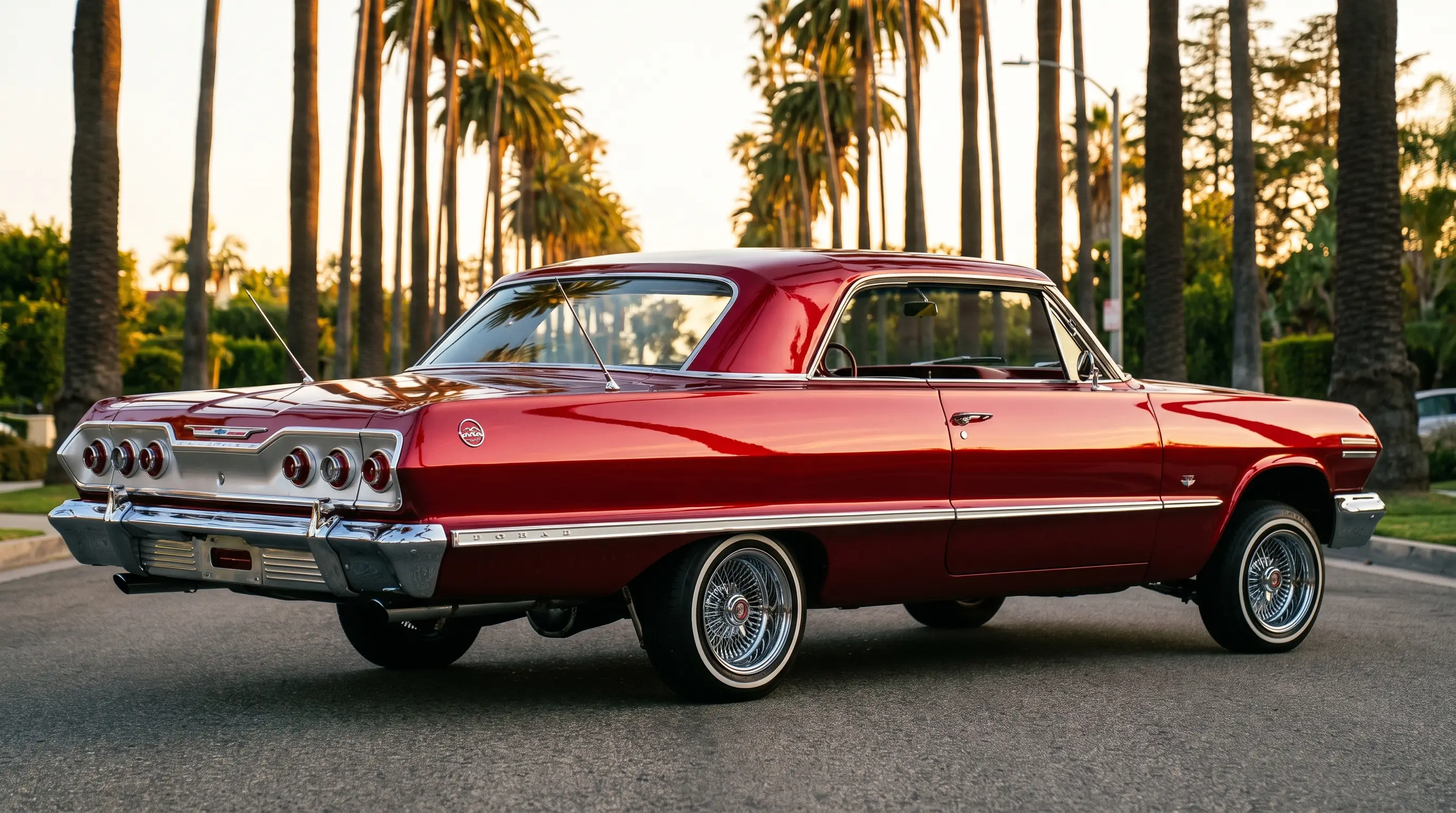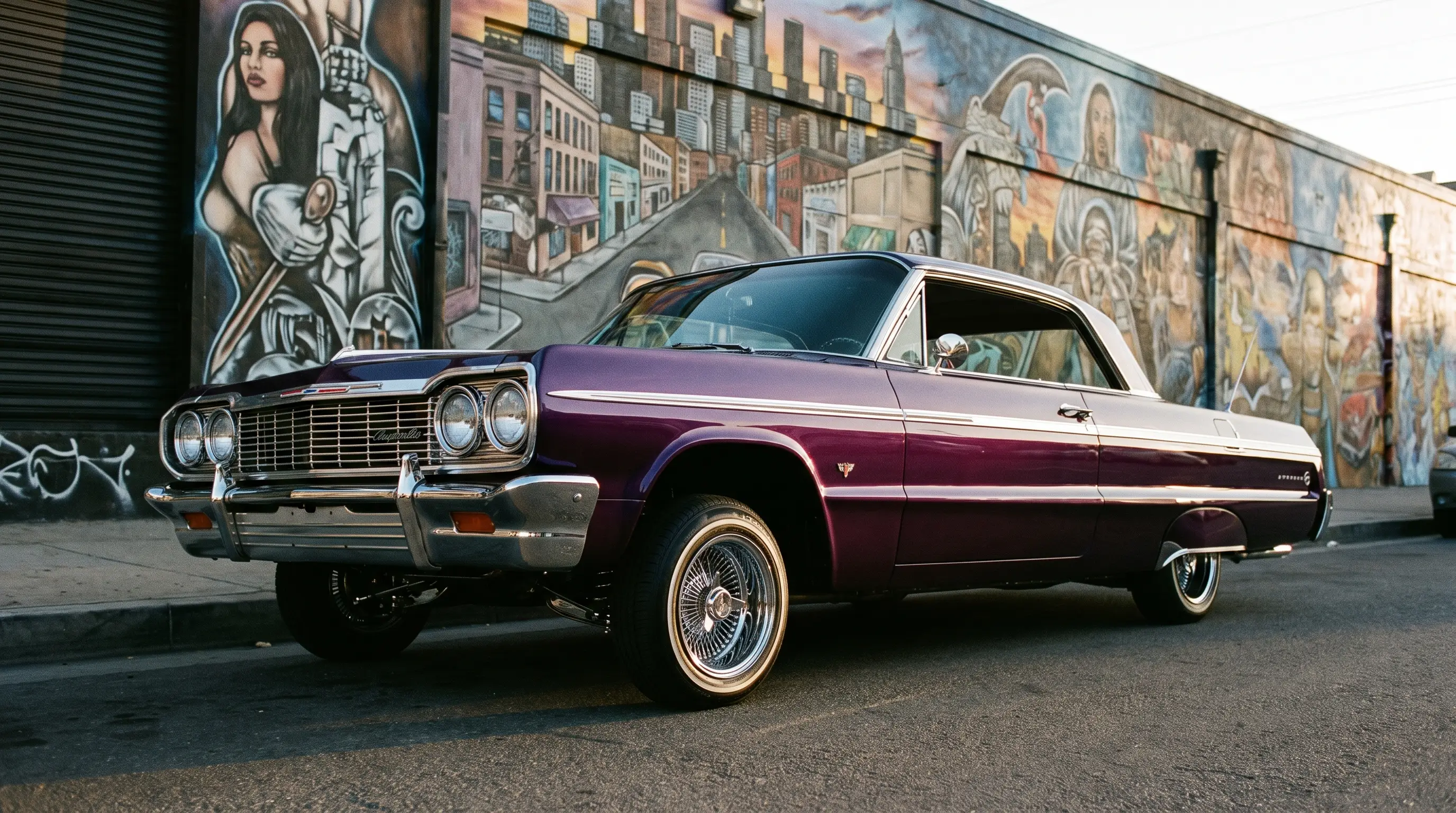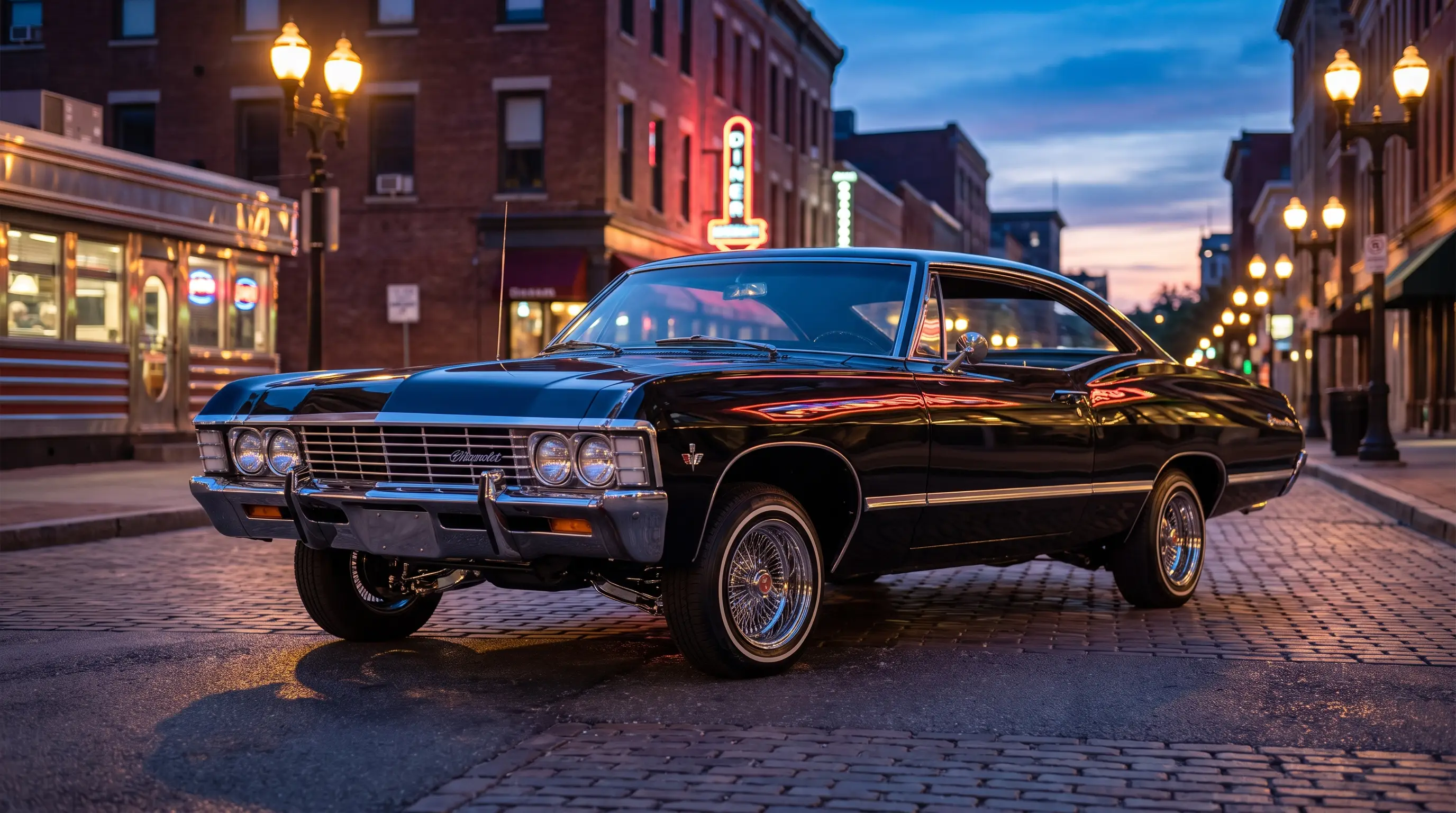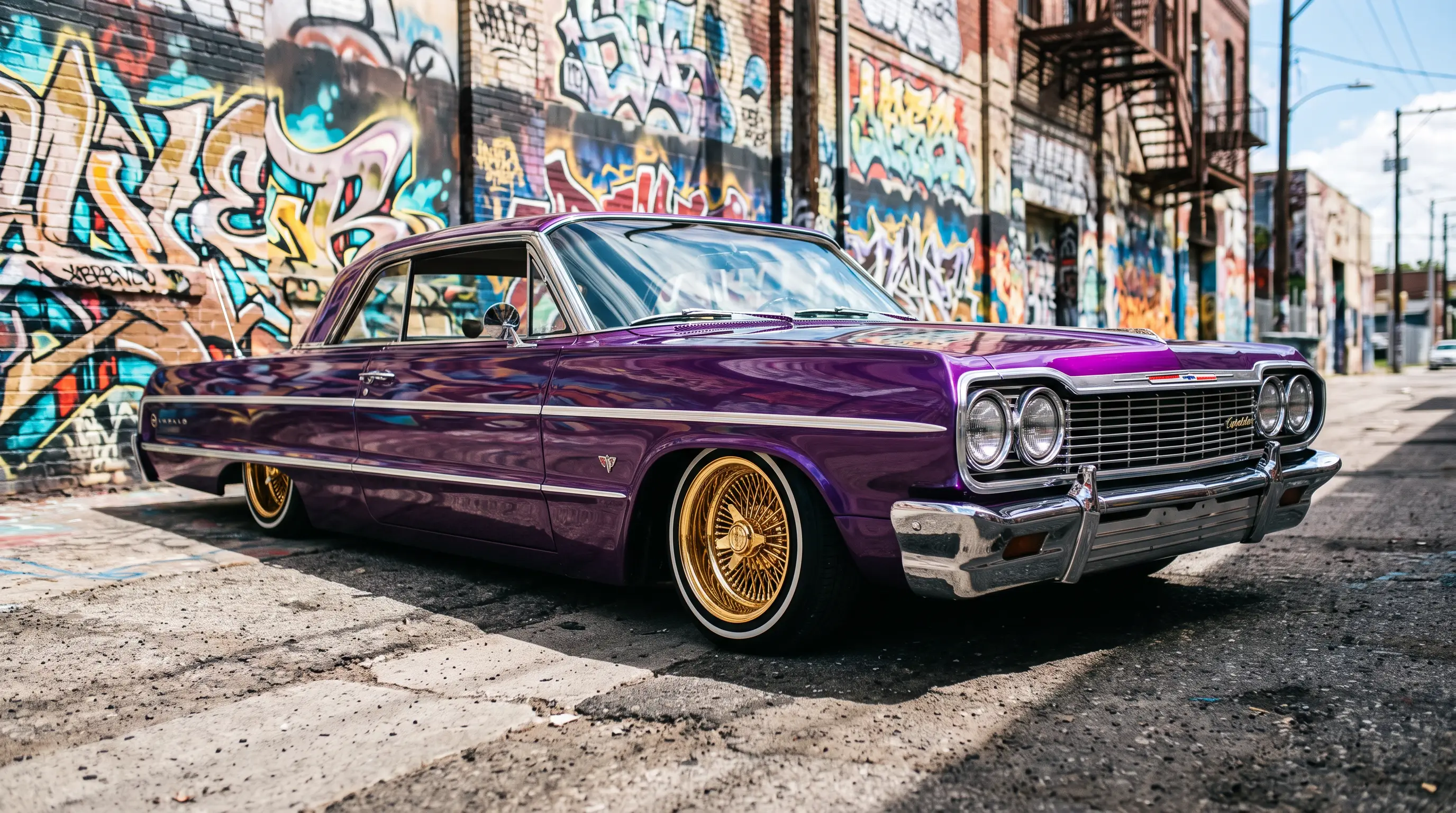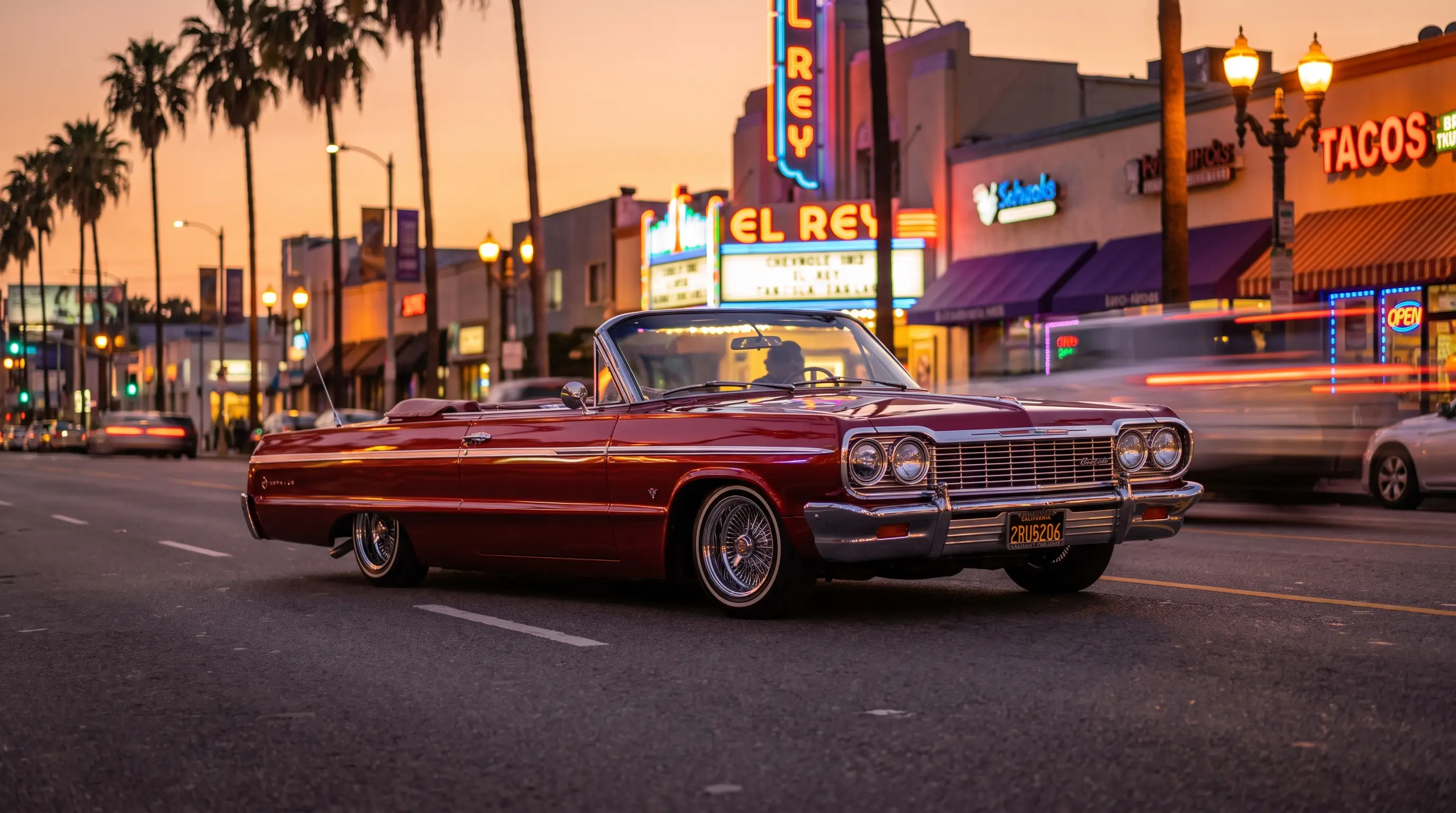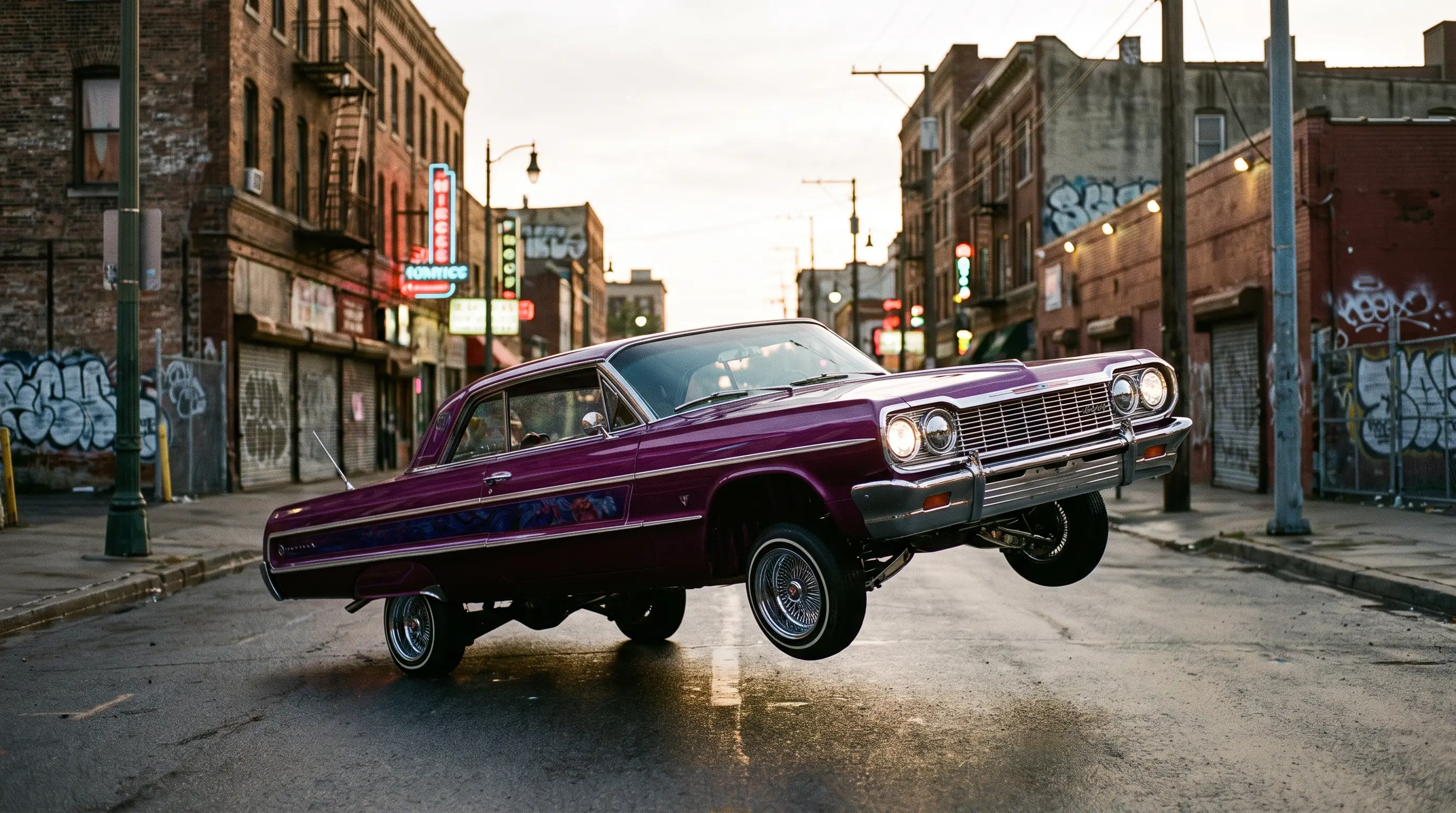
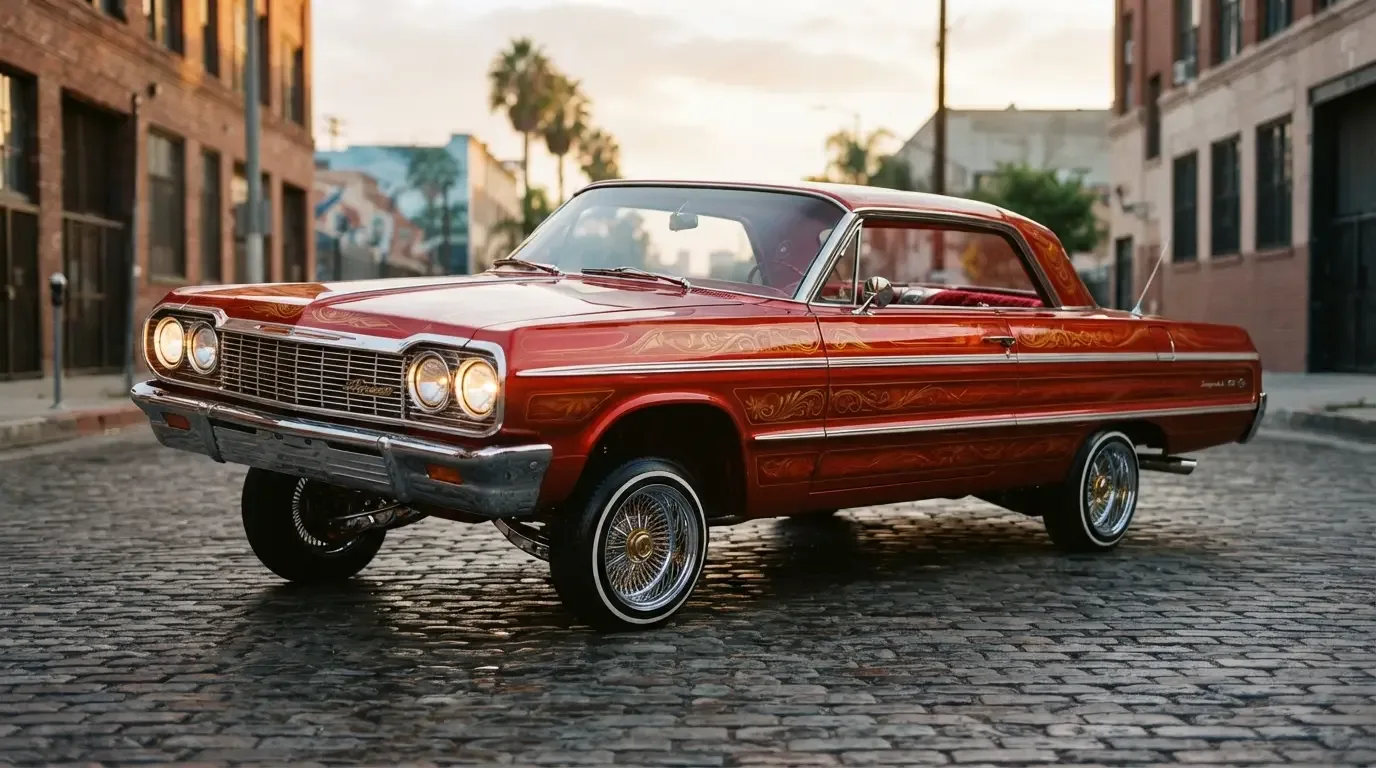
Ask anybody who grew up in a lowriding family what car they pictured first, and most of us give the same answer. The lowrider impala. It is the shape we drew in the margins of our school notebooks, the car our uncles washed on Saturday mornings with a toothbrush for the trim, the one that rolled down the boulevard on a Sunday so slow you could count the spokes. We did not choose the Impala by accident. It chose us, in a way, because it had the lines, the length, and the presence, and because it was a car a working family could actually get its hands on. This is our story of how the Impala became the queen of the lowrider world.
Why the Impala, and not something else
People from outside the culture sometimes ask why we settled on this one car. The honest answer has a few parts, and they all come back to the community. First, the Impala was everywhere. Chevrolet built the full-size cars by the hundreds of thousands, so used ones were plentiful and affordable in the neighborhoods where lowriding grew up in Southern California and the Southwest. A young man saving from a real job could find one. That accessibility mattered more than any magazine spec ever did.
Second, the car had the right bones. The long, low body gave us a canvas, the wide flat panels took paint beautifully, and the generous wheel openings had room for the wire wheels we loved. The 1958 through 1964 cars especially, with their bright trim and sculpted sides, looked like they were designed to be dressed up. If you want the factory history behind those shapes, there is more on the chevy impala worth reading, but for us the appeal was always about what the car could become in our hands, not what rolled off the line.
Rolling low and the art of doing it right
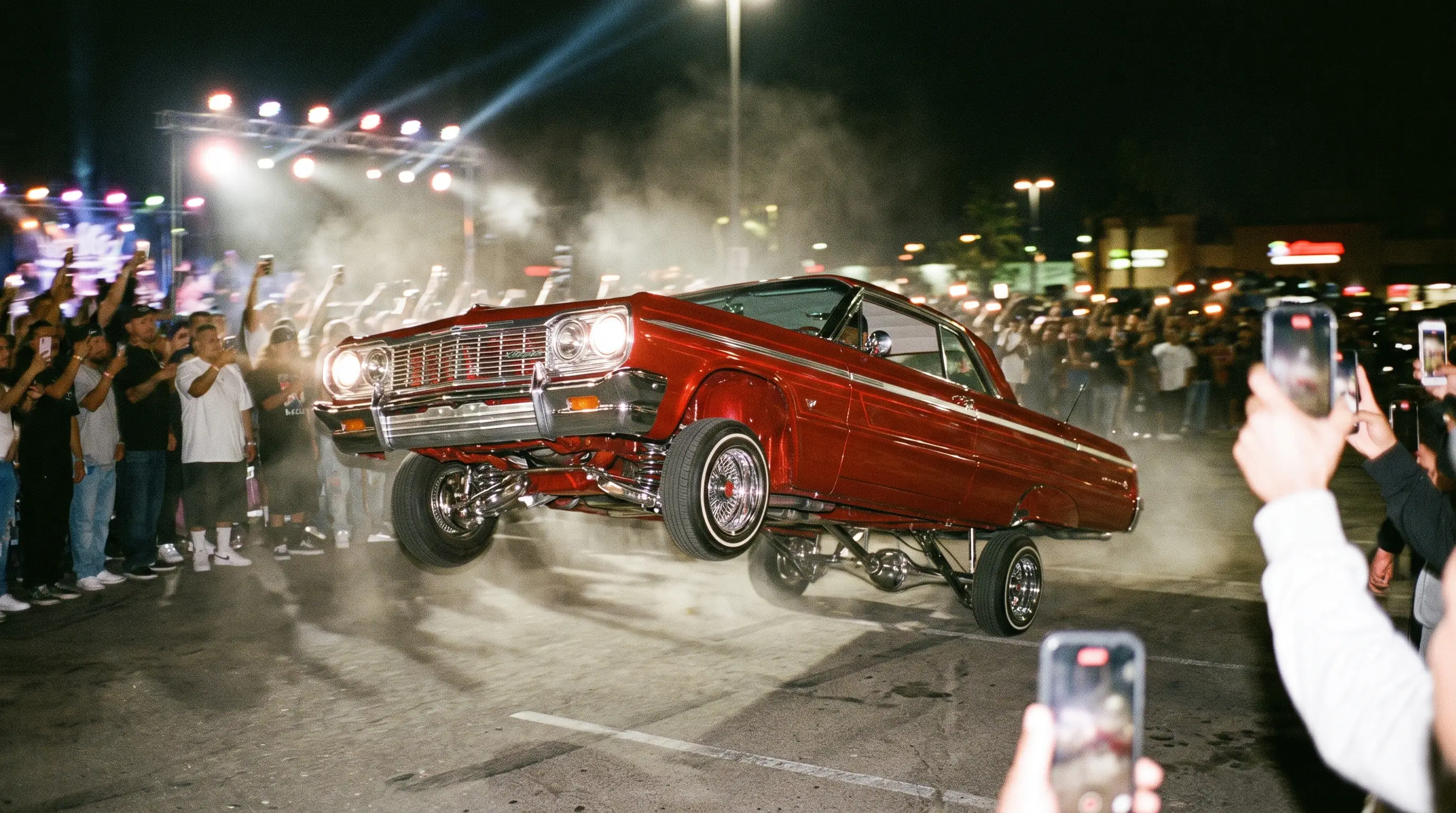
The whole idea of lowriding runs against everything the hot-rodders next door believed. They wanted to go fast and sit high. We wanted to go low and slow, bajito y suavecito, and make the car a piece of the neighborhood parade. In the early days we lowered cars any way we could, and some of those methods were rough. The breakthrough that changed everything was hydraulics. Guys figured out they could adapt aircraft hydraulic components to raise and lower the car on command, which meant you could drop it to the pavement to look right and lift it back up to clear a driveway or, better yet, to hop it for the crowd.
The reason the switch to hydraulics spread so fast was practical as much as it was showy. In California a law on the books made it illegal to drive a car sitting below a certain height, and hydraulics let a driver raise the car to legal height when the black-and-white came around and drop it back down after. Necessity and creativity met in a garage, the way they usually do in our world, and the result became one of the signatures of the whole culture.
Paint, plating, and the hands behind them
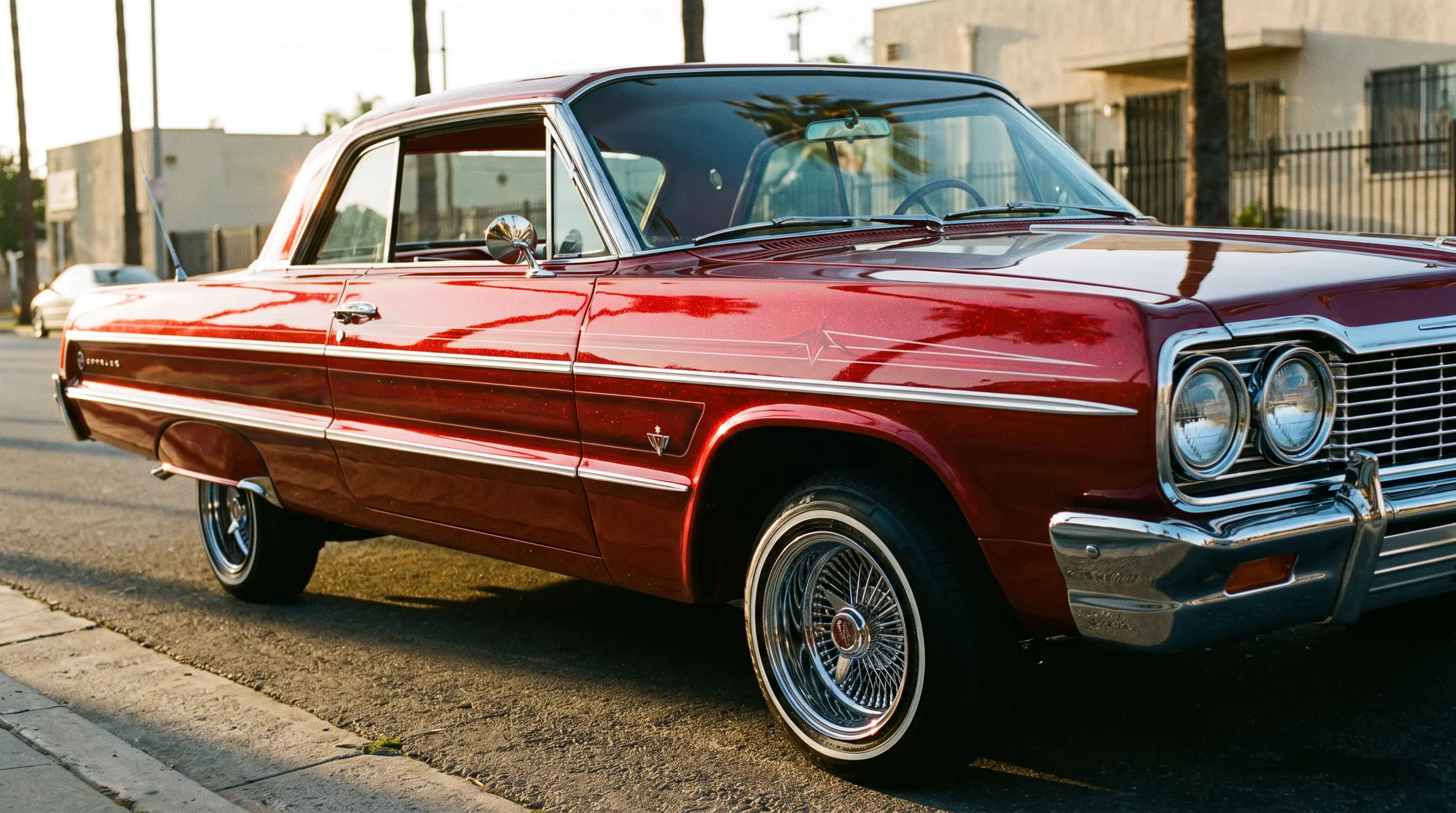
None of this happened without the craftspeople, and this is the part outsiders miss. A finished lowrider Impala is a collaboration. There is the painter who lays down candy colors and flake and the fine-line patterns that take a steady hand and endless patience. There is the person who does the murals, real artwork on metal, portraits and scenes and lettering that carry meaning for the family that owns the car. There is the upholsterer who ties the interior together in crushed velvet or tuck-and-roll, and the plater who sends the suspension and the small parts out to be chromed until they gleam.
We name these people because in our world the builder gets credit the way a painter signs a canvas. A car is known by whose shop touched it. When one of these Impalas wins at a show, the win belongs to a whole team, and everybody in the community knows exactly who did what. That respect for the craft is the heart of the thing. The car is the trophy, but the people are the reason.
"We never built these cars alone. Every candy panel and every chromed A-arm has somebody's name behind it, and when the car rolls down the boulevard, the whole shop is riding in it with you."
- Hector Morales
The clubs and the boulevard
The car clubs are where the culture organized itself. Names like Dukes and Imperials became institutions, and belonging to a club meant something. It meant you had standards, you showed up, you helped a member finish a car before a show, and you represented the neighborhood with pride. The clubs turned individual builders into a movement, and they gave young people a place to belong that had nothing to do with trouble and everything to do with building something beautiful together.
The boulevard was the stage. Cruising was the whole point of the finished car, a slow procession where the community came out to see and be seen. Whittier Boulevard in East Los Angeles is the one everybody knows, but every city with a scene had its strip. The magazine that documented all of it starting in the late 1970s helped tie the regional scenes together into a national culture, and suddenly a builder in Texas knew what a builder in California was doing.
The wire wheels and the details that finish a car
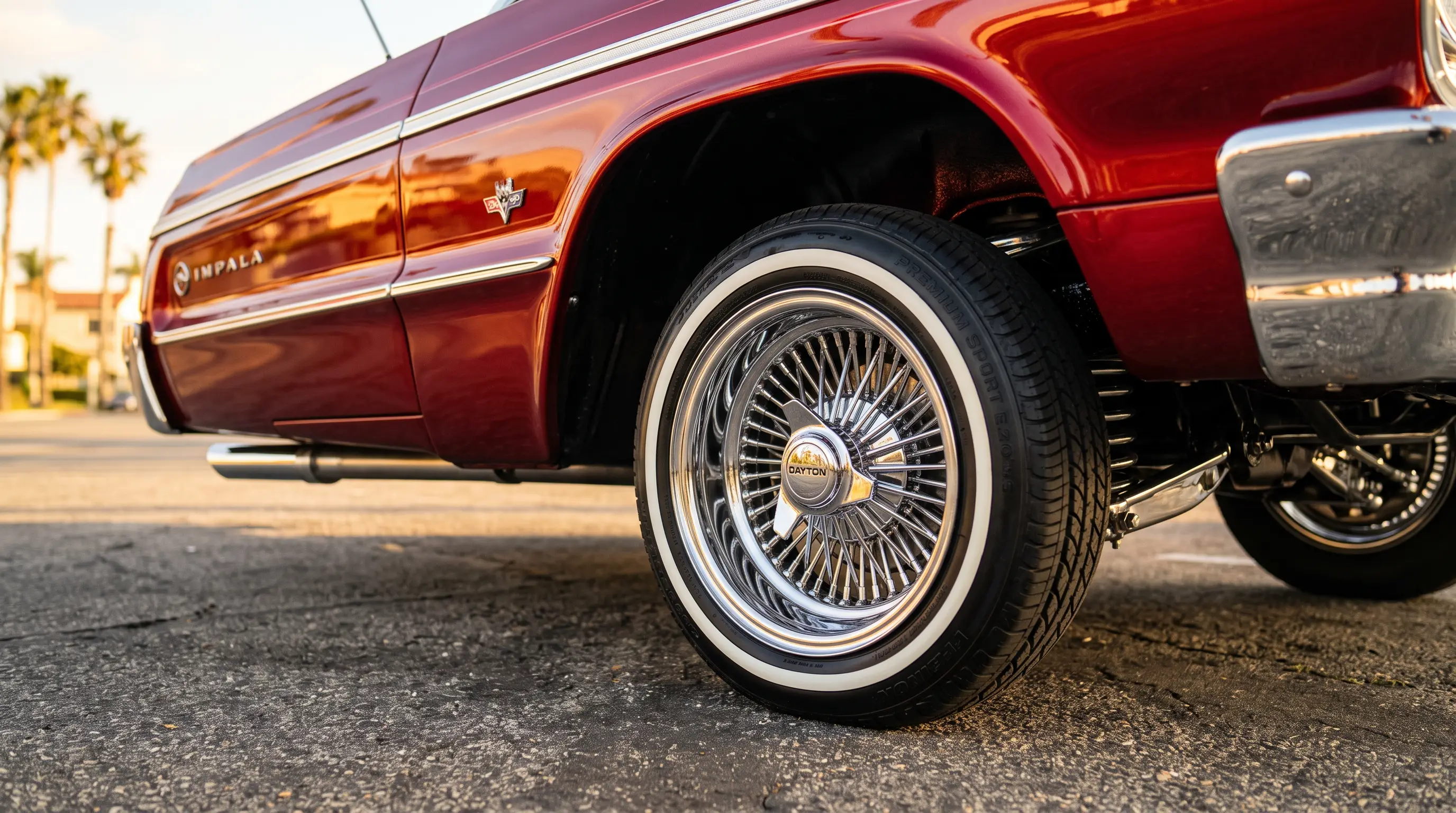
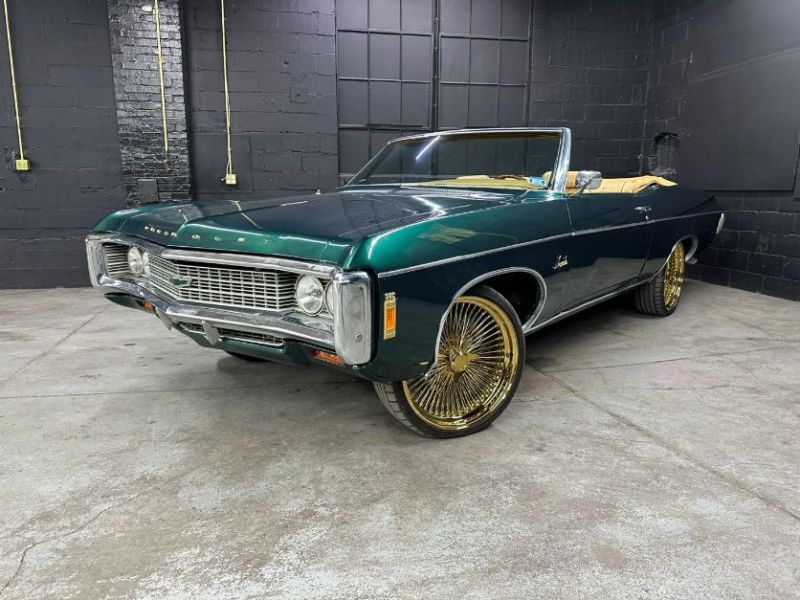
You can spot a serious lowrider Impala from a block away by its wheels. The wire-spoke wheel, the one everybody calls a set of Daytons after the best-known maker, became as much a part of the look as the low stance itself. A gleaming set of chrome wire wheels with narrow whitewall tires does something no modern wheel can do. It ties the car to a tradition that goes back to the earliest days of the culture, and it signals that the owner cares about doing it the right way. We could argue all night about spoke counts and knock-off styles, and plenty of us have.
But the wheels are just the start of the details. A finished car is a thousand small decisions. The pinstriper who runs a single fine line down a panel by hand. The engraver who cuts patterns into the chrome. The person who wires the hydraulic setup so the switches respond clean and the car sits level. Each of those choices is a chance to show craft or to cut a corner, and in our community everybody can tell the difference. A car that looks flashy from far away but falls apart up close does not earn respect. A car that rewards a close look, where every detail was done with care, is the one that wins.
This is why building one takes so long and costs what it costs. There is no rushing a real one. The paint alone can take months if it is done in layers of candy and flake and patterns, and the plating and the interior add more. A lot of these cars are built a little at a time, as money allows, which is its own tradition. Plenty of us drove a primered project for a couple of years before it was ready to shine, and nobody thought less of us for it. That was just how it was done.
The music, the movies, and the reach of the culture
By the 1980s and 1990s the lowrider Impala had rolled straight into the center of American popular culture, and it got there mostly through music. West Coast hip-hop put these cars in videos until they became a visual language of their own. A bouncing 1964 on three wheels said something the lyrics did not have to spell out. The car meant pride, roots, and a certain unhurried confidence, and audiences far from the neighborhoods where the style was born learned to read that meaning.
Film played its part too. Once these cars started showing up on screen, the look spread everywhere, and people who had never heard the word lowrider suddenly knew exactly what one was. There is a pride in that, watching something your community built become recognized around the world. There is also a caution in it. As the fame spread, so did imitation, and not everybody who slapped some wire wheels on a car understood the history behind them. Those of us who grew up in it try to keep the story straight, so the next generation knows where the style came from and who did the work.
What never changed through all of it is the community at the core. The videos and the movies came and went, but the clubs kept meeting, the builders kept building, and the boulevard kept filling up on a Sunday. The fame was nice, and it lifted some careers and some shops, but it was always a byproduct. The real thing was always the people and the cars they made together, and it still is.
The classic Impalas the culture prizes most
Not every year carries the same weight with us, so let me lay out the favorites and why, keeping to the culture and the history rather than any build how-to, since the shop work belongs to the people who do it for a living.
| Era | Why the culture loves it |
|---|---|
| 1958 | The first Impala year, lush trim and a distinct shape prized by traditionalists |
| 1959 | Dramatic wing-like rear and cat-eye taillights, a bold canvas |
| 1960 | Refined take on the wild 1959 styling, a perennial favorite |
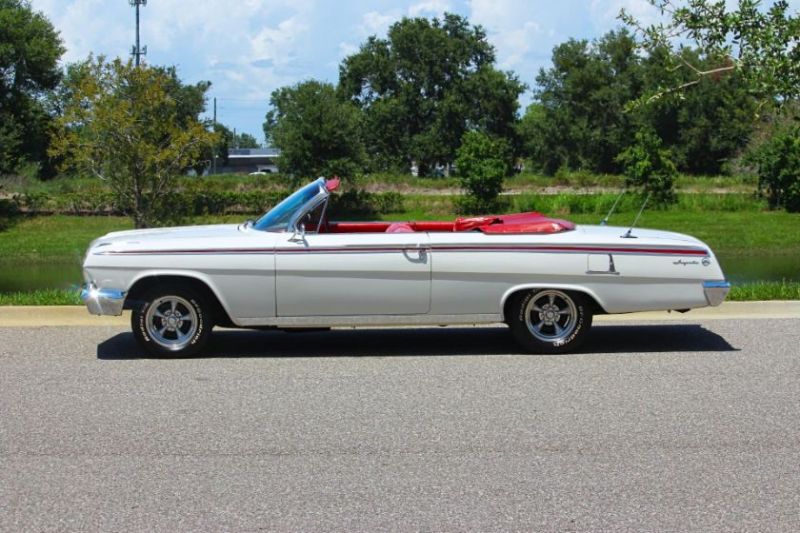
| 1961 to 1962 | Cleaner lines that suit fine paint and wire wheels |
| 1963 to 1964 | Widely considered the definitive lowrider Impalas, the shape most people picture |
The 1964 in particular reached a level of fame that goes past the car hobby entirely. It rolled through movies, album covers, and music videos until it became shorthand for the whole culture. That fame is a double edge. It made the cars beloved, and it also pushed prices up as demand spread far beyond the neighborhoods where the style was born. The 1958 is its own special case for the traditionalists, and if you want the factory backstory on that debut year, another one worth knowing is waiting for you.
Keeping the tradition alive
What keeps me hopeful is that this is not a museum culture. Young people are still building, still learning the paint and the plating and the wiring from the elders who did it first, and the clubs are still cruising. The cars have gotten more expensive and harder to find in good shape, which is the price of the whole world finally recognizing what we always knew, but the spirit has not changed. A finished lowrider Impala is still a family project, still a neighborhood's pride, still rolling low and slow on a Sunday afternoon.
For anyone drawn to the culture and thinking about their own car, the first advice we give is always the same. Learn the community before you buy the car. Go to a show, talk to a club, find out who builds and who just talks. When you are ready to see what is out there, you can browse classic Impala listings and start getting a feel for what a real one costs and what condition to expect. Take your time. The right car finds the right owner, and in our world that has always been true.
The Impala became the queen of the lowrider world because it had the lines we needed, the numbers to be affordable, and a community with the skill and the pride to turn a used Chevrolet into rolling art. That is the whole story, and it is still being written every weekend on boulevards across the country. The factory built the car. We built the legend, together, and we are not done yet.