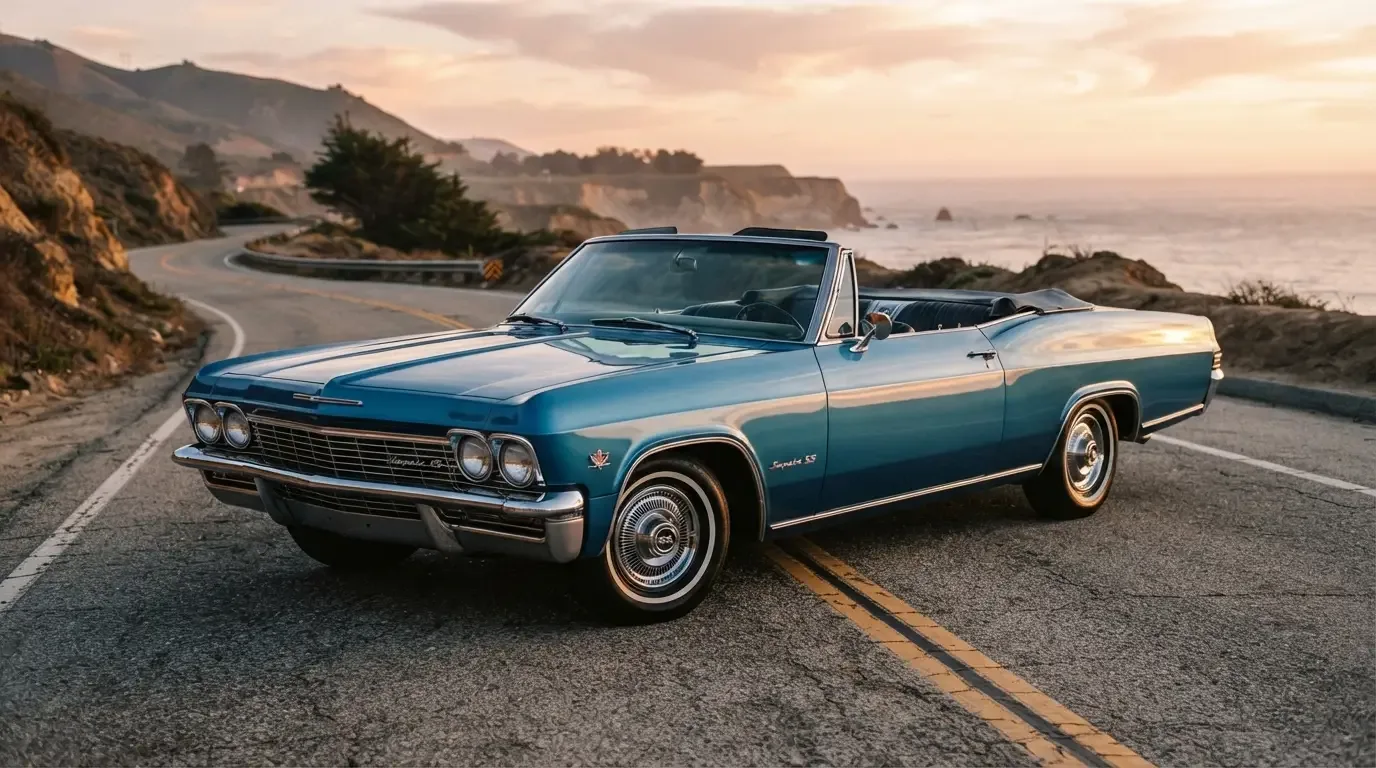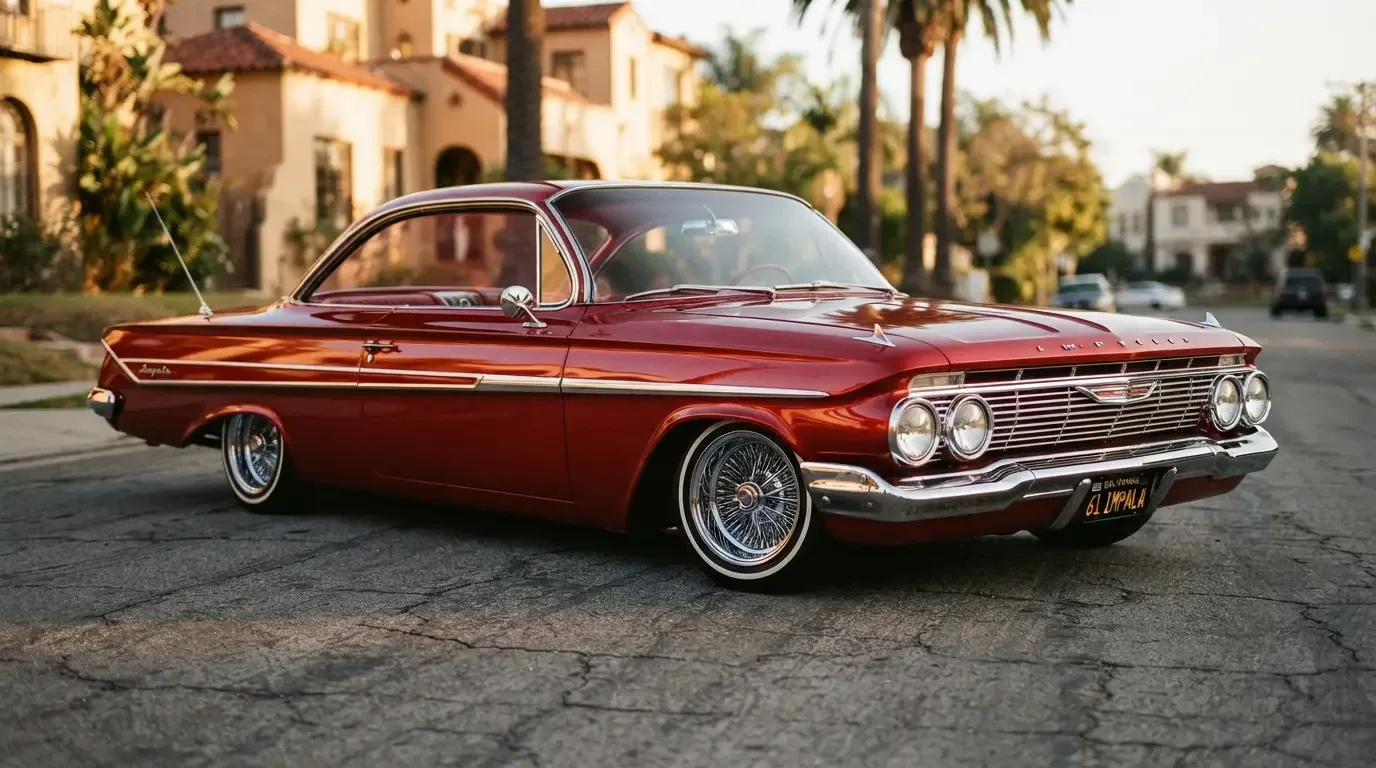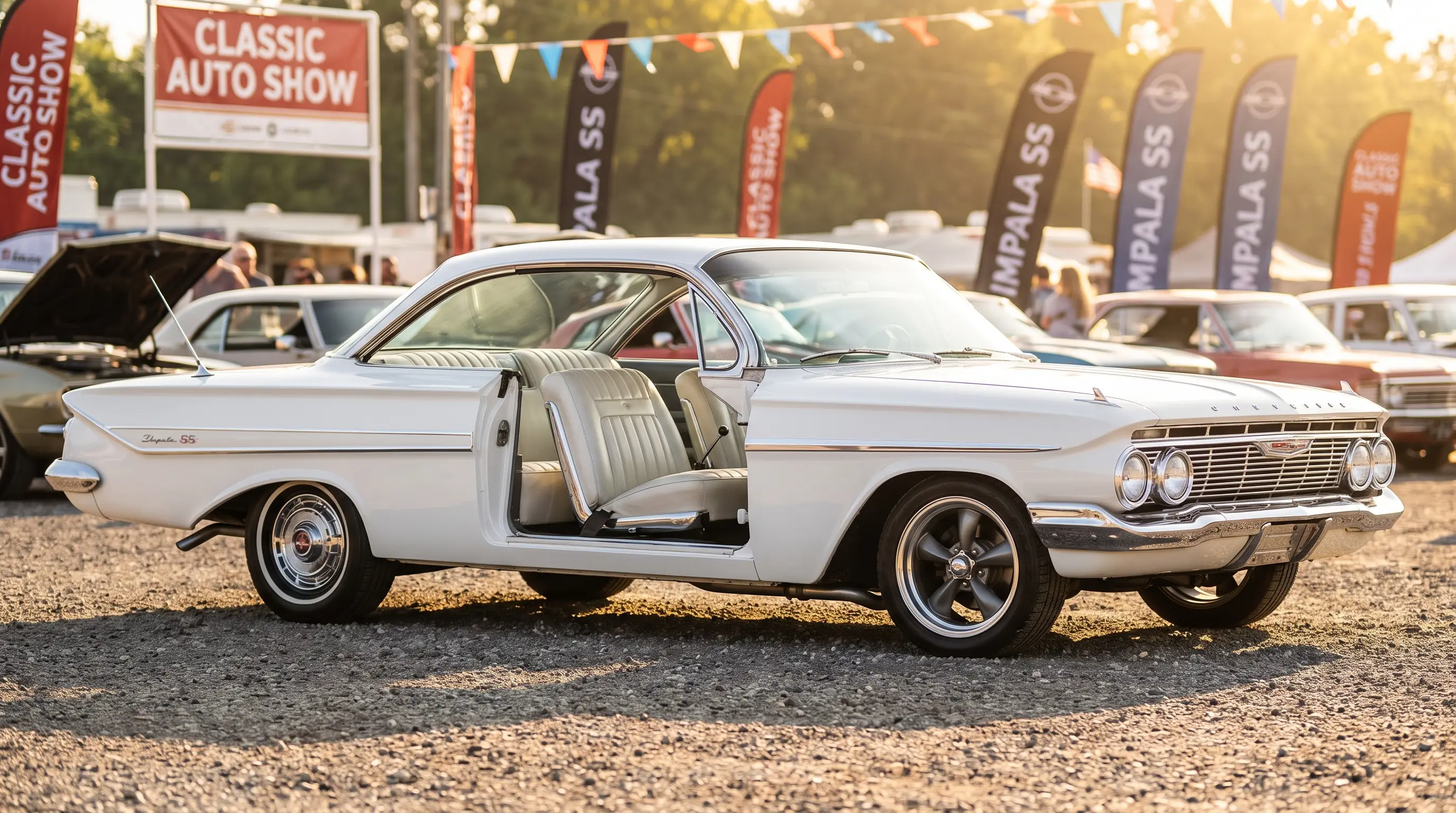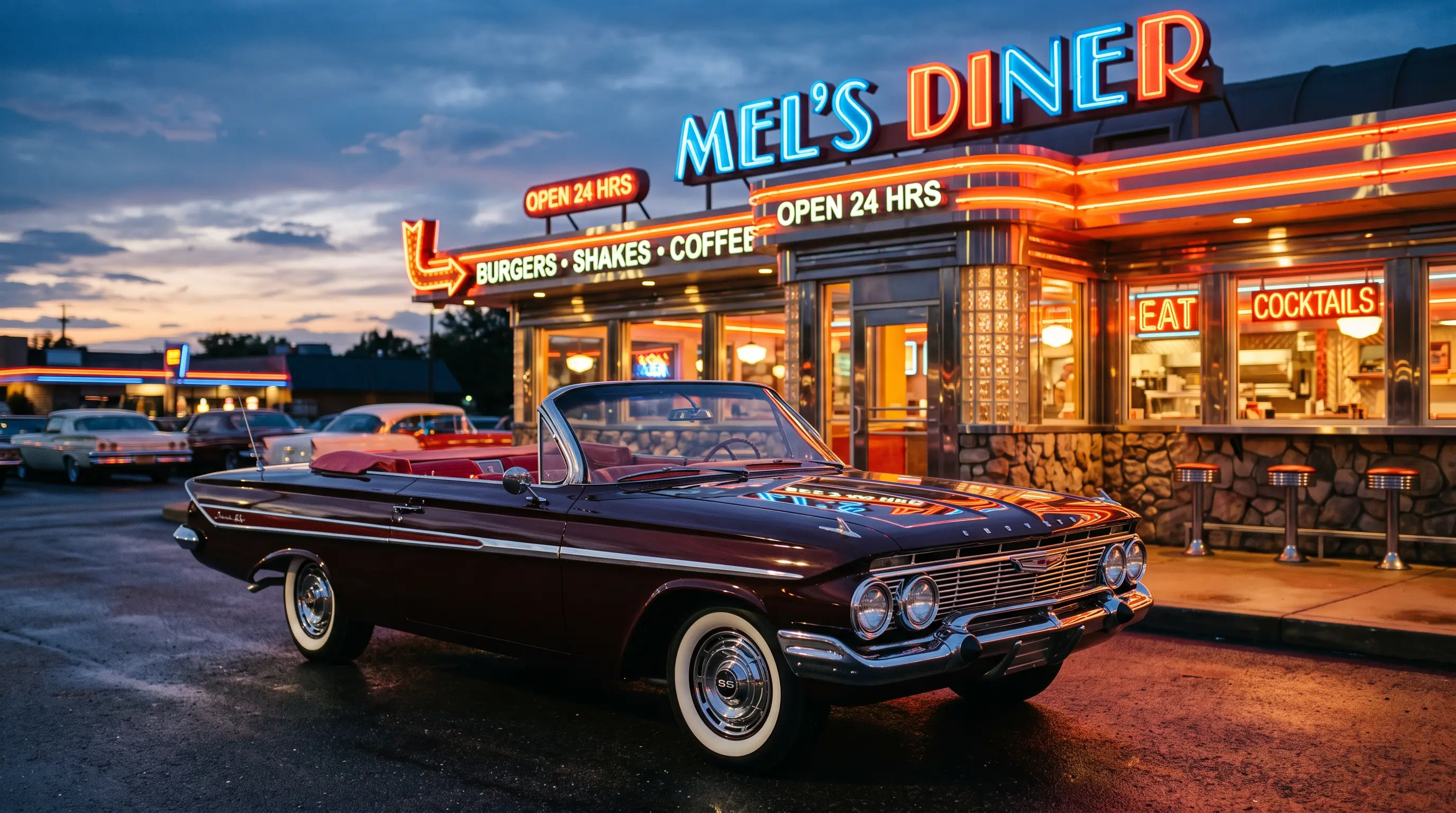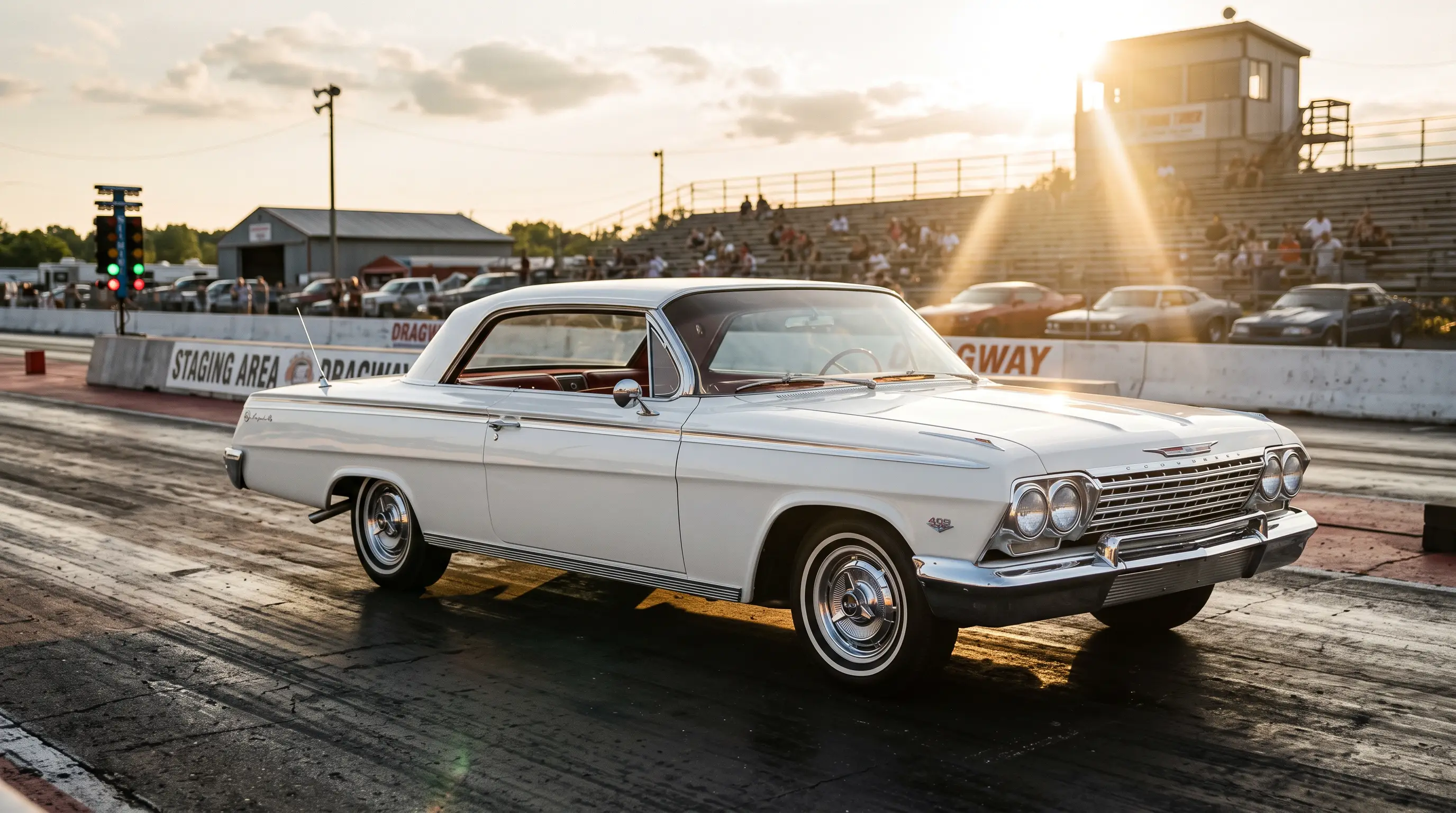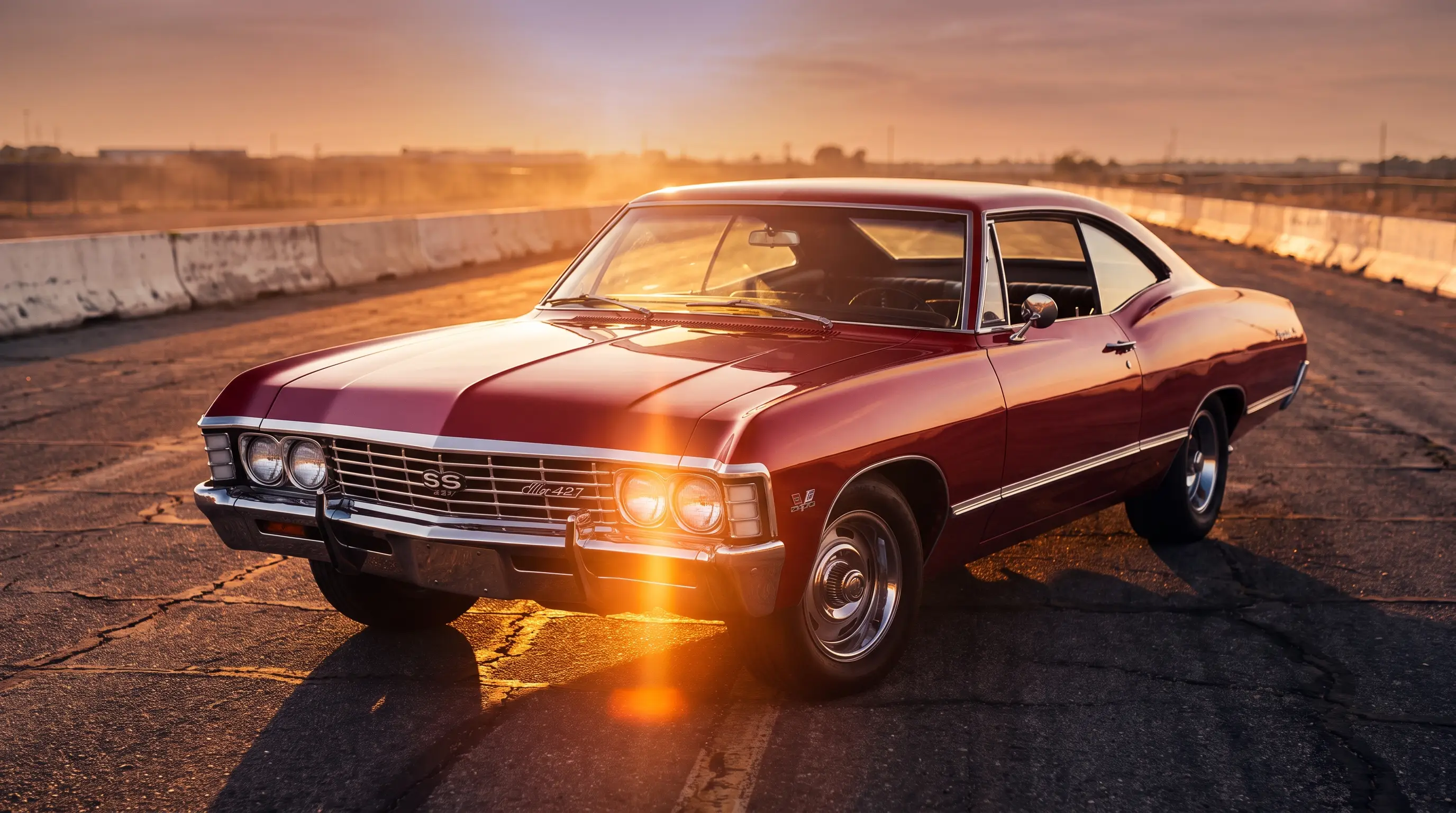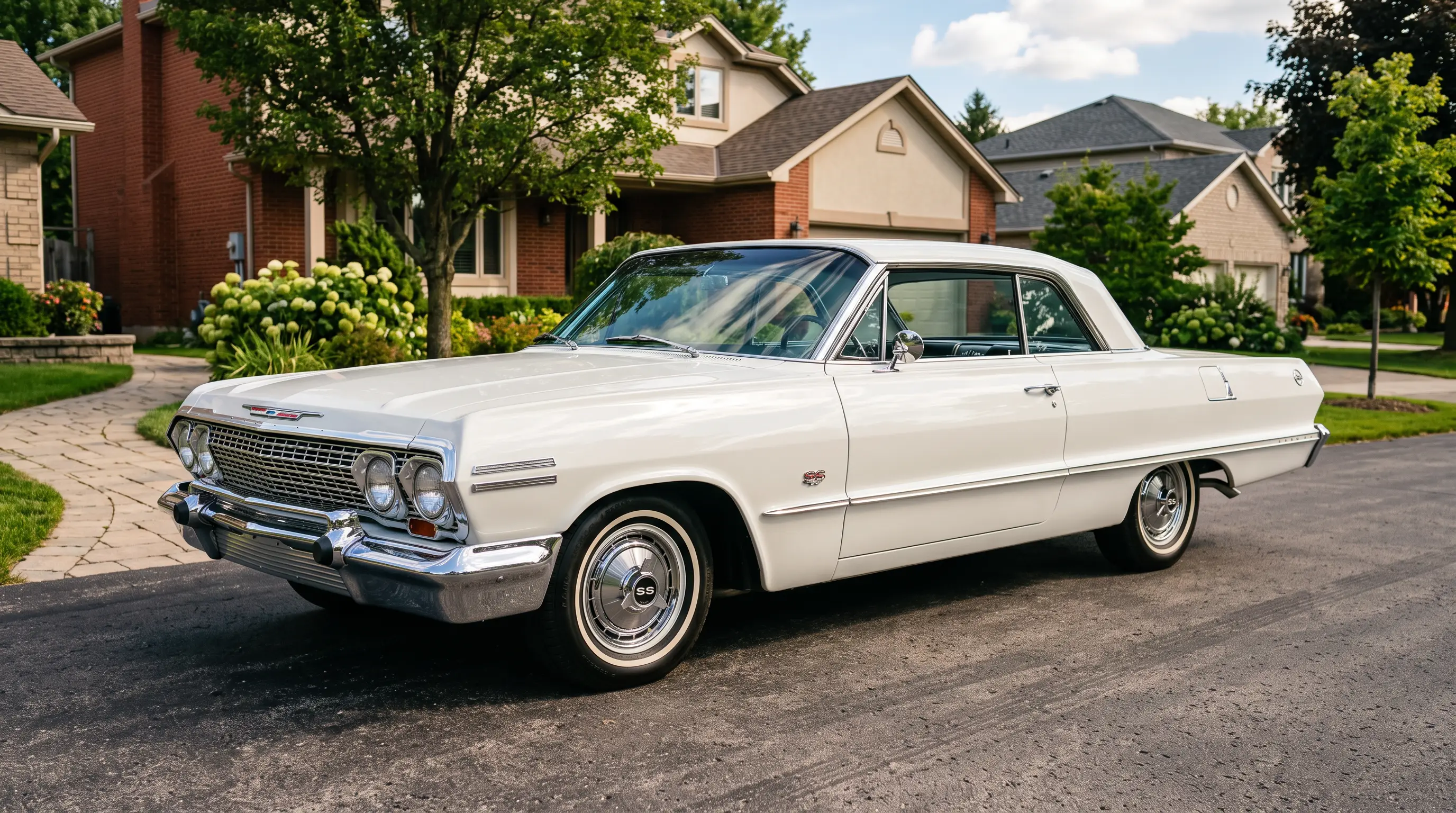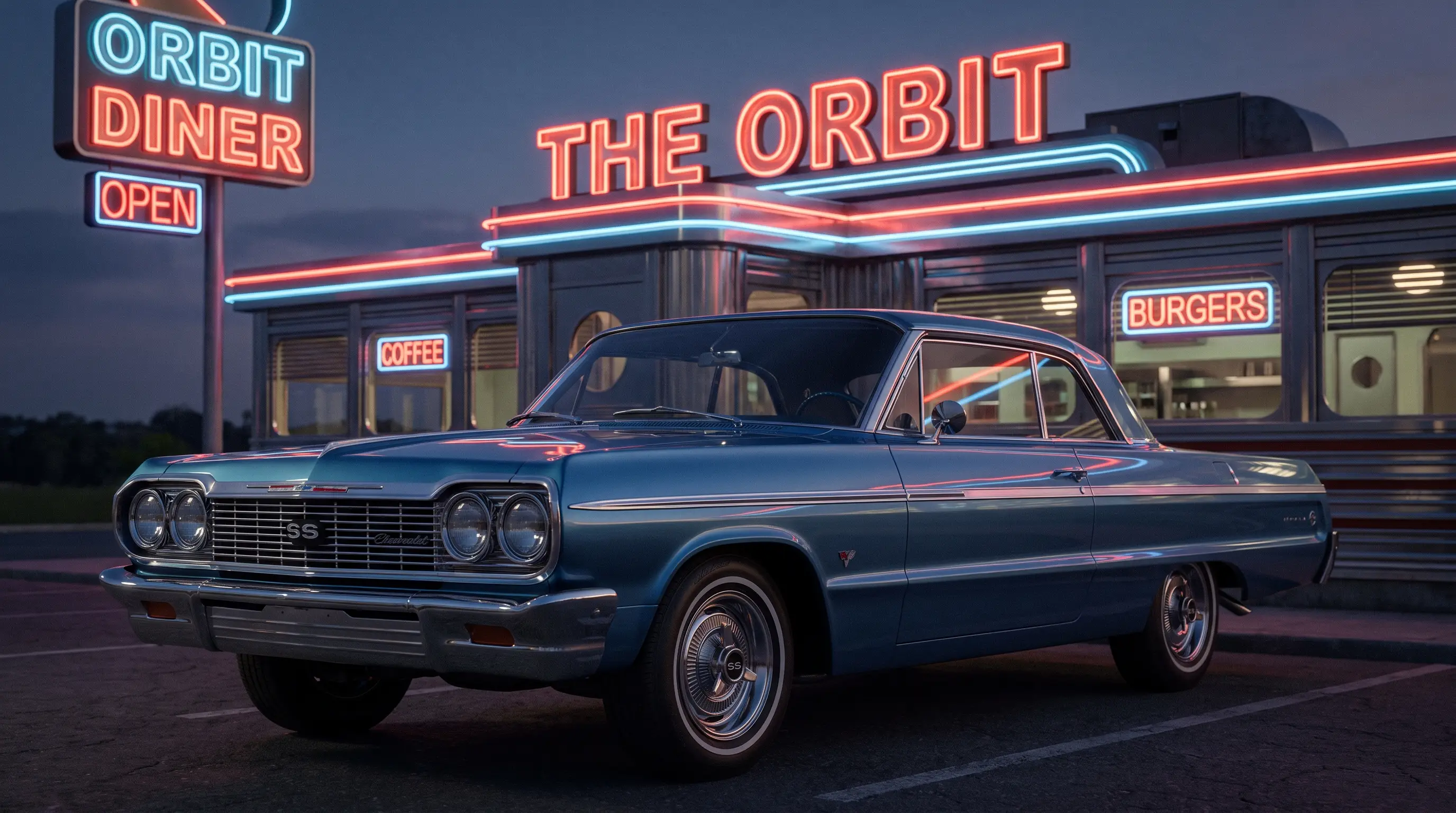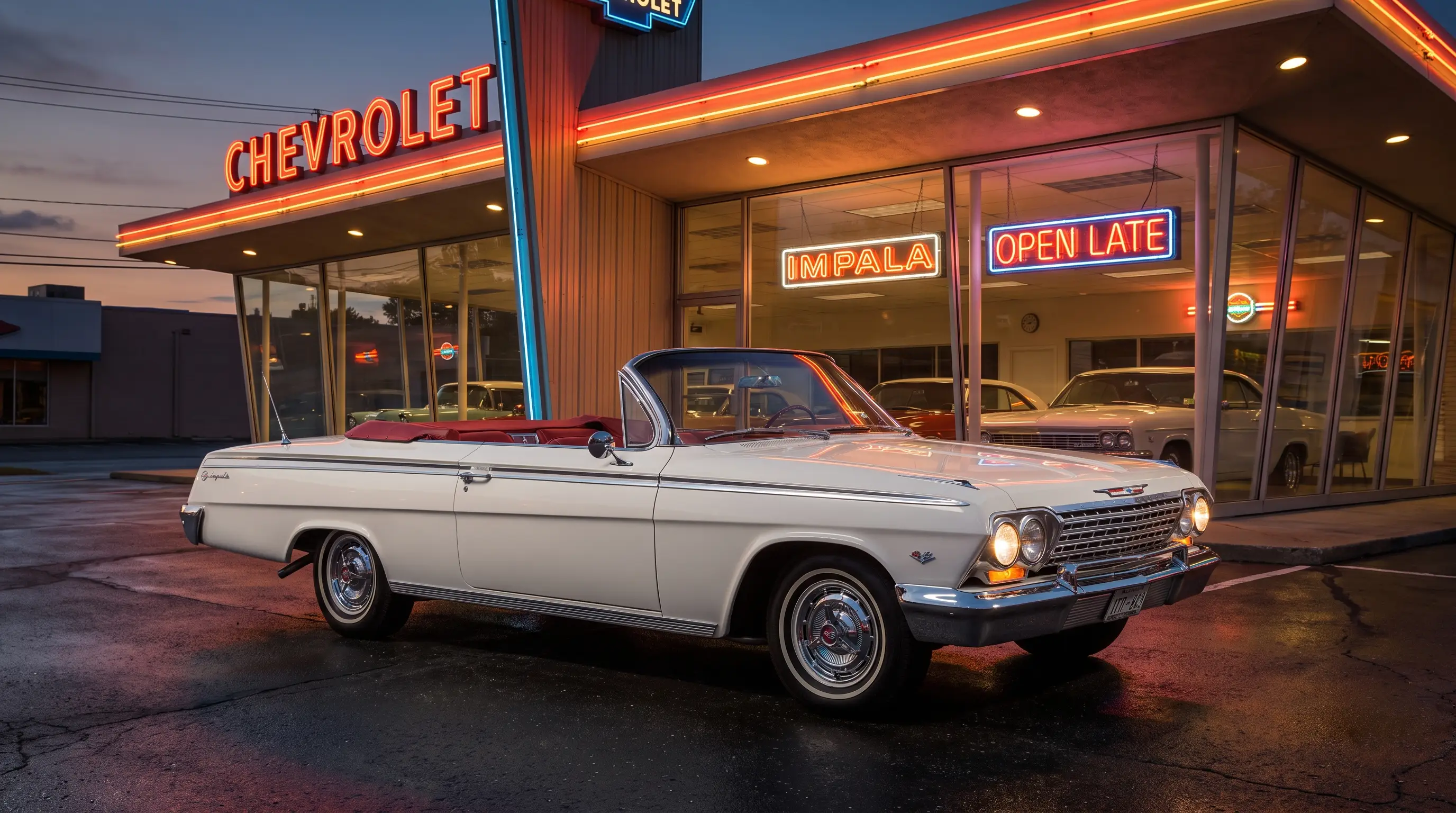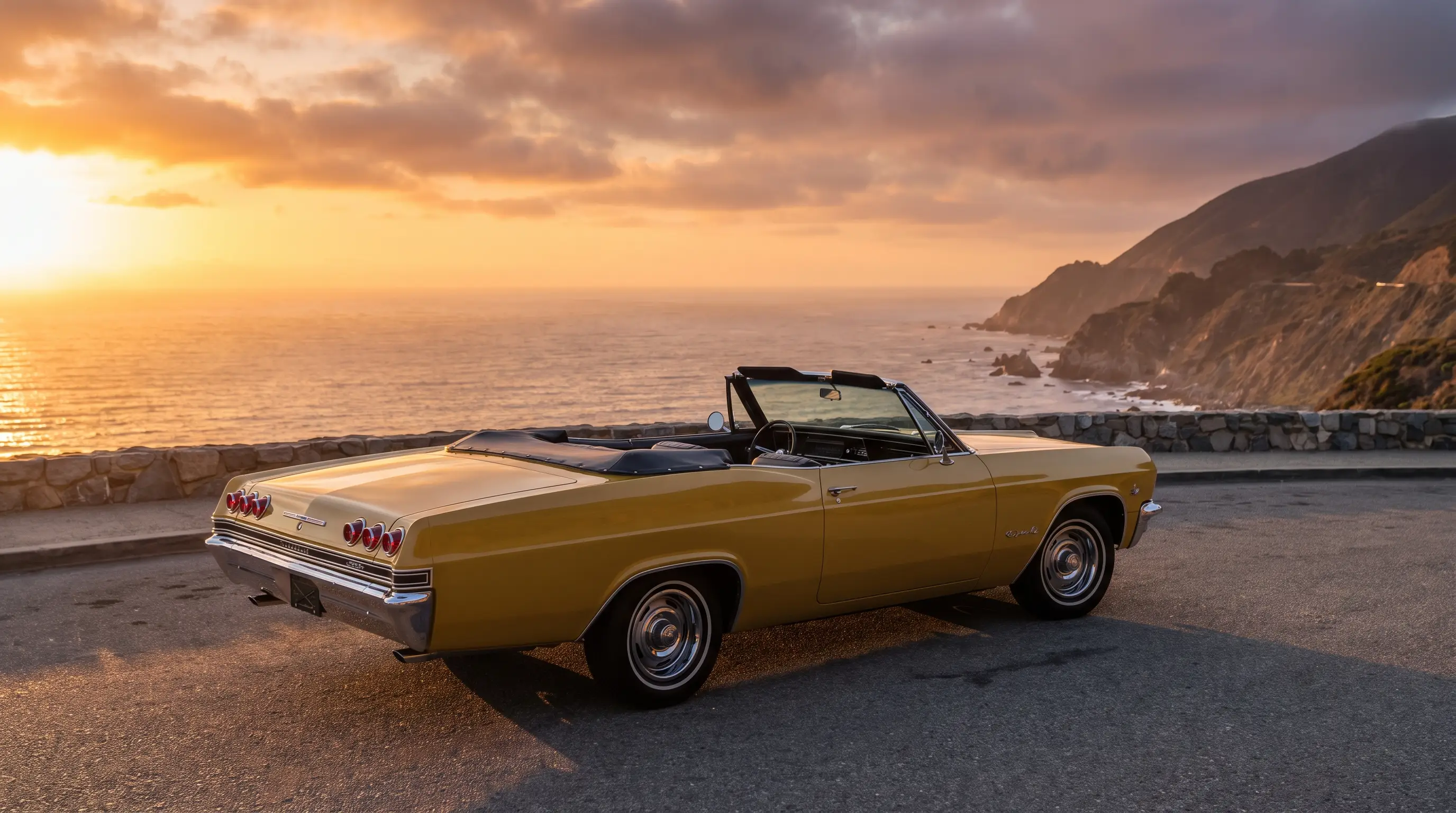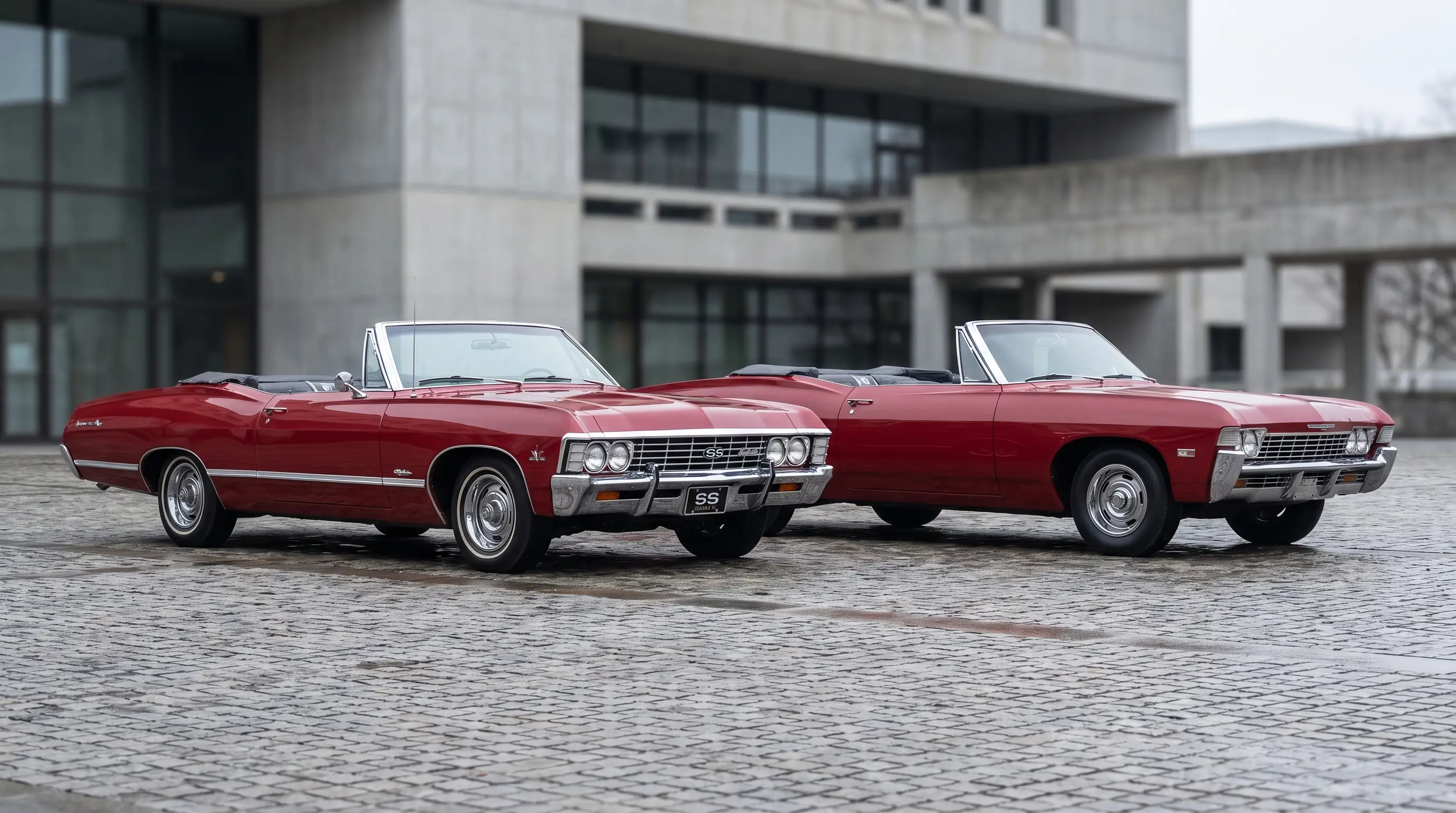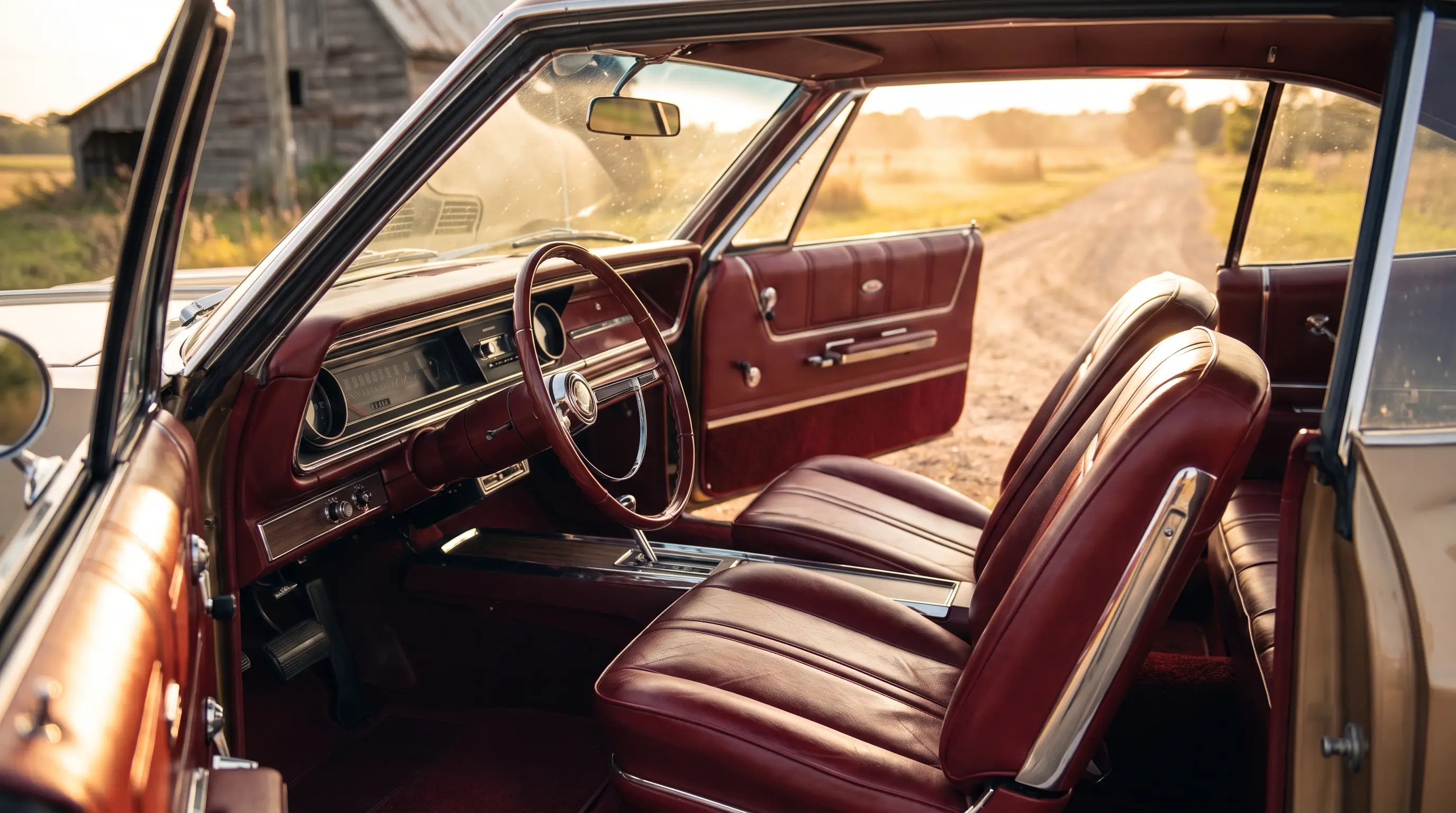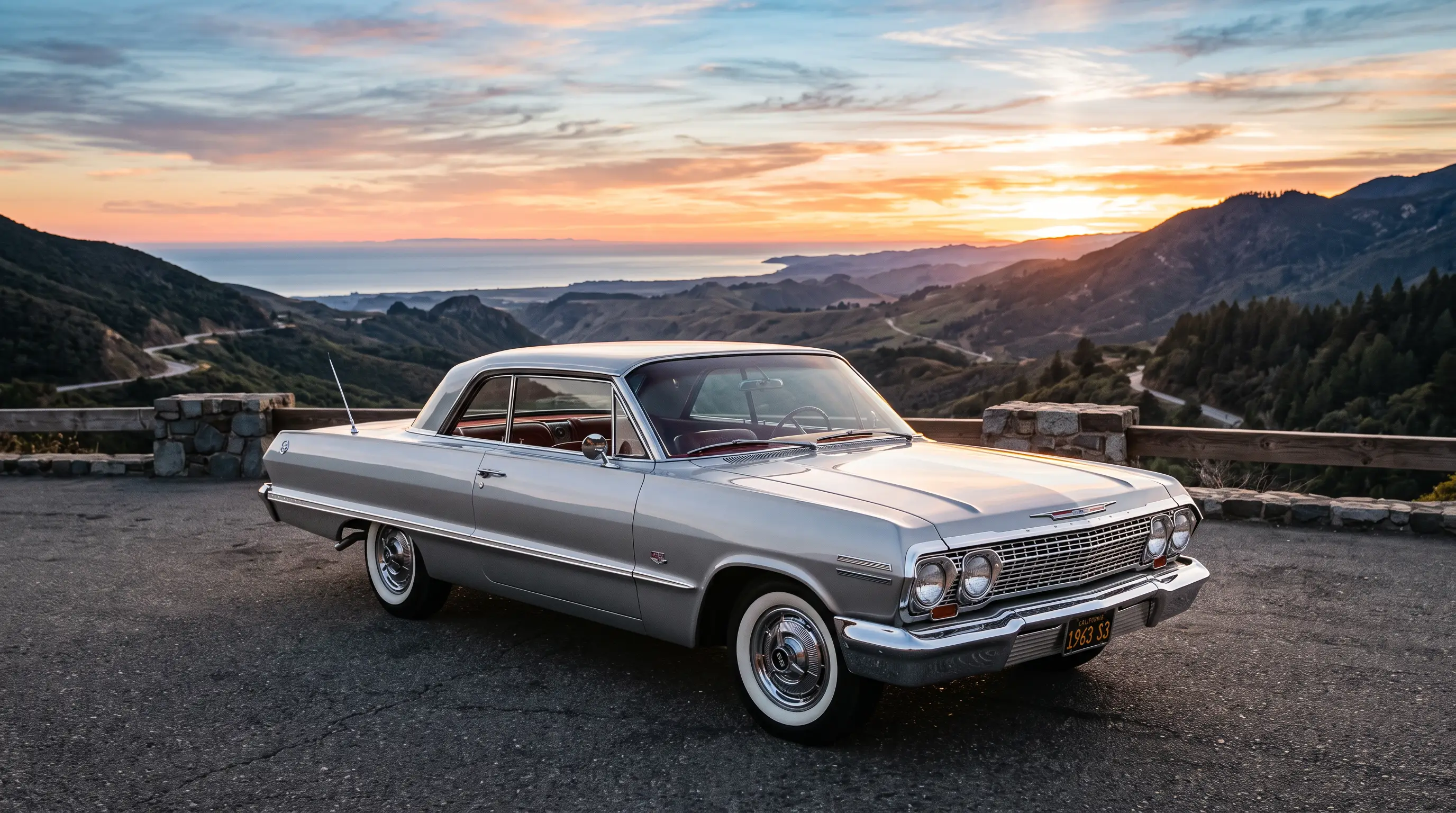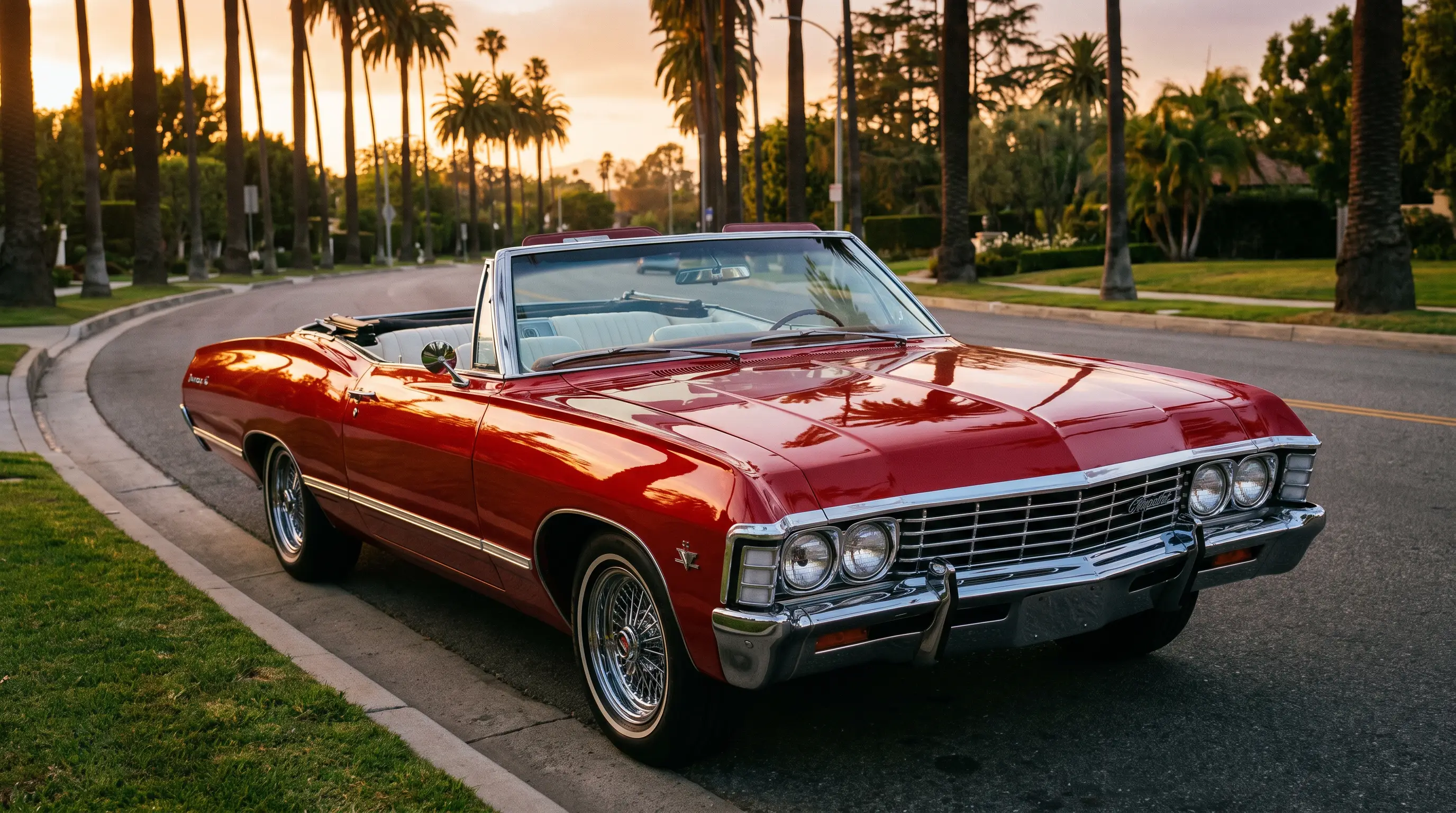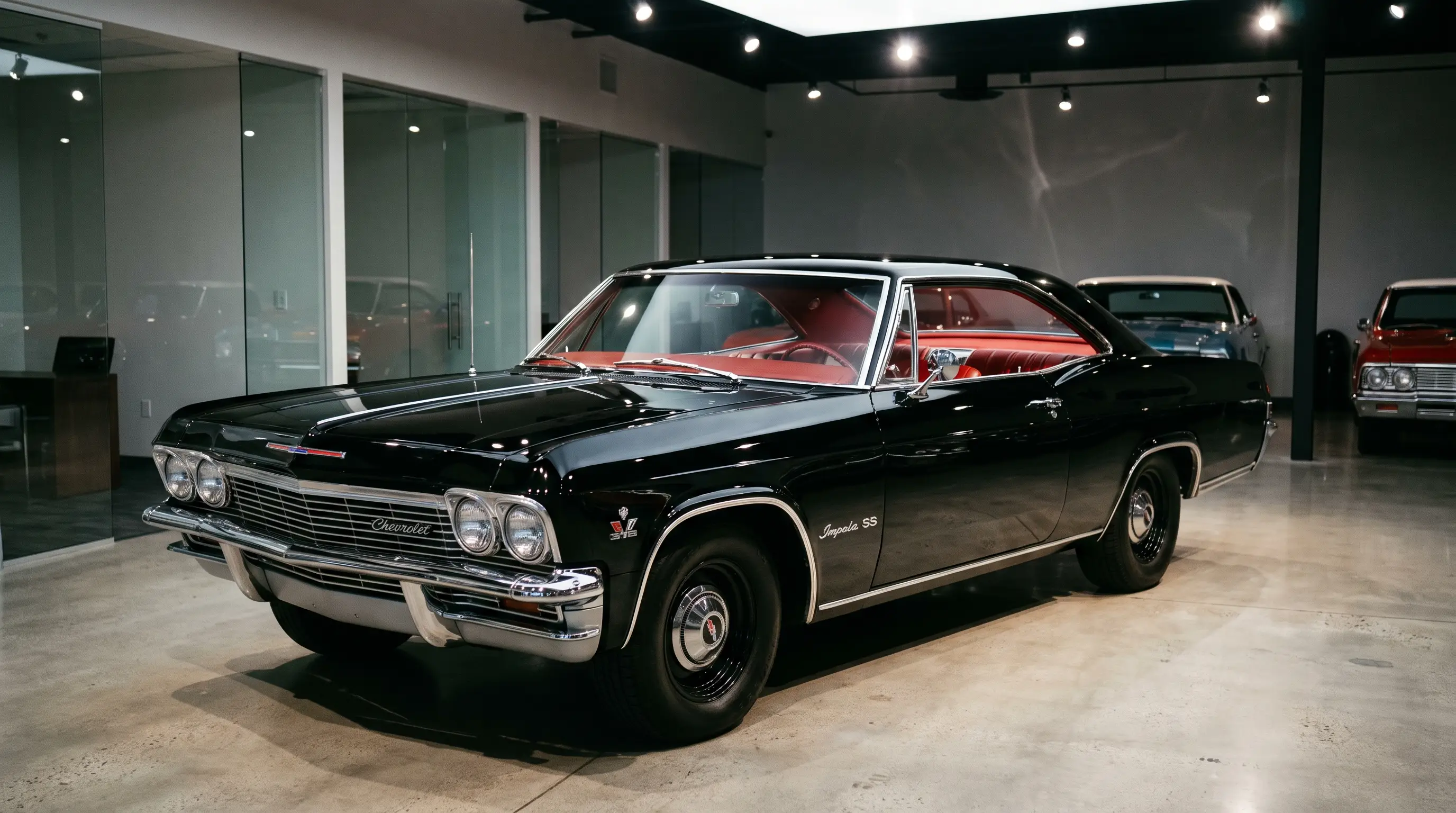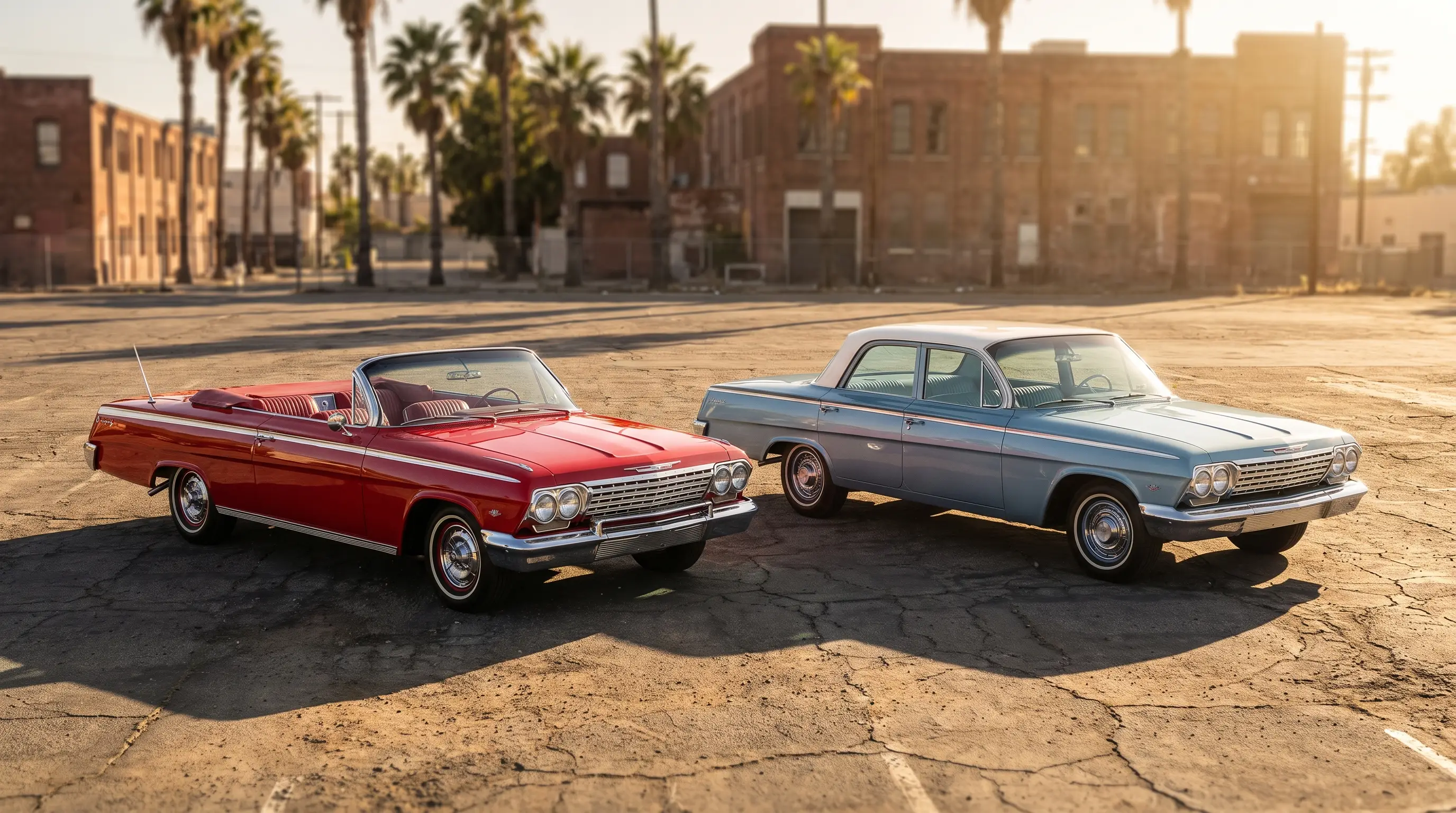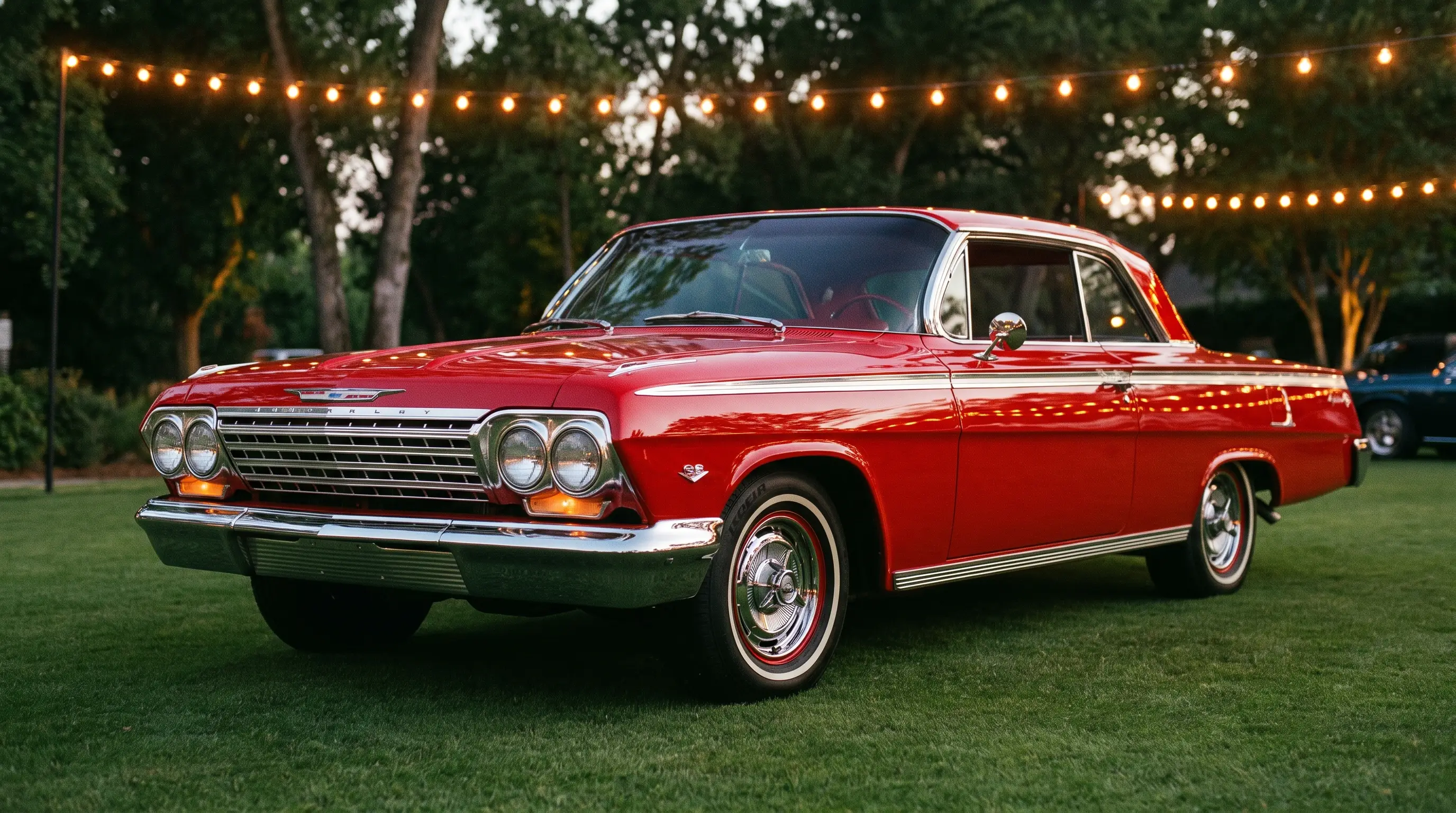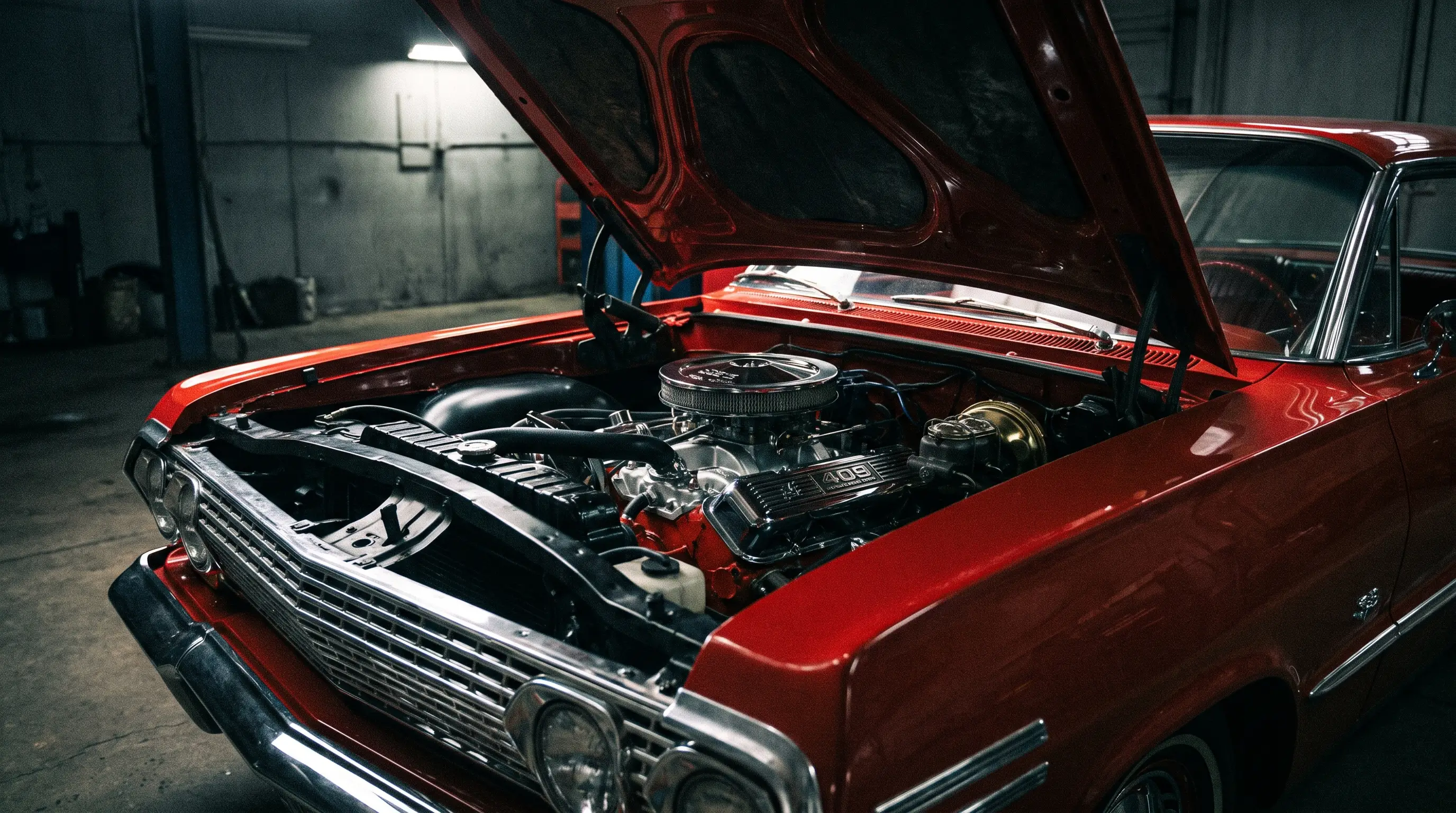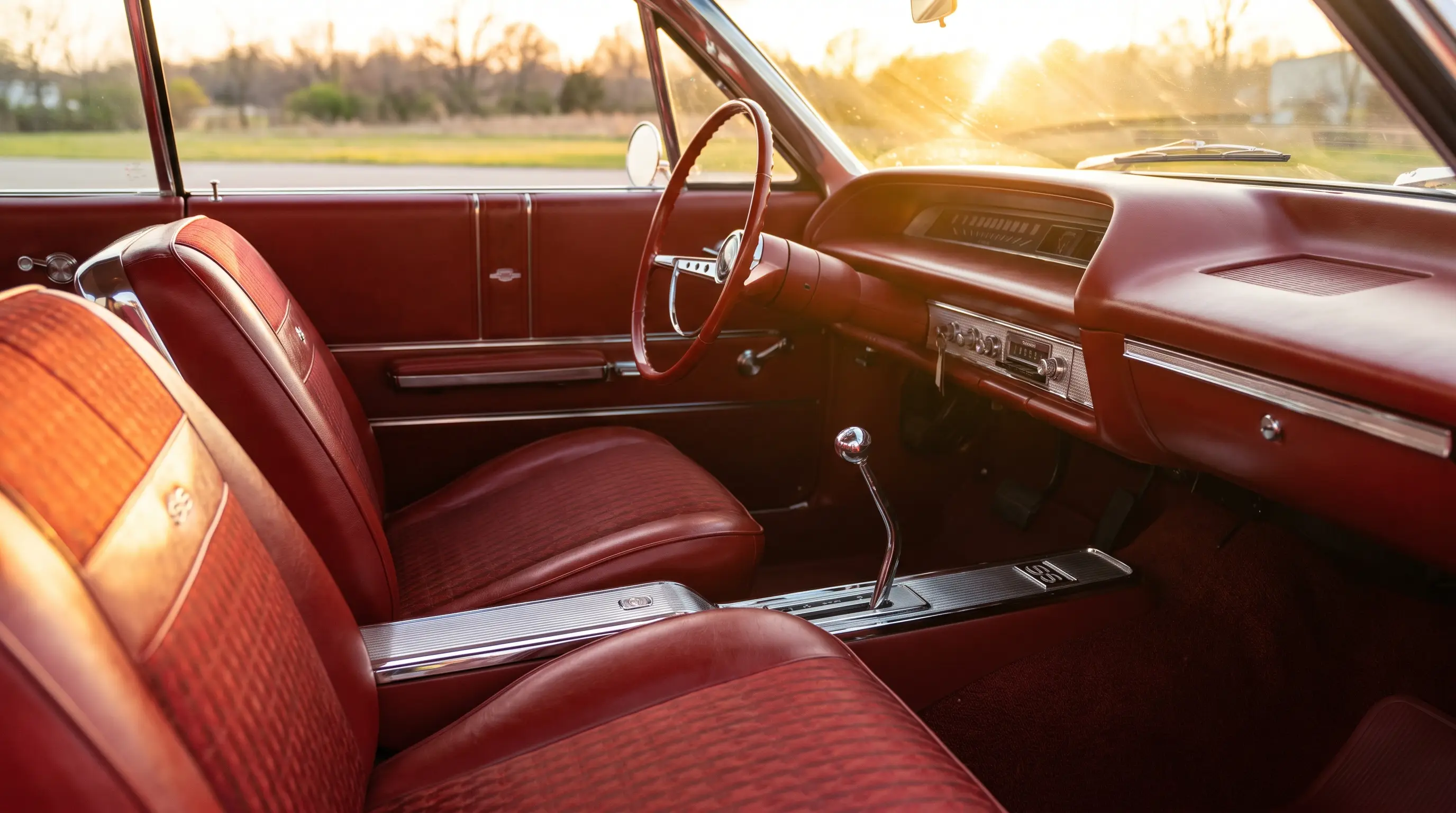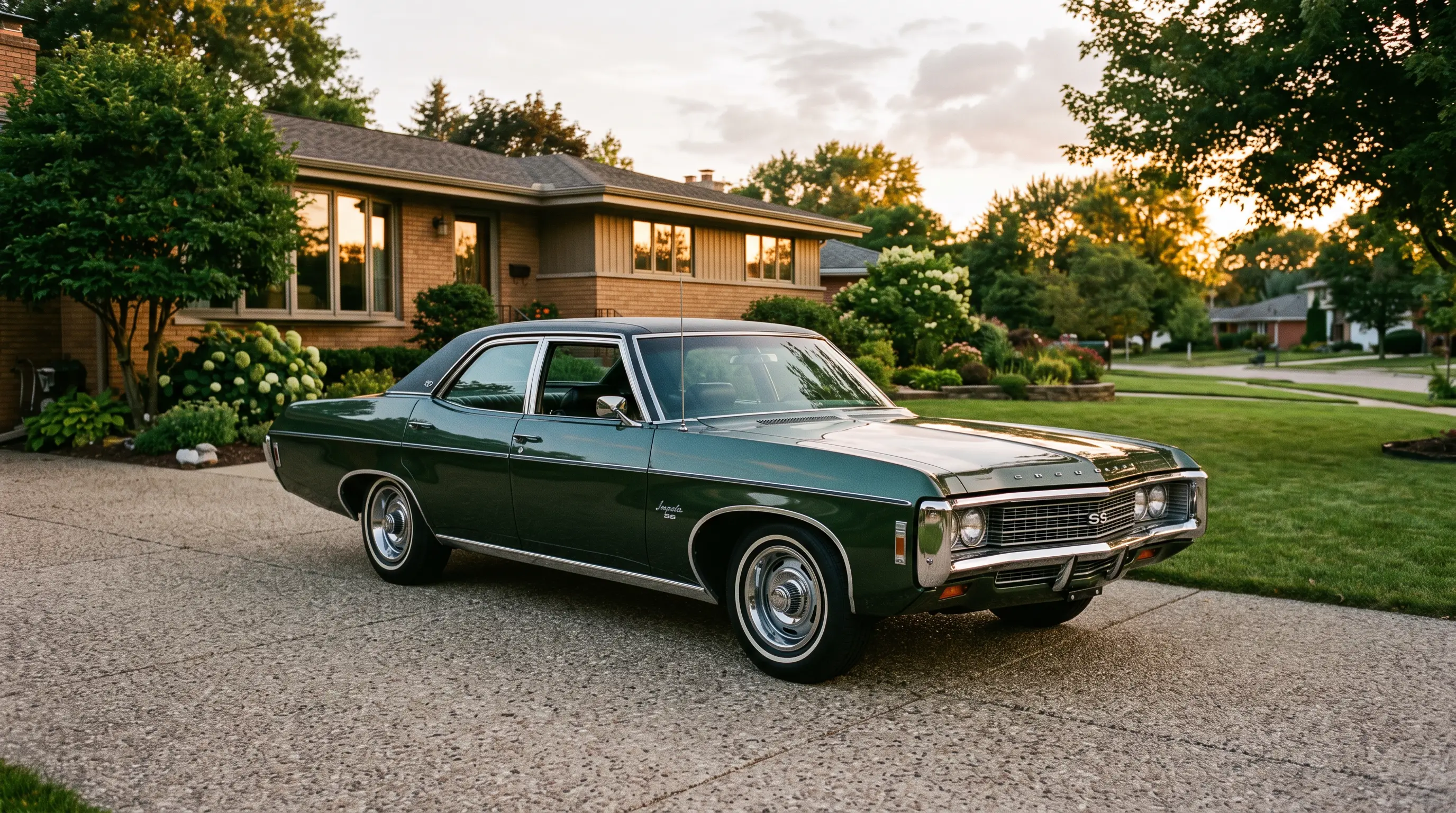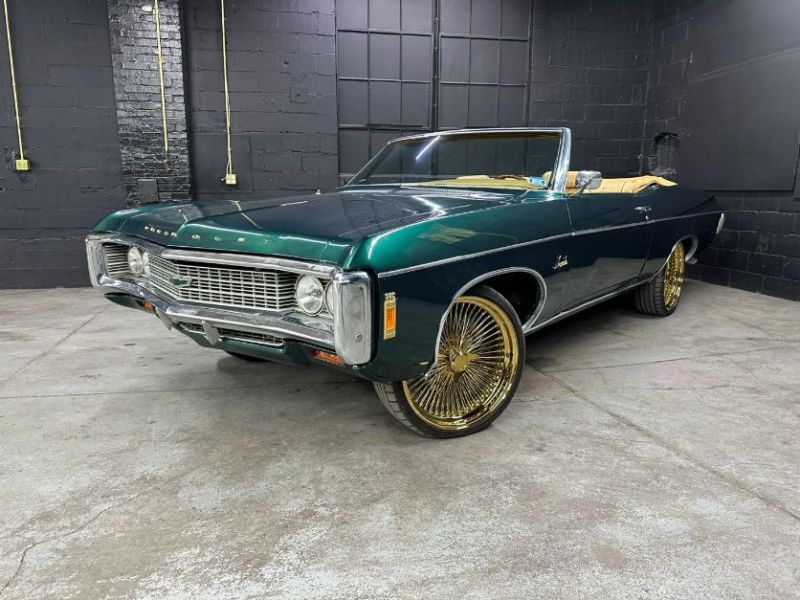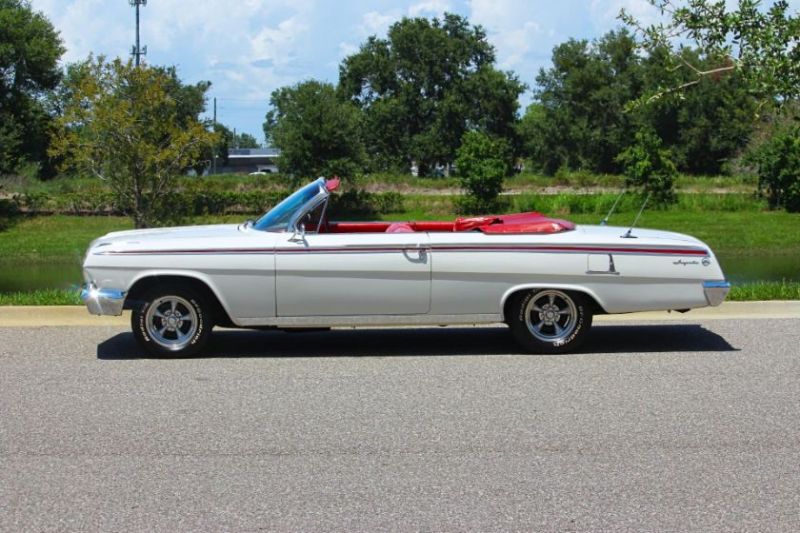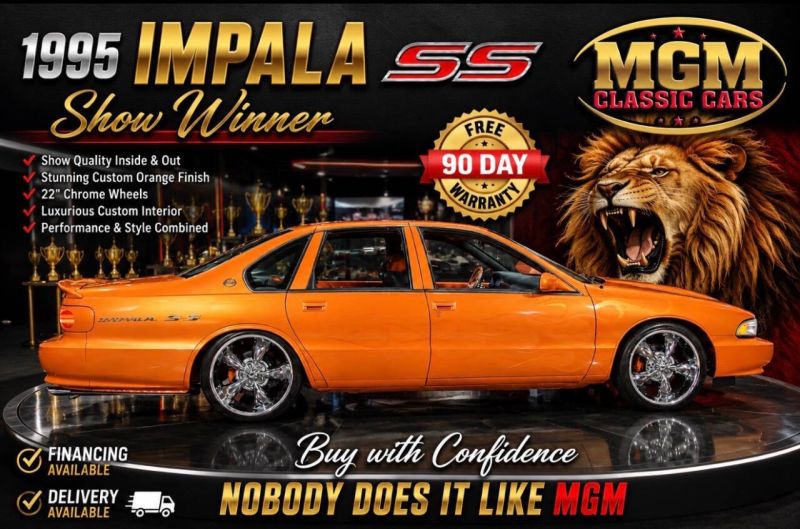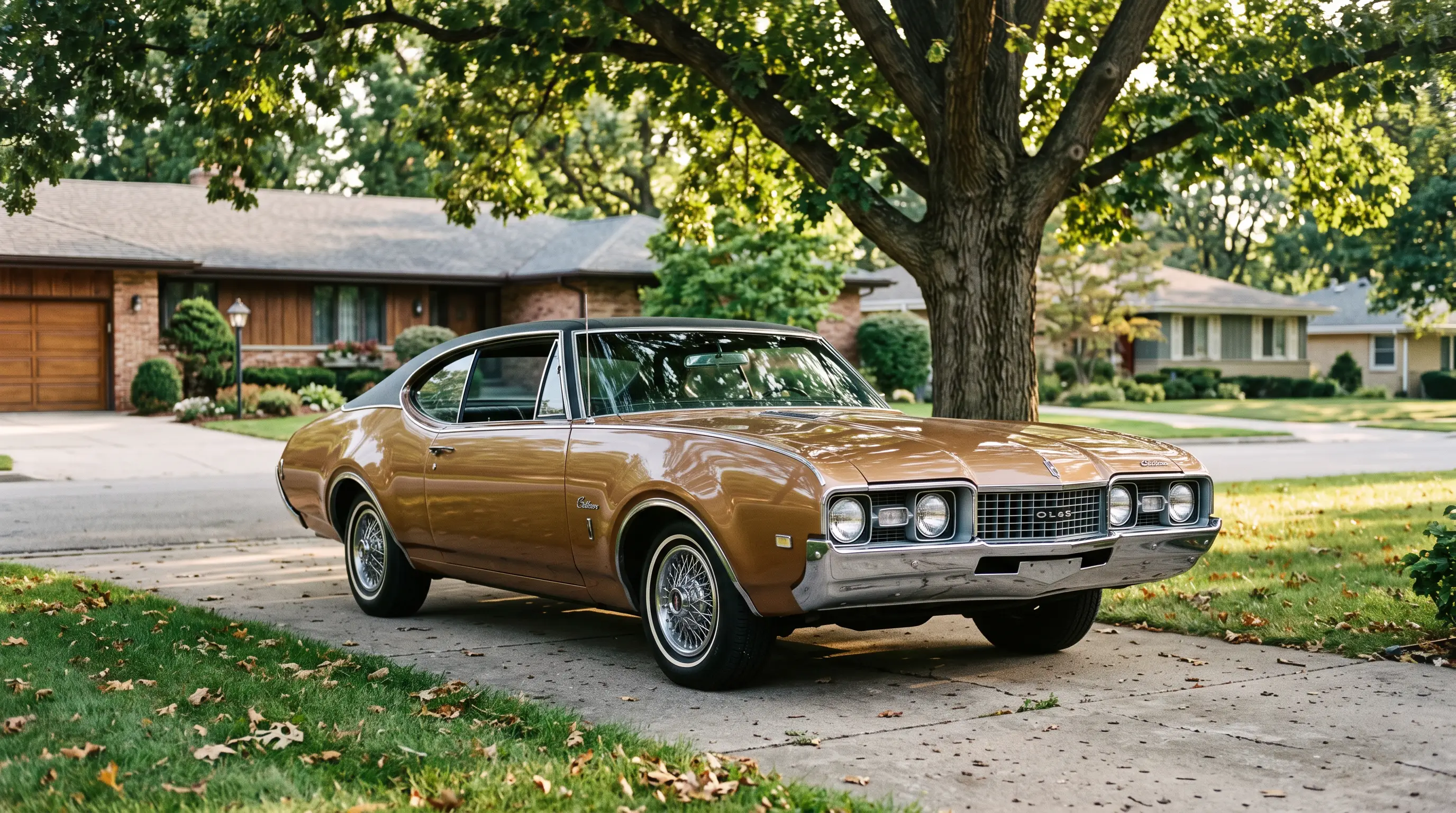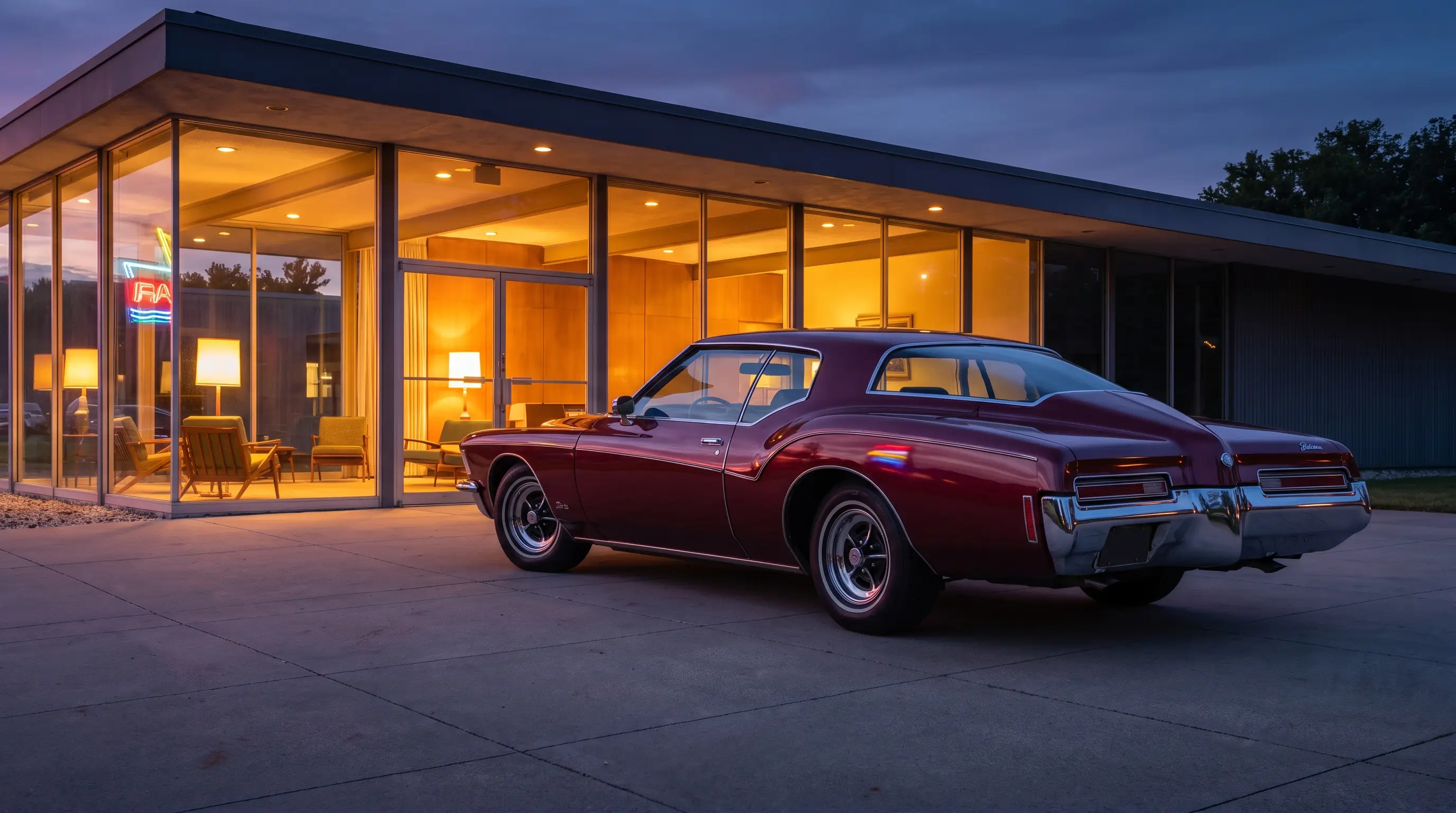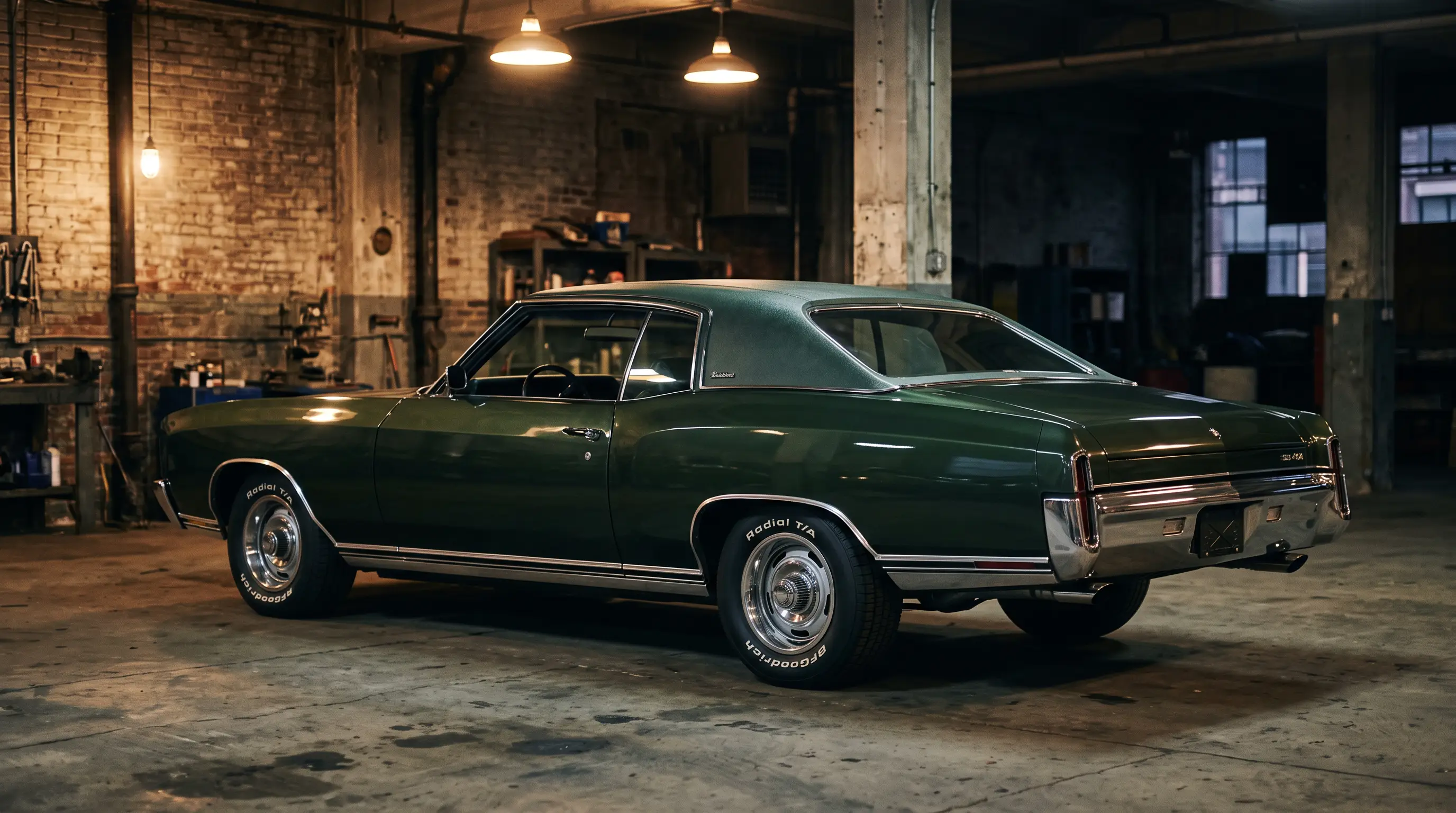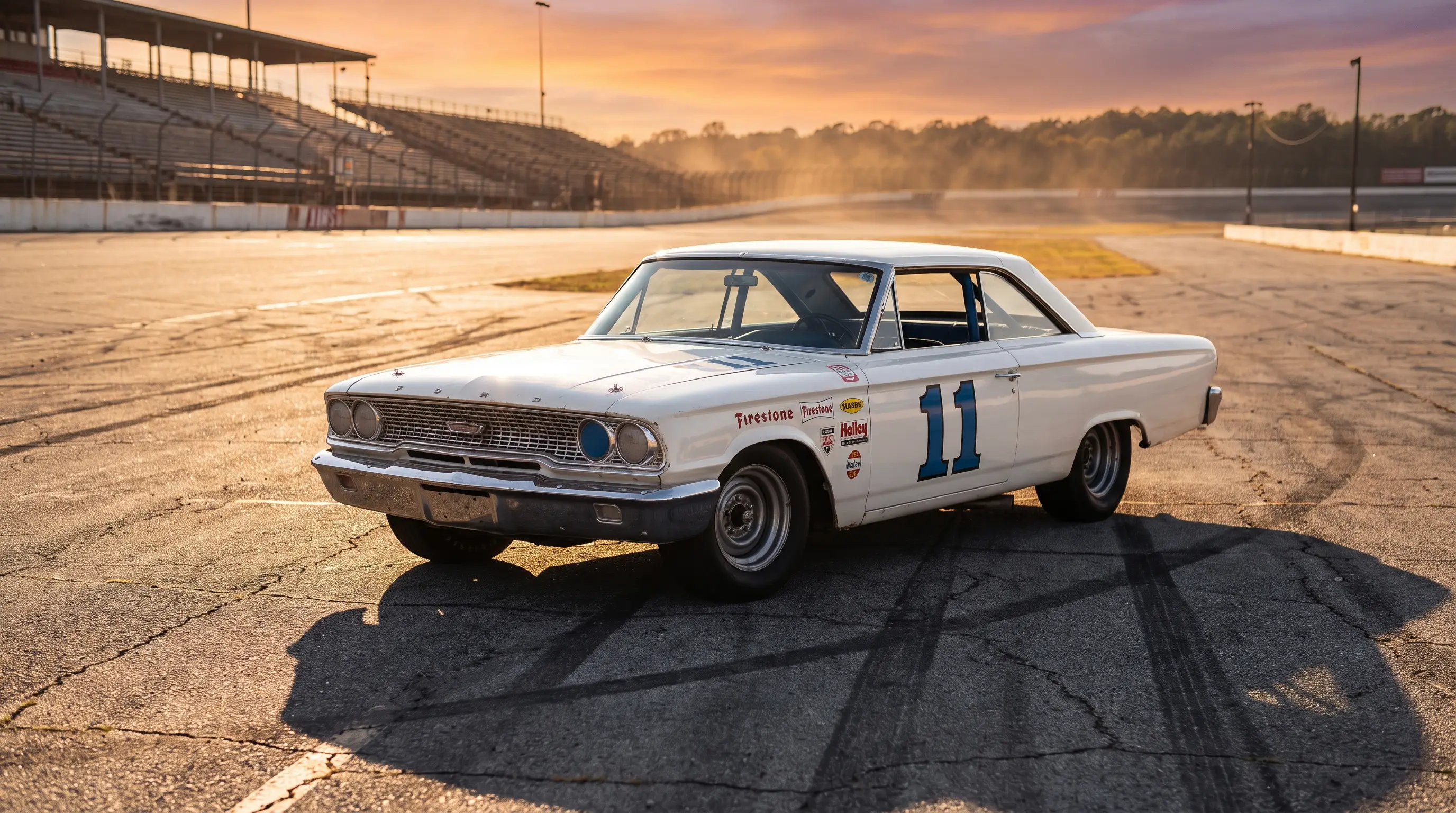
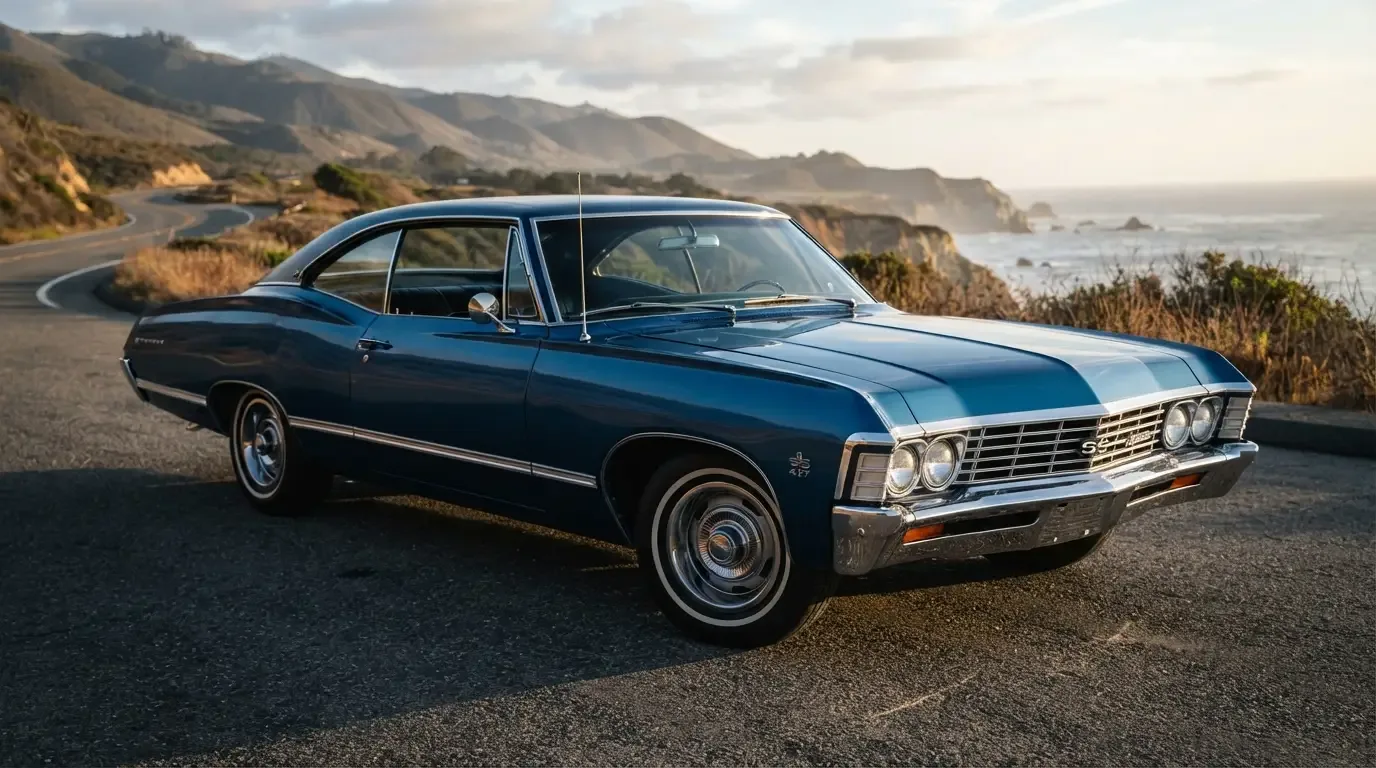
The Impala SS started as an option, not a car. In mid-1961 Chevrolet added a Super Sport package to the full-size Impala, and it was rare that first year. Factory production of the 1961 SS is generally put at around 453 units, roughly 153 of them convertibles, and only about 142 of those cars were built with the 409. That is the number that matters most about the badge. It began as a limited, expensive add-on, and it ended the decade as one of the best-known performance names in America. Everything in between is the story of how three letters turned a family car into a halo.
If you want the wider arc behind the badge, there is more on the chevy impala, but the Super Sport deserves its own accounting, because the myth around it is bigger than the metal.
What SS actually was
Let me be blunt. In 1961 and for most of the early years, the Impala SS was an appearance and trim package, not a guaranteed engine. That surprises people. The Super Sport option brought special badging, unique wheel covers, extra brightwork, and upgraded interior appointments including specific instrumentation. It did not, by itself, mean a big-block under the hood.
You could order an SS with a modest engine. You could also order it with the strongest V8 Chevrolet offered. The performance came from the engine you checked on the order sheet, not from the SS letters. This is the single most common misunderstanding about the car, and it has real consequences at auction. An SS badge and a fast engine are two separate facts. Verify both.
Why did Chevrolet build it at all? The reason is simple. Youth. By the early 1960s the buyers Chevrolet wanted were young, and young buyers wanted performance and image, not just a comfortable family sedan. The full-size Impala was the best-selling car in the country, but its image skewed practical. The SS fixed that. It let a family car wear a sporting face without Chevrolet having to build a separate model from scratch.
It was also cheap to offer. An appearance and trim package costs a manufacturer far less than a new platform. Chevrolet could charge a premium for badges, wheel covers, bucket seats, and a console, and buyers paid it gladly. The margin was good and the halo effect was better. Every SS on the street made the ordinary Impala next to it look a little more exciting. That is marketing that pays for itself, and it is exactly why the option survived and grew into a model of its own.
The early years: 1961 to 1964
The package spread fast after its quiet 1961 debut. Production climbed steeply through the early 1960s as buyers responded to the look. By 1962 and 1963 the Impala SS was a well-established option, and it moved in far larger numbers than that first partial year. The badge worked. People wanted it.
These are the years that tie the SS to its cultural moment. The bubble-top and formal-roof hardtops, the convertibles, the early big-blocks: the SS rode all of it. When people picture an early 1960s Impala with attitude, they are usually picturing an SS, whether or not the actual car had the engine to back the badge. The look sold. The look still sells.
1965 to 1967: the peak
Here is where the SS mattered most. For 1965 the Impala was fully redesigned, and the SS became its own model rather than just an option box. Sales were enormous. The mid-1960s Impala SS moved in six-figure numbers annually, and 1965 in particular was a high-water mark for the full-size line as a whole.
That volume cuts two ways for collectors. On one hand, the peak-era SS is not rare in absolute terms. Chevrolet built a lot of them. On the other hand, the engine and options combination on a given car can be genuinely uncommon, and that is where value lives. A base-engine SS from 1965 and a big-block SS from the same year are not the same car, no matter how similar the badges look.
The 1965 redesign matters beyond the SS badge. The car got a new body with curved side glass and a more flowing shape that many people consider the best-looking full-size Chevrolet of the decade. Pair that shape with the standalone SS treatment and a strong engine, and you have the combination that defines the model's high point. It is no accident that the mid-1960s cars are the ones most often referenced when people picture a classic Impala SS. They were everywhere, they looked right, and they arrived at the exact moment the American performance market was at full boil.
Understand also what the SS package brought to these peak cars beyond badges. Bucket seats, a center console, specific instrumentation, and distinct exterior trim gave the interior a sportier feel than the standard Impala, and for a lot of buyers that cabin experience was the real draw. Not everyone who ordered an SS wanted to race. Many just wanted their big Chevrolet to feel a little more special from behind the wheel, and the package delivered that whether or not a big-block sat up front.
The top engine story of this stretch belongs to the 396 and then the 427 big-blocks that arrived to replace the aging 409. Those cars are the serious performers of the SS peak, and they are worth studying on their own if you want the full engine history, which is more from this era and its powerplants.
| Phase | Years | What SS meant |
|---|---|---|
| Debut | 1961 | New, limited option package |
| Early growth | 1962 to 1964 | Popular trim and appearance option |
| Peak | 1965 to 1967 | Standalone model, huge volume |
| Wind-down | 1968 to 1969 | Back to option, then discontinued |
1968 to 1969: the fade
The SS did not go out at the top. For 1968 it reverted from a standalone model back to an option package, and interest cooled as the muscle car market shifted toward the intermediate and pony cars that could do the same job in a lighter, cheaper body. A full-size performance Chevrolet was starting to look like the wrong tool.
By 1969 the classic full-size Impala SS was on its way out. The strongest cars of these final years, the SS 427s, are the exception worth flagging. They are the muscle-era swan song for the big Impala, and they carry the kind of specific-configuration scarcity that drives value. But the broad trend was decline. The market had moved, and Chevrolet followed it. The name would not return in this classic form. The SS as a full-size performance idea ended with the 1960s.
What the SS is like to own now
Set expectations honestly. A classic Impala SS is a big, heavy car. Even a strong big-block example is not going to feel like a lightweight intermediate muscle car, because it never was one. It is a full-size cruiser with a performance badge and, in the right specification, a serious engine. Owners who buy one expecting a nimble corner-carver are buying the wrong car. Owners who want presence, comfort, and a straight-line punch tend to be happy.
That size is also part of the appeal. These cars have road manners suited to distance, a huge cabin, and a look that fills a lane. For a lot of buyers that is exactly the point. An SS is a car you drive to an event and enjoy on the way, not a stripped-down weapon. The bench-seat or bucket-seat interior, the wide dash, and the long hood all belong to a kind of American motoring that the intermediate muscle cars never offered.
On value, the pattern is predictable. Documented cars with desirable engines and honest bodies command real money and hold it. Base-engine cars and unverified badges sit well below them. The gap between the two has widened as the hobby has matured and buyers have grown more careful about provenance. That is healthy. It means the market is finally pricing the car, not the letters, which is exactly how it should be.
What this means for a buyer
The math is simple. The Impala SS is a name that covers a decade of very different cars, from a rare 1961 trim option to a mass-produced 1965 model to a scarce 1969 SS 427. Do not buy the badge. Buy the specific car, with documentation, and know exactly what engine and options it left the factory with.
Because the SS was so often an appearance package, badge swaps and clones are common. A car wearing SS trim is making a claim, not proving one. The proof is in the paperwork and the correct components. When the documentation checks out and the configuration is genuinely desirable, an SS is a strong classic. When it does not, you are paying a premium for letters. Anyone shopping should find a classic Impala and then read each SS candidate hard before reading its price.
The verdict on three letters
The Impala SS is one of the great American badges, and it is also one of the most misunderstood. It started small, peaked as a standalone model when Chevrolet was selling full-size cars by the hundreds of thousands, and faded when the muscle market left it behind. The letters carry enormous recognition. The value carries entirely on the car under them. Get the engine, the documentation, and the year straight, and the SS earns its reputation. Skip that homework, and you are buying a story instead of a car.
One more point, and it is the one that keeps the SS interesting. Because the badge covered such different cars, there is an SS for almost every kind of buyer. Want a genuine performance machine? The big-block cars deliver. Want a stylish cruiser with a famous name and a comfortable cabin? A well-kept base-engine SS does that for a fraction of the money. Want a scarce, documented investment? The rare configurations exist for those willing to hunt and verify. The trick is knowing which one you are actually buying, and refusing to pay the price of one while receiving another. Do that, and the SS is one of the most rewarding badges in the classic Chevrolet world.
"The badge is not the car. An Impala SS can be a rare big-block worth serious money or a base-engine trim package wearing the same letters. The difference is documentation, and it is the whole ballgame."
- Dan Reeves
Sources and notes
- Chevrolet Impala - Wikipedia
- 1 of 153: 1961 Chevrolet Impala SS - Barn Finds
- Chevrolet Impala SS Guide - Gen I and Gen II - Muscle Car Club
- 1961 Chevrolet Impala SS - Hagerty Valuation Tools
- 1961 Chevrolet Impala SS 409: A Profile of a Muscle Car - HowStuffWorks
- 1958-90 Impala and Passenger Car Production Figures