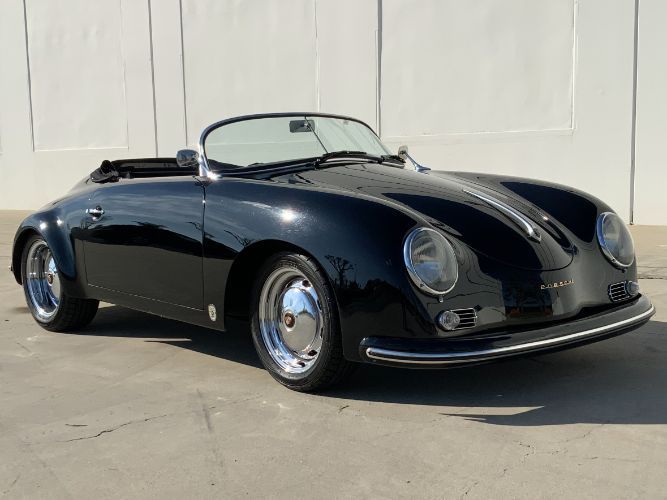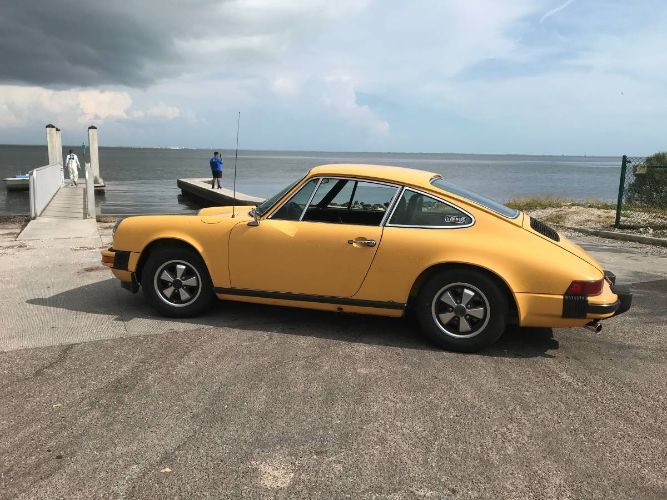
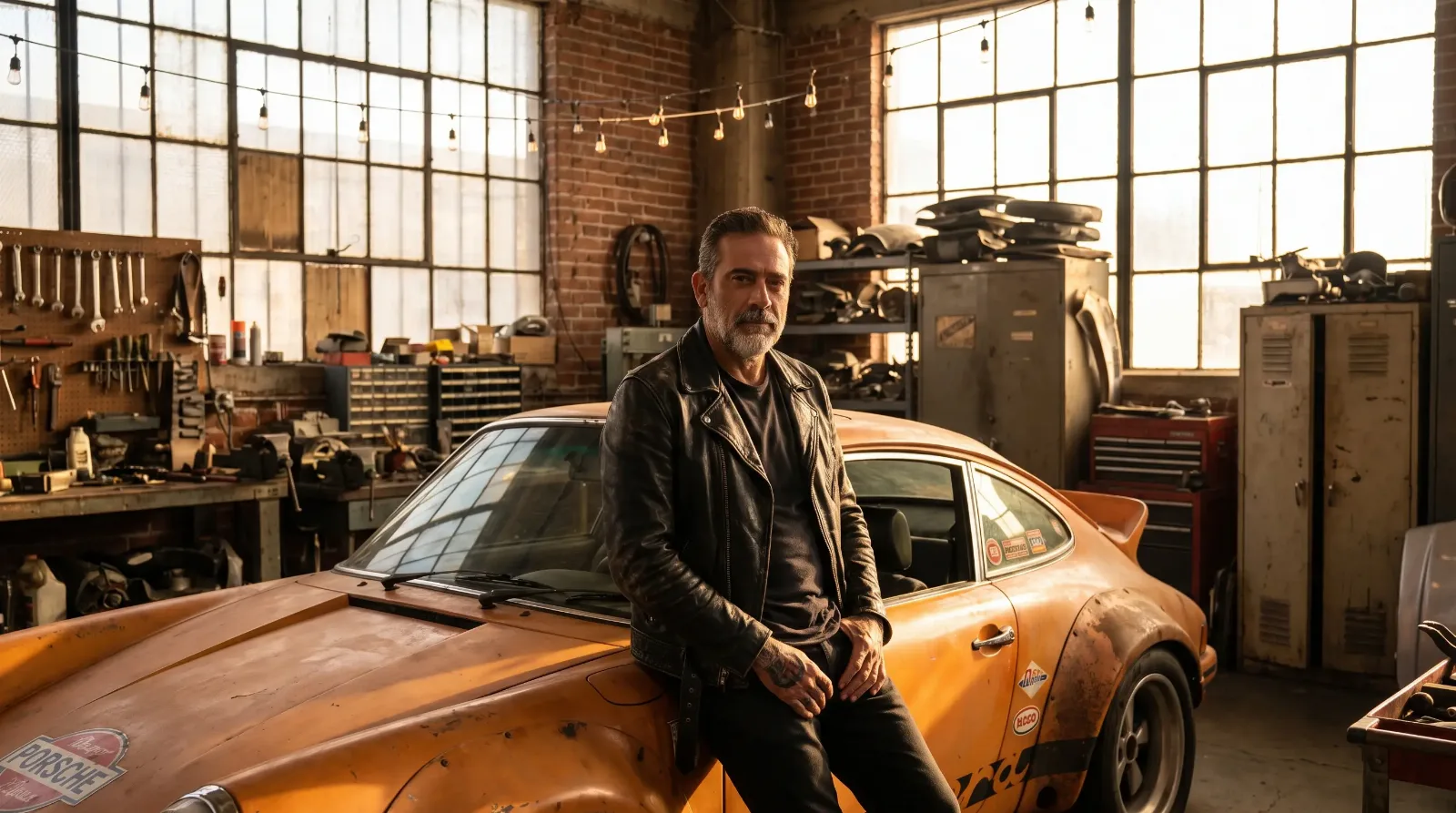
Magnus Walker did more to put the Porsche 911 outlaw scene in front of the general public than any single builder before him, and he did it without a traditional shop background. He came out of the fashion business, moved to Los Angeles from Sheffield, England, and started buying up early 911s when nobody else particularly wanted them. What he built out of those cars, and how loudly he talked about it, changed what "outlaw Porsche" meant to people who had never set foot in a garage.
From clothing racks to a warehouse full of 911s
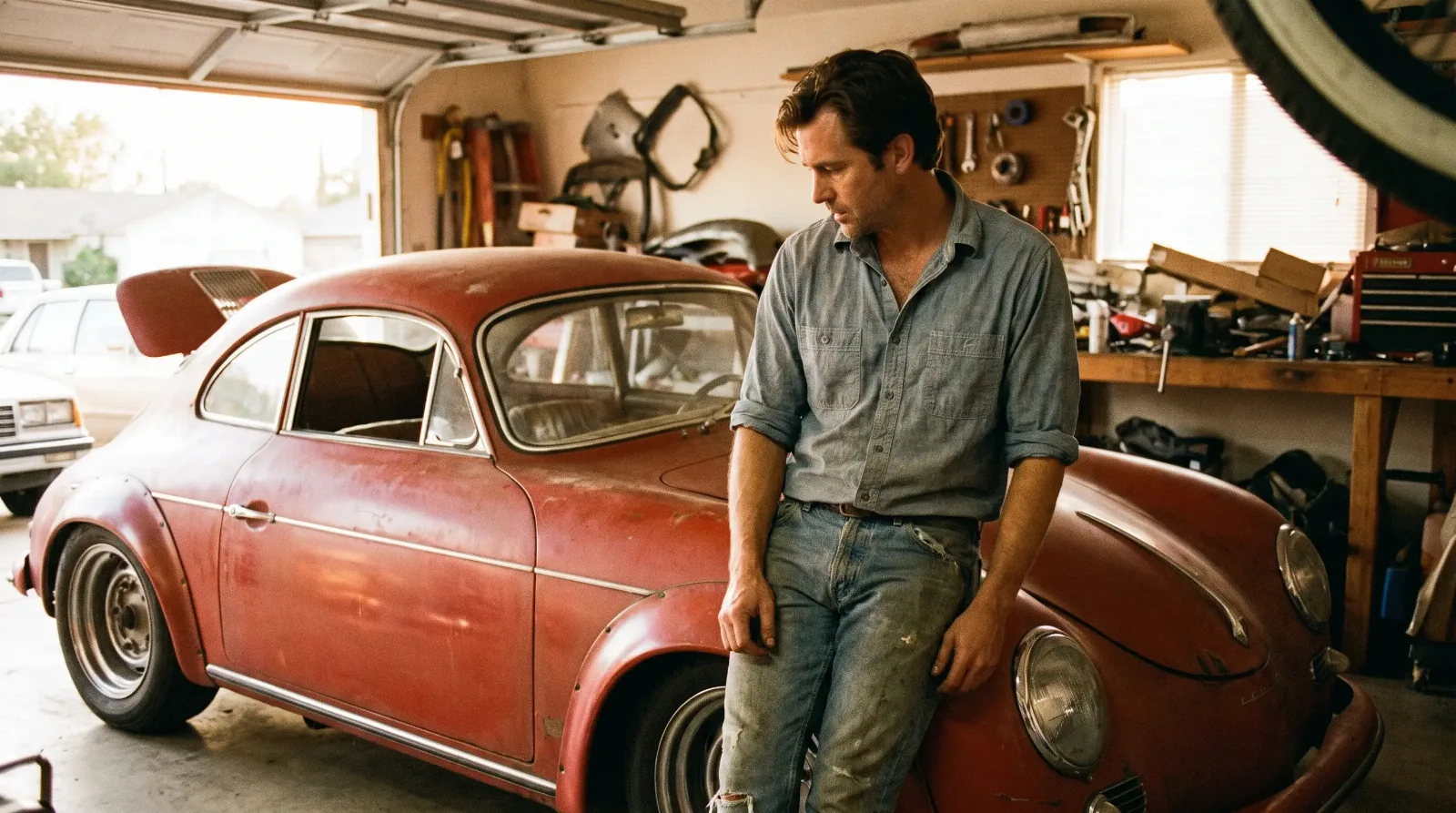
Walker's path into Porsche ownership did not run through mechanics school. He built a streetwear brand in Los Angeles in the 1990s, and the money from that let him start collecting early 911s, the long-hood cars built before Porsche moved to impact bumpers in the mid-1970s. At one point he owned dozens of them, stored in a downtown LA warehouse district he became closely associated with in the public imagination. That warehouse, and the industrial East LA backdrop, became as much a part of his identity as the cars themselves.
This is a different origin story than most builders in the outlaw scene. Rod Emory came up through a family restoration business. Walker came up through retail and self-taught obsession. That outsider angle is part of why his story reached people who had never cared about air-cooled Porsches before. He was not selling technical credibility. He was selling a lifestyle built around cars he genuinely loved, and people responded to the authenticity of that even before they understood what made his builds mechanically interesting.
"Magnus didn't need a shop pedigree to build a following. He needed cars that looked like nothing else on the street and a story people wanted to hear. That combination is rarer than good welding."
— Jim Vasquez
The 277 build and the term that stuck
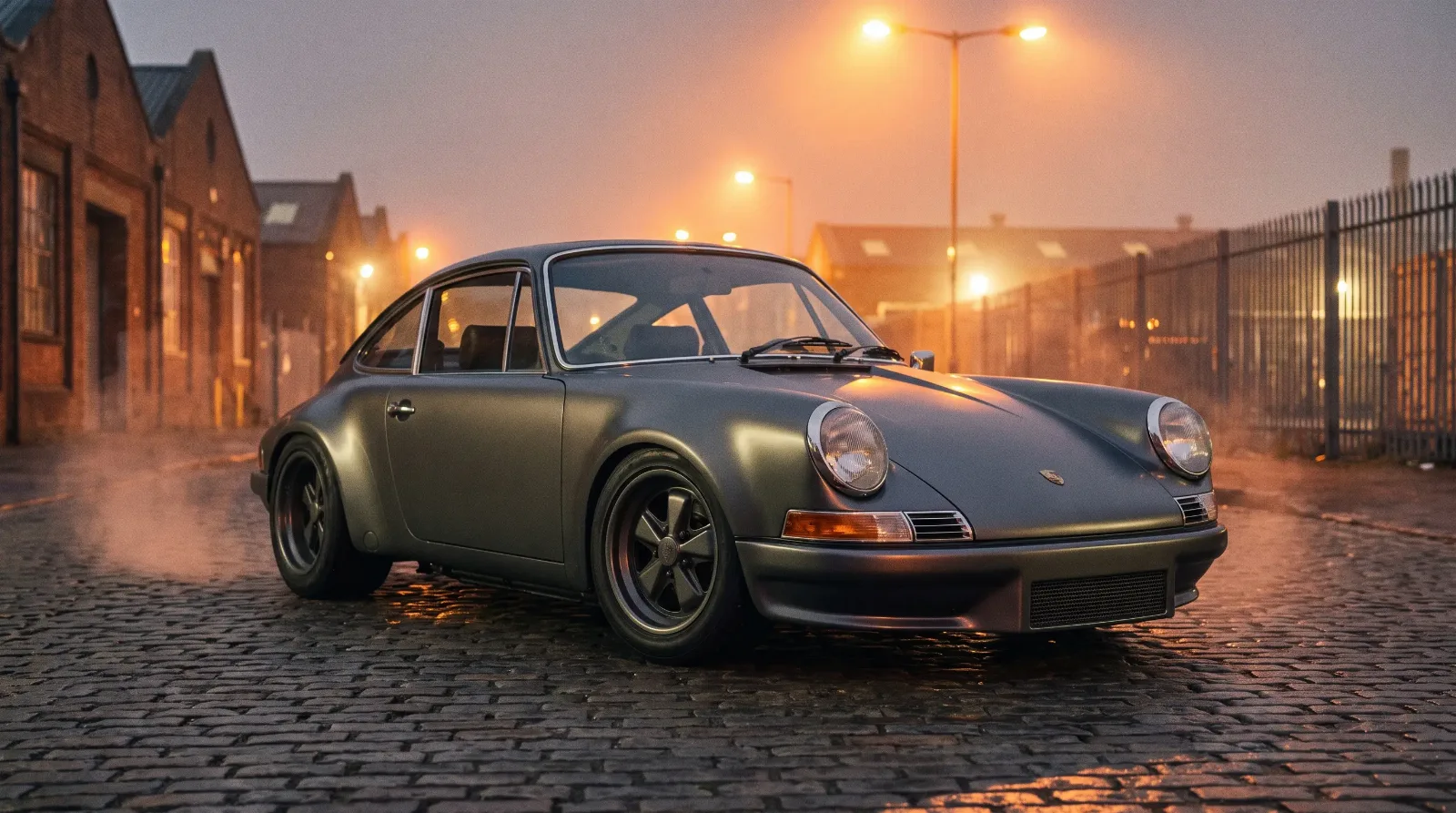
The car most associated with Walker's rise is a heavily modified 1971 911T he nicknamed "277," a reference to its build number in his personal collection rather than any factory designation. It carried a widebody kit, a built engine, and a stance that departed sharply from anything Porsche shipped from the factory. It became something of a calling card, photographed constantly, featured in a widely viewed 2012 short documentary that introduced him and his term "Urban Outlaw" to a much bigger audience than the existing 356 and 911 modification community had ever reached.
That documentary is worth acknowledging directly because it changed the scale of everything. Before it, outlaw Porsche builds were a niche interest circulated among enthusiasts who already knew the vocabulary. After it, the term showed up in mainstream car coverage, and Walker himself became a recognizable public figure well beyond car culture. Whether you think that exposure was good or bad for the scene depends on who you ask, but there is no debating it happened.
What actually separates his builds from other 911 outlaws
Walker's cars lean harder into visual drama than a lot of the more restrained outlaw work coming out of the 356 scene. Wide fenders, bold paint or deliberately faded patina, aggressive stance, and a rally-inspired influence on some builds that borrows from Porsche's own competition history rather than pure street customization. He has been open that his approach favors what feels right to him over strict period correctness, which puts him closer to the original spirit of the outlaw label than some purists want to admit. Remember, the whole point of the term originally was breaking from the accepted rules, not following a new set of them.
A rough comparison of stylistic tendencies across the scene looks something like this:
| Builder tradition | Typical visual approach | Primary influence |
|---|---|---|
| Emory-style 356 outlaw | Restrained, factory-plausible flares and stance | Restoration and coachbuilding discipline |
| Walker-style 911 outlaw | Bold widebody, high-contrast paint or patina | Personal taste and rally heritage |
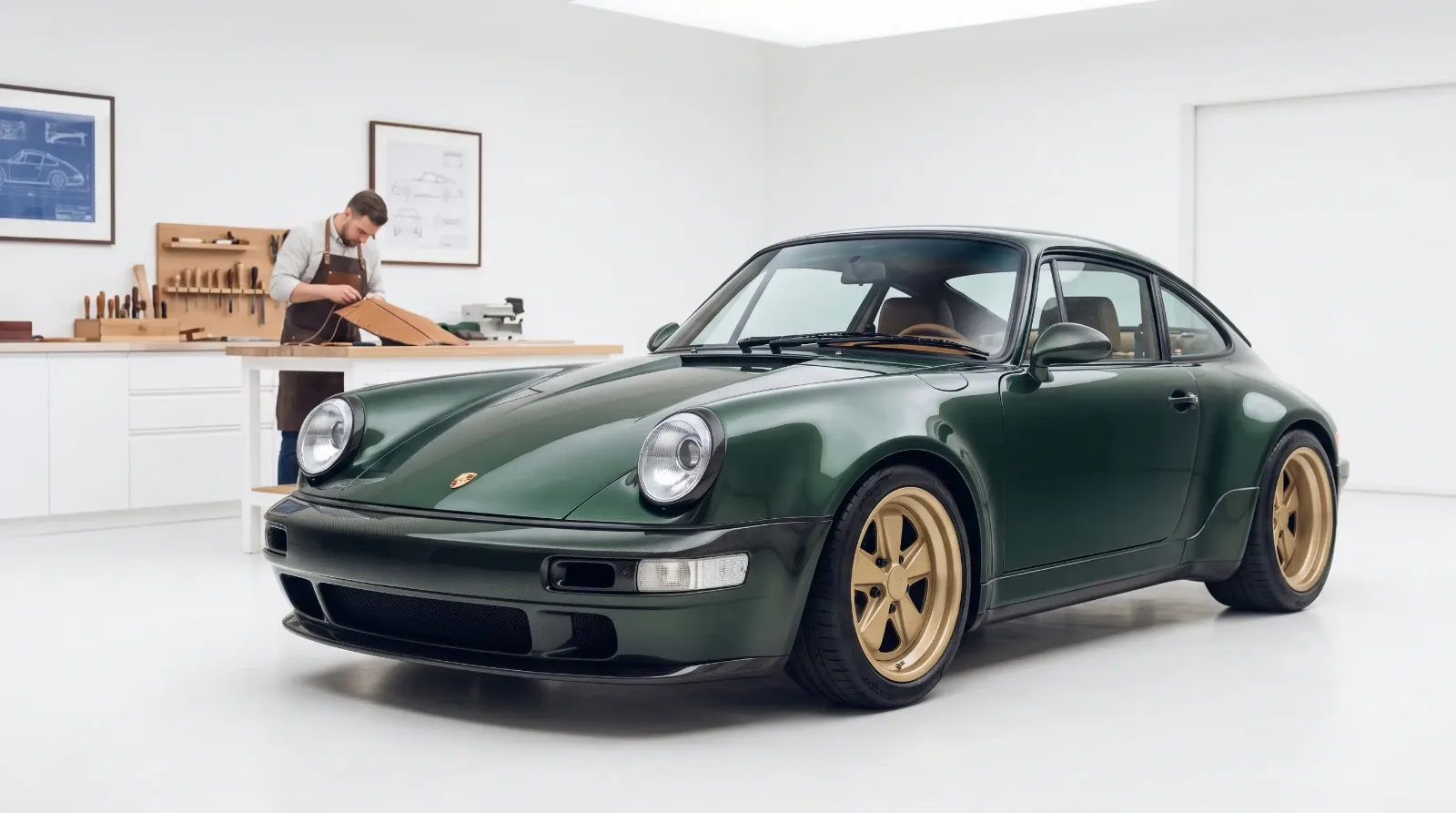
| Singer-style reimagined 911 | Obsessive detail refinement, high-end finish | Modern manufacturing discipline |
None of these approaches is more legitimate than another. They are answers to the same question, what should a Porsche become when you stop treating the factory spec as gospel, coming from builders with completely different backgrounds and instincts. That range is a big part of why the scene has stayed interesting for decades instead of calcifying into one accepted look. For the deeper background on where this rebellious streak actually started, we cover it directly in the piece on how rebels reinvented the Porsche.
The legacy beyond one man's garage
Walker's influence is easy to underestimate if you only look at his personal builds. His bigger impact was cultural. He made it acceptable, even desirable, for an owner with no mechanical background and no restoration pedigree to build a car that reflected personal taste rather than chasing numbers-matching originality or judged-show correctness. That opened the door for a much wider range of people to get involved in modifying air-cooled Porsches, which in turn grew the market for parts, fabrication shops, and specialist builders across the country.
He also normalized talking about these cars in emotional, personal terms rather than purely technical ones. A lot of enthusiasts, myself included, grew up assuming credibility in this hobby required either deep mechanical knowledge or a long family history with the marque. Walker proved passion and consistency could build a following on their own, even if that ruffled some feathers among builders who had put in decades of shop time before anyone outside the hobby knew their name.
To see the next chapter of how this scene evolved into today's higher-end, obsessively engineered builds, more from this chapter picks up exactly where Walker's story leaves off.
Whatever you think of the hype around him, Magnus Walker made outlaw Porsche culture visible to people who never would have found it otherwise. That alone earns him a permanent spot in this history, regardless of how any single one of his builds holds up under a purist's microscope.