
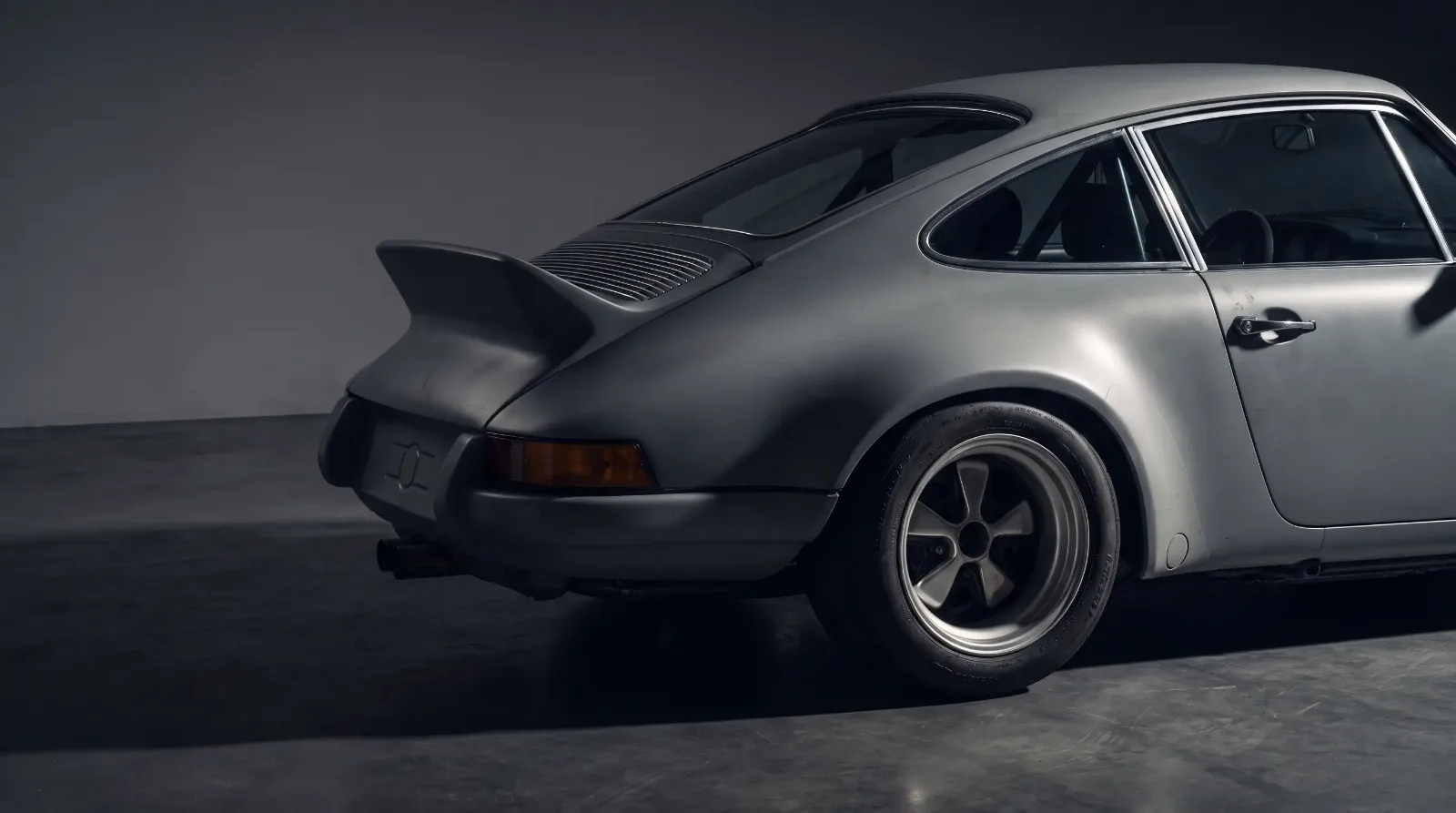
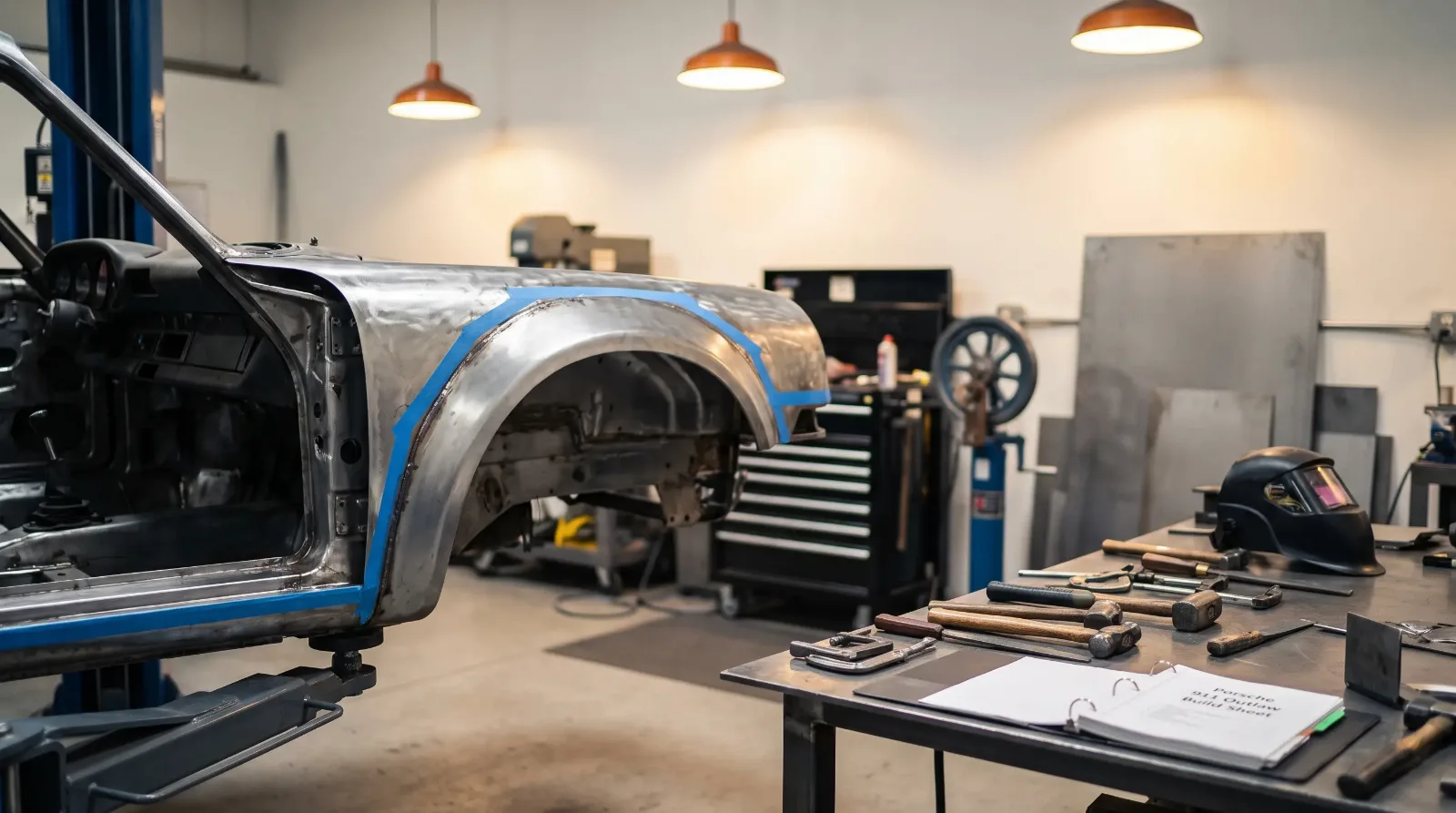
Walk into any serious Porsche gathering and you can spot the outlaw porsche crowd from across the field. The panel gaps are tight, the ride height is wrong in exactly the right way, and nobody standing next to the car cares whether the engine block matches the chassis number. These are the cars built by people who looked at a 356 or an early 911, decided the factory got some things right and some things wrong, and picked up the tools to settle the argument themselves. Purists hate it. I love it, because I have spent enough hours under masking tape to know the difference between a car that was reimagined with a plan and one that was just butchered.
Car Features
10 min read
The Outlaw Movement: Rebels Who Reinvented the Classic Porsche
Rod Emory, Magnus Walker, Singer and the Safari builders threw out the factory rulebook. Here is how the outlaw and restomod movement reinvented the classic Porsche.
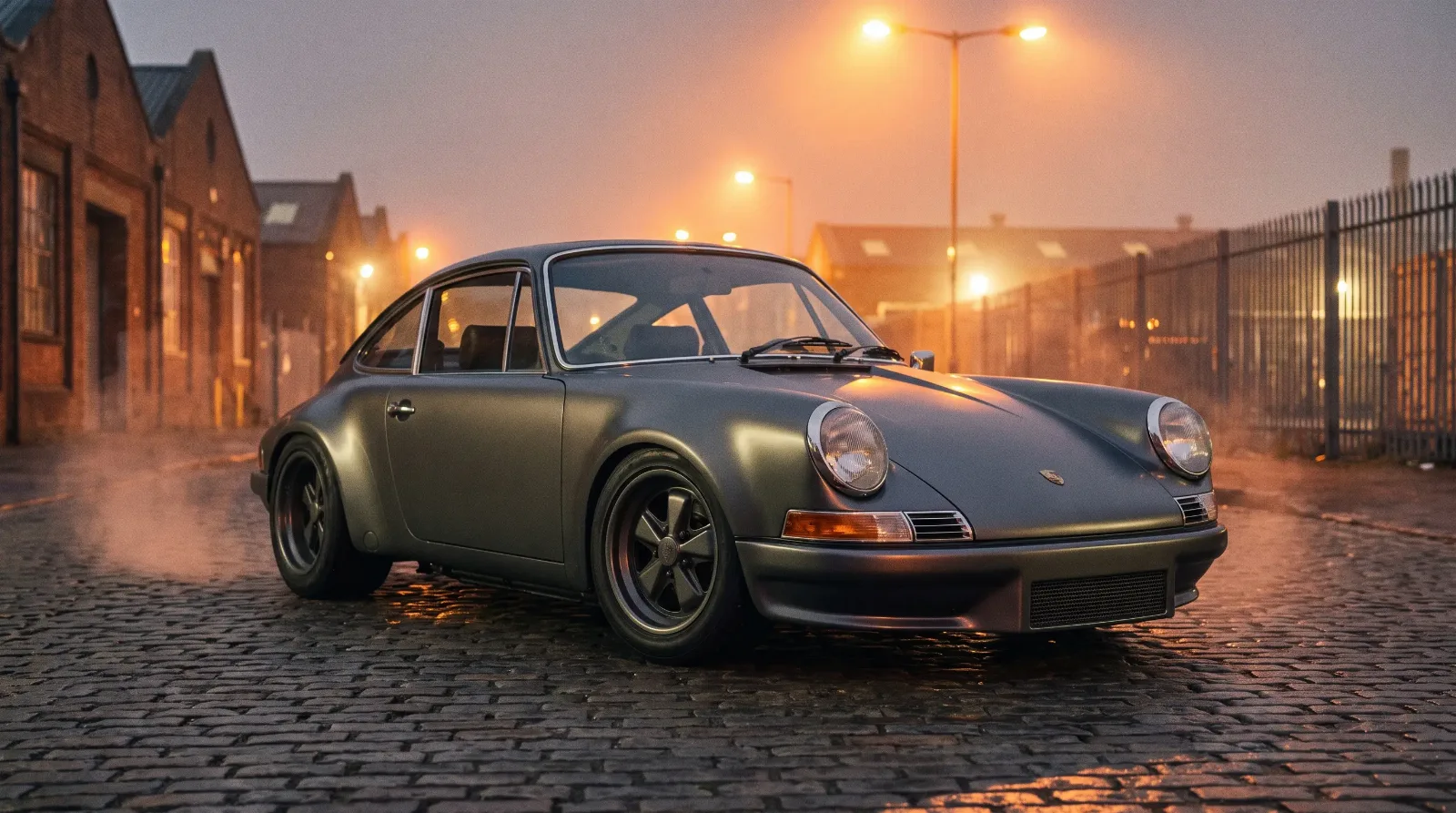
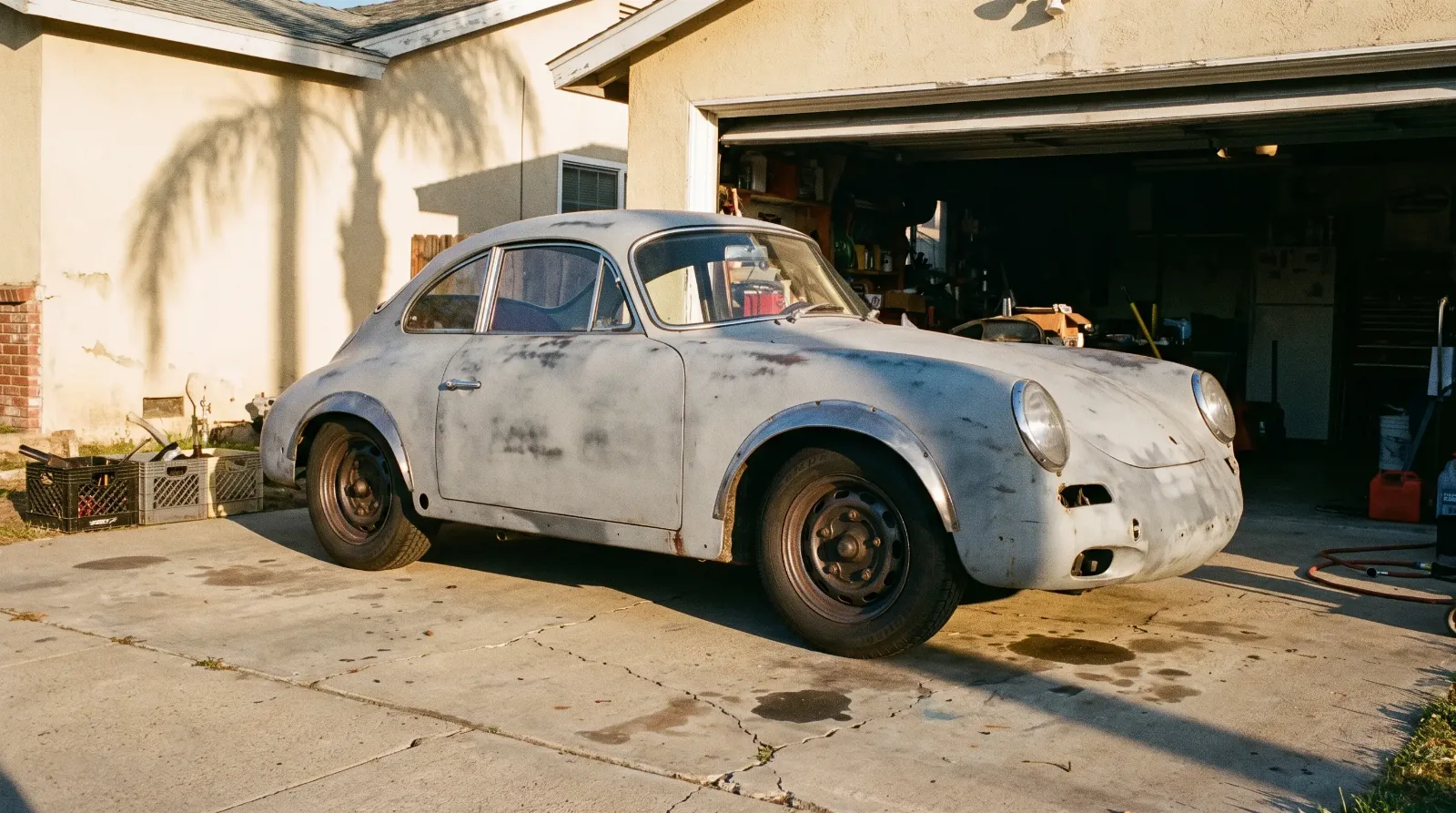
The word "outlaw" here is not about breaking laws. It comes from the 356 world, where any car modified outside factory spec got shut out of concours judging. Owners who dropped in bigger engines, cut the bumpers down, or lowered the stance were breaking the rules of the show field, not the road. That exile turned into an identity. Decades later it became a whole design language, and the builders who shaped it are now the closest thing this hobby has to old masters.
Where the outlaw porsche movement really started
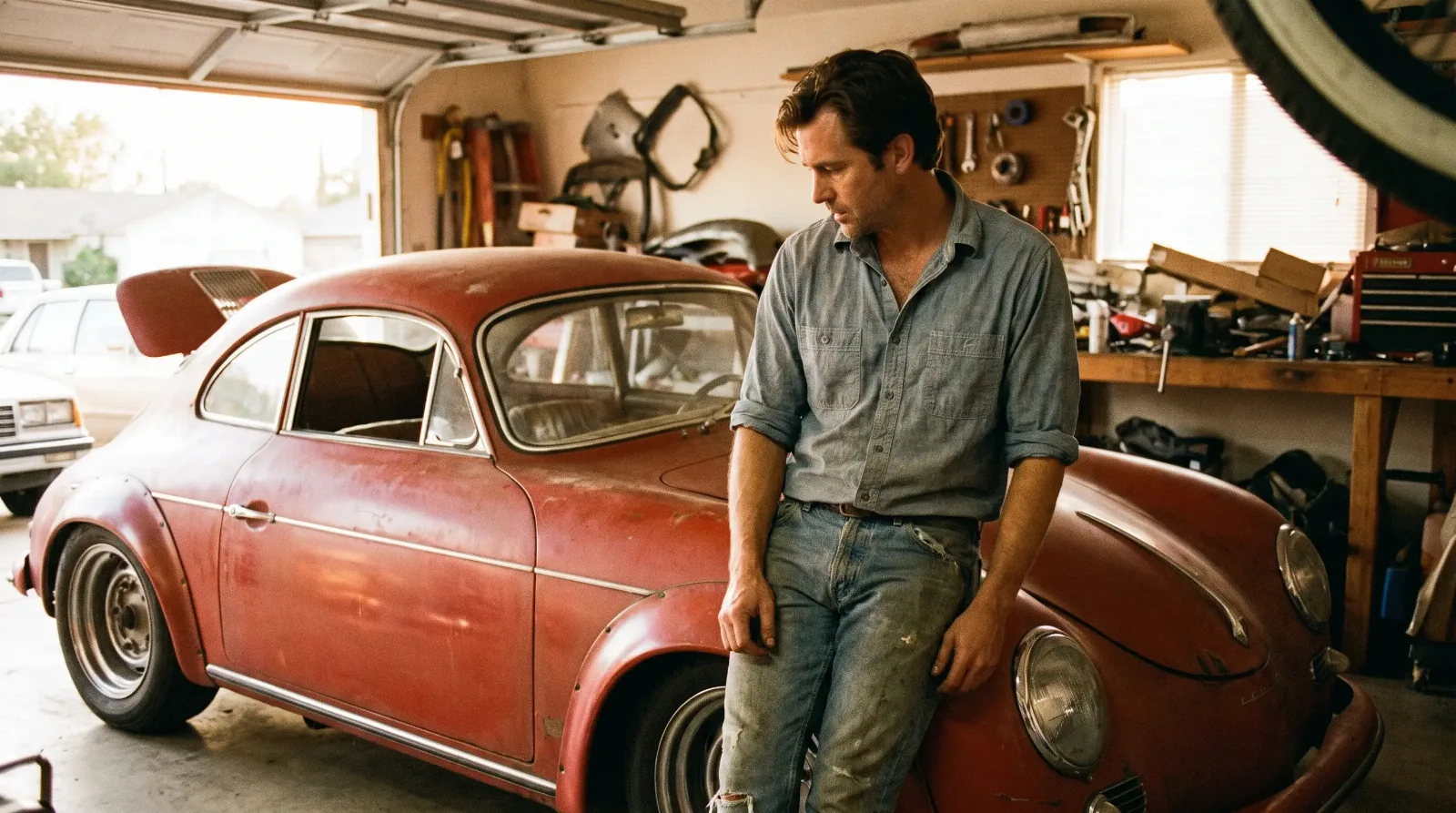
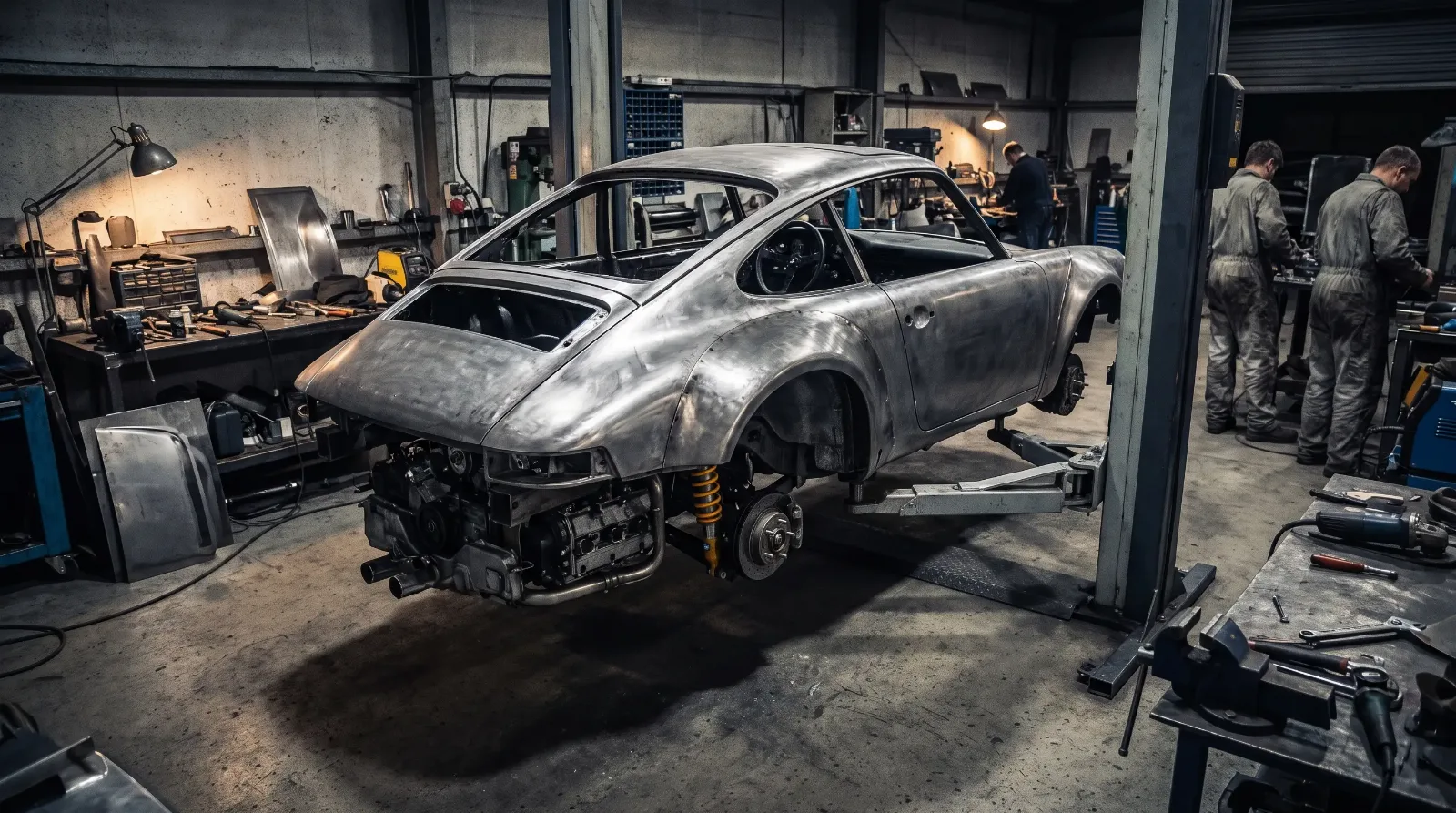
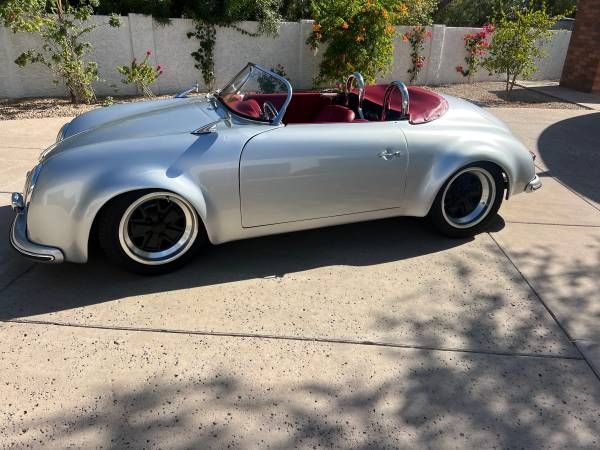
You cannot talk about outlaw Porsches without starting at the Emory family. Neil Emory co-founded Valley Custom in Burbank in 1948 and shaped metal for hot rodders when the craft was still being invented. His grandson Rod Emory took that bloodline and pointed it straight at the 356. What Rod builds now under the Emory Outlaw name is not a restoration and it is not a kit. It is a 356 body reworked with sectioned bumpers, hidden hinges, louvered decklids, and a chassis that can actually keep up with modern traffic.
The engines are the tell. Emory developed what he calls the Emory-Rothsport "Outlaw-4," a flat-four built from Porsche parts that pushes power figures the factory never dreamed of from that architecture, with configurations rated around 205 hp in a car that left Stuttgart with maybe 60. That is the outlaw idea in one sentence. Keep the shape that makes your chest tight, throw out the performance ceiling. Rod's work sits at the top of this whole story, and if you want the wider context of how these cars earned their reputation in the first place, it connects back to the broader Porsche saga that every one of these builders grew up studying.
Magnus Walker and the urban outlaw 911
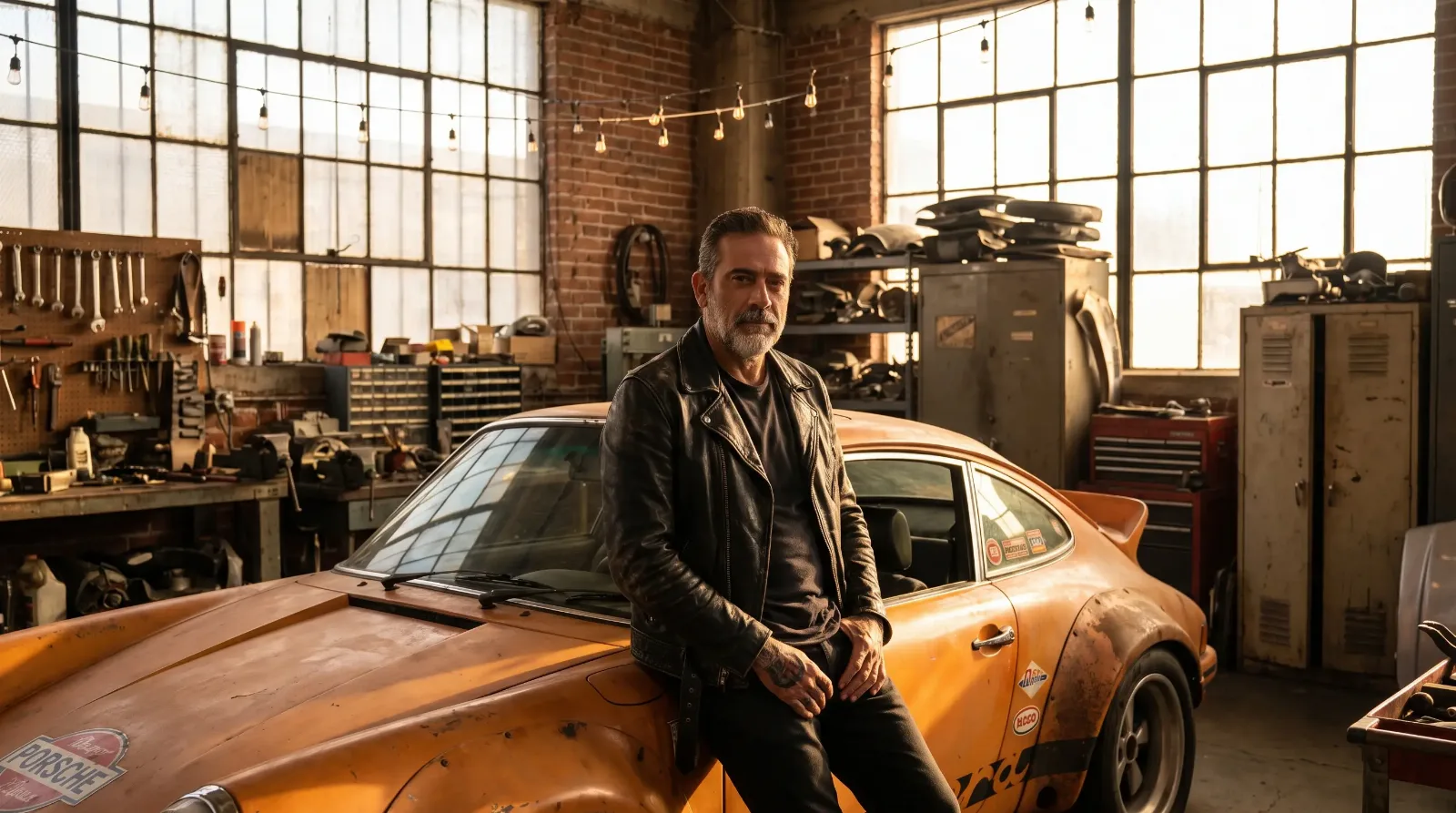
If Rod Emory brought the coachbuilding discipline, Magnus Walker brought the noise. A clothing designer from Sheffield who ended up in Los Angeles, Walker built a collection of air-cooled 911s in a downtown warehouse and filmed a short documentary called Urban Outlaw, released in 2012, that landed like a grenade in the Porsche world. Suddenly the tattoos, the dreadlocks, and the beat-up early cars were the aspirational image, not the garage-queen concours 911.
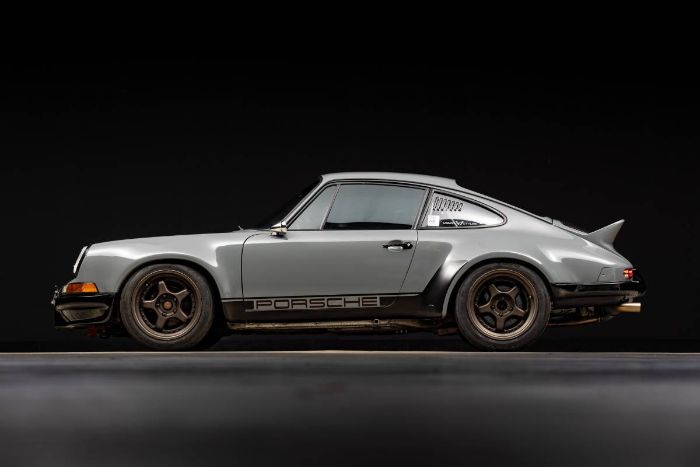
What Walker actually does is period-flavored. He favors long-hood cars from the late 1960s and early 1970s, strips the interiors, adds Recaro buckets and Momo wheels, and runs them hard on the street and the track. His personal favorites lean on the 1971 to 1973 window, the last of the long hoods before the impact bumpers arrived. Purists will tell you his builds are not correct. They are missing the point. Walker never claimed correct. He claimed that these cars are meant to be driven, and he got a generation of new buyers to stop being afraid of their own 911s.
His influence on stance and detail is everywhere now. The 911 itself is a deep subject, and the way Walker reads its early years is its own related chapter worth reading, though I would send you first to a related chapter worth reading before you argue with anyone about which long-hood year matters most.
Singer and the money end of backdating
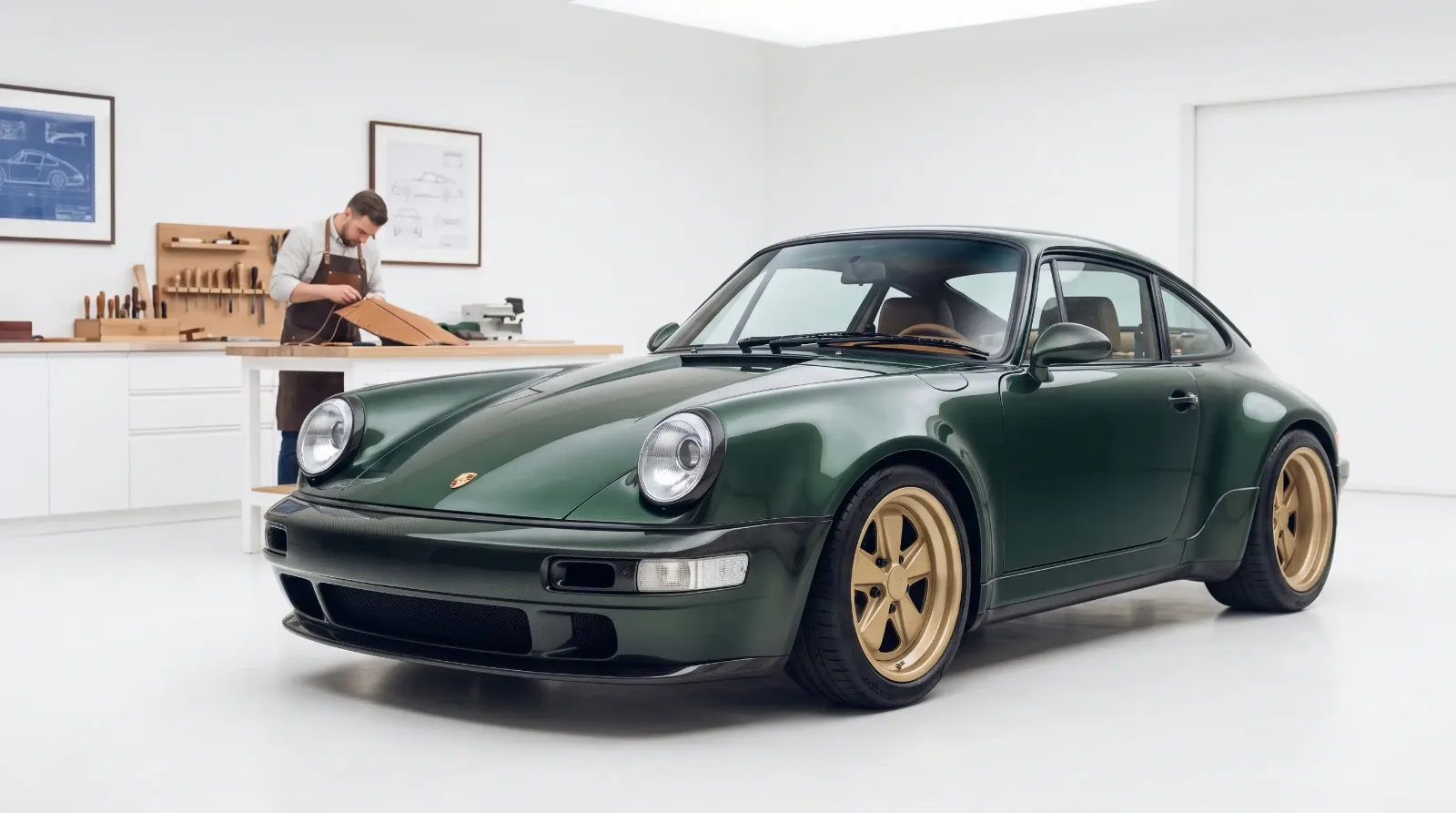
Then there is Singer Vehicle Design, and here the conversation changes registers entirely. Rob Dickinson, another Englishman and a former musician, started Singer in 2009 with a simple pitch. Take a 964-generation 911, the 1989 to 1994 car, and rebuild it to look like a 1960s or early 1970s long-hood 911 while engineering every component to a standard the factory could not afford at volume.
The results are staggering in the literal sense. Carbon fiber body panels shaped to old proportions, air-cooled flat-sixes built with Cosworth and later Williams input, interiors trimmed by hand in a way that makes a normal restoration look careless. A Singer commission starts around 395,000 dollars plus the donor car, and most owners end up well past 600,000 dollars by the time they are done choosing materials, with newer commissions starting closer to 875,000 dollars. This is backdating taken to its financial and technical ceiling.
I have strong opinions about Singer and most of them are admiring. The bodywork is honest even though the concept is a fantasy, because every line is resolved and nothing is faked to hide bad panel fit. When I run my hand along a Singer fender I feel decisions, not shortcuts. That is the difference between a reimagined car and a poseur build, and it holds true whether the budget is five figures or seven.
"People argue about numbers-matching like it is scripture. I care whether the metal was worked by someone who understood the shape. A car built with vision reads honest even when every part is wrong for the year. A car built to fool you reads like a lie the moment you crouch at the door gap."
Jim Vasquez
The Safari builders who took the 911 off the pavement
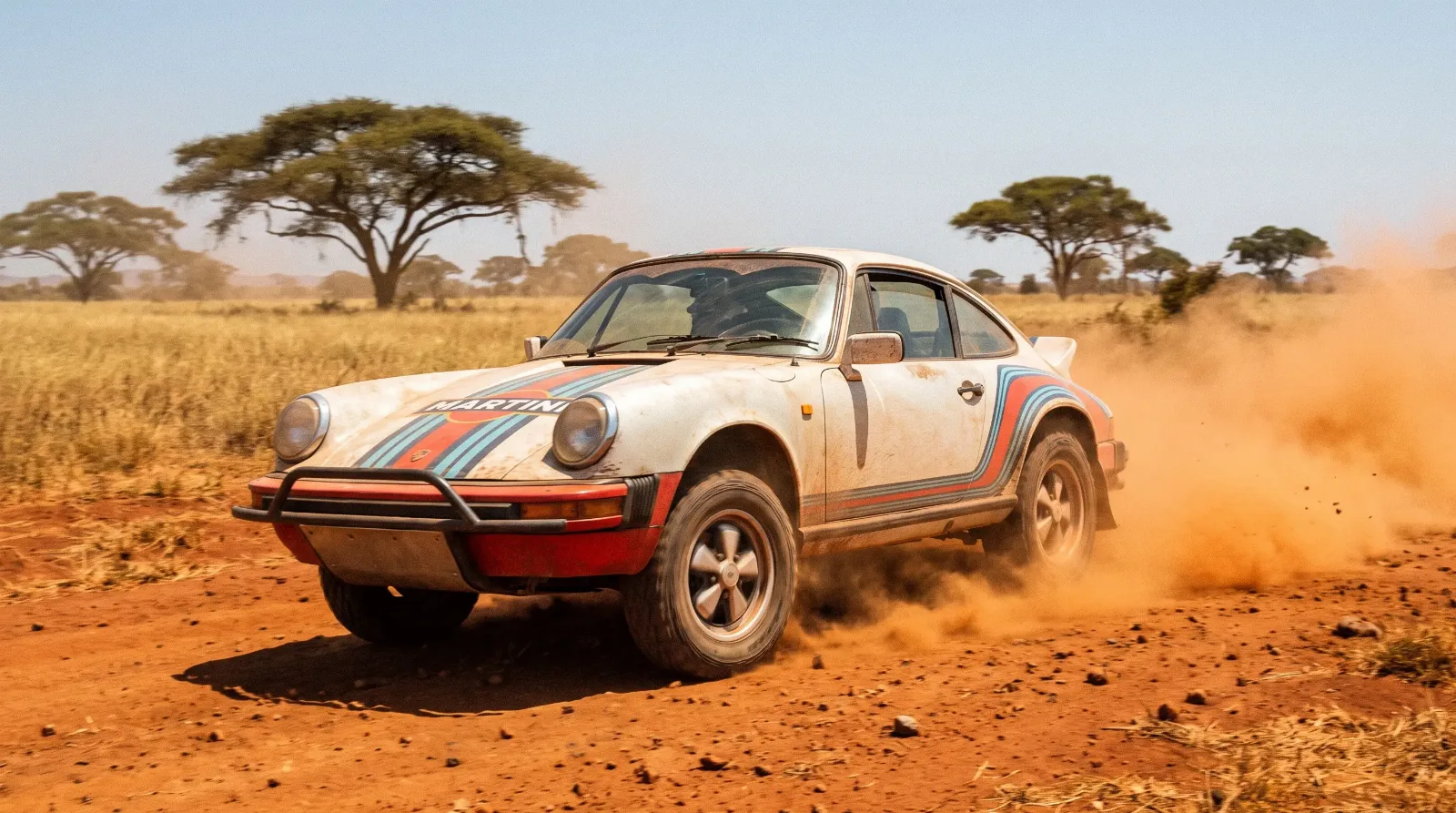
The newest branch of the outlaw family tree does not lower the car. It lifts it. Safari-style 911s take the same air-cooled platform, jack up the suspension, add skid plates and knobby tires, and point it at gravel roads. The inspiration is real history. Porsche ran factory-prepared 911s in the East African Safari Rally through the 1970s, and in the brutal 1978 event a 911 SC driven by Vic Preston Jr. finished second overall, with both factory cars making it to the finish as the only full team to do so, so the look is rooted in something the company actually did.
Builders like Leh Keen with his Keen Project "Safari" cars, along with a wave of independent shops, turned that heritage into a movement of its own. The appeal is obvious once you drive one. An air-cooled 911 was always a tough, simple machine, and giving it suspension travel and a fighting stance frees it from the fear of every pothole. These builds also opened outlaw culture to people who were never going to buy a concours car anyway. A rough-running early 911 that would embarrass a purist becomes the perfect Safari donor.
The purist versus outlaw fight that never ends
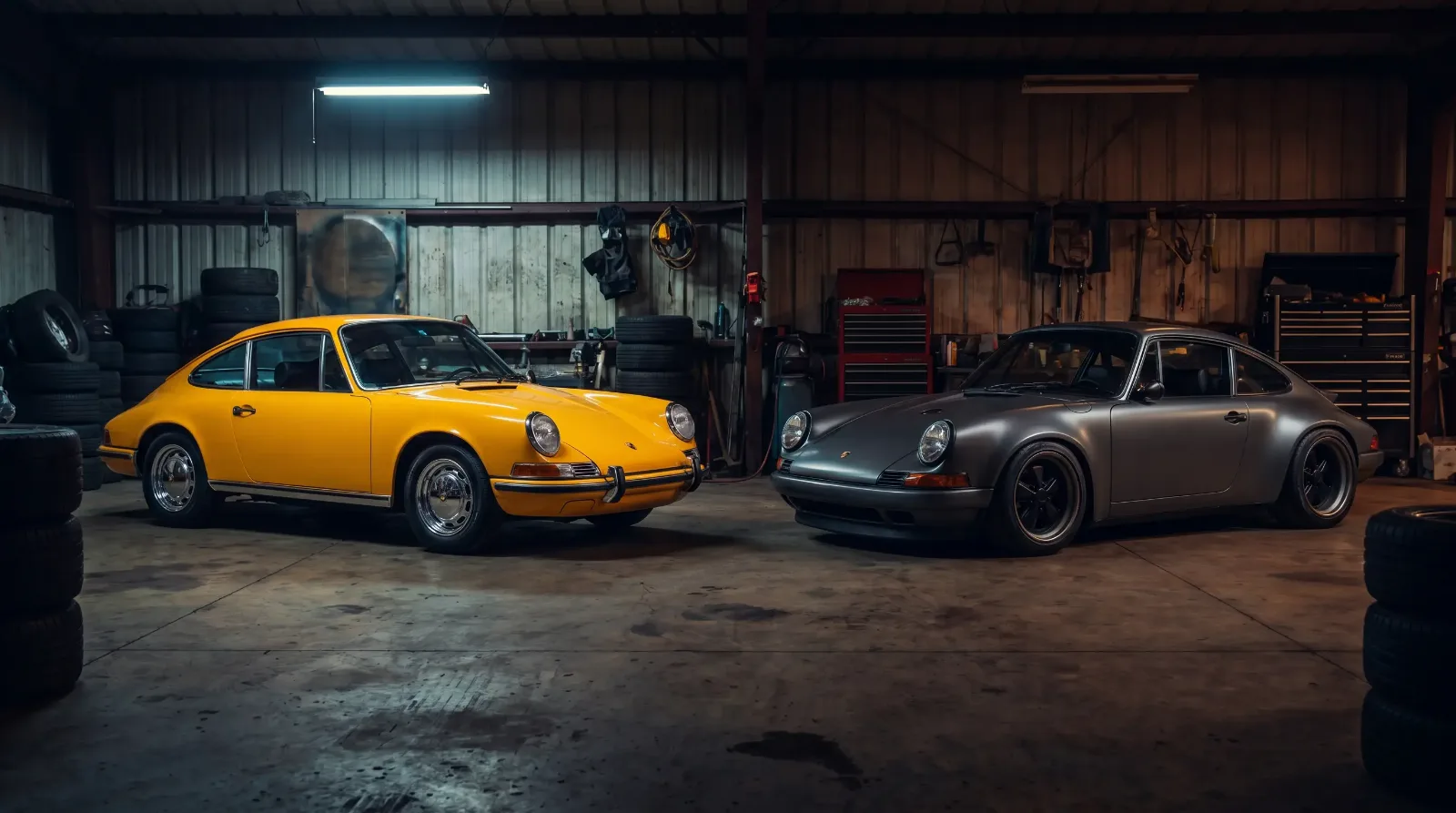
Every one of these builders draws the same complaint. You ruined a car. The purist position is that an original 356 or early 911 is a historical object, and cutting into one destroys something that cannot be replaced. There is truth in that. A genuine, unmolested early car is rare and getting rarer, and once you weld it you cannot un-weld it.
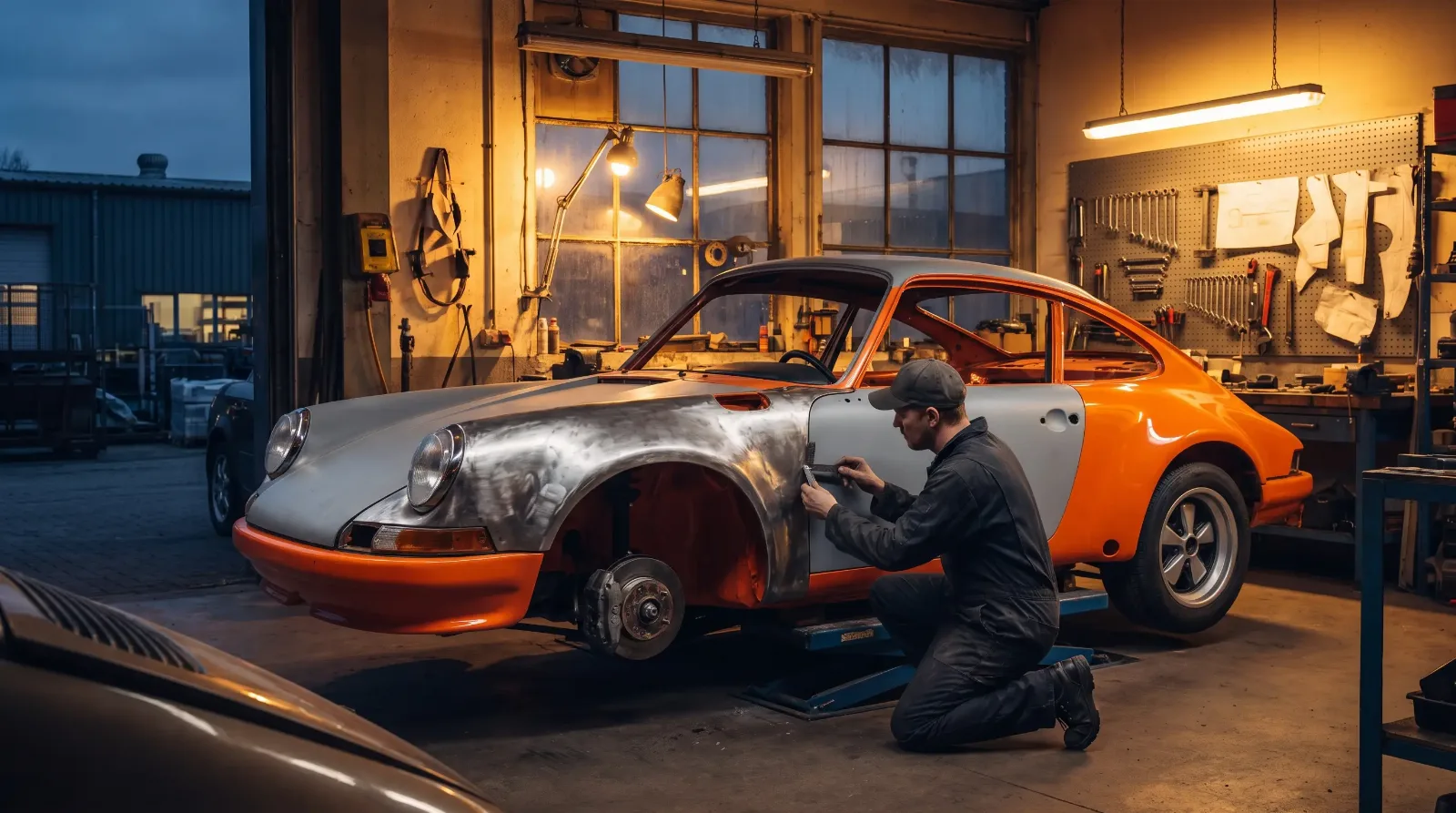
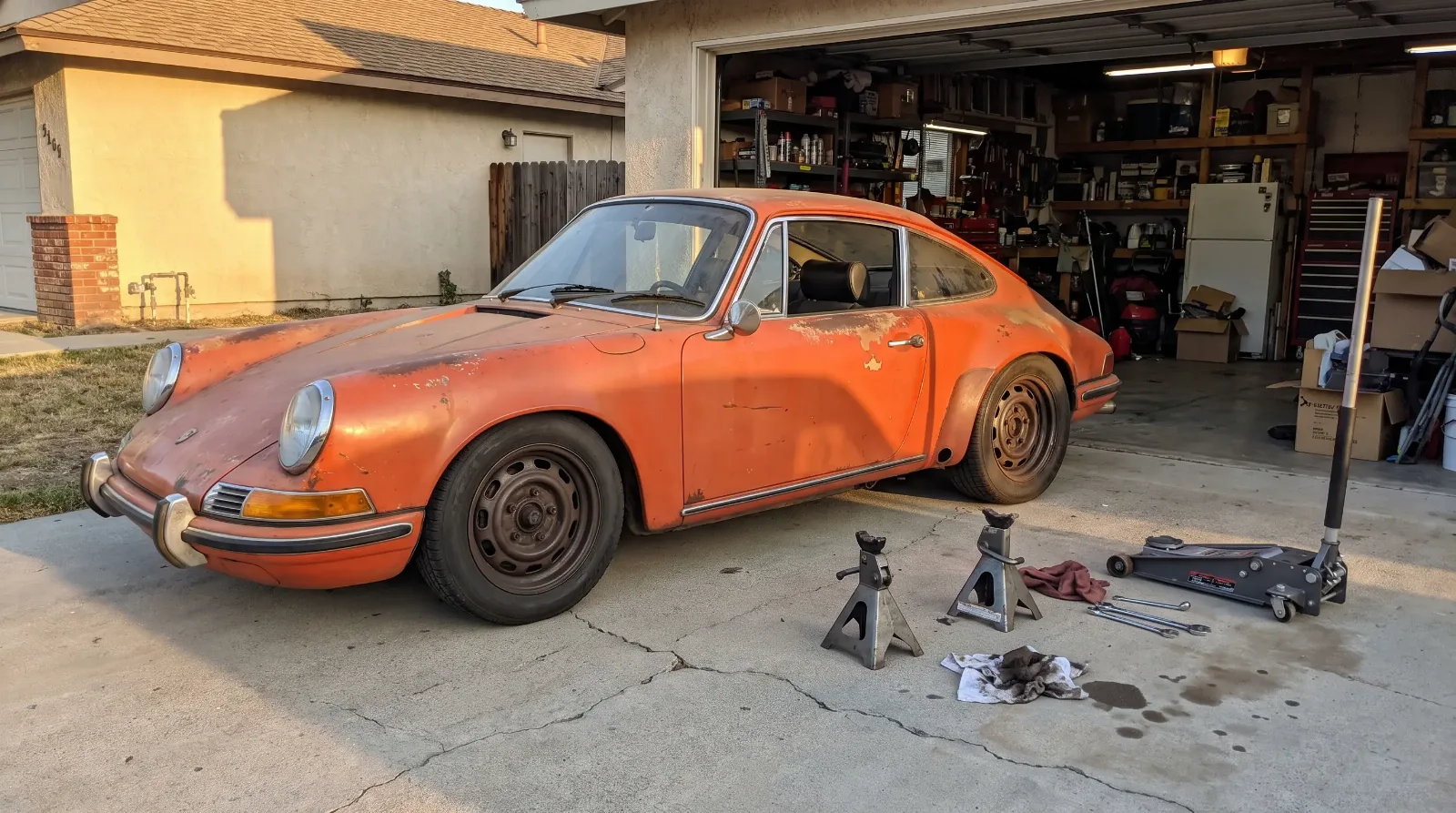
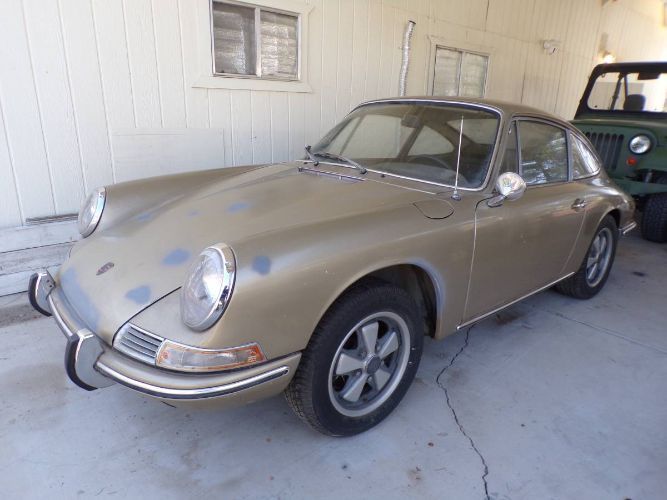
Here is where I land after years of doing this work. Most outlaw builds do not start with pristine cars. They start with rusty, crashed, or already-modified shells that were never going to be concours candidates. Rod Emory has said many times that he rescues cars nobody else wanted. Turning a rotten 356 into a driving Outlaw is not vandalism, it is a second life. The real crime is a bad build, not an outlaw build. A car dumped on cheap coilovers with wheels that poke past the arches and paint that orange-peels in the sun does more damage to the movement's reputation than any purist ever could.
Backdating sits right at the center of this argument. Taking a 964 or a 3.2 Carrera and making it look like a 1972 car is either heresy or genius depending on who you ask. I think it is honest as long as the builder is open about what the car is. Nobody serious is trying to pass a backdate off as a real long-hood. They are chasing the shape, and the shape is worth chasing.
What separates an honest build from a poseur
People ask me how to tell a real outlaw build from a costume. It comes down to the same things I look at on any car, just with the rulebook thrown out. If you are shopping this world, whether you want a finished car or a project, the growing market for Porsche restomods for sale is where you will see the full range from masterpiece to disaster, and knowing what to look for saves you real money.
Reading an outlaw build like a builder
The outlaw and restomod world has gone from a fringe joke to the most talked-about corner of the classic Porsche hobby, and the prices have followed. A well-known Emory car or a Singer commission now sells for more than many factory-original examples, which tells you the market has decided craft matters as much as originality. That shift is why the old masters of this movement get treated like the coachbuilders of the 1950s. They are shaping metal and shaping taste at the same time.
Here is a rough field guide to the main outlaw schools, the kind of thing I sketch out for people who are new to this and trying to figure out what they are actually looking at.
| Outlaw school | Signature builder | Base car | The look |
|---|---|---|---|
| 356 Outlaw | Rod Emory | Porsche 356 | Sectioned bumpers, hidden hinges, hot flat-four, driving-ready chassis |
| Urban outlaw 911 | Magnus Walker | Long-hood 911 (1971-1973) | Stripped interior, hard stance, bold graphics, driven hard |
| High-end backdate | Singer (Rob Dickinson) | 964 (1989-1994) | Carbon panels in 1960s-70s shape, obsessive detail, six-figure builds |
| Safari 911 | Leh Keen and others | Air-cooled 911 | Raised suspension, skid plates, knobby tires, rally stance |
None of these people asked permission. That is the whole thread running through the outlaw porsche story, from Neil Emory hammering hot rod fenders to a musician building 964s into fantasies of 1972. They looked at a car everyone agreed was already good, saw where it could be better or wilder or simply more theirs, and had the skill to back the vision. The purists keep the originals safe, and that matters. The outlaws keep the cars alive and moving, and that matters just as much. I have picked my side, and it smells like fresh primer.
Sources and notes
Related Reading
Article
The Classic Porsche Story: From 356 to the Air-Cooled Icons
Article
The Porsche 911 Saga: Birth of an Icon (1964–1998)
Article
Porsche 959 & the Homologation Halo Cars
Article
What "Outlaw" Means: The Culture's Origins
Article
Rod Emory & the Birth of the Outlaw 356
Article
Magnus Walker: The Urban Outlaw Story
Article
Singer & the Reimagined 911 Phenomenon
Article
The Safari 911 Movement: Dirt-Road Rebels
Article
Backdating: The Art of Making New Look Old
Article
Purists vs Outlaws: The Air-Cooled Debate
Article
Fuchs, Steel Widening & Outlaw Wheel Style
Article
The Restomod Boom: Modern Power, Classic Body
Article
Hot-Rodding the 912 & 914 on a Budget
Article
Matte Paint, Louvers & Outlaw Aesthetics
Article
Turnkey Outlaw Houses: The New Coachbuilders
Article
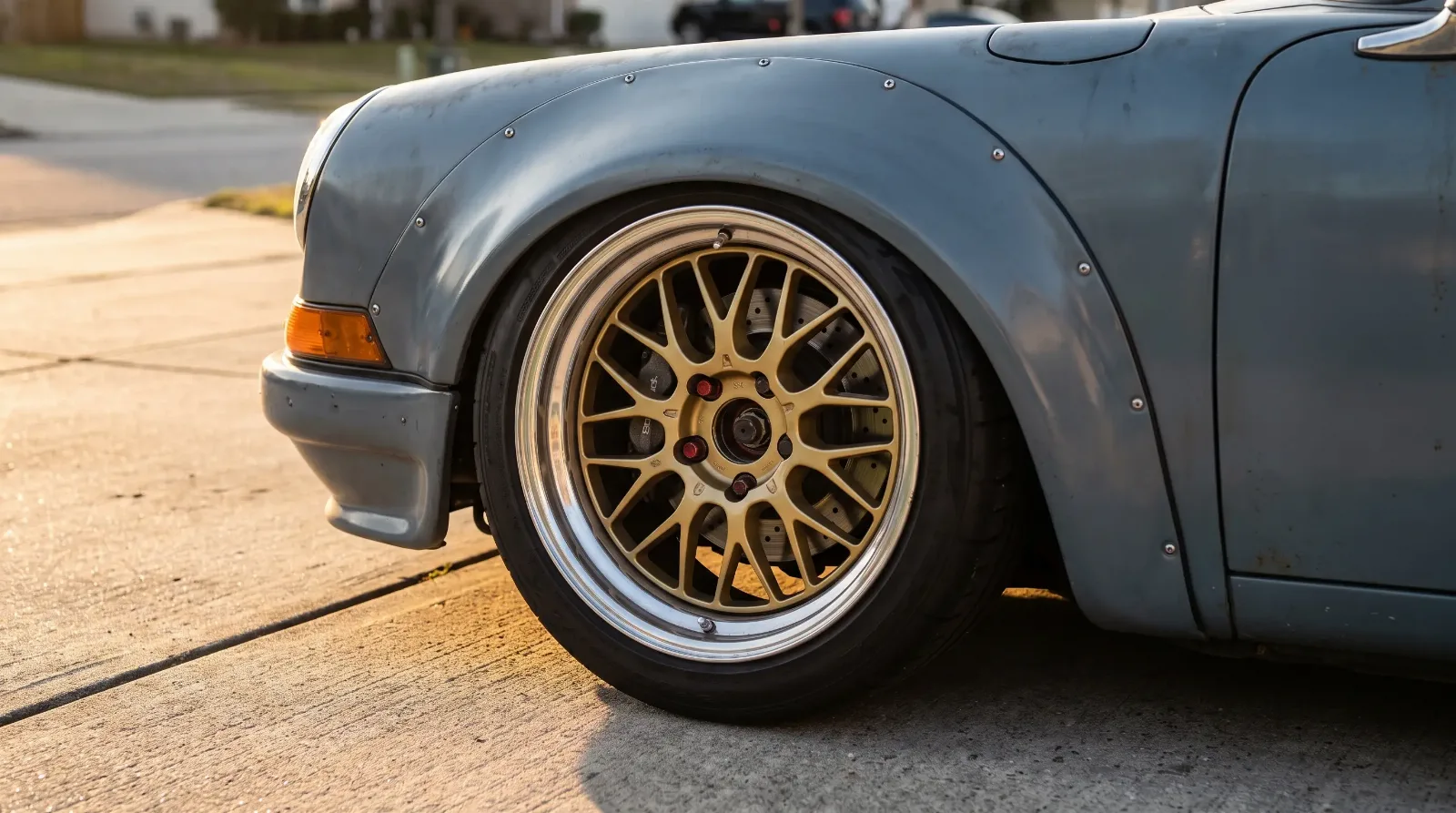
The Outlaw Stance: Suspension as Statement
Article
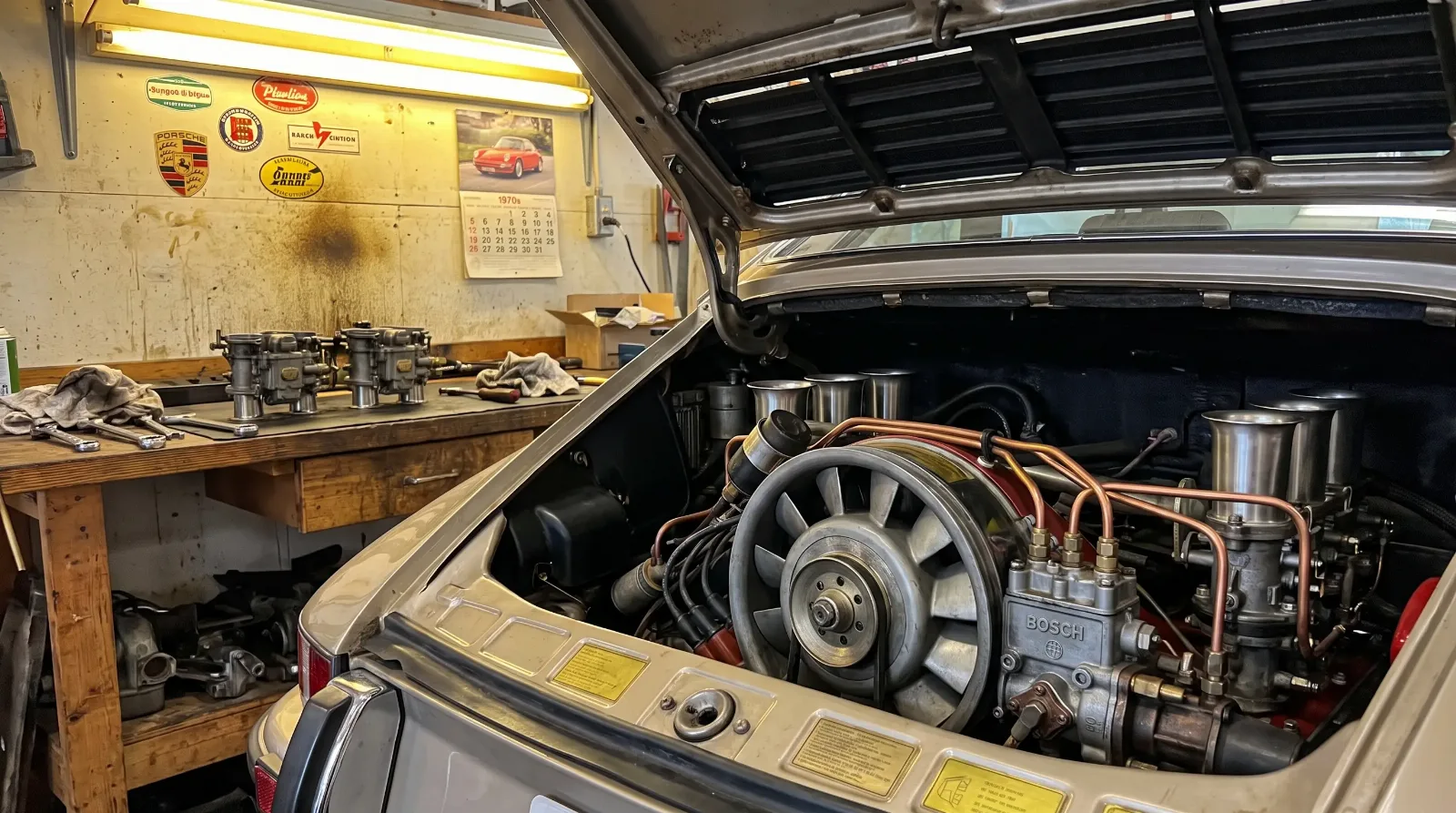
The Debate Over Modernizing Air-Cooled Porsches
Article
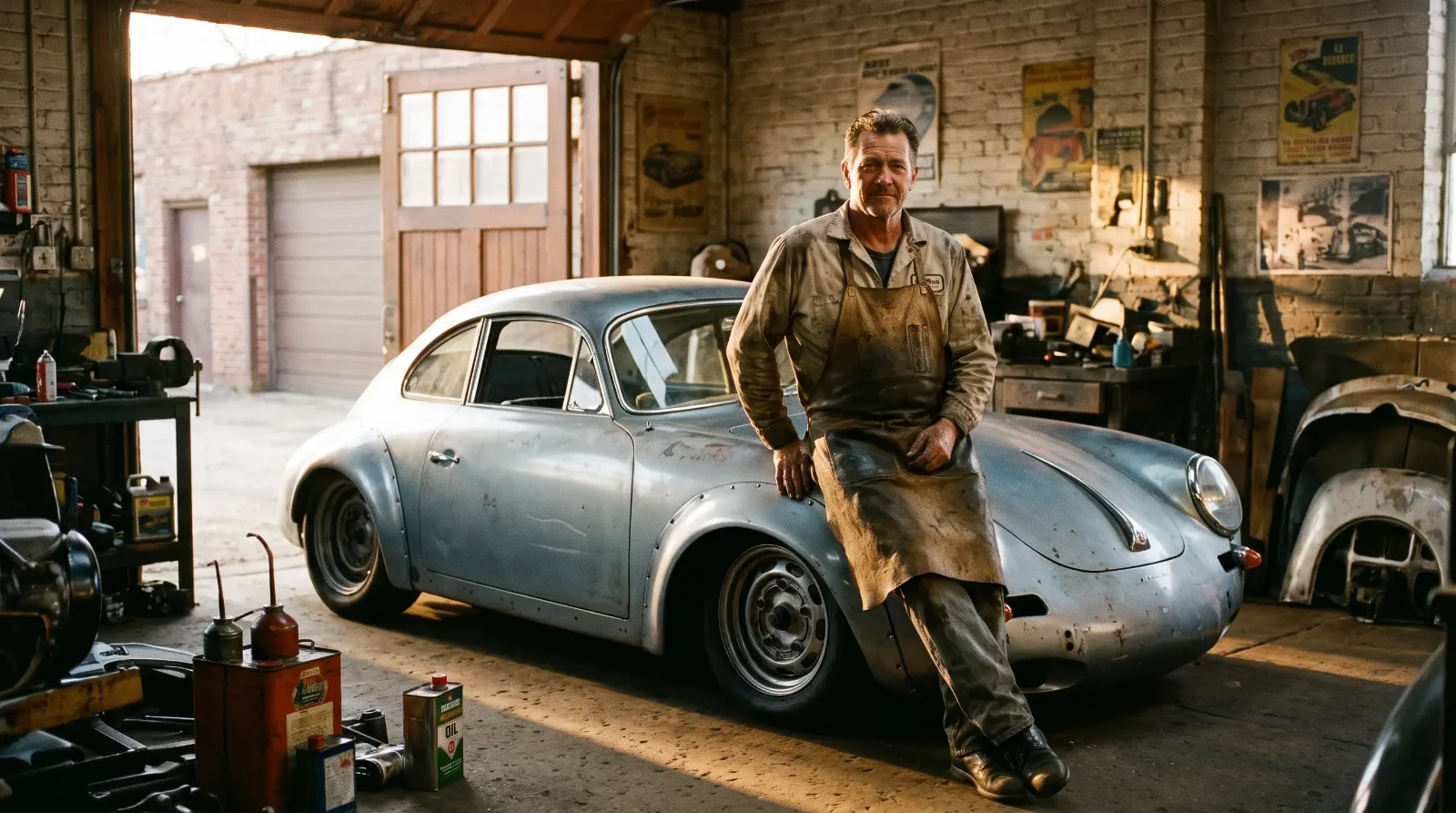
Emory, Singer, Tuthill: The Outlaw Hall of Fame
Have a
Porsche
for Sale?
Reach thousands of serious classic car collectors across the US.
Sell It Here →
Are You a Classic Car Dealer?
List your full inventory and connect with targeted classic car buyers.
Join as a Dealer →
About the author
Jim Vasquez
Southern California hot rod and custom car builder with roots in the traditional kustom kulture scene.
Related Listings - Porsche
Comments
Be the first to comment on this article.