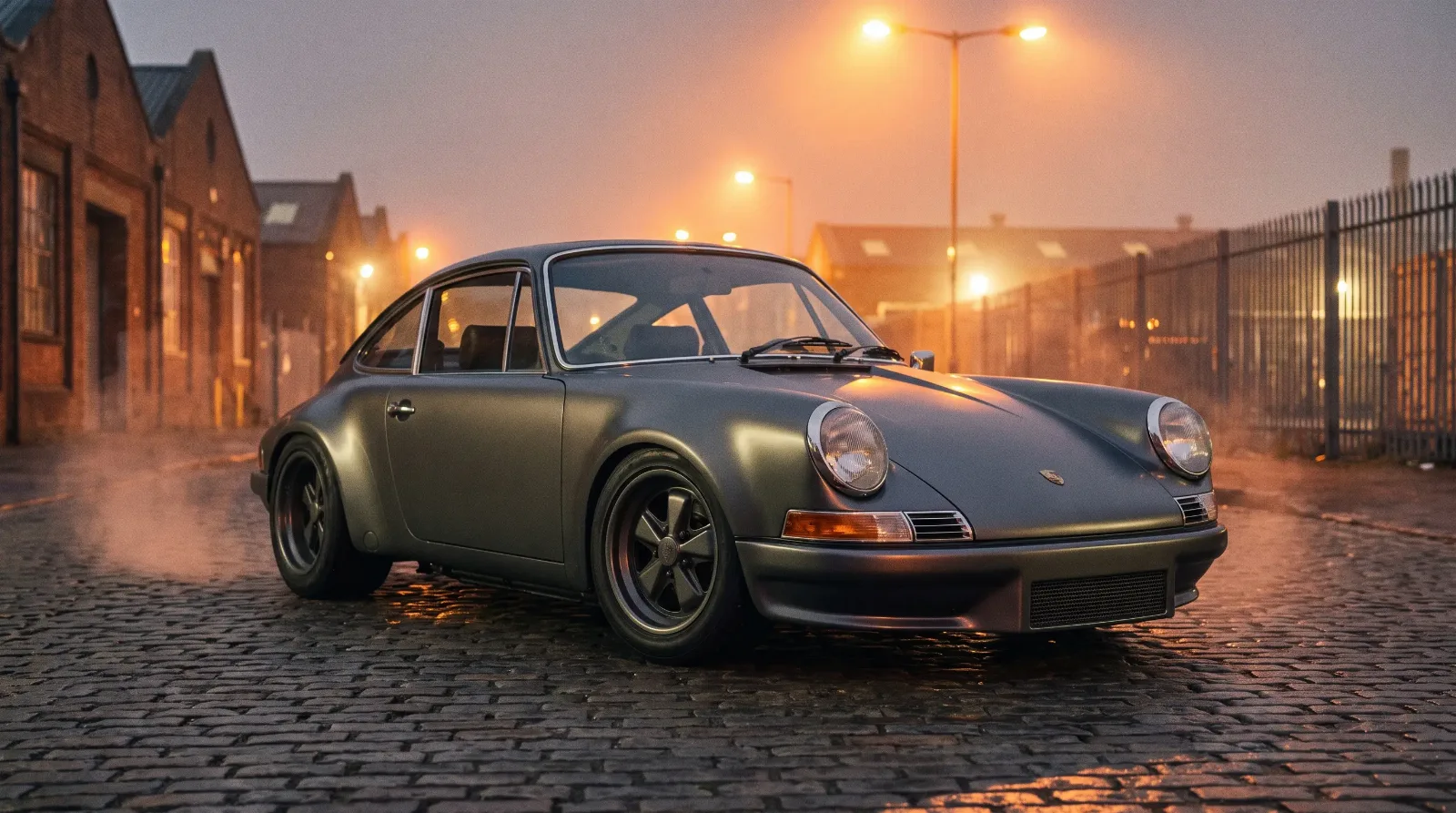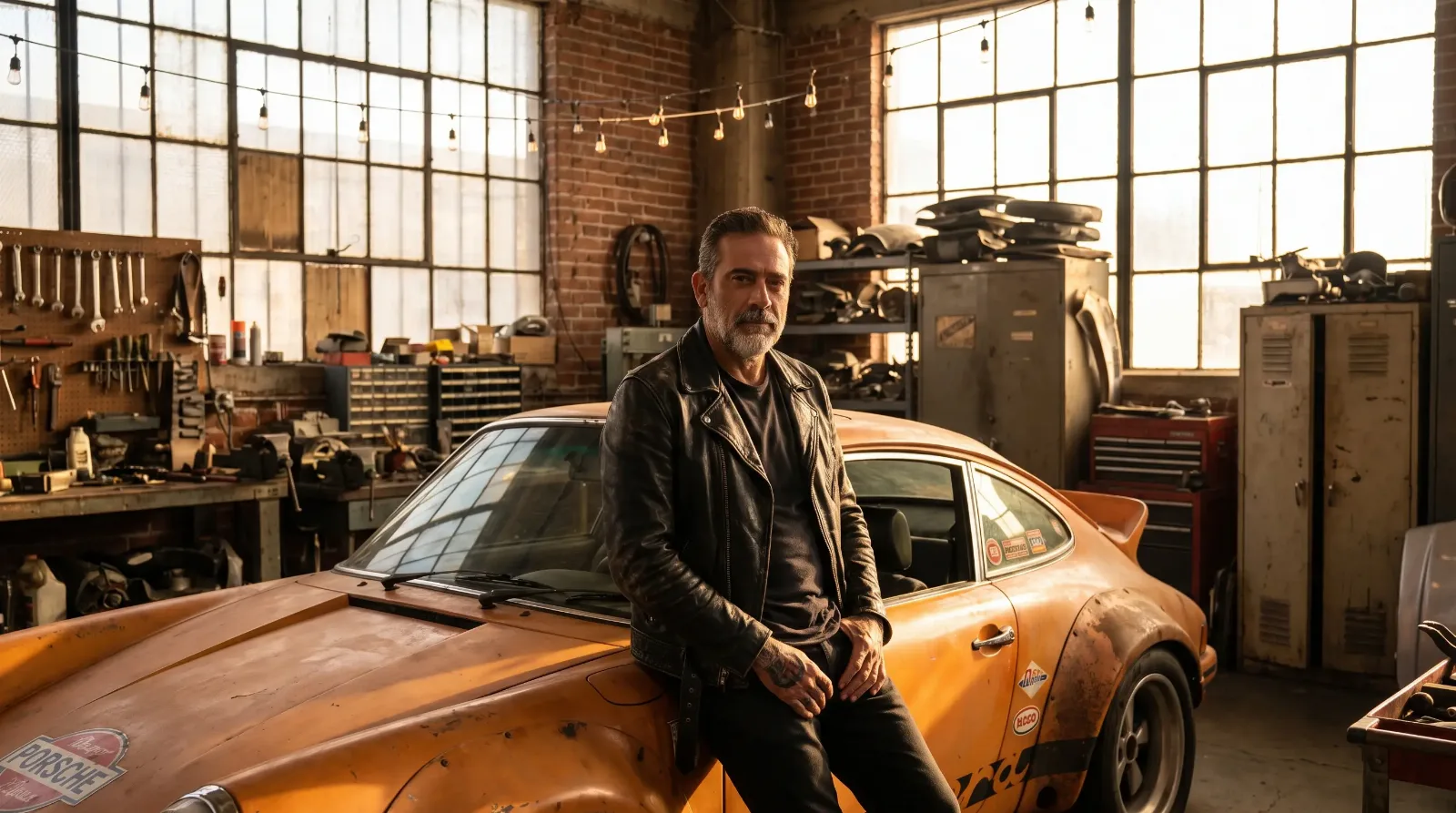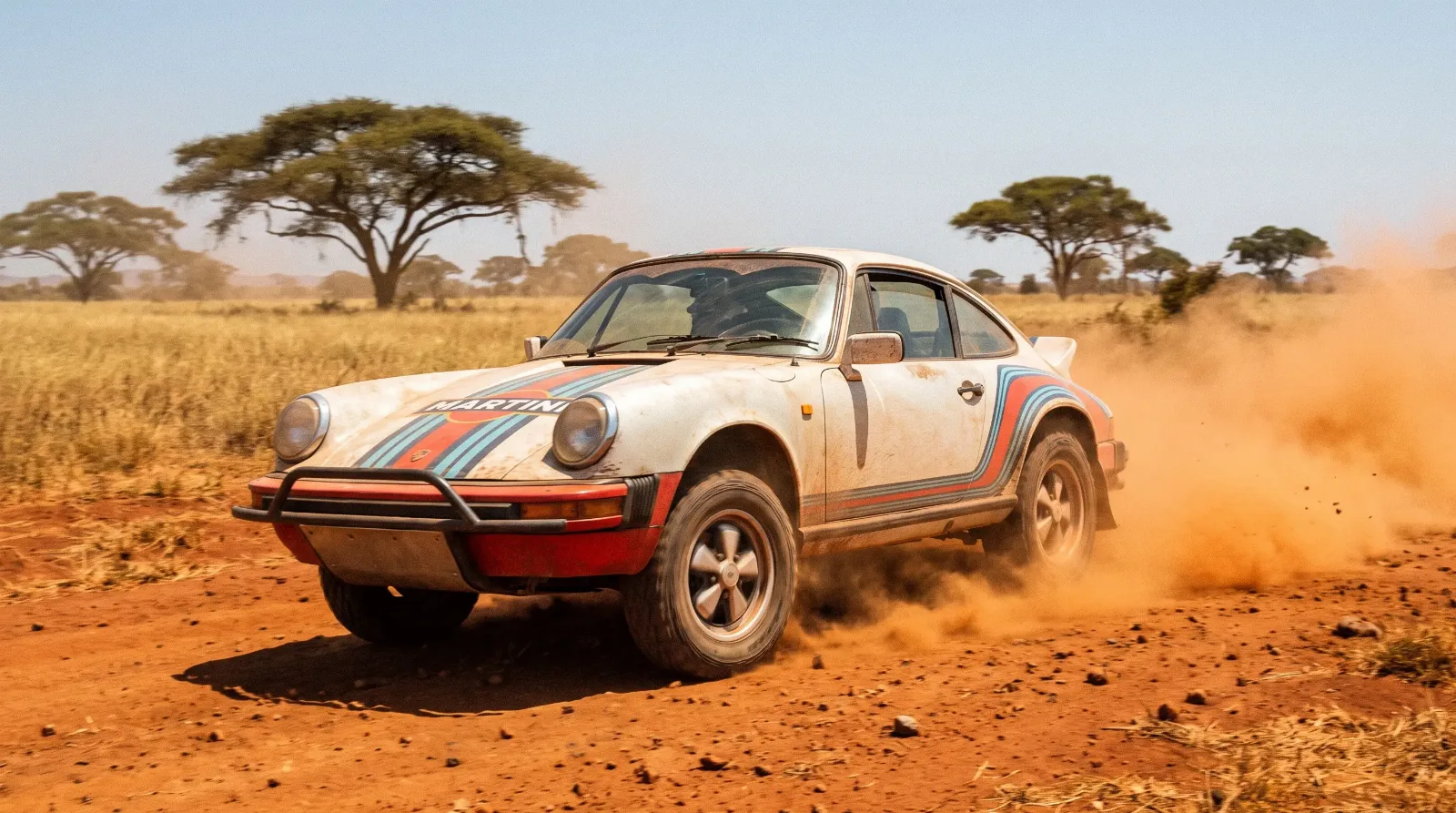
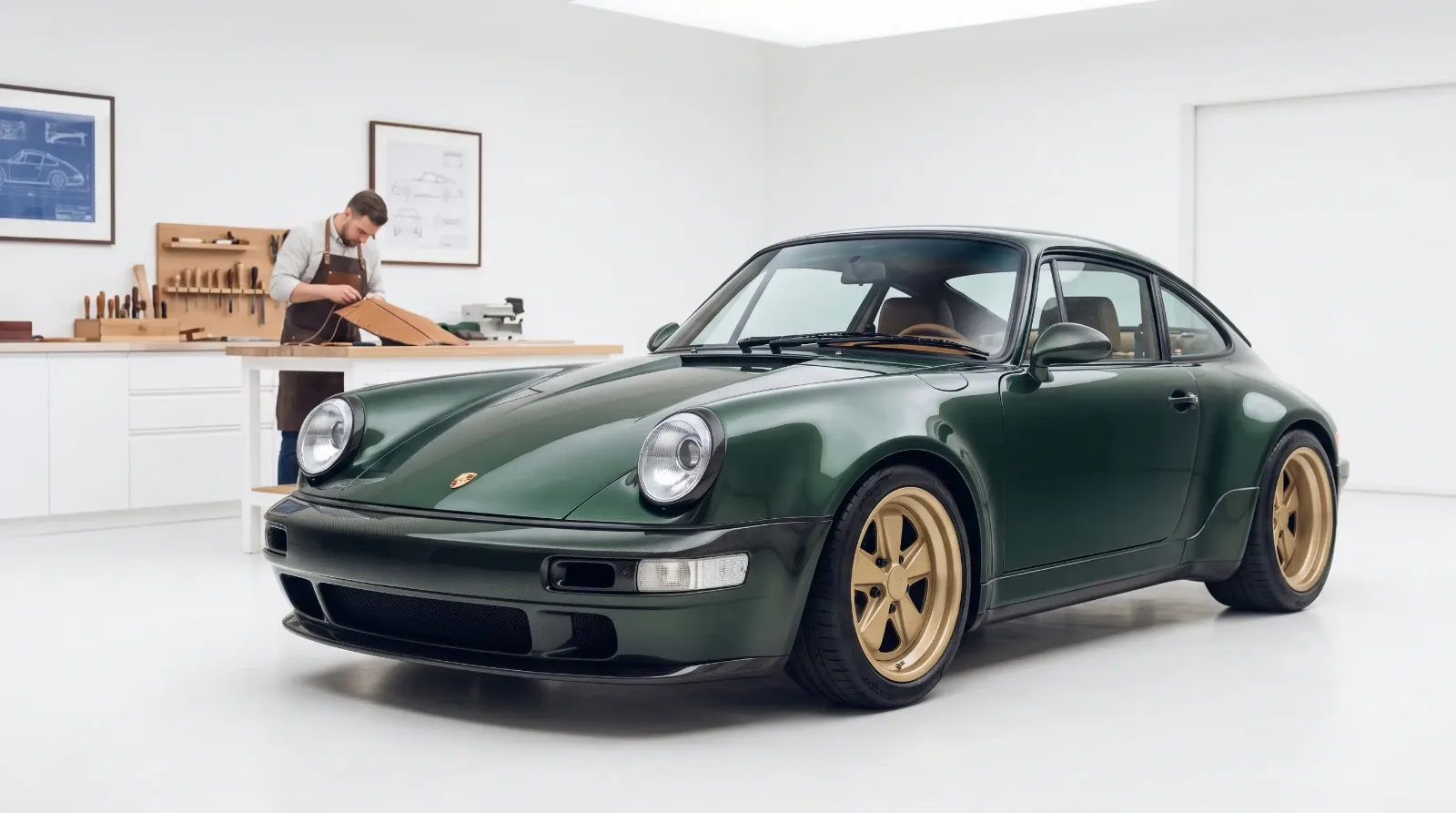
Singer Vehicle Design took the outlaw philosophy and pushed it somewhere the garage builders of the 1980s never imagined it going, into a full commercial operation building six-figure, and often seven-figure, reimagined Porsche 911s for clients who could have bought almost anything else in the world. The company does not modify used 911s in the traditional outlaw sense. It disassembles a donor car down to the shell and rebuilds it around obsessive detail work, which is a different proposition entirely from what came before it, even though the philosophical root is the same.
Founded by a rock musician, not a mechanic
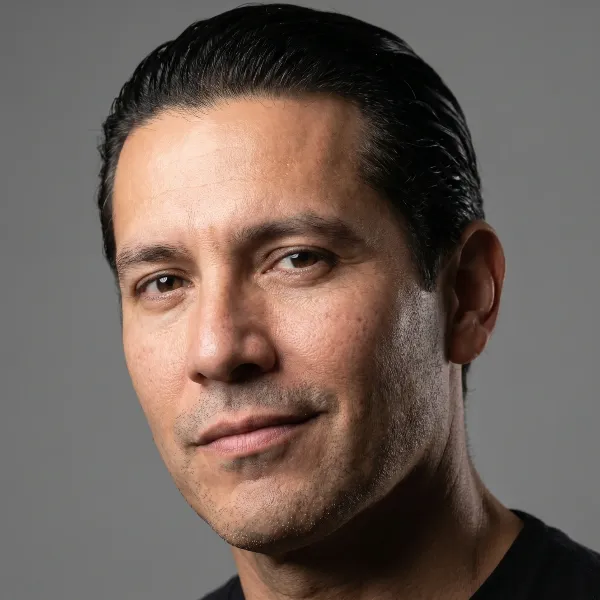
Rob Dickinson, former frontman of the British alternative rock band Catherine Wheel, founded Singer Vehicle Design in 2009 in Los Angeles after years of owning and loving air-cooled 911s. Like Magnus Walker, he did not come out of a traditional shop background, which tells you something about who tends to push this scene into new territory. It is often people from outside the established restoration and racing world who see an opportunity the insiders have grown too comfortable to notice. Dickinson wanted a 911 built to a standard of finish and detail he felt Porsche itself never quite achieved, and he had the design sensibility and industry contacts to actually pursue it as a business rather than a personal project.
The name itself is a play on words, referencing both the sewing machine company and, according to Dickinson, the idea of a singer reinterpreting a familiar song. Every Singer car starts life as a client-supplied 964-generation 911, built between 1989 and 1994, which the company completely disassembles before rebuilding it with a mix of carbon fiber body panels, a reworked and typically air-cooled flat-six engine developed with outside partners, and interior craftsmanship closer to high-end furniture making than automotive upholstery.
"Singer isn't restoring a 964 or hot-rodding one. They're using the shape as a canvas and rebuilding almost everything underneath it. That's a completely different business than what most outlaw builders do."
— Jim Vasquez
Why the 964 chassis specifically
The choice of the 964 as the exclusive donor platform is not arbitrary. It sits at a useful point in 911 history, still using the classic round-headlight body shape enthusiasts associate with earlier air-cooled cars, while carrying a chassis modern enough to accept upgraded suspension geometry, better brakes, and more sophisticated engine management than older 911s were designed around. That combination lets Singer deliver a car that looks like it stepped out of the 1970s while driving with a precision closer to something built decades later.
It also means every Singer build starts from a known, consistent base, which matters enormously when you are charging what Singer charges. A client paying well into seven figures for a build expects predictable engineering, not a bespoke solution invented from scratch for every different starting chassis. Standardizing on the 964 let the company develop and refine its processes over dozens of cars rather than reinventing fundamentals each time.
How this compares to the garage-built outlaw tradition
It is worth being honest about where Singer sits relative to the rest of this history. Rod Emory built his early reputation modifying and reworking existing 356s, often personal cars, refining what already existed. Magnus Walker built a following on personal taste and volume, owning and customizing dozens of 911s over years. Singer builds a product, a defined, repeatable commission with a waiting list and a price list, executed by a team rather than one builder's personal vision alone.
Some purists in the outlaw scene are lukewarm on Singer for exactly that reason. It feels more like a boutique manufacturer than a rebellion against factory convention. I understand that argument, but I do not fully agree with it. The original outlaw impulse was always about refusing to accept the factory's answer as final. Singer does that at an extreme level of resources and polish, but the underlying instinct, that a 911 can be better than Porsche originally built it, is identical to what was happening in garages forty years earlier.
| Aspect | Traditional outlaw build | Singer reimagined build |
|---|---|---|
| Donor car ownership | Usually the builder's own or a private client's existing car | Client-supplied 964, fully disassembled |
| Typical cost | Wide range, often a fraction of a new car | Classic Commissions commonly ran from roughly $600,000 to over $1 million plus the donor car, with limited models like the Singer and Williams DLS priced near $1.8 million |
| Production scale | One builder or small shop, limited volume | Dedicated facility, defined process, dozens of builds annually |
| Body material | Steel, hand-formed as needed | Carbon fiber panels over a modified steel structure |
For the broader context of how this whole movement started decades before Singer existed, our piece on the outlaw and restomod scene covers the earlier, scrappier chapter of the story directly.
What Singer changed about the market permanently
Whatever you think of the price tags, Singer proved there was a real, sustainable, high-end commercial market for reimagined classic Porsches built to an obsessive standard. That opened the door for other shops to pursue similar business models at various price points, some closer to Singer's polish, others closer to the scrappier traditional outlaw approach. It also pushed the broader collector world to take restomodded classics more seriously as investments rather than dismissing them as modified used cars with no resale value.
That shift matters if you are shopping in this space today. A car built with Singer-level attention to fit, finish, and engineering documentation is going to hold value very differently than a quick cosmetic build, even if both wear a similar outlaw or reimagined label. Knowing the difference before you write a check is the whole game.
Singer represents where the outlaw philosophy can go with enough capital and ambition behind it, and there is a closely related movement worth understanding alongside it, which we cover in a companion piece on the rally-inspired Safari 911 trend. For the complete arc from rebellious garage builds to today's high-end commissions, the broader Porsche saga ties the whole timeline together.
None of this happens without the original outlaw builders proving the concept first. Singer did not invent the idea that a 911 could be better than Porsche made it. They just proved how far that idea could be taken when someone had the resources to chase it all the way.
If the reimagined and restomod approach appeals to you at any price point, current Porsche restomods for sale span everything from Singer-caliber commissions to more accessible builder work carrying the same philosophy forward.
Sources and notes
- Singer Vehicle Design - Wikipedia
- Rob Dickinson - Wikipedia
- Porsche 911 (964) - Wikipedia
- Introducing the Porsche 911 Carrera Coupe Reimagined by Singer - Singer Vehicle Design
- This Porsche Reimagined By Singer Costs $1 Million - CarBuzz
- Rare Singer Listing Gives Insight Into The Options Cost - The Autopian